
2027 Most Valuable Engineering Degree Programs Ranking in Tampa

Co-Founder and Chief Data Scientist
If you're considering an engineering degree in Tampa, this article is for you. We present the 2027 Most Valuable Engineering Degree Programs Ranking in Tampa, carefully crafted by the Research.com team of data scientists. It's designed to guide you through the best options available.
Choosing the right program can shape your future career and open exciting opportunities. This ranking helps you make an informed decision by focusing on value and quality.
Discover programs that match your goals and feel confident about your next steps in engineering education.
Key benefits of getting engineering degree in Tampa
- Graduates with an engineering degree can expect strong salaries in Tampa, such as Mechanical Engineers earning about $105,220 annually and Electrical Engineers around $117,680, making it a rewarding career choice.
- Engineering graduates from popular local universities often find diverse career paths in fields like civil, industrial, or electrical engineering, offering exciting opportunities to grow and specialize.
- Online engineering degrees offer flexibility and convenience for Tampa students, allowing them to balance work and study effectively while gaining valuable skills comparable to traditional programs.
- 2027 Most Valuable Engineering Degree Programs Ranking in Tampa
- What can I expect from engineering degree in Tampa?
- Where can I work with engineering degree in Tampa?
What can I expect from engineering degree in Tampa?
The average cost of pursuing an engineering degree in Tampa, particularly at the University of South Florida (USF), is generally affordable compared to private institutions. For in-state students, undergraduate tuition for engineering programs averages around $6,400 per year for the 2023-2024 academic year. Graduates from USF often note that this cost, combined with the practical experience gained through internships and collaborative projects, offers excellent value for a comprehensive education in fields such as civil and mechanical engineering.
Many students appreciate that despite the reasonable tuition, the curriculum demands rigorous study in core subjects like mathematics and physics. The balance of theoretical coursework with hands-on learning prepares students well for real-world engineering roles, especially within Tampa's expanding technology and manufacturing sectors. The affordability allows students to focus more on gaining relevant skills and industry exposure without excessive financial strain.
Ultimately, Tampa's engineering programs merge accessible costs with strong academic and professional opportunities, as experienced by recent graduates who successfully transitioned into high-growth local engineering careers.
Where can I work with engineering degree in Tampa?
Graduates with engineering degrees from institutions like the University of South Florida in Tampa find themselves well-positioned within a thriving job market. Many secure roles at leading aerospace firms such as Lockheed Martin, working on innovative projects involving mechanical, electrical, or aerospace engineering. These roles often involve hands-on design, testing, and system integration, providing dynamic career growth.
In Tampa's rapidly expanding technology sector, graduates often join companies specializing in cybersecurity, data analytics, and telecommunications. For example, software and electrical engineers report engaging work developing new infrastructure and cutting-edge products, reflecting the region's consistent tech industry growth of over 10% annually.
Civil and construction engineers benefit from Tampa's ongoing urban expansion, contributing to projects designing highways, bridges, and water management systems. Many find rewarding careers that impact the community directly, fulfilling a sense of purpose alongside professional development.
Biomedical and environmental engineering graduates frequently collaborate with top-tier research centers such as Moffitt Cancer Center, applying their skills to sustainable technologies and healthcare innovations. These opportunities consistently inspire pride and motivation among alumni who value meaningful work.
Graduates from engineering programs in Tampa, such as those at the University of South Florida, typically find rewarding salary opportunities that reflect both local industry demand and national trends. For instance, mechanical engineers often earn a mean annual wage around $105,220, while electrical engineers see higher averages near $117,680 according to recent BLS data. Civil engineers in the area earn approximately $101,160 annually, illustrating competitive salaries across disciplines.
Students from Tampa-based colleges report that entry-level positions generally start between $60,000 and $70,000, providing a stable foundation for new professionals. With experience, many engineers advance to roles earning over $100,000 per year, especially when employed by regional leaders in energy, manufacturing, or aerospace sectors.
These salary levels combined with Tampa's moderate cost of living create promising financial prospects for graduates. Alumni often describe satisfaction with their compensation as it supports a comfortable lifestyle while allowing continued professional growth in a vibrant engineering job market.
- Tampa offers accredited engineering programs in mechanical, civil, electrical, and computer engineering.
- Annual tuition for in-state public university students ranges from $6,500 to $10,000, while private schools charge between $25,000 and $35,000.
- The total cost for a four-year engineering degree varies from around $30,000 to over $140,000 including housing and other fees.
- Starting salaries for entry-level engineers in Tampa range from $63,000 to $70,000 per year.
- Experienced engineers can expect median salaries of $95,000 or more after several years in the field.
- The job market is strong in sectors like aerospace, manufacturing, technology, and renewable energy, with steady employment growth projected.
Completing an engineering degree in Tampa typically requires about four years of full-time study for a Bachelor of Science (B.S.) in engineering. This duration is aligned with ABET accreditation standards and reflects a structured plan involving 120 to 130 credit hours, commonly distributed over eight semesters. Graduates from institutions like the University of South Florida and the University of Tampa often share how their journey combined rigorous coursework in mathematics, science, and engineering principles with vibrant campus support systems that encourage timely progress.
For many students, engaging in cooperative education or internships extends their graduation timeline by a semester or more but offers invaluable real-world experience that enhances employability. Some Tampa students balance part-time study with work, which can prolong degree completion but also foster practical skills and financial independence.
Those pursuing advanced degrees can enroll in accelerated master's programs available locally, often reducing the typical 1.5 to 2 additional years required beyond the bachelor's. Tampa students appreciate the flexibility of summer courses, which help speed up their academic journey while maintaining strong connections to their community.
Prospective students should evaluate the true ROI of an engineering degree in Tampa by comparing average total costs-tuition, fees, and living expenses-against median starting salaries and long-term earning potential. On average, graduates repay their investment within 5–7 years, thanks to competitive starting salaries: Mechanical engineers at $100,820, Electrical engineers at $114,050, and Civil engineers at $97,380. Factoring in financial aid packages and scholarship awards can shorten this payback period significantly. For those researching affordability alongside value, our Low Cost Engineering Degree Programs Ranking in the South highlights programs with the highest ROI in the region. Additionally, many Tampa institutions offer co-op and internship pathways integrated into the curriculum-students can earn while they learn, further reducing net debt. By scrutinizing net price calculators, average graduate debt, and post-graduation salary data, you can select an engineering program that delivers both academic excellence and financial viability.
Online and on-campus engineering degrees in Tampa differ primarily in learning environment and flexibility. Graduates of traditional programs at institutions like the University of South Florida recall engaging directly with specialized labs and in-person collaboration, which fosters hands-on skills essential for engineering careers. Such immersive experiences offer immediate feedback from faculty and peers, enhancing problem-solving abilities.
Conversely, online engineering students appreciate the flexibility to balance coursework with work or family responsibilities. Virtual labs and interactive video lectures replicate practical elements, allowing learners across Tampa to access quality education without relocating or commuting. Many working professionals find this mode encourages steady progress while maintaining career commitments.
Cost considerations also diverge; on-campus studies often entail expenses related to housing and campus fees, whereas online programs can reduce these additional costs despite similar per-credit tuition. Both options emphasize the importance of ABET accreditation, ensuring programs meet rigorous standards recognized by Tampa's engineering employers and contributing to graduates' confidence in career readiness.
The average cost of an engineering degree in Tampa varies significantly based on residency and institution type. According to current data, the median total tuition and fees for engineering programs stand at approximately $30,694. For in-state students attending public universities such as the University of South Florida, the median in-state total cost is about $6,410, reflecting a more affordable pathway for residents. Graduates from these institutions often express satisfaction with the balance between quality education and reasonable expenses, which allows them to focus more on their studies and less on financial stress.
Non-residents or out-of-state students face higher expenses, with median total costs reaching similar levels to the overall average, around $30,694, due primarily to increased tuition fees. Private colleges in Tampa typically exceed these figures, sometimes reaching over $100,000 for a four-year program before aid is considered. Nevertheless, many students find value in the specialized resources and smaller class sizes offered by private institutions.
Engineering students in Tampa should also consider the total tuition and fees for Tampa engineering programs alongside living expenses. Tampa's moderate cost of living and accessible housing options create an environment conducive to academic focus and personal growth, which graduates frequently recall as a positive part of their educational journey. Prospective students interested in practical applications and future job prospects can also explore related fields, such as computer science career options, to broaden their outlook in the technology sector.
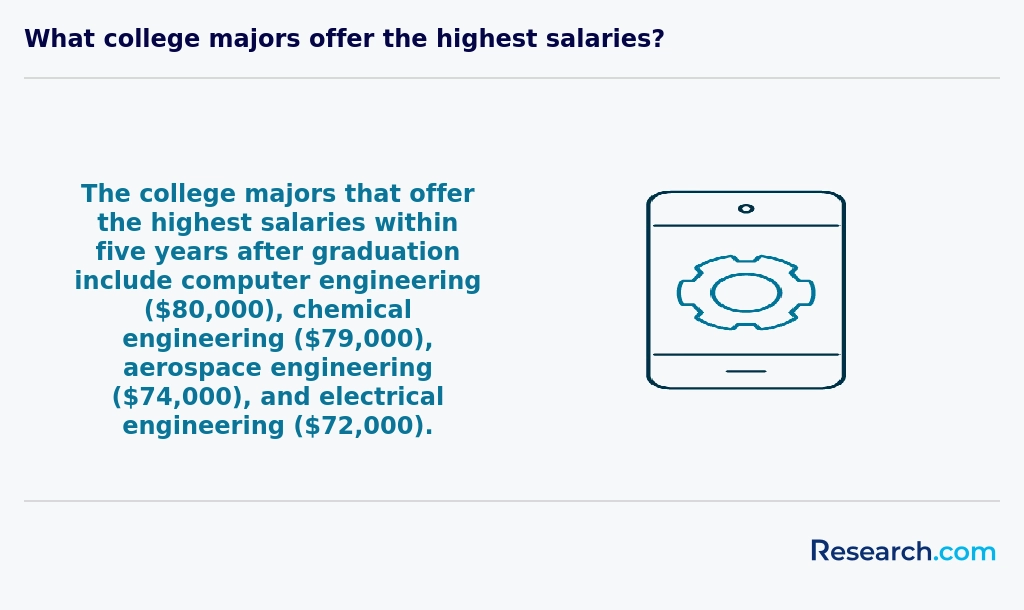
Engineering students in Tampa have access to diverse financial aid options designed to ease the burden of rising tuition costs. Federal aid is a critical resource; many students secure grants, low-interest loans, or work-study positions through the Free Application for Federal Student Aid (FAFSA). At institutions like the University of South Florida (USF), graduates often recall how these federal programs substantially reduced their expenses.
State scholarships also play a significant role. For example, the Bright Futures Scholarship benefits many Florida residents pursuing engineering, provided they meet GPA and standardized test benchmarks. Tampa-based universities, including USF and the University of Tampa, offer merit-based scholarships that reward strong academic achievement or financial need, with several focused specifically on engineering disciplines.
Private scholarships further support students, especially those from underrepresented groups in STEM fields. Additionally, some local employers provide tuition assistance plans, allowing working students to combine professional experience with degree progress. These layered options contribute to a supportive financial environment for Tampa engineering students.
Engineering programs that actively partner with local industries provide students with invaluable real-world experience and a competitive edge upon graduation. Many institutions in Tampa, FL, collaborate with local companies, research centers, and professional organizations to facilitate internships, co-op programs, and guest lectures that bridge the gap between academic theory and practical application. Through these partnerships, students not only gain hands-on exposure to cutting-edge technology and industry trends but also develop strong professional networks that can be pivotal in launching their careers. Additionally, these initiatives often lead to mentorship programs where seasoned engineers share insights and guidance, ensuring that students are well-prepared to meet the challenges of the evolving engineering landscape. For more comprehensive insights into top-tier collaborations and how these industry ties can shape your educational journey, explore the valuable engineering programs in florida that integrate professional experience into their curriculum.
Enrolling in an engineering degree program in Tampa requires applicants to demonstrate strong academic preparation in math and science. Graduates from programs such as those at the University of South Florida or Hillsborough Community College often recall how crucial mastery of Algebra, Geometry, Calculus, Physics, and Chemistry was before starting their courses. Some programs also value background in Biology or basic Computer Science, depending on the specialization.
Applicants typically must submit official high school transcripts showing robust coursework in these areas, aligning with standards set by ABET, the national accreditor. Many students remember the importance of achieving competitive SAT or ACT scores, especially on math sections, with USF's College of Engineering frequently seeking SAT math scores above 600 to ensure readiness.
Beyond academics, successful candidates prepare comprehensive applications including letters of recommendation and personal statements, conveying their passion and relevant extracurricular activities. Tampa engineering students appreciate how these prerequisites foster confidence and capability as they face demanding subjects like thermodynamics and circuit analysis.
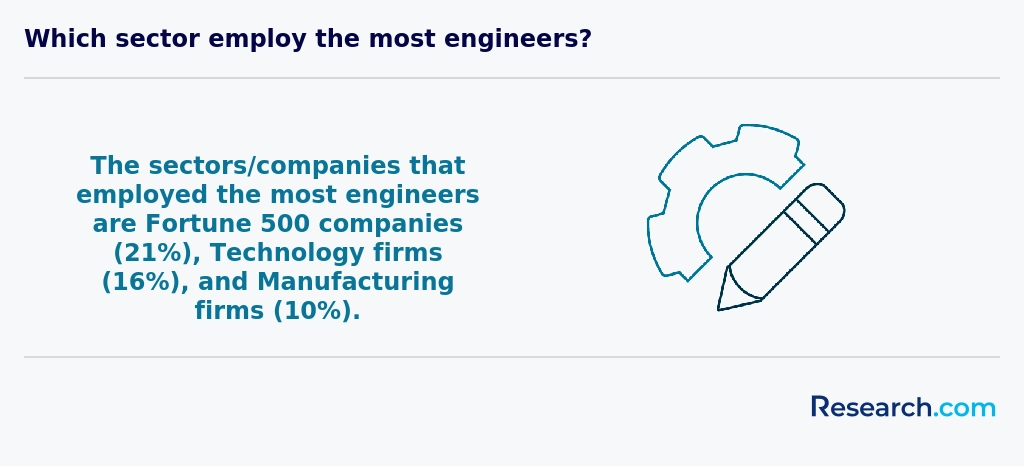
Engineering degree programs in Tampa commonly begin with foundational courses such as calculus, differential equations, and linear algebra, which provide critical quantitative skills. Students at local universities often praise how these math courses directly support their ability to solve real-world engineering problems encountered in advanced classes and internships.
Physics courses focusing on mechanics and electromagnetism are integral, offering a practical understanding of forces and energy that graduates frequently apply when designing projects or conducting lab experiments. Chemistry is emphasized particularly in disciplines like chemical or materials engineering, helping students grasp essential concepts relevant to industry standards in Tampa's manufacturing and technology sectors.
Core engineering courses include statics and dynamics, thermodynamics, electrical circuits, materials science, and computer-aided design (CAD). Graduates often describe these subjects as both challenging and rewarding, providing skills they use daily in collaborative projects and professional environments. Specializations, such as structural analysis for civil engineering or semiconductor devices for electrical engineering, reflect the diverse expertise fostered by Tampa's engineering programs.

Engineering degree specializations in Tampa encompass a diverse array of fields tailored to meet the region's economic and technological growth. Graduates from top engineering programs Tampa area highlight popular tracks such as Civil Engineering, which addresses infrastructure demands in a rapidly urbanizing environment, and Mechanical Engineering, valued for its broad application in manufacturing and aerospace industries. Electrical Engineering remains essential, equipping students with skills relevant to telecommunications and emerging technology firms in Tampa.
Specializations like Biomedical Engineering attract students interested in medical device innovation, reflecting Tampa Bay's expanding healthcare sector. Environmental Engineering is also prominent, focusing on sustainability and regulatory challenges unique to Florida's coastal ecosystems. Many students benefit from interdisciplinary opportunities through hands-on projects and internships that deepen their practical knowledge.
Moreover, engineering students keen on technology development often combine their studies with skills for computer science careers, enhancing their versatility in the job market. This wide range of specializations available in Tampa's reputable institutions creates a stimulating environment for aspiring engineers.
Choosing the best engineering degree in Tampa requires evaluating accredited programs that align with your personal interests and career goals. Graduates from the University of South Florida often praise the robust curriculum and hands-on lab experiences that prepare them well for Tampa's dynamic job market. Prioritizing top accredited engineering programs Tampa ensures your degree meets national standards and enhances employability.
Cost is another crucial factor. Many students seek the best affordable engineering degrees Tampa offers, balancing tuition with available scholarships and internship opportunities. Practical experience gained through local partnerships-such as with TECO Energy or Raymond James-is highly valued and can significantly improve job prospects.
Additionally, exploring the faculty's expertise and research initiatives helps students gain exposure to cutting-edge technologies. Those interested in software development frequently integrate coursework with computer programming career paths, expanding their skillset. Engaging with campus resources and alumni networks further enriches the learning journey, making the selection process more informed and rewarding.

Graduates holding an engineering degree in Tampa find diverse career paths aligned with the city's expanding economic sectors. Opportunities in civil engineering abound, driven by Tampa's infrastructure projects where alumni from local universities actively contribute to designing resilient roads and bridges. Mechanical engineering is another prominent path, with graduates engaging in aerospace and advanced manufacturing roles, often within collaborative environments hosted by Tampa's technical colleges. Electrical and computer engineering careers thrive alongside the region's burgeoning tech industry, where engineers develop critical telecommunications and cybersecurity solutions. Environmental engineering positions appeal to those passionate about sustainable practices, addressing challenges unique to Tampa's coastal geography. Industrial engineering is in demand due to the city's extensive logistics and port operations, optimizing supply chains and operational efficiencies.
The practical experiences from Tampa's engineering programs have helped many graduates appreciate the real-world impact of their skills, fostering enthusiasm for local opportunities. This variety makes engineering career opportunities in Tampa especially attractive for students eager to apply their education in dynamic, high-growth sectors.
Institutional support and industry partnerships enhance the top engineering jobs in Tampa Florida, ensuring graduates remain competitive. Many students also report that exploring options for database management career growth complements their technical expertise, further expanding their professional prospects.

The engineering job market in Tampa offers promising opportunities for degree holders, supported by a strong local economy and diverse industries. Graduates from well-known Tampa universities often find themselves well-positioned thanks to the city's demand for civil, electrical, mechanical, and software engineers. For instance, many engineering students benefit from internships facilitated by local institutions, gaining valuable experience that aligns with employer expectations in sectors such as manufacturing and aerospace.
Tampa engineering degree employment opportunities are notably stable given the projected 7% growth in engineer jobs over the next decade. Popular industries include technology startups and large firms in aerospace and construction, which continually seek skilled engineers. Graduates often express satisfaction with competitive starting salaries, typically ranging from $60,000 to $70,000, reflecting the region's economic vitality.
Students pursuing engineering in Tampa should also explore practical training options, as real-world experience significantly enhances employability. Additionally, those interested in expanding their qualifications might consider fulfilling online master's degree requirements, which can boost career prospects in this evolving market.
2027 Most Valuable Engineering Degree Programs Ranking in Tampa
Investing in your education is a significant decision that can shape your future, and the Research.com team understands the importance of making informed choices. To assist prospective students in Tampa, we have meticulously developed the "2027 Most Valuable Engineering Degree Programs Ranking in Tampa." Our unwavering commitment to quality, credibility, and accuracy is demonstrated through extensive research and thorough analysis undertaken to compile this ranking.
We utilized the following reputable data sources to ensure a comprehensive evaluation of engineering degree programs:
By exploring this ranking, readers will gain valuable insights into the most valuable engineering programs in Tampa, enabling them to make well-informed decisions about their educational and career paths. For more information on how this ranking was created, please visit our Research.com methodology page.

Frequently Asked Questions About engineering
Engineering students in Tampa can enhance their education by taking advantage of local university resources and industry connections. The University of South Florida, one of Tampa's leading institutions, offers hands-on learning through labs and internships, which are critical for applying theoretical knowledge. Engaging in cooperative education programs can provide real-world experience and improve job readiness.
Networking is vital; Tampa hosts various engineering events and professional organizations such as the Tampa Bay Engineers' Council, which can help students build valuable contacts. Additionally, students should leverage career services for resume building and interview preparation.
Participating in student-led projects and research can develop problem-solving and teamwork skills often sought by employers. Finally, staying updated with emerging technologies relevant to Tampa's growing sectors, including aerospace and technology, ensures students remain competitive in the job market.
The engineering field in Tampa is witnessing growth in several emerging niches driven by regional industry needs and technological advancements. One notable area is renewable energy engineering, focusing on solar and wind technologies, reflecting Florida's increasing investments in sustainable power. According to the U.S. Bureau of Labor Statistics, careers in environmental and renewable energy engineering are growing faster than average nationwide, benefiting Tampa's expanding clean tech sector.
Another growing niche is biomedical engineering, supported by Tampa's robust healthcare and life sciences community. The city hosts many medical research facilities, creating demand for engineers with skills in medical device design and biomaterials.
Additionally, cybersecurity engineering is becoming critical as Tampa's tech industry develops, aligning with a national STEM trend that expects a 35% job growth rate in this area through 2031 (BLS). These niches offer promising opportunities for students pursuing engineering degrees in Tampa.
Preparing for the job market after completing an engineering degree in Tampa involves gaining practical experience and building professional networks. Internships and cooperative education programs with local industries, such as those in aerospace and manufacturing sectors, offer valuable hands-on experience. According to the U.S. Bureau of Labor Statistics, Tampa's engineering employment is projected to grow by approximately 7% over the next decade, underscoring the importance of relevant skills.
Joining professional organizations like the Tampa Bay Chapter of the Society of Women Engineers can help students connect with employers. Additionally, earning certifications related to your engineering discipline can enhance your resume. Career services at local institutions often provide job fairs and resume workshops tailored to the Tampa market.
Employers in Tampa prioritize strong technical skills when hiring engineering graduates. Proficiency in software tools like AutoCAD, MATLAB, and SolidWorks is highly valued across most engineering disciplines, according to a 2023 report by the Tampa Bay Workforce Development Board.
Problem-solving and analytical thinking are essential. Engineers must design efficient solutions to complex challenges faced by Tampa's booming industries such as aerospace and marine technology.
Communication skills also rank high. Graduates who can clearly explain technical information to non-engineers contribute more effectively to team projects and client relations.
Additionally, familiarity with Florida's regulatory standards and sustainability practices is increasingly important as Tampa companies emphasize environmental compliance and green engineering.
Finding internships in Tampa relevant to an engineering degree involves exploring local industries and educational resources. Tampa hosts a growing tech and manufacturing sector, offering opportunities in aerospace, civil, and electrical engineering. Companies like Lockheed Martin and TECO Energy often recruit interns from nearby universities.
Students should connect with the University of South Florida's career services, which partners with local employers to list engineering internships. The USF Engineering Career Fair, held annually, is a vital event where over 100 companies participate, presenting significant internship chances.
Additionally, online platforms such as Handshake and LinkedIn list Tampa-based internships targeted to engineering students, often requiring technical skills and academic performance.
Obtaining an engineering degree in Tampa significantly enhances career mobility and advancement opportunities. Tampa's growing technology and manufacturing sectors create a strong demand for qualified engineers, particularly in fields like civil, mechanical, and electrical engineering, according to the Tampa Bay Economic Development Council. Graduates often find that possessing a degree facilitates entry into higher-paying roles, with the U.S. Bureau of Labor Statistics reporting that engineering occupations in the Tampa area have a median annual wage above the national average.
Many local employers prioritize candidates with formal engineering education for leadership and specialized technical positions. Additionally, professional networking through local organizations, such as the Tampa Bay Engineers Council, supports career growth. The degree also provides a foundation for further certifications or advanced degrees, which are important for management and research roles in Tampa's competitive market.
Engineering degree programs in Tampa emphasize interdisciplinary learning by integrating courses from fields such as computer science, business, and environmental science. This approach equips students with diverse skills needed in today's complex work environments.
Local universities collaborate with industries like aerospace, technology, and healthcare, providing hands-on projects that require teamwork across multiple disciplines. According to a 2023 report by the Florida Department of Education, over 65% of engineering graduates from the Tampa Bay area participate in internships or cooperative education experiences involving interdisciplinary teams.
Additionally, Tampa's growing tech and manufacturing sectors create opportunities for engineering students to apply their knowledge in varied contexts, strengthening problem-solving and communication skills critical to interdisciplinary roles.
Choosing between a thesis and a non-thesis engineering degree program in Tampa depends largely on your career goals and interests. A thesis option typically involves conducting original research, suited for those aiming for roles in research, development, or pursuing a PhD. It usually requires two to three years of study with a focus on academic work.
On the other hand, non-thesis programs emphasize coursework and practical skills, often favored by professionals seeking advancement in industry. These programs may include internships or projects instead of research.
In Tampa, universities like the University of South Florida offer both tracks, reflecting the city's growing tech and engineering sectors. According to the US Bureau of Labor Statistics, Tampa's engineering employment is expected to grow by 7% through 2031, making practical skills highly valuable. Reviewing program specifics and aligning them with your aspirations is essential in making an informed choice.
Students based in Tampa seeking to study engineering abroad have several pathways through partnerships and exchange programs facilitated by Tampa Bay area universities. The University of South Florida (USF), a major hub for engineering education locally, collaborates with international institutions in Europe and Asia, offering semester-long exchange opportunities.
These programs are designed to allow students to gain global perspectives while earning credits applicable to their USF engineering degrees. Typically, about 10-15% of engineering undergraduates at USF participate in study abroad experiences, broadening their technical and cultural expertise.
Additionally, students can explore faculty-led short-term programs during summer sessions that focus on specialized engineering topics in countries with advanced technology sectors. Funding options, such as scholarships and grants, are often available to support these international studies, making them more accessible to Tampa students.
Students pursuing engineering degrees in Tampa have access to several part-time job opportunities that complement their studies. Engineering-related roles such as CAD drafting technician, lab assistant, or junior engineering intern are commonly available through local firms and university partnerships. According to the University of South Florida's Career Services, nearly 40% of engineering students secure internships or part-time roles within six months of enrollment.
Positions in sectors like aerospace, manufacturing, and environmental engineering align well with Tampa's industries. Additionally, roles in IT support and data analysis can strengthen technical skills. These experiences enhance practical knowledge and improve prospects for full-time employment after graduation.
Engineering students in Tampa benefit from a variety of networking opportunities that connect them with industry professionals and peers. The Tampa Bay region is home to several engineering-focused organizations, such as the Tampa Bay Engineers Week and local chapters of national groups like the Society of Civil Engineers and the Institute of Electrical and Electronics Engineers (IEEE).
Universities like the University of South Florida (USF) actively host career fairs and industry panels, offering students access to leading companies in aerospace, manufacturing, and technology sectors. In 2023, USF reported over 200 engineering companies participating in their networking events, reflecting strong local employer engagement.
The growing tech scene in Tampa also enables students to attend meetups and workshops, fostering connections that often lead to internships and job offers. According to the Tampa Bay Partnership, the region's engineering workforce grew 5% in the past year, highlighting increasing professional activity and networking potential for students.
Alumni networks play a crucial role for engineering students in Tampa by providing valuable connections within the local industry. Tampa's engineering sector, which includes companies in aerospace, cybersecurity, and construction, benefits from graduates who stay linked with their alma maters.
Through organized events and online platforms, alumni offer mentorship, internship opportunities, and job referrals to current students. Statistics from the University of South Florida show that over 60% of engineering students find employment through these networks within six months of graduation.
Moreover, alumni connections help students navigate career paths and gain insights into emerging engineering trends in Tampa's vibrant job market.
Students pursuing engineering degrees in Tampa can customize their programs through elective courses, minors, and concentration areas aligned with their career goals. Many institutions in Tampa offer specializations in fields such as civil, electrical, mechanical, and computer engineering. According to the National Center for Education Statistics, a growing number of Tampa schools allow students to tailor projects or research work toward industry needs like renewable energy or biomedical devices.
Internships and cooperative education programs provided by local companies also help students gain practical experience relevant to their interests. Academic advisors play a key role in guiding degree paths to match employment trends in the Tampa Bay region, where engineering jobs have increased by 5% annually over the past three years, per the Bureau of Labor Statistics.
Engineering students in Tampa often face a demanding curriculum that requires strong time management skills. According to the National Society of Professional Engineers, rigorous coursework in subjects like thermodynamics and calculus can lead to high stress levels.
Many students report challenges balancing internships or part-time work with academic responsibilities, especially since Tampa's engineering job market is competitive. The Florida Department of Education notes that hands-on experience is crucial, but opportunities can be limited depending on the specialization.
Access to affordable resources and technology is another hurdle. Though some Tampa universities provide labs and software, costs may add up for students from low-income backgrounds.
Lastly, adapting to fast-paced technological changes demands continuous learning, creating an additional pressure point in students' academic journeys.
Graduates with an engineering degree in Tampa have several professional certifications they can pursue to advance their careers. One of the most recognized is the Professional Engineer (PE) license, which requires passing the Fundamentals of Engineering (FE) exam, gaining relevant work experience, and passing the PE exam. This certification enhances credibility and job prospects in many engineering fields.
Another valuable credential is the Project Management Professional (PMP), useful for engineers managing complex projects. The PMP certification is offered by the Project Management Institute and valued across industries.
Additionally, engineers can consider certifications specific to their specialty, such as the Certified Manufacturing Engineer (CMfgE) or Certified Structural Engineer (SE). These credentials confirm specialized skills and may lead to higher salaries in the Tampa job market.
Local economic reports show Tampa's engineering sector growing steadily, increasing demand for certified professionals in construction, aerospace, and manufacturing industries.
To write a winning application for an engineering program in Tampa, start by highlighting your strong foundation in math and science. Tampa Bay Technical High School and other local schools emphasize STEM preparation, which admission committees value. Clearly demonstrate your passion for engineering through relevant coursework, projects, or internships-such experiences boost your chances.
Include a well-crafted personal statement that outlines your career goals and why you chose engineering, specifically in Tampa. Mention interest in local industries such as aerospace, renewable energy, or marine engineering, which align with Tampa's economic profile according to the Tampa Bay Economic Development Council.
Strong letters of recommendation from teachers or employers who know your skills are essential. Finally, maintain competitive SAT or ACT scores; for instance, University of South Florida's engineering programs typically expect scores around the 75th percentile nationally, reflecting rigorous standards.
Engineering careers are highly valued worldwide, including in Tampa, where the local economy supports a strong demand for skilled engineers. Globally, engineering is seen as a critical profession driving innovation, infrastructure, and technology development. In the United States, engineering graduates often enjoy competitive salaries and diverse job opportunities. According to the U.S. Bureau of Labor Statistics, the engineering field is expected to grow about 4% from 2021 to 2031, which aligns with Tampa's expanding industries, such as aerospace and manufacturing.
Internationally, engineering skills are portable and in demand, fostering cross-border collaboration. Tampa benefits from this trend through partnerships between universities and global companies, making it an attractive place for engineering students aiming for global careers.
Gaining practical experience while studying for an engineering degree in Tampa is essential for career readiness. Many local universities, such as the University of South Florida, offer co-op programs and internships with prominent companies like Jabil and TECO Energy. These opportunities allow students to apply classroom knowledge to real-world projects. According to the Tampa Bay Partnership, the region's engineering sector is growing by 3.5% annually, increasing demand for skilled interns and entry-level engineers.
Participating in research projects, student engineering competitions, and networking events hosted by Tampa Bay engineering societies also helps build hands-on skills and professional connections. Local labs and innovation centers often collaborate with students, providing access to cutting-edge technology.
Choosing the right concentration within an engineering degree program in Tampa requires considering both personal interests and local industry demands. Tampa's economy is strong in sectors like marine engineering, civil infrastructure, and aerospace, which influences the popularity and job availability of concentrations in these fields. According to the Tampa Bay Partnership, over 100,000 jobs relate to engineering and technical roles in the region. Prospective students should examine course offerings and internship opportunities at Tampa institutions such as the University of South Florida, which features specialized tracks aligned with local market needs.
Additionally, evaluating national accreditation by ABET can ensure program quality and recognition. Exploring industry partnerships and alumni employment rates also helps identify concentrations that provide strong career outcomes. Given Tampa's growing technology sector, concentrations in software and electrical engineering are expanding. Researching salary data from sources like the Bureau of Labor Statistics for Tampa's metropolitan area may assist in aligning concentration choices with economic goals. Ultimately, selecting a concentration should balance interest, local demand, and program strength.
- 2027 Most Valuable Engineering Degree Programs Ranking in Daytona Beach
- 2027 Most Valuable Engineering Degree Programs Ranking in Tallahassee
- 2027 Most Valuable Engineering Degree Programs Ranking in Auburn
- 2027 Most Valuable Engineering Degree Programs Ranking in Atlanta
- 2027 Most Valuable Engineering Degree Programs Ranking in Birmingham
- 2027 Most Valuable Engineering Degree Programs Ranking in Tuscaloosa
- 2027 Most Valuable Engineering Degree Programs Ranking in New Orleans
- 2027 Most Valuable Engineering Degree Programs Ranking in Huntsville
- 2027 Most Valuable Engineering Degree Programs Ranking in Baton Rouge
- 2027 Most Valuable Engineering Degree Programs Ranking in Nashville
See What Experts Have To Say About Studying Engineering
Read our interview with Engineering experts

Bohdan W. Oppenheim
Engineering Expert
Professor Emeritus of Healthcare Systems Engineering
Loyola Marymount University

Joseph Reichenberger
Engineering Expert
Professor of Civil Engineering & Environmental Science
Loyola Marymount University


- Engineering Jobs in Tampa https://jobs.tecoenergy.com/go/Engineering-Jobs-in-Tampa/3041300/
- Guide to Types of Engineering Programs and Careers https://www.ycp.edu/news/types-of-engineering-degree-programs
- Top 5 Demanding Engineering Fields in 2025: Future-Proof Your Career - MEC https://mailamengg.ac.in/top-5-demanding-engineering-fields-2025/
- How to Study Abroad as an Engineering Major https://www.semesteratsea.org/study-abroad-engineering-major/
- Executive Search and Outplacement Services for the Engineering, Architecture, Construction, and Manufacturing Industries https://www.davron.net/stand-out-niche-engineering-job-market/
- How Do You Decide Which Engineering Career is Right for You? https://www.straighterline.com/blog/which-engineering-career-right-for-you
- Guide to Engineering Internships https://www.internwise.co.uk/candidate-journey/industry-internships/guide-to-engineering-internships
- Engineering work experience | This is Engineering https://thisisengineering.org.uk/become-an-engineer/work-experience/
- engineering degree - Tłumaczenie po polsku - Słownik angielsko-polski Diki https://www.diki.pl/slownik-angielskiego
- Study Engineering Abroad https://yocket.com/blog/study-engineering-abroad


