
2027 Most Valuable Engineering Degree Programs Ranking in Atlanta

Co-Founder and Chief Data Scientist
Choosing the right engineering degree program is an important step toward a successful future. For students in Atlanta, knowing which programs offer the best value can make all the difference. This article introduces the 2027 Most Valuable Engineering Degree Programs Ranking in Atlanta, carefully developed by the Research.com team of data scientists.
By exploring this ranking, you'll gain clear insights into programs that provide strong career prospects and solid returns on your educational investment. Pursuing an engineering degree can open doors to exciting opportunities and personal growth. This guide is designed to help you feel confident about your choices and motivated to take the next step.
Key benefits of getting engineering degree in Atlanta
- Salary benefits: Engineering graduates in Atlanta can expect competitive salaries, such as Mechanical Engineers earning around $105,220 annually and Electrical Engineers making approximately $117,680 per year, offering financial stability and rewarding career growth.
- Career paths: Graduates from institutions like Georgia Tech have diverse opportunities in fields like civil, industrial, or electrical engineering, allowing them to work in construction, manufacturing, or technology sectors with strong local demand.
- Online degree advantages: Earning an engineering degree online from reputable schools like Kennesaw State University allows flexibility to balance work and study while still accessing quality education and opening doors to valuable Atlanta-based engineering careers.
- 2027 Most Valuable Engineering Degree Programs Ranking in Atlanta
- What can I expect from engineering degree in Atlanta?
- Where can I work with engineering degree in Atlanta?
What can I expect from engineering degree in Atlanta?
The average annual tuition for an engineering degree in Atlanta varies notably depending on the institution. At Georgia Tech, a leading public research university, in-state undergraduate tuition is approximately $11,000 as of 2024. This affordability is a key factor for many students who value high-quality education without excessive financial burden. Out-of-state students at Georgia Tech and those attending private or less publicized institutions such as Kennesaw State University or Georgia State University generally face higher tuition costs.
Graduates often report that scholarships and targeted financial aid for STEM fields significantly offset these expenses, making engineering degrees more accessible. Many students describe balancing coursework with internships provided through local partnerships with companies like Lockheed Martin or Delta Air Lines, which sometimes offer stipends that help manage living costs.
Overall, the tuition costs in Atlanta align with the city's robust engineering sector growth, providing a solid return on investment for students pursuing degrees in mechanical, electrical, civil, or biomedical engineering.
Where can I work with engineering degree in Atlanta?
Graduates with engineering degrees from institutions like Georgia Institute of Technology and Atlanta Metropolitan College find robust employment opportunities in Atlanta's diverse industries. Many secure positions in aerospace firms such as Lockheed Martin and Delta Air Lines, where they engage in design and systems engineering projects critical to national and global operations. The region's status as a top-five aerospace employment hub enhances career stability and growth.
Software and electrical engineers benefit from Atlanta's rapidly expanding tech sector, joining companies like Google and NCR Corporation. Graduates often describe their roles developing innovative software solutions that support major corporations' infrastructure, reflecting the sector's consistent 5% annual growth. Such employment paths match the dynamic tech culture fostered on campus.
Civil and environmental engineering alumni contribute to prominent infrastructure projects like MARTA upgrades and the BeltLine, relishing the challenge of sustainable urban development. Meanwhile, mechanical engineers explore careers in manufacturing firms near Atlanta, improving automotive or electronics production processes. Biomedical engineers also thrive, contributing to healthcare advances at organizations such as Emory Healthcare, illustrating the city's broad scope for engineering careers.
Graduates holding engineering degrees in Atlanta enjoy competitive salaries, with the city's evolving tech and industrial sectors playing a significant role. For instance, mechanical engineers, many of whom studied at Georgia Tech or Kennesaw State University, can anticipate mean annual wages around $105,220 according to recent U.S. Bureau of Labor Statistics (BLS) data. Electrical engineers, benefiting from Atlanta's growing technology firms, typically earn even higher, with an average of $117,680 per year. Civil engineers also fare well, earning approximately $101,160 annually, reflecting solid demand within Atlanta's infrastructure projects.
Many graduates starting their careers at local corporations or research institutes begin with salaries near $60,000 to $70,000, gaining upward mobility as experience accumulates. With five to ten years of professional growth, salaries often reach $90,000 or more, while advanced degrees and leadership roles unlock earnings beyond $120,000. These figures illustrate a promising financial trajectory for graduates emerging from Atlanta's trusted engineering programs who are keen to build rewarding careers here.
- Engineering programs in Atlanta cover various disciplines like civil, mechanical, electrical, and industrial engineering.
- Average annual in-state tuition at public universities ranges between $8,000 and $12,000, while private universities charge $25,000 to $35,000.
- Entry-level engineering salaries start around $65,000 to $75,000 per year, with mid-career wages typically between $90,000 and $110,000.
- Atlanta's job market for engineers is strong, with opportunities in aerospace, manufacturing, IT, transportation, and logistics sectors.
- Many programs provide internships and cooperative education to help students gain hands-on experience and professional connections.
Completing an engineering degree in Atlanta generally takes about four years of full-time study, consistent with most undergraduate engineering programs nationwide. Graduates from institutions like Georgia Institute of Technology and Georgia State University typically follow a curriculum designed to be finished within this timeline. This includes foundational courses in math and physics, followed by specialized engineering topics, lab work, and practical internships that build hands-on skills.
Some students extend their studies beyond four years due to part-time enrollment or participation in co-op programs, which combine work experience with study. Others take accelerated routes offered by select universities, completing their degree in as little as three years; however, these programs require intense dedication and heavier course loads.
For graduate studies, such as a Master of Science in Engineering, students usually invest an extra two years after earning their bachelor's degree. Atlanta-based students often find these timelines manageable while participating in Atlanta's vibrant engineering community and benefiting from the city's strong academic resources and industry connections.
Atlanta’s engineering landscape is evolving rapidly, driven by innovations in cloud computing, artificial intelligence, sustainable infrastructure, and smart city initiatives. As organizations digitize operations, demand for roles that bridge software and hardware-such as cloud architecture and IoT engineering-continues to surge. In particular, the expansion of data centers in Metro Atlanta has created abundant opportunities for those interested in becoming a cloud engineer, enabling graduates to command premium salaries and play pivotal roles in enterprise transformation. Long-term projections indicate that the renewable energy sector will also experience double‐digit growth, thanks to Georgia’s investments in solar farms and energy storage solutions. Civil and environmental engineers who specialize in green building practices and resilient infrastructure will find their expertise increasingly sought after, especially as municipal governments prioritize flood mitigation and sustainable transit systems. Likewise, mechanical and electrical engineers will benefit from the rise of advanced manufacturing hubs near Hartsfield–Jackson Atlanta International Airport, where robotics and automation projects promise to redefine production processes. Emerging disciplines such as biomedical device engineering and cybersecurity further diversify Atlanta’s job market. Healthcare providers and research institutions are collaborating to develop next‐generation medical implants and diagnostic tools, creating niche positions for engineers with cross-disciplinary skills. Meanwhile, with cyber threats on the rise, companies across finance, technology, and critical infrastructure are investing heavily in cybersecurity engineering teams to safeguard sensitive data. To stay competitive, students should monitor these trends and seek internships, co-op placements, or certification programs aligned with high‐growth areas. Engaging with professional bodies like the American Society of Civil Engineers (ASCE) and the Atlanta chapter of IEEE can provide early exposure to cutting-edge projects and networking channels. By aligning academic choices with industry forecasts-such as specializing in cloud platforms, renewable systems, or cybersecurity-graduates can position themselves at the forefront of Atlanta’s dynamic engineering ecosystem.
Online and on-campus engineering degrees in Atlanta differ mainly in delivery and experience while both offer ABET-accredited credentials. Graduates from Georgia Tech and Georgia State University often describe on-campus programs as immersive, highlighting hands-on labs and face-to-face collaboration essential for mastering engineering concepts. This direct access to workshops and in-person teamwork, such as group projects in manufacturing or aerospace courses, fosters a vibrant learning environment that online programs may struggle to replicate.
Conversely, online students appreciate the flexibility of virtual lectures, which accommodate working professionals or those balancing family commitments. Programs like Georgia Tech Online blend remote study with occasional campus visits, appealing to those needing adaptable schedules. However, reliable internet and self-discipline become critical, as online learners manage their own pace without immediate access to campus resources.
Financially, in-state tuition averages around $7,500 annually at Georgia public universities, with online options sometimes offering savings by eliminating commuting and campus fees. Networking also varies; on-campus students benefit from Atlanta's engineering industry connections, often leading to internships, while online students use virtual platforms to build their professional networks.
Obtaining professional licensure and industry-recognized certifications can significantly enhance an engineering graduate’s credibility and career prospects in Atlanta, GA. In Georgia, the path to becoming a licensed Professional Engineer (PE) involves passing the Fundamentals of Engineering (FE) exam, accumulating four years of relevant work experience under a licensed PE, and then succeeding on the PE exam. This licensure not only demonstrates technical proficiency but also fulfills requirements for leadership roles in public infrastructure design and consulting. Beyond the PE credential, engineers may pursue specialized certifications to stay competitive in rapidly evolving sectors. For example:
- Certified Project Management Professional (PMP): Validates skills in project planning, execution, and risk management, crucial for engineers overseeing large-scale construction or manufacturing initiatives.
- Six Sigma Green/Black Belt: Demonstrates expertise in process improvement and quality control, valuable for industrial and manufacturing engineers.
- Certified Energy Manager (CEM): Ideal for those focused on sustainability and energy efficiency in building systems, closely aligned with Atlanta’s growing green infrastructure projects.
- Cloud Engineering Certification: With the rise of cloud-based solutions in IoT and smart infrastructure, engineers can explore becoming a cloud engineer, deepening their expertise in AWS, Azure, or Google Cloud Platform to meet industry demand. When selecting certifications, consider factors such as cost, renewal requirements, and alignment with your specialization. Employers in Atlanta often support certification by offering reimbursement or dedicated study leave. By strategically combining a PE license with targeted certifications, engineers can maximize their marketability, command higher salaries, and access leadership positions across sectors like aerospace, civil infrastructure, and smart city development.
The average cost of obtaining an engineering degree in Atlanta reflects a range of tuition and living expenses that vary between public and private institutions. Based on recent data, the median total cost for completing an engineering program in Atlanta is approximately $50,031. In-state students attending public universities such as Georgia Institute of Technology typically face lower overall expenses, with a median in-state total cost around $22,475. This figure includes tuition, fees, and estimated living costs over the duration of the degree.
Graduates from public schools often highlight the balance between quality education and cost efficiency, as public universities in Georgia offer merit-based and need-based scholarships specific to engineering students. On the other hand, private engineering programs in Atlanta generally exceed $30,000 annually for tuition alone, leading to total costs well above $50,000 when factoring in housing, books, and other essentials.
Students frequently find the investment worthwhile, citing cooperative education (co-op) programs and internships that provide valuable paid work experience to help manage the total expense for engineering programs Atlanta. Many engineering graduates report satisfaction with this practical exposure, which enhances post-graduation employment opportunities and offsets educational costs.
For those analyzing the financial commitment, it is helpful to explore the valuable engineering programs in georgia that combine reputable academics and competitive pricing, supporting a smart educational investment in the Atlanta area.

Evaluating the true value of an engineering degree requires more than salary projections-it demands a detailed comparison of total program costs against long-term earnings. In Atlanta, the average four-year tuition and fees for in-state students at public universities is approximately $52,288, while out-of-state candidates may invest up to $178,968. When weighed against entry-level salaries-Mechanical Engineers at $100,820 and Electrical Engineers at $114,050-the break-even point often occurs within 1.5 to 2 years of full-time employment. Key ROI metrics to consider:
- Total Education Investment: Tuition, fees, textbooks, and living expenses for a four-year program.
- Annual Salary Differential: Average earnings gap between engineering graduates and non-engineers in Atlanta.
- Payback Period: Time required to recoup educational costs through increased earnings.
- Net Present Value (NPV): Future cash flows from salary increases discounted to present value, reflecting the true worth of the degree. Robust internship pipelines, co-op opportunities, and cooperative research partnerships further accelerate ROI by reducing unemployment gaps and bolstering real-world skills. For prospective students benchmarking affordability across states, we recommend reviewing our Low Cost Engineering Degree Programs Ranking in Alabama to understand how program costs compare regionally.
Engineering students in Atlanta typically rely on a mix of federal, state, institutional, and private financial aid to manage tuition costs that can reach $30,000 annually at private schools. Pell Grants provide vital need-based support up to $7,395 per year, significantly easing expenses for many attendees. Federal Direct Loans are another key resource, offering manageable interest rates and repayment terms.
State aid through Georgia's HOPE Scholarship often covers much or all tuition for students attending public universities like Georgia Tech. Graduates frequently mention how this merit-based support not only made education affordable but also motivated them to maintain strong academic performance.
University-specific scholarships play a crucial role, especially at institutions like Georgia Tech, where engineering scholarships can range from $1,000 to full tuition. Past recipients describe these awards as game-changing, providing financial relief while affirming their chosen career path.
Organizations such as the Society of Women Engineers and the National Society of Black Engineers offer targeted scholarships that help underrepresented students thrive in STEM fields. Graduate students also benefit from assistantships and work-study roles, often combining a stipend with tuition waivers, which alumni credit for valuable experience and reduced debt load.
To enroll in an engineering degree in Atlanta, students must meet clear academic prerequisites emphasizing strong math and science foundations. Most programs require a high school diploma with demonstrated proficiency in algebra, geometry, trigonometry, and calculus, alongside physics and chemistry. Graduates from popular institutions in Atlanta often recall early emphasis on these subjects, which helped them confidently tackle coursework.
Standardized test scores, such as SAT math sections typically above 600 or ACT math scores exceeding 26, play a significant role in admissions. For example, a recent graduate from an Atlanta university noted how scoring well in math tests strengthened their application and eased their transition into advanced classes.
Non-native English speakers must prove proficiency through TOEFL or IELTS, ensuring effective communication in academic environments. Letters of recommendation and personal statements also support applications by highlighting motivation and STEM-related experiences like internships or club participation.
Many students benefit from taking AP or dual enrollment courses before college, reinforcing readiness for challenging engineering curricula at colleges such as Georgia Tech or Kennesaw State University.

Achieving success in an engineering program goes beyond classroom learning-it's about building a robust network, engaging in campus activities, and taking advantage of available resources that can shape your career trajectory. Prospective students should consider joining engineering clubs, attending industry seminars, and seeking mentorship from experienced faculty members and alumni. These proactive initiatives can provide insights into real-world applications, foster leadership skills, and help you stay ahead in a competitive job market. Moreover, many institutions in Atlanta offer career services and internship placement support, enabling you to connect with cutting-edge projects and innovative companies early in your academic journey. Embracing these student-centered strategies not only enhances your academic experience but also prepares you to contribute meaningfully to the evolving engineering landscape. For an updated list of valuable engineering programs in georgia, explore our comprehensive rankings to find the institution that best aligns with your career goals and personal ambitions.
Engineering degree programs in Atlanta commonly feature a core curriculum built around foundational courses such as calculus, physics, and chemistry. These subjects create a solid base crucial for all engineering disciplines, as evidenced by graduates from institutions like Georgia Tech and Kennesaw State University, who often cite these courses as pivotal in understanding complex engineering problems.
Specialized courses vary with the chosen field; for example, mechanical engineering students frequently engage with statics and dynamics, learning how forces affect motion in tangible ways like vehicle design. Electrical and computer engineering tracks include circuits and electronics, which graduates describe as essential for working with modern technology and embedded systems. Thermodynamics is another staple, vital for students interested in energy systems, a subject that is especially relevant given Atlanta's industrial hubs.
Students also study materials science to grasp the properties of metals and composites used in real-world construction and manufacturing. Practical skills are honed through engineering design, project management, and computer programming courses, which allow students to tackle hands-on projects simulating industry conditions. Graduates often report these courses build confidence and teamwork abilities needed for Atlanta's dynamic technology and aerospace sectors.
Engineering degree specializations in Atlanta typically reflect the city's dynamic industries and technological growth. Graduates from universities here frequently cite civil engineering as a top choice due to Atlanta's rapid urban development and the need for expertise in designing and maintaining infrastructure like roads and bridges. Mechanical engineering is another prevalent specialization, supported by the local automotive and aerospace sectors, offering hands-on experience in manufacturing and system design.
Atlanta engineering program concentration options also include electrical engineering, focusing on power systems and telecommunications, which align with the city's expanding tech sector. Industrial and systems engineering degrees cater to Atlanta's status as a logistics hub, preparing students to optimize supply chains and operational workflows. Environmental engineering is increasingly popular, driven by growing sustainability initiatives. Several programs incorporate interdisciplinary tracks such as computer engineering and biomedical engineering, allowing students to tailor their education.
Graduates often share that real-world projects at Atlanta's prominent institutions provide valuable insights and bolster confidence. For those interested in technological advancements, pathways like becoming a cloud engineer present viable career expansion opportunities tied to these specializations.
Choosing the best engineering degree in Atlanta begins with assessing program accreditation; graduates from ABET-accredited schools in the city consistently report greater confidence in their technical knowledge. Popular colleges in Atlanta offer degrees across disciplines like mechanical and electrical engineering, sectors where local employment opportunities are robust, often exceeding $85,000 in average annual salaries. Many graduates describe the advantage of hands-on lab experiences and small class sizes that foster close mentorship with faculty actively engaged in Atlanta's industry research.
Cost remains a key consideration for students seeking affordable engineering colleges Atlanta can offer. In-state tuition averages roughly $10,000 annually at public institutions, while private schools can be over $25,000. Students frequently recommend exploring financial aid options and consulting rankings such as the Low Cost Engineering Degree Programs Ranking in Alabama for guidance. Finally, proximity to industry hubs like Delta Air Lines and Georgia-Pacific enables strong internship pipelines, a factor graduates cite as pivotal to launching their careers.
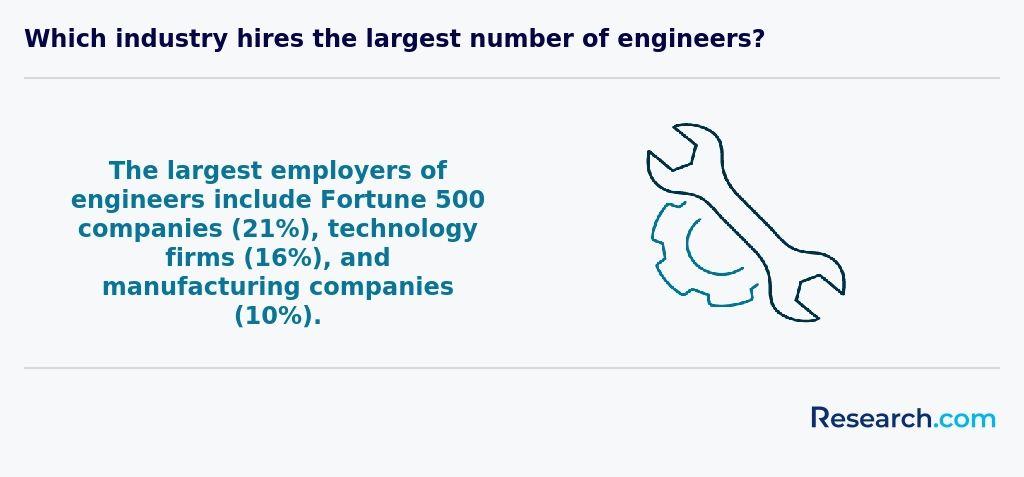
Engineering graduates in Atlanta find diverse career paths across sectors such as aerospace, automotive, IT, and construction. Popular universities in the area provide robust programs that prepare students for roles in civil engineering, supporting major infrastructure projects led by the Georgia Department of Transportation. Graduates frequently secure positions designing highways, bridges, and urban planning solutions, reflecting the city's growth.
Opportunities also abound for mechanical and electrical engineers in Atlanta's manufacturing and energy industries. Companies like Delta Air Lines and Southern Company offer roles involving equipment design and systems integration, aligning with the region's emphasis on clean energy. Software and computer engineers enjoy strong demand in Atlanta's rapidly expanding tech sector, excelling in cybersecurity and AI fields, which aligns well with the vibrant startups and established firms present.
The variety of jobs for engineering graduates Atlanta impacts post-degree satisfaction positively, as many quickly find rewarding employment with median salaries ranging from $75,000 to over $110,000. Students exploring accelerated educational options may consider colleges with fast track programs, enabling quicker entry into these lucrative career paths.
The engineering job outlook in Atlanta is notably positive, with employment projected to grow approximately 8% over the next decade, outpacing the national average. Graduates from institutions such as Georgia Tech and Georgia State University find a vibrant job market supported by industries like aerospace, automotive, telecommunications, and infrastructure development, all seeking skilled engineers. Many recent graduates share that internships and co-op programs within the city's top firms often translate directly into full-time offers, reinforcing a strong connection between education and employment opportunities for engineering graduates Atlanta.
Students pursuing engineering degrees locally can expect tuition costs averaging around $10,000 annually for in-state public universities, balanced by robust median salaries that range from $75,000 to $100,000 depending on specialization. The affordability of education combined with Atlanta's relatively low cost of living creates a compelling environment for starting an engineering career. Some graduates explore options to ease the demands of engineering studies by looking into an easy degree pathway that aligns with their goals while remaining competitive in the job market.
2027 Most Valuable Engineering Degree Programs Ranking in Atlanta
Investing in your education is a significant decision that can shape your future, and the Research.com team understands the importance of making informed choices. To assist prospective students in Atlanta, we have meticulously developed the "2027 Most Valuable Engineering Degree Programs Ranking in Atlanta." Our commitment to quality, credibility, and accuracy is demonstrated through the rigorous research and analysis behind this ranking.
We utilized the following reputable data sources to ensure a comprehensive evaluation of engineering degree programs:
By consulting this ranking, readers will gain valuable insights into the most valuable engineering programs in Atlanta, enabling them to make confident and well-informed decisions about their educational investments. For more details on our methodology, please visit our Research.com methodology page.


Frequently Asked Questions About engineering
Engineering degree students in Atlanta can maximize their learning experience by actively engaging with local industry opportunities. Atlanta is home to numerous engineering firms and tech companies, offering internships and co-op programs that provide practical skills alongside academic knowledge. According to the Georgia Department of Economic Development, more than 100,000 engineering and tech professionals work in the area, highlighting strong job market connections for students.
Additionally, students should take advantage of resources at Atlanta's accredited universities, such as Georgia Tech, which consistently ranks among the top engineering schools nationally. Participating in student organizations, research projects, and networking events helps build valuable professional relationships.
Finally, leveraging online platforms and certification programs to complement coursework supports continuous learning in this rapidly evolving field.
The engineering landscape in Atlanta is rapidly evolving, with several emerging niches gaining significant traction. Among these, sustainable engineering is notable, driven by Georgia's increasing focus on green infrastructure and renewable energy projects. Programs in this area prepare students to design environmentally responsible systems.
Another promising field is biomedical engineering, reflecting Atlanta's strong healthcare and biotech sectors. Graduates often find roles developing medical devices or working on health technologies.
Additionally, cybersecurity engineering is expanding due to rising demands for protecting critical infrastructure in Atlanta's growing tech industry. According to the Bureau of Labor Statistics, jobs in this specialty are projected to grow 35% nationally through 2030, far above average.
These niches offer strong career prospects for engineering students in Atlanta.
Preparing for the job market after earning an engineering degree in Atlanta requires strategic planning. Atlanta hosts a growing tech and manufacturing sector, making internships vital. According to the Georgia Department of Economic Development, over 10,000 engineering jobs are projected to open annually in the region through 2027.
Students should engage with local companies such as Lockheed Martin and Georgia Tech Research Institute for hands-on experience. Networking via professional organizations like the Atlanta Society of Engineers also enhances job prospects.
Additionally, obtaining industry certifications like the Fundamentals of Engineering (FE) exam can increase employability. Strong communication and teamwork skills remain crucial, as reported by the National Association of Colleges and Employers.
Employers in Atlanta's engineering sector often prioritize strong technical expertise paired with analytical skills. Graduates who demonstrate proficiency in computer-aided design (CAD), programming languages such as Python or MATLAB, and data analysis stand out. According to a 2023 survey by the Georgia Tech Professional Education Center, over 70% of local employers seek candidates with experience in sustainable engineering practices due to Atlanta's focus on green infrastructure.
Communication skills are also critical, with 65% of Atlanta engineering firms valuing the ability to clearly explain complex technical information to non-engineers. Teamwork and project management experience further enhance a graduate's employability in this collaborative industry.
Finding internships in Atlanta relevant to an engineering degree involves several strategic steps. Atlanta hosts a growing tech and manufacturing industry, with companies like Delta Airlines and Siemens offering engineering internships. Students should begin by utilizing their university's career services, which often maintain partnerships with local firms.
Many engineering students also benefit from attending industry networking events, such as those organized by the Atlanta Chapter of the American Society of Mechanical Engineers (ASME). Online platforms like Handshake and LinkedIn list hundreds of internship opportunities targeting the Atlanta area.
According to the Georgia Department of Economic Development, Atlanta's engineering sector is expected to grow by over 10% by 2027, potentially increasing available internships. Students should also consider reaching out directly to local startups and engineering consultancies for lesser-known opportunities.
Obtaining an engineering degree in Atlanta significantly enhances career mobility and advancement opportunities. Atlanta's booming technology, aerospace, and manufacturing sectors actively seek skilled engineers, making degree holders highly competitive candidates.
According to the U.S. Bureau of Labor Statistics, engineering jobs in the Atlanta metropolitan area are projected to grow 5% through 2031, faster than the national average. Employers prefer candidates with formal degrees due to complex problem-solving needs and technical expertise.
Graduates with engineering degrees often find faster promotions and salary increases. A report from PayScale in 2023 shows Atlanta engineers earn a median salary above $85,000, increasing with experience and specialization.
Moreover, many Atlanta companies support continuing education and certifications, making an engineering degree a strong foundation for lifelong career growth.
Studying for an engineering degree in Atlanta equips students with skills for interdisciplinary roles through a curriculum that emphasizes collaboration across multiple fields. Many Atlanta-based universities integrate coursework in computer science, business, and environmental science alongside traditional engineering subjects.
According to the Georgia Institute of Technology, which is a leader in engineering education in Atlanta, over 30% of its engineering graduates participate in interdisciplinary research projects. This approach reflects industry demands where engineers must work closely with professionals in related areas like data analytics and product design.
Furthermore, Atlanta's position as a growing tech and manufacturing hub offers students opportunities for internships and co-op programs that expose them to diverse teams, fostering real-world interdisciplinary experience.
When choosing between a thesis and a non-thesis engineering degree program in Atlanta, students should consider their career goals and learning preferences. Thesis programs typically require original research, ideal for those aiming to pursue a PhD or work in research and development. Non-thesis options focus more on coursework and practical skills, often suiting professionals seeking advanced knowledge without research commitments.
Many Atlanta engineering schools, including Georgia Tech, offer both paths. According to the National Center for Education Statistics, about 40% of engineering master's students nationwide opt for thesis tracks, but this varies by discipline and school. Students should also evaluate faculty expertise and available research facilities in Atlanta.
Students based in Atlanta seeking engineering degrees have multiple pathways to study abroad through their home institutions. Georgia Institute of Technology, a top-ranked engineering school nationally, offers numerous exchange programs and study-abroad opportunities in countries such as Germany, Spain, and Singapore. These programs often allow students to earn credit towards their degree while gaining international experience.
Additionally, partnerships exist between Atlanta universities and international institutions accredited by ABET, ensuring that students maintain their academic standards. Study-abroad advisers at Georgia Tech report that around 15% of engineering undergraduates participate in global programs each year, reflecting growing interest.
Beyond formal exchanges, Atlanta students may explore summer engineering internships abroad or collaborative research projects supported by grants from organizations like the National Science Foundation, further enhancing their global exposure.
Atlanta offers a variety of part-time job opportunities that complement engineering degree education. Many students find internships or co-op positions in local companies specializing in aerospace, civil, and electrical engineering. For example, firms like Lockheed Martin and Delta Air Lines regularly offer part-time roles that provide hands-on experience.
Additionally, research assistant positions at institutions such as Georgia Tech allow students to engage directly with cutting-edge technology and innovation. According to the National Association of Colleges and Employers, students with relevant work experience often see higher starting salaries after graduation.
Campus roles in tutoring engineering subjects or working in university labs also help reinforce academic knowledge while developing valuable communication and technical skills.
Atlanta offers robust networking opportunities for engineering students, supported by its position as a growing tech and manufacturing hub. Universities such as Georgia Tech provide access to career fairs, professional chapters, and alumni events connected to the engineering sector. According to the National Society of Professional Engineers, Georgia Tech's College of Engineering hosts over 30 active student organizations that connect students with professionals and industry leaders.
Local chapters of organizations like IEEE and ASME regularly organize workshops and networking events in Atlanta, helping students build valuable contacts. Additionally, Atlanta's proximity to companies such as Lockheed Martin and Delta Air Lines opens doors for internships, co-ops, and mentorship programs essential to career development. The city's emphasis on innovation and research creates a dynamic environment for aspiring engineers seeking connections in their field.
Alumni networks play a significant role in supporting engineering degree students in Atlanta. These networks connect current students with graduates who work in diverse sectors such as aerospace, civil, and software engineering, enhancing career opportunities. According to Georgia Tech's Alumni Association, 85% of engineering graduates in Atlanta find their first job through contacts made within the school's network.
In addition, alumni often offer mentorship programs, internships, and job shadowing opportunities. This guidance helps students gain real-world experience and insights into industry trends specific to Atlanta's growing tech and manufacturing hubs. Networking events and workshops hosted by alumni also facilitate skill development and professional growth.
Moreover, alumni connections can provide access to funding sources like scholarships and research grants, which are crucial for engineering projects. These benefits collectively strengthen education and career prospects for students in Atlanta's competitive engineering field.
In Atlanta, students can customize their engineering degree programs by choosing from various specializations offered by local universities, such as Georgia Tech and Georgia State University. These schools provide options in fields like civil, mechanical, electrical, and aerospace engineering, allowing learners to focus on areas that match their career ambitions. Many programs also offer flexible electives, internships, and cooperative education opportunities that help students gain hands-on experience tailored to their desired industry.
According to the Georgia Department of Economic Development, Atlanta's engineering sector is rapidly growing, emphasizing the importance of practical skills and industry connections. Students can further customize their education by pursuing certifications or minors aligned with emerging technologies, such as renewable energy or data analytics, to enhance job prospects. This tailored approach ensures that graduates possess the specific competencies local employers seek, improving career readiness.
Engineering students in Atlanta often face significant challenges, including rigorous coursework and high academic standards. Many programs demand strong skills in mathematics and science, which can be difficult for newcomers. Additionally, students must complete time-intensive lab work and projects, sometimes alongside internships.
Another challenge is the competitive job market in Atlanta's growing tech and manufacturing sectors. According to the Georgia Department of Labor, engineering-related occupations are expected to grow by 7% through 2030, increasing pressure on students to gain relevant experience.
Financial concerns also affect many students. The average tuition at Georgia Institute of Technology, a top engineering school, was approximately $10,000 per year for in-state students in 2023, excluding living costs. Balancing studies and part-time jobs can add stress and impact academic performance.
With an engineering degree in Atlanta, graduates have access to several respected professional certifications that can advance their careers. One of the most recognized is the Professional Engineer (PE) license, which requires passing the Fundamentals of Engineering (FE) exam, gaining work experience, and then passing the PE exam. This credential is highly valued in Georgia and nationwide for roles demanding legal responsibility and technical expertise.
Other certifications include the Project Management Professional (PMP) and certifications in specialized areas such as Six Sigma or Lean Manufacturing. Many Atlanta-based engineering firms value these credentials for leadership and process improvement roles. According to Georgia's State Board of Professional Engineers, pursuing such certifications can significantly enhance job prospects and salary potential in the competitive Atlanta job market.
Applying to engineering programs in Atlanta requires a clear focus on academic strength and relevant experience. Most institutions expect a strong background in math and science, reflected in your GPA and standardized test scores like the SAT or ACT. Georgia Tech, a top choice in Atlanta, values GPA above 3.7 for competitive candidates (U.S. News, 2024).
Highlight any internships, projects, or extracurricular activities related to engineering. Practical experience can distinguish your application. A well-written personal statement explaining your passion for engineering and career goals is essential. Tailor it to Atlanta's industry opportunities, such as aerospace and manufacturing.
Strong letters of recommendation from science or math teachers further support your profile. Finally, submit all materials on time and follow each school's guidelines carefully to maximize your chances.
Engineering careers hold strong global appeal, offering diverse opportunities across industries such as technology, infrastructure, and manufacturing. In the US, particularly in Atlanta, the demand for skilled engineers continues to grow, supported by a robust metropolitan economy and a concentration of Fortune 500 companies. According to the U.S. Bureau of Labor Statistics, employment for engineers is projected to grow 8% from 2022 to 2032, faster than the average for all occupations.
Atlanta is home to several accredited engineering programs that meet global standards, preparing graduates for international collaboration. The city's engineering workforce often engages with global projects, reflecting a trend towards more interconnected and cross-border engineering challenges.
For students, understanding global standards and being proficient in emerging technologies is crucial, as multinational corporations increasingly seek engineers who can operate effectively on a worldwide scale.
Gaining practical experience while studying for an engineering degree in Atlanta is essential to enhance your skills and job prospects. Many universities in Atlanta, such as Georgia Tech, offer cooperative education programs (co-ops) and internships that allow students to work with companies like Lockheed Martin and Delta Air Lines. These experiences provide hands-on exposure to engineering challenges and real-world projects.
Additionally, participating in university-led research projects or joining engineering clubs can build practical knowledge. According to the National Association of Colleges and Employers (NACE), 66% of engineering students secure internships before graduation, which improves their employment chances significantly.
Choosing the right concentration within an engineering degree program in Atlanta involves understanding both personal interests and local industry demands. Atlanta is a major hub for aerospace, civil infrastructure, and information technology, which influences the availability and strength of certain programs.
Students should research concentrations such as mechanical, civil, electrical, or computer engineering, considering Atlanta's ties to companies like Delta Air Lines and The Coca-Cola Company. According to the Georgia Department of Economic Development, engineering roles related to aerospace and IT are growing faster than the national average in Atlanta.
Visiting college advisors and reviewing program curricula can clarify which concentration best matches your career goals and market opportunities.
Internships and co-op programs with local firms provide practical experience, enhancing decision-making.
- 2027 Most Valuable Engineering Degree Programs Ranking in Auburn
- 2027 Most Valuable Engineering Degree Programs Ranking in Birmingham
- 2027 Most Valuable Engineering Degree Programs Ranking in Huntsville
- 2027 Most Valuable Engineering Degree Programs Ranking in Tuscaloosa
- 2027 Most Valuable Engineering Degree Programs Ranking in Nashville
- 2027 Most Valuable Engineering Degree Programs Ranking in Tallahassee
- 2027 Most Valuable Engineering Degree Programs Ranking in Daytona Beach
- 2027 Most Valuable Engineering Degree Programs Ranking in Dayton
- 2027 Most Valuable Engineering Degree Programs Ranking in New Orleans
- 2027 Most Valuable Engineering Degree Programs Ranking in Baton Rouge
See What Experts Have To Say About Studying Engineering
Read our interview with Engineering experts

Bohdan W. Oppenheim
Engineering Expert
Professor Emeritus of Healthcare Systems Engineering
Loyola Marymount University

Jasna Jankovic
Engineering Expert
Associate Professor
University of Connecticut


- 14 Engineering Schools in Georgia (GA) | 40+ Degrees https://typesofengineeringdegrees.org/schools/georgia/
- Julie Mowatt https://www.nspe.org/career-growth/pe-magazine/may-2019/survey-provides-global-perspective-engineering
- Study Engineering Degree Careers and Salary in Europe in Europe - 2026 - StudyinEurope.eu https://www.studyineurope.eu/engineering/engineering-degree-careers-salary-europe/
- Financial Aid - Atlanta Technical College https://www.atlantatech.edu/financial-aid/
- Engineering Students' Challenges And Ways To Overcome Them - Bgi Bhopal https://bgibhopal.com/overcoming-challenges-as-an-engineering-student/
- 4 Strategies for engineering students to gain quality, hands-on experience https://starfishmedical.com/resource/gain-quality-hands-on-experience/
- Bachelor of Science in Engineering | Mercer University https://engineering.mercer.edu/academic-programs/bachelor-of-science-engineering/
- Financial Aid for Engineering School | All Engineering Schools https://www.allengineeringschools.com/engineering-careers/article/financial-aid/
- targetjobs https://targetjobs.co.uk/careers-advice/engineering/what-can-i-do-engineering-degree
- Free Tuition – TCSG | Technical College System of Georgia https://www.tcsg.edu/free-tuition/


