
2027 Most Valuable Engineering Degree Programs Ranking in Auburn

Co-Founder and Chief Data Scientist
Choosing the right engineering degree program can shape your future career and open doors to exciting opportunities. This article presents the 2027 Most Valuable Engineering Degree Programs Ranking in Auburn, crafted by the Research.com team of data scientists. Their goal is to help you make an informed decision about which programs truly stand out in value and potential.
Exploring this ranking will give you confidence in selecting a program aligned with your ambitions. An engineering degree offers rewarding challenges and the chance to contribute to innovative solutions, making your investment in education worthwhile.
Key benefits of getting engineering degree in Auburn
- Competitive salaries: Engineering graduates in Auburn can expect strong earning potential, with Mechanical Engineers making around $105,220 and Electrical Engineers earning up to $117,680 annually.
- Diverse career paths: Graduates from Auburn's engineering programs often find exciting opportunities in industries like manufacturing, construction, and technology, enabling them to shape innovative projects and solutions.
- Flexible learning options: Pursuing an online engineering degree from Auburn allows students to balance studies with personal commitments, providing convenience and access to quality education without sacrificing career or family time.
- 2027 Most Valuable Engineering Degree Programs Ranking in Auburn
- What can I expect from engineering degree in Auburn?
- Where can I work with engineering degree in Auburn?
What can I expect from engineering degree in Auburn?
Engineering degrees in Auburn typically offer competitive tuition rates, especially for in-state students attending Auburn University's College of Engineering. Graduates often recall the affordability as a key benefit, balancing quality education with manageable costs. On average, in-state tuition for engineering students hovers at a moderate level compared to national standards, making it accessible for many Alabama residents seeking substantial returns on investment.
Out-of-state students should anticipate higher tuition fees, but many find opportunities to offset costs through merit-based scholarships available specifically to engineering students. These financial aids reward strong academic performance, easing the financial burden while maintaining motivation and pride in their achievements.
Graduates often emphasize the value of their educational experience, noting how the practical focus and industry connections complemented by reasonable tuition costs prepared them for successful careers without overwhelming debt. The integration of hands-on projects and internships within Auburn's engineering programs further enhances the cost-effectiveness by boosting employability immediately after graduation.
Where can I work with engineering degree in Auburn?
Engineering graduates from institutions like Auburn University find themselves well-positioned to enter diverse and thriving sectors in Auburn. Many secure roles in the aerospace and defense industries, working for leading companies such as Boeing and Lockheed Martin. These roles often involve innovative projects like designing aircraft systems or advancing manufacturing techniques, offering graduates a fulfilling and dynamic work environment.
Others gravitate toward manufacturing, especially in automotive production. Proximity to Alabama's growing automotive plants, including Hyundai's facility near Montgomery, allows mechanical and industrial engineers to engage in cutting-edge automation and quality control tasks. Graduates frequently express enthusiasm about contributing to large-scale projects that directly impact regional industry growth.
Civil and environmental engineering roles are also common, as Auburn's ongoing infrastructure improvements create demand for professionals managing transportation and water system projects. Those with a passion for public service find rewarding careers in municipal government and construction firms.
In addition, Auburn graduates often tap into research and development opportunities within university-affiliated startups and technology firms, leveraging their problem-solving skills to innovate in renewable energy and advanced materials sectors, fostering a sense of purpose and creativity in their work.
Graduates holding engineering degrees from Auburn University can anticipate starting salaries that are competitive and often exceed national averages. Mechanical engineers in Auburn earn around $75,000 annually, while civil engineers typically make about $70,000. Electrical engineers can expect even higher starting wages, with average salaries near $80,000, reflecting strong local demand in industries like aerospace, manufacturing, and automotive supply.
With experience, these figures rise considerably. Mid-career engineers with five to ten years of practice in Auburn often see salaries between $85,000 and $100,000, and senior engineers or certified specialists frequently earn above $110,000. This salary growth is supported by the thriving industrial and research sectors surrounding Auburn, alongside comprehensive benefits and incentive programs.
Graduates from Auburn University often highlight their strong placement rates and performance bonuses, which enhance total compensation. This financial outlook makes completing an engineering degree in Auburn a promising path for students aiming to build a rewarding career in dynamic technical fields.
- Auburn University's College of Engineering offers accredited programs in mechanical, electrical, and civil engineering.
- Tuition for in-state students ranges from $10,000 to $12,000 per year, while out-of-state tuition ranges from $28,000 to $32,000 annually.
- Starting salaries for engineering graduates typically range from $65,000 to $70,000 per year.
- Mid-career salaries can increase to between $90,000 and $100,000 depending on specialization and employer.
- Engineering jobs in Auburn are supported by industries such as manufacturing, automotive, aerospace, and technology, with growth rates matching the national average.
- Programs emphasize hands-on learning and internships to improve job readiness and employment prospects.
Completing an engineering degree in Auburn typically takes about four years of full-time study, a timeframe embraced by most graduates from Auburn University's College of Engineering. This period allows students to engage fully with core classes, major-specific coursework, and hands-on lab experiences essential to their education. Many students find the structured eight-semester curriculum to be a clear and manageable path toward their Bachelor of Science degree in fields such as Mechanical or Electrical Engineering.
Some graduates share that participating in cooperative education or internship programs can add one or two additional semesters, enriching their practical skills while slightly extending graduation timelines. Conversely, students who enter Auburn with Advanced Placement or dual enrollment credits often appreciate finishing their degrees sooner, turning their preparation into a rewarding acceleration.
Most engineering students feel motivated seeing peers successfully navigate the four- to five-year journey. This period balances academic rigor with opportunities for real-world experience, shaping confident engineers ready to meet Auburn's industry demands.
Living in Auburn, AL isn’t just about rigorous coursework and world-class engineering programs-it’s also about embracing a vibrant campus life and a supportive local community. Beyond the classroom, students have the opportunity to immerse themselves in a spirited atmosphere where extracurricular activities, cultural events, and local traditions enhance the overall educational experience. Passionate engineering students can join interdisciplinary clubs, attend workshops, or participate in community-driven projects that pair technical acumen with real-world problem-solving. Moreover, Auburn offers a welcoming environment that balances academic rigor with social engagement. Campus organizations, networking events, and local partnerships with industry leaders cultivate a sense of belonging, enabling students to forge lifelong connections both professionally and personally. These unique experiences not only enrich students’ academic journey but also build soft skills and professional networks critical for career advancement. For instance, many prospective students research not only top-tier academic institutions but also the broader student life and community benefits. Detailed insights about the region’s dynamic educational landscape can be found by exploring valuable engineering schools in alabama, where a comprehensive guide explains how local culture and campus amenities play a pivotal role in shaping a well-rounded engineering career. By understanding that campus life and community engagement are integral to the overall success of an engineering degree, students are encouraged to consider these factors when choosing the right program. This holistic approach helps ensure that both personal growth and professional development are nurtured throughout their academic journey in Auburn, AL.
Online and on-campus engineering degrees in Auburn differ primarily in delivery and student experience. On-campus programs, like those at Auburn University, immerse students in hands-on learning through well-equipped labs and direct faculty interaction. Graduates often recall collaborative projects and workshop sessions that enhanced their practical skills and industry readiness. This traditional environment fosters a vibrant campus community, helping students build strong professional networks.
Conversely, online programs offer flexibility to balance studies with work or personal commitments. These degrees enable students to attend remotely without relocation, appealing to those needing adaptable schedules. However, online learners may face limited access to physical lab work but benefit from virtual simulations and occasional on-site sessions arranged by institutions near Auburn. Graduates value this blend of convenience and quality, especially when programs hold ABET accreditation, ensuring recognized standards.
Cost differences also influence choices: on-campus tuition ranges between $10,000 and $14,000 annually for in-state students, while online options can reduce expenses but may include extra fees. Both pathways can lead to rewarding engineering careers when selected to fit individual goals and lifestyles.
The average cost of an engineering degree in Auburn varies notably based on residency status. For in-state students attending Auburn University, the flagship institution for engineering studies in the area, the median total cost is approximately $12,890 for the entire program. This figure aligns closely with real experiences of graduates who often highlight the balance of quality education and manageable expenses at Auburn. By contrast, out-of-state students face a significantly higher median total cost, estimated around $51,558. These figures encompass tuition, fees, and basic living expenses, reflecting the financial commitment required for non-residents pursuing an engineering degree in Auburn.
Many students who enroll in engineering programs at Auburn appreciate the affordability compared to private institutions elsewhere. They frequently point out that private universities can cost well over $40,000 annually, making Auburn's in-state tuition especially attractive. The engineering degree tuition and fees Auburn 2027 projections suggest continued stability in costs, helping students and families plan effectively. In practical terms, this affordability enables students to focus more on hands-on learning and collaborative projects that characterize Auburn's engineering curricula.
Beyond tuition, students often consider scholarships and financial support options available through Auburn's Samuel Ginn College of Engineering. Many balance expenses by supplementing aid with part-time work or internships, which also strengthen their professional experience. For prospective students interested in flexible study options, it is worth exploring the best online data science programs, which can complement engineering knowledge and potentially reduce overall education costs.
Auburn’s engineering programs stand out not only for their rigorous curriculum but also for the breadth of research initiatives and industry collaborations that enrich student learning. Through centers like the Auburn University Research Park and the Samuel Ginn College of Engineering’s Advanced Materials Center, undergraduates and graduates alike gain hands-on experience in cutting-edge projects. From renewable energy demonstrations with Southern Company to aerospace testing in partnership with NASA’s Marshall Space Flight Center, these collaborations offer real-world applications of classroom theories. Students can apply for competitive research fellowships-such as the Undergraduate Research Fellowship in Engineering-which provide stipends and mentorship under faculty investigators. Participation in multidisciplinary teams has led to published papers, patent filings, and presentations at conferences like the American Society of Mechanical Engineers (ASME) Annual Meeting. Moreover, co-op programs link students with local firms in automotive, biomedical, and construction sectors, ensuring that graduates enter the workforce with strong industry connections. For those seeking to broaden their technical skill set, it can be valuable to compare traditional engineering training with intensive coding bootcamps; consider our ranking of the best online software development bootcamps to identify programs that align with your career goals. By engaging in research and leveraging these partnerships, Auburn engineering students not only master theoretical principles but also cultivate the practical expertise and professional network essential for long-term success.
Engineering students at Auburn University have access to a variety of financial aid options that significantly ease the burden of tuition and living expenses. Federal aid, including Pell Grants and low-interest federal student loans, remains a cornerstone for many. Graduates often recall how completing the FAFSA opened doors to essential funding supporting their academic journey.
Within Auburn's Samuel Ginn College of Engineering, scholarships reward both academic excellence and leadership, with amounts ranging from modest sums to several thousand dollars annually. Many students share how receiving these awards boosted their confidence and allowed them to focus more on challenging coursework rather than financial stress.
Supplementing federal and university resources are Alabama state scholarships like ASAP, which offer need-based aid to eligible residents, and work-study programs providing practical campus jobs. Additionally, employer tuition reimbursement plans help professionals balancing work and study.
Beyond campus, students pursuing engineering in Auburn often secure scholarships from professional organizations such as IEEE and ASCE, further reducing reliance on loans and enhancing financial stability throughout their studies.
Calculating the ROI for an engineering degree in Auburn, AL, helps you understand how quickly you can recoup your educational investment and start earning a net return. On average, in-state tuition at Auburn University is $8,700 per year, while out-of-state students pay $23,300. Assuming a four-year bachelor’s program plus living expenses (~$12,000/year), the total cost ranges from $83,880 (in-state) to $125,200 (out-of-state). Average starting salaries for Auburn engineering graduates are approximately $65,000–$75,000. By subtracting annual debt payments (estimated at $6,000 for in-state and $9,000 for out-of-state) from median earnings, in-state students can expect a payback period of roughly 3–4 years, while out-of-state students may need 4–5 years. Optimizing ROI also means exploring cost-effective options; for example, students might compare Auburn’s expenses to those in neighboring regions by consulting the Most Affordable Engineering Degree Programs Ranking in the Midwest, which highlights programs with lower tuition and competitive outcomes. To further enhance your ROI: • Leverage scholarships and work-study opportunities to reduce loan principal. • Pursue high-demand specializations like software or industrial engineering, where starting salaries often exceed $80,000. • Consider accelerated master’s pathways that allow you to enter the workforce sooner with a higher credential. By analyzing tuition, living costs, and projected earnings, you’ll be equipped to choose a program in Auburn, AL, that delivers the strongest long-term financial benefits.
To enroll in an engineering degree program in Auburn, students must demonstrate strong proficiency in mathematics and science, which are foundational to the field. Graduates from Auburn University's College of Engineering often recall the critical importance of completing high school courses in algebra, geometry, calculus, physics, and chemistry, as these prepared them effectively for college-level challenges.
Applicants are also expected to submit standardized test scores like the SAT or ACT, with competitive math scores-around 650 on the SAT-reflecting readiness for rigorous coursework. Many students feel confident knowing these scores bolster their applications, especially in Auburn's competitive environment.
Academic performance is vital; most engineering programs in Auburn require a minimum GPA of 3.0 to ensure students can successfully navigate demanding subjects such as advanced mathematics and engineering design. Beyond academics, involvement in relevant extracurriculars, like math clubs or engineering internships, enriches applications and helps students build practical skills they find rewarding through hands-on experience.

Engineering degree programs in Auburn, such as those at Auburn University, typically encompass a solid foundation in core courses essential for all engineering disciplines. Graduates often recall how calculus and advanced mathematics sharpened their analytical skills, enabling them to model complex problems with confidence. Physics courses covering mechanics and electromagnetism are frequently highlighted for providing a practical understanding of forces and energy in real-world engineering scenarios.
Students also engage deeply with chemistry, especially if they pursue chemical or materials engineering, gaining insight into the molecular properties behind material selection. Introduction to engineering principles exposes students to diverse fields like mechanical, electrical, and civil engineering, helping them make informed specialization choices.
Following these core courses, specialization tracks allow for focused study. For instance, mechanical engineering students delve into thermodynamics and fluid mechanics through hands-on projects that simulate real-life machinery, while electrical engineering students master circuit analysis using sophisticated lab equipment.
Many Auburn engineering students value the immersive experience of integrating computer programming with design software, which enhances their problem-solving capabilities, preparing them confidently for industry challenges and innovation.

Engineering degree specializations in Auburn encompass both traditional and emerging fields, designed to meet the demands of modern industry. Graduates from Auburn's prominent universities often recount hands-on experiences in Civil Engineering, where they engage in real-world projects related to infrastructure design and maintenance. Mechanical Engineering students frequently share their enthusiasm for mastering machinery and manufacturing processes through practical lab work. Electrical Engineering is another popular track, with students emphasizing their involvement in power systems and telecommunications, notably at Auburn's well-regarded institutions.
Students pursuing best Auburn engineering programs by specialty also explore Aerospace Engineering, focusing on aircraft and spacecraft technologies, and Computer Engineering, which merges hardware and software integration. Industrial Engineering attracts those interested in optimizing manufacturing systems, often leveraging local industry connections. Additionally, the rise of interdisciplinary fields like Environmental and Biomedical Engineering reflects Auburn's commitment to innovation. For prospective students weighing options, data from valuable engineering schools in alabama offers insight into institutions that excel by specialization and career outcomes.
Choosing the best engineering degree in Auburn begins with identifying a discipline that matches your passions and professional goals. Auburn University's College of Engineering offers well-regarded programs in mechanical, civil, electrical, aerospace, and chemical engineering, all accredited by ABET. This accreditation is crucial, as it ensures quality education and strengthens licensure and employment prospects. Graduates frequently highlight how the program's rigorous curriculum and industry connections foster both confidence and practical skills.
Affordability plays a critical role; engineering students in Auburn benefit from competitive tuition, with in-state rates averaging around $11,000 annually, well below national averages. This makes Auburn attractive among affordable engineering colleges Auburn Alabama, especially when factoring in scholarships and financial aid. Graduates often share that manageable costs combined with solid academic quality created a rewarding study experience without overwhelming financial strain.
Interactions with faculty who have strong industry ties and access to local internships help provide a realistic preview of engineering careers. Graduates recall that these experiences significantly boosted their job readiness and connection to Alabama's growing aerospace sector. For those seeking additional advancement, Auburn's program flexibility and graduate study options support continuous growth.
Prospective students can also explore a ranking of the best online software development bootcamps for complementary skills, enhancing their technical portfolio and employability.
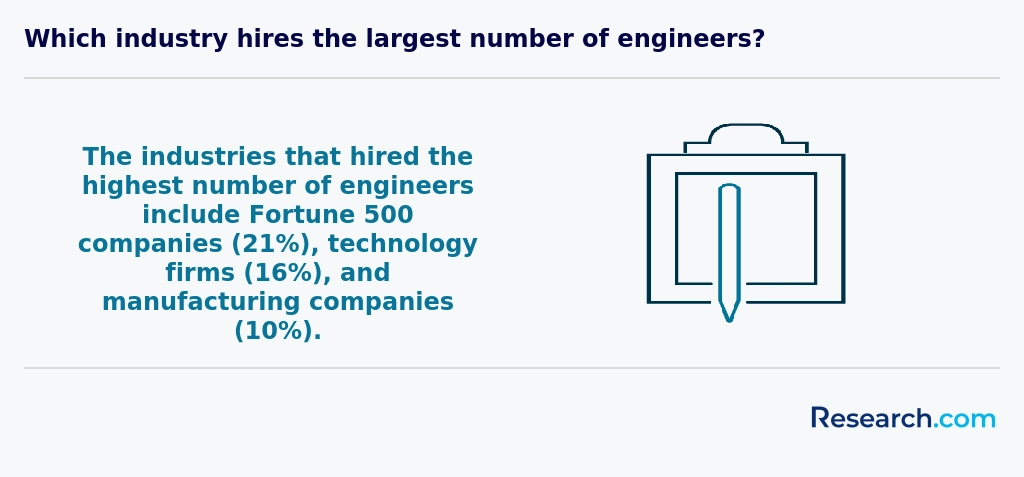
Graduates with an engineering degree in Auburn encounter a broad array of career paths driven by the city's strategic industry presence. Mechanical, electrical, aerospace, and civil engineering disciplines dominate local employment, offering roles in manufacturing, defense, urban infrastructure, and technology sectors. For instance, aerospace engineering graduates find opportunities at aerospace firms near Auburn, contributing to the design and testing of advanced aircraft systems. Civil engineers support Auburn's infrastructure growth, working on transportation and environmental projects that shape the city's development.
Other notable roles include mechanical engineering in automotive manufacturing and robotics, reflecting the Southeastern U.S. industry's influence, as well as chemical engineering roles in materials and process innovation. Electrical and computer engineering careers flourish in Auburn's tech startups, focusing on embedded systems and telecommunications. Graduates from Auburn's renowned engineering programs often cite these diverse options as key motivators when exploring engineering career opportunities in Auburn. Many also consider financial factors carefully, as detailed in the Most Affordable Engineering Degree Programs Ranking in the Midwest.

The engineering job market in Auburn is notably promising for graduates, driven by a vibrant industrial ecosystem that spans aerospace, automotive, and advanced technology sectors. Graduates from Auburn's premier institutions frequently secure positions with aerospace firms in nearby Huntsville or with automotive giants supporting production and innovation locally. This environment fosters considerable optimism among students who engage in internships and co-op programs integrated within their education. Such hands-on experiences significantly enhance employability and prepare graduates for competitive roles. The engineering job opportunities in Auburn reflect a steady demand for skills in civil, mechanical, and aerospace engineering, supported by regional projects and startups nurturing innovation in Auburn's Research Park.
Many Auburn engineering degree career outlooks highlight starting salaries ranging from $60,000 to $70,000 annually, matching national averages for new engineers. In-state tuition costs ranging from $10,000 to $12,000 create a compelling return on investment for those pursuing engineering here. Additionally, professional licensure such as the PE certification further boosts prospects, especially given Auburn's proximity to significant governmental and private sector projects. For those interested in advancing their credentials, exploring resources like anchors part-time Ph.D. in economics offers valuable insights.
2027 Most Valuable Engineering Degree Programs Ranking in Auburn
Investing in your education is a significant decision that can profoundly impact your future, and the Research.com team recognizes the importance of making well-informed choices. To support prospective students in Auburn, we have carefully developed the "2027 Most Valuable Engineering Degree Programs Ranking in Auburn." Our dedication to quality, credibility, and accuracy is demonstrated through rigorous research and detailed analysis used to compile this ranking.
We utilized the following reputable data sources to ensure a comprehensive evaluation of engineering degree programs:
By exploring this ranking, readers will gain valuable insights into the most valuable engineering degree programs in Auburn, enabling them to make informed decisions about their educational investments. For more information about our approach, please visit our Research.com methodology page.

Frequently Asked Questions About engineering
Engineering degree students in Auburn can maximize their learning experience by actively engaging with both classroom and practical opportunities. Participating in hands-on projects through Auburn University's established engineering labs enhances understanding of theoretical concepts.
Internships and cooperative education programs offer vital real-world experience. Auburn's College of Engineering partners with numerous local and national companies, facilitating student access to internships that improve job readiness.
Students should also join engineering organizations, such as the Auburn University Student Chapter of the American Society of Civil Engineers, to build professional networks and leadership skills.
Lastly, leveraging Auburn's strong faculty mentorship programs provides personalized guidance essential for academic and career growth. According to Auburn's 2023 engineering department report, over 80% of graduates secured professional experience before graduation, highlighting the importance of active engagement.
Emerging niches within the engineering field are rapidly evolving, driven by technological advancement and societal needs. In Auburn, students increasingly focus on areas like renewable energy engineering, which addresses sustainable power solutions amid growing environmental concerns. Research from Auburn University highlights the rise in interest and job growth in this sector, with renewable energy engineering jobs projected to grow by 15% nationally through 2030 according to the U.S. Bureau of Labor Statistics.
Another key niche is biomedical engineering, combining healthcare and technology to improve medical devices and treatments. Auburn's engineering programs support this field through partnerships with local medical centers, boosting hands-on experience. Additionally, data engineering and artificial intelligence have emerged as critical fields, with companies in Alabama investing heavily in AI-driven engineering solutions.
Preparing for the job market after completing an engineering degree in Auburn involves strategic planning and practical experience. Many Auburn graduates leverage internships and co-op programs offered through local industries and Auburn University to build hands-on skills. According to the National Association of Colleges and Employers (NACE), engineering internships can increase job placement rates by up to 15%.
Networking is also crucial. Joining professional groups such as the Auburn University Engineering Student Council or local chapters of the American Society of Civil Engineers helps students connect with employers. Additionally, obtaining relevant certifications, like the Fundamentals of Engineering (FE) exam, enhances employability.
Graduates benefit from using Auburn's career services, which provide resume workshops and job fairs tailored to engineering fields. According to the U.S. Bureau of Labor Statistics, engineers in Alabama have a median annual wage above the national average, making preparation efforts worthwhile.
Employers in Auburn seek engineering graduates with strong technical skills, including proficiency in computer-aided design (CAD), programming languages such as Python or MATLAB, and data analysis. According to the National Association of Colleges and Employers (NACE), problem-solving ability ranks as a top skill, essential for tackling real-world engineering challenges.
Communication skills are also highly valued, with 78% of employers emphasizing teamwork and clear reporting in engineering roles. Auburn's proximity to industries like manufacturing and aerospace highlights the need for practical experience, often gained through internships or co-op programs.
Furthermore, adaptability and continuous learning are critical, reflecting rapid technological advances. The U.S. Bureau of Labor Statistics notes that engineers in Alabama increasingly require interdisciplinary knowledge and familiarity with emerging technologies.
Finding internships in Auburn related to an engineering degree involves several practical steps. Begin by contacting the Auburn University College of Engineering's Career Center, which connects students to local and national employers offering engineering internships. According to Auburn University, nearly 70% of engineering students secure internships before graduation.
Students should also utilize online job platforms like Handshake and LinkedIn, filtering for internships in nearby industries such as aerospace, automotive, and manufacturing, which have strong presences in Alabama. Local companies like Boeing and Austal USA frequently offer relevant positions.
Networking events and engineering expos on campus provide additional internship opportunities and valuable industry contacts.
Obtaining an engineering degree in Auburn significantly enhances career mobility and advancement opportunities. The city benefits from a growing technology and manufacturing sector, which values specialized engineering skills highly. According to the U.S. Bureau of Labor Statistics, engineering occupations in Alabama are projected to grow by 7% through 2031, slightly above the national average.
Graduates from Auburn-area institutions often access internships and cooperative education programs with local employers, which strengthens professional networks and leads to quicker job placements. Employers in Auburn prioritize candidates with degrees due to the technical expertise and problem-solving abilities they bring.
Moreover, advanced degrees or certifications in engineering can lead to leadership roles and higher salaries. Data from the National Association of Colleges and Employers shows engineers with bachelor's degrees earn a median starting salary above $70,000 in Alabama, supporting upward mobility in the region.
Engineering degree programs in Auburn emphasize a strong foundation in both technical and collaborative skills, preparing students for interdisciplinary roles. Auburn University's Samuel Ginn College of Engineering integrates coursework in areas such as computer science, business, and environmental studies. This allows students to tackle complex problems that span multiple fields.
Students engage in team-based projects that mimic real-world engineering challenges, promoting communication across diverse disciplines. According to Auburn's 2023 academic report, over 70% of engineering graduates participate in interdisciplinary research or internships before graduating, gaining valuable hands-on experience.
Networking opportunities and partnerships with industries further expand exposure to cross-functional teamwork. This combination of education and practical experience fosters adaptability, essential for modern engineering roles.
When choosing between a thesis and a non-thesis engineering degree program in Auburn, students should consider their career goals and interests. A thesis option typically requires conducting original research under faculty guidance, which suits those interested in advanced studies or research roles. According to Auburn University's College of Engineering, about 60% of graduate engineering students prefer thesis programs for this reason.
Non-thesis programs focus more on coursework and practical skills, often including a project or internship. This path can be ideal for professionals aiming to enter industry or pursue management positions quickly. Auburn's engineering graduates report higher immediate employment rates for non-thesis tracks, reflecting employer demand.
Evaluating faculty expertise, available resources, and long-term ambitions helps in making an informed decision.
Students based in Auburn seeking to study engineering abroad have several pathways through U.S. institutions with global partnerships. Auburn University's Samuel Ginn College of Engineering offers exchange programs and study-abroad opportunities in countries like Germany, Australia, and Singapore. These programs typically last a semester, allowing students to gain international experience while earning course credits.
Additionally, many Auburn engineering students participate in cooperative education (co-op) or internships overseas, which are supported by the university's global network and career services. Data from Auburn University's Office of International Programs shows that approximately 5% of engineering undergraduates engage in study abroad annually.
Students may also consider joint or dual-degree programs offered in collaboration with international universities, providing exposure to diverse engineering practices and cultures.
Part-time job opportunities in Auburn that complement an engineering degree are varied and provide valuable experience. Many students find internships or co-op positions with local engineering firms, technology companies, or manufacturing plants. For example, Auburn's strong automotive and aerospace industries offer roles in technical support, quality control, or CAD drafting.
Campus research labs also hire students to assist with engineering projects, often providing hands-on experience with current technologies. According to Auburn University's Career Center, about 30% of engineering students secure part-time roles influencing their academic growth.
Additionally, tutoring positions in math and science courses help reinforce core concepts while developing communication skills essential to engineering professions.
Engineering students in Auburn have access to a variety of networking opportunities essential for career growth. Auburn University's Samuel Ginn College of Engineering supports student engagement through organizations like the Society of Women Engineers and the National Society of Black Engineers. These groups host regular events, workshops, and industry meetups.
The college also organizes career fairs, where over 200 companies, including major engineering firms, recruit annually. Additionally, students benefit from alumni networking events that connect them with professionals working in fields such as aerospace, mechanical, and civil engineering.
Local industry partnerships and internships further expand networking possibilities, offering practical experience and professional contacts critical for job placement after graduation.
Alumni networks play a significant role in supporting engineering students in Auburn by providing valuable connections and career resources. Graduates from Auburn's engineering programs often stay engaged, creating a community that offers mentoring and internship opportunities for current students.
According to Auburn University's College of Engineering, over 90% of engineering alumni participate in networking events annually, which helps students gain industry insights and job referrals. This local network is especially strong in sectors like aerospace and automotive engineering, key industries in Alabama's economy.
Access to alumni also facilitates guidance on navigating early career challenges, helping students transition smoothly from academic to professional environments.
Students pursuing engineering degrees in Auburn can tailor their programs through specialized tracks and elective courses that align with their career objectives. Many institutions offer options in fields such as aerospace, civil, electrical, and mechanical engineering, allowing students to deepen expertise in their preferred area.
Additionally, internships and cooperative education programs in local industries support practical experience and networking opportunities within Alabama's growing tech and manufacturing sectors. Academic advising helps design course plans that balance technical knowledge and soft skills needed in the workforce.
According to the Auburn University College of Engineering, over 75% of engineering students participate in hands-on projects or research, which further personalizes learning. This flexibility benefits those targeting careers in emerging fields like renewable energy or cybersecurity.
Engineering students in Auburn face several common challenges throughout their studies. One key difficulty is managing a heavy course load, with rigorous classes in math, physics, and core engineering subjects demanding significant time and effort. According to the Auburn University Office of Institutional Research, nearly 30% of engineering undergraduates report stress related to workload and time management.
Another challenge involves adapting to hands-on lab work and complex projects that require both technical skills and teamwork. Students often find balancing project deadlines and group coordination particularly demanding. Additionally, engineering programs typically emphasize strong communication and problem-solving skills, which some students must develop alongside technical knowledge.
Financial concerns also affect many students. Engineering programs often require expensive textbooks, software, and equipment, which can add to the overall cost of education in Auburn. Access to internships and co-op opportunities is available but competitive, making career planning essential early on.
With an engineering degree earned in Auburn, graduates have multiple professional certification options to enhance their careers. One of the most recognized is the Professional Engineer (PE) license, which allows engineers to offer services directly to the public. To obtain this license, candidates must pass the Fundamentals of Engineering (FE) exam, gain relevant work experience, and pass the PE exam in their engineering discipline.
Other valuable certifications include the Certified Manufacturing Engineer (CMfgE) and the Project Management Professional (PMP), both respected by employers in the Auburn region. According to the National Society of Professional Engineers, holding a PE license can increase an engineer's salary by up to 20%. These certifications demonstrate expertise and commitment, improving job prospects and career growth opportunities locally and nationwide.
To write a winning application for an engineering program in Auburn, start by emphasizing your strong foundation in math and science. Most Auburn engineering schools expect applicants to showcase proficiency in subjects like calculus, physics, and chemistry. Include standardized test scores, such as the ACT or SAT, as these remain important for many programs.
Highlight relevant extracurricular activities, like robotics clubs or engineering competitions, which demonstrate your passion and practical skills. Auburn's engineering programs, accredited by ABET, value hands-on experience.
Write a clear personal statement explaining your motivation for choosing engineering and Auburn specifically. Use precise language and avoid clichés.
Strong letters of recommendation from STEM teachers or mentors can also boost your application.
Engineering careers hold strong global appeal due to their critical role in innovation and infrastructure development. In the United States, engineering graduates from Auburn and other institutions are highly sought after for their technical skills and problem-solving abilities. According to the U.S. Bureau of Labor Statistics, engineering jobs are projected to grow by 4% from 2022 to 2032, reflecting steady demand.
Globally, engineers contribute to solving challenges such as sustainability, transportation, and technology advancement. Auburn's engineering programs emphasize practical experience, aligning with international standards and making graduates competitive worldwide. Networking opportunities and internships in Auburn often connect students to global companies, enhancing career prospects beyond the U.S. market.
Gaining practical experience while studying for an engineering degree in Auburn is essential for career readiness. Many Auburn universities offer cooperative education (co-op) programs, allowing students to alternate between classroom study and full-time work in engineering firms. This helps apply theoretical knowledge to real projects.
Internships are also widely available through local industries and businesses, providing hands-on skills development and networking opportunities. According to the National Association of Colleges and Employers, over 60% of engineering students nationwide complete internships before graduation.
Students can also participate in undergraduate research projects led by faculty, often funded by organizations like the National Science Foundation. These projects promote problem-solving and innovation skills, which employers highly value.
Choosing the right concentration within an engineering degree program in Auburn depends on your interests, career goals, and the local industry landscape. Auburn University offers popular concentrations such as mechanical, civil, electrical, and aerospace engineering, each with strong ties to regional employers.
Consider job growth projections; for example, Alabama's Department of Labor reports a 5% increase in engineering jobs over the next decade, especially in aerospace and manufacturing sectors. Research the curriculum to ensure it aligns with skills sought by employers in Auburn's automotive and defense industries.
Engage with faculty advisors and current students to understand hands-on opportunities and internships available locally. Auburn's strong cooperation with companies like Airbus and Hyundai provides practical experience crucial for your specialization.
Additionally, review accreditation status. The Accreditation Board for Engineering and Technology (ABET) ensures program quality and influences licensure eligibility nationwide. Opting for an ABET-accredited concentration enhances your employment prospects across the US.
- 2027 Most Valuable Engineering Degree Programs Ranking in Birmingham
- 2027 Most Valuable Engineering Degree Programs Ranking in Atlanta
- 2027 Most Valuable Engineering Degree Programs Ranking in Tuscaloosa
- 2027 Most Valuable Engineering Degree Programs Ranking in Huntsville
- 2027 Most Valuable Engineering Degree Programs Ranking in Tallahassee
- 2027 Most Valuable Engineering Degree Programs Ranking in Nashville
- 2027 Most Valuable Engineering Degree Programs Ranking in New Orleans
- 2027 Most Valuable Engineering Degree Programs Ranking in Daytona Beach
- 2027 Most Valuable Engineering Degree Programs Ranking in Baton Rouge
- 2027 Most Valuable Engineering Degree Programs Ranking in Saint Louis
See What Experts Have To Say About Studying Engineering
Read our interview with Engineering experts


Jasna Jankovic
Engineering Expert
Associate Professor
University of Connecticut

Joseph Reichenberger
Engineering Expert
Professor of Civil Engineering & Environmental Science
Loyola Marymount University

- Engineering Study Abroad Programs | Go Overseas https://www.gooverseas.com/study-abroad/engineering
- "engineering degree" po polsku - - Słownik angielsko-polski https://www.diki.pl/slownik-angielskiego
- Get experience in engineering with an internship https://gradireland.com/careers-advice/engineering/get-experience-engineering-internship
- Top 5 Demanding Engineering Fields in 2025: Future-Proof Your Career - MEC https://mailamengg.ac.in/top-5-demanding-engineering-fields-2025/
- Study Engineering Degree Careers and Salary in Europe in Europe - 2026 - StudyinEurope.eu https://www.studyineurope.eu/engineering/engineering-degree-careers-salary-europe/
- How Do You Decide Which Engineering Career is Right for You? https://www.straighterline.com/blog/which-engineering-career-right-for-you
- Common Challenges Faced by Engineering Students https://www.aryacollege.org/resources/common-challenges-faced-by-engineering-students/
- Interdisciplinary Engineering Education: Difficult, but not Impossible https://engineeringedu.press/2020/02/16/interdisciplinary-engineering-education-difficult-but-not-impossible/
- Engineering https://www.ciee.org/go-abroad/college-study-abroad/programs/subjects-disciplines/engineering
- Challenges, difficulties and barriers for engineering higher education https://www.jotse.org/index.php/jotse/article/view/1696/645


