2027 Most Valuable Online Master's in Engineering Degree Programs Ranking in the West

Co-Founder and Chief Data Scientist
Choosing the right online master's in engineering degree program can shape your future career and open exciting opportunities. This article presents the 2027 Most Valuable Online Master's in Engineering Degree Programs Ranking in the West, thoughtfully created by the Research.com team of data scientists.
Designed to help you make informed decisions, the ranking highlights programs that offer strong value and quality education.
Whether you're starting or advancing your journey, exploring these options can lead to personal growth and professional success in engineering.
Key benefits of getting online engineering degree in the West
- Engineering graduates can earn competitive salaries with roles such as Project Engineer making about $137,750 annually and Control Systems Engineers earning around $118,350 per year, offering strong financial motivation.
- A graduate from a popular Western university may pursue diverse career paths, including biomedical, product development, or control systems engineering, reflecting the flexibility and exciting opportunities in the field.
- Completing an engineering degree online, like many who graduate from respected Western institutions, provides flexibility and accessibility without sacrificing quality, making it easier to balance education with work or personal life.
- 2027 Most Valuable Online Master's in Engineering Degree Programs Ranking in the West
- What can I expect from online engineering degree in the West?
- Where can I work with online engineering degree in the West?
What can I expect from online engineering degree in the West?
The average cost of an online engineering degree in the Western U.S. typically ranges from $10,000 to $25,000 per year at public universities, while private institutions can charge over $40,000 annually. Graduates from schools like California State University or the University of Washington often share how affordable tuition combined with employer tuition reimbursements made pursuing their degrees manageable without financial stress.
Many students balance full-time jobs with part-time studies, finding value in flexible online programs that accommodate this lifestyle. For example, a graduate from Oregon State University appreciated how asynchronous classes allowed them to complete coursework after evening shifts. This flexibility is crucial, especially when working adults juggle family and career alongside education.
Financial aid options and scholarships available through these institutions can significantly reduce out-of-pocket expenses. Exploring these resources early ensures students don't miss opportunities to lower costs. Public universities in the West often provide in-state tuition rates, making online degrees a budget-friendly, practical choice for local residents aiming to advance in engineering careers.
Where can I work with online engineering degree in the West?
Graduates with online engineering degrees from reputable Western institutions, such as Oregon State University or the University of Washington, find themselves in strong demand across diverse industries. Many secure roles in California's Silicon Valley, working in tech design, systems engineering, or project management at leading companies like Intel or Tesla. These positions often offer hybrid or fully remote options, making it easier for graduates balancing work and study.
Others pursue aerospace engineering careers in Washington state, contributing to Boeing projects or defense firms, benefiting from the region's steady job growth. Graduates also tap into the rapidly expanding renewable energy sector in Nevada and Colorado, engaging in solar and wind projects that align with clean energy goals.
Employers value online degrees accredited by recognized bodies like ABET, especially when paired with hands-on experience. Graduates frequently share how practical assignments and internships connected through their programs helped them confidently transition into civil, electrical, or software engineering roles. With growing remote work trends, an online engineering degree equips students throughout the West with flexible, rewarding career paths in vibrant local industries.
Graduates with online engineering degrees from respected Western universities often secure strong starting salaries. For instance, a project engineer in California or Washington can expect an average annual wage of about $137,750, reflecting the high demand for skilled professionals in tech and infrastructure sectors. Product development engineers earn around $110,430, which aligns well with opportunities at innovative companies in Oregon and Colorado.
Control systems engineers typically see mean wages near $118,350 annually, benefiting from the region's aerospace and manufacturing hubs. Biomedical engineers, increasingly valued in California's biotech sphere, earn around $106,700 on average. These salary figures show tangible returns on the flexibility and quality of online education from accredited institutions like UC Berkeley or Washington State University.
Graduates often emphasize how their online degrees opened doors to competitive roles, some starting near $70,000 but quickly growing as they gain experience. Leveraging internships and certifications alongside online coursework significantly boosts employability and salary prospects in the West's dynamic engineering job market.
- Online engineering degrees in the Western U.S. range from bachelor's to master's programs, focusing on areas like civil, mechanical, electrical, and software engineering.
- Tuition costs vary between $15,000 and $60,000, with public universities charging $15,000-$35,000 and private institutions $40,000-$60,000, excluding additional fees.
- Engineering jobs in the Western U.S. are growing by 5% to 7% over the next decade, especially in technology, aerospace, and manufacturing sectors.
- The average starting salary for engineering graduates is about $70,000 per year, increasing to $100,000-$120,000 for mid-career professionals.
- Most reputable programs hold ABET accreditation, which is important for meeting industry standards and engineering licensure eligibility.
- Programs offer flexibility through part-time enrollment and asynchronous courses, supporting working professionals and students with family responsibilities.
Completing an online engineering degree in the Western US typically takes about four to five years for a bachelor's, similar to traditional programs but with more flexibility. Many students at well-known institutions like Arizona State University or Oregon State University appreciate the option to study part-time, which can extend completion to six years or more depending on their workload and personal commitments.
Master's programs are often designed to finish in around two years full-time, yet accelerated tracks at schools such as the University of Washington allow completion in as little as 12 to 18 months. Graduates frequently share how balancing work and family while progressing at their own pace made the experience rewarding and manageable.
Key factors influencing completion include the chosen engineering discipline, course availability, and transfer credits. For example, a civil engineering student at Colorado State University who transfers credits might graduate faster than peers starting fresh. This flexibility helps students tailor their timelines to real life, reducing stress while ensuring mastery of demanding material.
Understanding ROI helps you choose a program that delivers strong career and financial returns. Evaluate these factors:
- Total cost (tuition, fees, materials) versus expected lifetime earnings
- Average post-graduation salaries (e.g., Research Engineer: $120,630) to estimate your payback period
- Financial aid opportunities, employer tuition reimbursement, and scholarships
- Career growth potential through specialized skills, leadership roles, and industry demand
- Network value and alumni outcomes; explore online engineering programs that balance affordability with long-term benefits
Choosing between online and on-campus engineering degrees in the Western US often comes down to how you prefer to learn and manage your time. Graduates from schools like the University of Washington value the direct interaction and hands-on labs available on campus, where they attend workshops and collaborate in real time. Meanwhile, those who pursue online programs from institutions such as Arizona State University appreciate the flexibility to study around work or family commitments, completing assignments and exams on their own schedules.
Online engineering students benefit from virtual labs and occasional on-site residencies, which help simulate the practical experience found in traditional programs. However, self-motivation is key to success without daily face-to-face support. Graduates often mention feeling empowered managing their own learning while still gaining solid technical skills.
Regarding cost, Western schools offer a range from $15,000 to over $40,000 annually for on-campus degrees. Online options sometimes come cheaper, but be mindful of extra fees for technology or proctored exams. Understanding these differences helps you pick the best path suited to your lifestyle and goals.
Choosing an online master’s in engineering means relying on robust support services that keep you engaged, motivated, and on track to graduation. Top programs combine technological tools with personalized guidance to create a seamless learning experience.
- Comprehensive academic advising tailored to top online engineering programs, ensuring course planning aligns with your career objectives
- 24/7 technical and IT support to resolve platform issues and maintain uninterrupted access to lectures and assignments
- Virtual lab environments and simulation software that mirror on-campus engineering experiences for hands-on learning
- Dedicated career counseling, resume workshops, and networking events connecting you with industry partners and alumni
- Online library access and research databases offering journals, e-books, and collaborative study tools for in-depth project work
The average cost of an online engineering degree in the West centers around $23,925, a figure that applies broadly to both in-state and out-of-state students. This median total cost makes programs in states like California, Oregon, and Washington accessible, especially when compared to pricier private options. Many graduates recall managing their budgets effectively by choosing public universities that offer excellent programs without exorbitant tuition.
For example, students enrolled in online master's programs at universities known for their strong engineering departments often find that the total expenses, including technology and administrative fees, align with this median range. Such fees generally add a few hundred to a few thousand dollars, reflecting the additional resources needed for a seamless online learning experience.
While tuition largely determines the financial commitment, leveraging scholarships and employer tuition assistance can substantially reduce the net cost. Graduates highlight how taking advantage of these opportunities helped them focus more on learning and less on financial stress. Exploring options aligned with your career goals can be a game-changer.
When considering where to study, it helps to review data from sources like the NCES and WICHE to confirm tuition trends in the Western US. Prospective students looking for detailed comparisons and rankings can explore valuable programs through resources such as the valuable engineering schools in california, which offer options tailored to varied budgets and professional aspirations.
Understanding the average cost of online engineering degrees in the West ensures you can plan educational finances realistically, allowing you to focus on building skills and advancing your career in engineering.
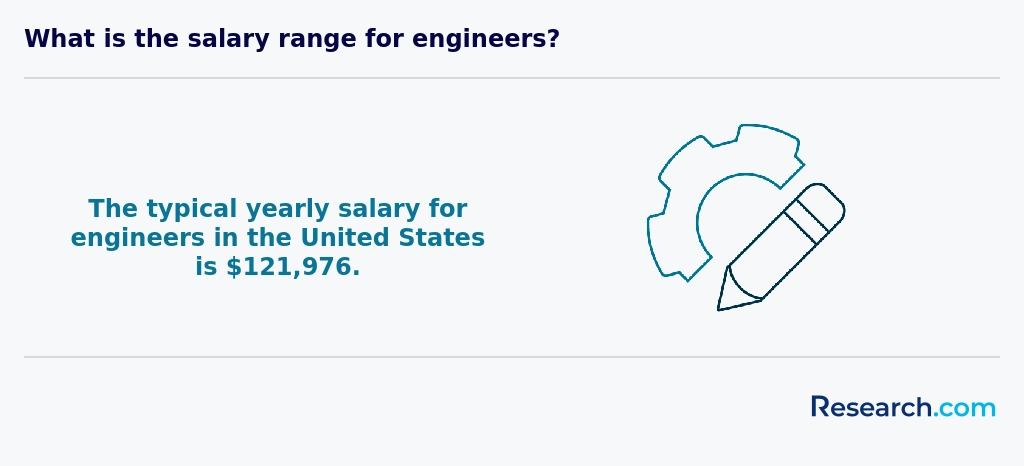
In a rapidly evolving digital landscape, online engineering programs are increasingly incorporating innovative technologies to enhance both teaching and learning. Cutting-edge trends like artificial intelligence in coursework, virtual and augmented reality labs, and collaboration with industry pioneers are reshaping how students engage with engineering concepts. These advancements not only provide immersive experiences that bridge the gap between theory and practice but also equip graduates with the skills needed to excel in a competitive job market. As institutions refine their curricula to include hands-on digital simulations, real-time project collaborations, and industry-driven research opportunities, students are better prepared for modern engineering challenges. For prospective learners eager to explore such pioneering educational models, checking out valuable engineering schools in california can offer valuable insights into programs that are effectively blending tradition with innovation.
Many online engineering students in the Western United States benefit from federal aid like Pell Grants and Direct Subsidized Loans by simply filling out the FAFSA. A graduate who earned an online engineering degree from a top California university shared how the Pell Grant's support of up to $7,395 significantly eased their financial burden during tough semesters.
State-specific programs add another layer of support. For instance, students enrolled at Oregon State University or the University of Washington often tap into merit- and need-based STEM scholarships, cutting tuition costs considerably. One graduate recalled how receiving a Cal Grant made attending a California-based online program financially feasible.
University scholarships targeted at online engineering students are widely available and reward academic excellence or leadership. Many graduates praised how these awards helped them avoid heavy debt, especially when balancing work and study.
Working professionals often leverage employer tuition reimbursement. A recent graduate working in a Seattle tech firm reported that this benefit turned their dream of finishing an online degree into reality.
Lastly, scholarships from professional groups like the Society of Women Engineers provide inclusive financial aid options, making engineering more accessible and inspiring diverse students across the West.
Calculating the return on investment (ROI) for an online master’s in engineering is critical to understanding how quickly your degree pays off. On average, online engineering programs in the West cost around $39,208, while graduates report starting salaries between $70,000 and $105,000. By comparing the total program expense-including tuition, fees, and living costs-with median salary increases, prospective students can estimate a payback period of approximately 1 to 1.5 years. Key factors influencing ROI:
- Tuition-to-Salary Ratio: Programs under $30,000 often yield higher ROI, with graduates breaking even within 12 months. Those exceeding $50,000 may require 18–24 months to recoup costs through salary premiums.
- Salary Growth Trajectory: Engineering fields such as software and industrial engineering, which project 25.7% and 11.7% growth respectively by 2032, typically see faster ROI due to higher demand and rapid salary escalations.
- Debt Management: Graduates utilizing scholarships, assistantships, and federal grants reduce loan burdens and shorten payback timelines. For customized financial planning, explore the Affordable Engineering Degree Programs Ranking in Seattle, WA to identify cost-effective pathways. Example ROI Calculation: Program Cost: $35,000 Total Starting Salary Increase: +$30,000/year Payback Period: $35,000 / $30,000 ≈ 1.17 years By evaluating these metrics, students can select programs that optimize both educational quality and financial return, ensuring their online engineering degree becomes a strategic investment in long-term career growth.
To enroll in an online engineering degree program in the Western U.S., you'll need at least a bachelor's degree in engineering or a related field such as physics or computer science. For example, many graduates from well-known institutions like the University of California, Berkeley, found that having a solid STEM background was essential. If your undergraduate degree is unrelated, be prepared to take prerequisite courses in calculus, differential equations, and basic engineering concepts to bridge gaps.
Maintaining a competitive GPA-usually 3.0 or above-is important, as admissions committees at schools like Stanford value demonstrated academic success. Many students share that submitting official transcripts reflecting strong grades boosted their confidence during the application process.
Although GRE scores were once standard, many Western schools now have test-optional policies. Check specific programs; some graduates appreciated the flexibility this provided, especially working professionals balancing family and careers.
Additionally, relevant professional experience in engineering or tech offers a practical edge. Graduates often highlight how their industry work enriched their online learning. International students should prepare TOEFL or IELTS scores to prove English proficiency for full engagement in coursework.

Accreditation is a critical factor when choosing an online engineering master’s program in the West, as it directly impacts your eligibility for professional licensure and employer recognition. Most reputable programs hold ABET accreditation, the gold standard for engineering education, which ensures that your curriculum meets rigorous academic and industry requirements. Graduates from ABET-accredited programs are eligible to sit for the Fundamentals of Engineering (FE) exam-an essential first step toward becoming a licensed Professional Engineer (PE). Preparing for the FE and PE exams often begins during your graduate coursework. Many online programs offer dedicated exam-prep modules, practice problem sets, and access to faculty mentors who have themselves passed these licensure exams. In addition, state engineering boards may require a minimum number of years of relevant work experience after your degree, so selecting a program with strong industry partnerships can facilitate both practical training and licensure support. Students interested in specializations such as software engineering should also consider how their degree aligns with in-demand coding roles. To explore the range of opportunities that coding expertise unlocks, review what jobs can you get with coding and plan your coursework accordingly. By verifying accreditation status and leveraging program resources for exam preparation, you can confidently pursue licensure and maximize your career mobility across sectors.
Students pursuing online engineering degrees in the Western U.S. typically engage with a mix of core courses that build a strong foundation in essential subjects. Graduates from well-known institutions like the University of California and Oregon State University often highlight how mastering calculus, differential equations, and linear algebra helped them confidently solve real-world engineering problems.
Common foundational classes include Engineering Dynamics and Statics, Thermodynamics, Materials Science, Electrical Circuits, and Computer-Aided Design (CAD). These courses prepare you for the technical challenges in various engineering fields.
Beyond basics, discipline-specific courses tailor your experience depending on your focus. For example, mechanical engineering students often study fluid mechanics and machine design, while electrical engineering students dive into signal processing and control systems. Many online learners at Arizona State University say hands-on virtual labs and simulations made complex concepts feel approachable and relevant.
Additionally, courses like Project Management and Engineering Ethics equip you to handle team projects and professional responsibilities, essential for career success in the West's competitive engineering environment.
Online engineering degree specializations West offer a variety of options catering to different career paths and personal interests. Graduates from universities like those in California often highlight Electrical Engineering for its focus on power systems and renewable energy, reflecting the region's push toward sustainability. Those enrolled in Civil Engineering appreciate the practical emphasis on infrastructure and environmental sustainability, mirroring urban development challenges in cities like Seattle.
Mechanical Engineering students benefit from coursework tied to industries in the West, such as automotive and aerospace manufacturing. Meanwhile, Software Engineering and Computer Engineering specializations attract students eager to dive into software development and embedded systems, valuable skills for the tech hubs nearby. Industrial Engineering focuses on process optimization, which graduates say helped them land roles improving efficiency in logistics companies.
Many students also explore Aerospace Engineering, especially in states with strong aerospace sectors like Washington. To understand more about what jobs can you get with coding, this specialization opens doors to aircraft and spacecraft design. When choosing among the best engineering majors for online degrees West offers, consider which sector's growth aligns with your career goals.
Choosing the best online engineering degree in the West starts with ensuring the program holds ABET accreditation, which guarantees quality and industry recognition. Graduates from well-known Western institutions often highlight the value of faculty who combine academic expertise with active industry involvement, which sharpens skills relevant to regional sectors, such as aerospace in California or renewable energy in Washington. Aligning your specialization with these regional industries boosts your employability and engagement.
Cost is another crucial consideration. Many students find affordable online master's engineering programs Western US options attractive, as they can reduce living expenses and offer flexible tuition payments. Evaluating total costs, including hidden fees, can help avoid surprises. Some graduates recommend reviewing resources like the Affordable Engineering Degree Programs Ranking in Seattle, WA for practical budgeting insights.
Hands-on learning opportunities-even virtually-are vital. Look for programs offering lab simulations and industry partnerships to gain real-world experience. Access to robust student support services, such as career counseling and tutoring, has helped many remote learners stay motivated and succeed. Finally, researching graduation and job placement rates in the West provides a realistic picture of a program's effectiveness and alumni network strength.
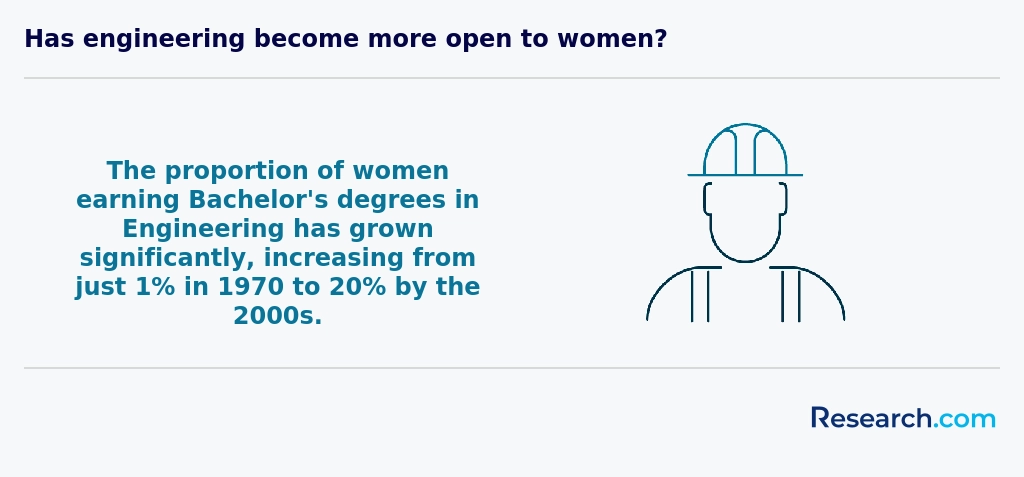
Graduates with an online engineering degree in the West find a spectrum of career paths available to them, reflecting the region's advanced industries and innovative spirit. Many secure positions in software and electrical engineering within tech giants based in California or Washington, where hands-on experience with hardware design or embedded systems directly translates to rewarding roles. Mechanical and aerospace engineering careers thrive near Southern California's manufacturing and defense firms, enabling graduates to contribute to cutting-edge projects.
Civil engineers often engage with infrastructure or sustainable design projects driven by ongoing investments throughout the West, while environmental engineering roles grow alongside California's clean energy initiatives. Graduates from popular universities in the region frequently advance into leadership or project management roles, supported by practical online coursework tailored to industry certifications such as PMP. Students pursuing an online engineering degree career opportunities West can enhance their trajectory by choosing programs with real-world applications and strong regional ties.
Many find value in exploring the best 1 year masters programs to accelerate their careers without extended time away from work, balancing education with personal life effectively.
The job market for online engineering degrees in the West remains robust and promising, with steady demand in key industries such as technology, aerospace, and energy. Graduates from well-known institutions like the University of Washington and California State University often secure roles as systems engineers or project managers in major tech hubs. These positions align closely with the engineering career opportunities in Western states, including software, electrical, and mechanical fields.
Many online degree holders benefit from ABET accreditation, which employers respect highly, helping graduates stand out. Remote internships combined with local networking events at schools like Oregon State University enhance employability. Several graduates have found success balancing work and study while leveraging career services for connections in aerospace companies across California and Washington.
Considering affordability, online programs often cost less than traditional private institutions, helping students avoid excessive debt. For those starting their education, exploring the easiest associate's degree to get can be a practical step into engineering careers while maintaining financial flexibility.
2027 Most Valuable Online Master's in Engineering Degree Programs Ranking in the West
Investing in your education is a significant decision that can shape your future, and the Research.com team understands the importance of making informed choices. To assist prospective students, we have meticulously crafted the "2027 Most Valuable Online Master's in Engineering Degree Programs Ranking in the West." Our commitment to quality, credibility, and accuracy is reflected in the extensive research and analysis conducted to compile this ranking.
We utilized the following reputable data sources to ensure a comprehensive evaluation of online engineering master's programs:
By exploring this ranking, readers will gain valuable insights into the most valuable online engineering programs in the West, empowering them to make well-informed decisions about their educational paths. For more details on our methodology, please visit our Research.com methodology page.


# 3 position
Arizona State University Campus Immersion
Master of Engineering - Quality, Reliability and Statistical Engineering





# 10 position
Western Governors University
Master of Software Engineering - AI Engineering

Frequently Asked Questions About engineering
Students pursuing online engineering degrees in the West can maximize their learning by actively engaging with digital resources. According to the National Center for Education Statistics, engineering enrollments in western U.S. states have grown steadily, underscoring the importance of utilizing interactive tools such as virtual labs and simulation software.
Time management is crucial; setting consistent study schedules helps balance coursework with professional and personal responsibilities. Networking with peers and faculty through online forums or virtual study groups supports collaborative learning and can enhance understanding of complex engineering concepts.
Additionally, seeking internships or project-based experience within local industries provides practical skills complementing academic knowledge, improving job readiness in a competitive market.
Emerging niches within the engineering field in the Western United States reflect rapid technological advancements and societal needs. Areas like renewable energy engineering are gaining traction, supported by California's ambitious goal to achieve 100% clean electricity by 2045, driving demand for expertise in solar, wind, and battery technologies (California Energy Commission, 2023).
Another growing field is biomedical engineering, with innovations in wearable health devices and tissue engineering expanding opportunities. According to the U.S. Bureau of Labor Statistics, biomedical engineering jobs are expected to grow 10% nationwide from 2022 to 2032, outpacing many other specializations.
Data engineering and AI-related disciplines also rapidly evolve, influenced by Silicon Valley's tech ecosystem. Master's programs increasingly incorporate these topics online, reflecting industry demands in the West's diverse markets.
After completing an online engineering degree in the West, preparing for the job market involves strategic planning and skill development. Employers in the US often value practical experience alongside academic credentials. Graduates should seek internships or cooperative education opportunities during or after studies to build relevant skills and networks.
It is crucial to obtain professional engineering licensure where applicable, such as the Fundamentals of Engineering (FE) exam, which improves job prospects and credibility.
Building a strong online professional profile on platforms like LinkedIn and engaging with engineering societies such as the American Society of Mechanical Engineers (ASME) can enhance visibility to recruiters.
Continued learning and certifications in emerging fields like AI or renewable energy also strengthen competitiveness, in line with reports from the National Association of Colleges and Employers (NACE).
Employers in the Western US increasingly seek engineering graduates with strong technical skills and practical experience. Proficiency in computer-aided design (CAD), programming languages like Python or MATLAB, and familiarity with industry-standard software are highly valued. According to the National Association of Colleges and Employers (NACE) 2023 report, 85% of engineering employers prioritize problem-solving capabilities.
Communication skills also top the list. Graduates must effectively explain complex ideas to diverse teams. The American Society for Engineering Education notes teamwork and adaptability are essential for project success in multidisciplinary environments.
Data analysis and innovation mindset hold growing importance due to rapid technology changes, especially in fields like aerospace and renewable energy, vital sectors in the West. Employers prefer candidates who demonstrate hands-on experience via internships or co-ops.
Finding internships in the Western United States relevant to an engineering degree involves leveraging both university resources and industry connections. Many universities in the West have strong ties with local tech firms, aerospace companies, and renewable energy businesses, which often offer internships specifically for engineering students. According to the National Society of Professional Engineers, over 70% of engineering graduates in the West secure internships through their college's career center or faculty referrals.
Students should also use online platforms like Handshake and LinkedIn, tailored to connect them with regional employers. Additionally, joining professional organizations such as the Society of Women Engineers or the American Society of Civil Engineers can provide networking events and internship leads.
West Coast states like California and Washington lead in engineering job growth, making them prime areas for internship opportunities, especially in software and environmental engineering sectors. Early application and targeted networking significantly improve chances of landing a position.
Online engineering degrees in the Western United States increasingly support career mobility by offering flexible schedules and access to advanced technical knowledge. Employers in California, Washington, and Oregon often value accredited online programs from regionally recognized universities. According to the National Society of Professional Engineers, holding a master's degree can boost salary potential by up to 20% and opens doors to leadership roles.
Many engineers find online programs help them gain specialized skills, making career pivoting easier within industries like aerospace, software, and renewable energy. Moreover, online learners can balance work and study, enhancing promotion prospects without career interruption.
Regional labor reports also highlight a rising demand for engineers with graduate degrees in the West, underlining the role of online education in professional advancement.
Online engineering degrees in the Western United States emphasize interdisciplinary skills by integrating courses from multiple STEM fields. Programs often combine mechanical, electrical, and software engineering concepts to address complex real-world problems.
According to the National Science Foundation, nearly 40% of engineering jobs in the West require knowledge beyond a single discipline, encouraging schools to offer curricula that include project management, systems thinking, and data analysis.
Many Western universities collaborate with industry partners, giving students exposure to teamwork across diverse technical areas. This prepares graduates for roles in sectors such as aerospace, renewable energy, and biotechnology where interdisciplinary problem-solving is critical.
Overall, studying engineering online in the West equips students with both technical depth and the broad skills needed for evolving interdisciplinary careers.
When choosing between a thesis and a non-thesis online engineering degree program in the West, consider your career goals and time commitment. Thesis programs emphasize research and are ideal for students planning to pursue a PhD or work in R&D roles. According to the National Center for Education Statistics, about 40% of engineering master's graduates in the US opt for thesis tracks.
Non-thesis programs focus more on practical skills and coursework, suiting professionals targeting industry positions or managerial roles. These programs often take less time, typically 1.5 to 2 years, compared to thesis options which may require additional semesters for research.
Employers in Western states value both types, but thesis graduates may have an advantage in innovation-driven sectors like aerospace or clean energy. Review program curriculum and faculty expertise to ensure alignment with your aspirations.
Students based in the Western United States seeking online engineering degrees have multiple options through accredited institutions offering remote programs. Universities such as Colorado State University and Oregon State University provide respected online master's degrees in various engineering fields. According to U.S. News & World Report, these programs combine flexibility with rigorous curricula designed to meet industry standards.
Many programs emphasize practical skills, often including virtual labs and collaborative projects. Accreditation by ABET, the primary engineering accreditor in the U.S., is a key quality marker students should verify. Additionally, students can access financial aid opportunities similar to on-campus programs.
The Western region benefits from strong tech industry ties, offering graduates valuable networking prospects. Data from the National Center for Education Statistics shows rising enrollment in online STEM graduate programs in recent years, highlighting growing demand among Western professionals.
Part-time job opportunities in the Western United States can significantly enhance the experience of students pursuing online engineering degrees. Many students find roles as engineering interns or research assistants at local firms and universities, which provide practical skills aligned with their studies. According to the U.S. Bureau of Labor Statistics, engineering technician roles in the West offer an average hourly wage of around $25, helping students financially while gaining relevant experience.
Additionally, freelance positions in CAD (Computer-Aided Design) or programming are common and flexible options. Such jobs help students apply theoretical knowledge to real-world projects. Networking through these roles can lead to full-time positions after graduation, making part-time work a valuable complement to online engineering education.
Online engineering students in the Western United States have growing access to valuable networking opportunities. Many universities offer virtual career fairs and employer meetups tailored to engineering disciplines. For example, institutions like California Polytechnic State University and the University of Washington regularly host online events connecting students with regional tech firms and startups.
Professional organizations such as the IEEE and local chapters of the Society of Women Engineers provide online memberships and virtual events, enabling students to build industry contacts regardless of location.
Surveys from the National Association of Colleges and Employers show that 65% of engineering graduates in the West secured jobs through campus-affiliated networking events, including those offered online.
Alumni networks play a crucial role for students pursuing online engineering degrees in the Western United States. These networks offer valuable professional connections that can lead to internship and job opportunities, especially in competitive engineering fields. According to the Western Interstate Commission for Higher Education (WICHE), 70% of jobs are filled through networking, highlighting the importance of connections.
For online students, alumni groups help bridge the gap of physical distance by providing virtual mentorship, career advice, and access to industry events. Many Western engineering schools have active LinkedIn groups and online forums specifically for graduates to share resources and job leads.
Moreover, alumni often participate in webinars and host workshops focused on emerging engineering technologies common in the West, such as renewable energy and aerospace. This support fosters continuing education and career advancement for graduates of online programs.
Many online engineering programs in the Western US offer flexible curricula that allow students to tailor their studies according to their career goals. Students can often choose from various specializations such as civil, mechanical, electrical, or software engineering. According to the Western Interstate Commission for Higher Education (WICHE), nearly 75% of these programs enable learners to select elective courses focused on emerging technologies like AI or renewable energy.
Additionally, students can customize their experience by engaging in industry partnerships, internships, or research projects that align with their interests. Online platforms typically provide access to academic advisors who help map out a plan to meet professional objectives effectively.
Online engineering students in the Western US often encounter several significant challenges. One major issue is the hands-on nature of engineering programs, which can be difficult to replicate through virtual labs and simulations. According to the National Society of Professional Engineers, roughly 60% of students express concerns about gaining practical experience online. Time management also poses a challenge; balancing coursework with professional or personal commitments is particularly demanding in self-paced online environments.
Another difficulty is limited direct interaction with faculty and peers, which can affect collaboration and mentorship opportunities. Additionally, accessing specialized software or hardware remotely may require significant investment or advanced technical support.
With an online engineering degree earned in the Western United States, graduates can pursue several professional certifications that enhance career prospects. One of the most recognized is the Professional Engineer (PE) license, granted by state licensing boards such as California's Board for Professional Engineers. This credential often requires passing the Fundamentals of Engineering (FE) exam, followed by relevant work experience and the PE exam.
The Certified Manufacturing Engineer (CMfgE) and Project Management Professional (PMP) certifications are also popular among engineers seeking to broaden their skills. According to the National Society of Professional Engineers, PE license holders typically see higher earning potential and leadership opportunities.
Applying for an online engineering program in the West requires clear focus and preparation. Begin by researching accredited universities recognized by ABET, ensuring your degree holds industry value. Admissions committees prioritize applicants with strong academic records in math and science, often expecting a minimum GPA of 3.0. Highlight relevant work experience or internships in engineering fields, as many programs value practical skills alongside academics.
Craft a compelling personal statement that explains your motivation, career goals, and why you prefer online learning. Tailor this to each program's specialties. According to the National Center for Education Statistics, enrollment in STEM online programs grew by 25% between 2019 and 2022, showing increasing competitiveness.
Include updated GRE scores if required, and secure recommendation letters from professors or employers who can attest to your technical abilities and work ethic. Attention to detail in submitting all requested documents on time significantly improves your chances.
The global outlook on an engineering career remains strong, particularly in Western countries where technology and infrastructure continue to advance rapidly. According to the U.S. Bureau of Labor Statistics, employment of engineers is projected to grow 7% from 2021 to 2031, faster than the average for all occupations. This growth is primarily driven by demands in renewable energy, software development, and manufacturing.
Western industries value engineers for their problem-solving skills and adaptability, essential in a global economy increasingly reliant on innovation. Online engineering degrees offer flexibility, making them popular among working professionals aiming to stay competitive.
Moreover, data from the National Science Foundation shows that Western universities graduate thousands of engineering master's students annually, many of whom contribute to both domestic and international projects, highlighting the global nature of the profession.
Gaining practical experience while pursuing an online engineering degree in the West is essential for career readiness. Many programs incorporate virtual labs and simulation tools to provide hands-on training remotely. For instance, universities often partner with local companies to offer internships or cooperative education (co-op) opportunities tailored for online students.
Additionally, professional engineering societies like the National Society of Professional Engineers (NSPE) provide networking and mentorship programs. According to the U.S. Bureau of Labor Statistics, 60% of engineering graduates gain employment through internship connections, emphasizing the importance of real-world exposure.
Students can also engage in project-based coursework, capstones, or independent research to apply theoretical knowledge practically.
Choosing the right concentration within an online engineering degree program in the West involves evaluating your career goals and the local job market. Popular concentrations include civil, mechanical, electrical, and software engineering, each linked to different industries prevalent in Western states. For example, California's tech sector drives demand for software and electrical engineers, according to the California Employment Development Department.
Researching graduation rates and accreditation, such as ABET recognition, can ensure program quality. Consider areas with projected employment growth; the U.S. Bureau of Labor Statistics reports civil engineering jobs growing 6% through 2032, especially in infrastructure-focused Western cities.
Align your choice with your interests, local industry needs, and program strengths to maximize career opportunities.
See What Experts Have To Say About Studying Engineering
Read our interview with Engineering experts

Joseph Reichenberger
Engineering Expert
Professor of Civil Engineering & Environmental Science
Loyola Marymount University


Jasna Jankovic
Engineering Expert
Associate Professor
University of Connecticut

- Undergraduate Online Financial Aid | Bushnell University https://www.bushnell.edu/financial-aid/undergraduate-online/
- All STEM Placements/Internships | Gradcracker - Careers for STEM Students https://www.gradcracker.com/search/all-disciplines/engineering-work-placements-internships
- Complete Guide to Engineering Certifications - Educating Engineers https://educatingengineers.com/certifications/types-of-engineering-certifications/
- Thesis vs Course Based Masters... https://talk.collegeconfidential.com/t/thesis-vs-course-based-masters/1709151
- The Rise of the Niche Engineer https://www.sterling-engineering.com/niche-engineer/
- Breaking Into Engineering: First Job Tips | Intuitive https://careers.intuitive.com/en/employee-stories/career-growth-advice/breaking-into-engineering-tips-for-landing-your-first-job/
- Engineering Educational and Career Goals: 6 Reasons Why Continuing Your Engineering Education Advances Your Career https://www.pdh-pro.com/pe-resources/engineering-educational-and-career-goals-6-reasons-why-continuing-your-engineering-education-advances-your-career/
- Study Engineering Abroad https://yocket.com/blog/study-engineering-abroad
- How Do You Decide Which Engineering Career is Right for You? https://www.straighterline.com/blog/which-engineering-career-right-for-you
- The engineering career mobility report: Who gets promoted? https://www.signalfire.com/blog/engineering-career-trends-pt1