2027 Most Affordable Engineering Degree Programs Ranking in Seattle

Co-Founder and Chief Data Scientist
Choosing the right engineering degree program can feel overwhelming, especially when cost is a major concern. This article presents the 2027 Most Affordable Engineering Degree Programs Ranking in Seattle, created by the Research.com team of data scientists. It's designed to help you make an informed decision about which programs offer the best value for your investment.
Exploring these affordable options opens doors to exciting career opportunities. Pursuing an engineering degree is a rewarding step toward a stable future, and this ranking makes that path clearer and more accessible for you.
Key benefits of getting engineering degree in Seattle
- Engineering graduates in Seattle can expect competitive salaries, such as Mechanical Engineers earning around $105,220 annually and Electrical Engineers making about $117,680 per year, offering strong financial stability.
- Graduates from popular Seattle institutions often find diverse career paths in fields like civil, industrial, or electrical engineering, supporting exciting roles from construction projects to technology development.
- Online engineering degrees from recognized Seattle universities provide flexibility for balancing work and studies, making education more accessible without sacrificing quality or career prospects.
- 2027 Most Affordable Engineering Degree Programs Ranking in Seattle
- What can I expect from engineering degree in Seattle?
- Where can I work with engineering degree in Seattle?
What can I expect from engineering degree in Seattle?
The average cost of an engineering degree in Seattle varies mainly by residency status and institution type. At the University of Washington, a top choice for local students, in-state tuition is about $12,000 per year for engineering programs. Out-of-state students face a significantly higher rate, around $39,000 annually. Graduates often recall balancing these costs with financial aid and internships, especially since Seattle companies like Microsoft and Boeing offer paid opportunities that ease the financial burden while building real-world skills.
Community colleges and technical institutes provide a more affordable start with associate degrees or certifications. Many students transfer from these programs to four-year universities, saving money during the first two years while still gaining valuable credentials. This pathway appeals particularly to pragmatic planners who want to manage costs without compromising their long-term career prospects.
Personal experiences frequently highlight how practical work experiences paid for part of tuition and living expenses. This financial strategy makes pursuing an engineering degree in Seattle not just feasible but also rewarding, given the city's strong job market for engineers.
Where can I work with engineering degree in Seattle?
Engineering graduates in Seattle can expect to find ample job opportunities across several thriving industries. Many graduates from the University of Washington's College of Engineering, for example, secure positions in the technology sector at companies like Amazon and Microsoft, working on software development, cloud computing, or hardware design. These roles often involve collaboration on projects incorporating artificial intelligence or robotics, offering exciting, forward-thinking career paths.
Others focus on aerospace or mechanical engineering, joining Boeing's extensive local teams to contribute to innovative aircraft production and research. This hands-on experience helps graduates develop practical skills while working alongside industry leaders.
For those interested in civil or environmental engineering, employment opportunities exist with local government agencies or private firms engaged in urban development and green infrastructure projects, especially as Seattle invests heavily in sustainable public transit systems.
Biomedical and electrical engineering graduates often find rewarding roles with medical device companies or research institutions partnered with local universities, where cutting-edge healthcare technology is developed.
Graduates with an engineering degree from Seattle-area schools often start earning between $65,000 and $80,000, which aligns well with national entry-level salaries but benefits from Seattle's vibrant tech and aerospace industries. For example, a mechanical engineering graduate from a local university can expect to move beyond $105,000 annually as they gain experience, matching the U.S. Bureau of Labor Statistics mean wage of $105,220 for this role in Seattle.
Electrical engineering graduates typically see higher earning potential, with a mean annual wage near $117,680 according to BLS data. This reflects the strong demand for electrical engineers in Seattle's tech giants and manufacturing firms. Civil engineers, meanwhile, have a mean wage around $101,160, offering solid opportunities for those focused on infrastructure and urban development in the region.
Graduates find that advancing skills and certifications increases their income noticeably. For instance, industrial engineers from Seattle colleges average $103,150 annually, and many recent grads report rapid salary growth after a few years with companies like Microsoft or Boeing, thanks to competitive benefits and professional development.
- Annual tuition for in-state engineering students at public universities in Seattle ranges from $12,000 to $15,000.
- Private institutions charge between $40,000 and $50,000 per year for engineering degrees.
- Entry-level engineers in Seattle earn an average starting salary of $75,000 to $85,000 per year, higher than the national average of about $70,000.
- Mid-career engineers in Seattle typically earn over $110,000 annually.
- Major employers like Boeing, Microsoft, and Amazon create strong demand for mechanical, software, electrical, and civil engineers.
- Engineering programs in Seattle emphasize hands-on experience, internships, and industry partnerships to improve job placement.
Completing an engineering degree in Seattle generally takes about four years for full-time students enrolled at well-known local institutions like the University of Washington or Seattle University. This timeframe reflects the standard 120 to 130 credit hours, usually spread across eight semesters. Graduates often describe a steady rhythm, starting with core classes in math and physics before diving into specialized engineering topics.
Part-time students, such as those balancing work or family commitments, typically take longer, sometimes five or more years. Many find this manageable by carefully planning their semesters and taking advantage of evening or online courses when available.
Students who enter with Advanced Placement (AP) credits or transfer from community colleges in Seattle often graduate earlier by skipping introductory classes. Others extend their timeline by participating in cooperative education or internships, common at Seattle's public engineering programs, gaining vital hands-on experience that boosts confidence and employability.
Ultimately, being pragmatic about course load, credit transfers, and work opportunities lets Seattle engineering students tailor their path to graduation while maintaining enthusiasm and momentum.
Evaluating the return on investment (ROI) of an engineering degree in Seattle involves comparing total program costs against post-graduation earnings and career progression. With in-state tuition averaging $13,072 per year and out-of-state costs near $44,742, Seattle engineering students face differing payback timelines. However, strong starting salaries-Mechanical Engineers at $100,820 and Electrical Engineers at $114,050-can offset educational expenses quickly. On average, in-state students recover tuition within 1–2 years of full-time employment, while out-of-state graduates typically achieve breakeven in 3–4 years. Key factors enhancing ROI include:
- Internship and Co-op Participation: Hands-on placements with Boeing or tech giants accelerate skill development and often lead to full-time offers, reducing job-search time.
- Financial Aid Utilization: Leveraging grants, scholarships, and work-study can cut debt, shortening the payback period.
- Specialization Choice: High-growth fields like software (+25.7% projected growth) and industrial engineering (+11.7% by 2032) yield premium salaries, boosting long-term gains. To benchmark Seattle’s affordability against other markets, prospective students can explore the Inexpensive Engineering Degree Programs Ranking in Philadelphia, PA, where tuition and living costs differ, but ROI principles remain consistent. By weighing upfront costs, debt load, and regional salary data, students can make data-driven decisions that align with both financial realities and career ambitions.
Choosing between online and on-campus engineering degrees in Seattle comes down to how you want to learn and what your daily life demands. On-campus programs at places like the University of Washington offer direct access to labs and equipment, where graduates often recall hands-on projects that built their confidence and skillset. These face-to-face interactions with professors and classmates create a vibrant learning community and networking opportunities you won't get behind a screen.
Online degrees, meanwhile, offer flexibility, ideal for working adults or those balancing family and jobs. Graduates from Seattle-based programs appreciate the ability to schedule studies around their lives and the occasional in-person session that blends theory with practical elements. However, the tradeoff is fewer real-life lab hours and sometimes extra costs for software or technology.
Evaluating your priorities-whether it's the immersive campus feel or flexible pacing-will help you make a clear choice suited to your engineering career goals in Seattle.
Engineering students in Seattle benefit from a wealth of internship and co-op programs that bridge academic learning with industry practice. Local universities partner with leading employers-such as Amazon, Microsoft, Boeing, and regional design firms-to offer semester-long co-op placements and summer internships. These hands-on roles enable students to apply coursework in real-world settings, develop professional networks, and often lead to full-time job offers upon graduation. By engaging in projects ranging from sustainable infrastructure design to aerospace component development, students refine technical skills and gain valuable insights into workplace dynamics. Moreover, structured mentorship initiatives ensure interns receive guidance from experienced engineers, fostering both technical growth and soft-skill development. For those exploring specialized fields-like cloud engineering-students can assess their academic readiness and career timeline by visiting how long does it take to become a cloud engineer, helping them align internship experiences with long-term goals. Engaging early with these programs not only enhances resumes but also deepens understanding of emerging industry trends, positioning graduates for success in Seattle’s competitive engineering job market.
The average cost of pursuing an engineering degree in Seattle centers around a median total of approximately $62,514, though this figure varies significantly depending on residency status and institution type. For in-state residents attending public universities like the University of Washington, total costs typically hover near $26,690, which includes tuition, fees, and living expenses. Graduates from these programs often express relief that their investment remains manageable while benefiting from Seattle's strong engineering community.
Out-of-state students face considerably higher expenses, often matching the median total cost of $62,514, reflecting a premium that can feel daunting at first. However, many past students highlight the value of scholarships and financial aid opportunities, which can substantially ease this burden. For those exploring Seattle affordable engineering degree programs cost options, private universities such as Seattle University present costs roughly between $45,000 and $50,000 in tuition alone. While sticker prices may appear steep, graduates often note that scholarships and work-study opportunities can transform the financial experience into something much more inviting.
It's practical to consider all associated expenses beyond tuition-room and board, books, transportation, and personal costs-as real-life students budget carefully for each semester. For more specific guidance on affordable paths, you might want to check out the cheapest engineering school in washington to weigh your options effectively.
With a clear understanding of the average cost of engineering degree in Seattle, planning ahead by applying for financial aid and comparing in-state versus out-of-state tuition can make the challenge of investment less stressful and more achievable.

A crucial element missing from our discussion is an in-depth look at campus life and the support services that enrich the engineering journey beyond academics. Seattle's universities not only deliver rigorous coursework and industry-relevant training but also provide state-of-the-art facilities, innovative maker spaces, and vibrant student organizations. These resources are instrumental in fostering collaboration, creativity, and real-world problem-solving skills. Many campuses offer active clubs, hackathons, and networking events that give students valuable opportunities to engage with peers and industry professionals in relaxed, yet inspiring environments. Moreover, modern labs, specialized workshops, and career counseling centers enhance both technical and personal development, enabling students to transition seamlessly into the professional world. For instance, if you're exploring affordable options, consider visiting the cheapest engineering school in washington where the emphasis on holistic education is evident. This comprehensive approach not only builds technical proficiency but also nurtures leadership skills and a strong community spirit, ensuring that graduates are well-equipped to thrive in both their careers and personal lives.
Engineering students in Seattle can access several financial aid options tailored to the high costs of programs at schools like the University of Washington. First, filing the FAFSA is crucial, as it unlocks federal aid including the Pell Grant-offering up to around $7,895 annually-and subsidized loans with manageable interest rates. Many graduates recall how starting their FAFSA early gave them a strong chance at these funds, which are limited.
Washington State residents benefit from programs like the State Need Grant, which cuts down tuition significantly at public universities in Seattle. Students at UW often combine this state aid with merit scholarships; some top performers receive awards ranging from $1,000 to full tuition remission, which former scholars describe as life-changing in easing financial pressure.
Private scholarships from organizations such as the Society of Women Engineers add yet another layer of support, especially for underrepresented groups. Additionally, work-study and paid internships with Seattle's vibrant tech companies provide practical income while building real-world experience. Students often share that these paid co-ops were key to affording tuition and gaining career skills simultaneously.
Becoming a licensed Professional Engineer (PE) in Seattle, WA, significantly boosts your credibility and career trajectory. Most graduates start by taking the Fundamentals of Engineering (FE) exam, administered by NCEES, immediately after earning their bachelor’s degree. Passing the FE grants an Engineer-in-Training (EIT) designation, allowing you to accumulate the required four years of supervised work under a licensed PE. Once you’ve met this experience requirement, you can sit for the Principles and Practice of Engineering (PE) exam in your chosen discipline-civil, mechanical, electrical, or environmental engineering. Many employers in Seattle value specialized certifications alongside a PE license. For example, cloud engineering roles often require both foundational credentials and cloud-specific expertise-consider researching how long does it take to become a cloud engineer to align your certification path with industry expectations. Other valuable credentials include:
- Project Management Professional (PMP) for engineers managing multidisciplinary teams
- Certified Energy Manager (CEM) for those in sustainable design and environmental engineering
- Six Sigma Green/Black Belt for process optimization in manufacturing and aerospace Maintaining licensure involves completing continuing education through workshops, seminars, or accredited courses. Washington’s Board of Registration for Professional Engineers and Land Surveyors requires a minimum number of Professional Development Hours (PDHs) every renewal cycle, ensuring that PEs stay abreast of evolving codes, technologies, and best practices. By combining a PE license with targeted certifications, you not only meet regulatory standards but also stand out in Seattle’s competitive engineering job market.
To enroll in an engineering degree program in Seattle, start by completing your high school diploma with a strong focus on STEM subjects like algebra, geometry, physics, and chemistry. Graduates from popular institutions such as the University of Washington emphasize how essential these foundations are when they tackled challenging coursework later on.
Maintaining a competitive GPA, generally around 3.0 or higher, is important. Many Seattle programs request official transcripts reflecting this, and higher GPAs can open doors to more selective tracks.
While some schools have adopted test-optional policies, strong SAT or ACT math scores still boost applications. For example, successful applicants often have SAT math scores between 660 and 770, which indicates solid analytical skills.
Personal statements and recommendation letters play a key role too, showcasing your passion and problem-solving mindset-qualities that several Seattle graduates say helped them stand out in admissions.
Additionally, having some computer programming experience or hands-on internships adds valuable practical insight, which local universities appreciate when reviewing applications.

Engineering degree programs in Seattle typically start with solid foundational courses in mathematics, physics, and chemistry. Graduates from the University of Washington often describe mastering calculus and differential equations as essential for tackling later engineering challenges. These basics are crucial for understanding core subjects like mechanics, thermodynamics, and materials science, which appear early in the curriculum.
Students soon move into discipline-specific courses based on their chosen track. For instance, mechanical engineering students engage deeply with fluid dynamics and machine design, while those in electrical engineering focus on digital systems and signal processing. At Seattle Pacific University, hands-on labs and real-world projects help students connect theory to practical applications, boosting confidence and problem-solving skills.
Many programs in Seattle also include emerging topics like renewable energy and environmental engineering, reflecting the region's commitment to sustainability. Ethical considerations, project management, and communication skills develop alongside technical knowledge, preparing students for teamwork and leadership in tech-focused industries thriving in Seattle's vibrant economy.
Engineering degree specializations in Seattle are tailored to meet the demands of its vibrant tech and manufacturing sectors. Graduates from universities like the University of Washington often choose Computer Engineering, focusing on software development and embedded systems. Many find themselves excited by how their skills directly contribute to local tech giants, earning a competitive starting salary around $75,000. In another common path, students pursue Civil and Environmental Engineering, where they work on sustainable urban projects and infrastructure designed to address Seattle's growing environmental challenges. This specialization offers hands-on community involvement and internships that feel rewarding and purposeful.
With Boeing's influence, Aerospace Engineering is also prominent, offering real-world experience in aircraft and spacecraft design through collaborations with local firms. Those interested in energy or telecommunications gravitate toward Electrical Engineering, directly applying skills to Seattle's expanding clean energy projects. For students weighing cost and program options, Seattle affordable engineering program options at public universities keep tuition reasonable around $30,000 for in-state students. Many students also explore how long does it take to become a cloud engineer as part of their technology-focused career planning.
When choosing the best engineering degree in Seattle, start by pinpointing which branch suits your interests and the city's job market-software and electrical engineering often lead to strong opportunities due to tech giants like Microsoft and Boeing nearby. Graduates from the University of Washington praise its ABET-accredited programs for rigorous curriculum and practical experience, which helped them confidently enter the workforce. Considering cost is critical; public universities in Washington offer tuition between $11,000 and $15,000 annually for in-state students, whereas private schools can exceed $45,000. Many Seattle students find scholarships and paid internships with local companies essential for managing expenses.
Assess program elements like curriculum relevance, faculty expertise, and networking support. Real-world exposure through cooperative education programs improves career readiness and boosts confidence. If affordability is a priority, check out rankings such as the Inexpensive Engineering Degree Programs Ranking in Philadelphia, PA for comparison. This pragmatic approach helps ensure you select one of the best engineering colleges in Seattle that matches your goals and circumstances.
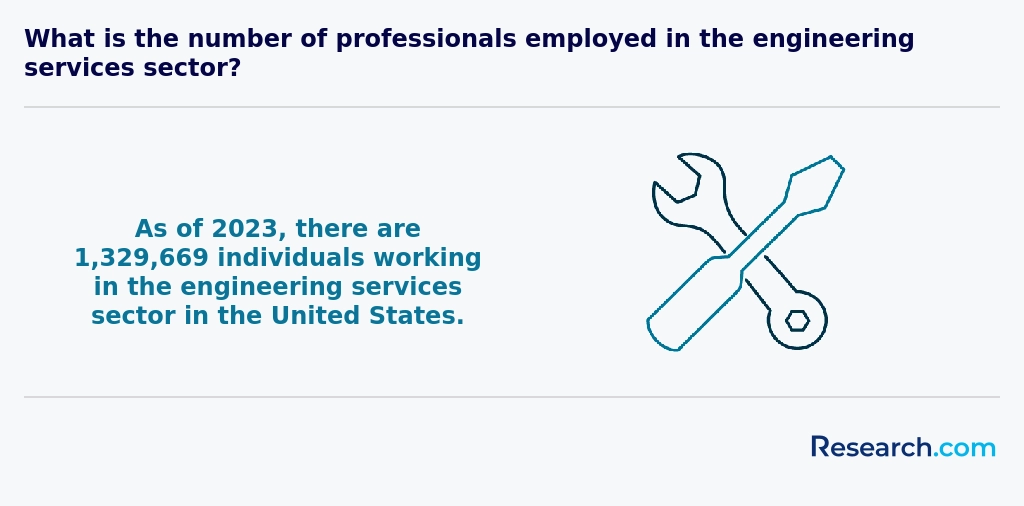
Graduates with an engineering degree in Seattle find varied opportunities shaped by the region's tech-driven and aerospace economy. Many graduates from well-known institutions around Seattle move directly into software and computer engineering roles, attracted by companies like Amazon and Microsoft. Others with mechanical or aerospace backgrounds benefit from ties to Boeing and related manufacturers. Real-life experiences from graduates at local colleges highlight how internships and cooperative programs with these industry leaders pave the way for employment in electrical engineering, civil engineering, and environmental engineering sectors.
To navigate your career path effectively, focus on aligning your skills with Seattle's market demand, especially in sustainability and urban development projects. Those who graduated from Seattle universities have also found success in research roles thanks to partnerships with academic and private labs. Meanwhile, many discover rewarding positions in engineering project management and quality assurance. If you're considering advancing your qualifications, explore 1 year master degree programs to fast-track your entry into these competitive fields. Overall, understanding Seattle engineering degree job prospects helps you make strategic education and career decisions.
The job market for an engineering degree in Seattle is robust, with strong demand driven by the city's tech and aerospace industries. Graduates from the University of Washington and other local institutions often find opportunities in large companies like Boeing, Amazon, and Microsoft, as well as in emerging startups. Those who intern through university partnerships frequently gain valuable real-world experience, enhancing their employability in fields such as software, aerospace, and green technologies. This practical exposure is crucial given Seattle's competitive landscape for engineering jobs outlook in Seattle.
Many graduates report that specializing in areas like sustainable energy, robotics, or AI has helped them secure higher-paying roles, reflecting the region's push toward innovation. The steady infrastructure growth around Seattle also keeps civil and environmental engineers in demand. While tuition fees average around $11,745 for in-state engineering students, many balance this cost with promising salary prospects.
To stay ahead, it's wise to explore skill-building through additional courses or certifications, often available in the city's vibrant educational ecosystem. For those balancing career shifts or lifelong learning, consider checking out the top online degree programs for seniors as a flexible option to advance engineering skills and employment prospects.
2027 Most Affordable Engineering Degree Programs Ranking in Seattle
Investing in your education is a significant decision that can greatly impact your future, and the Research.com team fully recognizes the importance of making well-informed choices. To support prospective students in Seattle, we have carefully developed the "2027 Most Affordable Engineering Degree Programs Ranking in Seattle." Our dedication to quality, credibility, and accuracy is demonstrated through the thorough research and analysis performed to create this ranking.
We utilized the following reputable data sources to ensure a comprehensive evaluation of engineering programs:
By exploring this ranking, readers will gain valuable insights into the most affordable engineering degree programs in Seattle, enabling them to make informed and confident decisions about their education. For more information on how this ranking was developed, please visit our Research.com methodology page.


Frequently Asked Questions About engineering
Engineering students in Seattle can maximize their learning by engaging with the city's strong network of tech companies and research institutions. Seattle is home to industry leaders like Boeing and Microsoft, offering internship and co-op opportunities that provide practical experience alongside academic study. According to the Washington Student Achievement Council, involving oneself in hands-on projects enhances job readiness upon graduation.
Additionally, students should leverage local resources such as the University of Washington's engineering labs and Seattle's numerous maker spaces to develop practical skills. Participating in student organizations and attending industry events also fosters professional networking, which is essential in the competitive engineering field.
Finally, Seattle's increasing focus on sustainable engineering and innovation provides avenues to work on cutting-edge projects that address real-world problems, improving both education and career prospects.
Emerging niches within the engineering field in Seattle reflect the city's strong focus on technology and sustainability. One fast-growing area is renewable energy engineering, driven by Washington state's commitment to carbon neutrality by 2050. This creates opportunities for engineers specializing in solar, wind, and hydroelectric power systems.
Another significant niche is software and robotics engineering, supported by Seattle's robust tech industry, including giants like Amazon and Microsoft. Local universities report increasing enrollment in these disciplines, reflecting high demand for skills in automation and artificial intelligence.
Additionally, bioengineering is expanding, fueled by the region's biotech sector. The University of Washington highlights a 15% growth in bioengineering graduates over recent years, emphasizing medical device innovation.
Graduates with engineering degrees in Seattle benefit from the city's strong tech and manufacturing sectors. To prepare for the job market, start by gaining practical experience through internships or cooperative education programs offered by local universities and companies. According to the Washington State Employment Security Department, engineering jobs in Seattle are projected to grow by 12% through 2030, highlighting expanding opportunities.
Networking is also essential. Seattle hosts several professional organizations, such as the Society of Women Engineers Seattle Section and local ASME chapters, which provide valuable connections and job leads.
Additionally, consider obtaining relevant certifications and sharpening skills in emerging areas like software development and sustainable design, as these are in demand locally, according to data from the Seattle Economic Development Council.
Employers in Seattle highly value engineering graduates who demonstrate strong technical expertise combined with practical problem-solving skills. According to the Washington State Department of Commerce, proficiency in software tools like CAD, MATLAB, and Python is often required for local engineering roles. Communication skills are also critical, as teams frequently collaborate across diverse departments and projects.
Additionally, Seattle's growing tech-driven economy emphasizes adaptability and continuous learning, especially in fields like aerospace and software engineering. Knowledge of sustainable engineering practices is increasingly important, reflecting the city's commitment to environmental responsibility. Data from the National Association of Colleges and Employers (NACE) highlights that 85% of Seattle employers seek graduates with internship experience, underscoring hands-on learning as a key asset.
Finding internships in Seattle relevant to an engineering degree involves leveraging the city's robust tech and manufacturing industries. Seattle is home to major companies like Boeing, Microsoft, and Amazon, which frequently offer paid internships in various engineering fields. Utilizing university career centers is a practical first step; for example, the University of Washington's College of Engineering regularly posts internship opportunities tailored for local students.
The Seattle Jobs Initiative and local job fairs provide additional resources specifically for internships and entry-level positions in engineering. According to the U.S. Bureau of Labor Statistics, engineering roles in Seattle have grown by over 5% in recent years, reflecting strong demand.
Networking through professional groups such as the Seattle chapter of the Society of Women Engineers or local Meetup events can also increase exposure to internship openings. Online job platforms like LinkedIn and Handshake are widely used by Seattle employers seeking engineering interns. Combining these approaches improves the chance of finding valuable internship experiences in Seattle's competitive engineering job market.
Obtaining an engineering degree in Seattle significantly enhances career mobility and advancement opportunities. The city's thriving technology and aerospace sectors, including major employers like Boeing and Microsoft, actively seek skilled engineers. According to the U.S. Bureau of Labor Statistics, employment for engineers in the Seattle metropolitan area is expected to grow faster than the national average through 2030.
An engineering degree provides foundational technical skills and credentials that open doors to leadership roles as professionals gain experience. Many companies in Seattle value continuous education, often promoting degree holders into project management or specialized technical positions.
Moreover, local universities frequently partner with industries for internships and cooperative education, increasing graduates' employability and upward mobility.
Studying for an engineering degree in Seattle offers strong preparation for interdisciplinary roles due to the city's diverse industrial landscape. Seattle hosts major companies in aerospace, technology, and biotechnology, encouraging engineering programs to emphasize collaborative skills across multiple fields. For example, the University of Washington integrates coursework that combines mechanical, electrical, and computer engineering, promoting innovation at the intersection of disciplines.
Students gain practical experience through internships and projects with local industry leaders like Boeing and Microsoft, fostering teamwork with professionals from different sectors. According to the National Center for Education Statistics, Seattle-area engineering programs report above-average participation in interdisciplinary research initiatives, equipping graduates with adaptable problem-solving skills.
Moreover, these programs often include classes in business, environmental science, and computer programming, reflecting real-world challenges and emerging trends. This holistic approach ensures graduates are well-prepared for evolving roles that require knowledge beyond a single engineering specialty.
When choosing between a thesis and a non-thesis engineering degree in Seattle, consider your career goals and learning preferences. Thesis programs focus on original research and often prepare students for PhD studies or research-intensive jobs. These typically require around 6 to 12 months to complete the thesis project alongside coursework.
Non-thesis programs emphasize coursework and practical skills, allowing completion in less time, usually 1 to 2 years. They suit students aiming for industry roles, particularly in Seattle's strong tech and manufacturing sectors.
According to the University of Washington's engineering department, about 40% of master's students pursue thesis options, especially those targeting research careers. In contrast, non-thesis tracks attract professionals seeking quick entry or advancement in local industries.
Students based in Seattle looking to study engineering abroad have several pathways through U.S. universities with strong international exchange programs. For example, the University of Washington's College of Engineering partners with institutions across Europe and Asia, enabling students to complete part of their engineering coursework overseas.
Many Seattle-area students also pursue dual-degree or study-abroad programs facilitated by schools like Seattle University, which collaborates with universities in countries such as Germany and Japan. These programs often include internships or research opportunities abroad, enhancing both practical skills and cultural understanding.
According to the Institute of International Education, engineering students comprise a growing segment of U.S. participants in overseas study, with trends indicating an increased interest from the Seattle region specifically in STEM-related disciplines.
In Seattle, part-time job opportunities that align well with engineering degree studies often include roles in technology firms, manufacturing companies, and research facilities. Positions such as lab assistants, CAD drafters, and quality control technicians provide practical experience directly related to engineering disciplines.
Seattle's strong tech industry, including giants like Boeing and Amazon, offers internships and co-op positions that enable students to apply engineering concepts in real-world settings. According to the U.S. Bureau of Labor Statistics, engineering occupations in Seattle grew by 6% from 2020 to 2023, reflecting expanding job prospects.
Additionally, campus research projects and tutoring roles help deepen theoretical understanding while developing communication skills critical for engineering careers.
Seattle offers engineering students numerous opportunities to build professional networks critical for career development. The city hosts chapters of national organizations such as the Society of Women Engineers and the Institute of Electrical and Electronics Engineers (IEEE), providing regular events and workshops. Local universities like the University of Washington also facilitate industry connections through career fairs and co-op programs, linking students with companies such as Boeing and Amazon, major Seattle employers. According to the Washington Student Achievement Council, over 60% of engineering undergraduates in Seattle participate in internships or cooperative education, enhancing their practical experience. Attending conferences and tech meetups further broadens access to industry professionals.
Alumni networks play a crucial role for students pursuing engineering degrees in Seattle by providing valuable connections to local industries. Seattle's strong technology and aerospace sectors, including companies like Boeing and Microsoft, offer abundant career opportunities. Graduates from Seattle engineering programs often stay in the region, creating tight-knit communities that support mentoring and job referrals.
According to a 2023 report by the University of Washington, over 70% of engineering alumni remain in the Pacific Northwest, enhancing networking potential for current students. Access to experienced alumni helps students learn about internships, co-ops, and emerging trends in engineering fields.
These networks also facilitate professional development through workshops and alumni-led events, increasing students' chances of successful employment after graduation.
Customizing an engineering degree program in Seattle to fit your career goals is common and supported by many local institutions. Most universities offer flexible curricula where you can select electives aligned with your interests, such as software, civil, or environmental engineering. For example, the University of Washington allows students to tailor projects and internships, helping bridge theory with Seattle's tech and manufacturing industries.
Cooperative education (co-op) programs and industry partnerships provide hands-on experience, a vital option in Seattle's strong engineering job market, which saw a 7% growth in tech-related roles over the past five years (U.S. Bureau of Labor Statistics, 2023). Additionally, certificates or minors in business, data science, or sustainability add valuable skills for specialization.
These customizable options help engineering students adapt their education to evolving career demands in Seattle's dynamic economy.
Engineering students in Seattle commonly face challenges related to balancing rigorous coursework with practical experience. The city's competitive tech industry demands strong skills in coding, design, and problem-solving, which can create pressure for students to excel early in their studies.
Another challenge involves the high cost of living in Seattle. According to the U.S. Bureau of Labor Statistics, the area's living expenses are significantly above the national average, making it difficult for some students to afford housing and daily needs while studying.
Additionally, students often report time management difficulties due to demanding internships and co-op programs, which are widely available but require a significant commitment.
With an engineering degree in Seattle, you can pursue several key professional certifications that boost your career prospects. The most recognized is the Professional Engineer (PE) license, which requires passing the Fundamentals of Engineering (FE) exam, gaining work experience (usually four years), and passing the PE exam. This license grants legal authority to sign off on projects and is highly valued across industries in Washington State.
Other certifications include the Certified Engineering Manager (CEM), which focuses on leadership skills, and certifications in specialized fields such as Project Management Professional (PMP) or Six Sigma. The Seattle labor market, driven by technology and manufacturing, values these credentials, helping engineers advance and increase their earnings. According to the National Society of Professional Engineers, PE holders typically earn 20% more than non-licensed engineers.
To write a winning application for an engineering program in Seattle, start by demonstrating strong academic performance. Competitive applicants typically have a high school GPA above 3.5 and solid scores on the SAT or ACT exams, as many Seattle-area schools consider these important metrics.
Highlight your passion for engineering through relevant extracurricular activities or projects. Seattle hosts several STEM programs and internships, such as those with Boeing or Microsoft, which can strengthen your application.
Carefully craft your personal statement to explain why you want to study engineering in Seattle, emphasizing local industry connections and unique opportunities. Letters of recommendation should come from teachers familiar with your math and science skills.
Consult official university websites like the University of Washington for the most up-to-date admission requirements tailored to engineering applicants.
The global perspective on an engineering career emphasizes strong demand and diverse opportunities. In the United States, including Seattle, engineering graduates are highly sought after due to rapid growth in technology and infrastructure sectors. According to the U.S. Bureau of Labor Statistics, employment in engineering occupations is projected to grow 8% from 2021 to 2031, faster than the average for all occupations.
Seattle is a hub for aerospace, software, and green technology industries, making it an attractive location for engineering students. The University of Washington in Seattle is consistently ranked among top engineering schools nationally, contributing to a highly skilled local workforce.
Internationally, engineering is recognized as a versatile and stable career path. U.S. degrees are respected worldwide, and engineers often work on projects with global impact. This enhances cross-cultural collaboration and innovation, especially in areas like environmental and civil engineering. For aspiring engineers in Seattle, understanding these global trends supports career planning and development.
Gaining practical experience is crucial when pursuing an engineering degree in Seattle. Many local universities offer cooperative education (co-op) programs, allowing students to work in paid positions related to their field while earning academic credits. According to the National Association of Colleges and Employers, engineering co-op participation can increase job offers by over 20% after graduation. Seattle's robust tech and manufacturing industries provide ample internship opportunities, especially with companies like Boeing, Microsoft, and Amazon.
Students are encouraged to engage in research projects, join engineering clubs, and attend local industry networking events. These activities help build relevant skills and connections useful for future employment. Additionally, Seattle's proximity to innovation hubs allows access to workshops and hackathons, which emphasize hands-on learning and problem-solving.
Choosing the right concentration within an engineering degree program in Seattle requires considering your interests, career goals, and the region's industry demands. Seattle is a hub for technology, aerospace, and biotech, hosting giants like Boeing and Microsoft, influencing popular concentrations such as aerospace, software, and biomedical engineering. According to the Washington State Employment Security Department, software developers and engineers in Seattle have a median annual wage above $110,000, highlighting strong job prospects in computing fields.
Review the curriculum and specializations offered by Seattle-area schools, focusing on practical experience and internship opportunities. Industry connections can enhance employment chances after graduation. Additionally, evaluate your strengths in math, science, and design as key factors for success in specialized engineering fields.
- 2027 Most Affordable Engineering Degree Programs Ranking in Portland
- 2027 Most Affordable Engineering Degree Programs Ranking in Davis
- 2027 Most Affordable Engineering Degree Programs Ranking in Berkeley
- 2027 Most Affordable Engineering Degree Programs Ranking in San Francisco
- 2027 Most Affordable Engineering Degree Programs Ranking in Santa Clara
- 2027 Most Affordable Engineering Degree Programs Ranking in Santa Cruz
- 2027 Most Affordable Engineering Degree Programs Ranking in Santa Barbara
- 2027 Most Affordable Engineering Degree Programs Ranking in Pasadena
- 2027 Most Affordable Engineering Degree Programs Ranking in Los Angeles
- 2027 Most Affordable Engineering Degree Programs Ranking in Claremont
See What Experts Have To Say About Studying Engineering
Read our interview with Engineering experts

Bohdan W. Oppenheim
Engineering Expert
Professor Emeritus of Healthcare Systems Engineering
Loyola Marymount University


Jasna Jankovic
Engineering Expert
Associate Professor
University of Connecticut

- College of Engineering announces new program fee to launch autumn 2026 https://www.dailyuw.com/article/college-of-engineering-announces-new-program-fee-to-launch-autumn-2026-20260311
- Executive Search and Outplacement Services for the Engineering, Architecture, Construction, and Manufacturing Industries https://www.davron.net/stand-out-niche-engineering-job-market/
- Marine Engineering Technology - Costs & Funding https://maritime.seattlecentral.edu/programs/marine-engineering-technology/funding-your-education
- Jobs You Can Do With An Engineering Degree - University Centre Peterborough https://www.ucp.ac.uk/blogs/jobs-you-can-do-with-an-engineering-degree/
- The Rise of the Niche Engineer https://www.sterling-engineering.com/niche-engineer/
- engineering degree - Tłumaczenie po polsku - Słownik angielsko-polski Diki https://www.diki.pl/slownik-angielskiego
- Bachelor of Engineering – kierunki i perspektywy kariery https://educat.study/pl/bachelor-of-engineering/
- Thesis vs. Non-Thesis Master's Programs: Which is Right for You? https://potomac.edu/thesis-vs-non-thesis-masters/
- Know more about thesis vs non- thesis: what is the difference? https://studyfans.com/en/blogs/816
- Arya College | Best B.Tech College in Jaipur, Rajasthan, India https://www.aryacollege.org/resources/common-challenges-faced-by-engineering-students/