2027 Most Valuable Engineering Degree Programs Ranking in Corvallis

Co-Founder and Chief Data Scientist
Choosing the right engineering degree program is a big step toward a rewarding career. This article introduces the 2027 Most Valuable Engineering Degree Programs Ranking in Corvallis, created by the Research.com team of data scientists to support students in making well-informed decisions.
By exploring this ranking, you'll discover which programs offer the greatest value, helping you focus on opportunities that align with your goals and passions. Pursuing an engineering degree can open doors to innovation, growth, and a bright future in Corvallis and beyond.
Key benefits of getting engineering degree in Corvallis
- Engineering degree graduates in Corvallis can expect strong salaries, with mechanical engineers earning a mean annual wage of $105,220 and electrical engineers making about $117,680, offering great financial stability and growth potential.
- Graduates from Oregon State University, a popular school in Corvallis, often pursue careers in civil, industrial, and electrical engineering, opening diverse opportunities in construction, manufacturing, and technology sectors.
- Completing an online engineering degree from a local university allows for flexible scheduling and balancing work-life commitments, making it easier for students to gain valuable experience while earning a respected qualification.
- 2027 Most Valuable Engineering Degree Programs Ranking in Corvallis
- What can I expect from engineering degree in Corvallis?
- Where can I work with engineering degree in Corvallis?
What can I expect from engineering degree in Corvallis?
The average cost for an engineering degree at Oregon State University in Corvallis typically ranges around $12,000 per year for in-state students, while out-of-state students may face tuition costs closer to $30,000 annually. Graduates often reflect positively on the investment, highlighting how the balance of theory and practical experience provided by OSU's College of Engineering prepared them well for real-world challenges. For example, students participate in internships and cooperative programs with local tech firms, which enhance both learning and future job prospects.
Notably, the College's facilities like the Kelley Engineering Center offer access to advanced labs that foster hands-on learning, a feature many students find invaluable. With approximately 4,000 engineering students enrolled, the environment is both collaborative and competitive, driving personal growth alongside academic rigor.
Alumni frequently point to career services and mentorship programs as key factors that helped them secure lucrative positions in Oregon's evolving engineering sectors, particularly in software development and renewable energy. This robust ecosystem adds tangible value, making the cost of education a worthwhile investment for students committed to engineering careers in Corvallis.
Where can I work with engineering degree in Corvallis?
Engineering graduates in Corvallis find diverse career paths spanning manufacturing, technology, environmental consulting, and research and development. A significant employer is HP Inc., which hires hundreds of engineers in electrical, mechanical, and software disciplines at its local R&D facility. Graduates from Oregon State University's College of Engineering, a leading institution in the area, benefit from strong industry partnerships that expose them to hands-on projects in renewable energy, robotics, and advanced materials.
Many alumni report transitioning smoothly from OSU labs into roles as research engineers or project managers within startups and established firms focused on sustainable technology. These smaller companies emphasize civil, environmental, and agricultural engineering opportunities aligned with regional needs like water quality and resource management.
Public sector positions are also attainable, with municipal agencies offering work in infrastructure planning, transportation engineering, and public works. The steady growth in government engineering jobs underscores the city's commitment to infrastructure investment, making Corvallis attractive for graduates seeking stable, impactful roles.
Graduates from Oregon State University's engineering programs in Corvallis typically start their careers with salaries ranging from $65,000 to $75,000 annually, reflecting entry-level positions in fields like civil, mechanical, electrical, and industrial engineering. With experience, these salaries rise significantly. Mechanical engineers in the area earn an average of around $105,220 per year, while electrical engineers command higher salaries, averaging $117,680. Civil engineers generally see mean annual wages near $101,160, and industrial engineers make about $103,150 on average.
Many Corvallis graduates find rewarding roles at companies such as Hewlett-Packard Enterprise, where specialization in software or electrical engineering can push earnings past $110,000. This growth in income helps graduates feel confident and optimistic about their financial futures right after completing their degrees at local institutions.
The steady demand for engineers combined with industry presence in Corvallis means graduates typically enjoy competitive pay and strong career progression opportunities, reinforcing why many students choose to study engineering in this vibrant college town.
- Oregon State University in Corvallis offers a variety of engineering degrees including mechanical, civil, electrical, and computer engineering.
- In-state tuition and fees average about $13,000 per year, while out-of-state students pay around $35,000 annually, excluding roughly $12,000 for housing and supplies.
- Starting salaries for engineering graduates in Corvallis are approximately $65,000 per year.
- Mid-career engineers in the area often earn between $95,000 and $100,000 annually, depending on experience and specialization.
- Corvallis engineers find job opportunities mainly in software development, electronics manufacturing, and civil infrastructure, with options to work in nearby Portland as well.
- The university provides internship and co-op programs through its Career Development Center to help students gain practical experience and improve job prospects.
Completing an engineering degree in Corvallis, primarily at Oregon State University, typically requires four years of full-time study. Graduates report a structured experience blending foundational courses and specialized electives, designed to meet ABET accreditation standards that ensure a rigorous and recognized education.
Many students follow the traditional four-year timeline, finding satisfaction in the steady academic progress and support available at OSU. However, some extend their studies to five or six years due to factors like part-time enrollment, cooperative education programs, or pursuing double majors. For example, students participating in internships often appreciate the balance of extended study time combined with valuable real-world experience that strengthens their career prospects.
Transfer students from community colleges sometimes finish in less than four years if their credits transfer smoothly, providing a faster but equally rewarding path. Graduate options, like master's or PhD programs, further extend time in school but reflect deeper specialization in engineering fields.
Engineering students in Corvallis choosing on-campus programs, such as those at Oregon State University, benefit from direct access to hands-on labs, maker spaces, and face-to-face interaction with faculty and peers. Graduates often recall collaborating on real-world projects and participating in internships, with about 70% of on-campus engineering students securing internships before graduation, enhancing job prospects.
Conversely, online engineering degrees in Corvallis offer flexibility to study without relocating or commuting, ideal for working professionals or those with family commitments. However, students face limited physical lab access, relying on virtual simulations or at-home kits, which may affect the depth of practical experience. Online learners emphasize the need for self-discipline and strong time management to succeed in a less structured environment.
Tuition costs are comparable between both formats, but on-campus students incur additional expenses like housing and commuting. Online programs reduce these costs but require technological investments and a proactive approach to academic support due to less immediate access to advising and career services.
The average cost of an engineering degree in Corvallis, primarily offered by Oregon State University, varies significantly based on residency. For in-state students, the median total cost is approximately $14,400, reflecting tuition, fees, and essential expenses over the course of the program. Out-of-state students face a median total cost closer to $55,176, encompassing all tuition and related charges. Graduates often describe managing these costs through scholarships and work-study programs, making the investment feel more attainable despite the higher figures.
Engineering students in Corvallis typically budget not only for tuition but also for living expenses, materials, and lab fees, which can modestly increase the annual financial commitment. Housing and day-to-day expenses for students living near OSU usually fall between $10,000 and $14,000 per year, contributing importantly to the total cost. Many students appreciate the balance between cost and quality of life, highlighting Corvallis's moderate living expenses compared to larger urban areas.
The total tuition and fees for engineering degrees Corvallis encompass these diverse costs and require strategic financial planning. The overall price range aligns with national averages for public universities, giving students a clear benchmark when evaluating their options. For those interested in flexible learning paths, exploring an engineering degree online can offer additional financial and scheduling advantages.

Engineering students in Corvallis, particularly those enrolled at Oregon State University (OSU), benefit from a comprehensive range of financial aid options that help manage the average annual cost of $25,000 for tuition, fees, and living expenses. Federal aid plays a crucial role; many students access Pell Grants awarded based on financial need, which do not require repayment. Additionally, options like Direct Subsidized and Unsubsidized Loans offer manageable borrowing solutions with low interest rates.
OSU's College of Engineering enhances financial support through competitive scholarships totaling over $2 million in recent years. These scholarships reward academic merit, leadership, and community involvement. Graduates often recall how targeted scholarships for women and minorities fostered a supportive environment promoting diversity.
Federal Work-Study programs allow students to earn income through on-campus jobs related to engineering, easing financial pressure while building professional experience. External scholarships from organizations like the Society of Women Engineers further supplement aid, reducing reliance on loans.
Graduate engineering students may secure assistantships or fellowships, which provide tuition waivers and stipends in exchange for research or teaching roles, embodying a rewarding opportunity to offset higher education costs.
As industries evolve, Corvallis engineering graduates are well-positioned to lead innovations in several high-growth areas. One of the most transformative trends is the integration of artificial intelligence (AI) and machine learning into traditional engineering disciplines. From predictive maintenance in manufacturing to autonomous systems in robotics, engineers with data-driven skills will be in high demand. Students exploring the intersection of hardware and software may find it helpful to review computer science and computer engineering which is better when deciding which path aligns with their career goals. Renewable energy and sustainability continue to reshape the civil, mechanical, and electrical engineering landscapes. Graduates can expect opportunities designing smart grids, optimizing wind and solar installations, and developing energy-efficient buildings. Oregon State University’s research centers, such as the OSU Energy Center, provide hands-on projects that mirror industry needs and foster collaborations with local utilities and startups. Biomedical engineering is another rapidly expanding field in Corvallis, driven by advances in wearable health devices, medical imaging, and tissue engineering. Engineers who combine principles of biology, materials science, and electronics will find opportunities in medical device companies and research labs. Finally, the Internet of Things (IoT) and connected infrastructure present new challenges in cybersecurity, sensor networks, and systems integration. Engineers skilled in network architecture, embedded systems, and data analytics will be critical to securing and maintaining the smart cities of tomorrow. By staying informed of these emerging trends, prospective and current students can tailor their specializations and internships to match the future demands of the engineering job market.
To enroll in an engineering degree program in Corvallis, students must demonstrate a solid foundation in mathematics and science. This typically means completing high school coursework in algebra, geometry, trigonometry, calculus, physics, and chemistry. Graduates from Oregon State University's engineering programs often recall how mastering these subjects early made the transition to university-level engineering smoother and more rewarding.
A minimum GPA of around 3.0 on a 4.0 scale in these core areas is standard for admissions, with more competitive tracks demanding higher academic performance. Although many programs at OSU have adopted test-optional policies, strong SAT or ACT scores can still provide an advantage, reflecting a candidate's preparedness and dedication.
Many successful students have found value in taking introductory engineering or technology courses in high school or through dual enrollment, which helps in confirming their commitment and readiness for the field. Additionally, writing a clear and passionate personal statement about one's motivation and experiences is crucial, especially at research-focused institutions in Corvallis, where soft skills like problem-solving are highly prized.

Engineering programs in Corvallis, OR, are distinguished not only by rigorous academics but also by robust industry partnerships and cutting-edge research opportunities that deepen learning and enhance career prospects. Local institutions collaborate closely with prominent tech firms, manufacturing companies, and government agencies, enabling students to engage in real-world projects, internships, and co-op experiences that bridge classroom theory with practical application. These collaborations provide access to state-of-the-art laboratories and research centers where students can contribute to innovative solutions-from renewable energy systems to advanced robotics-that address today’s complex engineering challenges. Moreover, such hands-on experiences not only build technical expertise but also strengthen professional networks and boost employability upon graduation. If you seek a program that seamlessly integrates academic rigor with practical industry exposure, consider exploring your options at a valuable engineering school in oregon. This holistic approach ensures that graduates are well-prepared to navigate dynamic job markets and contribute meaningfully to technological advancements locally and beyond.
Engineering degree programs in Corvallis, particularly at Oregon State University, include a comprehensive range of courses starting with fundamental subjects. Freshman and sophomore students typically engage with Calculus and Differential Equations, Physics (covering Mechanics and Electricity), General Chemistry, and foundational courses like Statics and Dynamics. These essentials ground students in the critical principles needed for advanced study.
Upper-level coursework varies by specialization. Mechanical engineering students experience Thermodynamics and Fluid Mechanics, while civil engineering focuses on Structural Analysis and Geotechnical Engineering. Electrical engineering students delve into Circuits, Signal Processing, and Microelectronics, and computer engineering students take Software Engineering alongside Embedded Systems. Graduates often reflect positively on how these tailored classes deepen their technical expertise and prepare them for real-world challenges.
Hands-on learning through labs, internships, and capstone projects supplements theoretical knowledge. Many students find this practical orientation at Oregon State highly motivating, as it equips them with skills directly applicable to industry roles and sparks enthusiasm for innovation and teamwork.
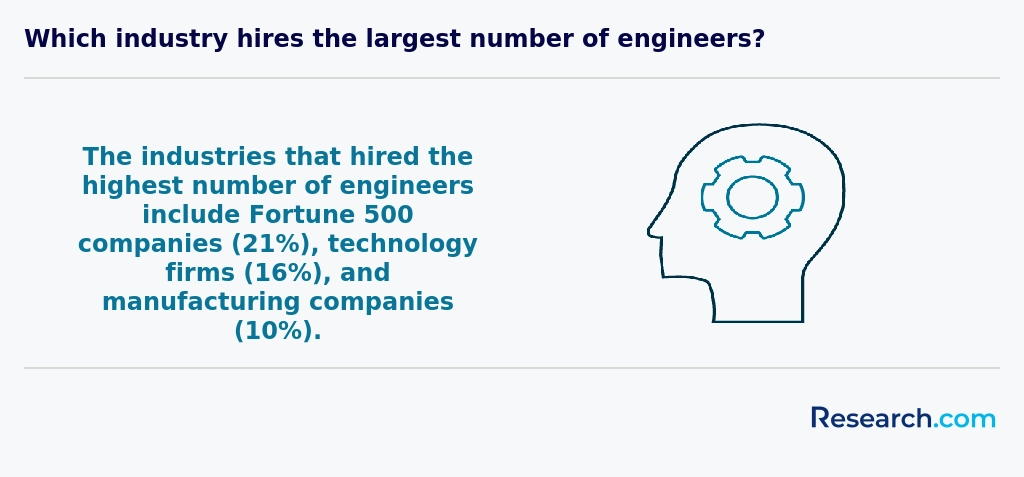
Engineering degree specializations in Corvallis at Oregon State University (OSU) cover a wide range of fields aligned with regional and national industry needs. Graduates often express satisfaction with options such as Agricultural Engineering, which integrates innovations in sustainable farming-a perfect fit given Oregon's agricultural focus. Biomedical Engineering programs prepare students to merge healthcare and engineering principles, while Civil Engineering focuses on critical infrastructure projects like roads and bridges.
Students pursuing engineering in Corvallis benefit from specializations in Computer Engineering and Software Engineering, reflecting the city's growing tech ecosystem. Mechanical and Electrical Engineering remain robust choices, providing hands-on experience in manufacturing, power systems, and robotics. Environmental Engineering addresses pressing local concerns such as pollution control, enhancing students' practical impact. Construction Engineering offers skills for managing urban development projects.
In this context, students frequently explore engineering degree requirements that prepare them effectively for regional employers, ensuring the relevance of educational content. These comprehensive options underscore why OSU is considered among the top engineering programs Corvallis Oregon offers.
Choosing the best engineering degree programs in Corvallis requires examining several crucial factors at Oregon State University (OSU), the city's leading institution for engineering. Graduates often cite the value of ABET accreditation across Mechanical, Civil, Electrical, and Chemical Engineering programs, which assures adherence to rigorous academic and professional standards. In-state tuition averaging around $12,000 annually offers affordability compared to out-of-state fees near $34,000, aligning with expectations for affordable engineering schools Corvallis Oregon. Students benefit from OSU's strong industry connections and internship placements, providing practical experience and increasing job prospects. The hands-on learning environment, supported by smaller class sizes and advanced research facilities, enriches education and fosters confidence. Considering post-graduation outcomes, fields like Electrical Engineering frequently lead to higher starting salaries, making alignment with labor market realities essential. To understand how evolving employment trends affect your choice, reviewing the job demand in data science can offer relevant insights guiding your decision.
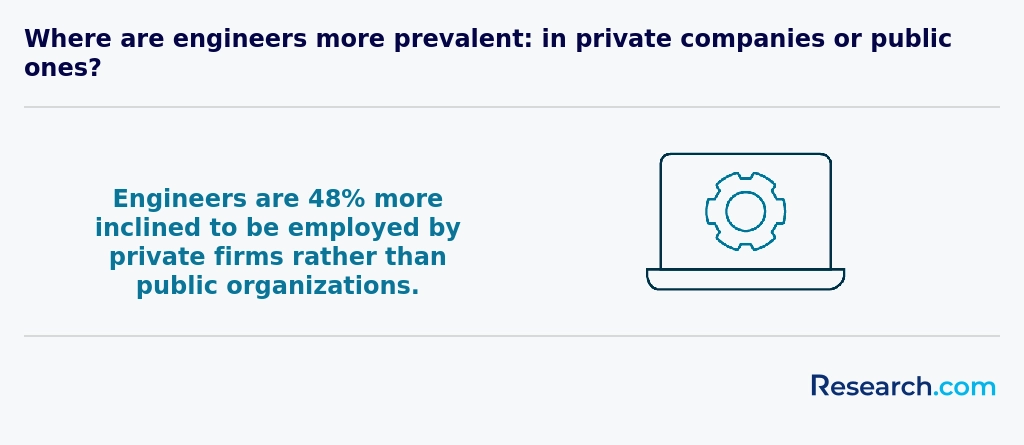
Graduates pursuing engineering degrees in Corvallis have access to diverse and promising career paths closely tied to the region's economic landscape. Oregon State University's reputable engineering programs enable students to enter fields such as civil engineering, focusing on infrastructure and environmental compliance, or mechanical engineering in automation and manufacturing. Electrical engineers often find opportunities in power systems and communications, while computer engineers work on software development, embedded systems, and cybersecurity challenges. Environmental engineering graduates contribute to sustainability projects, water resource management, and pollution control. These career opportunities reflect the Corvallis engineering degree job prospects, highlighting a practical alignment between education and industry demand.
Many graduates benefit from internships and jobs with regional tech leaders like Hewlett-Packard and Intel, gaining valuable hands-on experience. This real-world exposure encourages positive outlooks among students, who feel well-prepared for their engineering career opportunities in Corvallis. Additionally, those interested in interdisciplinary tech roles may explore a video game design degree, broadening their prospects and skills.

The job market for engineering degree graduates in Corvallis is robust, supported by strong ties between Oregon State University and local industries. Graduates often share positive experiences about securing internships or full-time roles through the university's co-op programs, which enhance practical skills and employability. This close relationship between education and industry fosters steady demand for engineering skills in sectors such as civil, mechanical, electrical, and software engineering. Such connections make Corvallis a compelling choice for those seeking engineering degree job opportunities in Corvallis.
While starting salaries in Corvallis may be slightly below those in larger metropolitan areas, they remain competitive locally. For example, civil engineers earn a median annual salary around $82,000, and electrical engineers make close to $90,000. This wage level, combined with the city's moderate living costs, contributes to a positive outlook for engineering graduates aiming to establish their careers in the region.
Students evaluating the cost-benefit of studying engineering should consider tuition at public universities like OSU, where residents pay approximately $12,000 per year. The balance of affordable tuition, job stability, and promising career paths makes Corvallis home to a valuable engineering school in oregon.
2027 Most Valuable Engineering Degree Programs Ranking in Corvallis
Investing in your education is a significant decision that can impact your future, and the Research.com team is deeply aware of this responsibility. To support prospective students in Corvallis, we have carefully developed the "2027 Most Valuable Engineering Degree Programs Ranking in Corvallis." Our dedication to quality, credibility, and accuracy is demonstrated through rigorous research and thorough analysis conducted by our experts.
We utilized the following reputable data sources to create a well-rounded and reliable ranking:
By reviewing this ranking, readers will gain valuable insights to guide them toward the most beneficial engineering programs in Corvallis, enabling informed and confident educational decisions. For a detailed explanation of our approach, please visit our Research.com methodology page.

Frequently Asked Questions About engineering
Engineering students in Corvallis can maximize their learning by engaging deeply with the Oregon State University (OSU) College of Engineering, recognized nationally for its research and practical approach. OSU offers extensive hands-on opportunities through projects, internships, and cooperative education programs that connect students with local industry leaders like Hewlett-Packard and other tech firms in the region.
Joining student engineering organizations and competitions helps develop teamwork and leadership skills essential for career success. Additionally, OSU provides access to state-of-the-art labs, including robotics and material science facilities.
Networking through career fairs and tapping into OSU's alumni network significantly enhances job placement prospects post-graduation, as reported by the university's Career Development Center.
Emerging niches in the engineering field reflect rapid technological advances and societal needs. In Corvallis, data from the U.S. Bureau of Labor Statistics highlights growth in environmental engineering, driven by the city's focus on sustainable practices. This specialty addresses climate change, water treatment, and renewable energy solutions.
Another expanding area is biomedical engineering, integrating healthcare innovations with engineering principles. Oregon State University in Corvallis supports research in prosthetics and medical devices, preparing students for this fast-growing market where jobs are projected to increase by over 7% through 2030.
Additionally, software and systems engineering are critical niches due to tech growth in the Pacific Northwest. These fields focus on cybersecurity, artificial intelligence, and automation-key areas influencing Corvallis's evolving economy.
After earning an engineering degree in Corvallis, preparing for the job market involves several key strategies. First, gaining practical experience through internships or cooperative education programs is essential. Oregon State University, located in Corvallis, offers robust internship opportunities with local industries, increasing graduate employment rates. Networking also plays a critical role; attending career fairs and joining engineering-related student organizations can connect graduates with potential employers.
Additionally, obtaining professional certifications like the Fundamentals of Engineering (FE) exam can enhance job prospects. According to the Bureau of Labor Statistics, engineers with internships and certifications earn 10-15% more on average. Staying updated with industry trends in Corvallis, especially in fields like manufacturing and renewable energy, also gives candidates a competitive edge.
Employers in Corvallis highly value engineering graduates who demonstrate strong technical abilities, including proficiency in computer-aided design (CAD) and coding languages like Python and MATLAB. According to the Oregon Employment Department, local industries emphasize skills in data analysis and problem-solving, reflecting the region's focus on technology and manufacturing sectors.
Communication skills are also critical. Employers look for engineers capable of collaborating in diverse teams and clearly presenting complex ideas, as many projects in Corvallis involve cross-disciplinary efforts.
Hands-on experience through internships or cooperative education is another key asset, with studies showing graduates having practical work experience are 25% more likely to secure jobs promptly in Oregon's engineering market.
Corvallis, home to Oregon State University (OSU), offers strong opportunities for engineering internship seekers. OSU's College of Engineering connects students with local and national companies through its Engineering Career Development program. This program features job fairs, resume workshops, and networking events tailored to engineering disciplines.
Many firms in Corvallis, including tech companies and manufacturing businesses, actively seek engineering interns. The region's focus on sustainable energy and technology sectors provides relevant fields for mechanical, electrical, and civil engineering students.
Students should also explore OSU's online job portals and the Beaver Engineering Cooperative Internship Program, which reported over 1,000 placements in recent years. Engaging with faculty and attending college-hosted career events significantly improves chances of securing internships.
In Corvallis, earning an engineering degree significantly enhances career mobility and advancement opportunities. The city benefits from its proximity to Oregon State University, a well-regarded institution offering accredited engineering programs. Graduates are equipped with skills in high demand by local industries such as technology, manufacturing, and environmental engineering.
According to recent labor market data from the U.S. Bureau of Labor Statistics, engineers in Oregon experience a median wage above the national average, reflecting strong professional demand. This trend is notable in Corvallis, where companies often seek engineers with specialized knowledge.
Furthermore, networking opportunities through university partnerships and regional professional organizations contribute to career growth. This local ecosystem supports engineers aiming to move into leadership roles or specialized technical positions.
Studying for an engineering degree in Corvallis offers strong interdisciplinary preparation, largely due to the region's focus on innovation and collaboration. Oregon State University, the primary engineering institution in Corvallis, emphasizes cross-disciplinary learning through programs that integrate engineering with business, environmental science, and computer science.
The curriculum often includes project-based courses where students work with peers from diverse fields, enhancing problem-solving skills applicable beyond traditional engineering roles. According to the Oregon State College of Engineering, over 30% of research projects involve partnerships across multiple departments, fostering teamwork and broad technical expertise.
This environment equips graduates to take on roles that require a blending of engineering knowledge with other disciplines in a dynamic job market.
Choosing between a thesis and a non-thesis engineering degree program in Corvallis depends largely on your career goals and interests. A thesis option typically involves original research and is well-suited for students aiming to pursue a PhD or roles in research and development.
Non-thesis programs focus more on coursework and practical skills, preparing graduates to enter the workforce directly in industry positions. According to the National Center for Education Statistics, Corvallis-area engineering programs, especially at Oregon State University, offer both paths with curricula aligned to industry trends.
Consider also the time commitment: thesis programs often require two to three years, while non-thesis options can be completed faster. Your decision should match your professional and academic plans.
Students in Corvallis interested in studying engineering abroad have several opportunities through local universities with established exchange programs. Oregon State University (OSU), a key institution in Corvallis, offers partnerships with universities across Europe, Asia, and Australia. These programs allow engineering students to complete part of their degree overseas while earning credits transferable to their OSU curriculum.
OSU's College of Engineering supports study abroad experiences that enhance technical skills and global perspectives, with notable options in Germany, South Korea, and the United Kingdom. According to OSU's 2023 data, approximately 150 engineering students participate annually in these international exchanges.
Additionally, students can explore internships and research collaborations abroad through programs affiliated with OSU, which are often funded or subsidized to reduce financial barriers. These structured opportunities provide practical international exposure critical for engineering careers in a globalized economy.
Corvallis offers several part-time job opportunities that complement engineering degree education. Many students find roles in local technology companies, such as those in the semiconductor and software sectors, which provide practical experience in engineering principles and project management. Positions like lab assistants or research aides at Oregon State University's College of Engineering are common and offer direct exposure to cutting-edge engineering research.
According to the Oregon Employment Department, internships and co-op programs in Corvallis can enhance skills in mechanical, electrical, and computer engineering fields. These roles often pay between $15 and $25 per hour, giving students valuable income alongside their education. Public utilities and manufacturing firms also hire engineering students part-time, supporting applied learning in real-world environments.
Engineering students in Corvallis benefit from strong networking opportunities mainly through Oregon State University (OSU), a recognized leader in engineering education. OSU's College of Engineering hosts career fairs attracting over 200 companies annually, offering students direct access to industry professionals and recruiters. The university's Engineering Career and Leadership Center provides workshops, resume reviews, and networking events to enhance student connectivity.
Local industry ties in sectors like technology, manufacturing, and clean energy also help students connect with professionals through internships and co-op programs. Regional engineering societies and OSU's student chapters, such as the Society of Women Engineers, organize regular networking mixers and technical talks, fostering community engagement and mentorship.
Alumni networks play a crucial role for engineering degree students in Corvallis by providing valuable connections that can influence career opportunities. Graduates often share job leads, internship openings, and industry insights, helping current students navigate the competitive engineering job market.
In Corvallis, Oregon State University's engineering alumni network is particularly active, with thousands of professionals working in fields like civil, mechanical, and electrical engineering across the Pacific Northwest. According to recent OSU career services data, over 70% of engineering students find employment within six months of graduation, often through alumni referrals.
Furthermore, alumni frequently participate in mentoring programs, offering guidance on coursework, research projects, and professional development. Such support can improve students' technical skills and increase their confidence entering the workforce.
Networking events and workshops hosted in Corvallis also enable students to build relationships with experienced engineers, which is essential for long-term career growth.
Customizing an engineering degree program in Corvallis involves selecting from various specializations to align with your career goals. Oregon State University, the primary institution in Corvallis offering engineering, provides options such as civil, electrical, mechanical, and computer engineering. Students can tailor their education by choosing electives and participating in research projects that focus on emerging technologies like renewable energy or robotics.
Additionally, students may engage in cooperative education (co-op) or internships, which are valuable for gaining real-world experience and building networks within Oregon's tech and manufacturing sectors. OSU's College of Engineering boasts a 90% job placement rate within six months of graduation, underscoring the practical advantage of its customizable programs. Academic advisors assist students in crafting individualized academic plans that emphasize both technical skills and professional development.
Engineering students in Corvallis often face rigorous coursework that demands strong time management skills. Programs such as those at Oregon State University are known for their comprehensive curriculum, covering multiple engineering disciplines. According to OSU's enrollment data, many students juggle heavy credit loads, which can lead to stress and burnout.
The need for practical experience is another challenge. Students are encouraged to engage in internships, but local opportunities can be competitive due to the presence of major companies like HP and Tektronix nearby. This makes securing relevant work experience essential yet difficult.
Additionally, mastering advanced technical skills while adapting to rapid technological changes requires continuous learning and dedication.
With an engineering degree from Corvallis, graduates can pursue various professional certifications that enhance career prospects and validate technical skills. The most common is the Fundamentals of Engineering (FE) exam, administered by the National Society of Professional Engineers (NSPE). Passing this exam is often the first step toward becoming a licensed Professional Engineer (PE).
After gaining relevant work experience-usually four years-engineers can take the PE exam. Holding a PE license is highly valued, especially in civil, mechanical, and electrical engineering fields.
Additional certifications include project management credentials like the Project Management Professional (PMP). Some engineers also pursue specialty certifications such as Certified Manufacturing Engineer (CMfgE) or Six Sigma certifications to increase their marketability.
Applying to engineering programs in Corvallis requires a strong academic record, particularly in math and science courses. Most programs expect a minimum GPA of 3.0, but competitive applicants often exceed this.
Standardized test scores are less emphasized recently, yet submitting solid SAT or ACT results can still strengthen your application. Emphasize relevant extracurricular activities such as robotics clubs or internships in engineering fields.
Personal statements should clearly express your passion for engineering and specific interests, backed by practical experiences. Also, obtaining strong recommendation letters from math or science teachers improves your chance.
The Oregon State University College of Engineering, located in Corvallis, is a leading choice; their admission data and tips are publicly available on their official website for precise guidance.
The global outlook for engineering careers remains strong, with demand driven by rapid technological advancement and infrastructure needs worldwide. In the United States, engineers enjoy a median annual wage of about $85,000, according to the U.S. Bureau of Labor Statistics (2023). This positive trend is reflected locally in Corvallis, where Oregon State University, a key engineering education hub, supports a growing number of students contributing to the regional tech ecosystem.
Internationally, engineering skills are transferable and highly valued, offering opportunities in industries such as renewable energy, robotics, and software development. U.S. graduates often collaborate on global projects or join multinational corporations, highlighting the career's broad scope. Engineering remains a profession that combines innovation with practical problem-solving, sustaining its appeal worldwide.
Students pursuing engineering degrees in Corvallis can gain valuable practical experience through internships and cooperative education programs connected to Oregon State University (OSU), the city's primary public research university. OSU Engineering offers strong ties with local industries, including tech companies and manufacturing firms, allowing students to apply classroom knowledge in real-world settings.
Additionally, OSU's College of Engineering supports student participation in hands-on projects such as the Engineering Expo and industry-sponsored competitions. These initiatives enhance problem-solving and teamwork skills while building professional networks.
Many engineering programs require or encourage internships, which in Oregon's Willamette Valley region have reported an average internship wage of $18-$23 per hour, according to state labor data. Such experiences boost employment prospects after graduation.
Volunteering in campus labs or research projects is another pathway to practical learning. These opportunities help students develop specialized technical skills under faculty mentorship, reinforcing academic theory with practical application.
Choosing the right concentration within an engineering degree in Corvallis involves understanding your interests and the local industry demands. Oregon State University, the primary institution in Corvallis offering engineering degrees, provides concentrations such as mechanical, electrical, civil, and software engineering. According to OSU's enrollment data, mechanical and software engineering are among the most popular, reflecting strong regional job markets.
Students should consider their career goals, internship opportunities, and emerging fields like renewable energy, which is significant in Oregon. Reviewing course offerings and speaking with academic advisors can help ensure the chosen concentration matches both personal passion and job prospects. The Bureau of Labor Statistics notes engineering jobs in Oregon are expected to grow slightly faster than the national average through 2030.
- 2027 Most Valuable Engineering Degree Programs Ranking in Portland
- 2027 Most Valuable Engineering Degree Programs Ranking in Seattle
- 2027 Most Valuable Engineering Degree Programs Ranking in Davis
- 2027 Most Valuable Engineering Degree Programs Ranking in Berkeley
- 2027 Most Valuable Engineering Degree Programs Ranking in San Francisco
- 2027 Most Valuable Engineering Degree Programs Ranking in Santa Cruz
- 2027 Most Valuable Engineering Degree Programs Ranking in Santa Barbara
- 2027 Most Valuable Engineering Degree Programs Ranking in Los Angeles
- 2027 Most Valuable Engineering Degree Programs Ranking in Irvine
- 2027 Most Valuable Engineering Degree Programs Ranking in Riverside
See What Experts Have To Say About Studying Engineering
Read our interview with Engineering experts

Jasna Jankovic
Engineering Expert
Associate Professor
University of Connecticut

Bohdan W. Oppenheim
Engineering Expert
Professor Emeritus of Healthcare Systems Engineering
Loyola Marymount University

Joseph Reichenberger
Engineering Expert
Professor of Civil Engineering & Environmental Science
Loyola Marymount University

- Online Engineering Schools in Oregon (OR) https://www.onlineengineeringprograms.com/usa/oregon
- targetjobs https://targetjobs.co.uk/careers-advice/engineering/what-skills-do-engineering-employers-look
- Engineering Design Challenges There are 80 items. https://clearinghouse.starnetlibraries.org/138-engineering-design-challenges
- Engineering Education | Role of Interdisciplinary Studies in Modern Engineering https://www.thestudentpocketguide.com/2024/07/student-life/education-career/engineering-education-interdisciplinary-studies-modern-engineering/
- Executive Search and Outplacement Services for the Engineering, Architecture, Construction, and Manufacturing Industries https://www.davron.net/stand-out-niche-engineering-job-market/
- Engineering work experience | This is Engineering https://thisisengineering.org.uk/become-an-engineer/work-experience/
- Oregon State University: Admission 2025-26, Rankings, Fees & Acceptance Rate at OSU https://yocket.com/universities/oregon-state-university-2592
- Quick Links https://www.alfabetaglobal.com/schools/oregon-state-university/programs/honors-bachelor-of-science-in-mechanical-engineering-energy-systems-engineering-eb818c53-e6c6-4797-bc70-4a0bb6e69325
- What To Look for When Getting an Engineering Job After College | H+M EPC https://www.hm-ec.com/blog-posts/what-to-look-for-when-getting-an-engineering-job-after-college-hm
- How Do You Decide Which Engineering Career is Right for You? https://www.straighterline.com/blog/which-engineering-career-right-for-you