2027 Most Valuable Online Master's in Emergency Management Degree Programs Ranking in the Northeast

Co-Founder and Chief Data Scientist
Are you considering advancing your career with a master's degree in emergency management? Navigating the many online options in the Northeast can feel overwhelming. This article presents the 2027 Most Valuable Online Master's in Emergency Management Degree Programs Ranking in the Northeast, created by the Research.com team of data scientists.
By exploring this carefully crafted ranking, you'll gain insights into which programs offer the best value based on data-driven analysis. Choosing the right degree can open doors to fulfilling, impactful work protecting communities during crises.
Investing in your education is a powerful step toward making a real difference.
Key benefits of getting online emergency management degree in the Northeast
- Although specific salary data is unavailable, emergency management professionals in the US typically earn competitive wages, often ranging between $50,000 and $80,000 annually, offering financial stability in a growing field.
- Graduates from Northeastern universities often find diverse career paths including disaster response coordination, public safety leadership, and policy advising, providing rewarding opportunities to make a real impact in communities.
- Completing an online emergency management degree from a reputable Northeastern school allows flexible study schedules, making it easier to balance work and education while gaining practical skills trusted by employers.
- Key benefits of getting online emergency management degree in the Northeast
- What can I expect from online emergency management degree in the Northeast?
- Where can I work with online emergency management degree in the Northeast?
- How much can I make with online emergency management degree in the Northeast?
- 2027 Most Valuable Online Master's in Emergency Management Degree Programs Ranking in the Northeast
- Key Findings
- How long does it take to complete online emergency management degree in the Northeast?
- What's the difference between online and on-campus emergency management degree?
- What is the average cost of online emergency management degree in the Northeast?
- What financial aid is available to online emergency management degree students in the Northeast?
- What are the prerequisites for enrolling in online emergency management degree program in the Northeast?
- What courses are typically in online emergency management degree programs in the Northeast?
- What types of specializations are available in online emergency management degree programs in the Northeast?
- How do you choose the best online emergency management degree in the Northeast?
- What career paths are available for online emergency management degree students in the Northeast?
- What is the job market for online emergency management degree in the Northeast?
- Top Trending Emergency Management Rankings
What can I expect from online emergency management degree in the Northeast?
The average cost of an online emergency management degree in the Northeast typically ranges between $20,000 and $40,000, depending on the institution and program length. Graduates from well-known universities in states like New York and Massachusetts often reflect positively on this investment, noting how the flexible online format allowed them to maintain full-time jobs while building critical skills.
Many students appreciated that tuition covered access to specialized courses on disaster recovery, crisis communication, and FEMA coordination-knowledge directly applicable to the frequent storms and urban emergencies faced in this region. For example, some graduates shared that hands-on simulations and virtual internships with local agencies made the learning experience feel deeply connected to real-life challenges.
Though costs vary, applicants benefit from programs accredited by organizations like the IAEM, which ensures quality and relevance. The balance of cost, flexible pacing, and practical focus often leaves students feeling prepared and optimistic about careers improving community resilience across the Northeast.
Where can I work with online emergency management degree in the Northeast?
Graduates from online emergency management programs at institutions like Northeastern University and the University of Connecticut often find themselves drawn to roles within local and state government agencies. These positions offer a meaningful way to directly impact public safety, such as coordinating disaster response efforts for agencies like the New York State Division of Homeland Security. Many alumni describe a deep sense of purpose when helping communities prepare for and recover from emergencies.
The federal sector is another prominent path, with offices of FEMA in nearby states providing opportunities to engage in disaster mitigation and community outreach. Graduates often share how rewarding it is to contribute to large-scale relief efforts through these roles, gaining hands-on experience that complements their studies.
Additionally, the private sector in the Northeast offers diverse jobs within hospitals, infrastructure firms, and corporations focused on risk management and business continuity. Many graduates appreciate the dynamic challenges and teamwork that these environments present, enabling them to apply their skills in real-time crises.
Nonprofits such as the American Red Cross chapters provide a platform for graduates to organize volunteer coordination and recovery initiatives, experiences that cultivate compassion and leadership. Likewise, universities and healthcare systems actively seek emergency management professionals to safeguard campuses and medical facilities, offering fulfilling opportunities close to home.
How much can I make with online emergency management degree in the Northeast?
Graduates with an online emergency management degree in the Northeast often find their earning potential shaped by the region's unique demands and opportunities. Many who studied at well-known institutions within states like New York, Massachusetts, and New Jersey share encouraging stories about entering roles with salaries starting around $50,000 to $65,000. This is a meaningful beginning for recent graduates eager to make a difference in urban centers prone to natural and man-made disasters.
As these professionals gain experience, their salaries typically rise to a range between $75,000 and $90,000, reflecting steady growth and dedication. Those who secure leadership positions in government organizations or large private companies often surpass the $100,000 mark. The Northeast's competitive market and emphasis on disaster preparedness contribute to this upward trajectory, creating a rewarding career path.
Graduates often highlight how advanced certifications pursued online enhance their roles and wage prospects, encouraging peers to invest in continuous learning. The reality of working in cities with complex emergency needs makes these salaries not just numbers but a reflection of the vital impact these professionals have on their communities.
2027 Most Valuable Online Master's in Emergency Management Degree Programs Ranking in the Northeast
How do we rank schools?
Investing in your education is a significant decision that can shape your future, and the Research.com team understands the importance of making informed choices. To assist prospective students seeking online Master's degrees in Emergency Management in the Northeast, we have meticulously developed the "2027 Most Valuable Online Master's in Emergency Management Degree Programs Ranking in the Northeast." Our dedication to quality, credibility, and accuracy is demonstrated through careful research and analysis conducted to compile this ranking.
We utilized the following reputable data sources to ensure a comprehensive evaluation of programs:
By exploring this ranking, readers will gain valuable insights into the most worthwhile online emergency management programs in the Northeast, helping them make confident and informed decisions about their educational journey. For more details on our methodology, please visit our Research.com methodology page.
# 1 position
Penn State University Park
Master of Homeland Security - Agricultural Biosecurity and Food Defense Option


Key Findings
- Tuition for online emergency management master's degrees in the Northeast typically ranges from $20,000 to $40,000 for the full program.
- Public universities usually have lower tuition rates, especially for in-state students, compared to private institutions.
- Early-career salaries in the region range between $55,000 and $65,000 annually, with potential to exceed $80,000 as experience and certifications grow.
- Employment in emergency management in the Northeast is expected to grow about 6% over the next decade, faster than the national average.
- Programs often include partnerships with emergency response agencies, helping students gain practical experience remotely.
How long does it take to complete online emergency management degree in the Northeast?
Completing an online emergency management degree in the Northeast typically takes between 1.5 and 4 years, depending largely on whether you pursue a bachelor's or master's program, and your enrollment status. Graduates from institutions like the University of Maryland Global Campus and Northeastern University often share how full-time study allowed them to finish bachelor's degrees in around 3 to 4 years, while part-time students balanced work and family commitments over 5 years or more. Their experiences highlight the importance of pacing yourself to maintain motivation and avoid burnout.
Master's students frequently appreciate programs that stretch from 1.5 to 3 years, especially those designed with flexibility to accommodate professionals working full-time. Many cite the value of accelerated tracks that enable completion in as little as 12 to 18 months by studying year-round, a path best suited for those ready to fully dedicate themselves without extended breaks. Drawing on prior credits or professional certifications often becomes a practical way to shorten this timeline.
These varied timelines reflect the personal journeys of learners who navigate coursework alongside life demands, celebrating milestones that bring them closer to making meaningful impacts in emergency management across the Northeast.
What's the difference between online and on-campus emergency management degree?
Graduates from popular Northeast universities often reflect on how online emergency management degrees provided the flexibility to balance work and life while pursuing their studies. For many, asynchronous classes allowed them to engage deeply without sacrificing time with family or jobs, a key advantage when managing unpredictable schedules. On the other hand, alumni from on-campus programs in the region frequently highlight the value of hands-on experiences-such as physical simulations and collaborations in state-of-the-art emergency centers-which bring disaster scenarios to life in ways virtual settings sometimes can't fully replicate.
Cost differences also shape choices. Online programs in the Northeast tend to be more affordable, often maintaining consistent tuition rates for both in-state and out-of-state learners, offering a financial relief especially for those far from university campuses. Traditional programs, although sometimes pricier, offer direct networking and mentorship that many find priceless for their careers in a field deeply tied to relationships and community readiness.
In settings prone to hurricanes or snowstorms, both paths prepare students rigorously but through distinct experiences-online graduates might arrange local internships reflecting regional challenges, while campus students dive into immersive group exercises. The ideal choice depends on personal rhythms and preferred learning styles, with both paths respected for shaping resilient emergency management professionals in the Northeast.
What is the average cost of online emergency management degree in the Northeast?
The average cost for an online emergency management degree in the Northeast typically centers around a median total of approximately $26,943. This figure provides a realistic expectation for students considering programs at well-regarded public universities and private colleges across the region. Graduates from these Northeastern institutions often reflect on their investment with appreciation for the comprehensive curriculum that prepares them for real-world emergency scenarios, such as managing disaster response or public safety coordination.
Tuition and fees for northeast online emergency management programs generally fall between $15,000 and $40,000, influenced by factors like whether the institution is public or private and the program's duration. For example, students studying at public universities known for their engagement with state agencies in New York or Pennsylvania often benefit from more affordable tuition without sacrificing quality. Many feel a strong connection to their programs due to the practical focus on disaster preparedness that aligns with regional needs.
Private institutions tend to be pricier but offer smaller classes and personalized attention, which many students find rewarding as it enhances their networking opportunities and access to specialized resources. Additionally, the option to explore accelerated tracks or part-time study can provide flexibility, affordable pacing, and a tailored approach to one's career path. Several graduates emphasize the value of financial aid and scholarships to lessen the financial burden.
Those interested are encouraged to explore the fastest online master's in emergency management programs available, which can also influence cost considerations while offering efficient pathways to graduation.
What financial aid is available to online emergency management degree students in the Northeast?
Students pursuing an online emergency management degree in the Northeast often find essential support through federal aid, accessed via FAFSA. While Pell Grants mostly benefit undergraduates, graduate students can find relief through subsidized loans or loan forgiveness programs tied to financial need, easing the path toward advanced qualifications.
State-specific grants add another layer of assistance. Graduates from institutions like the University at Albany or Northeastern University frequently mention how New York's Tuition Assistance Program (TAP) and Massachusetts' MassGrant helped reduce their financial burden, allowing them to focus more fully on rigorous coursework and practical training.
Many universities also offer merit-based scholarships tailored to emergency management students, which can substantially lower expenses. Some graduates recall receiving assistantships that not only covered tuition but deepened their hands-on experience in real emergency response scenarios, valuable for career advancement.
Employer tuition reimbursement further brightens the outlook, especially for professionals employed by government agencies or healthcare systems in the Northeast. These programs often transform financial strain into motivation and renewed commitment toward completing a vital degree.
National scholarships from organizations like IAEM capture the interest of serious students, providing both funding and connections that open doors to future opportunities in the emergency management field.
What are the prerequisites for enrolling in online emergency management degree program in the Northeast?
For many graduates pursuing online emergency management degrees in the Northeast, the gateway often begins with holding a bachelor's degree, typically from an accredited university. While this undergrad degree doesn't always have to be in emergency management specifically, programs at well-regarded Northeast institutions appreciate applicants with backgrounds in fields like public safety or environmental science. A solid GPA around 3.0 frequently opens doors, as shared by alumni who recall their applications being strengthened by academic consistency.
Standardized tests like the GRE were once a firm requirement, but increasingly, universities in this region are easing those demands. Graduates from recent cohorts reflect on how these shifts made the process less daunting and more accessible, underscoring how admissions have evolved positively post-2020.
Applicants who bring relevant professional experience, such as roles in fire services or law enforcement, often feel confident their resumes help them stand out. Letters of recommendation supporting this experience can further highlight a sincere commitment to the field.
Attention to English proficiency and reliable technology is crucial, especially for international students. Successful candidates from popular programs recall how being prepared with these essentials ensured a smooth learning journey throughout their fully online studies in the Northeast.
What courses are typically in online emergency management degree programs in the Northeast?
Students pursuing online emergency management degrees in the Northeast find their coursework deeply relevant to the unique challenges of the region. Core courses typically include foundational subjects like Introduction to Emergency Management, which lays the groundwork for understanding disaster response strategies tailored for urban and coastal environments. Graduates from well-known institutions in the region often share how Disaster Risk Reduction and Emergency Planning and Response courses prepared them to face hurricanes and winter storms that frequently impact their communities.
Courses such as Hazardous Materials Management and Public Health Preparedness highlight practical skills needed during crises, reflecting the complex industrial and population density in Northeast cities. Incident Command Systems training is especially valuable, providing a standardized framework that graduates remember using during real-time simulations based on events like Hurricane Sandy, a stark reminder of nature's power.
Leadership and Decision-Making in Emergency Situations teaches students the calm decisiveness required when seconds count, a skill alumni say gave them confidence to serve their communities effectively amidst chaos and uncertainty.
What types of specializations are available in online emergency management degree programs in the Northeast?
Public Health Emergency Management remains vital since the pandemic, enabling students to coordinate large-scale health responses within communities. Environmental Risk Management is another popular concentration, fostering expertise to tackle storms and rising sea levels affecting Northeast locales. Those who pursue Business Continuity and Crisis Communication feel empowered to maintain organizational resilience during urban emergencies.
These options illustrate how specific concentrations within online emergency management specializations Northeast prepare students for meaningful careers. Insight from graduates reflects the value of aligning coursework with real-world scenarios encountered across the region. For those considering cost alongside this depth of training, exploring resources like the cheapest online master's in emergency management can provide practical guidance.
How do you choose the best online emergency management degree in the Northeast?
Choosing the best online emergency management degree in the Northeast means prioritizing programs that blend rigorous academic standards with region-specific challenges. Graduates from well-known institutions in this area often reflect on how courses tailored to disasters like hurricanes and snowstorms helped them feel prepared for real emergencies. Accreditation by bodies like CEPH or HLC is a must, as it assures that your education holds value among employers and agencies.
Practical curriculum components paired with faculty experienced in Northeast emergency response can make a significant difference. Many students appreciate programs that incorporate local case studies and maintain strong community ties, providing meaningful networking opportunities. Flexibility is another key consideration; online classes with asynchronous options allow working professionals to balance studies and life commitments effortlessly.
When seeking affordable online emergency management programs in the Northeast, also consider financial aid and return on investment, especially since regional job growth in emergency management is promising. For those exploring a broader range of options in homeland security, viewing easy online degrees homeland security may offer helpful insights.

What career paths are available for online emergency management degree students in the Northeast?
Graduates holding an online emergency management degree in the Northeast find diverse career paths grounded in the region's unique challenges, from coastal hurricanes to urban emergencies. Many alumni from noted Northeastern institutions have stepped into roles as Emergency Management Directors, guiding city response plans with a calm decisiveness forged through their academic and local disaster experiences.
Others have pursued work as Homeland Security Specialists, blending protection against terrorism with cyber threat awareness-especially relevant for metropolitan hubs like Boston and New York. Those focused on disaster recovery often collaborate with FEMA or nonprofit organizations to restore communities after intense storms or flooding, turning planning into tangible rebuilding efforts. The demand for these careers is evident, and the Northeast's risk environment offers graduates meaningful opportunities aligned with their studies in online emergency management careers Northeast.
For those curious about further specialization, exploring a fastest online homeland security masters program provides a quicker route to expert roles, enhancing skills to address evolving security threats effectively.
What is the job market for online emergency management degree in the Northeast?
The job market for graduates holding an online emergency management degree in the Northeast remains strong, particularly due to the region's frequent exposure to natural and urban emergencies. Graduates from well-known Northeastern institutions often share stories of securing roles within government agencies, healthcare systems, and private firms focused on disaster preparedness. These experiences highlight the advantage of earning a degree tailored to the specific challenges faced in states like New York and Massachusetts, where complexity and population density create steady demand.
For many students in emergency management degree career prospects Northeast, the appeal is not only the variety of opportunities but also the ability to move across states with applicable skills. Professionals often find employment in federal and local positions that demand familiarity with coastal hurricanes or winter storms, common threats specific to this area. This regional expertise, built through online programs that emphasize practical, real-world scenarios, equips graduates to thrive despite competition in major urban centers.
Cost remains an important factor for online learners; tuition varies widely across Northeastern colleges. Those looking for affordable options often research alternatives like the cheapest online homeland security masters programs while balancing tuition against strong salary prospects, which often exceed $80,000 annually for emergency management directors in the region.
Frequently Asked Questions About emergency management
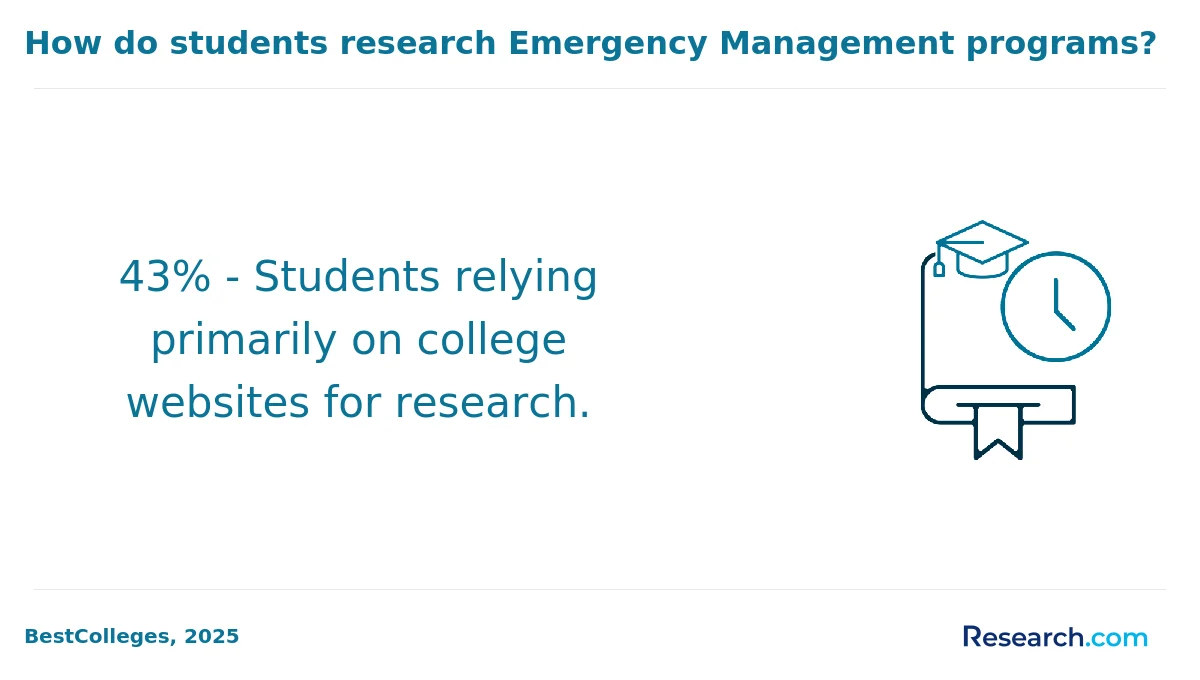
Students pursuing online emergency management degrees in the Northeast can enhance their learning by engaging with region-specific content. The Northeast faces unique hazards such as hurricanes, snowstorms, and flooding, which are important areas to study for practical knowledge. According to FEMA, the region experiences an average of 10 federally declared disasters annually, emphasizing the need for localized expertise.
Participating in virtual simulations and case studies focused on Northeast emergencies helps deepen understanding. Networking with local emergency management professionals through online forums or webinars also provides valuable insights and potential mentorship opportunities.
Finally, staying updated on state and federal policies affecting emergency preparedness in states such as New York, Massachusetts, and New Jersey strengthens practical skills and real-world application.
The emergency management field is rapidly evolving, especially in the Northeast where climate change increases risks of coastal storms and flooding. Emerging niches include cybersecurity for critical infrastructure, addressing new threats to power grids and communication systems. Another growing area is public health emergency management, shaped by lessons from the COVID-19 pandemic and increasing focus on biosecurity.
Environmental resilience planning also offers new opportunities, combining disaster preparedness with sustainability goals. According to the Federal Emergency Management Agency (FEMA), the Northeast saw a 30% rise in declared emergencies from 2010 to 2020, highlighting the need for specialists in climate-adaptive strategies. Online degrees now often integrate these specialized topics to prepare students for these dynamic challenges.
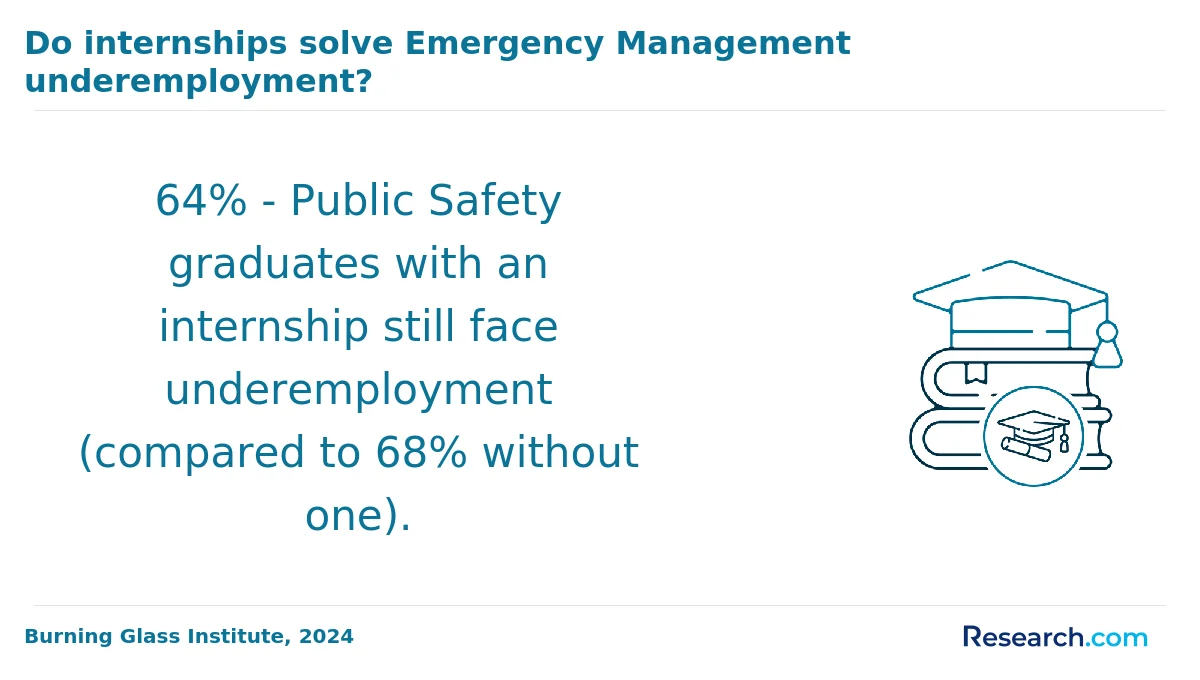
After completing an online emergency management degree in the Northeast, job market preparation is crucial. Start by gaining relevant experience through internships or volunteer work with local agencies such as state emergency management offices or nonprofit organizations. According to the U.S. Bureau of Labor Statistics, emergency management employment in the Northeast is expected to grow about 6% through 2031, indicating steady demand.
Networking is essential; join regional professional groups like the New England Emergency Management Association to connect with practitioners. Additionally, obtaining certifications such as the Certified Emergency Manager (CEM) can enhance your credentials and improve job prospects.
Strong communication and crisis management skills are highly valued, so focus on these during your studies and practical experiences.
Employers in the Northeast seek emergency management graduates with strong skills in risk assessment, crisis communication, and disaster response coordination. According to the Federal Emergency Management Agency (FEMA), professionals must effectively analyze vulnerabilities specific to the region, such as hurricanes and winter storms.
Critical thinking and problem-solving are essential for managing complex emergency scenarios. Graduates should also demonstrate proficiency in using emergency management software and geographic information systems (GIS), widely adopted in Northeastern agencies.
Interpersonal skills matter; collaboration with local governments, healthcare, and first responders is key. Strong leadership and the ability to educate communities about preparedness further enhance job prospects.
Finding internships in the Northeast for emergency management students begins with exploring local government agencies and nonprofit organizations. States like New York, Massachusetts, and New Jersey offer numerous opportunities through emergency management offices, public safety departments, and organizations such as the American Red Cross.
Many universities partner with agencies like FEMA's regional offices located in the Northeast, providing students with valuable hands-on experience. According to FEMA, internships often lead to permanent employment in the field. Use university career centers and online platforms like Handshake or USAJOBS to find openings specific to the region.
Networking within professional groups such as the Northeastern Association of Emergency Managers also enhances chances for internships.
Obtaining an online emergency management degree can significantly enhance career mobility and advancement prospects for professionals in the Northeast. This region faces frequent natural disasters and complex urban emergencies, increasing demand for qualified experts. According to the U.S. Bureau of Labor Statistics, emergency management employment in states like New York, Massachusetts, and New Jersey is projected to grow faster than the national average through 2031.
Online degree programs provide flexible access to advanced skills and certifications necessary for leadership roles. Graduates often gain eligibility for higher-paying federal, state, and local government positions, as well as private sector jobs in healthcare and public safety. Employers value the combination of practical knowledge and formal education that online degrees offer in emergency preparedness and crisis response.
Studying for an emergency management degree online in the Northeast equips students with skills across multiple disciplines such as public safety, environmental science, and urban planning. Programs often include coursework on disaster response, risk assessment, and communication strategies, reflecting the region's unique challenges like hurricanes and winter storms.
Many universities collaborate with local agencies, providing practical knowledge about coordinating efforts between government, healthcare, and nonprofit sectors. According to FEMA data, the Northeast faces increasing emergency incidents, making interdisciplinary expertise critical.
This broad training prepares graduates to address complex crises involving infrastructure, policy, and human factors, enhancing their versatility in emergency roles.
Choosing between a thesis and a non-thesis online emergency management degree program in the Northeast depends largely on your career goals and learning preferences. Thesis programs emphasize research, requiring students to conduct original studies, which can be advantageous if you plan to pursue a doctoral degree or a research-oriented role. Non-thesis options focus more on practical skills and coursework, ideal for those seeking leadership or operational positions in emergency management agencies.
According to the Council of Graduate Schools, about 40% of master's programs nationwide offer non-thesis options, reflecting a growing demand for applied learning. In the Northeast, where emergency management agencies often collaborate with local governments, practical experience is highly valued. Understanding your professional requirements and reviewing program curricula will help determine the best fit for your goals.
Students based in the Northeast seeking to study emergency management abroad face limited direct options within traditional U.S. higher education structures. Most accredited online emergency management degrees are offered by U.S.-based institutions, which typically do not provide full foreign campus programs. However, some universities in the Northeast offer study-abroad opportunities as part of their degree requirements or electives, allowing students to gain global perspectives.
Additionally, partnerships with international organizations encourage internships or fieldwork overseas, which can complement online coursework. According to the Federal Emergency Management Agency (FEMA), understanding international disaster response strengthens career prospects. Northeastern states rank high in emergency management job opportunities, heightening the value of global study experience for local students.
Part-time job opportunities in the Northeast that complement an emergency management degree often include roles in local government agencies, public safety departments, and nonprofit organizations. Positions such as emergency preparedness assistant, disaster response coordinator, or public information officer provide practical experience relevant to the field.
According to the U.S. Bureau of Labor Statistics, the Northeast region has higher-than-average employment in emergency management occupations, especially in states like New York and Massachusetts. Many local agencies seek part-time workers to help with disaster drills, community outreach, and risk assessment.
Additionally, volunteering with organizations like the American Red Cross or local homeland security offices can enhance skills while attending school.
Online emergency management students in the Northeast benefit from a variety of networking opportunities tailored to their professional growth. Many universities partner with regional emergency services agencies and organizations such as the Northeast chapter of the International Association of Emergency Managers (IAEM). This partnership offers students access to virtual conferences, workshops, and local chapter meetings. According to IAEM data, the Northeast accounts for over 25% of the association's US membership, providing a robust network.
Additionally, students are encouraged to participate in government-led initiatives in states like New York and Massachusetts that frequently hold emergency preparedness webinars. These connections can foster collaboration and job prospects.
Alumni networks play a crucial role for online emergency management degree students in the Northeast. These networks offer valuable connections to professionals working in regional agencies and organizations, such as FEMA's Northeast division and state emergency offices. Access to alumni can help students find internships and job opportunities in disaster response and homeland security fields.
According to the National Emergency Management Association, strong professional ties support career advancement in this region, where emergency management faces unique challenges from hurricanes to winter storms. Alumni often provide mentorship, sharing insights on navigating the local job market and professional certifications.
Additionally, these networks foster collaboration through webinars and events, enriching the learning experience beyond the virtual classroom.
Customizing an online emergency management degree in the Northeast involves selecting electives, concentrations, and practicum opportunities that align with your career goals. Many universities in the region offer flexible curricula allowing students to focus on areas such as disaster response, homeland security, or public health emergencies.
For example, some programs provide internships with local agencies like the New York State Division of Homeland Security or Massachusetts Emergency Management Agency, offering hands-on experience relevant to Northeastern risks such as hurricanes and winter storms.
Additionally, students can often tailor projects and research to regional challenges, supported by faculty with expertise in Northeast disaster trends. Consulting specific school advisement can help identify courses best suited to your desired leadership or technical roles.
Online emergency management students in the Northeast often face challenges related to balancing rigorous coursework with professional and personal responsibilities. Many juggle full-time jobs in fields like public safety or healthcare while completing their degrees. Internet connectivity can also pose issues, especially in rural parts of states such as Maine or Vermont, where broadband access is less reliable. Additionally, navigating state-specific emergency regulations complicates learning, as programs must cover diverse policies across New England and the Mid-Atlantic.
Another challenge is gaining practical experience online. While simulations help, students may struggle to access local internships or fieldwork, which are crucial for hands-on skills.
With an online emergency management degree, students in the Northeast can pursue several professional certifications to enhance their careers. A common certification is the Certified Emergency Manager (CEM), offered by the International Association of Emergency Managers, which is recognized nationally. Another valuable credential is the Associate Emergency Manager (AEM), ideal for those earlier in their careers.
The Federal Emergency Management Agency (FEMA) provides numerous specialized certifications through its Emergency Management Institute, such as the Professional Development Series. Additionally, some states in the Northeast endorse certifications specific to regional hazards.
These certifications can improve job prospects and demonstrate expertise in emergency preparedness, response, and recovery within the demanding Northeast environment.
Applying for an online emergency management program in the Northeast requires a clear demonstration of your commitment to public safety. Start by highlighting relevant professional experience, especially in areas prone to natural disasters such as hurricanes in New England or floods in the Mid-Atlantic. According to FEMA, the Northeast accounts for over 15% of all federal disaster declarations from 2010 to 2020, emphasizing the region's need for skilled professionals.
Include a well-crafted personal statement that conveys your understanding of regional challenges and your motivation to improve community resilience. Strong recommendations from supervisors or experts in emergency services add valuable weight.
Ensure your application meets all deadlines and includes transcripts reflecting any related coursework in public administration, environmental science, or homeland security.
Emergency management careers are increasingly recognized worldwide for their critical role in disaster preparedness and response. Within the US, especially in the Northeast, where storms and flooding are frequent, the demand for skilled professionals continues to grow. According to the Bureau of Labor Statistics, employment of emergency management directors is projected to grow 8% from 2022 to 2032, faster than average.
Globally, many countries emphasize emergency management education to improve resilience, yet the US system-supported by agencies like FEMA-sets a strong precedent. Online degrees provide accessible pathways for Northeastern students to join a field with international relevance.
The Northeastern US also benefits from collaborations with global organizations, enhancing opportunities for graduates to engage in cross-border disaster management efforts.
Gaining practical experience while studying for an online emergency management degree in the Northeast is essential for building skills and enhancing job prospects. Many programs encourage students to complete internships with local agencies such as state emergency management offices, fire departments, or public health organizations. For example, the Federal Emergency Management Agency (FEMA) Region 1 office, located in Boston, offers internship opportunities relevant to students in the Northeast.
Additionally, some schools partner with nearby government or nonprofit organizations to facilitate experiential learning. Students can also participate in virtual simulations and scenario-based exercises that mimic real-life disasters, helping reinforce decision-making and response strategies.
According to the Northeast States Emergency Consortium, hands-on experience improves employment outcomes by nearly 30% in this field.
Choosing the right concentration within an online emergency management degree in the Northeast requires considering local risks and career goals. This region faces unique challenges such as hurricanes, winter storms, and urban emergencies, impacting the focus areas students may find most relevant. For instance, concentrations in natural disaster response or urban crisis management align well with Northeast needs.
Students should research program curricula to see if community resiliency, homeland security, or public health emergency topics are emphasized. According to the Federal Emergency Management Agency (FEMA), over 40% of disaster declarations in recent years have happened in Northeast states.
Also, consider your intended job role-whether you aim for government agencies, nonprofits, or healthcare sectors-as concentrations vary to fit these fields' demands.
Top Trending Emergency Management Rankings
References
- Short Study-Abroad Programs for Emergency and Disaster Management Curricula: Strategies for Implementation https://jsire.org/short-study-abroad-programs-for-emergency-and-disaster-management-curricula-strategies-for-implementation/
- Emergency Management Degree Online | Training Programs & Information https://www.firescience.org/emergency-management-degree-programs-online/
- IRG Global's Emergency Management Debut | Networking Events https://irgglobal.com/insight-hub/news/press-releases/emergency-management-conferences
- Degrees: Master of Professional Studies in Emergency Management https://sopa.tulane.edu/degrees-programs/masters-degrees/master-professional-studies-emergency-management
- Study Emergency & Disaster Management Abroad https://www.emonovo.com/en/fields-type/business-management/emergency-disaster-management
- How a Strong Alumni Network Can Benefit Students https://www.pacificu.edu/blog/how-strong-alumni-network-can-benefit-students
- Online Bachelor's in Emergency and Disaster Management https://www.monroeu.edu/academics/undergraduate-programs/school-criminal-justice/online-bachelors-emergency-and-disaster
- 10 Best Emergency Management Fields https://www.drury.edu/business/management-major/10-best-emergency-management-fields/
- Study emergency management https://www.massey.ac.nz/study/find-a-subject-course-or-qualification/study-emergency-management/
- Writing an Emergency Management Plan - JAM Training Services https://jamtrainingservices.com/portfolio/writing-an-emergency-management-plan/