2027 Best Online Emergency Management Degree Programs Ranking in the West

Co-Founder and Chief Data Scientist
Choosing the right emergency management degree program can shape your future and make a real difference in your community. For students in the West, finding a program that fits your needs and goals is crucial.
This article presents the 2027 Best Online Emergency Management Degree Programs Ranking in the West, created by the Research.com team of data scientists. It's designed to help you make an informed choice by highlighting programs worth considering.
By exploring this ranking, you'll discover quality options that prepare you for a rewarding career in emergency management, giving you confidence in your educational journey.
Key benefits of getting online emergency management degree in the West
- Emergency management degree graduates in the West often pursue roles like emergency response coordinators, where the median annual salary typically ranges from $50,000 to $75,000, offering solid financial stability.
- A graduate from California State University, Northridge, highlights diverse career paths including disaster recovery specialist, public safety manager, and homeland security advisor, showcasing strong job variety and growth.
- Completing an emergency management degree online from the University of Alaska Anchorage allowed flexible scheduling and remote learning, which helped balance work and study while gaining the same valued credentials as traditional degrees.
- Key benefits of getting online emergency management degree in the West
- What can I expect from online emergency management degree in the West?
- Where can I work with online emergency management degree in the West?
- How much can I make with online emergency management degree in the West?
- 2027 Best Online Emergency Management Degree Programs Ranking in the West
- Key Findings
- How long does it take to complete online emergency management degree in the West?
- What's the difference between online and on-campus emergency management degree?
- What is the average cost of online emergency management degree in the West?
- What financial aid is available to online emergency management degree students in the West?
- What are the prerequisites for enrolling in online emergency management degree program in the West?
- What courses are typically in online emergency management degree programs in the West?
- What types of specializations are available in online emergency management degree programs in the West?
- How do you choose the best online emergency management degree in the West?
- What career paths are available for online emergency management degree students in the West?
- What is the job market for online emergency management degree in the West?
- Top Trending Emergency Management Rankings
What can I expect from online emergency management degree in the West?
The average cost of an online emergency management degree in the Western United States typically floats between $15,000 and $35,000 for a full bachelor's program, while master's programs often climb higher, ranging from $20,000 to $50,000 depending on the institution. Graduates from prominent Western universities, known for their hands-on approach to wildfire and earthquake crisis simulations, often recall how the investment felt like planting seeds in fertile soil-paying for real-world expertise that feels immediately relevant.
One graduate from a California university shared how the flexible tuition combined with virtual wildfire management labs allowed balancing work and study without losing ground, making every dollar stretch amid the state's high living costs. Another from Oregon reflected on the value of interactive case studies focusing on flood responses, where the program's pricing aligned with the access to expert connections and internship opportunities in local emergency agencies. This blend of cost and quality, common throughout the West, crafts a degree that fuels both confidence and career readiness in a region that demands rapid, nuanced responses to its natural threats.
Where can I work with online emergency management degree in the West?
Graduates from online emergency management programs at Western universities often find themselves at the heart of wildfire control efforts in California or coordinating flood responses in Washington. Imagine stepping into FEMA offices in Denver, where recent grads apply their training to orchestrate disaster recovery plans with calm precision. These roles aren't just jobs-they're missions that save communities and spark genuine pride.
State agencies are hotspots for hands-on experiences, where graduates help develop wildfire drills or craft communication strategies during intense storm seasons. In Oregon or Nevada, alumni have shared stories of leading volunteer mobilizations through Red Cross chapters, feeling the pulse of resilience amplify with every coordinated effort.
Private sector careers beckon too, with emergency managers advising hospitals or utilities on readiness strategies that keep lives and services flowing uninterrupted. Many grads from Western colleges revel in the challenge of fortifying critical infrastructure against earthquakes, turning academic knowledge into real-world safety nets.
Even academia calls out, inviting graduates to teach or research at regional universities, blending innovative ideas with local climate realities. For students in the West, an online emergency management degree opens doors to careers rich in purpose, impact, and community connection-all fueled by a shared passion for protecting what matters most.
How much can I make with online emergency management degree in the West?
Graduates from online emergency management programs in the West often discover a salary landscape that balances ambition with regional flavor. Picture a recent graduate from a well-regarded university in California stepping into an emergency management director role-here, median salaries dance between $80,000 and $110,000 annually, reflecting the region's urgency and complexity in disaster readiness.
For those starting as emergency management specialists or coordinators in places like Washington or Oregon, incomes typically hover between $50,000 and $70,000, with cities like Seattle nudging paychecks toward the higher end because of their vibrant economies and cost of living.
Envision a graduate juggling certifications such as CEM or PMP while navigating the West's dynamic sectors like healthcare or energy. Their enhanced credentials often unlock salaries climbing past $90,000 as experience accumulates, proving that investment in education here crafts both financial reward and meaningful public impact.
This salary rhythm reflects not just numbers but a gateway to leadership roles in communities where preparedness isn't just a job-it's a calling anchored in the diverse landscapes of the Western United States.
2027 Best Online Emergency Management Degree Programs Ranking in the West
How do we rank schools?
Investing in your education is a significant decision that can shape your future, and the Research.com team understands the importance of making informed choices. To help prospective students navigate their options in emergency management, we have carefully developed the "2027 Best Online Emergency Management Degree Programs Ranking in the West." Our dedication to quality, credibility, and accuracy is demonstrated through comprehensive research and rigorous analysis.
We utilized the following reputable data sources to ensure a thorough and reliable evaluation of the programs:
By consulting this ranking, readers will gain valuable insights into the top online emergency management degree programs in the West, empowering them to make informed decisions about their educational journeys. For more information on how the ranking was created, please visit our Research.com methodology page.


# 3 position
Arapahoe Community College
Bachelor of Emergency Service Administration

Key Findings
- Online emergency management bachelor's degrees in the Western US typically cost between $15,000 and $35,000, while master's programs range from $20,000 to $40,000.
- Many programs offer financial aid, scholarships, and in-state tuition discounts to help reduce costs for residents.
- Employment in emergency management is growing due to natural disasters common in the West, with a projected 5% national growth through 2031.
- Starting salaries for graduates usually fall between $50,000 and $65,000, with experienced professionals earning $70,000 to $90,000 annually.
- Senior emergency management roles, especially in cities like Los Angeles, Seattle, and San Francisco, can pay over $100,000 per year.
- Programs often include training aligned with FEMA's ICS and NIMS certifications, which improve job readiness for government and private sector roles.
How long does it take to complete online emergency management degree in the West?
Completing an online emergency management degree in the West often feels like navigating your own personalized timeline, shaped by life's twists and turns. For many bachelor's students at institutions like California State University, Sacramento, the journey commonly spans around four years full-time-a familiar rhythm that echoes traditional college tempos. Yet, for those juggling careers or family, stretching this voyage to six years or more via part-time, asynchronous courses means embracing flexibility without losing momentum.
Graduate adventurers tackling a master's degree at places like the University of Nevada, Reno, often sprint through their studies in 18 to 24 months full-time, fueled by clear focus and ambition. Others, pacing themselves over three to four years, savor every lesson while weaving learning into their busy lives.
Graduates often share how transferring prior credits feels like finding hidden shortcuts-turning the maze of 120-130 undergraduate credit hours or 30-45 graduate credits into a path tailored just for them. The ability to balance cost, schedule, and pace transforms the process into a hopeful journey ready to meet the growing demands of emergency management careers in the vibrant Western landscape.
What's the difference between online and on-campus emergency management degree?
Choosing between online and on-campus emergency management degrees in the West is like picking your own adventure through disaster preparedness. Imagine a remote community college in Washington where on-campus students dive hands-first into fire drills and simulation labs, feeling the pulse of local emergency agencies firsthand. These moments forge connections with seasoned professionals and spark confidence that can't be tapped from a screen.
Meanwhile, an online graduate in California might juggle family life and a day job while navigating coursework flexibly late at night. The freedom to study anywhere-from a mountain cabin or urban apartment-gives these students unmatched adaptability, often saving 10-20% on costs by skipping housing and commutes. Yet, they must hunt for internships independently, building their own bridges to local emergency services.
Both paths carry weight; one pulses with tangible experience at institutions like those in Oregon or Nevada, the other hums with convenience and resilience. The West's diverse landscapes reflect the diverse ways students prepare to manage crises, each journey uniquely charged with possibility and purpose.
What is the average cost of online emergency management degree in the West?
The average cost of an online emergency management degree in the West paints a practical yet optimistic picture for aspiring students. Graduates often recall balancing the investment against the enormous value of preparedness expertise gained through well-regarded programs, such as those offered by leading public universities and prominent colleges scattered across California, Oregon, and Washington. For many, the journey involved navigating a median total tuition cost hovering around $31,584 for in-state learners and about $48,150 for those out-of-state, reflecting a clear distinction in residency pricing. This range represents a tangible commitment but also an accessible pathway to joining a workforce ready to tackle real-world crises.
Personal stories from recent graduates highlight how the average cost of online emergency management degree programs in the West aligns reasonably with their career aspirations. They appreciated the flexibility of learning online without relocation expenses, which often made the higher tuition fees feel more justifiable. Imagine a student mastering disaster response protocols from a laptop at a local coffee shop while saving thousands otherwise spent on housing near their alma mater. These cost structures embody a trade-off between immediate expenses and long-term professional resilience.
Adding further appeal, many students discover financial aid or employer support that softens the cost's impact, with technology fees and textbooks typically modest compared to on-campus alternatives. For those eager to accelerate their education timeline, programs offering a fastest master's degree in emergency management online provide rigorous yet efficient routes, justifying tuition as a focused investment rather than a burdensome expense.
In practical terms, the total tuition and fees for emergency management degrees Western US reflect a balance between quality, accessibility, and the unique challenges of a distinctive regional educational market. Students engaging in these programs often speak of the rewarding challenge and the meaningful opportunities the degrees unlock in careers designed to safeguard communities in need.

What financial aid is available to online emergency management degree students in the West?
Imagine a student at California State University, navigating the maze of online emergency management tuition without breaking a sweat-thanks to Pell Grants unlocked through FAFSA, the lifeline for many Western learners. These grants, like financial windfalls, don't have to be repaid, allowing students to focus purely on mastering disaster response strategies rather than dollars and cents.
Out in Seattle, a graduate from the University of Washington credits state-funded scholarships for her leap into emergency services leadership. These niche awards, designed specifically for public safety champs in the West, transform daunting tuition fees into manageable stepping stones.
For those juggling work and study, a common story is the relief found through employer tuition reimbursement-firefighters and emergency techs alike tapping their agency's educational funds to pursue their online degrees without penny-pinching. Asking HR about these gems often feels like uncovering hidden treasure.
Adding sparkle to the journey are nonprofits like the IAEM, sprinkling scholarships that fuel ambition with extra support, while flexible payment plans from Western colleges keep financial stress at bay, proving that funding can be as adaptive as the emergency managers themselves.
What are the prerequisites for enrolling in online emergency management degree program in the West?
Imagine stepping into an online emergency management class at a top Western university-your high school diploma or GED is your golden ticket, opening the door to adventure. While some programs ask for SAT or ACT scores, many Western schools embrace test-optional paths, making the journey smoother. Graduates recall this relief as a moment of freedom, allowing them to focus on passion over pressure.
For those chasing a master's, the story deepens. You'll need a bachelor's in emergency management or a close sibling like public administration or homeland security, often with a GPA floating between 2.5 and 3.0. Letters of recommendation and personalized statements reveal your true colors-your drive, your experience, whether from volunteering at wildfire relief sites or shadowing local law enforcement.
Online learning here isn't just clicks and texts; reliable internet and tech savvy become your survival tools. Many students love the challenge of balancing virtual classes with hands-on internships rooted in their local communities. It's immersive, practical, and perfectly tuned for the unique landscapes and risks across the Western states.
What courses are typically in online emergency management degree programs in the West?
Diving into an online emergency management degree in the West means entering a world where courses feel like a toolkit for real-life crisis heroes. Graduates from Western colleges describe navigating subjects like Introduction to Emergency Management as the moment they grasped how their role could ripple through wildfires roaring in California or earthquakes shaking Seattle.
Disaster Preparedness and Risk Assessment courses transform abstract data into vivid maps of danger, training you to predict and outmaneuver chaos before it strikes.
Emergency Planning and Response classes become living simulations, drawing from local case studies where students plan responses to fast-moving wildfire evacuations, making every lesson pulse with urgency.
Incident Command Systems teach the language of command, a shared code to lead multi-agency teams under pressure. Public Safety and Homeland Security reveal the invisible networks binding communities in the West, where borders are vast but cooperation is vital.
GIS courses equip students to wield digital maps like superpowers, pinpointing hazards and resources with precision. Electives like Cybersecurity add a modern twist, preparing you for threats beyond natural disasters, echoing the complex realities graduates face every day.
What types of specializations are available in online emergency management degree programs in the West?
Picture diving into the vibrant pulse of the West's emergency challenges through online emergency management specializations in the West that feel alive with purpose. Graduates from California State University celebrate mastering Disaster Preparedness and Response, crafting wildfire evacuation plans as flames creep closer to suburban doorsteps. In the urban sprawl near Seattle, students focus on Crisis Communication and Public Relations, learning to calm storm-battered communities with clear, compassionate messaging that turns chaos into coordinated hope.
Others at the University of Arizona explore Homeland Security, analyzing cyber threats swirling in unseen digital corridors, while some opt for Natural Resource Management, battling droughts and preserving water in a land parched by relentless sun. Business Continuity and Risk Management graduates find themselves rebuilding supply chains and livelihoods after unexpected disruptions, embodying resilience. These focused lenses offered by the West region emergency management degree focus areas transform students into dynamic problem-solvers ready to act where wildfires roar, earthquakes shake, or cyber threats loom. For those intrigued by these paths, cheapest emergency management bachelor degrees online open doors to accessible expertise and real-world impact.
How do you choose the best online emergency management degree in the West?
To zero in on the best online emergency management degree programs West offers, imagine yourself navigating a wildfire season from a Pacific Northwest university's cozy home setup. Graduates rave about programs that blend rigorous accreditation with nimble, asynchronous classes-enabling them to juggle real-time crisis updates without missing lectures. In the fiery landscapes of California or the earthquake-prone zones of Oregon, curriculum that dives deep into disaster preparedness, crisis communication, and recovery strategies makes emergency concepts palpable, not just theoretical.
Look beyond the glossy brochures; find affordable emergency management degrees in the Western US that balance tuition with career support-internships with local agencies turning ideas into adrenaline-fueled fieldwork are gold. Alumni from these programs often share how faculty with boots-on-the-ground experience painted vivid lessons, making safety protocols come alive. For those pondering career pathways, exploring jobs with homeland security linked to their studies offers a horizon brimming with promise and purpose.

What career paths are available for online emergency management degree students in the West?
Inspired by stories from graduates of UCLA or the University of Washington, who've translated textbooks into real-time crisis actions, the emotional rewards are palpable. One graduate recalled the satisfaction of designing hospital disaster protocols that saved lives during floods, while another thrives in the private sector, crafting risk strategies for energy companies vulnerable to wildfires.
These opportunities are plentiful, reflecting a vibrant ecosystem of online emergency management jobs in the West. For those eager to fast-track this journey, exploring the fastest master's degree homeland security can serve as a powerful launchpad into these meaningful careers.
Career opportunities for emergency management graduates West often extend beyond public agencies-hospitals, nonprofits, and even the construction industry seek these versatile professionals to weave resilience into the fabric of communities facing unpredictable natural threats.
What is the job market for online emergency management degree in the West?
The landscape of online emergency management jobs in the West unfolds like a dynamic tapestry woven from wildfire alarms, earthquake drills, and drought preparedness. Graduates from popular Western universities often share stories of immersive internships where theory meets the crackling intensity of real disaster scenarios - think coordinated wildfire evacuations or flood response drills in rapidly changing climates. These vivid experiences don't just prepare students; they catapult them into a market hungry for skilled professionals who understand both the science and soul of crisis management.
The West region emergency management career outlook is brightened by states such as California, Washington, and Arizona routinely investing in disaster readiness. Graduates find themselves embraced by local government agencies, federal FEMA offices peppered throughout the region, hospitals gearing up for mass emergencies, and consulting firms. This nexus creates a unique environment where an online degree from a Western university not only signals expertise but invites immediate practical impact.
Many feel a sense of purpose and achievement, especially amid the higher compensation reflecting the region's cost of living and urgency for talent. Those curious can explore pathways tailored to their ambitions and schedules, for instance through a master's in homeland security online, expanding their toolkit for a resilient career rooted in the West's vibrant and necessary emergency management ecosystem.
Frequently Asked Questions About emergency management
Students pursuing online emergency management degrees in the Western US can enhance their learning by engaging actively with course materials and participating in virtual simulations. The Federal Emergency Management Agency (FEMA) offers online training modules that complement academic coursework and provide practical skills.
Connecting with regional professionals through online forums or local emergency management chapters strengthens understanding of Western-specific risks such as wildfires and earthquakes. According to the California Office of Emergency Services, over 80% of emergencies involve natural disasters, underscoring the importance of region-focused knowledge.
Additionally, choosing programs accredited by recognized bodies like the Emergency Management Accreditation Program (EMAP) ensures curriculum relevance and quality. Leveraging libraries and research databases at Western universities provides access to up-to-date case studies and policy developments, further enriching the student experience.
Emerging niches in the emergency management field are rapidly evolving due to increasing natural disasters and technological advances. In the Western US, climate change has heightened focus on wildfire management, with specialized roles in fire prevention, response, and recovery gaining prominence. The Federal Emergency Management Agency (FEMA) highlights a growing need for experts in cyber-resilience to protect critical infrastructure from digital threats. Additionally, public health emergency preparedness is expanding, driven by lessons from recent pandemics and bioterrorism concerns. Professionals with skills in data analytics and geographic information systems (GIS) are highly sought after for improving disaster forecasting and resource allocation across Western states.
After earning an online emergency management degree in the Western US, preparing for the job market involves several key steps. First, gaining practical experience through internships or volunteer work with local emergency services can enhance your resume. According to the Bureau of Labor Statistics, emergency management jobs in California and Washington are expected to grow faster than the national average through 2030.
Networking within professional organizations like the California Emergency Services Association can also provide valuable job leads. Additionally, obtaining certifications such as the Certified Emergency Manager (CEM) bolsters your credentials. Tailoring your resume to highlight both technical and leadership skills is essential when applying in the Western region's competitive job market.
Employers in the Western United States highly value emergency management graduates with strong communication and leadership skills. These candidates must efficiently coordinate between diverse agencies during crises. Analytical abilities are crucial, as data interpretation guides risk assessment and response planning.
Technological proficiency, especially with geographic information systems (GIS) and emergency notification tools, is increasingly important. According to the U.S. Bureau of Labor Statistics, the demand for emergency management professionals in Western states is projected to grow by 8% from 2022 to 2032.
Additionally, adaptability and crisis decision-making are essential, given the West's exposure to wildfires, earthquakes, and floods. Graduates who demonstrate cultural competence and community engagement skills often have an advantage.
Finding internships relevant to an online emergency management degree in the Western United States involves targeted research and networking. Many agencies in this region, such as Cal OES (California Office of Emergency Services) and Washington State Emergency Management Division, offer internship opportunities that provide practical experience.
Students should actively explore local government websites and non-profit organizations focused on disaster preparedness and response. Universities often have partnerships with regional agencies, increasing internship availability. National platforms like FEMA's Student and Recent Graduate programs can also be valuable.
Networking through professional groups like IAEM (International Association of Emergency Managers) West Chapter boosts prospects. According to Cal OES, about 30% of their emergency management interns are hired full-time post-internship, underscoring the importance of these experiences for career entry.
Obtaining an online emergency management degree significantly enhances career mobility and advancement opportunities in the Western United States. Many agencies, including state and local government offices, prioritize candidates with formal education in emergency management for leadership roles.
According to the U.S. Bureau of Labor Statistics, the employment of emergency management directors is projected to grow 8% through 2031, highlighting strong demand. Graduates with online degrees can work remotely or on-site, offering flexibility in employment location.
Furthermore, many Western states support certification and advanced training, which are more accessible with an accredited online degree. This training often leads to higher salaries and promotional prospects within public safety and disaster response sectors.
Studying for an online emergency management degree in the Western United States equips students with skills that bridge multiple disciplines. Programs often combine courses in public safety, environmental science, and information technology to address complex disaster scenarios.
California, Oregon, and Washington frequently face natural threats like wildfires, earthquakes, and floods, making interdisciplinary training vital. According to the Federal Emergency Management Agency (FEMA), 80% of emergency roles demand cross-sector knowledge.
Many Western universities partner with local agencies to provide real-world case studies, enhancing practical skills in coordination, communication, and resource management across public health, law enforcement, and urban planning.
Choosing between a thesis and a non-thesis online emergency management degree in the West depends largely on your career goals and time commitment. Thesis programs typically require original research, appealing to students aiming for careers in academia, policy analysis, or advanced research. Non-thesis options focus more on practical skills and coursework, ideal for professionals seeking to enter or advance in emergency response and management roles quickly.
In Western states, where natural disasters like wildfires and earthquakes are common, practical experience and applied knowledge often carry significant weight. For example, data from the California Office of Emergency Services highlights a strong demand for emergency managers skilled in field coordination.
Thesis routes can extend your study by several months or more, while non-thesis programs may offer more flexible, accelerated paths. Accreditation, faculty expertise, and program resources remain important factors regardless of track.
Students in the Western United States seeking online emergency management degrees have limited options to study abroad through U.S.-based institutions. Most programs focus on regional risks like wildfires and earthquakes, reflecting local priorities. While some universities offer partnerships with foreign schools, these are relatively rare in emergency management due to accrediting and licensing constraints.
According to the Western Fire Chiefs Association, over 70% of emergency management programs emphasize local threats, making fully abroad study uncommon. Instead, students benefit from virtual international case studies integrated into curricula.
Western students interested in global perspectives often find study-abroad opportunities more prevalent at graduate levels and with in-person components rather than fully online.
Students pursuing online emergency management degrees in the Western US can benefit from part-time jobs that offer practical experience in the field. Opportunities with local emergency services, such as fire departments or public health agencies, provide hands-on understanding of disaster response. According to the California Emergency Management Agency, internships and part-time roles within state emergency operations centers enhance preparedness skills. Roles in nonprofit organizations focused on disaster relief or community outreach also complement academic knowledge by developing communication and coordination abilities. Many universities in the West encourage students to engage with local government agencies to build relevant expertise alongside their studies.
Online emergency management students in the Western United States benefit from a variety of networking opportunities despite their virtual learning environment. Many universities partner with regional agencies such as California's Office of Emergency Services and Washington State Emergency Management Division to offer internships and live projects, connecting students with professionals in the field.
Students also gain access to virtual conferences and workshops hosted by organizations like the Western States Catastrophic Events Technical Advisory Committee (CE TAC), which fosters collaboration among emergency managers in the West.
Alumni networks and dedicated online forums provide platforms to share job leads and experiences, enhancing career prospects.
According to the National Emergency Management Association, such involvement significantly improves employment outcomes for graduates across Western states.
Alumni networks play a crucial role for students pursuing online emergency management degrees in the Western United States. These networks offer access to experienced professionals who have faced real-world disaster scenarios, providing valuable mentorship and career guidance. According to the National Emergency Management Association (NEMA), Western states frequently collaborate on disaster response, making connections through alumni especially useful.
Graduates benefit from job leads and internships shared within alumni circles, which can be critical in a field where local knowledge is key. Additionally, networking events-often virtual-help students stay informed about emerging regional threats like wildfires and earthquakes.
Overall, alumni groups enhance professional development by fostering relationships with peers and specialists focused on the unique emergency needs of the West.
Online emergency management degree programs in the Western U.S. offer various options to tailor your education to fit career aspirations. Many institutions allow students to select electives aligned with sectors such as public safety, homeland security, or disaster recovery. For instance, universities like the University of California system and Arizona State provide specialized courses that focus on wildfire response, which is crucial given the West's increasing wildfire risks according to the National Interagency Fire Center.
Additionally, certificate programs embedded within degrees can enhance skills in crisis communication or risk assessment. Some programs also offer internships and practicum placements with regional agencies, providing practical experience tailored to the West's unique emergency challenges. This flexibility supports both recent graduates and working professionals aiming to advance their careers.
Online emergency management students in the Western US face several challenges related to balancing rigorous coursework with professional or personal commitments. Many learners juggle full-time jobs, making time management a critical skill for success. Connectivity can be inconsistent in rural areas of the West, impacting access to live lectures or group discussions. Additionally, hands-on practice, essential for emergency management proficiency, is limited in fully online programs, requiring students to seek local internships or simulations.
Students also navigate varied state regulations and disaster profiles, from wildfires in California to floods in Washington, which demand region-specific knowledge. According to FEMA, this localized understanding is vital but often underemphasized in national curricula.
Finally, the reported attrition rate for online emergency management students hovers near 30%, reflecting the program's intensity and external pressures, as noted in a 2023 National Association of Emergency Managers survey.
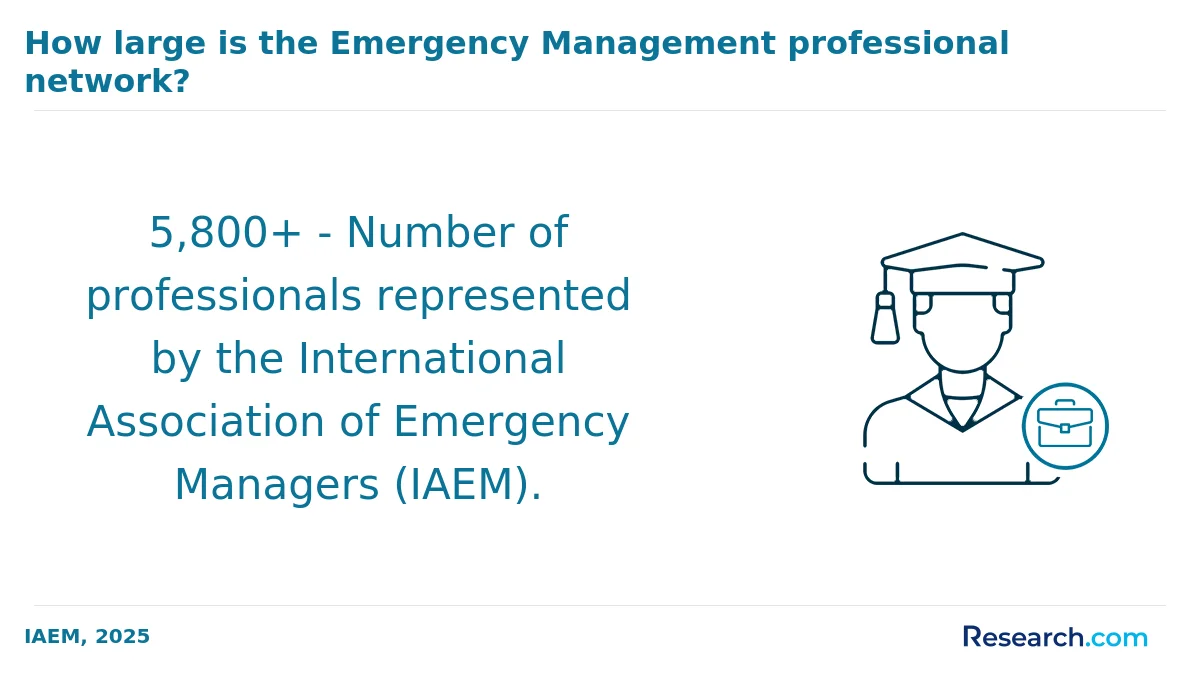
With an online emergency management degree, students in the Western US can pursue several key professional certifications to boost their career prospects. The Certified Emergency Manager (CEM) credential, issued by the International Association of Emergency Managers (IAEM), is highly respected nationwide and recognized in western states.
Other valuable certifications include the Associate Emergency Manager (AEM) for those beginning their careers and the Federal Emergency Management Agency's (FEMA) Professional Development Series, which is often required by local agencies in the West. According to IAEM, over 1,200 professionals hold CEM certification in the Western region, reflecting growing demand.
These certifications validate knowledge in disaster preparedness, response, and recovery essential for many emergency management roles.
Writing a successful application for an online emergency management program in the Western US requires clear demonstration of your commitment to public safety and disaster response. Highlight relevant professional experience, such as work with state emergency services or local fire departments, as California and Washington report high demand for disaster management professionals (U.S. Bureau of Labor Statistics, 2023).
Emphasize your ability to manage crisis situations and familiarity with regional hazards like wildfires, earthquakes, and floods. Include any certifications such as FEMA's Incident Command System training to boost your profile.
Strong letters of recommendation from supervisors in emergency response roles can significantly enhance your application, signaling trusted expertise. Lastly, craft a concise personal statement that outlines your goals and explains how the Western region's unique challenges shape your educational interests.
Emergency management careers are increasingly recognized worldwide for their critical role in disaster preparedness and response. In the United States, where many online degrees are offered, the demand for emergency managers is projected to grow by 6% from 2022 to 2032 according to the U.S. Bureau of Labor Statistics. This growth reflects global trends emphasizing community resilience and risk reduction.
Professionals in this field often collaborate internationally during large-scale crises, highlighting the importance of understanding diverse systems and cultural approaches. Western states, prone to wildfires and earthquakes, emphasize practical disaster mitigation training in their academic programs.
Globally, the profession integrates technology and policy, requiring graduates to be adaptable and well-versed in both local and international emergency protocols.
Gaining practical experience while studying for an online emergency management degree in the West can be achieved through several key methods. Many universities encourage students to participate in local internships with city emergency services or state agencies, such as California's Office of Emergency Services. These internships provide vital hands-on learning in disaster planning and response.
Students can also engage in virtual simulations and tabletop exercises offered by programs like FEMA's Emergency Management Institute. Additionally, volunteering with organizations like the American Red Cross in Western states offers real-world exposure to crisis situations.
According to the Western Governors University, over 60% of their emergency management students secure internships during their studies, enhancing career readiness.
Choosing the right concentration within an online emergency management degree program in the West depends on your career goals and regional risks. Concentrations often include areas like disaster response, homeland security, or public health preparedness. Each addresses specific challenges in Western states, such as wildfires, earthquakes, and pandemics.
Consider the job market: California and Washington have strong demand for wildfire management experts, according to the Bureau of Labor Statistics (BLS). Alternatively, homeland security focuses on protecting urban centers like Seattle or San Francisco from evolving threats.
Review program curricula to ensure they cover skills aligned with your interests and local dangers.
Top Trending Emergency Management Rankings
References
- How to Maximize the Impact of Alumni Networks https://www.careeros.com/resources/how-to-maximize-the-impact-of-alumni-networks
- Emergency Management Career | Degree and Licensing Paths https://www.publichealthonline.org/emergency-management-career/
- Seven Jobs You Can Do with a Degree in Emergency Management and Homeland Security https://www.albany.edu/graduate/news/2025-seven-jobs-you-can-do-degree-emergency-management-and-homeland-security
- Search icon https://waldorf.edu/online/academics/online-resources/articles/careers-in-emergency-preparedness-and-response-roles-skills-and-career-paths/
- Study abroad in Gainesville, United States: Most popular universities for Emergency & Disaster Management. https://englishtestportal.com/studyabroad/united-states/gainesville/emergency-disaster-management
- Emergency management decision-making in a changing world: 3 key challenges | AJEM October 2024 https://knowledge.aidr.org.au/resources/ajem-october-2024-emergency-management-decision-making-in-a-changing-world-3-key-challenges/
- The evolving field of emergency management: Perspectives from big city emergency managers | HazNet https://haznet.ca/evolving-field-emergency-management-perspectives-big-city-emergency-managers/
- 10 Best Emergency Management Fields https://www.drury.edu/business/management-major/10-best-emergency-management-fields/
- 14 Best Disaster Management courses abroad 2026 https://www.hotcoursesabroad.com/study/training-degrees/international/subject/Disaster+Management/sin/ct/page/2/programs.html
- Develop an emergency management plan | business.gov.au https://business.gov.au/planning/business-plans/develop-an-emergency-management-plan