2027 Fastest Online Master's in Emergency Management Degree Programs Ranking in the South

Co-Founder and Chief Data Scientist
Choosing the right online master's program in emergency management can be overwhelming, especially in the South where options vary widely. This article presents the 2027 Fastest Online Master's in Emergency Management Degree Programs Ranking in the South, created by the Research.com team of data scientists to guide you through the best choices available.
By exploring this ranking, you'll discover programs that combine speed, quality, and flexibility to suit your busy lifestyle. Earning a degree in emergency management opens doors to meaningful careers where you can make a real difference in your community.
Key benefits of getting online emergency management degree in the South
- Emergency management graduates in the South can expect competitive salaries similar to the U.S. average, with many roles offering satisfying financial stability while helping communities prepare for and respond to crises.
- Career paths often include positions such as emergency coordinators, public safety directors, and disaster response specialists, with many graduates from Southern universities entering rewarding roles in government or nonprofit sectors.
- Online degrees provide the flexibility needed for working adults or those balancing family, allowing graduates from Southern programs to earn their degree without relocating or interrupting their current job.
- Key benefits of getting online emergency management degree in the South
- What can I expect from online emergency management degree in the South?
- Where can I work with online emergency management degree in the South?
- How much can I make with online emergency management degree in the South?
- 2027 Fastest Online Master's in Emergency Management Degree Programs Ranking in the South
- Key Findings
- How long does it take to complete online emergency management degree in the South?
- What's the difference between online and on-campus emergency management degree?
- What is the average cost of online emergency management degree in the South?
- What financial aid is available to online emergency management degree students in the South?
- What are the prerequisites for enrolling in online emergency management degree program in the South?
- What courses are typically in online emergency management degree programs in the South?
- What types of specializations are available in online emergency management degree programs in the South?
- How do you choose the best online emergency management degree in the South?
- What career paths are available for online emergency management degree students in the South?
- What is the job market for online emergency management degree in the South?
- Top Trending Emergency Management Rankings
What can I expect from online emergency management degree in the South?
When it comes to the average cost of an online emergency management degree in the South, students usually find programs ranging between $15,000 and $35,000 for a full degree. This price point feels pretty reasonable considering the flexibility and specialized training you get focused on regional disasters like hurricanes and floods. Graduates from popular universities in the South often mention how their investment was worth it, especially because classes cater specifically to the kind of emergencies they actually see around them.
Many students appreciate that these programs let them learn while working or managing family commitments, without traveling far. For example, folks enrolled in schools known for strong online emergency management programs say the costs include access to virtual internships and real-world scenarios-like planning hurricane response strategies-making the experience super engaging and practical.
Knowing you're getting a degree tailored to Southern states' unique risks helps ease the financial part, since it's not just generic training but something that truly prepares you for local careers. Plus, having connections with regional emergency agencies often opens doors after graduation, adding value beyond just the tuition price.
Where can I work with online emergency management degree in the South?
If you've earned an online emergency management degree in the South, you're looking at a bunch of exciting job options. Graduates from popular schools like the University of North Texas or the University of South Florida often land roles with local and state emergency offices in places like Texas or Florida, where hurricanes and floods are real deal threats. These gigs usually mean you're planning disaster responses, coordinating recovery efforts, or keeping communication lines open when things get rough.
Many grads also find work with federal teams such as FEMA, which has regional hubs supporting Southern states. Others jump into the private sector, helping big companies-especially in Houston's oil fields or Atlanta's healthcare scene-stay ready for the unexpected.
Nonprofits, like the Red Cross or local community groups, are big employers too. Graduates often get to lead volunteer squads and run training programs, making a real difference on the ground. The skills students pick up navigating weather chaos and emergencies really come alive in these roles, making work feel meaningful and impactful.
How much can I make with online emergency management degree in the South?
If you're wrapping up an online emergency management degree in the South, you're probably wondering, "How much can I actually make?" While specific salary data for exact emergency management roles isn't available, general numbers give you a good idea. Graduates in Southern states like Texas and Florida can often expect starting salaries around $50,000 to $60,000 a year. Those numbers can climb as you gain experience or snag certifications, pushing you closer to $75,000 or more in metro areas where disasters hit harder.
Many graduates from popular Southern schools, whether it's a university in Houston or a college in Florida, find themselves working in city emergency operations centers or with local government agencies. Imagine coordinating disaster responses when hurricanes roll in-those real-life challenges can lead to leadership roles paying $90,000 to $100,000 annually. The demand here is steady, thanks to the region's frequent storms and floods.
Plus, working with private companies like insurers or consultancies often pays a bit more, though the trade-offs in job security might differ from public sector gigs. Knowing this helps you picture your future paycheck and choose the path that fits your lifestyle best.
2027 Fastest Online Master's in Emergency Management Degree Programs Ranking in the South
How do we rank schools?
Investing in your education is a significant decision that can shape your professional future, and the Research.com team is committed to helping you make well-informed choices. To support prospective students interested in emergency management, we have carefully developed the "2027 Fastest Online Master's in Emergency Management Degree Programs Ranking in the South." Our dedication to quality, credibility, and accuracy is demonstrated through rigorous research and analysis.
We utilized the following reputable data sources to ensure a comprehensive evaluation of these programs:
By reviewing this ranking, readers will gain valuable insights into the fastest online master's programs in emergency management, enabling them to select options that best fit their needs and career goals. For more details on how this ranking was compiled, please visit our Research.com methodology page.


Key Findings
- Tuition for online emergency management master's programs in the South ranges from $10,000 to $25,000, with public universities often offering lower rates for in-state students.
- Financial aid and scholarships are commonly available to help reduce the total cost of these degrees.
- The job market is strong in states like Florida, Texas, and Louisiana due to frequent natural disasters requiring skilled emergency managers.
- Starting salaries for emergency management professionals in the South typically range from $50,000 to $60,000 annually.
- With five to ten years of experience, salaries can increase to between $70,000 and $90,000 annually.
- Programs usually offer flexible, asynchronous courses and hold accreditation from recognized agencies such as the Council for Higher Education Accreditation (CHEA).
How long does it take to complete online emergency management degree in the South?
If you're wondering how long it takes to finish an online emergency management degree in the South, most folks wrap it up in about one to two years. For example, graduates from places like the University of North Carolina or Texas A&M often share how flexible yet focused their programs were. Some full-time students even finish in just 12 to 18 months by taking on a heavier course load, which sounds tough but feels totally rewarding when balancing work and life.
Part-time students usually take a bit longer-closer to two years or more-but that pacing helps if you're juggling a job or family. The credit requirements range around 30 to 42, and many students appreciate hands-on projects like simulations that make learning feel real, especially since Southern states regularly face hurricanes and floods.
Graduates often mention how programs tailored to Southern disaster patterns made their studies feel relevant and fueled their passion to make a difference quickly. It's encouraging to know that these schools design courses with your busy life in mind, giving you a manageable timeframe to earn your degree.
What's the difference between online and on-campus emergency management degree?
Choosing between an online and on-campus emergency management degree in the South really comes down to how you like to learn and live your life. Online programs, like those offered by well-known Southern schools, let you study from your couch or even during lunch breaks at work-super handy if you're juggling a job or family. Graduates often say the flexibility helped them keep up with assignments without missing out on real-life emergencies they might be handling in their community.
On-campus programs, say at respected Southern colleges, offer face-to-face time with professors and classmates, which some students find energizing. Hands-on stuff-like emergency drills or group projects-feels more real when you're physically there in labs or classrooms. Plus, the social vibes on campus can boost your network, which is key in emergency management careers.
Tuition also matters. On-campus degrees in the South usually cost between $10,000 and $18,000 a year. Online often saves you money on commuting and campus fees, but watch out for tech costs. Whichever path, graduates from these Southern programs feel ready and confident to jump into disaster response or risk management roles.
What is the average cost of online emergency management degree in the South?
When you're looking at the average cost online emergency management degree South students pay, it usually falls around $11,700 for in-state tuition, while out-of-state students might see totals near $35,000. Many graduates from universities like the University of Alabama or the University of South Carolina talk about how those prices felt manageable, especially with the flexibility of fully online programs. Public schools tend to keep their tuition affordable, around $400 to $700 per credit hour, which helps a lot if you're balancing work or family life.
For folks at private Southern colleges, costs can be higher-sometimes running over $30,000-but many find the specialized coursework or faster completion options worth the extra investment. A lot of students shared how these choices matched their personal goals and schedules perfectly. Besides tuition, expect to budget for books and tech fees, which might add up to $1,000 to $2,000 yearly.
If that sounds a bit steep, don't worry-there are plenty of options to ease the financial burden. Scholarships, state grants, and federal aid can make a big difference. Plus, for those searching for even more speed and flexibility, programs like an accelerated online bachelor's in emergency management can be an exciting path to consider.
Finding affordable online emergency management master's southern states programs means digging into what each university offers and checking out tools like College Navigator. It's all about making sure you get quality education that fits your budget and life.
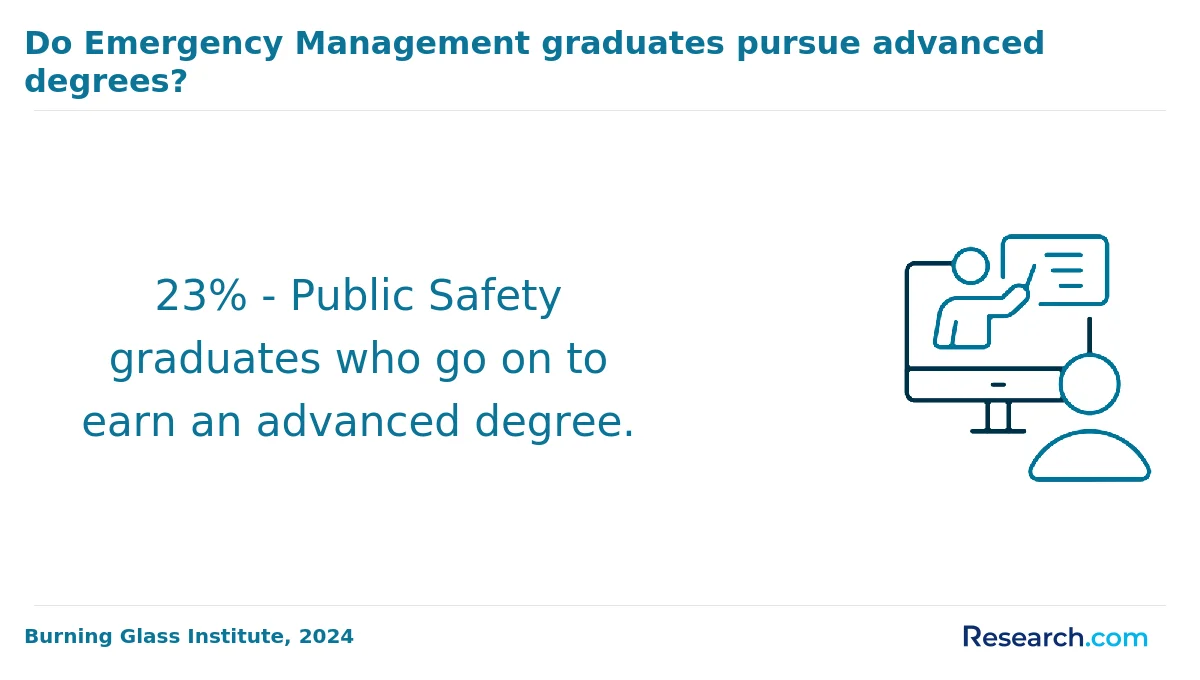
What financial aid is available to online emergency management degree students in the South?
If you're thinking about getting an online emergency management degree in the South, good news: there are plenty of financial aid options to help ease the cost. For example, federal student aid is usually the first stop. Many students at popular schools like the University of North Texas or Florida State University tap into federal loans and grants by filing the FAFSA. Pell Grants can sometimes help too, especially if you're in certificate programs.
Graduates often share how institutional scholarships from Southern universities made a real difference. Schools in Texas and Georgia partner with state emergency agencies, offering scholarships or grants that feel like a win for students committed to staying local. One graduate found that Texas Division of Emergency Management grants gave crucial extra funding.
Many who are already working in emergency services also rely on employer tuition assistance programs. Those programs can cover a big chunk of tuition, making it much easier to juggle work and studies. Veterans are covered as well, often using the GI Bill to knock out fees at military-friendly Southern colleges.
Finally, don't overlook scholarships from organizations like the International Association of Emergency Managers. It's amazing how these resources come together to support students passionate about making a difference in emergency management.
What are the prerequisites for enrolling in online emergency management degree program in the South?
If you're aiming to enroll in an online emergency management degree program in the South, you'll typically need a bachelor's degree from an accredited school, often with a GPA around 3.0 or higher. Graduates from popular Southern colleges often share how having solid grades gave them confidence when applying. Many programs also appreciate if you've got some real-world experience-like working in public safety or disaster response-which can really make your application stand out.
Transcripts, letters of recommendation, and a strong personal statement are usually part of the package. Some students find writing that personal statement a great chance to share their passion for helping communities during emergencies. While a few programs might still ask for GRE scores, many Southern universities have dropped that requirement, making the process a bit easier for working adults.
For those eyeing master's degrees, having a few years under your belt in emergency planning or related fields often helps, especially in accelerated or executive programs designed for career boosters. This balance between academics and real experience reflects what many Southern students have found rewarding and motivating.
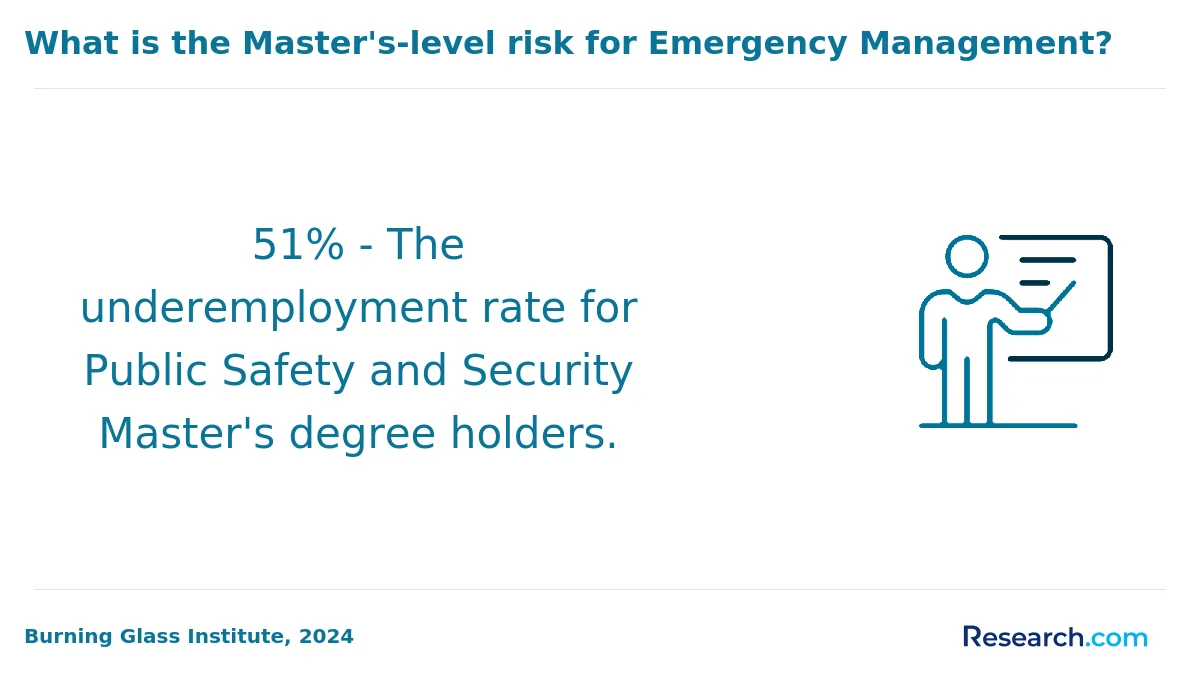
What courses are typically in online emergency management degree programs in the South?
When you dive into an online emergency management degree in the South, you'll quickly find the courses focus on real-world skills that really hit home for folks living in disaster-prone areas. Graduates from popular Southern universities often rave about classes like Incident Command System (ICS) and Emergency Operations, where you learn how different agencies work together during hurricanes or floods - perfect for Gulf Coast residents.
Other courses you'll see are Disaster Policy and Planning and Risk Assessment and Mitigation, which help you understand how to create solid plans before disaster strikes and how to spot risks to keep communities safe. There's also hands-on stuff like GIS for Emergency Management, letting you map out flood zones or track wildfire sprawl.
Many Southern programs add courses on Hurricane Preparedness or Flood Mitigation tailored to the region's unique challenges, making learning feel super relevant. Graduates often say these courses gave them confidence to step into leadership roles and make a real difference right where they live.
What types of specializations are available in online emergency management degree programs in the South?
If you're looking into online emergency management specializations in the South, there's a solid range to choose from. Many students pick Homeland Security, diving into how to protect communities from threats like cyberattacks or terrorism. A graduate from a well-known Southern university mentioned how this focus helped them understand real-world crisis communication with local agencies, which felt super relevant given the region's strategic importance.
Another popular track is Disaster Preparedness and Response, which is perfect if you want to handle emergencies like hurricanes and floods-something that happens a lot down here. Graduates often share stories about applying lessons from emergency operations planning right after storms hit, proving how critical these skills are. Southern region emergency management degree concentrations also include Environmental and Public Health Emergency Management, prepping students to tackle health crises like pandemics or chemical spills-especially useful in rural areas with vulnerable healthcare.
There's even a Business Continuity and Risk Management path for those eyeing roles in private companies, focused on keeping operations running during emergencies. If you're curious about the best programs, many students appreciate the affordability and quality of schools like the University of North Texas. For a deeper dive, check out this master's in emergency management online.
How do you choose the best online emergency management degree in the South?
Picking the best online emergency management degree in the South means focusing on what really fits your life and goals. Graduates from popular Southern schools often mention how programs that dive into local disaster scenarios like hurricanes or floods gave them practical insights they couldn't get anywhere else. Look for programs with strong ties to regional agencies and faculty who know Southern-specific challenges-that real-world expertise makes all the difference when you're juggling work and study.
Flexible scheduling and asynchronous classes are a lifesaver for many working students down here. Plus, tuition costs vary a lot, so check if you qualify for in-state rates or scholarships-those can be a big help. For budget-friendly options, some folks find great value by exploring affordable homeland security programs online that align with emergency management studies.
Ultimately, the best online emergency management degree programs in the South blend solid academics with hands-on learning and regional connections to boost your career moves in this vital field.
What career paths are available for online emergency management degree students in the South?
If you're diving into online emergency management careers in the South, you'll find a bunch of rewarding paths waiting for you. Graduates from popular colleges in the region often jump into roles with local government agencies, where they get hands-on coordinating disaster responses or planning recovery efforts after hurricanes or floods hit. Imagine working in a state like Florida or Texas, where your skills directly impact how communities bounce back-that's pretty motivating!
Others find their groove in the private sector, teaming up with insurance companies or healthcare organizations to help keep businesses running smoothly during emergencies. One graduate from a Southern university shared how real-world projects about business continuity made them confident stepping into these roles right after graduation. That kind of practical, local experience is gold, especially given Southern states emergency management job opportunities keep growing.
And don't overlook nonprofits like the Red Cross, where you can lead community education or disaster relief efforts-work that really connects you to people in need. For those also interested in technology, exploring emerging areas like cybersecurity can open even more doors.
By the way, if you want to speed things up, check out this accelerated public safety online degree option that some Southern schools offer, helping you launch sooner into your career.
What is the job market for online emergency management degree in the South?
The job market for online emergency management jobs in the South is looking pretty solid, especially with all the hurricanes and storms that frequently hit states like Florida and Texas. Graduates from southern schools offering online emergency management degrees often find themselves stepping into roles with government agencies, healthcare, or nonprofits focused on disaster relief. Many speak highly of programs at popular colleges where professors connect lessons to real-life crises, making the experience practical and motivational.
Graduates feel optimistic because these roles not only offer meaningful work but also competitive salaries, often between $70,000 and $85,000, depending on experience and location. The South regional emergency management career outlook is better when you add certifications like the Certified Emergency Manager (CEM), which many employers value. Plus, if you're exploring related fields, you might want to check out best law enforcement degrees that complement this career path nicely.
Frequently Asked Questions About emergency management
Students pursuing online emergency management degrees in the South can enhance their learning by engaging with regional hazards such as hurricanes and flooding, which frequently impact southern states. The Federal Emergency Management Agency (FEMA) highlights the Gulf Coast as a high-risk area, making localized case studies particularly valuable. Connecting with local emergency response organizations for virtual internships can provide real-world experience without relocating. Additionally, joining professional associations like the Southern Emergency Management Association offers networking opportunities and access to webinars. Staying current with state-specific regulations and disaster protocols also improves practical knowledge essential for careers in this region.
Emerging niches within the emergency management field reflect a growing emphasis on technology, climate resilience, and public health. In the Southern U.S., professionals increasingly focus on disaster informatics, which integrates data analytics and geographic information systems (GIS) to improve response times and resource allocation. This region also faces unique challenges from hurricanes and flooding, driving a need for expertise in climate adaptation and community resilience planning.
Another key area is the integration of public health emergency management, especially highlighted by responses to recent pandemics. The Southern states see rising demand for specialists who can coordinate between healthcare systems and emergency agencies.
The Federal Emergency Management Agency (FEMA) reports that employment in these specialized roles is expected to grow by 5-7% through 2030, particularly in Gulf Coast states.
Graduates with an online emergency management degree in the South can enhance their job prospects by gaining relevant certifications, such as the Certified Emergency Manager (CEM) credential, recognized nationwide. Networking through local emergency management associations and attending regional conferences helps build valuable connections. According to the U.S. Bureau of Labor Statistics, the Southern states saw a steady 5% growth in emergency management jobs through 2022, driven by frequent natural disasters. Internships or volunteer work with local agencies, such as state emergency response teams, provide practical experience employers seek. Staying updated on FEMA guidelines and federal grant procedures also gives candidates a competitive edge.
Employers in the South value emergency management graduates who demonstrate strong analytical and communication skills. These abilities are essential for assessing risks, coordinating disaster responses, and collaborating with diverse agencies. According to the Southern Regional Education Board, technical proficiency with geographic information systems (GIS) and emergency notification software is increasingly sought after. Leadership and problem-solving skills also rank highly, enabling graduates to effectively manage crises and resource allocation. Knowledge of federal and state regulations, particularly those specific to hurricane and flood-prone areas, is critical. The Bureau of Labor Statistics notes a rising demand in Southern states for professionals adept at both strategic planning and hands-on emergency operations.
Finding internships for emergency management students in the South involves targeted research and networking. Many Southern states, including Florida and Texas, have active emergency management agencies offering student internships. The Federal Emergency Management Agency (FEMA) also provides opportunities nationwide, often collaborating with state and local offices.
Students should check with their universities' career services for local partnerships. Professional organizations like the Southern Emergency Management Association (SEMA) list internships and entry-level roles. Additionally, public health departments, fire departments, and non-profits involved in disaster relief often seek interns with emergency management skills.
Early application is key, as competition grows each year due to increasing natural disasters in the region, according to NOAA.
An online emergency management degree in the South significantly enhances career mobility and advancement by providing critical skills and knowledge tailored to regional challenges. The Southern United States faces frequent natural disasters, such as hurricanes and flooding, increasing the demand for trained professionals. According to the U.S. Bureau of Labor Statistics, employment for emergency management directors is projected to grow 8% from 2022 to 2032, faster than the average for all occupations.
Online programs offer flexibility, allowing working professionals to advance without relocating. This accessibility supports career progression into leadership roles within state and local government agencies, healthcare, and private sectors that focus on disaster preparedness and response. Additionally, certification opportunities linked with many degrees further boost professional credibility.
Studying for an emergency management degree in the South offers a unique interdisciplinary approach essential for addressing regional challenges. Programs often integrate public health, urban planning, and environmental science to prepare students for complex disaster scenarios common in Southern states, such as hurricanes and flooding.
Many Southern universities emphasize collaboration across multiple sectors, reflecting local needs highlighted by FEMA and the National Hurricane Center. Students learn to coordinate with agencies like public safety, healthcare, and government, gaining practical skills to manage emergencies effectively.
This cross-disciplinary training equips graduates to take diverse roles in mitigation, response, and recovery, boosting regional resilience.
When choosing between a thesis and a non-thesis online emergency management degree program in the South, students should consider their career goals and learning preferences. Thesis programs involve conducting original research, which is ideal for those planning to pursue doctoral studies or research-based roles. These programs typically require additional time and commitment. Non-thesis options focus on practical skills through coursework and applied projects, suitable for professionals seeking direct entry into fieldwork or leadership positions.
Southern universities often tailor non-thesis tracks for working adults, offering flexible schedules. The Bureau of Labor Statistics projects a 6% growth in emergency management jobs in Southern states by 2030, suggesting practical experience is highly valued.
Students in the Southern United States interested in studying emergency management abroad face limited direct options due to accreditation and licensing preferences. Most universities focus on delivering online programs domestically to meet state education requirements. However, some Southern institutions offer study-abroad opportunities through partner schools, allowing students to gain global perspectives while completing core coursework online.
Emergency management in the South is particularly vital given the region's vulnerability to hurricanes and flooding. According to FEMA, six Southern states rank among the top ten for disaster declarations, highlighting the need for specialized training.
Therefore, many students seeking international exposure combine online emergency management degrees with short-term field studies abroad. This hybrid approach maintains U.S. accreditation standards while enriching cultural and practical knowledge.
Part-time job opportunities in the South that complement an emergency management degree often include positions in local government, healthcare, and nonprofit organizations. Many Southern states, such as Texas and Florida, have active emergency management offices that frequently seek part-time coordinators or administrative assistants. These roles provide direct experience with disaster response planning and community outreach.
Healthcare facilities also offer positions like emergency preparedness assistants. These jobs allow students to understand medical emergency protocols, crucial for disaster scenarios.
Additionally, nonprofits such as the American Red Cross have volunteer and part-time roles supporting disaster relief efforts, offering hands-on experience while studying.
According to the U.S. Bureau of Labor Statistics, the Southeastern U.S. shows steady growth in emergency management jobs, underscoring the demand for practical experience.
Online emergency management students in the South benefit from strong regional networking opportunities supported by universities and professional organizations. Many Southern schools partner with local emergency services, government agencies, and nonprofits to provide virtual workshops, guest lectures, and internship connections.
Professional groups like the Southern Emergency Management Association (SEMA) offer members access to conferences, webinars, and local chapters, fostering connections among students and practitioners. According to FEMA, the Southeastern U.S. experiences a high volume of natural disasters, underscoring the importance of robust professional networks in this region.
Additionally, online degree programs increasingly use alumni platforms and virtual career fairs to link students with Southern employers in emergency management, facilitating job placement post-graduation.
Alumni networks provide significant benefits to students pursuing online emergency management degrees in the South. These networks offer valuable connections to professionals with experience in regional disaster response and public safety agencies. Members often share job leads and internship opportunities tailored to southern states, where hurricanes and severe weather incidents are common.
According to the Southern Regional Education Board, 70% of graduates find employment within six months, often through alumni referrals. Networking events and online forums foster mentorships that help students navigate career paths in emergency management fields. Such support is crucial for those studying remotely, providing local insights and professional guidance.
Customizing an online emergency management degree program in the South allows students to align their studies with specific career goals. Many Southern universities offer elective courses in areas such as disaster planning, homeland security, and business continuity. This flexibility helps students gain expertise tailored to sectors like government agencies, healthcare, or private industry.
Regional collaborations also enhance customization. For example, programs may include opportunities for internships with Southern emergency management agencies or virtual simulations relevant to local disaster risks like hurricanes and flooding.
According to the U.S. Bureau of Labor Statistics, states like Florida and Texas show strong demand for emergency management professionals, making targeted coursework a strategic advantage.
Online emergency management students in the South often face several notable challenges. Limited broadband access in rural areas remains a major barrier; according to the Federal Communications Commission, nearly 22% of Southern rural residents lack high-speed internet, impacting their ability to participate fully in online coursework.
Additionally, students must balance demanding work schedules with studies, as many are working professionals in emergency services. Time management is crucial but difficult when students juggle field emergencies or shifts alongside their academic responsibilities.
The regional frequency of natural disasters, such as hurricanes and floods, can also disrupt online learning continuity. Recovery efforts and infrastructure damage sometimes delay access to course materials and exams.
Finally, some students report limited access to local networking and mentorship opportunities compared to traditional programs, which can affect career advancement in this field.
Graduates with an online emergency management degree in the South can pursue several professional certifications that enhance career prospects. The Certified Emergency Manager (CEM) credential, offered by the International Association of Emergency Managers (IAEM), is highly valued nationwide, including Southern states, where disaster readiness is critical due to hurricanes and flooding.
Other certifications include the Associate Emergency Manager (AEM) for early-career professionals and the FEMA Professional Development Series, which provides foundational knowledge in emergency management models widely adopted in Southern emergency agencies.
These credentials improve job qualifications for roles in government, healthcare, and private sectors across the Southern US.
To write a winning application for an online emergency management program in the South, start by clearly highlighting your relevant experience. Many programs value applicants with backgrounds in public safety, firefighting, or healthcare. Be sure to connect your experience to the specific challenges faced in Southern states, such as hurricanes and flooding, which are frequent emergencies in the region, according to FEMA reports.
Emphasize your commitment to improving community resilience through education. Strong letters of recommendation from professionals in emergency services can enhance your application. Lastly, demonstrate your ability to succeed in an online learning environment by citing any previous online coursework or self-motivation skills. Clear, concise writing and a tailored personal statement can significantly strengthen your submission.
Emergency management careers have a distinctly global outlook, informed by increasing natural disasters and complex risks worldwide. In the United States, particularly in the South, professionals often collaborate with international agencies to enhance preparedness and response strategies. According to FEMA, the Southern states face frequent hurricanes and flooding, which shape specialized emergency management approaches.
The global demand for skilled emergency managers is rising as communities seek to mitigate climate change impacts and public health crises. U.S. programs emphasize international best practices while addressing local challenges, blending theory with practical skills. This international perspective enhances career opportunities in NGOs, government, and private sectors.
The integration of technology and data analysis in emergency management is also a growing global trend, making degrees focused on these areas highly valuable for students in the South.
Gaining practical experience while studying for an online emergency management degree in the South is essential to build skills employers seek. Many Southern universities partner with local agencies like FEMA regional offices and state emergency management departments to offer internships and practicum placements. These opportunities allow students to apply classroom knowledge by participating in disaster planning, response exercises, and risk assessment projects.
Additionally, virtual simulation tools and tabletop exercises are increasingly used in programs to mimic real-world emergency scenarios. The National Emergency Management Association notes that Southern states like Texas, Florida, and Louisiana conduct frequent hurricane drills, providing valuable contexts for students.
Networking with professionals through regional conferences and online forums also supports hands-on learning and career growth in this field.
Choosing the right concentration within an online emergency management degree program in the South depends on your career goals and regional needs. The South faces unique challenges such as hurricanes, flooding, and industrial accidents, making concentrations in disaster response, hazard mitigation, and public health preparedness particularly relevant.
Research from FEMA highlights that states like Texas, Florida, and Louisiana lead in emergency management job demand, so focusing on disaster recovery or community resilience can improve employment prospects. Additionally, consider programs that partner with local agencies or offer certifications aligned with Southern regional risks.
Evaluate curricula for practical training and flexibility to match your professional experience and interests. This strategic approach ensures your degree equips you to address the southern region's specific emergency management challenges effectively.
Top Trending Emergency Management Rankings
References
- We are WFP Alumni https://alumni.wfp.org/
- Seven Jobs You Can Do with a Degree in Emergency Management and Homeland Security https://www.albany.edu/graduate/news/2025-seven-jobs-you-can-do-degree-emergency-management-and-homeland-security
- ALUMNI https://www.dismedmaster.com/alumni/
- IRG Global's Emergency Management Debut | Networking Events https://irgglobal.com/insight-hub/news/press-releases/emergency-management-conferences
- Writing an Emergency Management Plan - JAM Training Services https://jamtrainingservices.com/portfolio/writing-an-emergency-management-plan/
- Eye-Catching Emergency Management Resume Objective Examples (2025 Guide) https://www.visualcv.com/emergency-management-resume-objectives/
- Emergency management decision-making in a changing world: 3 key challenges | AJEM October 2024 https://knowledge.aidr.org.au/resources/ajem-october-2024-emergency-management-decision-making-in-a-changing-world-3-key-challenges/
- Online Bachelor's in Emergency and Disaster Management https://www.monroeu.edu/academics/undergraduate-programs/school-criminal-justice/online-bachelors-emergency-and-disaster
- Search icon https://waldorf.edu/online/academics/online-resources/articles/careers-in-emergency-preparedness-and-response-roles-skills-and-career-paths/
- Emergency Management Challenges & How to Overcome Them | CriticalArc https://criticalarc.com/emergency-management-challenges-how-to-overcome-them/