2027 Most Valuable Online Master's in Emergency Management Degree Programs Ranking in the South

Co-Founder and Chief Data Scientist
Exploring online master's programs in emergency management can be overwhelming, especially when seeking quality and value. This article presents the 2027 Most Valuable Online Master's in Emergency Management Degree Programs Ranking in the South, carefully developed by the Research.com team of data scientists to guide your decision.
Discover programs that combine affordability, reputation, and career prospects to help you advance professionally. Whether you aim to protect communities or enhance disaster response, earning this degree is a meaningful step.
Read on to find the best options tailored for students in the South, empowering you to make an informed, confident choice for your future.
Key benefits of getting online emergency management degree in the South
- Emergency management degree graduates in the South often find roles in public safety and disaster response, with salaries typically ranging around $50,000 to $70,000 annually, offering a stable and rewarding career path.
- Graduates from universities like the University of South Carolina commonly pursue careers in government agencies, nonprofit disaster relief, or corporate safety planning, providing diverse opportunities to make a meaningful impact.
- Online degrees from schools such as Georgia Southern University offer flexibility and convenience, allowing students to balance work and study while gaining the same skills as traditional programs, making education accessible without sacrificing quality.
- Key benefits of getting online emergency management degree in the South
- What can I expect from online emergency management degree in the South?
- Where can I work with online emergency management degree in the South?
- How much can I make with online emergency management degree in the South?
- 2027 Most Valuable Online Master's in Emergency Management Degree Programs Ranking in the South
- Key Findings
- How long does it take to complete online emergency management degree in the South?
- What's the difference between online and on-campus emergency management degree?
- What is the average cost of online emergency management degree in the South?
- What financial aid is available to online emergency management degree students in the South?
- What are the prerequisites for enrolling in online emergency management degree program in the South?
- What courses are typically in online emergency management degree programs in the South?
- What types of specializations are available in online emergency management degree programs in the South?
- How do you choose the best online emergency management degree in the South?
- What career paths are available for online emergency management degree students in the South?
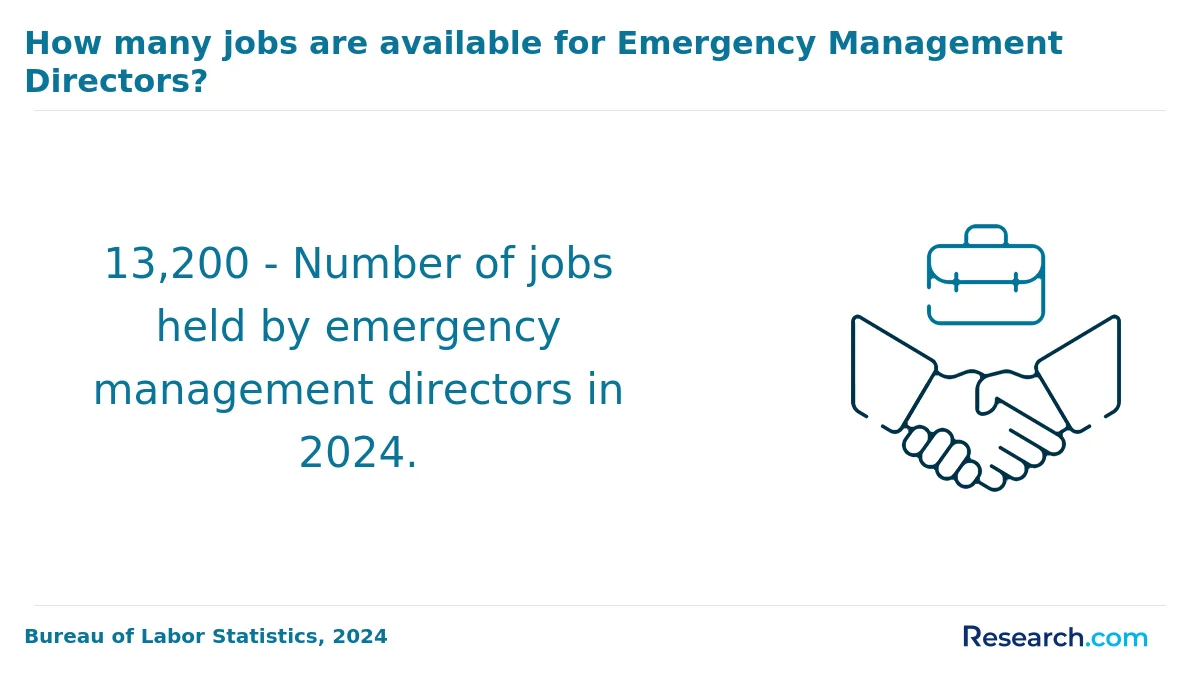
- What is the job market for online emergency management degree in the South?
- Top Trending Emergency Management Rankings
What can I expect from online emergency management degree in the South?
The average cost of an online emergency management degree in the South typically ranges from $10,000 to $25,000 for a full bachelor's program, depending on the institution and specific program features. Southern universities known for strong emergency management offerings, such as those in Texas and Florida, often price their degrees competitively to accommodate working professionals balancing education with careers.
Graduates from these programs frequently highlight the value of flexible tuition rates combined with financial aid options, which make pursuing a degree more feasible even during challenging times. Many students report that the investment pays off, as coursework focusing on regional hazards like hurricanes and floods arms them with practical skills directly applicable in local emergency management roles.
The cost also reflects added benefits such as access to cutting-edge training in GIS technology and opportunities for specialized tracks in homeland security or public health emergencies. Students appreciate that real-world practicum projects often included in Southern programs provide hands-on experience that complements their academic studies, fostering confidence as they enter the workforce.
Where can I work with online emergency management degree in the South?
Graduates holding an online emergency management degree from universities in the South, such as the University of North Carolina and the University of Texas, find diverse career paths across public, private, and nonprofit sectors. Many begin working with state emergency management offices in Texas, Florida, or Georgia, where they coordinate disaster response plans and manage resources amid frequent hurricanes and floods. A common scenario involves collaborating with first responders during severe weather events, offering graduates a direct impact on community safety.
Local government agencies in cities like Houston or Miami also employ graduates to strengthen risk mitigation strategies. These roles often involve working alongside public safety officials, which graduates report as both challenging and rewarding, fostering a genuine connection to community resilience.
In the private sector, hospitals, energy firms, and insurers value emergency management expertise to prepare for industrial accidents and natural disasters. Graduates from Southern colleges working in these industries describe positive experiences contributing to public health and environmental safety.
Nonprofit organizations such as the American Red Cross provide opportunities for graduates to engage in volunteer coordination and disaster recovery efforts, emphasizing meaningful contributions to community recovery and support.
How much can I make with online emergency management degree in the South?
Graduates with an online emergency management degree from well-regarded Southern universities often begin their careers earning between $50,000 and $60,000 annually. Early-career professionals frequently find roles in local government emergency services or emergency planning departments, where practical skills gained during their studies at institutions like the University of South Carolina or Florida State University are highly valued.
With experience, particularly in large metropolitan areas such as Houston or Miami, these graduates have the potential to increase their salaries to $85,000 or more. Many advance into supervisory positions or specialized planning roles focused on disaster recovery and business continuity, reflecting both their growing expertise and the critical needs of their communities. For instance, managing hurricane preparedness programs in Florida often leads to higher pay due to the region's heightened disaster risks.
Federal and non-profit positions, common career paths for Southern graduates, may offer competitive salaries alongside strong benefits and job stability. This balance of financial reward and security contributes to the appealing prospects for those completing emergency management programs online from Southern colleges.
2027 Most Valuable Online Master's in Emergency Management Degree Programs Ranking in the South
How do we rank schools?
Investing in your education is a significant decision that can shape your future, and the Research.com team understands the importance of making informed choices. To assist prospective students in the South, we have meticulously crafted the "2027 Most Valuable Online Master's in Emergency Management Degree Programs Ranking in the South." Our commitment to quality, credibility, and accuracy is reflected in the extensive research and analysis conducted to compile this ranking.
We utilized the following reputable data sources to ensure a comprehensive evaluation of emergency management programs:
By exploring this ranking, readers will gain valuable insights into the most valuable online master's programs in emergency management in the South, helping them make informed decisions about their educational investment. For more details on our methodology, please visit our Research.com methodology page.
# 1 position
Columbia Southern University
Master of Emergency Services Management


Key Findings
- Many Southern universities offer fully online emergency management degrees with courses covering disaster response, risk assessment, and crisis communication.
- Tuition for a master's degree ranges from $10,000 to $18,000 at public in-state schools and $20,000 to $35,000 at private institutions.
- Employment for emergency management directors in the South is projected to grow at about 6% through 2030, matching the national average.
- Entry-level salaries typically range from $50,000 to $65,000, while experienced professionals can earn $75,000 to $100,000 or more in metro areas or federal jobs.
- Southern universities often partner with government and nonprofit organizations to provide internships and job opportunities.
How long does it take to complete online emergency management degree in the South?
Completing an online emergency management degree in the South generally requires between one and four years, depending on enrollment status and program format. Graduates from popular schools such as the University of South Carolina or Texas A&M share experiences of completing their master's degrees in about two years of full-time study, balancing coursework with their professional and personal responsibilities. Part-time students often extend their studies to three or four years, allowing greater flexibility to manage work or family commitments.
Many Southern universities offer asynchronous classes, enabling students to progress at their own pace. This flexibility is especially valuable for working professionals using online programs to enhance their careers without interrupting their day jobs. For example, students at Florida State University appreciate how part-time options make pursuing an emergency management degree practical while handling real-life disaster response roles.
Bachelor's degree programs typically take four years of full-time online study but can be shortened through credit transfers or accelerated tracks. With steadily growing demand for skilled emergency managers in Southern states, students often find these programs both manageable and rewarding.
What's the difference between online and on-campus emergency management degree?
The key distinction between online and on-campus emergency management degrees in the South centers on flexibility and engagement. Online programs, offered by respected institutions like the University of South Carolina, enable working professionals and busy parents to manage coursework asynchronously, allowing access to lectures and assignments at any time. Graduates often express satisfaction with balancing education alongside careers or family, appreciating this adaptability.
Conversely, on-campus degrees from universities such as Florida State University emphasize immersive, hands-on experience through partnerships with local emergency response agencies. These students benefit from real-time simulations, internships, and face-to-face networking events, fostering a strong sense of community and direct mentorship. Many graduates value these connections, which are crucial for navigating regional emergency management careers.
Costs can vary; online learners may save on campus fees, though they must consider technology expenses. Both formats maintain rigorous academic standards, covering vital skills like disaster preparedness and crisis communication, but the choice depends on whether students prioritize flexible scheduling or direct, experiential learning within Southern emergency management networks.
What is the average cost of online emergency management degree in the South?
The average cost of an online emergency management degree in the South typically falls around $28,000, with in-state tuition averaging approximately $11,772 and out-of-state tuition reaching near $34,980. Southern universities like Texas A&M and Florida State provide programs that align well with these figures, offering affordable online education designed to meet the practical needs of students balancing work and life commitments. Graduates often express satisfaction with how the cost reflects the program quality and flexibility, emphasizing the value of pursuing an affordable online emergency management master's programs Southern US.
Students enrolled in these programs benefit from a favorable tuition structure, especially those who are residents of Southern states, reducing financial barriers while gaining critical skills to manage natural disasters and community crises. Many highlight the support from their institutions in securing financial aid and scholarships, which enhances accessibility and sustains motivation throughout their studies. The cost-effectiveness combined with regional relevance of curriculum contributes to a rewarding educational experience for learners aspiring to make a positive impact in emergency management sectors.
For those considering options that accelerate their academic journey, options such as an accelerated online bachelor's in emergency management are also available from various Southern institutions. These programs maintain competitive pricing and can provide a faster track to career advancement, making them attractive for driven students eager to enter the workforce quickly without sacrificing educational quality.
What financial aid is available to online emergency management degree students in the South?
Students pursuing an online emergency management degree in the South commonly rely on a mix of federal, state, institutional, and professional financial aid to manage tuition costs ranging from $300 to $700 per credit hour. Federal aid through FAFSA provides access to Pell Grants and Direct Unsubsidized Loans, which graduates from institutions like the University of South Carolina have praised for easing their financial burden without immediate repayment pressures.
State-specific scholarships also support Southern residents attending programs at colleges such as Texas A&M or the University of Alabama. These scholarships often reward merit or financial need and can substantially reduce expenses. Graduates frequently highlight the importance of checking state higher education commission resources for the most current aid offerings.
Many universities offer additional tuition discounts and fee waivers tailored to online emergency management students, while military-affiliated learners benefit from GI Bill benefits or exclusive scholarships. Industry groups like the International Association of Emergency Managers provide targeted scholarships, fostering commitment and career development, which alumni deeply appreciate as critical career stepping stones.
Employer tuition reimbursement programs are another valuable resource, enabling working professionals in the South to balance career and education effectively. Graduates commonly express gratitude that such employer support makes advancing their education both practical and affordable.
What are the prerequisites for enrolling in online emergency management degree program in the South?
To enroll in an online emergency management degree program in the South, applicants must typically hold a bachelor's degree from an accredited institution. This requirement is foundational, as graduates from universities such as the University of South Carolina or Florida State University often emphasize how their diverse undergraduate backgrounds strengthened their approach to advanced studies. Official transcripts are essential to validate academic readiness, ensuring a seamless transition into graduate-level coursework.
Many programs also value or require relevant professional experience in emergency management or related fields like public safety. For instance, graduates from Southern institutions often reflect on how their one to two years of hands-on experience enhanced their understanding of complex disaster scenarios, making classroom theories more tangible and actionable.
While some universities in Texas and Florida may mandate GRE scores, a growing number waive this in recognition of practical expertise and academic performance. Additionally, non-native English speakers must present TOEFL or IELTS results to meet proficiency standards, a step frequently appreciated by international learners navigating a new academic environment.
What courses are typically in online emergency management degree programs in the South?
Online emergency management degree programs in the Southern United States typically encompass a comprehensive range of courses designed to equip students with both theoretical knowledge and practical expertise tailored to the region's unique challenges. Graduates from institutions such as the University of North Texas and Florida State University often emphasize courses like Introduction to Emergency Management, which explores the history and fundamental principles critical to managing crises in hurricane-prone and flood-vulnerable areas.
Core classes also include Disaster Risk Reduction and Resilience, focusing on strategic methods to lessen disaster impacts-a vital skill for professionals working alongside communities regularly affected by severe weather. Hazard Mitigation Planning and Emergency Operations and Incident Command Systems prepare students to create effective disaster response frameworks and coordinate multi-agency efforts during emergencies, an experience many alumni recall as instrumental during real-world emergency deployments in Louisiana's coastal regions.
Additional coursework covers Public Health and Emergency Preparedness and Community Preparedness and Recovery, providing practical insights into managing health crises and guiding community recovery after disasters. Graduates appreciate the program's integration of Legal and Ethical Issues in Emergency Management, which shapes their capacity to navigate complex regulations and ethical decisions under pressure, enhancing their readiness for leadership roles across Southern public safety sectors.
What types of specializations are available in online emergency management degree programs in the South?
Online emergency management degree programs in the South commonly feature specialized tracks that reflect the region's distinct hazards and community needs. Popular options include Disaster Preparedness and Response, which prepares students to coordinate responses to hurricanes and floods frequently impacting states like Florida and Texas. Homeland Security specialization focuses on protecting communities from terrorism and integrates knowledge of FEMA protocols alongside state and local emergency policies, a crucial skill set praised by graduates from prominent Southern colleges.
Other notable tracks are Public Health Emergency Management, addressing epidemics and bioterrorism challenges common in densely populated urban areas, and Environmental Hazards and Risk Assessment, which trains students to analyze chemical spills and climate-related threats. Crisis Communications is also vital, equipping students with skills to manage media and public information during emergencies, thus maintaining trust and safety.
These online emergency management specializations in the South enable students to gain practical expertise aligned with regional demands. Graduates often highlight their confidence in handling real-world crises, attributing their readiness to comprehensive curricula offered by leading programs like those at established Southern universities. Prospective students can explore a range of offerings and tuition details through resources such as the master's in emergency management online listings.
How do you choose the best online emergency management degree in the South?
Choosing the best online emergency management programs in the South requires focusing on program accreditation, curriculum breadth, and real-world applicability. Graduates from respected universities in Texas and Florida often highlight how accredited institutions boost their employability in state agencies. Programs offering comprehensive coursework in disaster preparedness, crisis communication, and recovery strategies prepare students effectively for emergencies common in Southern states.
Flexibility is another critical factor, as many students balance studies with work or family. Schools known for strong support services and practical experience opportunities, such as internships with local emergency management offices, help students gain confidence and hands-on skills. Cost is a substantial consideration; Southern colleges typically offer affordable emergency management degrees Southern states residents appreciate, especially with competitive in-state tuition.
Students seeking specialized knowledge may explore options in homeland security or environmental hazards. Resources like affordable homeland security programs online also complement emergency management education, broadening career paths and enhancing readiness in real-life disaster response scenarios.
What career paths are available for online emergency management degree students in the South?
Graduates pursuing online emergency management careers in the South often find diverse opportunities across public, private, and nonprofit sectors. Local and state government agencies, including emergency management offices, public safety departments, and homeland security agencies, regularly hire professionals to design disaster response and recovery plans tailored to the region's frequent hurricanes and floods.
Many graduates from respected Southern universities and colleges become emergency preparedness coordinators at healthcare organizations or higher education institutions. These roles involve real-time crisis management and mitigation strategies, exemplified by successful campus safety plans implemented after severe weather events. Such practical experience fosters confidence and purpose among students.
Private companies in insurance, logistics, and environmental consulting actively seek graduates with specialized skills to analyze and reduce risks linked to climate-related threats. Nonprofit organizations, like the American Red Cross, also provide meaningful career paths focused on community resilience and disaster recovery initiatives. For students considering flexible pathways, an accelerated public safety online degree can quickly prepare them for these crucial roles in the Southern region emergency management job opportunities.
What is the job market for online emergency management degree in the South?
The job market for online emergency management degree holders in the South remains robust, driven by the region's susceptibility to natural disasters such as hurricanes and flooding. Graduates from prominent universities and colleges in Southern states often find rewarding roles within state and local emergency management agencies, FEMA regional offices, and healthcare systems where they coordinate disaster preparedness and response efforts. Their hands-on training in hazard mitigation and crisis communication equips them well to meet employer demands, fostering confidence and professional satisfaction among new graduates.
Many professionals pursuing online emergency management jobs in the South appreciate the flexibility and practical orientation of their programs, which allows them to manage work and studies simultaneously. This adaptability, combined with strong regional hiring needs, helps graduates secure positions in both government and private sectors focused on disaster recovery and risk management. Some graduates note that understanding their local hazards enhances their effectiveness and engagement on the job.
Salary expectations align with nationwide figures near $83,000 annually, while tuition costs at Southern institutions remain competitive, supporting financial stability post-graduation. For students exploring career options, resources like best law enforcement degrees offer additional guidance for related emergency response fields.
Frequently Asked Questions About emergency management
Online emergency management degree students in the South can maximize their learning by actively engaging in virtual simulations and case studies relevant to the region's unique risks, such as hurricanes and floods. Participating in local emergency response webinars or joining Southern-based professional organizations helps deepen practical knowledge. Utilizing resources from FEMA and the Southern Regional Education Board provides up-to-date best practices. Many Southern states report increased disaster frequency; for example, the Gulf Coast faces an average of seven hurricanes per season, underscoring the value of region-specific training. Networking through online platforms also connects students with professionals, enhancing career opportunities in emergency management.
Emerging niches within the emergency management field reflect evolving risks and technological advances. Cybersecurity preparedness is gaining critical importance, especially as government and infrastructure systems face increasing cyber threats. Professionals skilled in managing cyber emergencies are in demand across Southern states with expanding tech sectors like Texas and Georgia.
Another fast-growing area is climate resilience. Given the South's vulnerability to hurricanes, floods, and wildfires, experts who design adaptive strategies for communities and businesses are invaluable. The Federal Emergency Management Agency (FEMA) notes a rise in grant funding focused on climate adaptation in this region.
Additionally, public health emergency management has expanded since COVID-19. Graduates with knowledge in disease outbreak response, supply chain logistics, and healthcare coordination are now highly sought after by Southern state agencies and hospitals.
Lastly, technological integration, including the use of drones and GIS mapping, is enhancing disaster response capabilities. Mastery of these tools offers graduates competitive advantages in emergency planning and real-time crisis management roles.
Graduates with an online emergency management degree in the South can enhance job prospects by gaining relevant certifications such as FEMA's Professional Development Series or Certified Emergency Manager (CEM). These credentials are recognized nationwide and often preferred by Southern employers in government and private sectors. Networking with local agencies like state emergency management offices or regional public safety organizations is essential, as connections can lead to internships or entry-level roles.
The Southern states frequently face hurricanes, flooding, and tornadoes, increasing demand for skilled professionals; according to the U.S. Bureau of Labor Statistics, emergency management employment in the South is projected to grow faster than the national average through 2031. Practical experience via volunteer work or online simulations can also improve readiness for competitive positions.
Employers in the South prioritize several key skills for graduates with online emergency management degrees. Strong communication and coordination abilities are essential, as professionals often work with diverse agencies during natural disasters like hurricanes, which are common in the region.
Analytical and problem-solving skills are highly valued, enabling graduates to assess risks and develop strategic response plans. According to the U.S. Bureau of Labor Statistics, the Southeast experiences a high volume of emergency events, making adaptability and decision-making under pressure critical.
Technical proficiency with geographic information systems (GIS) and data management tools is increasingly important for tracking emergencies and resources. Leadership and project management competencies also help graduates advance in roles requiring collaboration across local and state agencies.
Finding internships in the South relevant to an emergency management degree involves targeting organizations specializing in disaster response and public safety. State agencies like the South Carolina Emergency Management Division and the Louisiana Governor's Office of Homeland Security often offer internship opportunities. Networking through local chapters of the International Association of Emergency Managers (IAEM) can also be valuable.
The Southern region faces frequent hurricanes and floods, increasing demand for skilled emergency managers. According to FEMA, the Gulf Coast states account for a significant share of federally declared disasters, making hands-on experience in these areas especially relevant.
Universities offering online emergency management programs may assist with internship placements, with many collaborations tied to regional emergency agencies and nonprofits. Checking local government websites and signing up for alerts can uncover timely opportunities.
Obtaining an online emergency management degree can significantly improve career mobility and advancement in the Southern United States. The South faces frequent natural disasters such as hurricanes and floods, creating a demand for skilled professionals who can manage emergencies effectively. According to the U.S. Bureau of Labor Statistics, the Southeast is projected to see a 7% increase in emergency management jobs through 2032, outpacing the national average.
Online degrees offer flexibility, enabling students to balance work and study while gaining credentials that are highly valued by both government agencies and private sector employers. Graduates often qualify for leadership roles in disaster response, public safety, and homeland security.
State certifications and regional knowledge embedded in many Southern programs also boost candidates' eligibility for promotions. Overall, an online emergency management degree provides practical skills and recognized qualifications that enhance professional growth in this high-demand field.
Studying for an online emergency management degree in the South equips students with skills relevant across multiple disciplines. Programs often integrate coursework in public safety, healthcare, environmental science, and government policy to reflect the region's unique needs. For example, the South faces frequent hurricanes and flooding, requiring knowledge in climate adaptation and urban planning. The curriculum typically includes crisis communication, risk analysis, and collaborative decision-making, preparing graduates to coordinate with diverse agencies. According to FEMA and regional public safety reports, interdisciplinary knowledge improves response effectiveness. Thus, southern programs emphasize real-world scenarios to build versatile leaders for emergency roles across sectors.
When deciding between a thesis and a non-thesis online emergency management degree program in the South, consider your career goals and learning preferences. A thesis path emphasizes research skills, ideal for those seeking academic roles or doctoral studies. Non-thesis options focus more on practical skills through coursework and capstone projects, often preferred by working professionals aiming for leadership positions in emergency services.
Southern states experience frequent natural disasters, making applied knowledge highly valuable. According to FEMA, states like Texas and Florida rank high in emergency response needs, encouraging practical program options. Review program requirements and graduations rates from regional schools to ensure alignment with your professional aims.
For students in the South seeking to study emergency management abroad through online programs, options are limited due to accreditation and licensing requirements. Most Southern universities offering online emergency management degrees focus on U.S.-based curriculum tailored to local hazards such as hurricanes and flooding, common in the region.
While some institutions partner with international universities, truly global online emergency management degrees remain rare. Students aiming for international studies often consider exchange programs or short-term residencies abroad combined with online coursework from Southern schools accredited by bodies like FEMA or the Southern Association of Colleges and Schools (SACS).
Data from the Southern Regional Education Board shows over 50% of online emergency management graduates remain employed within their state, indicating a strong local focus. Prospective students should verify international program recognition and compatibility with U.S. certifications before enrolling.
Part-time jobs that complement an emergency management degree in the South often involve roles in public safety, healthcare, and local government agencies. Positions such as emergency medical technician (EMT), disaster response coordinator, or public information assistant provide practical experience and networking opportunities.
Many Southern states face frequent natural disasters like hurricanes and floods, increasing demand for skilled emergency workers. According to the U.S. Bureau of Labor Statistics, emergency management employment in the South is expected to grow by 7% through 2031, above the national average.
Working in sheriff's offices, fire departments, or community health organizations allows students to apply their online degree knowledge in real-world settings while maintaining flexible schedules. These roles help build critical incident management skills and enhance long-term career prospects.
Online emergency management students in the South benefit from a range of networking opportunities that enhance their professional growth. Many Southern universities partner with state emergency agencies and local organizations, providing virtual forums, webinars, and internships. These connections allow students to engage directly with emergency professionals handling disasters common in the region, such as hurricanes and floods.
Professional associations like the Southern Emergency Management Association (SEMA) offer online memberships and virtual events that help students build valuable contacts. The South's rapid growth in emergency management roles-projected at over 10% in some states by 2030 according to the Bureau of Labor Statistics-makes these networks crucial for entering the workforce.
Alumni networks play a vital role for students enrolled in online emergency management degree programs in the South. These networks offer valuable connections to professionals and organizations specializing in disaster response and homeland security, fields that are especially crucial in Southern states prone to hurricanes and flooding. According to FEMA, nearly 60% of all U.S. disaster declarations in recent years involved Southern states, highlighting the region's demand for skilled emergency managers. Through alumni groups, students gain access to mentorship, job opportunities, internships, and up-to-date industry insights that support career advancement.
Alumni can also share region-specific knowledge, helping new graduates understand the unique challenges faced by communities in the South. Networking events, both virtual and in-person, foster professional relationships that enhance collaboration and readiness in disaster management efforts. Furthermore, alumni involvement often leads to enhanced program resources and continuous curriculum improvements based on real-world feedback. For students balancing work and study, these networks provide a critical support system, encouraging lifelong learning and growth within this specialized profession.
Customizing an online emergency management degree in the South often begins with selecting electives that align with your career goals. Many Southern universities offer a range of specialized courses such as disaster recovery, homeland security, and public health emergency preparedness. Tailoring your program may also involve choosing between thesis and non-thesis options, depending on whether you aim for research or practical application.
The South is prone to hurricanes and flooding, so schools frequently emphasize regional challenges. According to FEMA statistics, states like Texas and Florida lead in emergency management jobs, making internships and partnerships with local agencies valuable for hands-on experience.
Additionally, some programs allow students to pursue certificates in related fields like cybersecurity or crisis communication, broadening potential career paths.
Online emergency management students in the South face several common challenges. Connectivity and reliable internet access can be a significant issue in rural areas, limiting students' ability to participate fully in online classes. According to the FCC, about 22% of rural Southern households lack broadband access, complicating distance learning.
Another challenge is balancing demanding work schedules with coursework, especially for professionals working in emergency services. Many students juggle irregular hours and on-call duties.
Additionally, students may experience limited networking opportunities compared to in-person programs, impacting career growth.
Finally, adapting to virtual simulations and practical training online can be difficult, as hands-on experience is essential in this field.
With an online emergency management degree, graduates can pursue several key professional certifications that enhance their career prospects. The Certified Emergency Manager (CEM) credential, offered by the International Association of Emergency Managers, is widely recognized across the U.S., including the South.
Another option is the Associate Emergency Manager (AEM) certification, ideal for early career professionals. Additionally, the Federal Emergency Management Agency (FEMA) offers specialist certifications through its Emergency Management Institute, valuable for those working with government agencies in southern states.
Some Southern states also encourage certifications like the Certified Business Continuity Professional (CBCP), which supports roles in disaster planning and recovery. Earning these certifications can improve job opportunities and salary potential in the region's expanding emergency management field.
Writing a winning application for an online emergency management program in the South requires clear focus on relevant experience and academic preparedness. Admissions committees often look for applicants with a background or strong interest in disaster response, public safety, or related fields.
Highlight professional achievements in emergency services or community resilience projects, especially those addressing regional challenges like hurricanes and flooding common in Southern states, according to FEMA reports.
Strong letters of recommendation from supervisors or professionals familiar with your emergency management skills can improve your chances. Also, emphasize your ability to thrive in an online learning environment.
Finally, tailor your personal statement to demonstrate understanding of Southern emergency priorities and your commitment to serving these communities.
Emergency management careers are increasingly recognized worldwide due to rising natural disasters and complex threats. In the US, especially in the South, this field is vital because of frequent hurricanes, floods, and severe weather events. According to the Bureau of Labor Statistics, emergency management jobs in the Southeast are projected to grow faster than the national average through 2030.
Globally, professionals work on disaster preparedness, response, and recovery, often collaborating through organizations like the United Nations Office for Disaster Risk Reduction. US online degree programs equip students with skills relevant internationally, focusing on crisis planning, risk communication, and resource management. This global outlook benefits Southern students by broadening career opportunities beyond regional or national roles.
Gaining practical experience while studying for an online emergency management degree in the South is essential for career readiness. Many programs collaborate with local emergency response agencies, offering virtual internships or remote volunteer opportunities. Students can engage with state and county emergency management offices, which are especially active in disaster-prone Southern states like Louisiana and Texas, according to FEMA data.
Additionally, simulated emergency drills and crisis management exercises are frequently integrated into coursework, providing hands-on learning. Professional associations such as the Southern Emergency Management Association often host workshops and conferences accessible online, helping students build connections and skills. These experiences strengthen both resumes and real-world preparedness.
Choosing the right concentration within an online emergency management degree program in the South involves understanding regional risks and career goals. The South faces unique challenges like hurricanes, flooding, and tornadoes, making concentrations in disaster response and recovery highly relevant.
Students should consider programs that emphasize coastal resilience and public health emergency management, given the South's vulnerability to climate-related disasters and ongoing population growth.
According to FEMA, states such as Florida, Texas, and Louisiana lead in emergency management jobs, so concentrations aligned with federal and state agencies can improve employment prospects.
Look for curricula offering hands-on exercises, crisis communication, and policy development tailored to Southern states' needs.
Top Trending Emergency Management Rankings
References
- Top 30 Most Affordable Online Masters in Emergency Management https://www.bestcollegesonline.org/most-affordable/online-masters-emergency-management/
- Study abroad in Gainesville, United States: Most popular universities for Emergency & Disaster Management. https://englishtestportal.com/studyabroad/united-states/gainesville/emergency-disaster-management
- Study emergency management https://www.massey.ac.nz/study/find-a-subject-course-or-qualification/study-emergency-management/
- 10 Best Emergency Management Fields https://www.drury.edu/business/management-major/10-best-emergency-management-fields/
- Know more about thesis vs non- thesis: what is the difference? https://studyfans.com/en/blogs/816
- Home https://dnem.org/
- Emergency Managers: Everything You Need to Know https://www.nrep.org/blog/emergency-manager-career-guide
- Online Bachelor's in Emergency and Disaster Management https://www.monroeu.edu/academics/undergraduate-programs/school-criminal-justice/online-bachelors-emergency-and-disaster
- OnlineSpecialization in Emergency Management | Colorado State University Global https://csuglobal.edu/academic-programs/undergraduate-specializations/undergraduate-specialization-emergency-management
- IRG Global's Emergency Management Debut | Networking Events https://irgglobal.com/insight-hub/news/press-releases/emergency-management-conferences