2027 Most Affordable Online Emergency Management Degree Programs Ranking in the USA

Co-Founder and Chief Data Scientist
Choosing the right emergency management degree can shape your future in a rewarding and growing field. Our article offers the 2027 Most Affordable Online Emergency Management Degree Programs Ranking in the USA, carefully crafted by the Research.com team of data scientists. This ranking helps you find quality programs that fit your budget and goals.
By exploring these affordable options, you can confidently take steps toward a career that makes a real difference. Earning this degree opens doors to opportunities in disaster response, public safety, and community resilience.
Investing in your education today means becoming a prepared leader for tomorrow's challenges.
Key benefits of getting online emergency management degree in America
- While specific salary data for emergency management roles is not available, graduates generally report competitive earnings reflecting strong demand in public safety, government, and nonprofit sectors across the US.
- Emergency management degree holders from popular universities often pursue careers in disaster response coordination, risk assessment, and public safety leadership, unlocking diverse and rewarding career paths.
- Online emergency management degrees offer flexible learning schedules and the chance to gain practical skills from anywhere, making it easier for busy adults to advance their education and careers without disrupting their lives.
- Key benefits of getting online emergency management degree in America
- What can I expect from online emergency management degree in America?
- Where can I work with online emergency management degree in America?
- How much can I make with online emergency management degree in America?
- 2027 Most Affordable Online Emergency Management Degree Programs Ranking in the USA
- Key Findings
- How long does it take to complete online emergency management degree in America?
- What's the difference between online and on-campus emergency management degree?
- What is the average cost of online emergency management degree in America?
- What financial aid is available to online emergency management degree students in America?
- What are the prerequisites for enrolling in online emergency management degree program in America?
- What courses are typically in online emergency management degree programs in America?
- What types of specializations are available in online emergency management degree programs in America?
- How do you choose the best online emergency management degree in America?
- What career paths are available for online emergency management degree students in America?
- What is the job market for online emergency management degree in America?
- Top Trending Emergency Management Rankings
What can I expect from online emergency management degree in America?
The average cost of an online emergency management degree in America typically ranges between $10,000 and $30,000 for a full bachelor's or master's program, though this varies by institution and credit hours required. Graduates from well-known universities report that the affordability of these programs, paired with flexible schedules and practical curriculum, made pursuing their degrees feasible alongside full-time jobs. A common experience among students, particularly at universities like the University of Delaware or the University of Florida, is balancing coursework on disaster preparedness and crisis communication with real-world applications such as internships at local emergency management agencies.
These programs usually require 30 to 42 credit hours and align with FEMA and EMAP standards, ensuring that students receive industry-relevant skills. Many graduates express satisfaction with the hands-on learning through virtual simulations and collaborative projects, which enhance their readiness for roles focusing on community resilience or disaster recovery. The investment in education is viewed positively given the expected job growth of 6% through 2032 and increasing demand in public and private sectors.
Where can I work with online emergency management degree in America?
Graduates of online emergency management degree programs in America commonly secure positions in local, state, and federal government agencies. For instance, many alumni from prominent institutions like the University of Maryland or FEMA Corps find roles coordinating disaster response and recovery efforts for events such as hurricanes and wildfires. These roles often involve hands-on crisis coordination, enhancing the emotional fulfillment of directly aiding affected communities.
Healthcare settings, including hospitals and public health departments, increasingly employ emergency management professionals to develop pandemic response plans and manage mass casualty incidents, a trend underscored by the COVID-19 crisis. Graduates from schools like Texas A&M or the University of North Texas report feeling empowered contributing to pandemic preparedness and public health safety.
Beyond government and healthcare, the private sector offers careers in risk assessment, insurance, and corporate continuity planning. Graduates frequently join firms where they strategize to protect assets and staff, enjoying the challenge of mitigating operational risks. Nonprofits focused on disaster relief similarly value these skills for coordinating logistics in humanitarian crises.
The U.S. Bureau of Labor Statistics projects an 8% job growth for emergency management specialists through 2032, reflecting diverse, growing opportunities nationwide. This data reassures students from major programs that their degree opens doors to meaningful, stable careers protecting communities across America.
How much can I make with online emergency management degree in America?
Graduates with an online emergency management degree in America typically see starting salaries around $50,000 to $60,000 annually in entry-level roles such as emergency management coordinators or analysts. These positions involve critical tasks like disaster preparedness, response planning, and risk assessments, often in collaboration with state or local agencies. For instance, graduates from popular programs offered by universities in states prone to natural disasters, such as California or Florida, often report excitement about applying their skills in dynamic, real-world environments while benefiting from competitive pay.
With experience, many graduates move into director or consultant roles where salaries can exceed $90,000, particularly in metropolitan areas with complex emergency needs. Emergency management directors earn median wages around $79,970, according to the U.S. Bureau of Labor Statistics as of May 2022. This reflects the high level of responsibility these professionals carry, from coordinating multi-agency responses to managing large-scale disaster recovery efforts.
Graduates often find that advanced certifications and specialized knowledge, such as cybersecurity for emergency systems, can further boost their earning potential and open doors to diverse career paths in both public and private sectors.
2027 Most Affordable Online Emergency Management Degree Programs Ranking in the USA
How do we rank schools?
Investing in your education is a significant decision that requires careful consideration, and the Research.com team is fully aware of its importance. To guide prospective students, we have diligently developed the "2027 Most Affordable Online Emergency Management Degree Programs Ranking in the USA." Our dedication to quality, credibility, and accuracy is demonstrated through thorough research and detailed analysis.
We utilized the following reputable data sources to ensure a comprehensive and reliable ranking:
By consulting this ranking, readers will obtain valuable insights into affordable, high-quality online emergency management degree programs that meet their educational and financial needs. For more information on how our ranking is created, please visit our Research.com methodology page.


# 5 position
Penn State University Park
Master of Homeland Security - Agricultural Biosecurity and Food Defense Option


# 8 position
Columbia Southern University
Master of Emergency Services Management


# 10 position
Anderson University
Bachelor of Homeland Security and Emergency Services: Emergency Services Management

# 11 position
Columbia Southern University
Bachelor of Emergency Management/Emergency medical Services
# 12 position
Columbia Southern University
Doctor of Emergency Management
# 13 position
Arapahoe Community College
Bachelor of Emergency Service Administration


Key Findings
- Online emergency management degrees are available mostly at the bachelor's and master's levels from accredited U.S. universities.
- The median tuition for these programs generally ranges from $15,000 to $35,000, with public universities offering lower costs for in-state students.
- Employment for emergency management directors is projected to grow 9% from 2022 to 2032, faster than the average for all jobs.
- Starting salaries typically range from $50,000 to $60,000 annually, with median wages around $83,000 and top earners making over $130,000.
- Graduates often work in government agencies like FEMA or in private companies focused on disaster recovery, requiring strong communication and leadership skills.
How long does it take to complete online emergency management degree in America?
Completing an online emergency management degree in America typically requires about four years for full-time undergraduates pursuing a bachelor's degree, such as those offered by universities like the University of North Texas or Arizona State University. Graduates from these programs often balance coursework with jobs or family, appreciating the manageable timeline that fits their daily lives.
Associate degrees generally take two years full-time and serve as stepping stones to bachelor's programs. Graduate degrees, such as a Master of Science in Emergency Management, usually require around two years of full-time study. However, many working professionals attending schools like the University of Southern California benefit from flexible pacing options, extending their studies to three or more years.
Part-time students commonly spread bachelor's degrees over five to seven years, accommodating work and personal commitments. Financial factors and credit transfers from prior experience or military training also influence completion times, helping students finish faster or manage tuition costs efficiently.
What's the difference between online and on-campus emergency management degree?
Online emergency management degree programs in America prioritize flexibility by delivering lectures and assignments through digital platforms, allowing students-such as those enrolled at the University of Colorado Colorado Springs or Texas A&M-to balance studies with work or family commitments. Graduates often appreciate the convenience but mention needing to take extra initiative to secure local internships, as virtual formats generally lack direct campus partnerships for hands-on experience.
In contrast, traditional on-campus programs, like those at the University of North Texas, offer structured schedules and rich interpersonal engagement. Students benefit from face-to-face collaboration, group projects, and networking opportunities that help build professional relationships vital to emergency management careers. Many report feeling more connected and supported through direct faculty contact and campus resources.
Cost-wise, public universities typically charge around $10,000 annually for in-state students, with online learners saving money on commuting and housing. Both formats meet rigorous accreditation standards from organizations like FEMA and the Higher Learning Commission, ensuring curriculum relevance and competency development in crisis communication and disaster preparedness.
What is the average cost of online emergency management degree in America?
The average cost of an online emergency management degree in America varies significantly based on residency status and institution type. Median in-state students typically pay around $20,370, while out-of-state learners face higher costs, with a median near $41,472. Overall, the median total cost stands at approximately $34,980. Graduates from well-known public universities often share that selecting in-state options substantially reduced their financial burden, allowing them to focus more on coursework and practical emergency management scenarios.
Many affordable emergency management degree programs in the USA, especially at state institutions, offer competitive tuition rates that appeal to students balancing education with work or family commitments. These programs frequently include additional fees for technology or course materials, but online learners save on commuting and campus housing expenses. Students from private colleges, who typically encounter higher tuition fees, often emphasize the value of scholarships and financial aid in making their degrees attainable.
Financing tools such as federal loans, employer tuition assistance, and scholarships from organizations like FEMA make these degrees accessible despite varying tuition costs. Prospective students can explore opportunities tailored for emergency management candidates nationwide. For those seeking accelerated paths, graduates sometimes recommend the fastest online emergency management master's degree programs to gain expertise promptly and enter the workforce with confidence.
What financial aid is available to online emergency management degree students in America?
Students pursuing online emergency management degrees in America often rely on diverse financial aid options to manage tuition costs, which can range from $5,000 to over $20,000 per year. Many start by completing the FAFSA to access federal aid. This includes Federal Pell Grants-awarded up to $7,395 for the 2023-24 year-that do not require repayment, Federal Direct Loans offering manageable interest rates, and Supplemental Educational Opportunity Grants for those with significant financial need.
Graduates from well-known programs at public universities often praise how combining federal aid with state-specific scholarships made their education affordable. States with high demand for emergency management professionals frequently provide targeted grants to residents, lowering barriers.
Students attending schools like FEMA's Center for Domestic Preparedness appreciate university scholarships awarded for merit or professional experience, which were crucial to funding their studies. Employer tuition assistance programs are common among government and healthcare sector employees, significantly reducing their education expenses.
Additionally, nonprofit scholarships from organizations such as the Emergency Management Accreditation Program supplement financial aid, making the path to a degree more attainable.
What are the prerequisites for enrolling in online emergency management degree program in America?
To enroll in an online emergency management degree program in America, students typically need a high school diploma or GED for bachelor's programs, with some popular schools requesting a minimum GPA near 2.5 and optionally standardized test scores such as the SAT or ACT. Graduates from institutions like the University of Central Arkansas report these requirements as clear yet flexible entry points, appreciating test-optional policies that reduce stress during application.
For master's programs, applicants usually must hold a bachelor's degree in relevant fields-public administration, criminal justice, or environmental science-often supplemented by one to three years of work experience in emergency services. Alumni from esteemed colleges such as the University of New Haven emphasize how prior fieldwork enriched their learning and career outlook.
Additional prerequisites often include letters of recommendation and personal statements. These allow institutions to gauge motivation and career goals, which many students find rewarding to articulate. Some universities offer foundational courses online to bridge gaps for newcomers, enhancing accessibility and confidence.

What courses are typically in online emergency management degree programs in America?
Online emergency management degrees in America typically include core courses that equip students with essential knowledge and practical skills. Graduates from well-known programs at universities such as the University of Colorado and Texas A&M report that foundational courses like Introduction to Emergency Management clarify the theoretical frameworks and history behind disaster response.
Key classes such as Disaster Preparedness and Planning require students to develop strategic scenarios for earthquakes or hurricanes, fostering confidence to lead during real crises. The Incident Command System (ICS) and National Incident Management System (NIMS) course prepares students to integrate standardized emergency protocols widely used by agencies nationwide, making them immediately valuable in their roles.
Further, Risk Analysis and Hazard Mitigation trains students to identify vulnerabilities in communities, while Public Safety and Crisis Communication emphasizes effective messaging to calm affected populations, a skill graduates praise as crucial during chaotic events. Practical electives like Homeland Security deepen insights, often paired with simulation exercises that mirror disaster situations, enhancing readiness and engagement.
What types of specializations are available in online emergency management degree programs in America?
Online emergency management specializations USA typically include homeland security, disaster preparedness and response, public health emergency management, environmental risk management, and business continuity and resilience planning. These focus areas address various real-world challenges such as terrorism threats, natural disasters, epidemics, climate change, and organizational disruptions. Graduates from prominent institutions in America often highlight how specializing in disaster preparedness helped them confidently manage crisis communication during hurricanes or flooding events in their communities.
Students concentrating on public health emergency management gain expertise in epidemic response and health policy, which is crucial given recent global health crises. Environmental risk management specialization trains learners to assess industrial hazards and climate impacts, skills prized at universities known for blending science with emergency strategies. Business continuity and resilience planning prepares graduates to maintain operational stability amid disruptions-something many find satisfying when helping corporations withstand cyberattacks or supply chain breakdowns.
Given the demand for such roles, reflected in a projected 7% employment growth, institutions offering these tracks often see engaged students motivated by practical application. Those exploring multiple options can view the full range of choices through resources like the online bachelors in emergency management degree guide, facilitating a clear path aligned with their career goals in emergency management degree focus areas America.
How do you choose the best online emergency management degree in America?
Choosing the best online emergency management degree in America requires verifying regional accreditation from bodies like the Higher Learning Commission or the Middle States Commission on Higher Education to ensure academic credibility and credit transferability. Graduates from reputable universities report increased confidence entering roles such as disaster response managers due to comprehensive curricula emphasizing disaster preparedness, risk assessment, and incident command aligned with FEMA and IAEM standards. Cost considerations are essential; public online programs typically range from $6,000 to $15,000 annually for in-state students, while private options may exceed $20,000. Many find scholarships and employer tuition aid critical in easing financial burdens. Flexibility is a key factor, especially for working professionals balancing study and careers, with top online emergency management programs in America offering asynchronous classes and strong support services such as academic advising and technology help. For those seeking the best affordable online emergency management degrees USA, exploring options through reliable sources can provide clarity, including programs listed among online degrees homeland security.

What career paths are available for online emergency management degree students in America?
Graduates with an online emergency management degree in America often secure roles as emergency management specialists across federal, state, and local government agencies. These professionals coordinate critical responses to natural disasters and crises, a field projected by the U.S. Bureau of Labor Statistics to grow 6% from 2021 to 2031. Many find fulfilling careers as disaster recovery managers who lead restoration efforts after hurricanes or wildfires, employing skills developed at recognized universities offering these programs.
Another significant career path includes public health emergency planners, who work closely with healthcare providers to strategize for pandemics or bioterrorism, blending emergency protocols with community health knowledge. Private sector opportunities also abound, with alumni frequently becoming risk and continuity consultants, helping businesses prepare for and mitigate crises. Nonprofits dedicated to humanitarian aid feature as well, where graduates apply their expertise supporting disaster relief initiatives. Those exploring online emergency management degree careers USA often appreciate programs that integrate certification prep, boosting leadership prospects.
Prospective students seeking accelerated advancement can explore options like the fastest masters degree in homeland security, complementing emergency management expertise with specialized leadership skills.
What is the job market for online emergency management degree in America?
The job market for individuals with an online emergency management degree in America shows steady growth, with employment for emergency management directors expected to increase by about 6% from 2022 to 2032. Graduates find this field appealing due to the broad array of opportunities in government agencies like FEMA, healthcare systems, and nonprofit organizations, all experiencing heightened demand driven by escalating natural disasters and health crises.
Many graduates from popular universities and colleges offering online emergency management programs express satisfaction with the flexibility and practicality of their education. The ability to study while working has boosted enrollment in these programs, aligning well with the expanding demand for skilled professionals who can manage disaster response and recovery efficiently. Those pursuing online emergency management careers USA often capitalize on skills such as risk assessment and crisis communication that are highly sought after.
Financially, these programs remain accessible, with tuition typically ranging from $250 to $600 per credit hour. Salary prospects remain competitive, with median wages around $80,000 annually. For those evaluating educational investment, exploring information on risk management bachelors degree salary offers additional insight into related earning potential.
Frequently Asked Questions About emergency management
Online emergency management degree students in America can enhance their learning by actively engaging with course materials and participating in virtual discussions. Statistics from FEMA highlight that practical skills such as risk assessment and crisis communication are critical, so students should seek programs offering simulations or case-study projects.
Leveraging available resources like faculty office hours and peer study groups helps deepen understanding. According to the U.S. Bureau of Labor Statistics, the demand for emergency management professionals is expected to grow 8% by 2032, emphasizing the importance of gaining both theoretical knowledge and applied skills.
Additionally, students should pursue internships or volunteer opportunities with local agencies to gain hands-on experience remotely or near home.
Emerging niches within the emergency management field reflect the evolving challenges faced by communities across the United States. One key area is cybersecurity and digital crisis management, as agencies prioritize protecting critical infrastructure from cyber threats. According to the U.S. Bureau of Labor Statistics, roles addressing cyber incidents within emergency management are expected to grow faster than average through 2030.
Another significant niche is health emergency preparedness, especially after the COVID-19 pandemic highlighted the need for better coordination in public health crises. Professionals skilled in managing pandemics and bioterrorism threats are increasingly sought after by government and healthcare organizations.
Climate resilience and natural disaster adaptation form a third emerging specialization. With rising incidents of wildfires, hurricanes, and floods, managers who can develop sustainable, community-focused response plans are in demand. The Federal Emergency Management Agency (FEMA) has expanded initiatives supporting climate-informed emergency strategies.
After completing an online emergency management degree in America, graduates should focus on building practical skills and networking. The job market values hands-on experience, so pursuing internships or volunteer positions with local emergency services or government agencies is essential. According to the U.S. Bureau of Labor Statistics, employment in emergency management is expected to grow 8% from 2022 to 2032, reflecting increased demand for disaster preparedness.
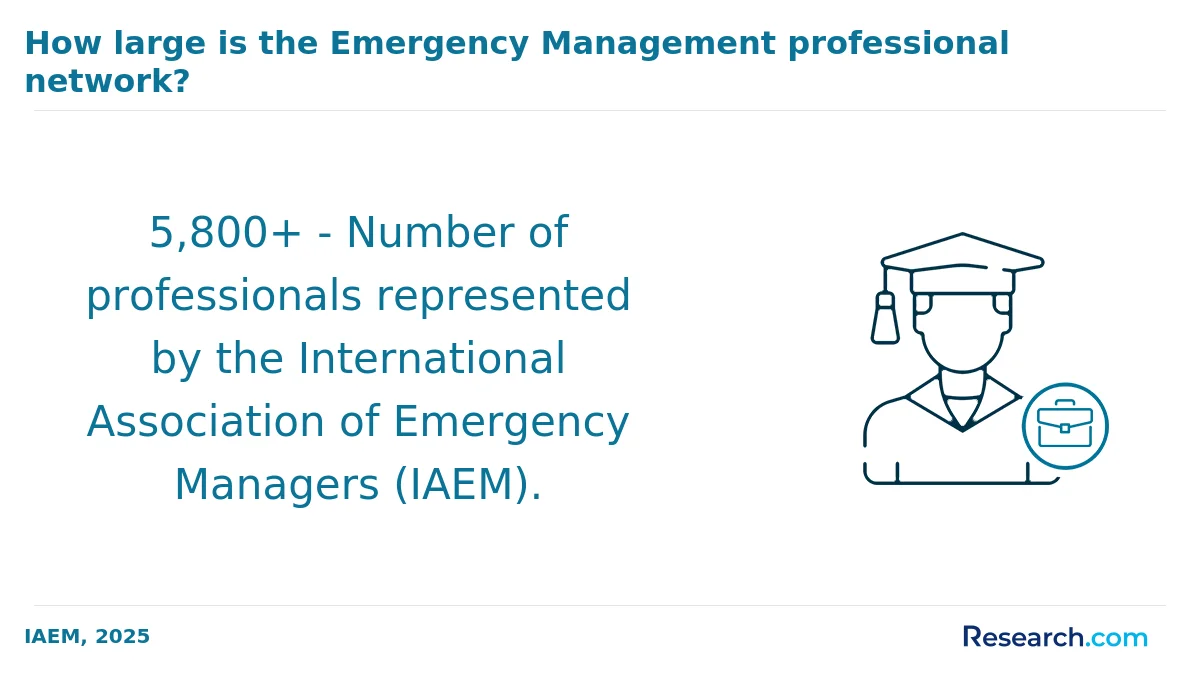
Certifications such as Certified Emergency Manager (CEM) enhance job prospects by demonstrating professional competence. Additionally, joining organizations like the International Association of Emergency Managers (IAEM) provides networking opportunities and access to job listings. Developing strong communication and leadership skills is also critical for success in this field.
Employers seeking graduates with online emergency management degrees in America prioritize a blend of technical and interpersonal skills. According to the Federal Emergency Management Agency (FEMA), strong analytical abilities are essential for assessing risks and developing effective disaster response plans. Communication skills are equally valued, as professionals must coordinate across agencies and inform the public.
Critical thinking and problem-solving stand out as key competencies, enabling graduates to adapt in high-pressure situations. Additionally, familiarity with Geographic Information Systems (GIS) and emergency management software enhances job readiness. Leadership and teamwork also rank highly, reflecting the collaborative nature of emergency response in the U.S.
These skills reflect the evolving demands of emergency management roles across federal, state, and local agencies, which anticipate a 6% job growth through 2031, per the U.S. Bureau of Labor Statistics.
Finding internships relevant to an emergency management degree in America involves strategic research and networking. Many universities offering online emergency management programs maintain partnerships with federal agencies like FEMA, state emergency offices, and local governments. These organizations frequently provide internship opportunities tailored to students.
Additionally, the Federal Emergency Management Agency (FEMA) offers the Emergency Management Institute's independent study courses and sometimes internship programs, which can be valuable for experience. According to the U.S. Bureau of Labor Statistics, internships improve job prospects in this competitive sector.
Students should also explore professional organizations such as the International Association of Emergency Managers (IAEM), which hosts internship listings and connects students with experts.
Career services at educational institutions and dedicated online job boards specific to emergency management also serve as helpful resources for locating internships nationwide.
An online emergency management degree in America significantly enhances career mobility and advancement opportunities. According to the U.S. Bureau of Labor Statistics, employment of emergency management directors is projected to grow 9% from 2022 to 2032, faster than the average for all occupations. With an accredited online degree, professionals can qualify for roles in government agencies, healthcare, private sector, and nonprofit organizations nationwide.
The flexibility of online programs allows working professionals to gain specialized skills in disaster preparedness, risk assessment, and crisis communication without disrupting their careers. This educational credential often leads to higher earning potential; the median annual wage for emergency management directors was $79,740 in 2022.
Studying for an emergency management degree in America equips students with interdisciplinary skills essential for effective disaster response and recovery. Programs integrate knowledge from public safety, environmental science, public health, and logistics, preparing graduates to coordinate with diverse agencies.
The Federal Emergency Management Agency (FEMA) emphasizes collaboration between government, private sector, and community organizations. American online degrees reflect this by including courses on policy development, risk assessment, and crisis communication.
According to the Bureau of Labor Statistics, emergency management roles require adaptability and a broad skill set, which these programs foster through case studies and practical scenarios. This interdisciplinary approach ensures graduates can manage complex emergencies across multiple sectors.
When choosing between a thesis and a non-thesis online emergency management degree in America, consider your career goals. Thesis programs require original research and can prepare students for roles in policy development or doctoral studies. Non-thesis tracks focus more on practical skills and may be faster to complete, appealing to professionals seeking immediate workforce advancement.
The Council for Higher Education Accreditation (CHEA) reports that about 40% of emergency management master's programs offer both options. Employers such as FEMA value applied skills but also recognize research experience, especially for analyst positions.
Cost and time commitment also differ, with thesis programs typically lasting longer and sometimes involving additional fees.
American students interested in studying emergency management abroad through online programs have limited direct options due to accreditation and transferability challenges. Most U.S. institutions offering emergency management degrees collaborate with international partners, enabling students to access curricula with a global perspective while remaining enrolled in their home university. According to FEMA and the Bureau of Labor Statistics, emergency management in the U.S. emphasizes local and federal response strategies, which differ from some international approaches.
Students may consider programs with global disaster response modules or virtual exchange elements to gain international insight without leaving the country.
Careful review of accreditation is essential, as most U.S. employers prefer degrees from regionally accredited institutions.
Students pursuing an online emergency management degree in America can benefit from several part-time job opportunities that enhance their practical skills. Positions such as emergency communications dispatchers, security officers, and volunteer coordinators provide valuable experience in crisis response and coordination. According to the U.S. Bureau of Labor Statistics (BLS), emergency management-related roles are projected to grow 7% from 2021 to 2031, faster than average for all occupations.
Additionally, internships or part-time roles with local government agencies or nonprofits involved in disaster preparedness offer hands-on learning. These roles complement academic knowledge by developing skills in risk assessment and public safety communication. Combining work and study proves effective for students aiming to enter the emergency management field.
Online emergency management students in America have access to diverse networking opportunities designed to enhance their careers. Many universities offer virtual events, including webinars and discussion forums, allowing students to connect with faculty and professionals nationwide. Additionally, student chapters of organizations like the International Association of Emergency Managers (IAEM) provide online platforms for collaboration and mentorship.
Peer networking is also common through group projects and alumni networks. According to the IAEM, more than 60% of emergency management professionals value professional associations for career growth. Online students benefit from industry conferences, often available via livestream, expanding their professional circles without geographic limits.
Alumni networks play a crucial role for students pursuing online emergency management degrees in America. These networks provide access to experienced professionals who can offer mentorship, job referrals, and career advice. According to the Council of State Governments, nearly 60% of emergency management jobs are obtained through networking connections, highlighting the value of these relationships.
Online students benefit by connecting with graduates across the country, expanding their professional reach. Alumni events and online platforms foster collaboration, which is vital in emergency management, where coordination is key.
Moreover, alumni often share real-world insights on certifications like FEMA courses, helping students align education with workforce needs.
Customizing an online emergency management degree in America allows students to align their studies with specific career goals. Many programs offer elective courses in areas such as disaster recovery, homeland security, or public health emergencies. Selecting these electives helps tailor skills to desired specialties within the field.
Additionally, some universities provide options for certificates or concentrations alongside the main degree. According to the Federal Emergency Management Agency (FEMA), proficiency in areas like risk assessment and crisis communication enhances job readiness.
Internships or capstone projects available through programs also enable practical experience directly related to a student's career interests.
Online emergency management students in America often face challenges related to balancing coursework with professional and personal responsibilities. Since many learners are working adults-according to the National Emergency Management Association, nearly 70% of those enrolled in such programs hold full-time jobs-time management becomes a critical issue.
Another common hurdle is limited hands-on experience. Emergency management requires practical skills, yet online formats may offer fewer opportunities for field exercises or simulations compared to traditional programs. This gap can affect students' readiness for real-world crisis situations.
Technical difficulties and inconsistent access to reliable internet also impact many students, especially in rural areas. Finally, navigating complex federal and state regulations through remote learning can add to the difficulty, requiring careful guidance and up-to-date resources.
Graduates with an online emergency management degree in the United States can pursue various professional certifications that enhance career prospects. One widely recognized credential is the Certified Emergency Manager (CEM) granted by the International Association of Emergency Managers (IAEM). This certification requires relevant work experience, education, and passing a comprehensive exam. According to IAEM, CEM holders often see improved job opportunities and salary potential.
Another valuable certification is the Associate Emergency Manager (AEM) for those earlier in their careers. Additionally, the Federal Emergency Management Agency (FEMA) offers the Professional Development Series (PDS), which helps build foundational skills in emergency management.
These certifications align well with degrees completed online and support professional advancement in sectors like government, healthcare, and private industry. Earning a credential signals commitment and competence to employers nationwide.
To write a winning application for an online emergency management program in America, begin by clearly demonstrating your commitment to public safety and disaster response. Highlight any relevant experience, such as volunteering or work with emergency services agencies, which strengthens your profile.
Evidence of strong communication skills is essential, as emergency managers must coordinate multiple organizations during crises. Emphasize your ability to analyze and solve problems effectively, referencing any examples.
Most programs require a personal statement. Use this space to explain your motivations, career goals, and why you chose online learning.
Lastly, submit all required documents carefully, including transcripts and letters of recommendation, to meet program standards and deadlines.
The field of emergency management is increasingly viewed as a crucial profession worldwide due to rising natural disasters and complex emergencies. In the United States, professionals trained through online emergency management degrees emphasize preparedness, response, recovery, and mitigation strategies that align with global standards set by organizations like the United Nations Office for Disaster Risk Reduction (UNDRR).
Globally, emergency management careers often require understanding cross-border collaboration and international humanitarian laws. According to the Federal Emergency Management Agency (FEMA), the U.S. workforce in this sector is expected to grow by 6% from 2021 to 2031, reflecting growing demand domestically and abroad.
Online programs in America provide students with knowledge applicable to global frameworks, helping graduates operate effectively in multinational contexts. This global perspective enhances career prospects by aligning U.S.-based education with international needs and disaster trends.
Gaining practical experience while studying for an online emergency management degree in America is essential for career readiness. Many programs encourage internships with local emergency management agencies, public health departments, or nonprofit organizations. Internships often provide hands-on experience in disaster planning, response, and recovery.
The Federal Emergency Management Agency (FEMA) offers the Student Volunteer Program, allowing students to earn experience during disasters and exercises. Additionally, some universities incorporate simulation exercises or virtual labs into their online curricula, offering practical scenarios.
Networking through professional associations like the International Association of Emergency Managers (IAEM) can also open doors to mentorship and job shadowing opportunities.
Choosing the right concentration within an online emergency management degree program in America depends on your career goals and interests. Common concentrations include disaster preparedness, homeland security, risk analysis, and public health emergency management. According to the Federal Emergency Management Agency (FEMA), specialization in areas like cyber threats or natural disaster response is increasingly valuable due to evolving risks.
Consider the job market in your region. The U.S. Bureau of Labor Statistics projects a 6% growth in emergency management jobs from 2022 to 2032, with demand high for specialists in crisis communication and planning.
Review program curricula carefully to ensure courses align with your intended field. Accreditation, faculty expertise, and internship opportunities also matter for gaining practical skills.
Top Trending Emergency Management Rankings
References
- Emergency Management Degree Online | Training Programs & Information https://www.firescience.org/emergency-management-degree-programs-online/
- Search icon https://waldorf.edu/degree-programs/bachelors/ba-emergency-management/
- The evolving field of emergency management: Perspectives from big city emergency managers | HazNet https://haznet.ca/evolving-field-emergency-management-perspectives-big-city-emergency-managers/
- Develop an emergency management plan | business.gov.au https://business.gov.au/planning/business-plans/develop-an-emergency-management-plan
- Writing an Emergency Management Plan - JAM Training Services https://jamtrainingservices.com/portfolio/writing-an-emergency-management-plan/
- How a Strong Alumni Network Can Benefit Students https://www.pacificu.edu/blog/how-strong-alumni-network-can-benefit-students
- How to Become an Emergency Management Specialist https://www.publichealthdegrees.org/careers/emergency-management-specialist/
- Study abroad in Gainesville, United States: Most popular universities for Emergency & Disaster Management. https://englishtestportal.com/studyabroad/united-states/gainesville/emergency-disaster-management
- Alumni Network https://www.albany.edu/cehc/people/alumni-network
- 14 Best Disaster Management courses abroad 2026 https://www.hotcoursesabroad.com/study/training-degrees/international/subject/Disaster+Management/sin/ct/page/2/programs.html