2027 Career Paths with an Emergency Management Master's Degree Explained

Co-Founder and Chief Data Scientist
The career landscape for professionals with a emergency management master's degree is shifting as employers prioritize specialized graduate expertise in leadership, analytical problem-solving, and industry-specific technical skills. Advanced programs develop capabilities suited for strategic operational roles, regulatory compliance, and interdisciplinary coordination, reflecting real-world demands involving GIS technologies, risk assessment software, and FEMA guidelines. According to the National Center for Education Statistics, enrollment in online graduate emergency management programs increased by over 25% between 2020 and 2023, signaling greater flexibility for working adults and greater responsiveness to workforce mobility. This article explores various career trajectories linked to this degree and aids readers in assessing their fit within evolving professional contexts.
Key Things to Know About Career Paths With a Emergency Management Master's Degree
- Specialized knowledge in emergency management accelerates leadership roles in high-stakes government and private sectors, but requires balancing operational demands with ongoing crisis-response training commitments.
- With a 15% projected workforce growth through 2030 from the Bureau of Labor Statistics, employers increasingly seek graduates versed in advanced risk mitigation and interagency coordination skills.
- Rising online program enrollments indicate improved access for working adults, though extended completion times and tuition costs may affect the net return on investment depending on career stage.
What Can You Do With a Emergency Management Master's Degree?
Choosing a career with an emergency management master's degree involves understanding the practical scope and long-term professional tradeoffs of various roles. Graduates must weigh technical specialization against broader leadership demands while navigating sectors with different cultures, funding stability, and operational tempo.
Skills acquired in these programs position candidates for diverse opportunities, but the context of employment, public agency versus private corporation, for instance, significantly influences responsibilities and growth potential. Below are key career directions illustrating how this degree shapes professional realities in the field.
- Emergency Management Specialist: This role demands granular expertise in risk assessment and disaster mitigation, often requiring hands-on coordination during crises. While entry-level positions are accessible, advancement depends heavily on demonstrated operational competence and situational agility within layered government or NGO structures.
- Disaster Response Coordinator: Focused on real-time incident management, this position requires robust communication and logistical skills under pressure. Career success here hinges on an ability to integrate multi-agency collaboration swiftly; however, the job often entails irregular hours and high stress that can affect long-term retention.
- Homeland Security Analyst: Graduates specializing in intelligence and threat analysis find roles assessing vulnerabilities and informing policy decisions. This path favors analytical rigor and political acuity, often with greater emphasis on interagency information sharing and legislative impacts rather than direct field operations.
- Continuity Planner: Concentrating on business or government continuity, professionals in this area develop strategies to maintain critical functions during disruptions. The role blends strategic foresight with practical contingency planning, often in private industry, offering more stable schedules but requiring constant updates to evolving risk scenarios.
- Government Leadership Positions: Master's degree holders often elevate to leadership roles within agencies like FEMA or state emergency offices, where oversight expands beyond operational tasks to include budget management and policy formulation. Such advancement depends on proven crisis management success and political navigation skills.
- Consulting and Policy Analysis: Some graduates leverage their expertise to advise multiple organizations on resource allocation and resilience strategies. This path provides variety and influence but demands continuous professional development and networking to sustain contract opportunities.
- Academic and Research Careers: For those interested in methodology development and training, academia offers platforms to influence emergency management paradigms. Though less lucrative, these roles contribute to shaping industry best practices and often intersect with grant-funded projects requiring rigorous data analysis.
- Certification-Focused Advancement: Holding this degree strengthens eligibility for credentials like the Certified Emergency Manager (CEM), which can be decisive in certain hiring or promotional decisions. Employers frequently use such certifications as proxies for verified skills, underscoring the need to combine academic credentials with recognized professional validation.
For professionals exploring job opportunities following an emergency management master's degree, navigating the tradeoffs between sector, role specialization, and leadership trajectory is critical to aligning career choices with long-term expectations and industry demands. Those seeking more flexible arrangements or less operational pressure may favor strategic planning or consulting, while candidates drawn to high-intensity environments often pursue direct response or coordination roles.
Understanding these distinctions is essential to making informed decisions about pursuing an emergency management master's degree career opportunities that best fit individual circumstances and market realities. To explore how this degree compares in terms of accessibility and outcomes, consider this detailed resource on the easiest masters degree to get.
What Are the Highest-Paying Careers With a Emergency Management Master's Degree?
Compensation in emergency management careers closely reflects the interplay of sector specialization, leadership responsibilities, and evolving risks that organizations face. Choosing between roles with heavy operational command versus those emphasizing technical or consulting expertise can result in significantly different salary trajectories and long-term growth opportunities.
Candidates must weigh how industry sector volatility and geographic location affect earning potential and job security.
- Emergency Management Director: This role commands some of the highest salaries due to its strategic oversight of disaster response across government agencies, healthcare systems, or large corporations. Directors leverage advanced leadership skills and stakeholder coordination, often operating under high-pressure scenarios, which justify premium compensation especially in metropolitan or critical infrastructure sectors.
- Cybersecurity Risk Analyst/Disaster Recovery Manager: Combining emergency management principles with technical cyber risk expertise, these professionals address escalating threats in finance, technology, and other private industries. Their ability to anticipate and mitigate system failures or cyberattacks positions them for salaries that reflect the specialized hybrid skill set increasingly sought in corporate contingency planning.
- Emergency Management Consultant: Experienced consultants deliver tailored risk assessments, resilience strategies, and training programs across multiple organizations. They often command high hourly or project rates, reflecting not only specialized knowledge but the ability to influence diverse operational environments and compliance standards.
While the financial rewards in these careers can be substantial, they depend heavily on combining advanced education with practical experience and relevant certifications. Employers prioritize candidates who demonstrate strategic communication, data-driven decision-making, and crisis leadership along with technical competencies.
For professionals navigating career decisions in this field, understanding these tradeoffs and aligning education choices with targeted roles and market demands is essential to realize long-term career and salary potential.
Which Industries Hire Graduates With a Emergency Management Master's Degree?
Graduates holding a master's degree in emergency management frequently enter sectors where crisis mitigation and operational resilience are paramount, yet their roles diverge significantly by industry demands and organizational scale. In government agencies, these professionals engage in high-stakes coordination during natural or man-made disasters, often relying on established protocols and interagency collaboration.
Private sector employers, by contrast, prioritize risk analytics, regulatory compliance, and business continuity planning, with fields like healthcare and energy valuing technical depth in infectious disease response or infrastructure security. Advancement trajectory and compensation often vary by the degree to which a role integrates strategic policy implementation versus hands-on operational leadership, requiring candidates to weigh specialization paths carefully against the specific competencies emphasized by prospective employers.
For example, an emergency management specialist focusing on transportation infrastructure may develop skills in rapid incident recovery and logistical coordination that differ markedly from those needed for insurance risk assessment or nonprofit disaster relief management.
Industry-specific hiring preferences also shape workforce outcomes, with certifications and professional experience playing pivotal roles in determining employability and progression. Government roles typically reward those with experience in public safety protocols and crisis communication, while private firms often seek candidates adept in technical risk analysis and cybersecurity threats.
These differing expectations can influence work environment preferences, such as the relative stability and long-term benefits found in public agencies versus the project-driven, sometimes siloed culture within consulting or corporate settings. Moreover, balancing hands-on emergency response skills with policy development acumen becomes critical for professionals aiming to pivot between sectors or to assume leadership positions.
Therefore, graduates should evaluate how their targeted industry aligns with their expertise and career ambitions to avoid potential stagnation or mismatch in organizational roles.
Employment growth for careers requiring a master's degree in Emergency Management is notably influenced by evolving threats such as climate change and increasingly complex disaster scenarios. The U.S. Bureau of Labor Statistics projects a 6% growth rate for emergency management directors from 2022 to 2032, slightly outpacing average occupation growth and reflecting rising demand in public and private sectors.
This trend is strongest in regions prone to natural disasters or with critical infrastructure needing resilient planning. Graduates entering this field should expect a competitive landscape for leadership roles, where practical experience complements academic credentials and often determines hiring outcomes.
In particular, professionals who merge strategic risk assessment with technical skills in data and communication technologies are better positioned to lead complex emergency responses in government agencies and sectors like healthcare and energy.
For those evaluating the job outlook for careers requiring an Emergency Management master's degree, specialization and regional market dynamics profoundly impact salary trajectories and advancement opportunities. Regulatory compliance and community risk reduction initiatives have intensified, pushing employers to value those who can navigate both policy and operational demands.
Salary improvements are closely tied to seniority and sector, with public agencies generally offering stability, whereas private sector roles may offer higher earnings but with less job security. Candidates should consider how evolving organizational needs and institutional retirements shape openings, emphasizing the value of demonstrated leadership and cross-disciplinary expertise.
Prospective students might also explore complementary credentials that enhance marketability, much like options available in executive MBA programs, which can broaden strategic and management capabilities relevant in this sector.
Earning a master's degree in emergency management can position graduates for a spectrum of career trajectories, but immediate access to advanced roles often hinges on prior professional experience and sector-specific expertise. Entry-level positions such as emergency management specialist, disaster recovery coordinator, or public safety officer primarily involve operational support functions, coordination across agencies, and implementing preparedness initiatives.
These roles serve as foundational steps where analytical skills and understanding of incident response protocols are essential, yet typically offer limited decision-making authority and moderate compensation. According to BLS data from 2024, demand in these entry-level roles is projected to grow steadily, reflecting the ongoing need for frontline crisis management staff who can manage complex logistics under pressure.
Transitioning into senior roles like emergency management director or risk assessment manager usually requires demonstrated leadership capabilities, strategic planning acumen, and often industry-recognized credentials such as the Certified Emergency Manager (CEM). Individuals in these positions oversee large-scale emergency programs, develop risk mitigation strategies, and engage in high-level stakeholder collaboration, with median salaries around $88,000 as reported in 2023, although these figures vary by region and organizational size.
Not all employers afford equal weight to a master's degree alone; many expect a blend of advanced education, relevant field experience, and certifications before entrusting candidates with significant operational responsibility.
For students, recognizing this dynamic is critical-while a master's facilitates advancement, complementing academic credentials with applied experience and specialization can be decisive in accessing leadership roles and enhancing long-term career mobility within public safety, healthcare, or private sectors.
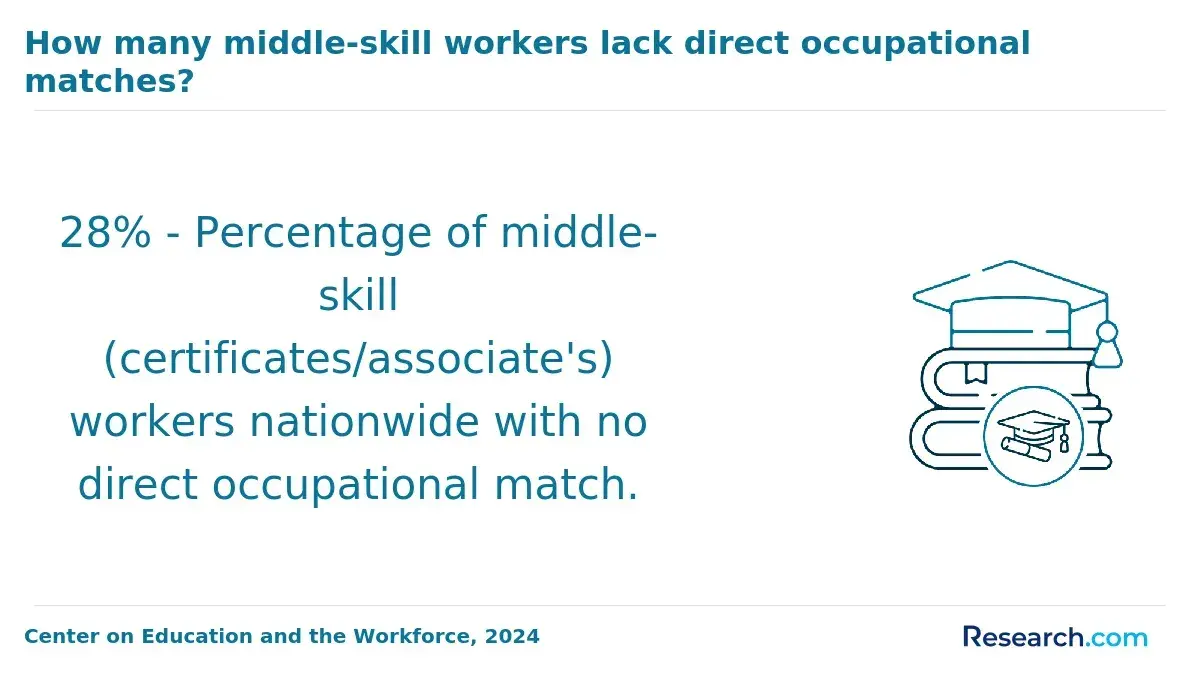
An emergency management master's degree can effectively support professional repositioning by providing candidates from unrelated fields with critical, industry-specific knowledge and skills needed to enter emergency management roles. Employers often require domain expertise in disaster response, risk assessment, or resilience planning, making the degree essential for bridging such experience gaps.
However, the value of the degree varies significantly depending on prior professional experience and chosen specialization; for example, those without relevant work history may still face barriers despite academic credentials. Practical components like internships or practicum placements embedded in many programs are crucial, offering real-world exposure and networking potential that influence hiring decisions.
Tuition for emergency management programs with rolling admissions typically ranges from $10,000 to $40,000, a factor candidates should weigh against anticipated salary shifts when considering career change opportunities with an emergency management master's degree.
For professionals transitioning from adjacent sectors such as public safety or health administration, the degree often functions as leverage to move into leadership or technical roles specific to emergency preparedness. These students benefit from augmenting transferable skills while adapting to the culture of emergency management.
Career change tradeoffs include potential salary resets when entering early or mid-level positions and the need to acquire additional licenses or continuing education in specialized tracks. Employer perception of graduate credentials is generally positive but tempered by the need for demonstrable applied skills and certifications.
The long-term career implications depend on successful integration into professional networks and sectors, which can take years to establish. Prospective students should also explore options like online MBA programs under 30k as alternative pathways when cost and flexibility are priorities in professional transition planning.
Leadership roles stemming from a master's degree in emergency management vary significantly depending on the sector and organizational focus. In public agencies, for example, graduates often take on supervisory or mid-level management positions where interpreting federal regulations, coordinating multi-agency response plans, and overseeing disaster preparedness programs demand both technical expertise and strategic oversight.
Conversely, private sector roles may prioritize business continuity, risk mitigation, and compliance, requiring managers to integrate emergency planning within broader organizational goals. As leadership responsibility increases, so does accountability for resource allocation, stakeholder communication, and performance outcomes.
It is common for employers to expect candidates for these roles to possess certifications or a demonstrated track record of managing cross-functional teams, reflecting a blend of operational command and executive decision-making skills.
The trajectory toward senior leadership in emergency management is not uniform across fields and often requires navigating tradeoffs between hands-on technical work and broader policy or administrative duties. Many industry roles emphasize the ability to direct multiple projects concurrently, balancing budget constraints and personnel management while adapting to evolving threats and regulatory frameworks.
Promotion eligibility and compensation typically improve with increasing scope, but so does exposure to complex stakeholder demands and risk liabilities. For instance, government managers leading disaster recovery departments must engage in long-term community resilience planning, necessitating a strategic perspective that differs markedly from the tactical orientation of frontline supervisors.
Such distinctions highlight the necessity for graduates to align their career aspirations with the specific operational cultures and advancement paths typical of their target industry.
Employers hiring graduates with a master's degree in emergency management prioritize advanced technical and leadership skills directly tied to operational effectiveness in crisis scenarios. Proficiency in tools like GIS mapping, incident command systems (ICS), and emergency communication platforms is essential not only for hazard identification but also to streamline resource allocation and maintain real-time situational awareness.
These technical competencies are often evaluated through scenario-based exercises and simulations during graduate programs, which reflect real-world high-pressure environments. Analytical abilities, including vulnerability assessment and impact forecasting, enable professionals to translate raw data into actionable plans.
Graduates demonstrating these skills typically command higher starting salaries, with mid-career compensation often exceeding national averages for emergency response roles by 15 to 25%, reflecting their capacity to manage complex, interdisciplinary workflows and regulatory compliance across federal, state, and local levels.
Leadership and interpersonal skills hold distinct value depending on sector and seniority. Public agencies tend to emphasize interagency coordination, regulatory mastery, and crisis leadership, while private sector roles may prioritize business continuity planning and risk financing expertise.
Effective negotiation, stakeholder engagement, and conflict resolution skills are critical, especially for roles involving collaboration with nonprofits and community groups. Graduates lacking these relational and strategic competencies often face stagnation in entry-level positions, challenged further by rapid technological advances shaping emergency response and humanitarian logistics.
The ability to adapt to evolving tools and lead diverse teams in fluid operational settings defines which candidates advance into higher-paying, senior emergency management positions involving broader strategic foresight and influence.
Remote and flexible careers in emergency management are realistically limited by the operational demands and industry-specific requirements of the field. Positions focused on strategic planning, data analysis, and policy development are more likely to accommodate hybrid or remote work arrangements, particularly when secure digital communication platforms are employed. For example, mid-career professionals in corporate risk management or consulting often balance virtual oversight with periodic site visits, enabling work-life integration but sometimes accepting tradeoffs in direct incident command experience.
Compliance mandates and real-time collaboration needs restrict remote work in government or public safety roles, where on-site presence supports immediate response and security protocols. While independent consultants leveraging an emergency management master's degree gain notable autonomy, they must navigate client expectations in largely contract-based settings, which often lack the structured support of institutional roles.
The sector and employer shape variability in flexibility, with private organizations typically offering more adaptive scheduling than public agencies. The ability to manage projects remotely depends on interoperable technology and data access, yet many operational and training functions require physical presence.
Enrollment data from 2024 suggests that a growing share of students pursuing an emergency management master's degree prioritize programs with hybrid learning options, aligning with broader workforce trends favoring adaptable roles. However, these flexible jobs with an emergency management master's degree often demand advanced digital collaboration skills and may involve geographic mobility to maintain career momentum.
Professionals considering this pathway should evaluate whether their specialization and sector choice will support their preferred balance of remote work and field engagement, keeping in mind how these factors affect compensation and advancement over time. For those assessing options, exploring degrees for seniors can provide insight into flexible learning paths that accommodate shifting professional and personal priorities.
Certifications and licenses significantly enhance career outcomes for graduates holding a master's degree in emergency management by differentiating candidates in competitive fields and clarifying operational roles. While certifications such as the Certified Emergency Manager (CEM) are technically optional, they often become de facto requirements for leadership positions within federal agencies or large city governments due to their validation of expertise and commitment.
In practice, a professional aiming for advancement in a municipal emergency operations center will find that lack of industry-preferred credentials-like FEMA Emergency Management Institute certifications-may limit eligibility for specialized roles, particularly those involving hazardous materials response or public health emergencies. These credentials confer not only enhanced technical specialization but also alignment with regulatory compliance and interagency trust, which employers weigh heavily in hiring decisions.
For example, a 2024 industry survey showed that approximately 70% of senior emergency management roles in government preferred candidates holding at least one specialized certification, underscoring their role in salary differentiation and job security.
The landscape of emergency management licensing requirements in the United States remains narrow but critical, primarily in fields overlapping with hazardous materials and public safety communications. Licenses here are legally mandatory, reflecting strict regulatory controls rather than professional preference. Failure to secure these licenses can bar professionals from essential functions, particularly in highly regulated environments such as transportation safety or chemical plant emergency response.
This creates a practical tradeoff: maintaining licenses often entails ongoing training and periodic recertification, which may increase workload but is necessary to sustain employability and legal compliance. For career changers and working professionals, strategically pairing a master's degree with targeted certifications or licenses enhances credibility and opens doors that might otherwise be closed.
Those considering their educational pathways should consult current employer practices and anticipate these credential expectations, as highlighted in recent discussions on the value of top online MPA programs, to align academic investment with real-world workforce demands.
What Graduates Say About Career Opportunities With a Emergency Management Master's Degree
- Caiden: "Balancing a full-time job and my master's program was tough, especially since I needed to limit additional expenses. I chose an online emergency management degree for its flexibility and cost-effectiveness. While I didn't land a traditional government role immediately, the internship I completed provided practical skills that helped me secure a project coordinator position at a nonprofit focused on disaster response."
- Remington: "After switching careers from logistics, I faced the challenge of catching up on field-specific certifications alongside the master's curriculum. I decided to prioritize programs with strong industry connections, which paid off with a competitive internship where I built a solid portfolio. However, I've noticed many employers still favor candidates with active licensure for higher-level jobs, so I'm planning to pursue additional credentials to advance further."
- Adrian: "Given the increasing demand for remote work, the decision to enroll in a program known for its virtual collaboration experience was critical. Balancing coursework and family commitments was demanding, but the program's focus on real-world simulations and teamwork prepared me well. Although salary growth has been slower than anticipated without certifications, I landed a remote analyst role that offers a good work-life balance and opportunities to develop further."
Other Things You Should Know About Emergency Management Degrees
In 2027, program reputation significantly influences employer perceptions and career advancement for emergency management graduates. Employers often prioritize candidates from renowned programs due to their demonstrated academic rigor and industry connections, which can lead to more promising career opportunities and upward mobility in emergency management fields.
Programs that integrate hands-on simulations, internships, or partnerships with emergency response agencies generally lead to stronger employer recognition and smoother transitions into operational roles. Purely theoretical programs risk leaving graduates underprepared for the dynamic, high-pressure environments common in emergency management jobs. Those facing time or logistical constraints should prioritize programs offering embedded practica or fieldwork, as real-world experience significantly influences hiring decisions and initial job performance.
Emergency management graduate programs often involve intensive coursework, group projects, and time-sensitive simulations that can conflict with full-time employment, especially in fields requiring irregular hours. Students balancing work and study must realistically assess whether a program's pacing and structure permit sustainable progress without burnout. Programs offering asynchronous learning and flexible deadlines tend to better accommodate professionals, but such formats may sacrifice networking and experiential opportunities critical for career advancement.
Many 2027 emergency management master's programs require 120 to 300 supervised practicum or internship hours. Students usually complete fieldwork with local emergency management offices, hospitals, or public safety agencies to meet competency standards and document applied planning, response, and recovery skills.
- 2025 Most Affordable Online Master's Programs in Emergency Management https://www.onlineu.com/most-affordable-colleges/emergency-management-masters-degrees
- Online Master of Science in Management: Emergency Management https://www.umgc.edu/online-degrees/masters/emergency-management
- Best Online Master’s Degree Programs in Emergency Management https://www.onlinemastersdegrees.org/best-programs/emergency-management/
- Top 30 Most Affordable Online Masters in Emergency Management https://www.bestcollegesonline.org/most-affordable/online-masters-emergency-management/
- Master’s in Emergency Management Online https://www.snhu.edu/online-degrees/masters/ms-in-management/emergency-management
- What skills can be gained from emergency management courses? https://m.umu.com/ask/q11122301573853762300
- Online masters in emergency management named 'best in leadership' https://ecampus.uaf.edu/online-masters-in-emergency-management-named-best-in-leadership/
- Career Opportunities Provided by an Emergency Management Degree https://sopa.tulane.edu/blog/career-opportunities-provided-emergency-management-degree
- Online Master's Degrees in Emergency Management: Find Your School https://www.publicservicedegrees.org/online-degrees/emergency-management-programs/masters/
- Master of Science in Emergency Management https://online.newhaven.edu/masters-in-emergency-management/