2027 Highest-Paying Emergency Management Master's Specializations Ranked

Co-Founder and Chief Data Scientist
Differences in compensation across emergency management master's specializations increasingly reflect structural labor market dynamics rather than simple distinctions in expertise. Specializations tied to evolving regulatory frameworks or advanced technical skills command higher salaries due to credentialing demands and limited talent pools. Meanwhile, those focused on coordination or community resilience may see broader role dispersion and more variable pay scales.
Geographic concentrations of disaster risk and sector-specific funding also shape earnings, while leadership-track pathways often require extended experience beyond academic credentials. This article analyzes these multifaceted factors to offer a grounded comparison of emergency management master's specializations through the lens of salary trends, workforce alignment, and career trajectory considerations.
Key Benefits of the Highest-Paying Emergency Management Master's Specializations
- Specializations in disaster resilience show a rising 15% demand increase (2024), reflecting organizational prioritization of adaptive strategies-students must weigh longer, costlier coursework against strong midcareer shifts.
- Cybersecurity-focused emergency management aligns with employer needs to protect critical infrastructure, limiting opportunities for those lacking technical backgrounds despite lucrative prospects.
- Healthcare emergency management specializations offer rapid entry due to cross-industry familiarity but entail narrower advancement paths, influencing long-term career trajectory compared to broader options.
What Are the Top-Paying Careers for Emergency Management Master's Graduates?
Salary variation among Emergency Management master's graduates reflects how well their specializations align with evolving labor market demands and organizational priorities. Compensation at the upper end typically stems from deep technical expertise, command over regulatory compliance, and roles carrying significant operational and strategic risk management responsibilities. Economic pressures, technological complexity, and high-stakes accountability often separate the highest-paying careers from those with more generalized emergency management duties.
- Emergency Management Director ($90,000-$140,000): These senior leaders command top salaries by orchestrating multi-agency preparedness and response operations across large jurisdictions or corporations. According to Glassdoor and the U.S. Bureau of Labor Statistics, elevated pay reflects their critical decision-making burden, high-impact crisis responsibility, and the necessity for integrating diverse stakeholder interests in real time.
- Homeland Security Specialist ($85,000-$130,000): As national security priorities intensify, specialists skilled in terrorism risk assessment and emergency preparedness are in strong demand. Their salaries mirror the scarcity of professionals who blend emergency management with intelligence and threat mitigation, often holding security clearances that restrict the qualified candidate pool.
- Cybersecurity Analyst ($85,000-$130,000): With cyber threats emerging as key disruptors in infrastructure security, analysts who couple cybersecurity expertise with emergency management command premium compensation. This niche role involves continuous technical skill upgrades and rapid incident response capabilities prized by both government and corporate employers.
- Disaster Recovery Consultant ($75,000-$120,000): Organizations facing significant operational risk rely on these consultants to craft robust recovery strategies that minimize downtime and financial loss. Their specialized knowledge bridges technical systems restoration with strategic risk analysis, a combination that justifies their premium remuneration in both private and public sectors.
- Risk Analyst ($75,000-$120,000): Risk analysts focused on emergency management evaluate vulnerabilities that could jeopardize critical functions. Their work demands rigorous data analytics skills, mastery of compliance frameworks, and practical insight into disaster impact modeling, which drives compensation upward as these capabilities remain scarce.
- Environmental Health and Safety Manager ($80,000-$115,000): Salaries reflect the complexity of simultaneously managing compliance with environmental regulations and implementing emergency response protocols in industrial or hazardous settings. This hybrid focus requires updating with evolving legal standards and real-time operational readiness, justifying their standing in the upper salary tiers.
- Federal Emergency Management Agency (FEMA) Advisor (Above $120,000): These roles command top-tier pay partly because federal clearance requirements and national-level policy expertise narrow the candidate pool. Their influence over large-scale disaster response and grants management involves high-pressure environments where errors carry broad consequences.
- Critical Infrastructure Security Manager (Above $120,000): Managing the security of essential public and private infrastructure entails navigating complex regulatory landscapes and integrating cutting-edge technologies for resilience. Their compensation reflects the sector's risk exposure and the premium placed on leadership capable of sustaining uninterrupted service delivery under duress.
- Public Policy Analyst ($70,000-$110,000): While not always explicitly licensed emergency managers, these analysts shape regulatory and funding frameworks affecting disaster preparedness programs. Advanced quantitative skills and knowledge of legislative processes increase their value to agencies balancing safety mandates and budget constraints.
- Information Technology Specialist ($75,000-$115,000): Integrating IT infrastructure with emergency communication and response platforms is a growing specialization driving higher wages. Proficiency in both technology and emergency protocol standards enables these professionals to address evolving operational demands in critical response systems.
Graduates who strategically align their master's specialization with these complex, high-demand areas often access the highest-paying emergency management master's careers in the US. Those focused on cross-disciplinary skills, including cybersecurity, data-driven risk analysis, and public administration, can position themselves effectively for roles commanding premium compensation, reflecting labor shortages and the operational value of specialized expertise.
Evaluating accelerated bachelor degree programs with relevant foundations supports smoother transitions into such advanced specializations by providing critical interdisciplinary skills early in the educational pathway.
Which Industries Pay the Highest Salaries for Emergency Management Master's Graduates?
Variations in salary for graduates holding a master's in emergency management arise primarily from structural factors such as the economic scale of the employing industry, the operational risks involved, and the demand for specialized skills. The value of emergency management expertise markedly increases in sectors where the consequences of failure are high, compliance and regulatory needs are stringent, or where rapid response capabilities intersect with substantial financial stakes.
- Federal Government (approx. $75,000-$120,000): The top-paying sector for emergency management graduates is the federal government, driven by agencies like FEMA, DHS, and the Department of Defense. These roles command higher salaries due to the broad scope of disaster response coordination, homeland security responsibilities, and policy development. According to U.S. Bureau of Labor Statistics data, federal positions also offer stable funding and comprehensive benefits, although candidates typically must overcome rigorous security clearances and competitive hiring processes.
- Healthcare (approx. $70,000-$110,000): Healthcare systems pay premium salaries as they integrate emergency management with patient safety, regulatory compliance, and critical infrastructure protection. The pandemic highlighted the sector's need for advanced crisis planning and health emergency coordination, elevating compensation to reflect complex operational demands as supported by 2024 PayScale analytics. These positions often require interdisciplinary knowledge, combining emergency management with public health or administration.
- Energy (approx. $65,000-$105,000): The energy sector's exposure to environmental hazards, infrastructure risks, and industrial accidents justifies higher wages for emergency management graduates. Companies from oil and gas to renewables maintain significant risk mitigation budgets and invest heavily in compliance to avoid costly operational disruptions. Glassdoor's 2024 industry reports indicate this sector's volatility tempers long-term job stability but rewards specialized technical expertise.
- Private Security and Consulting Firms (approx. $60,000-$100,000): Firms offering risk assessment, business continuity, and crisis management services for multinational clients pay well due to the strategic nature of their work and required agility. Roles demand quick decision-making, sector-spanning knowledge, and travel readiness, supporting salaries that reflect these pressures as outlined in Lightcast labor market insights. However, the workload and client-facing intensity pose tradeoffs for some candidates.
- Local Government (approx. $50,000-$85,000): Though crucial for grassroots emergency readiness, local governments generally operate with constrained budgets, thus offering moderate salaries. Emergency managers here often engage directly with community resilience programs and disaster response logistics, but revenue limitations and political factors limit compensation growth, according to Robert Half 2024 workforce data.
- Transportation and Logistics (approx. $55,000-$90,000): This sector requires emergency management expertise to maintain continuity amid supply chain disruptions, infrastructure failures, and regulatory compliance with federal safety standards. The sector's complexity and the high cost of operational downtime encourage competitive pay, a pattern supported by McKinsey's recent workforce analyses.
- Telecommunications (approx. $60,000-$95,000): Telecommunications firms prioritize business continuity and rapid incident response to avoid service interruptions with broad economic impact. As networks grow increasingly complex and dependent on cybersecurity, emergency management roles have expanded, with salary trends noted by PayScale reflecting these elevated operational risks.
- Manufacturing and Industrial (approx. $55,000-$85,000): Manufacturing firms face ongoing challenges such as workplace safety, hazardous material handling, and supply chain resilience. The technical nature of these roles warrants salaries higher than average local government positions but remains below top-tier sectors due to profit margin variations, as Glassdoor analysis confirms.
- Financial Services (approx. $60,000-$90,000): Financial institutions invest in continuity planning to mitigate operational risk amid cyberattacks, natural disasters, and regulatory scrutiny. The sensitivity of data and regulatory complexity propels emergency management salaries upward, a dynamic reported in Lightcast employment trend reviews.
- Education and Research Institutions (approx. $50,000-$80,000): Although critical in disaster preparedness and safety policy design, academic and research institutions tend to offer lower salary ranges comparative to private and government sectors. Funding limitations and organizational priorities often constrain compensation scales, as Robert Half data suggests, but the roles can offer meaningful impact within controlled environments.
Which Emergency Management Specializations Have the Strongest Job Outlook?
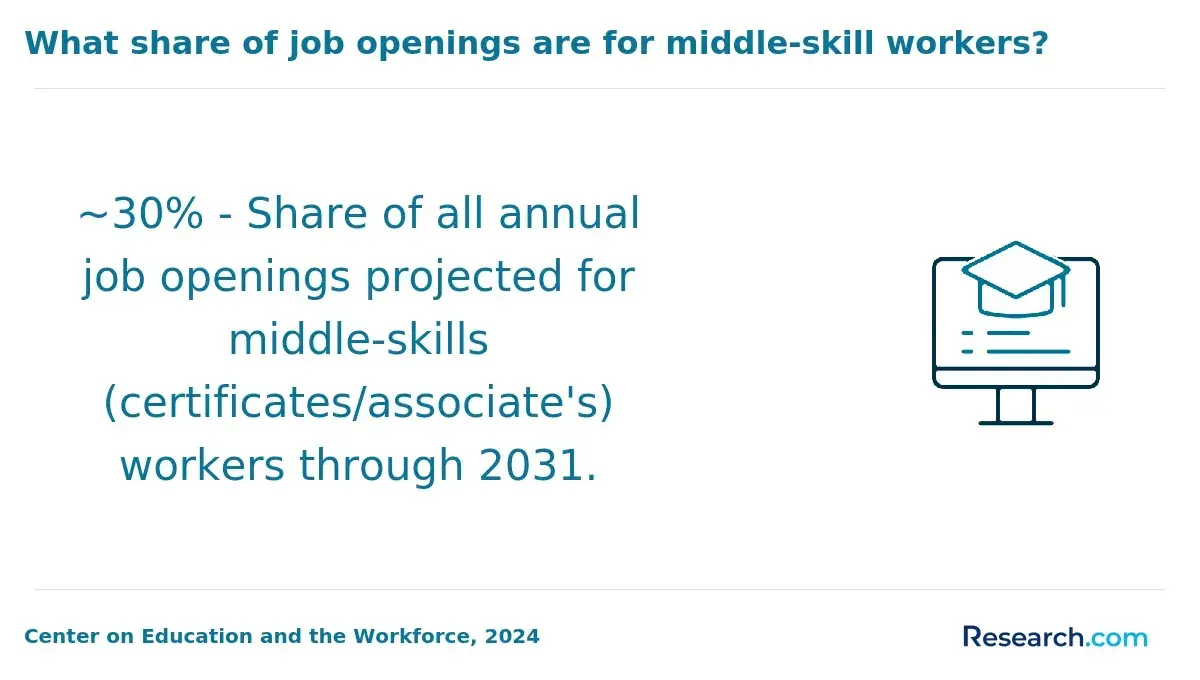
Evaluating the strength of an emergency management specialization's job outlook requires examining how well its focus areas align with evolving economic, technological, and regulatory trends rather than current employment numbers alone. Specializations tied to sectors undergoing rapid transformation or facing systemic risks tend to offer more durable demand, particularly when they equip candidates to navigate complexity, regulatory pressures, or technological disruption.
- Disaster Recovery and Resilience Planning: This specialization enjoys stable growth propelled by escalating climate threats and infrastructure vulnerabilities. According to the U.S. Bureau of Labor Statistics, roles centered on disaster mitigation and resilience strategies are projected to expand steadily as public and private organizations prioritize long-term risk management. Candidates who can integrate technical response frameworks with strategic policymaking often find broader applicability, though the field requires continuous adaptation to emerging environmental data and shifting disaster landscapes.
- Homeland Security and Counterterrorism: Despite some workforce saturation, this area maintains robust federal and state funding, underpinning a consistent hiring pipeline. Positions emphasizing advanced tech fluency and policy acumen retain high value due to persistent national security concerns that resist automation. However, the specialization demands up-to-date knowledge on security technologies and threat vectors, posing challenges for those unable to keep pace with evolving government mandates.
- Critical Infrastructure Protection: Reflecting the increasing digitization and interconnectivity of essential services, this specialization benefits from growing emphasis on cybersecurity integrated with emergency logistics. Labor market analyses reveal above-average growth here, driven by a scarcity of professionals adept at managing both physical and cyber risks in sectors like energy, transportation, and communications. While technically demanding, the dual-disciplinary skills reduce automation risk and offer cross-sector opportunities.
- Health and Medical Emergency Management: Amplified by the COVID-19 pandemic and ongoing public health crises, this niche is expanding due to stricter healthcare compliance and need for coordinated response systems. Job growth is sustained by government health initiatives and hospital system investments. Candidates must navigate complex regulatory environments and public health data, which adds layers of complexity but also bolsters long-term job stability.
Long-term salary growth in emergency management master's specializations depends more on career progression ceilings, leadership opportunity conversion, and sector evolution than on initial pay. Some fields may begin with moderate compensation but experience substantial growth as shifting labor market demands increase scarcity and elevate senior roles.
- Cybersecurity and Critical Infrastructure Resilience: This specialization leverages rising digital threat landscapes and sustained government and private investment. Workforce analyses show professionals skilled in cyber risk integration within emergency frameworks command expanding compensation over time due to a leadership pipeline that rewards technical expertise and automates-resistant roles.
- Disaster Risk Analytics and Data Modeling: Specialties in big data, GIS, and predictive analytics align with growing organizational reliance on data-driven disaster preparedness. Labor market projections indicate faster wage growth for these roles, driven by the increasing complexity of analytics and shortage of high-level talent in this niche.
- Emergency Management Leadership and Business Continuity: While growth tends to be steadier, those advancing into strategic planning and interagency coordination, particularly within finance, healthcare, and government sectors, experience meaningful salary increases. Market data suggest the leadership conversion rate here favors experienced professionals able to blend crisis command with operational continuity.
- Environmental Hazards and Climate Adaptation: Emerging demand fueled by heightened climate awareness is translating into expanding funding sources. Starting salaries may lag, but long-run growth tracks closely with public-private investment surges targeting climate-resilient emergency response, positioning this subfield for expanding career ceilings.
Prospective students weighing these options should recognize that the highest-paying Emergency Management master's specializations for career advancement often prioritize technical skills and strategic leadership that command premium long-term salary growth. For those considering a bachelor's in criminal justice or related fields, these insights provide critical perspective on which pathways yield the strongest trajectory in emergency management master's programs over time.
Salary outcomes in emergency management hinge largely on specialized skills rather than mere academic credentials. Professionals who master competencies that drive strategic decisions, demonstrate leadership in high-stakes scenarios, and navigate complex regulatory and technical environments unlock higher-paying roles and accelerated advancement compared to those with generalized knowledge.
- Risk Assessment and Mitigation: Practitioners adept at identifying and quantifying threats before they escalate fill critical organizational needs, as reflected in PayScale data showing heightened demand for advanced risk modeling expertise. This skill reduces costly disruptions, enabling holders to command premium pay tied to their preventative impact.
- Incident Command and Crisis Response Leadership: Leading multi-agency responses and making high-pressure decisions elevates one's compensation potential according to Glassdoor Economic Research, since such abilities directly affect outcomes in volatile, resource-intensive environments.
- Data Analytics and Geospatial Information Systems (GIS): Workforce studies from the U.S. Bureau of Labor Statistics confirm that fluency in data-driven tools enhances situational awareness and planning accuracy, which remain difficult to automate, thereby amplifying earning power within emergency services and related sectors.
- Policy Development and Compliance Expertise: Mastery of regulatory frameworks and policy crafting tied to federal and state mandates grants access to senior positions, as McKinsey workforce reports link this skill with strategic influence and salary premiums in government and private-sector roles.
- Communication and Stakeholder Engagement: Clear, persuasive communication that aligns diverse groups under high-stress conditions drives organizational effectiveness and promotion, making this competency a consistent marker for higher salaries in the field, supported by Lightcast labor market insights.
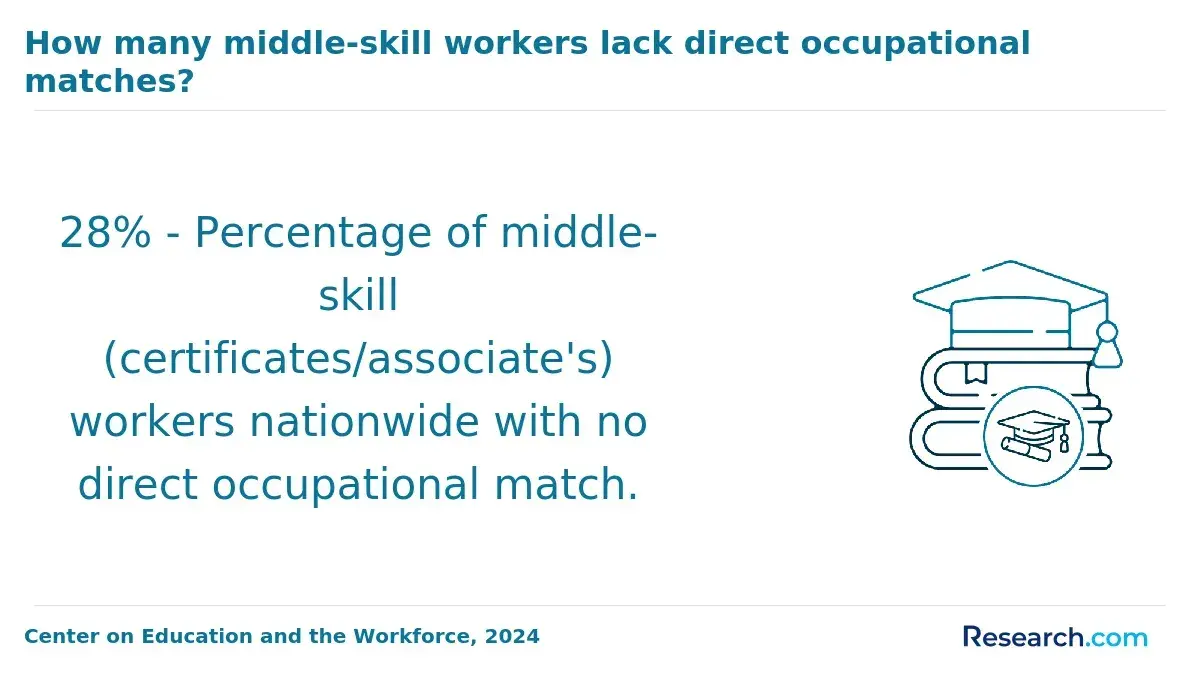
Certifications in emergency management act as strategic labor market signals that often accelerate salary growth by unlocking specialized roles, enhancing credibility in competitive hiring processes, and shortening time-to-promotion in both technical and leadership career tracks. Credentials that are aligned with industry standards and recognized by employers provide measurable advantages in compensation and career progression.
- Certified Emergency Manager (CEM): According to PayScale and Glassdoor Economic Research, the CEM credential leads to salary increases of 10-15% compared to non-certified peers. This certification signals a comprehensive understanding of preparedness, response, and recovery, combined with leadership skills highly sought after in government and private sectors. Employers often consider the CEM as a benchmark for readiness to assume senior operational roles, which correlates with higher salary brackets.
- Associate Emergency Manager (AEM): Seen as a foundational step toward the CEM, the AEM supports early-career professionals aiming to transition into emergency management from related fields. Labor market data show that holding an AEM opens eligibility for roles with greater responsibility and supervisory duties, which typically translates to incremental salary growth over time. Its role as a career accelerator makes it relevant for graduates seeking to quickly establish themselves in the field.
- Certified Hazardous Materials Manager (CHMM): This certification offers a specialized credential for professionals targeting technical roles in environmental health, industrial safety, or regulatory compliance within emergency management. Industry workforce analyses from 2024 indicate that CHMM-certified individuals can earn premiums exceeding 20%, reflecting the scarcity of qualified talent and the regulatory importance of certified expertise. The technical depth required may demand more upfront investment in study but provides access to higher-paying niche positions.
Choosing the right certification should consider alignment with career goals and relevant specialization within emergency management. Combining credentials with practical experience amplifies market value. For those exploring complementary educational credentials, such as a degree in cryptocurrency, understanding emerging fields and their certifications can broaden strategic options but should be weighed against traditional emergency management certifications that most directly boost salary potential.
Salary variations between online and campus-based master's specializations in Emergency Management hinge less on delivery format and more on program design, experiential learning opportunities, and employer recognition of skill application. Campus programs often embed internships, hands-on simulations, and peer collaboration that enhance practical experience-a factor employers associate with higher initial salaries.
A 2024 report from the National Center for Education Statistics notes that campus graduates start with salaries roughly 5% higher than their online counterparts, reflecting employer preference for immersive learning environments that signal readiness for complex emergency response roles. However, these differences diminish over time as professional experience and networking become primary salary drivers.
For working professionals pursuing online specializations, part-time pacing and concurrent employment may delay early salary gains but foster integration of real-world experience with academic learning. Campus students typically access established internship pipelines and tighter cohort networking, which can accelerate early-career opportunities and salary growth.
Yet, seasoned emergency management professionals with five or more years of relevant experience often reach salary parity regardless of degree format, leveraging accumulated expertise that employers prioritize over educational delivery mode. This dynamic underscores the importance of situating degree choice within individual career context and development stage.
Employer attitudes toward online credentials continue to evolve, with many sectors-especially those prioritizing demonstrable skills and applied project work-showing neutrality or openness when online programs incorporate strong industry partnerships. Specializations emphasizing high-demand areas such as disaster resilience or cybersecurity can further mitigate differences through niche expertise. Ultimately, salary trajectories reflect how well programs combine applied learning, professional networking, and specialization relevance rather than modality alone, making the strategic alignment of program features with labor market expectations crucial for maximizing long-term earnings in emergency management.
Career advancement for working professionals pursuing a master's in emergency management depends significantly on selecting specializations that align with organizational priorities and established promotion pathways. Certain focused tracks provide clearer routes to managerial roles, higher compensation, and strategic influence by addressing evolving industry demands and the intersection of technical and leadership skill sets.
- Cybersecurity: This specialization offers one of the most direct pathways to enhanced salary and leadership roles by integrating IT risk management with emergency response capabilities. Organizations increasingly prize candidates who can navigate both digital and physical threats, a trend reflected in 2024 PayScale and Glassdoor Economic Research data showing cybersecurity-integrated emergency managers achieve approximately 20% higher salaries than generalists. The field's demand for technical expertise creates a promotion pipeline toward roles such as Chief Information Security Officer or emergency management directors overseeing cyber-physical risk coordination.
- Disaster Resilience and Recovery Planning: Professionals emphasizing climate-related disaster mitigation and resilience are frequently positioned for expedited leadership advancement, particularly within federal and state agencies. Labor analyses from the U.S. Bureau of Labor Statistics demonstrate that expertise in resilience planning correlates with faster promotions into director-level and consultancy roles. This specialization supports upward mobility by coupling strategic planning with practical response experience, critical in agencies balancing preparedness and recovery amid increasing climate disruptions.
- Public Health Emergency Management: Although this track is more niche and contingent on a healthcare or epidemiology background, it offers targeted advancement opportunities in government and specialized nonprofit sectors. Post-pandemic workforce demands show elevated but selective recruitment favoring professionals who can merge clinical knowledge with emergency protocols. Consequently, while advancement may be narrower in scope compared to cybersecurity or resilience, this specialization serves those aiming for expert advisory or specialized managerial positions within health-focused emergency planning.
Higher-paying emergency management master's specializations frequently align with elevated stress levels because compensation structures reflect the scale and immediacy of responsibility. Roles such as disaster response coordination and critical infrastructure protection demand rapid decisions under uncertainty, often affecting human lives and public safety, which inherently increases pressure and accountability. The labor market compensates for these stressors through premium wages, recognizing the intensity of regulatory scrutiny, time sensitivity, and cross-agency coordination required.
However, this correlation is not uniform; fields with specialized technical or analytical demands may command high salaries with somewhat lower operational stress, illustrating a complex relationship between stress and salary rather than a direct, linear equation. Incorporating knowledge from 2024 research workforce datasets, many employers now emphasize resilience and stress management, acknowledging burnout risks embedded in these high-paying roles within emergency management master's specializations.
Stress levels across highest paying emergency management master's specializations diverge based on organizational context, team dynamics, and process innovation, which modulate individual workload intensity. For instance, roles in emergency communication systems entail near-constant readiness and rapid response, intensifying stress compared to certain policy development positions that offer more predictable schedules and strategic focus. Automation and interagency collaboration can alleviate or, paradoxically, increase stress depending on how well systems support decision-making and relieve frontline burden.
As a result, prospective students and professionals evaluating stress and salary comparison in emergency management careers must weigh long-term sustainability and personal capacity in addition to compensation, considering factors like career stage and organizational culture. Those interested in intersecting technologies might also explore related fields such as an artificial intelligence degree, where evolving demands and workflows similarly influence stress and salary dynamics.
Specialization decisions in emergency management master's programs are strategic choices that shape long-term career trajectories, earning potential, and leadership opportunities. The alignment of chosen fields with labor market demand and personal career goals is critical for sustained employability and salary growth in this evolving sector. Understanding how specialization influences role advancement and skill applicability is central to effective long-term career planning for emergency management graduates.
- Analyze Labor Market Demand Trends: Use reliable data sources like the U.S. Bureau of Labor Statistics to identify specializations with growth potential, such as cybersecurity risk management and disaster resilience engineering. Prioritizing fields with expanding demand can reduce employment risks and enhance salary prospects over time.
- Assess Skill Transferability: Choose specializations that cultivate versatile skills applicable across public and private sectors, including data analysis or policy planning. Such flexibility increases adaptability, allowing graduates to navigate shifting labor markets and explore adjacent industries like healthcare administration or corporate risk management.
- Map Specialization to Career Pathways: Understand how specific specializations funnel into distinct roles, whether leadership positions requiring interagency coordination or consulting roles focused on technical expertise. Align choices with whether immediate job accessibility or long-term advancement is a higher priority.
- Weigh Short-Term Access Against Long-Term Growth: Some specializations offer quick entry into the workforce but limited upward mobility, whereas others may require longer investment but correspond with higher leadership pay grades. Balancing these trade-offs is essential for thoughtful emergency management master's specialization career alignment.
- Consider Lifestyle and Workload Implications: Different tracks in emergency management vary widely in stress levels and schedule regularity. Field-intensive roles often involve irregular hours, whereas office-based planning positions provide more predictable routines, impacting overall job satisfaction and personal priorities.
Strategic specialization choices, supported by ongoing labor market analysis and self-assessment, empower students to integrate their education with long-term career planning for emergency management graduates. Evaluating these factors helps maintain alignment of skills and aspirations with real-world opportunities, ultimately fostering sustainable career growth.
For perspective on salary potential within related fields, research what types of paralegals make the most money, which illustrates how specialization influences earnings across professions.
What Graduates Say About the Highest-Paying Emergency Management Master's Specializations
- Caiden: "After finishing my online emergency management master's, I quickly realized that most hiring managers valued hands-on experience and certifications over just having a degree. I focused on building a solid portfolio through internships and volunteering for local disaster response teams, which helped me land a role despite stiff competition. The program's flexibility let me work remotely and gain practical knowledge simultaneously, but advancing without specific licensure certifications has been slower than I expected."
- Remington: "My journey after the online emergency management specialization was both hopeful and challenging. Although the degree opened doors to remote and flexible positions, I noticed salary growth plateaued early unless I pursued additional licensure. I had to pivot into related fields where my skills were transferable, which wasn't the path I initially envisioned but allowed me to leverage the program's interdisciplinary approach to good effect."
- Adrian: "Completing the master's online gave me the ability to step into workforce opportunities much faster than traditional routes. Employers in emergency management prioritized candidates with a mix of real incident response experience and certifications, which meant I had to supplement my studies with targeted courses and fieldwork. The hiring reality is tough, and while the program prepared me well academically, success heavily depends on how you package your hands-on credentials and navigate the competitive job market."
Other Things You Should Know About Emergency Management Degrees
In 2027, specializations such as cybersecurity management, disaster recovery, and health emergency management are among the top highest-paying paths. These fields offer substantial salary prospects due to the increasing demand for skilled professionals in safeguarding systems, handling disasters, and managing health crises.
Employers recruiting for high-paying roles tend to favor candidates with demonstrable experience and project work aligned closely with their specialization, such as cybersecurity disaster recovery or healthcare emergency policy. This raises the stakes for students to not only complete coursework but to secure internships or applied projects directly relevant to their chosen field. Graduates without tailored practical experience may find their salary potential diminished despite the specialization's theoretical prestige, making early alignment with employer demands crucial.
Specializations tied to complex regulatory environments or cutting-edge technology, like hazardous materials response or crisis informatics, typically demand a heavier workload and greater technical aptitude. These programs often involve case studies, simulations, and cross-disciplinary collaboration, increasing time investment but also enhancing hands-on skills employers prize. Students should realistically assess their capacity for intensive study alongside existing work or life commitments to avoid burnout, as partial engagement risks underperformance in competitive job markets.
Look for regional accreditation plus programmatic review by the Foundation for Emergency Management. Accredited programs must meet set standards for curriculum, faculty, and student outcomes, and many employers and public agencies require regionally accredited degrees for hiring or tuition reimbursement.
- Top 30 Most Affordable Online Masters in Emergency Management https://www.bestcollegesonline.org/most-affordable/online-masters-emergency-management/
- Emergency Management Career | Degree and Licensing Paths https://www.publichealthonline.org/emergency-management-career/
- How to Become an Emergency Management Specialist https://www.publichealthdegrees.org/careers/emergency-management-specialist/
- Emergency Management | UCLA Extension https://www.uclaextension.edu/business-management/leadership-management/certificate/emergency-management
- What is an Emergency Response Specialist? - MPH Online https://www.mphonline.org/emergency-response-specialist-job/
- What Can You Do with an Emergency Management Degree? Salary & Career Info https://www.degreesforgood.org/what-can-you-do/emergency-management/
- Is an Emergency Management Degree Worth It? https://www.columbiasouthern.edu/blog/blog-articles/2021/april/emergency-management-degree-worth-it/
- Masters in Disaster & Emergency Management Jobs, Careers & Salary Outlook https://mphprogramslist.com/careers/disaster-emergency-management-career-salary-outlook/
- Key Certifications in Emergency Management — Emergency Management Alliance of Indiana https://www.emaindiana.org/blog/key-certifications
- Top 25 Emergency Management Masters around the world - Humanitarian Careers https://humanitariancareers.com/top-emergency-mangagement-masters-around-the-world/