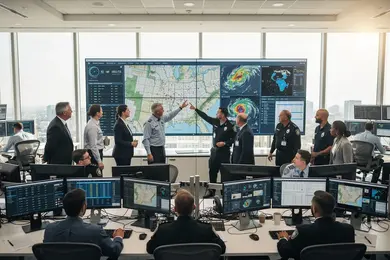
2027 Emergency Management Master's Programs With Practicum Placement Support

Co-Founder and Chief Data Scientist
Securing a practicum placement that aligns with accredited master's programs in emergency management requires navigating complex factors often obscured in admissions materials. The nuances of matching processes, supervisor credentials, and the range of site options significantly impact the practical training quality. With online enrollment growing by over 12% annually according to the National Center for Education Statistics in 2024, accessibility expands but also intensifies the need to scrutinize placement logistics and contingency plans. Understanding these elements helps prospective students-whether recent graduates, career changers, or remote learners-make informed choices that influence their professional readiness and long-term employability in this dynamic field.
Key Things to Know About Emergency Management Master's Programs With Practicum Placement Support
- Matching practicum sites often depend on supervisor qualifications, where experienced professionals shape applied learning but may limit placement availability, affecting candidates' exposure to specialized emergency management scenarios.
- Site diversity broadens workforce readiness by integrating rural and urban response contexts, yet uneven distribution can skew practical experience, influencing graduates' adaptability across differing emergency demands.
- Programs compliant with accreditation ensure standardization, but adherence delays or costs may restrict access for working adults needing accelerated pathways, impacting enrollment timing and career progression.
What Are Emergency Management Master's Programs With Practicum Placement Support?
A master's-level practicum in emergency management signifies a structured, supervised learning experience that transcends the often loosely defined scope of internships or field placements. Unlike internships, which can vary widely in quality and relevance, a practicum is embedded directly within the curriculum, designed to align academic competencies with practical application under qualified mentorship. This distinction matters for graduates who must demonstrate verifiable, domain-specific skills to employers rather than simply accumulating hours. For example, a student placed in a coordinated disaster recovery project with local emergency services under the guidance of a vetted supervisor gains actionable insights and professional credibility—advantages often missing from self-arranged tracks or generic internships, a contrast that holds true across many graduate fields, including specialized MBA online programs.
- Definitional Clarity: Practicums require active mentorship and reflective practice embedded in coursework, differing from internships or unrelated field experiences that may lack academic integration or formal supervisor guidance.
- Placement Support: Programs with practicum placement support leverage partnerships and formal processes to secure meaningful, accredited sites, relieving students-especially those without existing networks-from the logistical burden of independently arranging placements.
- Professional Integration: Supported practicums focus on projects with direct relevance to emergency management sectors, such as hazard mitigation policy implementation or community resilience initiatives, aligning student work with employer needs.
- Geographic Accessibility: Placement assistance is critical for students in rural or remote areas, offsetting geographic limitations by providing equitable access to quality fieldwork opportunities that might otherwise be unavailable.
- Quality Assurance: Robust programs impose standards on supervisor credentials, site diversity, and contingency protocols, ensuring consistent learning outcomes that meet accreditation requirements, in contrast to programs that leave practical training largely to student initiative.
This article examines these definitional and operational features in depth, equipping prospective students actively comparing emergency management master's programs with practicum support to discern substantial differences in field placement quality, program rigor, and real-world career readiness.
Why Is Practicum Placement Support Critical in Emergency Management Master's Programs?
Practicum placement support fundamentally determines whether emergency management master's students gain relevant, supervised field experience necessary for workforce readiness. Without structured assistance, students risk delays and unsuitable assignments that can jeopardize licensure prospects and career trajectories. Programs with robust placement frameworks bridge academic learning and professional expectations by actively managing site partnerships and supervision quality.
Outcomes research and professional standards underscore the necessity of practicum placement support. Licensing boards and organizations like the International Association of Emergency Managers (IAEM) require that practicum sites meet specific supervision and scope criteria to validate graduate credentials. Students left to secure their own placements commonly encounter several pitfalls:
- Placement Delays: Securing appropriate sites independently often prolongs time-to-completion, disrupting financial planning and delaying entry into the emergency management workforce.
- Mismatched Sites: Assignments lacking alignment with core emergency management competencies weaken hands-on skill development and diminish employability.
- Inadequate Supervision: Absence of qualified supervisors limits constructive feedback, undermining practical mastery and certification readiness.
- Credentialing Complications: Failure to meet accreditation standards for site selection and supervision can disqualify experiences from counting toward licensure requirements.
- Active Partnerships Advantage: Programs that cultivate formal site networks streamline placements, ensure relevant experiences, and offer contingency solutions to protect student progress.
- Quality Compliance: Regular evaluation of practicum sites by accredited programs guarantees adherence to professional standards in scope, supervision, and ethical practices.
- Geographic Considerations: For students in rural or remote regions, programs with placement infrastructure reduce barriers by connecting learners to accessible, appropriate field opportunities.
Ultimately, the rigor and support embedded in practicum placement directly influence graduates' readiness for certification, employment, and sustained career success in emergency management.
How Do Emergency Management Master's Programs Structure Their Practicum Components?
Practicum components in emergency management master's programs represent more than a checklist requirement; they fundamentally shape how graduates transition from theory to applied roles. The placement structure influences not only students' experiential depth but also their ability to juggle professional and personal commitments, especially for those in rural areas with limited local options. Programs typically schedule practicums after core coursework, ensuring students have a foundation before confronting real-world challenges. Credit assignments often range from 3 to 6 hours, reflecting substantial field involvement that can span 120 to 300 hours, which many employers regard as essential for readiness.
- Timing: Most practicums occur in the program's final semesters, aligning closely with capstone projects to reinforce integrated learning.
- Credit Hours: The credit load signals the time investment and program expectations, often paralleling 120+ hours of supervised placement.
- Sequential Model: Distributing practicum hours across multiple semesters allows incremental learning but demands extended scheduling consistency, challenging for working students or those balancing family duties.
- Block Placement: Intensive short-term practicums condense field hours into a focused period, benefiting those who can dedicate consecutive weeks but limiting in-depth reflection and concurrent learning.
- Concurrent Model: Practicums taken alongside regular courses offer scheduling flexibility but require strong time management, which may stress students juggling multiple obligations.
- Supervision and Matching: Effective practicum placement relies on programs' ability to connect students with qualified supervisors at diverse sites, a factor tied closely to field experience coordination and supervisor qualifications in emergency management graduate programs.
- Flexibility for Remote Students: Distance learners often face limited in-person opportunities; programs that provide virtual or hybrid placements address this but may restrict hands-on exposure crucial for comprehensive skill development.
When assessing program quality, prospective students must look beyond total hours to differences in sequencing, supervisory intensity, and adaptability to individual circumstances. The interaction between practicum design and real-world emergency management demands-where collaborative problem-solving under pressure is norm-directly impacts a graduate's employability and effectiveness. This nuanced evaluation is particularly relevant for those exploring varied paths-from recent graduates to career changers navigating disparate geographic or professional constraints.
Those interested in how practicum structures integrate with broader academic and experiential components may also compare frameworks to trends found in online business degree programs, where balancing applied experience with coursework similarly shapes outcomes.
What Qualifications Do Students Need to Qualify for Emergency Management Practicum Placement Assistance?
Securing practicum placement in a master's program for emergency management hinges on meeting a collection of academic and professional prerequisites that reflect both institutional risk management and the operational needs of host agencies. These criteria are less about bureaucratic hurdles and more about ensuring students demonstrate readiness to engage with volatile real-world scenarios while protecting partner organizations from liability or compliance issues. Candidates who overlook these steps often face delays that disrupt the timing and value of their field experience.
- GPA Threshold: Programs typically expect a minimum cumulative GPA around 3.0 to confirm academic proficiency capable of managing complex emergencies, signaling dependability to placement sites.
- Prerequisite Coursework: Prior completion of foundational subjects related to emergency management or adjacent disciplines is essential for equipping students with the core knowledge that field supervisors expect.
- Background Check Clearance: Because practicum sites often involve sensitive populations or government settings, passing criminal background checks is routinely required to maintain trust and adhere to legal regulations.
- Immunization and Health Documentation: Proof of relevant vaccinations and sometimes health screenings protect both students and vulnerable communities, particularly in environments prone to public health risks.
- Professional Liability Insurance: Enrollment in liability coverage is increasingly mandated to reduce institutional exposure to potential on-site incidents involving students.
These prerequisites serve to reduce supervision burdens on hosts and facilitate smoother integration of students into operational teams. Prospective students should proactively seek written schedules from programs outlining deadlines to avoid bottlenecks, including completing prerequisite courses early, arranging background clearances, and securing insurance well ahead of practicum start dates.
One graduate recalled entering a program with a rolling admissions process and initially hesitating to submit health documentation, uncertain when the practicum would begin. This hesitation compressed the timeline for background checks and insurance enrollment, causing avoidable stress. Ultimately, the student advised future enrollees to clarify timelines before admission and approach eligibility requirements as early strategic milestones rather than last-minute tasks.
Which Types of Practicum Sites Are Commonly Used in Emergency Management Master's Programs?
Practicum site selection in emergency management master's programs critically influences the skills developed and professional networks formed. For instance, a hospital placement immerses students in high-stakes crisis response and collaborative clinical coordination, preparing them for healthcare-centered disaster roles but offering limited exposure to policy work typical of government settings. Understanding such tradeoffs helps students tailor practicum choices to their career aims.
- Hospitals: Involve active participation in large-scale incident command, rapid decision-making, and healthcare continuity efforts.
- Outpatient Clinics: Focus on community health emergencies, ongoing patient communication, and partnership with local public health agencies.
- Schools: Emphasize youth-focused emergency protocols, including evacuation planning and coordinated responses with families and officials.
- Community Agencies: Offer experience with grassroots disaster resilience and culturally sensitive resource distribution among vulnerable groups.
- Nonprofit Organizations: Center on advocacy, volunteer management, and grant processes tied to disaster recovery efforts.
- Government Offices: Provide insight into regulatory frameworks, multi-agency coordination, and strategic policy execution during crises.
- Private Practices and Corporate Environments: Highlight business continuity planning, workplace safety, and hazard reduction in commercial contexts.
Prospective students should investigate how programs balance these site types and whether they can influence placement decisions. Alignment between practicum environment and professional goals is essential, particularly for those in rural areas where site options may be constrained. Asking about supervisor expertise and contingency measures further clarifies a program's support for meaningful, practical field experience beyond promotional descriptions.
How Do Emergency Management Programs Match Students With Appropriate Practicum Placements?
Matching students with practicum placements in emergency management master's programs involves tradeoffs that significantly affect both student learning and workforce readiness. Programs may either fully control placements through established community partnerships or use hybrid models that allow students some choice from approved site directories before final decisions. Each approach shapes how well the placement aligns with a student's specific specialization goals and logistical realities.
Several critical factors influence this matching process:
- Geographic Proximity: Programs assess travel feasibility based on where students live or study. Students in rural or under-resourced areas often face fewer quality placement options, which can restrict hands-on experience exposure.
- Student Interests: Aligning sites with students' career objectives or prior expertise supports targeted skills development, though strict site availability sometimes forces compromise, potentially diminishing professional preparedness.
- Site Availability: The number of practicum slots and turnovers at partner organizations impact placement timing and quality, requiring programs to ration limited, high-demand positions carefully.
- Supervision Capacity: Sites must provide qualified mentors able to offer meaningful guidance and feedback, which directly affects the learning experience's depth and relevance.
- Accreditation Alignment: Practicum sites must meet accrediting standards, ensuring that field experiences substantively complement academic coursework, even if this narrows placement choices.
Prospective students should ask in advance how far placements are confirmed, what procedures exist when preferred sites are unavailable, and to what extent they participate formally in expressing placement preferences. These questions reveal how programs manage the emergency management practicum placement matching process in practice and clarify the real-world considerations applicants must weigh, especially for those outside major urban centers or seeking specialized fields. Additionally, programs often guide students towards supplemental credentials like a best bookkeeping certification online to enhance administrative skills that complement emergency management roles.
What Is the Role of Field Supervisors and Faculty Liaisons in Emergency Management Practicum Programs?
Practicum supervision profoundly shapes the real-world readiness of emergency management students. Field supervisors serve as the immediate, on-site mentors who translate academic theory into operational skill, yet their effectiveness hinges on professional credibility-most programs require supervisors to hold recognized licensure or certifications and at least several years of relevant experience. Faculty liaisons, by contrast, bridge the practicum with the academic curriculum, ensuring alignment, monitoring progress through scheduled visits or virtual check-ins, and providing a crucial escalation channel when challenges arise. The tradeoff between these roles lies in the balance of practical immersion and academic rigor, where weak supervision can leave students ill-prepared for workforce demands or disconnected from program goals.
Prospective students must scrutinize how a program facilitates communication between faculty liaisons and students during practicum placements, how frequently oversight occurs, and what recourse exists if placement conditions falter. In geographically isolated contexts, such protocols become especially critical to mitigate the risk of neglect or misalignment. Practicum quality often reflects not just qualifications but also the structural commitment to student support beyond mere placement.
- Qualifications: Field supervisors typically have professional certifications and three to five years of operational experience; faculty liaisons hold advanced academic degrees and specialized knowledge.
- Responsibilities: Field supervisors provide day-to-day task guidance and evaluation; faculty liaisons oversee academic integration and manage site-school communication.
- Supervision Quality: Determines depth of skill development and employability; insufficient supervision risks knowledge gaps and unsafe learning environments.
- Communication: Clear schedules for liaison check-ins and site visits are essential for sustained support.
- Escalation Process: Defined channels must exist for students to report problems, with faculty intervention as a key safeguard.
An emergency management master's graduate recalled hesitating during the rolling admissions cycle, uncertain whether delayed practicum placements at their preferred site signaled deeper program support issues. The faculty liaison's proactive outreach, explaining the timing and providing interim resources, was critical in their decision to enroll. This experience highlights how transparent communication and liaison engagement can alleviate anxieties inherent to practicum preparation-an often overlooked but pivotal factor in program selection.
How Do Emergency Management Programs Support Students Who Face Challenges Securing a Practicum Site?
Students in emergency management master's programs frequently face distinct challenges securing practicum sites that significantly impact their educational trajectory and workforce readiness. Geographic scarcity of accredited or approved practicum placements, especially outside urban centers, creates a critical barrier with tangible career implications. Programs that provide comprehensive, student-centered placement support-such as dedicated practicum coordinators and regularly updated, vetted site databases-better position students to navigate these constraints. For example, a student in a rural area may rely heavily on a program's alternative practicum placement options for emergency management graduate students to complete fieldwork timely, avoiding delays that can extend time to credentialing and employment.
- Geographic Scarcity: Programs maintain extensive, regularly updated databases of vetted practicum sites, including partnerships beyond major cities, widening placement opportunities for students in underserved regions.
- Competitive Demand: With multiple cohorts vying for limited placements, effective site allocation requires strategic coordination that balances student interests with site capacity constraints and aims to expand partnerships over time.
- Credential and Clearance Delays: Proactive guidance on documentation requirements and administrative support minimize credentialing bottlenecks that can postpone or disrupt placements.
- Mid-Placement Failures: Well-designed programs have documented contingency protocols allowing students to transition swiftly to alternative sites, preserving practicum continuity and avoiding negative impacts on training timelines.
- Personal Hardships: Flexible communication pathways support students who encounter unexpected life challenges, enabling tailored solutions such as adjusted schedules or remote practicum options.
Understanding these operational details is crucial, particularly for prospective students facing employment restrictions, residing outside metropolitan areas, or pursuing specialized roles requiring niche placements. Before enrolling, ask programs about contingency planning and how they manage site availability to avoid placing a bottleneck on your progress. For those comparing various educational pathways, exploring how programs handle practicum placement challenges exposes differences beyond promotional materials-highlighting real-world readiness and employability tradeoffs.
Recent enrollment data show a rising trend in emergency management graduate applications from non-urban candidates, growing the demand for robust placement infrastructure that accommodates diverse geographic and career circumstances. For a broader perspective on selecting complementary educational routes, consider researching related fields such as architecture through resources like best online architecture schools, which also emphasize practical experience through site-based learning components.
What Accreditation Standards Govern Practicum Requirements in Emergency Management Master's Programs?
In emergency management master's programs, the accreditation standards governing practicum requirements shape both the educational rigor of field placements and the workforce readiness of graduates. These standards determine how programs structure hands-on experiences, supervising professionals' qualifications, and the overall relevance of practicum sites. For instance, a graduate applying for licensure or jobs with government agencies may face rejection if their practicum lacks clear supervision documentation or fails to meet accreditation thresholds, underscoring real consequences for choosing programs without validated practicum frameworks. Prospective students should therefore scrutinize the national accreditation criteria for emergency management field placement to ensure practicums meet recognized benchmarks.
- Council for the Accreditation of Emergency Management and Homeland Security Education (CAE): CAE sets precise practicum mandates, including a minimum of 120 field hours, verified site approvals that confirm agency relevance, and a maximum 5:1 student-to-supervisor ratio. These controls protect students from diluted supervision and ensure meaningful engagement in emergency management settings.
- Regional Institutional Accreditors (e.g., Middle States, WASC, HLC): These bodies emphasize institutional quality and require evidence that practicum components reflect academic rigor with documented supervision and partnership agreements, although they defer detailed practicum mandates to specialized accreditors.
- International Association of Emergency Managers (IAEM) Professional Standards: IAEM prioritizes practicum relevance and alignment with curriculum, recommending flexible-but generally 100+-placement hours and robust supervisor training. They also advocate contingency planning, a critical factor for students in rural or underserved areas facing access barriers.
- Programmatic Accreditation and Licensure Board Guidelines: State or employer licensure boards may add specific practicum documentation and minimum hour requirements, often relying on national accreditation compliance to validate those standards.
Graduates encounter practical consequences from these accreditation dimensions since many employers and licensure boards require transparent verification of practicum conditions and supervision quality. Candidates who fail to confirm a program's accredited standing risk costly delays in credential recognition or limited employment opportunities. Prospective students, including career changers and working professionals aiming to formalize prior emergency management expertise, should insist on detailed practicum policies and written confirmation of current accreditation. Additionally, those seeking flexible options should research how programs accommodate remote or geographically constrained learners—whether looking at specialized management tracks or the cheapest 1 year online MBA programs—such as military spouses, often listed among the best online colleges for military spouses. Understanding the nuanced accreditation standards for practicum in emergency management master's programs offers an indispensable lens for making informed program comparisons and aligning educational investments with workforce realities.
How Do Online and Hybrid Emergency Management Master's Programs Handle Practicum Placement Support?
Online and hybrid emergency management master's programs contend with significant complexity in providing practicum placement support due to their students' broad geographic dispersion. Securing field experiences requires more than just finding sites; it involves meeting diverse state and local regulatory requirements, obtaining officially sanctioned supervision, and adapting to time zone challenges. These operational hurdles often shape graduates' practical readiness and influence employer perceptions in a field where hands-on experience is critical.
Key models emerge as distinct tradeoffs between scalability, local relevance, and flexibility:
- Nationally Networked Site Databases: Centralized, extensive repositories give students many options nationwide. While they increase accessibility, sustaining updated agreements and ensuring consistent supervisor quality can dilute individualized mentoring, which affects learning depth and network development.
- State-Specific Placement Coordinators: Employing dedicated state coordinators enhances compliance with local licensing and tailored oversight. This approach better supports students in rural areas, yet is resource-intensive and may leave some regions underserved, potentially impacting timely placements.
- Partnerships With Multi-Site Organizations: Agreements with multi-jurisdictional agencies simplify approval and supervision processes, offering predictability. But such partnerships may limit site diversity and exclude more specialized or emerging fields within emergency management, restricting experiential variety.
- Student-Identified Site Approval Workflows: Allowing students to propose sites introduces needed flexibility, especially in underserved locales. However, institutional vetting can delay confirmations, creating risk of disrupted practicum timelines critical for credential completion and job market entry.
Prospective students should directly inquire about these operational realities before enrollment:
- Placement Track Record: What is the program's demonstrated success in placing students across multiple states with compliant supervision?
- Support for Rural or Underserved Areas: What concrete resources or established networks assist students struggling to access metropolitan-centric practicum sites?
- Licensing and Credential Portability: Are there states with regulatory barriers affecting recognition of practicum experience or the master's credential itself?
Given emergency management salaries generally range from approximately $55,000 to $95,000 depending on experience and location, the quality and relevance of practicum placement can materially affect early career trajectory and employer hiring decisions in a competitive labor market.
What Graduates Say About Emergency Management Master's Programs With Practicum Placement Support
- Caiden: "I had limited time to dedicate to further education while working full-time, so I chose a master's program with practicum placement support that offered flexible scheduling. The decision paid off because the internship I secured during the practicum was crucial in building a portfolio that impressed employers. While I initially struggled with the workload balance, having practical experience made it easier to transition into a coordinator role, though I found that salary growth remains modest without additional certifications."
- Remington: "Switching careers into emergency management meant I had a tight budget and needed a program that combined academic theory with real-world experience. I prioritized programs offering practicum placements because I knew employers here value hands-on internships over just licensure. After graduation, the internship gave me a foot in the door, but I quickly realized competing for analyst positions is tough without further qualifications, so I'm now considering specialized certificates."
- Adrian: "The challenge for me was finding a program that would help me enter the workforce quickly without sacrificing depth of training. Choosing a master's with practicum support enabled me to gain direct experience, which employers clearly prioritized when hiring. However, the reality is many roles favor candidates with law enforcement or public safety backgrounds, so while I secured a remote emergency planner job, I'm mindful that advancing beyond entry-level may require additional licensure or field experience."
Other Things You Should Know About Emergency Management Degrees
Practicum hour requirements vary widely but generally fall within 100 to 300 hours, reflecting differences in program intensity and field site expectations. Programs demanding higher hours offer deeper immersion but may impose substantial time management challenges, especially for working professionals or career changers. Prospective students must weigh the value of extensive field experience against personal constraints, prioritizing placements that provide quality supervision and meaningful work over sheer hour count.
Prospective students should inquire about how placements are matched to their career goals, the qualifications and availability of practicum supervisors, and whether programs maintain diverse site options including rural or nontraditional agencies. Understanding if there are contingency plans for placement disruptions (for example, due to public health emergencies or agency budget cuts) is critical. Programs with proactive, transparent infrastructure tend to provide more reliable and tailored practicum experiences, directly impacting employability and career trajectory.
Students should approach practicum placements strategically, leveraging program support to access sites with strong employer networks and mentors active in desired subfields such as disaster recovery or homeland security. Placement offices that assist with employer introductions and post-practicum job placement evidence higher value. Prioritizing programs with integrated career services alongside practicum coordination can significantly shorten the transition from education to employment and align graduate skills with labor market demands.
References
- Master of Emergency Management – MEmergMgt https://www.massey.ac.nz/study/all-qualifications-and-degrees/master-of-emergency-management-PMEMM/
- 5 Steps to Improve Emergency Procedures in Schools 5 Steps to Improve Emergency Procedures in Schools https://navigate360.com/blog/5-steps-to-improve-emergency-procedures-in-schools/
- Master of Arts in Disaster and Emergency Management | Royal Roads University https://www.royalroads.ca/programs/master-arts-disaster-and-emergency-management
- Internship Opportunities with Department of Emergency Management https://sonomacounty.gov/administrative-support-and-fiscal-services/emergency-management/internships
- Internships https://www.floridadisaster.org/dem/Executive-directors-office/intern/
- Master of Emergency Response and Risk Management https://uard.university/master-of-emergency-response-risk-management/
- Online Master's Degrees in Emergency Management: Find Your School https://www.degreesforgood.org/online-degrees/emergency-management-programs/masters/
- What Do Faculty Liaisons Have to Offer? https://www.socialworker.com/feature-articles/field-placement/What_Do_Faculty_Liaisons_Have_to_Offer%3F/
- NV OEM Student Internship Opportunity https://www.oem.nv.gov/overview/nv-oem-student-internship-opportunity/
- 3. Academic structure and content https://publichealthdisasters.eu/academic-structure-and-content/