2027 Adult Gerontology Primary Care Nurse Practitioner Practicum Requirements Explained

Co-Founder and Chief Data Scientist
Meeting practicum requirements poses a significant challenge for students pursuing an adult gerontology primary care nurse practitioner degree, especially amid varied state regulations and rigorous supervision standards. Navigating clinical hour mandates, placement settings, background checks, and minimum GPA thresholds demands early, thorough planning to avoid delays in graduation or certification. A recent study found that nearly 65% of nurse practitioner students encountered scheduling conflicts or site shortages during clinical placements, impacting workforce readiness. Understanding these elements upfront allows students to align their academic progress with professional licensing pathways.
This article explains practicum requirements comprehensively and offers guidance to help students stay on track for successful completion and certification.
Key Things To Know About Adult Gerontology Primary Care Nurse Practitioner Practicum Requirements
- Practicum training integrates theoretical knowledge with real-world adult gerontology primary care nurse practitioner clinical practice-enhancing diagnostic, treatment, and patient management skills.
- Supervised clinical hours build confidence and ensure competency in diverse healthcare settings, fostering critical decision-making and professional accountability.
- Internships and clinical placements expand networking opportunities and professional mentorship, crucial for transitioning into independent adult gerontology primary care nurse practitioner roles.
What Is A Practicum In Adult Gerontology Primary Care Nurse Practitioner Program?
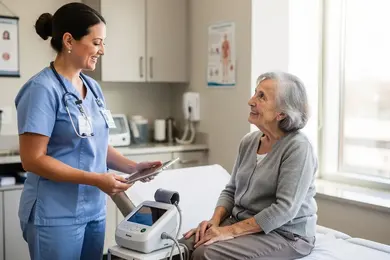
A practicum in an Adult Gerontology Primary Care Nurse Practitioner program is a supervised clinical experience designed to connect classroom theory with real-world patient care. These practicums are structured across U.S. higher education curricula to meet accreditation standards and ensure applied academic learning. Research shows that nearly 80% of employers in nurse practitioner roles prefer candidates with rigorous hands-on practicum experience, underscoring its critical role in workforce readiness.
Key components of the adult gerontology primary care nurse practitioner clinical practicum experience standards include the following:
- Fieldwork Expectations: Students engage in direct patient care, conducting assessments, forming treatment plans, and collaborating with healthcare teams. This hands-on approach is essential for integrating clinical skills with professional judgment in adult and elderly care settings.
- Practicum Hours: Programs typically require 500 to 700 clinical hours, varying by institution and state. These hours ensure sufficient exposure to diverse adult patient populations to build competence and confidence in care delivery.
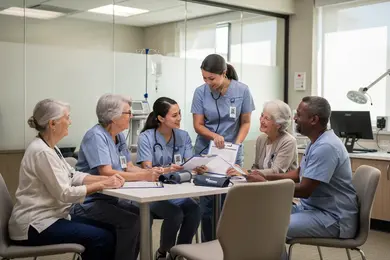
- Supervision and Evaluation: Qualified nurse practitioners or physicians regularly supervise and evaluate students. Assessments focus on clinical proficiency, professionalism, and the ability to translate classroom knowledge into practical care.
- Timing and Eligibility: Practicums occur after completing core coursework and prerequisite competencies. Students must clear health screenings, background checks, and hold current RN licensure before placement.
- Academic Integration: Unlike internships or capstone projects, practicums are embedded within the curriculum, emphasizing applied learning and professional mentorship. This structured feedback loop enhances skill development and prepares students for certification and career entry.
For students interested in furthering their education, exploring the easiest online DNP programs can provide options complementary to the practicum experience in adult gerontology primary care nurse practitioner education.
What Are The Eligibility Requirements For Adult Gerontology Primary Care Nurse Practitioner Practicum?
Practicum eligibility standards in adult gerontology primary care nurse practitioner programs exist to ensure that students are academically and professionally prepared to engage in supervised clinical learning environments. These requirements safeguard patient safety while enhancing the educational quality of experiential learning. Recent data indicates that over 85% of graduate nursing programs prioritize practicum readiness to improve student retention and graduate employer satisfaction.
Common eligibility criteria for adult gerontology primary care nurse practitioner clinical placement typically include the following:
- Minimum GPA: Most programs require a cumulative GPA of at least 3.0 in prerequisite and core nursing courses. This threshold demonstrates consistent academic achievement and preparedness for the advanced clinical responsibilities in the practicum.
- Prerequisite Coursework: Completion of foundational courses such as anatomy, physiology, pharmacology, and pathophysiology is essential. These courses provide the theoretical framework needed to understand complex adult and gerontologic health issues encountered during fieldwork.
- Competency Verification: Students must often demonstrate clinical competencies through prior hands-on experiences or skills assessments. Validating foundational patient care and assessment skills is critical to ensuring readiness for safe and effective practicum participation.
- Faculty Approval: Enrollment in the practicum generally requires formal approval from faculty advisors or clinical coordinators. This ensures students meet both academic and professional standards before engaging in clinical placements.
- Administrative Compliance: Students must satisfy administrative and health-related requirements, which may include:
- Background checks and drug screenings to maintain patient safety and institution compliance.
- Updated immunizations and relevant health clearances as specified by clinical sites.
- Proof of liability insurance and successful completion of any required site-specific orientation or onboarding activities.
For students seeking affordable options to meet these demanding requirements, exploring affordable online nursing programs can be a strategic step. Ensuring eligibility for practicum experiences not only satisfies academic protocols but also builds the job-relevant competencies and professional networks essential for career success in adult gerontology primary care nurse practitioner roles.
How Many Practicum Hours Are Required For Adult Gerontology Primary Care Nurse Practitioner Program?
Practicum hour requirements in adult gerontology primary care nurse practitioner programs serve to bridge theoretical learning with hands-on clinical experience. These hours, which differ by school, state mandates, and accrediting bodies, ensure that students gain essential skills for professional readiness. Research shows that employer preference strongly favors candidates with robust clinical training, often requiring at least 500 supervised hours for certification.
The following points outline critical aspects influencing practicum hours in these programs:
- Typical Hour Ranges: Most programs mandate between 500 and 700 hours, with variations tied to degree level-master's programs sometimes require fewer hours than doctoral paths-and specific accreditation standards.
- Hands-On Versus Observation: While direct patient care under supervision accounts for the majority of hours, a portion includes observation and indirect duties like documentation. The focus remains on maximum practical experience to develop clinical competence.
- Phased Rotations: Practicums are broken into multiple rotations across diverse settings, including outpatient clinics, hospitals, and specialty care. This phased approach exposes students to a wide range of patient populations and care models.
- Supervision and Verification: Clinical hours must be supervised by qualified preceptors, with detailed logs and signed evaluations required to verify completion and competency at each stage.
- Weekly Time Commitments: Students usually devote 12 to 16 hours weekly to practicums, spread over several semesters to balance clinical training with coursework and personal obligations.
- Completion Timeline: Most students complete practicum requirements within two to three semesters, aligning with overall program length and academic scheduling.
A professional who pursued an adult gerontology primary care nurse practitioner degree shared the intensity of meeting practicum demands: "Juggling a consistent 15-hour clinical week while managing coursework was challenging but rewarding. The diversity of settings made each rotation a new learning curve, and maintaining thorough documentation felt tedious at times. However, seeing my skills improve and receiving feedback from my preceptors kept me motivated. Finishing around 600 supervised hours, I felt well-prepared to enter clinical practice with confidence."
What Courses Must Be Completed Before Starting Practicum?
Prerequisite coursework plays a crucial role in equipping students with essential knowledge and skills needed before starting the practicum in an adult gerontology primary care nurse practitioner program. Studies indicate that well-structured curriculum sequencing can increase student readiness for practical experiences by up to 30%, highlighting the value of foundational training prior to field placements. These preparatory courses ensure candidates meet the academic standards required for hands-on clinical learning.
The following key coursework categories are typically required before beginning practicum:
- Foundational Theory: Courses in human anatomy, physiology, and pathophysiology provide a scientific framework critical for understanding patient conditions and making informed clinical decisions during practicum.
- Professional Ethics: Training in ethical principles, legal standards, and professional responsibilities develops the judgment and accountability necessary for competent patient care in varied settings.
- Research and Assessment: Students learn evidence-based research methods and health assessment skills that promote critical thinking and accurate diagnosis-core competencies for effective clinical practice.
- Communication Skills: Instruction focuses on cultivating effective communication and documentation abilities, essential for collaborating with patients, families, and healthcare teams throughout the practicum.
- Field-Specific Competencies: Specialized coursework tailored to adult and gerontology care prepares students to address the unique healthcare challenges of aging populations, supporting targeted clinical application.
Prerequisite requirements may vary somewhat across disciplines like nursing, psychology, or counseling, and adherence to curriculum sequencing impacts eligibility for practicum enrollment. Prospective students may explore options such as a self paced bachelor's degree to complete foundational coursework efficiently in alignment with their career goals.
How Does The Adult Gerontology Primary Care Nurse Practitioner Practicum Placement Process Work?
The practicum placement process in adult gerontology primary care nurse practitioner programs connects academic study with supervised clinical work, providing students essential practical skills and professional readiness. Educational institutions coordinate these experiential learning opportunities with healthcare organizations to align student training with real-world demands. Research shows that over 85% of healthcare employers prefer candidates who have substantial hands-on practicum experience, highlighting its role in workforce preparation.
Key steps and components of this process include the following:
- Eligibility Verification: Programs require students to fulfill academic and clinical prerequisites, such as foundational coursework, immunizations, background checks, and CPR certification, ensuring readiness for clinical responsibilities.
- Application and Matching: Students submit placement requests through a designated coordinator who pairs them with clinical sites based on availability, learning goals, and location preferences within adult gerontology primary care.
- Host Organization Coordination: Academic institutions collaborate with healthcare facilities to secure practicum sites that provide proper supervision, a safe learning environment, and patient access appropriate to course competencies.
- Interview and Screening: Some placements involve evaluation by the clinical site to assess professionalism and clinical aptitude, confirming mutual suitability before final placement.
- Oversight and Compliance: Faculty advisors and clinical instructors monitor student progress, ensuring regulatory compliance, documenting clinical hours, and reviewing evaluations throughout the practicum.
- Placement Confirmation and Onboarding: Once assigned, students complete orientation, verify immunizations, secure liability insurance, and sign confidentiality agreements-managing timelines and addressing administrative requirements prior to starting.
A professional who completed this practicum reflected on the experience as challenging yet rewarding. She noted that coordinating paperwork and scheduling with clinical sites demanded persistence, but the structured support from faculty eased the transition. "The interview process at my site was pivotal-helping me understand expectations and build confidence," she said. This hands-on experience ultimately strengthened her skills and professional identity as she progressed into her nursing career.
What Documents And Paperwork Are Required Before Practicum?
Pre-practicum documentation is essential in adult gerontology primary care nurse practitioner programs to maintain compliance with institutional, legal, and clinical standards. These requirements ensure students are prepared and eligible for safe, effective experiential learning-an important factor considering over 85% of healthcare programs have tightened verification procedures to minimize delays and protect patient safety. Proper submission and approval workflows must be followed to avoid common administrative setbacks.
Students generally need to complete several key documents before beginning their practicum placements:
- Practicum Application: This form initiates the placement process by detailing student availability, completed coursework, and clinical experience. It helps link students with suitable clinical sites while verifying eligibility for on-site learning.
- Institutional Approvals: Academic advisors or program coordinators review qualifications and grant clearance confirming fulfillment of prerequisites and standards. These endorsements are required to authorize clinical participation.
- Medical Clearances and Immunizations: Documentation of current health status-including influenza and COVID-19 vaccinations-and recent physical exams are mandatory. These safeguards protect both students and vulnerable patient populations during clinical activities.
- Background Checks and Drug Screens: Criminal history reviews and substance testing verify compliance with program and site policies. Clean records are essential for meeting professional and regulatory obligations.
- Liability Waivers and Confidentiality Agreements: Students must sign legal forms outlining responsibilities and adherence to privacy laws such as HIPAA. These acknowledge understanding of ethical and legal expectations in clinical settings.
- Insurance Verification and Site-Specific Onboarding: Proof of professional liability insurance and completion of any required orientation or training modules ensure students meet partner facility standards before patient contact.
What Background Checks, Immunizations, Or Clearances Are Needed?
Pre-practicum compliance requirements in adult gerontology primary care nurse practitioner programs play a critical role in safeguarding the health, safety, and legal eligibility of students before clinical placements. These clearances ensure protection for both students and the vulnerable populations they serve, reducing risks within healthcare environments. Notably, over 90% of healthcare training programs have recently intensified their screening and immunization protocols to align with evolving regulatory and public health standards.
Key background checks, immunizations, and clearances typically required include:
- Criminal Background Checks: Comprehensive criminal history reviews are mandated to maintain patient safety and institutional compliance. These often involve fingerprinting and checks against state and federal databases, which can vary by clinical site and state regulations, emphasizing the need for timely completion to avoid placement delays.
- Immunization Records: Documentation of current vaccinations-such as influenza, hepatitis B, MMR (measles, mumps, rubella), and varicella-is essential to prevent the spread of infectious diseases between students and patients in clinical settings.
- CPR Certification: Valid Basic Life Support (BLS) or CPR certification is required to certify that students are prepared to respond to emergencies during clinical practice, meeting accreditation and workplace readiness standards.
- Drug Testing and Health Screenings: Programs often require drug screenings to ensure a safe clinical environment. Additional assessments, including tuberculosis (TB) testing or chest X-rays, confirm fitness for patient contact and compliance with health policies.
- Child Abuse and Neglect Clearances: Depending on the clinical placement, students must obtain clearances related to child and vulnerable adult abuse. These fulfill legal mandates especially important for pediatric or elder care settings.
- Site-Specific Compliance: Certain clinical sites may impose unique requirements such as additional background checks, occupational health clearances, or training on workplace safety protocols. Students should verify all institution-specific mandates well before practicum start dates to ensure eligibility.
What Should Students Expect During Adult Gerontology Primary Care Nurse Practitioner Practicum Placement?
Practicum placements in adult gerontology primary care nurse practitioner programs serve as a vital bridge between academic theory and supervised real-world clinical experience. These immersive opportunities enable students to develop essential competencies by working directly with patients under expert guidance. Research shows that over 80% of graduates in related healthcare fields report enhanced confidence and preparedness after completing their practicum, highlighting the growing importance of experiential learning in workforce readiness.
Students preparing for a practicum should expect the following key aspects, which collectively foster professional growth within clinical supervision expectations.
- Clinical Responsibilities: Daily duties typically include conducting physical assessments, gathering comprehensive health histories, and collaborating with healthcare teams on patient care plans. These activities reflect the real-world scope of adult gerontology primary care nurse practitioner clinical supervision expectations and help build hands-on experience.
- Supervision and Mentorship: Students work closely with experienced preceptors who provide continuous oversight and constructive feedback. This mentorship supports skill refinement and critical decision-making while ensuring adherence to safety protocols.
- Professionalism and Conduct: Maintaining ethical standards and effective communication is crucial. Students must navigate multidisciplinary team settings, demonstrating accountability and adherence to workplace policies throughout their practicum period.
- Performance Evaluations: Regular assessments are conducted through observation, case presentations, and reflective discussions. Evaluation criteria often focus on clinical judgment, procedural skills, and integration of evidence-based practice into patient care.
- Skill Development: Emphasis is placed on mastering diagnostic reasoning, pharmacological management, and patient education. Exposure to diverse adult and geriatric populations enhances clinical versatility and cultural sensitivity.
- Communication Practices: Effective interaction with mentors, healthcare teams, and patients is essential to build rapport and clarify treatment plans. Students learn to convey complex information clearly and compassionately.
- Common Challenges: Time management pressures and initial uncertainty in clinical decision-making are frequent hurdles. Overcoming these challenges requires proactive communication with mentors and ongoing self-directed learning to enhance confidence and autonomy.
For those considering or currently pursuing a degree, supplementing clinical training with foundational coursework-such as a biology bachelor degree online-can strengthen one's understanding of core scientific principles important for advanced practice.
How Are Practicum Students Supervised And Evaluated?
Supervision and evaluation within adult gerontology primary care nurse practitioner practicum supervision methods are vital for fostering clinical competency and ensuring students meet rigorous academic and professional standards. These processes support student development and uphold accountability with oversight structures typically including clinical preceptors, faculty, and site supervisors. Recent studies indicate that structured experiential learning, featuring timely feedback, enhances student clinical readiness by up to 40% compared to classroom instruction alone.
Key components of supervision and evaluation involve various roles, communication practices, and assessment techniques, as outlined below:
- Supervisory Roles: Clinical preceptors or site supervisors-who are usually experienced nurse practitioners or physicians-provide hands-on guidance. They help students translate classroom knowledge into effective patient care practices while overseeing daily clinical tasks during the practicum.
- Faculty Coordination: Faculty advisors maintain academic oversight by liaising with clinical sites, mentoring students, and ensuring placement alignment with accreditation standards and program goals. Their involvement ensures that practicum experiences meet educational requirements and competencies for adult gerontology primary care nurse practitioner practicum students.
- Communication and Feedback: Effective supervision depends on ongoing communication among students, supervisors, and faculty. Feedback is delivered through scheduled meetings, performance reviews, and informal discussions, highlighting strengths and areas needing improvement to support skill development.
- Assessment Methods: Evaluation techniques include direct clinical observation, competency checklists, reflective journals, and performance appraisals. These tools assess clinical skills, critical thinking, professionalism, and overall readiness for independent practice within adult gerontology settings.
- Progress Monitoring: Periodic reviews-typically at midterm and final stages-track student development. Documentation and formal assessments confirm that learning outcomes and regulatory competencies are met before program completion.
- Institutional Variability: While core supervision and evaluation practices remain consistent, variations may occur based on institutional policies, state regulations, or accrediting bodies. The focus, however, stays on objective and comprehensive assessment of practicum learning outcomes.
Students interested in advancing their careers through practical clinical experience can explore MSN direct entry programs online, which often integrate structured practicum components designed to meet professional standards in adult gerontology primary care nurse practitioner education.
How Does Practicum Help With Licensure Or Certification Requirements?
Practicum experiences are essential for adult gerontology primary care nurse practitioner students to fulfill licensure and certification mandates through supervised clinical training. This hands-on practice integrates classroom learning with real patient care, ensuring students acquire competence aligned with professional standards. Recent data shows that 92% of employers prefer hiring nurse practitioners who have completed accredited practicum hours, highlighting their significance in workforce readiness.
The following points detail key practicum elements tied to licensure and certification preparation:
- Clinical Hours Requirement: Students must complete a mandated number of direct patient care hours within adult gerontology primary care settings, verifying practical experience crucial for licensure eligibility.
- Competency Verification: Continuous evaluation during practicum placements measures students' clinical skills and decision-making against certification benchmarks to confirm readiness for independent practice.
- Supervised Oversight: Licensed preceptors provide structured supervision and formal assessments, ensuring student performance aligns with accrediting and licensing guidelines.
- Documentation and Reporting: Academic programs meticulously record practicum hours and evaluations, submitting verified data to regulatory boards or certifying bodies as proof of compliance.
- Cross-Disciplinary Application: While focused on adult gerontology primary care nurse practitioner training, similar practicum frameworks exist across healthcare, counseling, and education fields to meet specialized credentialing demands.
What Do Students Say About Their Adult Gerontology Primary Care Nurse Practitioner Practicum Experience?
- Richelle: "My practicum experience for the adult gerontology primary care nurse practitioner program was both challenging and rewarding. Initially, I faced some confusion about meeting the eligibility requirements, which delayed my placement slightly, but once resolved, the clinical site exceeded my expectations in offering diverse patient care opportunities. My preceptor was supportive and provided detailed feedback, allowing me to grow confidently in my clinical decision-making skills."
- Elijah: "Reflecting on my practicum, I found that the expectations set forth were not entirely aligned with the reality of daily practice, which pushed me to adapt quickly and think critically. Supervision was consistent but more focused on evaluation than coaching, which made me seek additional mentorship outside of official hours. Despite these challenges, I developed a deeper understanding of adult gerontology primary care nuances that textbooks alone couldn't provide."
- Mitchell: "From a professional standpoint, the practicum for my adult gerontology primary care nurse practitioner studies was a well-structured experience that genuinely fostered my clinical skills. The eligibility process was straightforward, and I appreciated how my supervisors provided ongoing evaluations that clearly tracked my progress. This experience has solidified my commitment to providing compassionate care for older adults in a primary care setting."
Other Things You Should Know About Adult Gerontology Primary Care Nurse Practitioner Degrees
For the 2027 Adult Gerontology Primary Care Nurse Practitioner practicum, prior clinical experience typically does not count toward reducing required practicum hours. Most programs mandate the full completion of practicum hours to ensure comprehensive exposure and competency in varied clinical scenarios for all students.
Practicum students are required to demonstrate competencies in assessment, diagnosis, management, and patient education specific to adult and geriatric care. These competencies align with national certification standards and focus on holistic care, chronic disease management, and health promotion for aging populations.
Yes, regular communication between the student, the clinical preceptor, and academic faculty is essential. This coordination ensures appropriate supervision, timely evaluation, and the opportunity to address challenges or learning goals during the practicum experience.
References
- The Ultimate Beginners Guide to NP Clinical Rotations https://clickclinicals.com/blog/ultimate-beginners-guide-np-clinical-rotations
- Healthcare Background Check Requirements: What You Need to Know https://www.cisive.com/blog/healthcare-background-check-requirements
- How to Become an Adult Gerontology Nurse Practitioner https://credenzahealth.com/career-advice/how-to-become-an-adult-gerontology-nurse-practitioner
- Adult-Gerontology Primary Care Nurse Practitioner https://nursinglicensemap.com/advanced-practice-nursing/nurse-practitioner/adult-anp/
- MACP Practicum Portal https://practicum.yorkvilleu.ca/students/practicum-information/
- How To Become an Adult-Gerontology Nurse Practitioner (AGNP) https://betternurse.org/adult-gerontology-nurse-practitioner/
- Immunization Requirements in Healthcare Higher Education https://blog.verifiedcredentials.com/immunization-requirements-in-healthcare-higher-education
- Get Prepared for AGPCNP-BC Certification With WP Online https://online.wpunj.edu/degrees/healthcare/msn/agnp/eligibility-and-requirements/
- Background Checks and Security Clearances for Federal Jobs https://gogovernment.org/application-process/background-checks-and-security-clearances-for-federal-jobs/
- Q. Are there eligibility requirements prior to starting the internship/clinical practicum? https://chat.library.berkeleycollege.edu/faq/195897