2027 Emergency Management Master's Degree vs Graduate Certificate: Which Is Better?

Co-Founder and Chief Data Scientist
Choosing between an emergency management master's degree and a graduate certificate poses a critical dilemma for many professionals. The master's often entails higher costs and longer completion times but typically leads to greater employer recognition and higher average salaries-recent data shows graduates with a master's degree earn approximately 20% more than those holding only a certificate. Conversely, certificates require less time and financial investment, appealing for faster career transitions or skill enhancements. Admission standards also differ, influencing accessibility. This article examines these distinctions-cost, duration, admission criteria, salary impact, and career utility-to guide readers toward the credential best aligned with their goals.
Key Things to Know About Which Is Better: A Emergency Management Master's Degree or a Emergency Management Graduate Certificate
- The master's degree usually demands 1-2 years and higher tuition-often twice the cost of a graduate certificate, which can typically be completed in 6-12 months.
- Admission to a master's program generally requires a bachelor's degree plus GPA and test scores, while certificates often have more lenient or no strict prerequisites.
- Employers tend to recognize the master's degree for advanced roles-leading to salary increases around 15% higher than certificate holders according to 2024 industry data.
What Is the Difference Between a Emergency Management Master's Degree and a Emergency Management Graduate Certificate?
An emergency management master's degree is a graduate program that typically requires 30 to 40 credit hours to complete, encompassing a comprehensive curriculum that spans one to two years. This program blends theory, policy analysis, leadership training, and applied research-designed to develop strategic thinking, problem-solving skills, and a holistic understanding of disaster management systems. Graduates are prepared for leadership and specialized roles across public, private, and nonprofit sectors.
- Credit Hours: Master's degrees demand significantly more credit hours than graduate certificates, reflecting deeper academic engagement.
- Curriculum Scope: They cover broad disciplinary knowledge and practical skills needed for high-level emergency management positions.
- Academic Objectives: The focus is on cultivating advanced competencies essential for career advancement and strategic decision-making.
- Graduate Certificate Structure: In contrast, graduate certificates generally require between 9 and 15 credit hours, offering targeted study on specific emergency management topics.
- Focus and Duration: Certificates usually last a few months up to one year, ideal for professionals seeking rapid skill enhancement without committing to a full degree.
- Academic Standing: Contrary to common misconceptions, certificates are standalone credentials with distinct academic weight-not just shortened master's degrees.
- Intended Audiences: These programs serve working professionals, career changers, and current graduate students aiming to build qualifications incrementally.
- Stackability: Many institutions allow graduate certificates to be stackable toward a full master's degree, adding complexity to direct comparisons.
This guide further examines critical aspects such as cost and time comparison of emergency management master's degree and graduate certificate options, admission requirements, employer perceptions, and career outcomes, helping prospective students make well-informed decisions. For those interested in related fields, exploring online MSW programs affordable may offer additional graduate education options worth considering.
What Are the Typical Admission Requirements for a Emergency Management Master's Program Compared to a Emergency Management Graduate Certificate?
Admission requirements for an Emergency Management master's program tend to be more rigorous and structured compared to those for an emergency management graduate certificate. These master's programs typically expect applicants to demonstrate strong academic preparation as a foundation to succeed in advanced coursework and research. Applicants usually need an undergraduate degree from an accredited institution, with a minimum cumulative GPA often around 3.0 on a 4.0 scale. Official transcripts showing relevant prerequisite coursework-such as public administration or disaster science-are often required to ensure familiarity with key concepts. Some programs still request standardized test scores like the GRE, though this is becoming less common or optional. Strong letters of recommendation and a personal statement outlining career goals and fit for the program are also commonly sought to assess readiness, motivation, and potential.
In contrast, graduate certificate admissions for emergency management are generally more flexible-aimed at working professionals or those seeking specific skills without committing to a full degree. Many programs require only a bachelor's degree or accept professional experience instead of formal undergraduate preparation. GPA requirements are often lower or not strictly enforced, standardized tests are rarely required, and personal statements or recommendation letters might be optional or not needed. This flexibility reduces barriers for individuals who may not meet master's criteria immediately but want to build relevant expertise or enhance their academic profile.
The distinction in admission criteria is important because graduate certificate programs can serve as an academic on-ramp. They allow students to complete graduate-level coursework and develop practical emergency management skills, which can improve applications to master's programs later. This pathway is valuable for recent graduates, career-changers, or current certificate holders seeking to strengthen their credentials.
- Undergraduate GPA: Master's programs usually require a minimum GPA around 3.0; certificates often have no strict minimum.
- Prerequisites: Master's admissions may require related coursework; certificates tend to be more open.
- Standardized Tests: Master's programs sometimes require the GRE; certificates rarely do.
- Letters of Recommendation: Often required for master's applications; often optional or not required for certificates.
- Personal Statements: Common in master's admissions; less emphasized or optional in certificates.
Prospective students evaluating emergency management master's program admission criteria versus graduate certificate admission requirements for emergency management should also consider the broader cost, time-to-completion, and career impact of these credentials. For those seeking affordable options, resources highlighting the most affordable online school counseling degrees provide useful models of balancing cost with quality education in related fields.
What Is the Minimum GPA Requirement for a Emergency Management Master's Program?
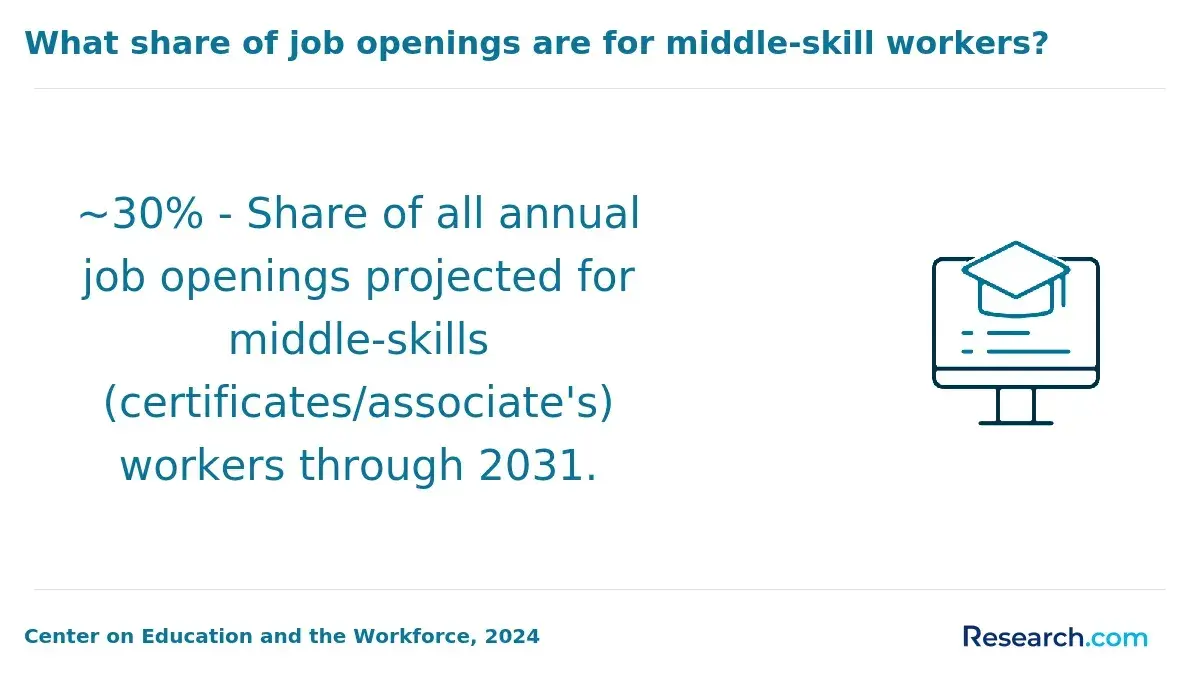
Accredited master's programs in emergency management typically require a minimum GPA ranging from 2.5 to 3.0 on a 4.0 scale, based on data from regional universities and official admissions reports. These minima serve as eligibility benchmarks but often do not reflect the actual academic profile of admitted students.
- Competitive Programs: Selective programs usually demand GPAs near or above 3.0, combining academic rigor with relevant professional experience. Admitted candidates often exceed these posted minimums, underscoring strong applicant pools.
- Open-Enrollment and Professional Programs: Programs targeting working adults or those switching careers may accept GPAs closer to 2.5, placing greater emphasis on practical skills and career background rather than rigid academic thresholds.
- Provisional Admission: Institutions may offer conditional entry to applicants slightly below the minimum GPA, requiring ongoing academic progress, remedial classes, or maintenance of a set GPA during initial enrollment periods.
- Context of Minimums: Minimum GPA requirements are floors-not goals-for prospective students to gauge competitiveness, as actual admissions standards typically rise with applicant demand and program reputation.
- Advice: Strengthening academic records and supplemental qualifications is crucial, since GPA is just one factor influencing acceptance decisions in emergency management master's programs.
A professional who completed an emergency management master's shared that despite facing initial GPA challenges, receiving provisional admission allowed focused improvement through targeted coursework. He recalled, "Balancing work and study was demanding, but the program's flexibility helped me maintain good standing while growing my skills." This experience highlighted how minimum GPA thresholds do not always capture a student's potential or dedication.
How Long Does It Take to Complete a Emergency Management Master's Degree Versus a Emergency Management Graduate Certificate?
Time Frames: Completing an emergency management master's degree generally takes between two and three years for full-time students, while part-time enrollment can extend this up to five years. Accelerated options, tailored for working professionals, may reduce completion to 12-18 months through intensive schedules. Conversely, the duration of emergency management graduate certificate programs is much shorter-typically six months to one year full time, with part-time candidates possibly taking as long as two years depending on their course load and personal circumstances.
Program Structure: Master's degrees require substantially more credits-usually 30 to 45-including comprehensive exams, capstone projects, or theses that demand deep research and critical analysis. This extensive curriculum provides a broader mastery over emergency management. Graduate certificates, however, are designed for rapid, focused learning, generally encompassing 12 to 18 credits without the need for research-heavy components, enabling quicker application of skills in the workforce.
Professional Considerations: Many working professionals balance the depth of a master's degree with its time investment-lengthy but potentially leading to greater career growth and salary enhancement. Graduate certificates appeal to those who need faster credentialing to upskill or change careers with less disruption and cost, emphasizing speed over comprehensiveness.
Life Circumstances: Employment status, family obligations, and financial capacity critically influence which credential fits best. Full-time students without pressing external demands often prefer master's programs despite longer timelines, whereas those juggling jobs or families may lean toward certificates for expediency and affordability. Carefully matching personal situations with realistic expectations helps navigate these options effectively.
Summary Insight: Emergency management master's degrees offer in-depth expertise over years, ideal for those eyeing senior roles or academia, while graduate certificates deliver specialized knowledge faster for immediate career impact. Prospective learners can benefit from evaluating time commitments alongside career goals and personal priorities. For a wider perspective on graduate study options, consider exploring a masters degree in data science online as an example of varied program structures and durations.
How Much Does a Emergency Management Master's Degree Cost Compared to a Emergency Management Graduate Certificate?
Cost Ranges: Tuition for an emergency management master's degree varies by institution type: public in-state students generally pay between $15,000 and $30,000 total, while public out-of-state students often incur costs from $25,000 to $50,000. Private schools typically charge from $35,000 up to $70,000. Graduate certificate programs in emergency management are notably more affordable, with public in-state tuition ranging from $5,000 to $10,000, public out-of-state between $8,000 and $15,000, and private institutions charging $12,000 to $20,000 due to fewer credit requirements and a shorter duration.
Price Drivers: The higher cost of master's programs mainly reflects the increased credit load-usually 30 to 45 credits compared to 9 to 15 credits for certificates-and lengthier study periods of 18 to 24 months, as opposed to six months to a year for certificates. Additional costs stem from graduate-level institutional overhead, including faculty salaries and support services. Certificates focus more on practical skills with streamlined content, resulting in reduced institutional expenses.
Financial Aid: Master's students typically access a wider range of aid options such as teaching or research assistantships, fellowships, and employer tuition reimbursement plans, helping to lower net expenses significantly. In contrast, certificate programs offer fewer institutional aid opportunities and assistantships, making out-of-pocket costs more predictable but less flexible for students needing substantial financial support.
Hidden Costs: Beyond tuition, pursuing a master's degree often involves higher opportunity costs-full-time study may lead to lost income and delayed career progression. Certificates require less time and offer faster re-entry into the job market but may deliver more limited long-term salary and career benefits.
Return on Investment: Prospective students should evaluate total net cost-including financial aid and income lost during study-not just sticker price. Utilizing free online calculators and salary data aids in assessing the financial trade-offs and selecting the credential that best fits one's professional goals and circumstances.
Reflecting on these differences, a professional who completed the emergency management master's recalled, "Balancing work and school was tough, especially during the longer program timeline. But the assistantships I received were crucial in easing financial pressure. The deeper academic focus expanded my career options far beyond what the certificate offered. It took more time and money upfront, but the boost in responsibilities and salary afterward has made it worthwhile."
How Does Earning a Emergency Management Master's Degree Affect Salary Compared to a Emergency Management Graduate Certificate?
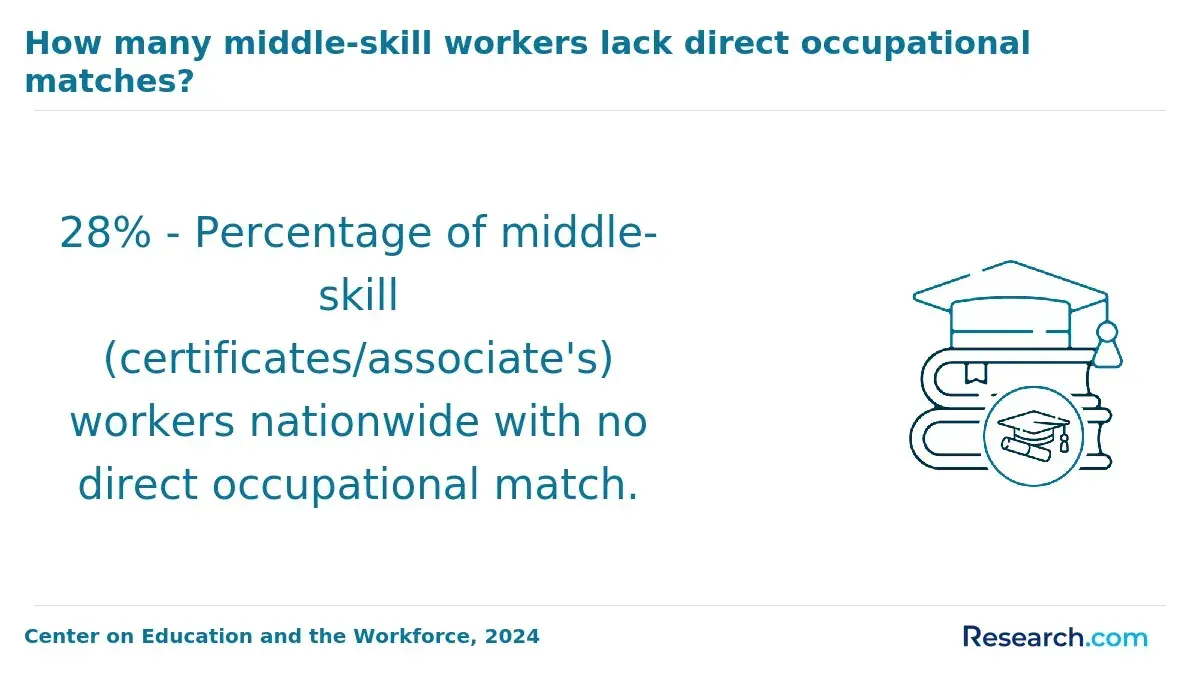
The earnings difference between holding a master's degree and a graduate certificate in emergency management varies notably across industries, roles, and experience levels. Data from the Bureau of Labor Statistics and NACE salary surveys show that those with a master's degree generally earn 15% to 25% more annually than certificate holders-a gap that grows in senior roles like emergency management directors or planners within federal agencies and large corporations.
- Salary Premium: The master's degree offers a consistent pay advantage, particularly for leadership positions and specialized roles requiring comprehensive knowledge and strategic skills.
- Industry Effects: The government sector-especially federal and state agencies-as well as healthcare and critical infrastructure employers, tend to reward advanced degrees with higher salaries, reflecting a premium on formal education in these fields.
- Employer Preferences: Hiring managers in fields such as public safety and homeland security often prioritize master's graduates, recognizing their broader training and potential for advancement compared to certificate holders.
- Comparable Outcomes: In more specialized or technical career paths like emergency response coordination or disaster logistics, graduate certificates can yield salaries close to or sometimes surpassing those earned with master's degrees due to their focused skill sets.
- Return on Investment: While master's programs require a larger commitment of time and money, they tend to deliver higher median wages over time. Conversely, graduate certificates-typically completed within a year and with lower tuition-offer quicker entry into the workforce and faster initial salary increases, which appeals to career changers or those seeking rapid skill development.
Recent 2024 data indicates that emergency management professionals with master's degrees have seen median salary growth outpace certificate holders by approximately 3% annually over the past five years, underscoring the long-term financial benefits of advanced education in this field.
Which Emergency Management Career Paths Favor a Master's Degree Over a Graduate Certificate?
Certain emergency management career paths-especially those involving leadership, research, or licensure-favor candidates holding a master's degree rather than just a graduate certificate. This preference stems from the advanced knowledge, leadership training, and academic rigor embodied by the degree. Employers in government agencies, FEMA regional offices, and prominent nonprofits typically require or strongly prefer a master's credential when recruiting for executive roles, seeing it as proof of expertise in policy development, strategic coordination, and crisis management.
- Leadership Roles: Positions such as emergency management director, policy advisor, or program manager usually mandate a master's degree because these jobs demand comprehensive understanding and capacity to lead diverse teams in complex incidents-areas covered more intensively in master's programs than certificates.
- Research-Intensive Positions: Academic, federal, or nonprofit research roles focus on disaster resilience, risk analysis, and preparedness modeling. The theoretical base and research methodology training included in a master's are often essential for conducting credible, peer-reviewed studies.
- Licensed or Certified Professionals: Certain states and professional boards require a master's degree to qualify for licensure or certification exams in emergency management or public safety fields, making the degree a prerequisite rather than an option.
- Career Advancement: Many career ladders use the master's as a formal requirement for promotion to senior or specialized positions, making it critical for those seeking long-term upward mobility.
According to U.S. Bureau of Labor Statistics data from 2024, around 65% of emergency management specialists in leadership roles hold at least a master's degree-highlighting the credential's growing significance in advanced career tiers. Professionals aspiring to these paths should plan their education accordingly, accounting for licensure and promotion criteria when choosing between a graduate certificate and a full master's degree.
Which Emergency Management Career Paths Favor a Graduate Certificate Over a Master's Degree?
Several emergency management career paths highly favor a graduate certificate over a full master's degree-particularly where swift, applied skill acquisition is prioritized over comprehensive academic study. Employers in technical and operational roles often seek demonstrated competencies directly aligned with job requirements rather than broader theoretical knowledge.
- Technical Specialization: Roles requiring specific technical skills such as hazard modeling, GIS mapping, or crisis communication technology typically prize targeted credentials. Hiring managers tend to prefer certificate holders who can quickly apply practical tools without the broader policy or leadership education found in master's programs.
- Rapid Skill Upgrade: Working professionals who already possess a bachelor's or master's degree in related fields like public administration or environmental science often choose certificates to efficiently fill distinct competency gaps. This approach maximizes their return by addressing precise needs without committing to another full degree, making the graduate certificate a key option for emergency management graduate certificate career benefits.
- Operational Roles: Positions such as emergency operations coordinators, emergency response planners, and field supervisors highly value applied skills and certifications. Employer surveys and labor market data from platforms like Lightcast confirm that certificates sometimes meet or exceed master's degrees in perceived value when practical expertise is urgently needed.
- Career Changers: Professionals transitioning into emergency management from adjacent disciplines often opt for graduate certificates to gain recognized credentials rapidly. The focused nature of these certificates enables faster workforce entry, avoiding the longer commitment of a master's degree-which is especially useful when deciding when to choose a master's in emergency management.
- Cost and Time Efficiency: Certificates reduce the financial burden and completion time-advantages that appeal to government and nonprofit agencies with tight budgets and demand for immediate skill application.
For those prioritizing specific skills or faster career transitions, a graduate certificate usually offers more immediate, practical value than a master's degree-revealing its strategic importance in specialized and operational emergency management careers. For a broader understanding of skill specialization in related fields, exploring an artificial intelligence major can offer useful parallels in career-focused education.
Is a Emergency Management Graduate Certificate Stackable Toward a Master's Degree?
In many cases, an emergency management graduate certificate can be stackable toward a master's degree-but this option depends largely on institutional policies rather than a universal standard. Many accredited universities offering advanced emergency management degrees permit graduate certificate coursework to count as credits toward a related master's program, creating a streamlined pathway. This stacking process aligns with the broader trend of stacking emergency management credentials for advanced degrees, which benefits students by accelerating their educational progress.
Key points to consider when evaluating stackability include:
- Institutional Policy: Not all schools allow certificate credits to transfer into master's programs, so students should verify specifics directly with each program's graduate admissions office to understand applicability in emergency management or related fields.
- Academic Performance: Successful stacking typically requires achieving a minimum grade-often a B or higher-in all certificate coursework.
- Time Limits: Credits usually must be recent, generally within five to seven years, ensuring relevance and current knowledge.
- Program Alignment: Stacking is permitted only when the certificate and master's degrees share significant curricular overlap or reside within the same academic department.
- Lower Risk Option: Pursuing a certificate first lets students test their aptitude and interest in advanced emergency management studies, reducing initial financial and time commitments before entering a full master's program.
Since policies vary widely, students should confirm stackability and any restrictions with prospective schools before enrolling. For those exploring accelerated educational options, there are also pathways like an accelerated cyber security degree online that can complement emergency management skill sets.
How Do Employers in the Emergency Management Field Perceive a Master's Degree Versus a Graduate Certificate?
Employers' views on master's degrees versus graduate certificates in Emergency Management differ widely depending on industry and role, as revealed by data from the NACE Job Outlook Report, Council of Graduate Schools employer surveys, and LinkedIn Talent Insights.
- Industry Variation: Regulated environments like government and academia typically favor master's degrees, considering them the gold standard for professional credibility and leadership readiness.
- Role-Specific Preferences: In technical or consulting Emergency Management roles, graduate certificates gain favor-particularly when they highlight niche skills or emerging areas, valuing agility and specialized knowledge.
- Institutional Reputation: The prestige and accreditation of the issuing program markedly influence employer recognition; a certificate from a respected institution can surpass a master's from a less-known school in perceived value.
- Hiring Manager Insights: HR professionals often rely on master's degrees as a screening tool for senior or research-driven positions, whereas certificates may qualify candidates for mid-level technical jobs or serve as complementary qualifications.
- Career Advancement: Employers generally associate master's degrees with leadership growth and higher salary potential, while certificates are viewed primarily as means for skill enhancement or transitioning fields.
Can a Emergency Management Graduate Certificate Help Someone Transition Into the Field From a Different Background?
Professionals moving into emergency management from unrelated careers often find graduate certificates a quicker, more affordable way to gain essential knowledge and credibility. Research in workforce development shows these certificates offer streamlined pathways compared to master's degrees-reducing both time and financial investment while delivering focused content designed for career changers.
Modern certificate programs frequently incorporate accelerated schedules and stackable courses that let students build emergency management-specific portfolios during their study. This applied learning-through projects, case studies, or practical assignments-aligns with what employers seek, showcasing real skills without the longer commitment or thesis requirements seen in master's programs.
Despite these benefits, certificates have limitations for those targeting senior or specialized roles that demand deeper academic training and wider recognition. Many career experts recommend treating a graduate certificate as an initial credential-best complemented with hands-on experience like internships, volunteer roles, or applied projects to strengthen job market appeal and counter any doubts about switching fields.
- Accessibility: Enables a cost-effective, efficient entry point into emergency management for professionals shifting careers.
- Applied Learning: Focuses on practical skills and portfolio development that meet employer expectations without extended academic work.
- Scope Limitations: Less suitable for advanced leadership or specialized positions requiring a full master's degree.
- Career Strategy: Works best when combined with visible real-world experience to enhance employability.
What Graduates Say About Which Is Better: A Emergency Management Master's Degree or a Emergency Management Graduate Certificate
- Caiden: "Choosing between a master's degree and a graduate certificate in emergency management felt daunting at first-but the cost difference made the certificate an attractive option for me. It required less time to complete, allowing me to quickly apply new skills on the job. While the master's might offer deeper knowledge, I found the certificate gave me practical insights that employers immediately recognized and valued."
- Remington: "Looking back, the master's program offered far more career utility than I initially expected-especially when it came to salary impact and employer recognition. The admission requirements were more rigorous, meaning I felt well-prepared and confident walking into higher-level roles. For those prioritizing professional growth and income potential, investing the extra time and money in a master's definitely paid off."
- Adrian: "My experience with the certificate was very positive, especially appreciating the quicker time-to-completion compared to a master's degree. However, if you can meet the admission requirements, the master's degree commands greater respect in the field-even among seasoned employers-which might open doors that a certificate alone cannot. Personally, I found the master's degree helped me stand out, but the certificate is a strong alternative when cost and time are big factors."
Other Things You Should Know About Emergency Management Degrees
Online emergency management master's programs generally offer a more comprehensive education than graduate certificates, covering advanced theory, research methods, and leadership skills. Both formats can be accredited and respected, but master's degrees tend to carry greater weight with employers, especially for senior or specialized roles. Graduate certificates are often viewed as professional development tools that supplement knowledge rather than replace a full master's education.
Accreditation is essential for ensuring academic rigor and employer recognition in both degrees and certificates. Regional accreditation of the institution is important for both, but programs accredited by specialized organizations like the Council for Higher Education Accreditation (CHEA) or Public Safety Accreditation bodies add credibility. Choosing an accredited master's program typically offers more opportunities for federal financial aid and transferability of credits toward further education.
The master's degree is suited for recent graduates, career changers seeking comprehensive expertise, and professionals aiming for leadership or research roles in emergency management. Graduate certificates fit working professionals needing focused skill upgrades, those seeking quick entry into the field, or individuals wanting to enhance their credentials without the commitment of a full degree. Prior experience and career goals are key to deciding which path is best.
References
- Online Master of Science in Emergency Management - University of New Haven https://www.newhaven.edu/lee-college/graduate-programs/emergency-management-online/index.php
- Master of Science inEmergency Management and Homeland Security Online or On Campus https://www.albany.edu/cehc/programs/ms-emergency-management-homeland-security
- Graduate Certificate in Emergency Management – GCertEmergMgt https://www.massey.ac.nz/study/all-qualifications-and-degrees/graduate-certificate-in-emergency-management-GCEMM/
- Emergency Management Certificate https://www.nymc.edu/shsp/programs/mph-generalist/emergency-management-certificate/
- What Can You Do with an Emergency Management Degree? Salary & Career Info https://www.degreesforgood.org/what-can-you-do/emergency-management/
- IAPH | Executive Professional Master Program in Public Health Emergency Management https://iaph.org/en/masters/phem-2
- Is an Emergency Management Degree Worth It? https://www.columbiasouthern.edu/blog/blog-articles/2021/april/emergency-management-degree-worth-it/
- Master of Emergency Response and Risk Management https://uard.university/master-of-emergency-response-risk-management/
- Stackable Certificate Programs at UNE Online https://online.une.edu/blog/stackable-certificate-programs-at-une-online/
- Key Certifications in Emergency Management — Emergency Management Alliance of Indiana https://www.emaindiana.org/blog/key-certifications