2027 Analytics Master's Degree vs Graduate Certificate: Which Is Better?

Co-Founder and Chief Data Scientist
Choosing between an analytics master's degree and a graduate certificate presents a common dilemma for professionals balancing career advancement with time and financial constraints. While a master's degree typically takes two years and costs upwards of $40,000, a graduate certificate can be completed in under a year and often costs less than $15,000-offering a faster, cheaper route. However, employment data from 2024 show that master's degree holders earn an average 20% higher salary than certificate holders.
This article explores differences in cost, duration, admissions, employer recognition, and career impact to help readers decide which credential best fits their professional goals.
Key Things to Know About Which Is Better: A Analytics Master's Degree or a Analytics Graduate Certificate
- Analytics master's degrees generally cost 3-5 times more than graduate certificates but offer deeper expertise valued by senior roles.
- Graduate certificates typically take less than a year to complete-often six months-while master's programs require two or more years.
- Employers recognize master's degrees as stronger credentials, often correlating with a 15% higher average salary than analytics certificate holders.
What Is the Difference Between a Analytics Master's Degree and a Analytics Graduate Certificate?
A master's degree in analytics is an advanced graduate program designed to deliver a comprehensive foundation in data analysis, statistical methods, machine learning, data management, and business intelligence. Typically comprising 30 to 45 credit hours, it spans about two years of full-time study and combines theoretical knowledge with practical applications. Its academic goals emphasize building technical expertise, critical thinking, problem-solving, and strategic decision-making in complex data environments.
In contrast, an analytics graduate certificate is a shorter, more focused program targeting specific skills or topics within the analytics field. Usually requiring 12 to 18 credit hours, it can be completed within six months to a year. These certificates provide targeted training for professionals seeking rapid skill enhancement or a career pivot into analytics roles without the commitment of a full degree. The curriculum is practical but narrower in scope than a master's program.
- Academic Standing: A master's degree is a recognized graduate-level credential granting advanced academic status and often required for doctoral studies; a graduate certificate is a non-degree credential focusing on specialized skill development.
- Curriculum Scope: Master's programs include core courses, electives, and sometimes research components, while certificates emphasize narrowly focused topics aligned with immediate career needs.
- Duration and Credit Hours: Master's degrees demand a significant time and credit commitment-typically two years and 30-45 credits-versus certificates that require less than half that time and fewer credits.
- Intended Audience: Master's programs attract students pursuing full academic and professional growth, including recent graduates and career changers. Certificates mainly serve working professionals needing fast, focused upskilling or specialization.
- Stackability: Graduate certificates are often stackable toward a master's degree, allowing flexible education pathways and complicating simple comparisons.
- Misconceptions: Certificates are not simply shortened master's degrees-they differ substantially in purpose, depth, and academic weight, reflecting different educational goals.
This article will further analyze cost and career outcomes of analytics master's degree compared to graduate certificate programs, examining admission criteria, employer recognition, salary impact, and career utility to help prospective students decide which credential best aligns with their goals. For those exploring specialized credentials in related fields, reviewing BCBA accredited programs online can also provide insights into efficient credential pathways.
What Are the Typical Admission Requirements for a Analytics Master's Program Compared to a Analytics Graduate Certificate?
Admission requirements for an analytics master's program are typically more rigorous and comprehensive than those for an analytics graduate certificate-reflecting the greater depth, time commitment, and career impact associated with a master's degree. This distinction is especially relevant when comparing typical admission requirements for an Analytics master's program to those for a graduate certificate program.
- Undergraduate GPA: Master's programs usually require a minimum GPA of around 3.0 on a 4.0 scale to demonstrate academic readiness, whereas graduate certificate programs often have more flexible or no GPA requirements.
- Prerequisite Coursework: Applicants to master's programs generally need foundational courses in mathematics, statistics, or computer science completed beforehand. Certificates, by contrast, often allow admission with little to no prior coursework, broadening accessibility.
- Standardized Test Scores: Many master's analytics programs request GRE or GMAT scores to assess applicants, while graduate certificates typically waive such tests, streamlining the admissions process.
- Letters of Recommendation: Strong recommendations are standard for master's admissions to evaluate academic potential and professionalism, but certificate programs may require fewer or no letters, recognizing their more open-access nature.
- Personal Statement: Master's applicants often submit detailed statements of purpose outlining goals and motivation; certificates might request a brief statement or none at all.
These higher standards for master's programs help maintain academic rigor and prepare students for advanced, research-based learning. However, they may exclude candidates who lack specific credentials yet seek to enter analytics quickly. Graduate certificate programs serve as an academic on-ramp, offering a more accessible pathway for recent graduates or career changers to build skills and demonstrate aptitude.
Certificates provide practical training with potential transferable credits toward a master's, helping learners strengthen their profiles before applying to a more demanding graduate degree. This comparison of graduate certificate versus master's degree prerequisites in Analytics programs highlights important differences affecting career choices and timing.
Prospective students evaluating options should also consider varying costs and program durations-which can be found in evaluations of online engineering degree programs and related fields-to make decisions aligned with their academic background and professional goals.
What Is the Minimum GPA Requirement for a Analytics Master's Program?
Most accredited analytics master's programs require a minimum undergraduate GPA between 3.0 and 3.5 on a 4.0 scale to qualify for admission, serving as an initial benchmark rather than a guarantee.
Competitive Programs: Selective universities often set GPA cutoffs near 3.3 or higher; however, successful applicants typically present stronger academic records closer to 3.5 or above. These schools emphasize a holistic evaluation, balancing GPA with professional experience, test scores, and recommendation letters.
Professional and Open-Enrollment Programs: Some programs geared toward working professionals or open enrollment accept candidates with GPAs around or slightly below 3.0. Their focus lies more on practical skill application and career advancement than strict GPA standards.
Conditional Admission: Certain institutions offer provisional admission to applicants marginally below the GPA threshold, often requiring maintenance of minimum grades in early courses or completion of prerequisite classes to confirm preparedness for graduate studies.
Interpretation of GPA Requirements: Admission committees view minimum GPA figures as floor standards. Candidates should not assume meeting the stated minimum guarantees acceptance; instead, demonstrating strength elsewhere in the application can offset GPA shortcomings.
A professional who completed an analytics master's program shared that despite initially worrying about his marginal GPA, he was able to compensate through strong project work and relevant experience. "The program was rigorous, but staying focused on applying what I learned helped me push through challenges. What mattered most," he reflected, "was showing my commitment and growth rather than just my numbers."
How Long Does It Take to Complete a Analytics Master's Degree Versus a Analytics Graduate Certificate?
Completing an analytics master's degree generally takes 18 to 24 months with full-time enrollment or stretches to 3 to 4 years part-time. In contrast, an analytics graduate certificate can be finished in as little as 6 to 12 months full-time, extending to around 18 to 24 months for part-time students. Accelerated master's programs can shorten the timeline to 12-18 months but remain intense.
- Program Structure: Master's degrees feature a broad curriculum-often 30 to 45 credit hours-that includes a thesis, capstone, or comprehensive exams requiring extensive research and synthesis. Graduate certificates narrowly focus on essential analytical skills and core topics, typically covering 12 to 18 credits without major final projects.
- Enrollment Formats: Certificates are deliberately designed for faster completion and usually offer flexible online or accelerated options. Masters demand more sustained engagement, though some institutions provide accelerated paths for full-time students.
- Professional Considerations: Those working full-time often choose certificates for their manageable time investment and quicker credential gains, balancing career urgency with workload. Conversely, individuals aiming for advanced expertise or leadership roles may prefer the comprehensive preparation offered by a full master's program despite its longer duration.
- Life Circumstances: Employment status, family responsibilities, and financing ability critically influence whether a student tackles the longer master's route or opts for a shorter certificate. Realistic self-assessment is key to aligning educational goals with personal and financial bandwidth.
The time required to finish an analytics graduate certificate versus a master's degree reflects these structural and personal factors. For prospective students weighing these paths, understanding how these timelines fit with life and career goals is essential. Those seeking an in-depth, formally evaluated degree might explore options highlighted in the best online data science masters, while professionals interested in rapid upskilling could find certificates more feasible.
How Much Does a Analytics Master's Degree Cost Compared to a Analytics Graduate Certificate?
The price of a master's degree in analytics varies greatly depending on the school and residency status. Public institutions charge in-state students between $20,000 and $40,000 for the full program, while out-of-state students typically pay from $40,000 to $70,000. Private universities tend to be more expensive, with tuition often spanning $60,000 to $100,000. Graduate certificates offer a more affordable alternative-public college prices usually range from $5,000 to $15,000, and private schools may charge $10,000 to $25,000.
Price Drivers: The increased cost of master's degrees is driven by several factors: these programs usually require 30 to 40 credit hours-significantly more than the 12 to 18 credits common for certificates-and extend over two years rather than a few months. Additionally, higher institutional costs related to advising, career support, and faculty involvement further boost tuition and fees.
Financial Aid: Master's students benefit from more robust financial support, including assistantships, fellowships, and employer tuition reimbursement programs, which often cover significant expenses. Certificate candidates, especially those in non-credit or continuing education formats, may not be eligible for these forms of aid, making net costs less favorable for them despite lower sticker prices.
Hidden Costs: Earning a master's degree often means sacrificing income during study-and potential career advancement delays-whereas graduate certificates, being shorter, limit time away from work. This difference impacts the real economic burden behind the upfront cost comparison.
Return on Investment: When weighing options, focusing on net cost rather than sticker price is vital. Free online tools can help calculate ROI based on career outcomes and personal finances, helping prospective students identify which credential truly offers the best value for their goals.
Reflecting on these factors, a professional who completed an analytics master's shared that managing both coursework and financial planning was a challenge but ultimately rewarding: "Balancing the program's demands with my job took real discipline. The financial aid options available made the cost manageable, but it was the career advancement potential that convinced me. Looking back, the investment was significant but worthwhile-my skills and opportunities expanded far beyond what a shorter certificate could offer."
How Does Earning a Analytics Master's Degree Affect Salary Compared to a Analytics Graduate Certificate?
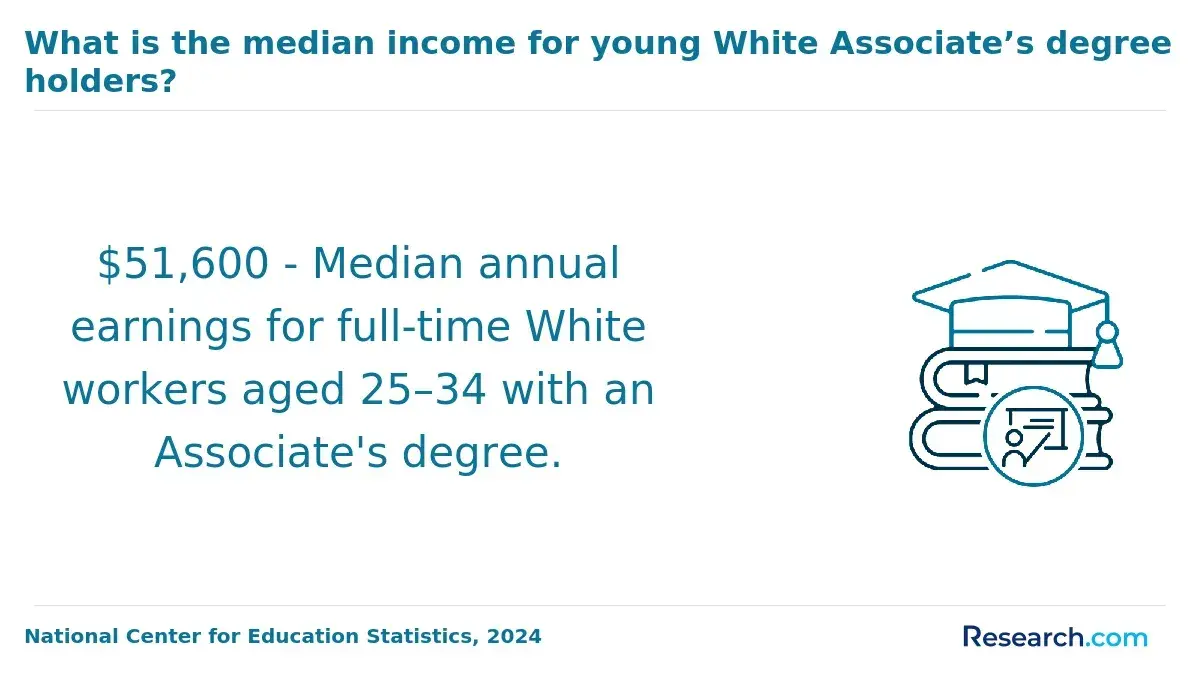
Data from the Bureau of Labor Statistics and Georgetown University show that analytics professionals with a master's degree tend to earn median salaries 20% to 35% higher than those with only a graduate certificate. This difference reflects the broader skill set and advanced training obtained through a master's program rather than a focused certificate.
Industry Variation: The pay gap favoring master's degrees is especially significant in sectors like finance, healthcare, and technology, where advanced analytics skills and leadership abilities are highly valued. Employers in these industries often reward comprehensive graduate education with better compensation and advancement opportunities.
Senior-Level Roles: For management and senior analytics positions, a master's degree often acts as a key credential, indicating capability for strategic planning and complex problem-solving. This typically results in higher earnings compared to certificate holders, who are more likely to occupy specialist or mid-tier roles.
Comparable Earnings Tracks: In specific analytics niches-such as marketing analytics, business intelligence, or data visualization-a targeted graduate certificate paired with relevant work experience can deliver salaries on par with or exceeding some entry- or mid-level master's degree holders. This highlights certificates as a practical path for quick skill acquisition and immediate career gains.
Return on Investment: Certificates usually require less time and financial commitment than master's degrees, enabling faster entry into the workforce and reducing student debt. For many professionals, this means a favorable short-term return on investment despite the master's degree offering stronger long-term salary growth.
Recent Trend: According to 2024 NACE salary surveys, analytics-related roles with graduate certificates saw an average starting salary increase of 5% year-over-year, reflecting growing employer recognition of targeted credentials.
Which Analytics Career Paths Favor a Master's Degree Over a Graduate Certificate?
Several career tracks within analytics place a strong emphasis on holding a master's degree rather than just a graduate certificate because of the degree's comprehensive curriculum, academic research elements, and credentialing rigor. Employers, licensure boards, and professional bodies often require or highly prefer a master's for roles demanding advanced expertise, leadership, or specialized knowledge.
- Leadership Roles: Positions such as analytics manager, senior data scientist, or director necessitate advanced modeling skills, strategic decision-making, and cross-functional communication-competencies that master's programs cultivate extensively beyond what certificates cover.
- Research-Intensive Positions: Jobs focused on data research, developing new methodologies, or contributing academically value the theoretical frameworks and research projects central to master's curricula but largely absent from certificate programs.
- Licensed and Regulated Professions: Fields like actuarial science and biostatistics often mandate a master's degree or higher to meet licensure or certification standards, marking it as an essential qualification.
- Promotion and Specialization: Numerous industries use the master's degree as a formal prerequisite for advancement into senior or specialized roles, making it a structural necessity rather than a mere preference.
- Employer Preference: Recent analyses of job postings show over 65% of senior analytics positions explicitly require or prefer a master's degree, with certificates usually insufficient for career advancement.
Given these realities, prospective professionals targeting leadership, licensure, or research-driven paths should treat the master's degree as a strategic career investment, factoring its role in promotion frameworks and regulatory compliance into their educational planning.
Which Analytics Career Paths Favor a Graduate Certificate Over a Master's Degree?
Certain analytics career paths clearly favor graduate certificates over master's degrees-particularly when employers value targeted, demonstrable skills above broad academic credentials. Hiring data from platforms such as LinkedIn Workforce Insights reveals that roles emphasizing hands-on technical proficiency often list certificates as equally acceptable or preferred qualifications. These insights help clarify how a graduate certificate analytics career advantages impact job seekers aiming for precise skill sets.
- Technical Specialization: Careers like data engineering, business intelligence, and applied data science frequently prioritize candidates with practical expertise in specific tools or programming languages. Graduate certificates focused on areas such as SQL, Python, or cloud analytics provide rapid, job-ready competencies that meet hiring needs without requiring the broader curriculum of a master's.
- Rapid Skill Upgrades: Working professionals aiming to close a specific knowledge gap-such as machine learning model deployment or data visualization-benefit from certificates that deliver condensed, updated training. This approach offers a faster return to the workforce compared to the time investment of another full degree program.
- Career Changers Seeking Entry: Individuals moving into analytics from unrelated fields often leverage certificates to demonstrate foundational proficiency. Employers in entry-level analyst roles sometimes prioritize certification as evidence of commitment and practical skills over extended academic study.
- Experienced Professionals with Existing Degrees: Those already holding bachelor's or master's degrees in related disciplines often maximize professional growth by pursuing certificates targeting emerging analytics trends rather than duplicating foundational coursework.
- Employer Recognition: Survey research indicates that certain industries-especially technology firms and consulting agencies-view graduate certificates as credible credentials that validate applied capabilities, streamlining hiring processes for roles requiring specialized analytics expertise.
For recent undergraduates exploring their next credential step, a graduate certificate can offer a focused pathway, complementing foundational knowledge like one obtained through a BS in mathematics online program. This targeted credential often enhances job opportunities more efficiently than pursuing a full master's degree, especially for those prioritizing swift career entry or specific skill acquisition in the analytics job market.
Is a Analytics Graduate Certificate Stackable Toward a Master's Degree?
Many accredited universities offer stackable graduate certificates in analytics that can be applied toward a related master's degree, but this depends on specific institutional policies rather than any universal standard. These pathways enable students to use completed certificate coursework to fulfill graduate credit requirements in a master's program, provided the fields align sufficiently and the courses meet certain academic criteria. This approach is particularly relevant for those considering analytics graduate certificate credits transfer to master's degree programs.
Key considerations regarding stacking analytics certificates toward a master's program include:
- Institutional Policy: Whether credits transfer is decided by each university-some explicitly permit graduate certificate credits to count toward master's analytics degrees while others do not.
- Grade Thresholds: Programs typically require a minimum grade of B or higher in certificate courses to qualify for credit transfer.
- Time Limits: Coursework must usually be recent-often within five to seven years-ensuring the material's relevance to the master's curriculum.
- Program Matching: The certificate's subject must closely align with the master's degree focus; unrelated certificates rarely qualify.
- Lower-Risk Entry: Pursuing a graduate certificate first offers a way to test the academic rigor, style, and financial commitment before pursuing a full master's degree.
- Verification Needed: Students should confirm stackability with the graduate admissions office of each program they consider, as policies vary widely and details are not always well publicized.
For those weighing options that include a quicker credentials path or specialized skill upgrades, stackable certificates can be a practical step. Additionally, those interested in related fields can explore options such as 1 year MPA programs to complement their analytics expertise.
How Do Employers in the Analytics Field Perceive a Master's Degree Versus a Graduate Certificate?
Hiring managers in tech and consulting often prefer graduate certificates as proof of current, specialized skills. In contrast, finance, healthcare, and academic sectors frequently regard a master's degree as the definitive credential due to regulatory standards and the depth of study required.
Role Expectations: Positions focused on data analysis or business intelligence tend to accept certificates combined with relevant experience, whereas roles involving research, leadership, or policy development usually demand the broader, more rigorous training provided by a master's program.
Institution Reputation: The prestige and accreditation of the issuing school strongly shape employer views-certificates from reputable programs can outrank master's degrees from lesser-known institutions, highlighting that quality and rigor often matter more than credential level alone.
Credential Purpose: Employers see graduate certificates as targeted skill upgrades suitable for rapid career advancement or entry, while master's degrees signal comprehensive expertise, theoretical knowledge, and a longer-term professional investment in analytics.
Hiring Trends: Surveys from the NACE Job Outlook Report, Council of Graduate Schools, and LinkedIn Talent Insights reveal a growing acceptance of graduate certificates as analytics roles evolve, though many organizations still default to master's degrees as the standard qualification.
Can a Analytics Graduate Certificate Help Someone Transition Into the Field From a Different Background?
For professionals shifting from unrelated sectors, a graduate certificate in analytics offers a streamlined, cost-effective route to gain relevant expertise quickly-significantly shorter and more affordable than a full master's degree. Workforce studies highlight that these certificates concentrate on essential tools and practical skills, enabling learners to build foundational competence without the extended commitment of graduate programs.
- Accelerated: Designed for rapid skill acquisition, certificates focus on core analytics techniques to fast-track readiness for entry-level roles.
- Cost-Effective: Lower tuition fees reduce financial burden, making certificates attractive to those hesitant to pursue multi-year degrees.
- Applied Learning: Programs emphasize hands-on projects and portfolio creation, helping students showcase practical ability to employers.
- Stackable: Many certificates allow credits to count toward a future master's degree, offering flexible academic progression.
- Career-Changer Friendly: Curriculum often starts with foundational concepts to support those new to the field.
- Limitations: Certificates usually lack the depth, prestige, and employer recognition of master's degrees, which can restrict access to senior or specialized positions.
- Experience Matters: Pairing certificates with internships, volunteer work, or project portfolios substantially improves job prospects by demonstrating applied expertise.
This credential is best viewed as a strategic initial step for career changers seeking credibility and practical skills-while advancement to senior analytics roles often depends on earning a master's degree.
What Graduates Say About Which Is Better: A Analytics Master's Degree or a Analytics Graduate Certificate
- Raul: "Opting for a master's in analytics was a commitment-not just financially, but also time-wise. The longer duration and higher cost felt daunting at first, but the depth of knowledge and strong employer recognition made it worthwhile for my career growth. On the other hand, I know many who chose the graduate certificate for its quicker time-to-completion and affordability, which suits professionals looking to upskill without a huge investment."
- Eliza: "After careful reflection, I realized that admission requirements can be a significant hurdle for the master's analytics program, whereas the certificate tends to be more accessible. The certificate fit perfectly into my busy schedule and still offered a meaningful boost to my salary prospects. From my perspective, if you want a faster route with less pressure upfront, the graduate certificate is the way to go, though the master's certainly holds more weight in the long run."
- Michael: "From a professional standpoint, the master's degree was clearly more recognized by employers in my field, which led to higher salary offers post-graduation. However, the graduate certificate's concise curriculum meant I could start applying what I learned immediately-great for advancing my career without the multi-year commitment. Both options have their merits, but understanding your own career goals and time availability is key when choosing between them."
Other Things You Should Know About Analytics Degrees
Online analytics master's programs typically offer more comprehensive curricula and are often viewed as more rigorous by employers compared to graduate certificates. However, many accredited graduate certificate programs focus on specialized skills and can be highly respected if offered by reputable institutions. The recognition of either depends largely on the program's accreditation, faculty expertise, and alignment with current industry needs.
Accreditation is crucial for both master's degrees and graduate certificates as it ensures the program meets established academic standards. For analytics, regional accreditation or program-specific accreditation like ABET can enhance degree credibility and employer trust. Without proper accreditation, credentials-especially in shorter certificates-might not carry as much weight in competitive job markets.
An analytics master's degree often provides a deeper academic foundation, making it a favorable choice for pursuing doctoral studies or specialized research roles. A graduate certificate may offer fewer pathways in academia, but can be a quicker way to enhance skills for immediate industry applications.
Individuals seeking extensive knowledge, leadership roles, or academic advancement are best suited for an analytics master's degree. In contrast, working professionals aiming for a faster skills upgrade or career-changers looking to enter the analytics field efficiently may benefit more from a graduate certificate. The choice depends on career goals, time availability, and financial considerations.
References
- All Data Analytics Certificate Programs | 2025 Guide https://www.analyticsdegrees.org/data-analytics/certificates/
- Is a master's degree in business analytics worth It? | edX https://www.edx.org/resources/is-a-masters-in-business-analytics-worth-it
- Data Analyst - How To Start Your Career With A Non-technical Background https://xebia.com/blog/data-analyst-how-start-your-career-with-non-technical-background/
- Is a Master's Degree in Data Analytics Worth It? https://potomac.edu/masters-degree-data-analytic/
- Application Deadlines https://www.eastern.edu/academics/colleges-seminary/college-health-and-sciences/department-mathematical-data-analytics-admissions
- Data Analytics Certificate Program vs. College Degree — by Corey Ginsberg https://blog.nobledesktop.com/data-analytics-certificate-program-vs-college-degree
- Applicants with an international degree - Master's Data Science and Business Analytics https://www.uva.nl/en/programmes/masters/data-science-and-business-analytics/application-and-admission/students-with-international-prior-education/international-applicants.html
- Master’s in Data Analytics Salary Information | University of Bridgeport https://www.bridgeport.edu/news/masters-in-data-analytics-salary-information/
- What Does it Take to Earn a Master's in Data Science? https://datascienceprograms.com/grad-school/ms-in-data-science-requirements/
- How Long - Vont https://www.stonehill.edu/programs/data-analytics-masters/how-long-vont/