2027 Fastest Online Master's in Emergency Management Degree Programs Ranking in the USA

Co-Founder and Chief Data Scientist
Choosing the right emergency management master's program can shape your career and impact your future. This article introduces the 2027 Fastest Online Master's in Emergency Management Degree Programs Ranking in the USA, carefully crafted by the Research.com team of data scientists to guide you in making an informed decision.
Discover which programs stand out for speed and quality, helping you advance quickly without sacrificing education. Earning this degree opens doors to meaningful roles that protect communities and save lives, offering both personal fulfillment and professional growth.
Key benefits of getting online emergency management degree in America
- Emergency management graduates in the US typically start with average salaries around $74,000, offering a stable and rewarding financial future in public safety and disaster response careers.
- Graduates from popular institutions like the University of Florida find diverse career options, including roles in homeland security, emergency planning, and crisis communication, allowing for impactful work across sectors.
- Online degree holders from schools like Texas A&M enjoy flexible schedules, reduced costs, and the ability to learn while working, making their education convenient and accessible without sacrificing quality.
- Key benefits of getting online emergency management degree in America
- What can I expect from online emergency management degree in America?
- Where can I work with online emergency management degree in America?
- How much can I make with online emergency management degree in America?
- 2027 Fastest Online Master's in Emergency Management Degree Programs Ranking in the USA
- Key Findings
- How long does it take to complete online emergency management degree in America?
- What's the difference between online and on-campus emergency management degree?
- What is the average cost of online emergency management degree in America?
- What financial aid is available to online emergency management degree students in America?
- What are the prerequisites for enrolling in online emergency management degree program in America?
- What courses are typically in online emergency management degree programs in America?
- What types of specializations are available in online emergency management degree programs in America?
- How do you choose the best online emergency management degree in America?
- What career paths are available for online emergency management degree students in America?
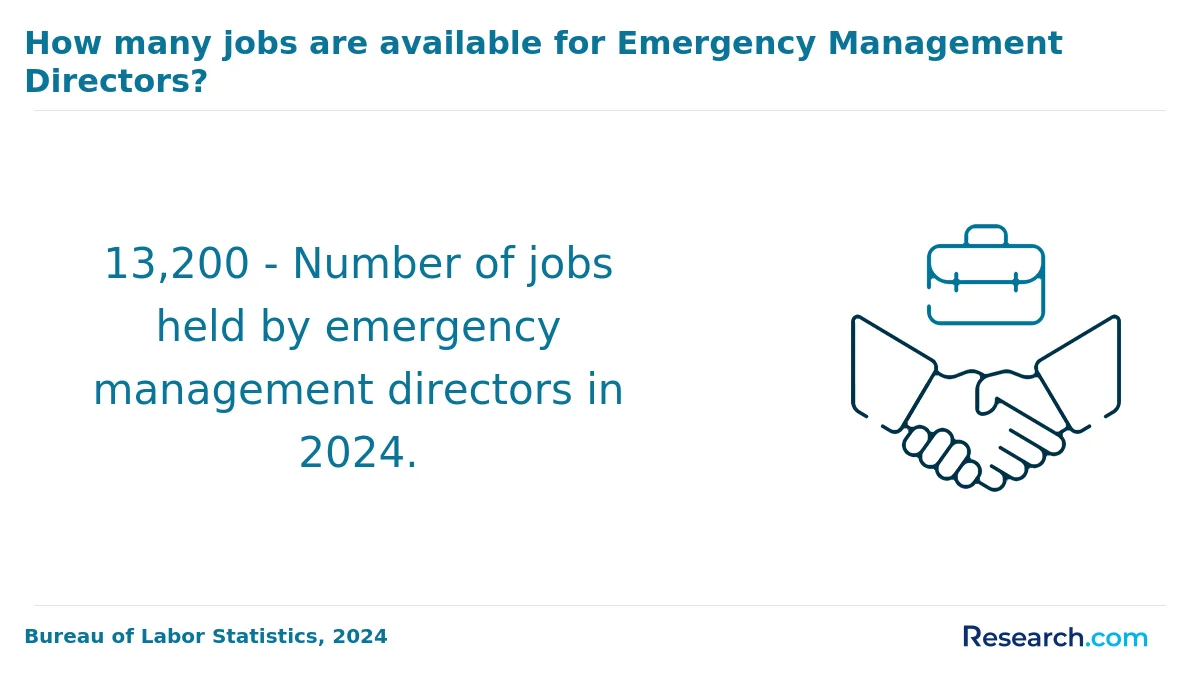
- What is the job market for online emergency management degree in America?
- Top Trending Emergency Management Rankings
What can I expect from online emergency management degree in America?
The average cost of an online emergency management degree in America typically ranges between $15,000 and $40,000, a figure that surprises many aspiring students. Graduates from renowned institutions like the University of Florida or Bellevue College often share how their investment translated into flexible learning that didn't halt their careers. Imagine juggling a full-time job while diving into crisis communication strategies after dinner, all from your own living room.
Many students appreciate how programs offered by colleges such as American Public University create dynamic virtual environments that mirror real disasters, from hurricanes to cyber threats. One graduate recalled analyzing a simulated flood's impact on a city's infrastructure-an experience that made theoretical coursework pulse with urgency and purpose. This hands-on approach, balanced with affordable tuition compared to on-campus alternatives, offers both practical skills and peace of mind.
In essence, the cost reflects a blend of rigid academic credentials and vibrant, adaptable learning designed to prepare leaders who can steer communities through urgent crises with confidence.
Where can I work with online emergency management degree in America?
Graduates from online emergency management programs at schools like Pennsylvania State University and the University of Central Florida discover their skills sought after by a surprising spectrum of employers. Imagine stepping into FEMA's command center, coordinating disaster responses where every decision echoes across communities-this is the reality for many who shape public safety within federal, state, and local agencies.
Some alumni find themselves behind the scenes in bustling city emergency operations centers, orchestrating drills and resource logistics that keep neighborhoods ready for storms or wildfires. Others land roles in major corporations, crafting strategies to safeguard hospitals or transportation hubs, blending business savvy with disaster resilience.
Nonprofits like the Red Cross call on these degree holders to lead on-the-ground aid missions, mixing heart and tactical expertise to dramatically impact lives. Meanwhile, consulting gigs and academic posts offer flexible paths, where graduates analyze risks or train future emergency leaders, turning their education into a ripple effect of preparedness across America.
How much can I make with online emergency management degree in America?
Graduates from online emergency management programs at American institutions often find themselves stepping into roles with median salaries hovering around $83,000, a solid figure reflecting the field's vital importance. Picture a graduate from a well-known Midwestern university, buoyed by online training, landing a role as an emergency management director and feeling the satisfaction of a $83K annual wage-a reward for mastering crisis coordination from afar.
Early career professionals, fresh from programs at universities renowned for public safety and emergency response training, might start between $45,000 and $60,000. This phase feels like a launchpad, with opportunities growing as experience deepens.
For those thriving in urban hubs or federal gigs, imagine someone leveraging an online master's degree to join FEMA or similar agencies. Their paychecks crossing the $120,000 mark echo their advanced skills and leadership. Alongside salary, overtime and hazard bonuses during disaster responses bring a tangible sense of value and recognition, making the path from online degree to rewarding career a vivid reality.
2027 Fastest Online Master's in Emergency Management Degree Programs Ranking in the USA
How do we rank schools?
Investing in your education is a significant decision that can shape your future, and the Research.com team understands the importance of making informed choices. To assist prospective students, we have meticulously crafted the "2027 Fastest Online Master's in Emergency Management Degree Programs Ranking in the USA." Our commitment to quality, credibility, and accuracy is reflected in the extensive research and analysis conducted to compile this ranking.
We utilized the following reputable data sources to ensure a comprehensive evaluation of emergency management programs:
By exploring this ranking, readers will gain valuable insights into programs that offer the fastest paths to advancing a career in emergency management, helping them make well-informed decisions about their educational paths. For more details on our methodology, please visit our Research.com methodology page.


# 4 position
Penn State University Park
Master of Homeland Security - Agricultural Biosecurity and Food Defense Option


# 10 position
Columbia Southern University
Master of Emergency Services Management

Key Findings
- Online emergency management degrees in the U.S. range from bachelor's to master's levels, with master's preferred for leadership roles.
- The cost of an online master's degree typically ranges from $15,000 to $35,000, with public universities generally offering lower tuition.
- Graduates earn starting salaries between $50,000 and $60,000, and experienced professionals can make $75,000 to $90,000 annually.
- Employment for emergency management directors is projected to grow 6% from 2022 to 2032, matching average job growth rates.
- Key skills taught include crisis communication, hazard mitigation, and logistics, with accreditation important for job eligibility.
How long does it take to complete online emergency management degree in America?
Imagine juggling a full-time job while navigating the twists and turns of an online emergency management degree from places like the University of North Texas or American Public University System. For most bachelor's hopefuls diving into this field, the journey usually spans about four years if you're full-time, unfolding like chapters in a gripping survival manual.
But if life hands you extra challenges and you take the part-time path, expect the adventure to stretch out-sometimes up to six years-each semester a carefully plotted step forward.
Master's degree seekers often zip through their studies in 18 months to three years, with some accelerated programs transforming what could feel like an uphill climb into a swift sprint of 12 to 18 months. Graduates speak of balancing work, family, and studies, their persistence fueled by the promise of protecting communities.
Flexible pacing and credit transfers serve as lifelines, helping students customize their timelines. So, the mission's length molds around your life's unique rhythm, making emergency management education a dynamic, attainable expedition in America.
What's the difference between online and on-campus emergency management degree?
Imagine juggling a full-time job in Chicago while earning your emergency management degree from a renowned online program like the one at the University of North Texas. The allure? Absolute flexibility-logging into virtual lectures after the kids are asleep, engaging in crisis simulations via interactive software, all without the hefty commute or campus fees staring you down. Graduates rave about mastering disaster recovery planning from their living rooms, proving that dedication transcends geography.
Contrast this with the energizing pulse of on-campus life at places like the University of Denver, where students dive into hands-on labs and collaborate face-to-face during real-time workshops. The tactile experience of role-playing disaster scenarios with peers and faculty sparks a unique confidence, fusing theory with adrenaline. While tuition may climb closer to $30,000 annually, the tangible camaraderie and networking often become lifelong assets.
Both paths lead to roles as disaster response coordinators or emergency planners, but whether you're navigating your studies through virtual channels or campus hallways, American programs tailor a transformative journey towards readiness and resilience.
What is the average cost of online emergency management degree in America?
The average cost of an online emergency management degree in America sits around $22,500, striking a balance between affordability and the value of specialized education. Many graduates from renowned public universities marvel at how in-state tuition rates can keep the total price near $11,700, making such programs accessible to local learners. Imagine a student completing their degree while juggling a full-time job, grateful for a tuition structure that doesn't break the bank yet delivers critical skills for crisis response careers.
Out-of-state students or those opting for private schools encounter a different financial landscape, often paying upwards of $34,900. It's a steeper climb, but graduates frequently reflect on the investment as worthwhile given the program's depth and networking opportunities, especially in colleges known for robust emergency management curricula. Such programs prepare them for leadership roles in public safety and homeland security with confidence and practical know-how.
These realities vividly illustrate the average cost of online emergency management degree USA students face, blending the challenge of tuition with the rewarding mission of disaster preparedness. Expenses for books and tech add on top, but many students leverage scholarships and employer tuition assistance, turning a daunting bill into an achievable goal. For those eager to explore options with speed and flexibility, the fastest emergency management masters online offer pathways that fit busy lives without sacrificing quality.
Tuition and fees for emergency management master's online in the USA ultimately reflect a blend of commitment, resources, and the promise of a career safeguarding communities-making every dollar a step toward impactful leadership.
What financial aid is available to online emergency management degree students in America?
Imagine launching your online emergency management degree from a top American university without the crushing weight of tuition looming over you. Many graduates have navigated this by tapping into federal aid through the FAFSA, unlocking grants, low-interest loans, and work-study gigs that cushion costs. Pell Grants, while mostly for undergrads, light the way for some, but graduate students often rely on Direct Unsubsidized Loans or Grad PLUS Loans with flexible repayment plans tailored to their lives.
State-funded scholarships are another lifeline. Picture a student enrolled at a well-regarded college in Texas or California finding resident-specific grants that slice through tuition like a lifeline in a storm. Private groups, like the International Association of Emergency Managers, fuel ambition with scholarships recognizing both merit and dedication.
Employer tuition assistance programs transform professionals' dreams into reality, as emergency responders and public safety workers secure partial or full reimbursement, turning workplace support into academic success. These options empower future emergency managers to focus on their calling rather than the price tag.
What are the prerequisites for enrolling in online emergency management degree program in America?
To step into an online emergency management degree program in America, most graduates quickly realize the first gatekeeper is a bachelor's degree-ideally from an accredited university like the University of Colorado or Northeastern University. But it doesn't need to be a straight shot from emergency management itself. Graduates with backgrounds in public administration or criminal justice often bring fresh perspectives, though some might need to bridge gaps with courses on disaster readiness or risk management before diving deeper.
Many find the academic bar set around a 3.0 GPA, a checkpoint signaling readiness for the crunch of graduate study. GRE scores, once a staple hurdle, have become more negotiable, especially for those veterans of real-world crisis response who bring practical insights rather than test scores.
Imagine logging in from a humble kitchen table in Ohio, juggling family life, internet quirks, and GIS simulations required by Johns Hopkins' online modules-a vivid dance of determination and tech-savvy grit. This blend of academic rigor, professional experience, and digital resilience forms the heartbeat of eligibility for these transformative programs.

What courses are typically in online emergency management degree programs in America?
Diving into an online emergency management degree in America is like stepping into a simulation where every course arms you to face chaos with confidence. Graduates from well-known programs at public universities describe beginning with foundational classes such as Introduction to Emergency Management, where they unravel the history and core principles behind disaster response across the country.
They vividly recall mastering Disaster Preparedness and Risk Reduction, learning to anticipate hazards before they strike, much like preparing a resilient city for a looming hurricane. Courses on Emergency Planning and Incident Command Systems transform theoretical leaders into decisive commanders managing crises in real time, often using practical exercises inspired by FEMA protocols.
Students at popular colleges also delve into Public Health and Safety in Emergencies, understanding the crucial role of medical teams during pandemics or chemical spills. Policy and Legal Issues classes bring clarity to the maze of regulations shaping how local and federal agencies collaborate when disaster hits.
Specialized courses spark excitement too: from analyzing environmental hazards intensified by climate change to mastering GIS technology for data-driven decisions, these lessons mirror the evolving challenges emergency managers truly face nationwide.
What types of specializations are available in online emergency management degree programs in America?
Imagine gearing up to face hurricanes or cyber threats head-on-online emergency management degrees in America open pathways into diverse realms like disaster preparedness, homeland security, crisis communication, and public health emergency management. Graduates from reputed universities often recount mastering real-world skills, from orchestrating community resilience strategies during wildfires to decoding intelligence for national security agencies. These specializations mirror the multifaceted nature of crises unfolding across the US, making them not just relevant but vital.
With a focus on tangible impact, disaster preparedness dives into risk assessment and resource juggling, while homeland security hones sharp analytical skills to guard against terrorism. Meanwhile, crisis communication trains students to become calming voices amid chaos, refining how information flows during disasters-a true lifeline in response efforts. For those drawn to health emergencies, public health emergency management blends epidemiology with pandemic planning, reflecting the lessons learned from recent global events. Those exploring the best emergency management concentrations in American online programs can find these dynamic options ready to shape their future.
Taking this further, curious minds often explore the growing flexibility of online options, which many praise for balancing professional life and study. This fusion of theory with vivid scenarios proves powerful, as seen in the vibrant discussions among graduates from top colleges across the country. Aspiring students can begin their own transformative journey by checking out a trusted resource on the online bachelor's degree in emergency management, immersing themselves in the real challenges faced by American communities today.
How do you choose the best online emergency management degree in America?
Choosing the best online emergency management degree in America feels like preparing for a storm you want to navigate with confidence rather than fear. Graduates from popular universities often recall how their programs blended powerful theory with hands-on simulations of disaster zones and public health crises-realities that transform learning into life-saving skills. Imagine studying while balancing a full-time job, with asynchronous courses crafted to fit your rhythm, a key feature in many top emergency management master's programs America offers.
Look closely at accreditation, as this ensures your degree is recognized by employers and emergency agencies alike. Students from regionally accredited schools describe the peace of mind and career doors it opens. Also, programs embedded with connections to FEMA standards or partnerships for practical experience turn abstract lessons into meaningful, career-launching adventures.
Cost can make or break your dream, but many find ways to unlock financial aid, scholarships, or discounts that defray expenses-often totaling between $15,000 and $30,000 for the entire program. If you want to dive deeper into this field, consider checking out the homeland security program online offerings, which sometimes overlap in content and opportunities. These approaches help you tailor your online journey toward becoming a resilient emergency professional in America.

What career paths are available for online emergency management degree students in America?
Graduates of online emergency management degree programs in America often find themselves stepping into roles that feel more like calling than career. From navigating the chaos as emergency management coordinators at bustling city offices to crafting bulletproof disaster plans for federal agencies, the opportunities burst with purpose. Many leave popular campuses-like those at universities known for their rigorous emergency management departments-with hands-on experience in crisis simulations, ready to dive into real-world challenges. These graduates frequently secure positions as public safety directors, orchestrating community-wide responses that protect lives with confident precision.
There's also the pathway toward becoming homeland security analysts, a role that thrives on vigilance against unseen threats, perfectly suited for those inspired by the dynamic pace of America's evolving security landscape. The breadth of career opportunities for emergency management graduates in the USA surprises many, encompassing disaster recovery specialists and risk assessment managers who creatively tackle vulnerabilities to make communities safer.
Curious minds pursuing online degrees often enhance their edge through certifications while balancing work and study. For those eager to accelerate their journey, institutions offer flexible options, including the fastest homeland security masters degree online, a gateway to high-impact roles that blend technology, strategy, and leadership.
What is the job market for online emergency management degree in America?
The job market for graduates with an online emergency management degree in America pulses with steady opportunity, reflecting a nation bracing for the unpredictable. Graduates from top programs at universities renowned for this field often land roles in federal agencies like FEMA or dive into state and local governments where their expertise shapes real disaster response plans. Every day, they gain the rewarding responsibility of safeguarding communities against hurricanes, wildfires, or pandemics.
In this dynamic landscape, online emergency management jobs USA span beyond government roles-healthcare systems, logistics companies, and nonprofit organizations are hungry for skilled professionals. Recent graduates frequently share stories of transitioning from study to impactful careers, finding their preparation perfect for these varied settings. Their optimism is deeply rooted in the strong employment outlook and median salaries around $83,020, driving momentum and passion across sectors.
For those debating paths, exploring options related to a risk management bachelor's degree careers can shed light on complementary routes. The emergency management career opportunities America offers ensure that graduates remain in demand as masters of preparedness and resilience.
Frequently Asked Questions About emergency management
Students pursuing online emergency management degrees in America can maximize their learning by actively engaging with course materials and participating in virtual discussions. Research shows that interactive learning improves knowledge retention, especially in complex fields like emergency management (FEMA, 2023).
Using real-world case studies to supplement theoretical knowledge helps students understand the practical applications of disaster response and preparedness. The U.S. Bureau of Labor Statistics projects a 6% job growth in emergency management roles through 2032, making practical skills essential.
Networking with professionals and joining relevant organizations, such as the International Association of Emergency Managers, enhances career opportunities and learning.
Finally, students should utilize available resources, including simulation software and federal emergency management databases, to deepen their expertise.
The emergency management field in the United States is evolving, with several emerging niches gaining importance. One key area is cybersecurity emergency management, driven by the increasing frequency of cyberattacks on critical infrastructure. The U.S. Department of Homeland Security highlights this as a high-priority sector.
Another growing niche involves climate resilience planning, focusing on preparing communities for natural disasters linked to climate change. According to FEMA, more than 90% of disasters in recent years are climate-related.
Healthcare emergency management is also expanding, especially after the COVID-19 pandemic, emphasizing coordination during public health crises.
These niches reflect the dynamic challenges facing emergency managers and the need for specialized skills.
After completing an online emergency management degree in America, preparing for the job market involves gaining relevant experience and certifications. Many employers prioritize candidates with training in FEMA's National Incident Management System (NIMS) or certifications from the International Association of Emergency Managers (IAEM).
Internships or volunteer work with local emergency management agencies can provide practical skills and networking opportunities. According to the U.S. Bureau of Labor Statistics, employment in emergency management is projected to grow 8% from 2022 to 2032, indicating strong demand.
Building a professional resume showcasing leadership, communication, and critical thinking is vital. Joining professional organizations can also enhance connections and job prospects.
Employers seeking graduates with online emergency management degrees in America prioritize a combination of technical and interpersonal skills. Critical thinking and problem-solving are essential, enabling graduates to assess complex situations and develop effective response strategies. Communication skills, both written and verbal, rank highly since clear information dissemination is vital during crises.
Data from the Federal Emergency Management Agency (FEMA) highlights that knowledge of risk assessment and mitigation techniques is crucial. Additionally, familiarity with Geographic Information Systems (GIS) and emergency management software is often preferred.
Leadership and teamwork abilities are also important, as emergency managers frequently coordinate with multiple agencies under pressure to protect public safety.
Finding internships related to an emergency management degree in America begins with targeting agencies that focus on disaster preparedness and response. Federal bodies like FEMA, state emergency management agencies, and local government offices regularly offer internship opportunities.
Many universities with emergency management programs provide dedicated internship placement services or maintain partnerships with organizations. Checking your school's career center or online internship portals can be especially helpful.
According to the National Emergency Management Association (NEMA), internships often require applicants to demonstrate foundational knowledge in disaster response, risk analysis, and public safety protocols.
Networking through professional groups such as the International Association of Emergency Managers (IAEM) can also uncover internship leads relevant to your degree.
Be prepared to apply early as competitive internships may fill quickly, especially in peak disaster seasons.
An online emergency management degree significantly enhances career mobility and advancement opportunities in the United States. According to the U.S. Bureau of Labor Statistics, employment for emergency management directors is projected to grow 6% from 2022 to 2032, faster than the average for all occupations. This growth is driven by heightened disaster preparedness needs across public and private sectors.
Graduates with an online degree often qualify for leadership roles in federal, state, and local agencies, as well as non-profits and private companies. The flexibility of online programs allows working professionals to gain advanced skills without pausing their careers.
Possessing a specialized degree also tends to increase earning potential; for example, median wages for emergency management directors were $86,000 annually in 2023, with degree holders often earning higher salaries. Certifications combined with an online degree further boost credibility and promote advancement.
Studying for an emergency management degree in America equips students with knowledge spanning multiple disciplines. The curriculum typically integrates public safety, environmental science, health, and governmental policy. This multidisciplinary approach is essential because emergency managers coordinate responses across various agencies and sectors.
The Federal Emergency Management Agency (FEMA) emphasizes the importance of cross-sector collaboration, which U.S. degree programs reflect by teaching skills in communication, risk analysis, and crisis leadership. According to the Bureau of Labor Statistics, employment in emergency management is expected to grow by 8% through 2031, partly due to increasing natural disasters requiring broad expertise.
Online programs enable working professionals to gain strategic planning and logistical skills applicable to healthcare, law enforcement, and urban planning. These programs promote adaptability, preparing graduates for roles that demand integration of diverse disciplines in complex situations.
When choosing between a thesis and a non-thesis online emergency management degree program in America, students should consider their career goals and learning preferences. Thesis programs often require original research and a formal paper, ideal for those interested in academic research or pursuing a PhD later. Non-thesis options focus more on practical skills and may include capstone projects or comprehensive exams.
According to the Federal Emergency Management Agency (FEMA), professionals with advanced practical training are increasingly in demand, favoring non-thesis formats. However, thesis pathways can enhance analytical skills, valuable for policy-making roles.
Students based in America who want to study emergency management abroad often explore international universities offering online programs or participate in exchange agreements through their home institutions. While fully online emergency management master's degrees are more prevalent within U.S. schools, some international universities provide specialized courses accessible remotely. The Federal Emergency Management Agency (FEMA) supports educational collaboration worldwide, helping students gain global perspectives on disaster response and risk mitigation.
American students studying abroad may benefit from credits transferable to U.S. degrees, but should verify program accreditation. According to the National Fire Protection Association, understanding global disaster trends is increasingly vital, reflecting the importance of diverse educational experiences in this field.
Part-time jobs that complement an online emergency management degree in America often include roles in public safety, healthcare, and governmental agencies. Positions such as emergency dispatcher, community outreach coordinator, or disaster response assistant provide practical experience alongside academic training.
According to the Bureau of Labor Statistics, emergency management specialists earn a median annual wage of about $76,250, making related part-time roles valuable for gaining industry insight and networking.
Volunteering with organizations like the American Red Cross or local emergency management offices also offers hands-on experience, crucial for applying theoretical knowledge in real-world scenarios.
Working in these roles enhances skills in crisis communication, resource coordination, and risk assessment, all critical to career advancement.
Online emergency management students in America have access to various networking opportunities that help build professional connections despite the virtual format. Many programs partner with local and national emergency management organizations, such as FEMA and the International Association of Emergency Managers (IAEM), to offer webinars, workshops, and virtual conferences.
Students can join professional forums and social media groups focused on emergency management careers, which facilitate knowledge-sharing and job leads. Additionally, some universities host online career fairs and alumni networking events specifically for emergency management students.
According to IAEM, nearly 70% of emergency management professionals find job opportunities through networking, highlighting its importance in this field.
Alumni networks provide valuable support for students pursuing online emergency management degrees in America. These networks connect current students with graduates who have practical experience in federal, state, and local emergency agencies.
According to the Federal Emergency Management Agency (FEMA), networking can improve job placement rates for emergency management professionals, with alumni often sharing job leads and career advice.
Participation in alumni events and online forums also allows students to engage with experts who understand the unique challenges of disaster response and preparedness.
This access helps build professional relationships, enhance mentorship opportunities, and strengthen career development in a competitive field.
Customizing an online emergency management degree in America allows students to align their studies with specific career goals. Many programs offer elective courses in areas such as disaster response, homeland security, or public health preparedness. Students can select concentrations to develop expertise in sectors like cybersecurity, environmental hazards, or crisis communication.
The Federal Emergency Management Agency (FEMA) often collaborates with universities, providing practical resources and certifications that can complement degree work. Additionally, research from the Bureau of Labor Statistics highlights that specialized skills in emergency management increase job prospects and potential salaries, which currently average around $78,000 annually.
Some programs also allow internships or capstone projects, enabling real-world application tailored to the student's interests and local needs. This flexibility helps graduates become more competitive in a growing field expected to grow 6% by 2032.
Online emergency management students in America often face challenges related to balancing coursework with professional and personal responsibilities. Many students in this field are working adults who must manage complex schedules while engaging with demanding program content.
Technical difficulties can also pose obstacles, especially for those less familiar with learning management systems or virtual collaboration tools. According to a 2022 EDUCAUSE report, about 44% of online learners experience technology-related issues that hinder their studies.
Additionally, students may struggle with limited opportunities for hands-on training or real-time simulations, which are crucial for emergency management skills development. This limitation can impact preparedness for fieldwork scenarios.
Finally, some students report feelings of isolation and reduced peer interaction, as emergency management often involves teamwork under stressful conditions. Building a professional network virtually remains a significant challenge.
With an online emergency management degree, graduates can pursue several professional certifications to enhance their career prospects. A widely recognized option is the Certified Emergency Manager (CEM) credential, offered by the International Association of Emergency Managers (IAEM). Over 2,500 professionals hold this certification in the U.S., highlighting its value in demonstrating expertise.
Another key certification is the FEMA Professional Development Series (PDS), which is free and focuses on foundational emergency management skills. It is often pursued by government employees and first responders.
Additionally, the Associate Emergency Manager (AEM) certification is an entry-level credential suitable for those new to the field. These certifications improve job opportunities in federal, state, and local agencies, as well as private sectors involved in disaster preparedness and response.
Writing a winning application for an online emergency management program in America requires clear communication and a demonstration of relevant skills. Start by highlighting your experience or interest in disaster response, public safety, or crisis management. The U.S. Bureau of Labor Statistics projects a 6% job growth in emergency management from 2022 to 2032, reflecting the field's increasing importance.
Showcase your problem-solving abilities and commitment to community resilience. Many programs value applicants who understand FEMA guidelines or have completed related certifications like the Certified Emergency Manager (CEM).
Carefully follow each school's application instructions, provide strong letters of recommendation, and write a focused personal statement explaining your goals in emergency management. Data from the Emergency Management Accreditation Program (EMAP) underscores how leadership skills are critical for success in this field.
Emergency management careers are increasingly viewed through a global lens, reflecting the interconnected nature of disaster response and preparedness. In the United States, professionals often collaborate with international agencies like the United Nations Office for Disaster Risk Reduction (UNDRR) to align practices worldwide.
Global perspectives emphasize the importance of cultural competence and adaptability. For example, the Federal Emergency Management Agency (FEMA) promotes worldwide knowledge exchange to improve response strategies. Studies show that about 80% of U.S.-based emergency managers acknowledge the value of international frameworks in shaping effective domestic policies (Source: FEMA, 2023).
Moreover, online emergency management degrees in America increasingly include global disaster case studies, preparing students for careers that may involve multinational coordination. This broad approach highlights how emergency management is not only a local or national concern but a vital part of global resilience efforts.
Gaining practical experience while studying for an online emergency management degree in America is essential for career readiness. Many programs encourage students to pursue internships with federal, state, or local emergency agencies. The Federal Emergency Management Agency (FEMA) frequently offers internships and fellowships tailored to emergency management students.
Students can also participate in virtual simulations and tabletop exercises, which replicate real disaster scenarios to hone decision-making skills. According to the International Association of Emergency Managers, over 60% of programs incorporate experiential learning components.
Additionally, joining professional organizations like the National Emergency Management Association can provide networking opportunities, workshops, and hands-on training relevant to emergency response and disaster recovery.
Choosing the right concentration within an online emergency management degree in America depends on your career goals and interests. Common concentrations include disaster preparedness, homeland security, public health emergency management, and crisis communication.
Researching labor market trends can guide your decision. According to the U.S. Bureau of Labor Statistics, emergency management jobs are expected to grow 6% from 2021 to 2031, with public health emergency roles expanding due to increased focus on pandemics.
Consider your background and seek concentrations aligned with agencies like FEMA or state emergency services for targeted skills. Accreditation and curriculum relevance to current national standards also matter for professional growth.
Review course offerings and speak with advisors to understand each concentration's specialization. Hands-on simulations and policy study opportunities are valuable practical elements.
Top Trending Emergency Management Rankings
References
- Emergency Management Career | Degree and Licensing Paths https://www.publichealthonline.org/emergency-management-career/
- Emergency Management Challenges & How to Overcome Them | CriticalArc https://criticalarc.com/emergency-management-challenges-how-to-overcome-them/
- Internship Opportunities with Department of Emergency Management https://sonomacounty.gov/administrative-support-and-fiscal-services/emergency-management/internships
- Online Bachelor's in Emergency and Disaster Management https://www.monroeu.edu/academics/undergraduate-programs/school-criminal-justice/online-bachelors-emergency-and-disaster
- We are WFP Alumni https://alumni.wfp.org/
- Know more about thesis vs non- thesis: what is the difference? https://studyfans.com/en/blogs/816
- How to Write a Resume That Gets You Into Emergency Management https://www.aemo.us/blog/how-to-write-a-resume-that-gets-you-into-emergency-management
- Seven Jobs You Can Do with a Degree in Emergency Management and Homeland Security https://www.albany.edu/graduate/news/2025-seven-jobs-you-can-do-degree-emergency-management-and-homeland-security
- ALUMNI https://www.dismedmaster.com/alumni/
- Emergency Management Degree Online | Training Programs & Information https://www.firescience.org/emergency-management-degree-programs-online/