2027 Fastest Online Bachelor's in Emergency Management Degree Programs Ranking in the USA

Co-Founder and Chief Data Scientist
Choosing the right emergency management degree can feel overwhelming, especially with so many online options available. This article introduces the 2027 Fastest Online Bachelor's in Emergency Management Degree Programs Ranking in the USA, developed by the Research.com team of data scientists. It's designed to help you make an informed decision about which programs offer the best blend of speed and quality.
By exploring this ranking, you'll discover valuable pathways to a rewarding career in emergency management. Earning this degree can open doors to meaningful work that makes a real difference. Let's get started on finding the program that fits your goals and timeline.
Key benefits of getting online emergency management degree in America
- Emergency management graduates can expect competitive salaries in related government and safety roles, with many positions offering median wages around $75,000 to $85,000 annually, providing strong financial stability.
- Graduates often pursue careers in emergency planning, public safety coordination, and disaster response, gaining opportunities at local, state, and federal agencies, as shown by alumni from universities like the University of Southern California.
- Obtaining an emergency management degree online offers flexibility and accessibility, allowing students like those from Arizona State University to balance work and study while accessing quality faculty and resources from anywhere.
- Key benefits of getting online emergency management degree in America
- What can I expect from online emergency management degree in America?
- Where can I work with online emergency management degree in America?
- How much can I make with online emergency management degree in America?
- 2027 Fastest Online Bachelor's in Emergency Management Degree Programs Ranking in the USA
- Key Findings
- How long does it take to complete online emergency management degree in America?
- What's the difference between online and on-campus emergency management degree?
- What is the average cost of online emergency management degree in America?
- What financial aid is available to online emergency management degree students in America?
- What are the prerequisites for enrolling in online emergency management degree program in America?
- What courses are typically in online emergency management degree programs in America?
- What types of specializations are available in online emergency management degree programs in America?
- How do you choose the best online emergency management degree in America?
- What career paths are available for online emergency management degree students in America?
- What is the job market for online emergency management degree in America?
- Top Trending Emergency Management Rankings
What can I expect from online emergency management degree in America?
The average cost of an online emergency management degree in America typically ranges from $15,000 to $40,000 for a bachelor's program, depending on the institution's reputation and resources. Graduates from well-regarded universities often share how the investment felt worthwhile considering the practical skills and real-world scenarios they engaged with, such as emergency response simulations and crisis communication exercises tailored to U.S. disaster contexts.
Many students appreciate how programs from schools popular for emergency management, like those with strong ties to FEMA frameworks, offer both flexibility and hands-on learning through virtual labs and case studies. This blend of theory and practice shapes confident professionals ready to face roles in government agencies or healthcare organizations.
Working adults frequently highlight the value of asynchronous class schedules that allow them to balance employment and education seamlessly. These programs not only make advanced training accessible but also prepare students with skills highly sought after during the increasing number of emergencies America faces.
Where can I work with online emergency management degree in America?
Graduates with an online emergency management degree from well-known American universities often find meaningful careers across varied sectors. Many step into roles at federal agencies such as FEMA, where they actively engage in real-life disaster response and recovery, witnessing their efforts directly impact communities after hurricanes or wildfires.
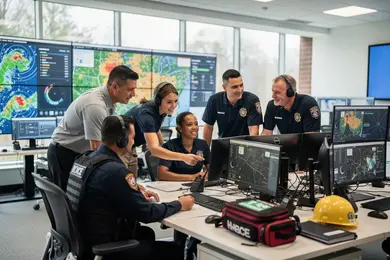
Others choose to serve in state or local emergency management offices, gaining hands-on experience coordinating community preparations and crisis communications. These opportunities allow graduates to participate in emergency operations centers, where quick decision-making saves lives during floods or severe storms.
Healthcare institutions also attract graduates, especially after recent public health crises highlighted the need for robust emergency continuity plans. Working in hospitals or public health departments, they ensure essential medical services remain operational during pandemics or bioterrorism incidents.
Private firms and nonprofits offer paths focused on risk assessment, disaster mitigation, and volunteer coordination. Graduates often describe satisfaction helping businesses and community groups build resilience, combining fieldwork with leadership roles.
Studying emergency management online at recognized colleges in America thus unlocks diverse, impactful career paths-each rooted in service, problem-solving, and deep personal fulfillment.
How much can I make with online emergency management degree in America?
Graduates with online emergency management degrees in America often find themselves entering a field with promising financial rewards and meaningful work. For example, though exact federal salary data is sparse, many alumni from respected programs at institutions like the University of North Carolina or the University of California report starting salaries around $50,000. With experience, emergency management directors in states such as California or New York may earn upwards of $100,000, reflecting both their expertise and regional cost of living.
One graduate remembered coordinating disaster response efforts after a major storm, highlighting how the degree opened doors to well-paying government roles offering strong benefits. Another noted the satisfaction of consulting for private companies in energy and insurance sectors, blending competitive salaries with impactful work.
The growth outlook-projected at 17% over a decade-adds confidence that investing in an online emergency management degree in America is both a financially smart and personally rewarding decision.
2027 Fastest Online Bachelor's in Emergency Management Degree Programs Ranking in the USA
How do we rank schools?
Investing in your education is a significant decision that can shape your future, and the Research.com team understands the importance of making informed choices. To assist prospective students seeking fast online bachelor's degrees in Emergency Management, we have meticulously compiled the "2027 Fastest Online Bachelor's in Emergency Management Degree Programs Ranking in the USA." Our commitment to quality, credibility, and accuracy is demonstrated through rigorous analysis and comprehensive research.
We utilized the following reputable data sources to ensure a thorough evaluation of the programs:
By exploring this ranking, readers will gain valuable insights into the fastest, most reputable online degree options in Emergency Management, enabling well-informed educational decisions. For more information on how this ranking was created, please visit our Research.com methodology page.


# 3 position
Anderson University
Bachelor of Homeland Security and Emergency Services: Emergency Services Management


# 7 position
Jacksonville State University
Bachelor of Emergency Management, Public Safety Communications minor

# 8 position
Thomas Edison State University
Bachelor of Emergency Disaster Services


Key Findings
- Online bachelor's degrees in emergency management cost between $15,000 and $45,000 in total tuition, varying by public or private school and residency.
- Graduates can expect entry-level salaries around $50,000 to $60,000 annually, with experienced professionals earning $70,000 to $90,000.
- Senior emergency management roles, especially in government or large organizations, can pay over $100,000 per year.
- Employment for emergency management directors is projected to grow by 7% from 2022 to 2032, matching average job growth rates.
- Many programs support certifications like Certified Emergency Manager (CEM) and hold accreditations aligning with industry standards.
How long does it take to complete online emergency management degree in America?
Completing an online emergency management degree in America typically spans three to four years for a bachelor's, mirroring what graduates from well-known programs at universities like the University of North Texas or American Public University have experienced. Many students appreciate the option to accelerate their studies by taking extra courses or enrolling in summer sessions, which can shorten the timeline to as little as three years. This flexibility often makes juggling work and family easier, helping students stay motivated and confident in their progress.
For those pursuing a master's degree, the timeframe often ranges from one to four years. Graduates from institutions such as California State University or Texas A&M report that part-time online schedules enable them to balance professional responsibilities while advancing their education. Some accelerated master's tracks, available at select colleges, allow completion within 12 to 18 months, especially for those with relevant undergraduate backgrounds or experience. This adaptability in pacing supports a positive learning journey, allowing students to tailor their path to personal and career needs.
What's the difference between online and on-campus emergency management degree?
Online emergency management degrees in America offer unmatched flexibility, especially for working professionals balancing careers and family. Graduates from prominent programs at universities like the University of California, Irvine, often appreciate being able to access lectures and materials anytime, adapting their studies around unpredictable schedules common in emergency response roles.
Conversely, on-campus programs at institutions such as the University of North Texas immerse students in direct interaction with professors and peers. This face-to-face environment fosters strong networks and hands-on training through simulations and field exercises, which some graduates recall as pivotal in building confidence for real-world disaster management.
Cost also plays a role. While tuition at public universities averages about $10,000 annually for in-state students, online learners frequently save further by avoiding expenses like housing and commuting. Accreditation remains a vital consideration across both formats, ensuring the degree holds weight with employers in this critical field.
Ultimately, deciding between formats involves weighing the desire for flexible pacing against the value of immersive, in-person experiences-all grounded in how each student envisions applying their emergency management skills in practice.
What is the average cost of online emergency management degree in America?
The average cost of an online emergency management degree in America typically centers around a median total tuition of $54,600. Graduates from well-known public universities often report paying closer to $64,992 if they are in-state students, whereas those attending out-of-state or private institutions sometimes face costs rising to $73,275. Many students recall balancing these expenses with the reality of additional fees for technology, books, and program materials, which can add $1,000 to $3,000 annually, subtly increasing the overall financial commitment.
For example, students from universities recognized for their emergency management curriculum mention that while tuition fees are a significant factor, the value found in practical simulations and disaster response training justifies the investment. Those who attend institutions popular in this field describe the experience as rewarding despite the cost, appreciating the tailored instruction and resources that support career readiness. Thoughtful research on total tuition and fees for emergency management bachelor's USA reveals that considering both direct and indirect expenses is essential for an accurate financial picture.
Many prospective learners explore accelerated options to reduce both time and expenses, often referencing the fastest bachelor degree in emergency management online as a cost-effective choice. This path has been praised for delivering a robust education at a pace that fits the modern student's lifestyle and financial planning. Such strategic decisions reflect a keen awareness of how to navigate the average cost of an online emergency management degree USA with wisdom and practicality.

What financial aid is available to online emergency management degree students in America?
Students pursuing an online emergency management degree in America often find crucial financial support through federal aid, which forms the backbone of affordability for many. Graduates from respected programs like those at the University of Florida or FEMA's higher education partnerships frequently recall how completing the FAFSA opened doors to Pell Grants-non-repayable awards of up to $7,395-that eased their tuition burden significantly.
Loans such as Direct Subsidized and Unsubsidized Loans also provide manageable repayment plans, allowing students to focus on learning rather than immediate financial stress. Beyond federal aid, institutional scholarships at universities like California State University offer merit-based awards rewarding academic dedication and public safety commitment, which many emergency management students have gratefully utilized.
State grants further fine-tune support based on residency, and employer tuition assistance programs often empower working professionals-firefighters, healthcare workers, and government employees-to pursue online degrees with partial or full reimbursement. This layered financial aid ecosystem makes the demanding journey of emergency management study not just possible but encouraging.
What are the prerequisites for enrolling in online emergency management degree program in America?
To enroll in an online emergency management degree in America, students typically need a high school diploma or GED, reflecting the baseline requirement at many reputable universities like those known for strong emergency management programs. Graduates often recall how this foundation was essential for tackling specialized coursework and building practical skills from day one.
Many programs suggest a minimum GPA around 2.5, which helps institutions gauge readiness for the academic rigor. Some schools may still ask for SAT or ACT scores, but an increasing number have adopted test-optional policies, making access less stressful-especially for those balancing work or family obligations.
Transcripts from previous schools and transferable credits matter greatly for those shifting from other colleges, facilitating a smoother transition. Successful graduates emphasize the value of having solid computer skills and reliable internet, crucial for fully online learning environments popular among leading public universities.
- Relevant work experience in emergency response or public safety can strengthen applications and sometimes shorten degree timelines.
- Letters of recommendation and personal statements allow applicants to share their passion and dedication, which often connects deeply during admissions.
What courses are typically in online emergency management degree programs in America?
Online emergency management degrees in America typically include courses that balance theory with practical application, preparing students to handle real-life crises. Graduates from universities renowned for their programs, like the University of North Texas or Georgia State University, often reflect on how foundational classes such as Introduction to Emergency Management vividly illustrated the emergency management cycle through case studies of natural disasters and urban incidents.
Courses like Disaster Policy and Planning helped students understand how agencies such as FEMA coordinate efforts, bringing clarity to complex regulations that initially seemed daunting. Many found Risk Assessment and Hazard Analysis especially empowering, as it taught them to evaluate hazards from floods to cyber-attacks and prioritize resources accordingly.
Through Incident Command Systems (ICS), students gained confidence in managing emergency operations, envisioning themselves leading first responders during chaotic events. Electives such as crisis communication allowed learners to refine skills that proved invaluable when sharing timely and accurate information with anxious communities.
What types of specializations are available in online emergency management degree programs in America?
Among the varied specializations available in an online emergency management degree in America, students often encounter focused tracks such as Disaster Management and Response, Homeland Security, Public Health Preparedness, Risk and Hazard Analysis, and Business Continuity and Resilience. Graduates from renowned institutions, like those popular for emergency management studies, frequently share how concentrating on these areas helped them confidently navigate real-world crisis scenarios, from natural disasters to cybersecurity threats.
One graduate described how studying Public Health Preparedness at a respected college enhanced their ability to contribute meaningfully during the recent pandemic, bringing a sense of purpose and resilience. Another found Homeland Security specialization invaluable in understanding national protection measures, fueling a passionate commitment to community safety. Such targeted knowledge reflects the advantage of specialized emergency management programs in America, especially for learners pursuing an online bachelor of emergency management.
How do you choose the best online emergency management degree in America?
Choosing the best online emergency management degree in America hinges on accreditation and curriculum relevance. Graduates from well-known universities often share how regional accreditation, like that from the Middle States Commission on Higher Education, boosted their confidence in the program's value. Coursework must address real challenges such as disaster response and crisis communication, preparing students for fast-paced roles in emergency scenarios.
Flexibility is another key consideration for many working professionals pursuing top affordable emergency management programs America offers. Students appreciate asynchronous classes that fit around demanding schedules, while accelerated paths allow completing degrees quicker without feeling overwhelmed. Tuition costs vary widely, with public universities typically charging between $7,000 and $15,000 per year in-state, making budgeting a critical step.
Finally, career support linked to agencies like FEMA helps online learners network effectively. Institutions encouraging internships and fostering ties with organizations such as the International Association of Emergency Managers enrich graduate opportunities. For those interested in related fields, exploring homeland security online degree programs can also be beneficial in shaping versatile emergency services careers.
What career paths are available for online emergency management degree students in America?
Graduates with an online emergency management degree in America often find themselves well-prepared for diverse career paths that impact community safety and resilience. Many alumni from well-known institutions share how their education equipped them to become emergency management specialists, working with federal and local agencies to design disaster response plans. Others gravitate toward roles as homeland security officers, where they safeguard communities against threats like terrorism or natural disasters.
Some graduates pursue careers as disaster recovery specialists or crisis managers, actively helping communities recover after catastrophic events. For instance, those who studied at popular colleges in the U.S. appreciate how their coursework connected theory with real emergencies, fostering confidence to lead in challenging situations. Additionally, opportunities abound in the private sector, especially in risk management and business continuity planning, where professionals craft strategies to keep companies operational during crises-an increasingly vital area.
Students weighing their options often seek the fastest online degree in public safety to enter these dynamic fields quickly. This versatility and relevance explain why emergency management degree job opportunities America are expanding steadily and draw individuals passionate about protecting and rebuilding communities.
What is the job market for online emergency management degree in America?
The online emergency management job outlook USA indicates steady growth driven by the rising need for skilled professionals who can respond effectively to natural disasters and public health crises. Graduates from popular programs at universities such as the University of Florida or Texas A&M often find meaningful employment in government agencies like FEMA or at healthcare institutions, where their training in crisis communication and planning is highly valued.
Employment opportunities for emergency management degrees in America extend beyond the public sector; many graduates report fulfilling careers with nonprofit organizations and private companies focused on risk mitigation. Salaries typically start between $50,000 and $65,000 annually, increasing with experience and certifications like the Certified Emergency Manager credential.
Many students appreciate the flexibility of online study, which allows working professionals to gain practical experience through internships while completing their degrees. Those exploring jobs with a risk management bachelor's also find strong overlap, highlighting the versatility of this career path and encouraging graduates to pursue opportunities across multiple sectors.
Frequently Asked Questions About emergency management
Online emergency management degree students in America can maximize their learning experience by actively engaging with course materials and participating in virtual discussions. Many programs offer case studies based on real US disaster events, such as hurricanes or wildfires, providing practical insights into crisis response.
Utilizing resources from organizations like FEMA and the National Emergency Management Association is vital. According to FEMA, over 60% of emergency management professionals have a degree or certification in related fields, highlighting the importance of formal education.
Students should also seek internships and networking opportunities with local agencies to gain hands-on experience.
The field of emergency management in the United States is evolving with several emerging niches. One growing area is cyber threat management, focusing on protecting critical infrastructure from cyberattacks. The increasing frequency of natural disasters caused by climate change is also driving demand for specialists in climate resilience and sustainability planning.
Health emergency preparedness has grown due to recent global pandemics, emphasizing coordination between public health and emergency services. Additionally, social vulnerability assessment is becoming important to ensure equitable resource distribution during crises.
According to the Federal Emergency Management Agency (FEMA), job growth in these specialized areas is expected to rise by over 8% through 2030, reflecting the increasing complexity of emergency challenges facing communities nationwide.
Graduates with an online emergency management degree in America should focus on building both technical skills and professional networks to enter the job market effectively. According to the Bureau of Labor Statistics, the employment of emergency management directors is projected to grow about 8% from 2022 to 2032, reflecting steady demand. Gaining certifications such as Certified Emergency Manager (CEM) can set candidates apart and validate their expertise.
Internships with local agencies or federal organizations like FEMA provide practical experience. Joining professional groups such as the International Association of Emergency Managers helps build connections. Additionally, tailoring resumes and preparing for behavioral interviews improves job prospects in this competitive field.
Employers in America seeking graduates of online emergency management degree programs prioritize critical skills that ensure readiness for disaster response and recovery. Strong communication abilities are essential, as professionals must coordinate between multiple agencies and the public effectively. Analytical thinking and problem-solving are crucial for assessing risks and developing strategic emergency plans. According to the Federal Emergency Management Agency (FEMA), knowledge of federal, state, and local regulations ranks highly in candidate evaluation.
Technical proficiency with Geographic Information Systems (GIS) and data management tools is increasingly valuable, reflecting the growing role of technology in disaster management. Leadership skills and the capacity to manage resources under pressure are also key attributes employers demand.
Finding internships in America relevant to an emergency management degree involves targeted research and networking. Many universities with online emergency management programs partner with local, state, and federal agencies to provide internship opportunities. The Federal Emergency Management Agency (FEMA) offers the Emergency Management Institute (EMI) programs and internships that are highly valuable for students.
Students should also explore internships through organizations such as the American Red Cross and state emergency response offices. Job boards specific to public safety and emergency services, like the National Emergency Management Association's site, list internship openings. According to the Bureau of Labor Statistics, practical experience is crucial for employment in this field.
Contacting your school's career center can uncover exclusive listings, and joining professional groups, such as the International Association of Emergency Managers, helps with networking. Starting early and applying broadly increases chances of placement in roles that provide hands-on disaster response and management experience.
An online emergency management degree in America significantly enhances career mobility and advancement opportunities. According to the U.S. Bureau of Labor Statistics, employment for emergency management directors is projected to grow 6% from 2022 to 2032, faster than the average for all jobs. Earning this degree equips graduates with critical skills in disaster preparedness, risk assessment, and crisis communication, which employers highly value.
Completing an accredited program online allows for flexible learning, enabling working professionals to upskill without pausing their careers. Many graduates advance into leadership roles in government agencies, hospitals, or private sectors.
Specialized credentials can also increase earning potential, with median salaries around $80,000 annually for experienced managers.
Studying for an emergency management degree in America equips students with a broad skill set applicable across multiple disciplines. Programs often include courses in public administration, environmental science, psychology, and information technology, reflecting the interdisciplinary nature of emergency management. This variety prepares graduates to collaborate effectively with professionals in health care, law enforcement, and urban planning.
Many degrees emphasize practical skills, such as risk assessment, crisis communication, and disaster recovery, which are critical in diverse roles. According to FEMA, effective emergency managers must understand the social, economic, and political factors shaping disaster response.
Online programs offer flexibility, enabling students to gain knowledge relevant to federal, state, and local agencies across the US.
Choosing between a thesis and a non-thesis online emergency management degree in America depends on career goals and learning preferences. Thesis programs emphasize research, preparing students for analytical roles or further graduate study. They often require designing and completing a substantial research project under faculty supervision.
Non-thesis programs focus on practical skills through coursework and internships, ideal for students seeking immediate employment in emergency response, government agencies, or private sector roles. According to the Bureau of Labor Statistics, emergency management jobs are projected to grow 8% from 2022 to 2032, highlighting practical expertise demand.
Cost, time commitment, and interest in research should guide your decision when selecting a path.
American students interested in studying emergency management abroad while pursuing an online degree generally have limited options due to the specialized nature of this field and the emphasis on U.S.-based standards. Most accredited online programs focus on domestic practices aligned with FEMA guidelines, which are crucial for careers in the U.S. However, several U.S. institutions offer study abroad components or partnerships with international universities that provide exposure to global emergency management frameworks.
Programs may include short-term exchanges or virtual collaborations with universities in Europe or Asia, enhancing cross-cultural disaster response knowledge. According to FEMA reports, understanding international emergency protocols complements U.S. standards but does not replace local certification requirements.
Students should verify accreditation and alignment with the Homeland Security's National Incident Management System (NIMS) to ensure their degree supports U.S. employment goals.
Part-time job opportunities that complement an online emergency management degree in America often include roles in public safety, healthcare, and nonprofit organizations. Positions such as emergency dispatchers, community outreach coordinators, and volunteer coordinators provide hands-on experience relevant to emergency planning and response.
According to the U.S. Bureau of Labor Statistics, the emergency management field is expected to grow by 8% from 2022 to 2032, creating more opportunities for graduates and students seeking part-time work. Working in roles tied to local emergency response teams or public health departments helps students apply their academic knowledge in real-world situations.
Additionally, part-time roles with government agencies like FEMA or Red Cross affiliates can enhance understanding of disaster management protocols and improve professional networks within the emergency management community.
Online emergency management degree students in America have access to valuable networking opportunities that can enhance their careers. Many programs connect students with professionals through virtual career fairs, alumni groups, and dedicated online forums.
The Federal Emergency Management Agency (FEMA) and organizations like the International Association of Emergency Managers (IAEM) offer memberships and events where students can engage with experts and peers. These platforms often provide webinars, conferences, and local chapter events, some accessible remotely.
Networking is crucial in emergency management because nearly 300,000 professionals work in this sector nationwide, according to the U.S. Bureau of Labor Statistics.
Alumni networks play a vital role for students pursuing online emergency management degrees in America. These networks connect current students with graduates who have real-world experience in emergency response, public safety, and disaster preparedness. According to the International Association of Emergency Managers (IAEM), professional connections significantly improve job placement rates within this sector.
Through these networks, students gain access to mentorship, internships, and exclusive job opportunities. Many alumni maintain ties with government agencies and NGOs, expanding career options. Networking can help navigate the competitive U.S. emergency management job market, which the Bureau of Labor Statistics expects to grow by 6% from 2022 to 2032.
In sum, a strong alumni network enhances practical learning and career development for online emergency management students in the U.S.
To customize an online emergency management degree program in America, students should first explore concentration options offered by many universities. These often include homeland security, disaster recovery, risk assessment, or business continuity. Selecting a focus helps align coursework with specific career goals.
Additionally, students can choose elective courses that match their professional interests, such as public health emergencies or cybersecurity. Many programs also offer internships or practicum experiences, which provide hands-on skills and networking opportunities in emergency management agencies.
For those pursuing federal careers, programs aligned with FEMA competencies or the U.S. Department of Homeland Security guidelines can be advantageous. According to the Bureau of Labor Statistics, customizing skills can improve job prospects in this competitive field.
Online emergency management students in America often encounter several challenges related to the demanding nature of the field and the structure of distance learning. Balancing coursework with professional or personal responsibilities is a common difficulty, especially since many students work in emergency services while studying.
Another challenge is gaining practical experience, as emergency management heavily relies on simulations and fieldwork, which can be limited in an online format. According to FEMA, hands-on training remains critical for effective preparedness, which some programs struggle to fully replicate remotely.
Additionally, navigating complex federal and state regulations in emergency management can overwhelm students without in-person guidance. Connectivity issues and the need for strong self-motivation are also frequently reported barriers among online learners.
Graduates with an online emergency management degree in the United States can pursue several key professional certifications to advance their careers. One of the most recognized is the Certified Emergency Manager (CEM) credential, offered by the International Association of Emergency Managers (IAEM). This certification requires a combination of education, experience, and a comprehensive exam.
Another important certification is the Associate Emergency Manager (AEM), which serves early-career professionals. The Federal Emergency Management Agency (FEMA) also provides specialized certifications through its Emergency Management Institute, such as Professional Development Series (PDS) courses.
These certifications can lead to higher job prospects and salaries, as emergency management roles grow with increasing natural disasters in the US, which have risen by 60% since the 1980s, according to NOAA.
To write a winning application for an online emergency management program in America, start by clearly demonstrating your commitment to the field. Highlight any practical experience, such as volunteering with local emergency services or internships. Programs value applicants who show a strong understanding of emergency preparedness and response.
Include a well-organized personal statement explaining your career goals and how the degree will help you contribute to community safety. According to FEMA, the demand for skilled emergency managers is growing by over 8% annually, so emphasize your readiness to meet this need. Be sure to submit all required documents, including official transcripts and letters of recommendation from professionals familiar with your abilities.
Lastly, tailor your application to each program's unique focus, whether it be disaster recovery, crisis communication, or public health emergencies, to show clear alignment with their curriculum.
Emergency management careers are increasingly viewed as essential worldwide, with global organizations focused on disaster preparedness and response. In the United States, the field is growing significantly due to climate change, natural disasters, and public health crises. According to the U.S. Bureau of Labor Statistics, employment for emergency management directors is projected to grow 6% from 2021 to 2031, faster than the average for all occupations.
Globally, professionals often collaborate through agencies like the United Nations Office for Disaster Risk Reduction, shaping best practices. U.S.-based degrees emphasize leadership, technology, and policy to prepare students for these international connections.
Gaining practical experience while studying online for an emergency management degree in America is essential. Many programs encourage students to participate in internships with local emergency agencies, public health departments, or nonprofit disaster relief organizations. These opportunities provide hands-on skills in crisis response and planning.
Students can also engage in virtual simulations and tabletop exercises offered by institutions or organizations such as the Federal Emergency Management Agency (FEMA). These exercises replicate real-world disaster scenarios and are valuable for skill development.
Additionally, networking with professionals through online forums and webinars enhances understanding of current emergency management practices in the U.S.
When choosing a concentration within an online emergency management degree in America, consider your career goals and the sectors that interest you most. Common concentrations include disaster preparedness, homeland security, and public health emergency management. Each focuses on different skills and job markets.
Research from FEMA and the Bureau of Labor Statistics highlights growing demand in healthcare emergency management due to recent public health crises. Meanwhile, homeland security specialization suits those interested in federal or state government roles.
Also, review program accreditation and faculty expertise, as these influence educational quality. Aligning concentrations with in-demand skills enhances employability in the competitive U.S. emergency management field.
Top Trending Emergency Management Rankings
References
- Home https://dnem.org/
- Search icon https://waldorf.edu/online/academics/online-resources/articles/careers-in-emergency-preparedness-and-response-roles-skills-and-career-paths/
- Seven Jobs You Can Do with a Degree in Emergency Management and Homeland Security https://www.albany.edu/graduate/news/2025-seven-jobs-you-can-do-degree-emergency-management-and-homeland-security
- We are WFP Alumni https://alumni.wfp.org/
- Eye-Catching Emergency Management Resume Objective Examples (2025 Guide) https://www.visualcv.com/emergency-management-resume-objectives/
- Emergency Managers: Everything You Need to Know https://www.nrep.org/blog/emergency-manager-career-guide
- Humanitarian, Emergency and Disaster Management | Charles Darwin University https://www.cdu.edu.au/study/humanitarian-emergency-disaster-management
- How to Write a Resume That Gets You Into Emergency Management https://www.aemo.us/blog/how-to-write-a-resume-that-gets-you-into-emergency-management
- Emergency Management Challenges & How to Overcome Them | CriticalArc https://criticalarc.com/emergency-management-challenges-how-to-overcome-them/
- Study emergency management https://www.massey.ac.nz/study/find-a-subject-course-or-qualification/study-emergency-management/