2027 Emergency Management Degree Licensure Outcomes Report: Pass Rates, Barriers, and Career Impact

Co-Founder and Chief Data Scientist
Emergency management degrees can lead to disaster response, public safety, homeland security, and continuity planning roles, but most U. S. emergency management jobs do not use a traditional state licensure model. That makes outcomes harder to compare than in nursing, pharmacy, or counseling. The U. S. Bureau of Labor Statistics reported a median annual wage of $83,960 for emergency management directors in May 2023, so program quality, certification readiness, and employer recognition can affect real career value. This guide helps students, career changers, and working responders evaluate pass rates, barriers, costs, portability, and return on investment.
Key Things You Should Know
- Emergency management is usually certification-based rather than license-based; there is no single national state licensure exam comparable to nursing boards, so students should ask programs for certification, FEMA training, placement, and employer-recognition outcomes instead of assuming licensure eligibility.
- When pass rates are reported, the most useful figures separate first-time pass rates from overall pass rates that include retakes; small cohorts, optional certification exams, and self-selected test-takers can make emergency management outcomes look stronger than they are.
- Licensure-style barriers in this field usually involve experience requirements, background checks, agency hiring rules, incident command training, relocation limits, and certification costs; these barriers can delay advancement even when the degree itself is completed on time.
- Key Things You Should Know
- Is Professional Licensure Required for Emergency Management Degree Careers?
- How Do Emergency Management Degree Graduates Qualify for Professional Licensure?
- What Do Emergency Management Licensure Exam Pass Rates Reveal About Graduate Outcomes?
- What Barriers Most Often Prevent Emergency Management Graduates From Becoming Licensed?
- How Can Emergency Management Students Prepare for Licensing Exams, Retakes, and Remediation?
- How Do State Requirements and Reciprocity Affect Emergency Management Licensure?
- How Much Does Emergency Management Licensure Cost, and How Long Does It Take?
- How Does Licensure Affect Pay, Employment, and Advancement for Emergency Management Graduates?
- What Career Options Exist for Emergency Management Graduates Without a Professional License?
- Top Trending Emergency Management Rankings
Is Professional Licensure Required for Emergency Management Degree Careers?
For most emergency management degree careers, professional licensure is not required in the same way it is required for pharmacists, nurses, teachers, or clinical counselors. Emergency management is commonly governed by employer qualifications, civil service rules, federal training expectations, agency-specific credentials, and voluntary professional certifications.
This distinction matters because a student may graduate from an emergency management program and still need additional experience, training, security clearance, or certification before qualifying for higher-responsibility roles. A degree can open the door, but it is rarely the final credential by itself.
The table below shows how emergency management compares with adjacent career paths. This helps readers avoid the common mistake of treating every public safety or health-related degree as if it leads to the same licensing process.
| Career area | Typical credential model | What students should verify before enrolling |
| Emergency management | Employer requirements, FEMA/NIMS training, voluntary certifications, experience | Whether the program prepares students for recognized certifications and public-sector hiring standards |
| Public safety administration | Employer-based credentials and promotion requirements | Whether credits apply to agency promotion, transfer, or graduate study |
| Pharmacy | State licensure after an accredited professional degree and licensure exams | Board eligibility, accreditation, pass rates, and required practice experience |
| Nursing | State licensure through board-approved programs and licensure exams | Program approval, clinical placement, first-time pass rates, and compact eligibility |
Students comparing emergency management with a healthcare path should understand that a PharmD degree, for example, has a formal licensure pathway that is much more standardized than emergency management. That does not make one path better than the other, but it changes how outcomes should be evaluated.
In practical terms, emergency management licensure outcomes reports should focus less on "board pass rate" and more on whether graduates can meet job-posting requirements, earn relevant certifications, document incident command training, and demonstrate applied experience.
How Do Emergency Management Degree Graduates Qualify for Professional Licensure?
Because emergency management is not typically licensed by state boards, graduates usually qualify for career advancement through a combination of education, training, work experience, and certification. The best programs make this pathway transparent instead of implying that graduation alone is enough.
A realistic credential pathway often includes the following steps. These steps are important because missing one can delay eligibility for competitive government, hospital, utility, transportation, or nonprofit disaster response roles.
- Complete an emergency management, homeland security, public safety, public administration, or related degree from an institution with recognized accreditation.
- Build a foundation in the National Incident Management System, Incident Command System, emergency operations planning, continuity planning, hazard mitigation, and disaster recovery.
- Document relevant experience through internships, emergency operations center work, public safety employment, military service, volunteer disaster response, or agency-based projects.
- Complete employer-requested FEMA Independent Study, state emergency management, or professional association training where applicable.
- Apply for voluntary credentials, such as associate- or certified-level emergency management certifications, when the experience and training requirements are met.
- Maintain continuing education, recertification, and professional activity records if the credential requires renewal.
Students who want a career where licensure is the central hiring requirement may prefer a more regulated route. For example, a list of 6-month LPN programs may be more relevant for someone who wants a faster healthcare licensure pathway rather than an emergency management career built around agency experience and professional certification.
The main decision point is whether your target job values emergency management competence, operational experience, and public-sector readiness more than a state-issued professional license. If it does, a degree can be useful, but the program must help you build evidence of readiness beyond the transcript.
What Do Emergency Management Licensure Exam Pass Rates Reveal About Graduate Outcomes?
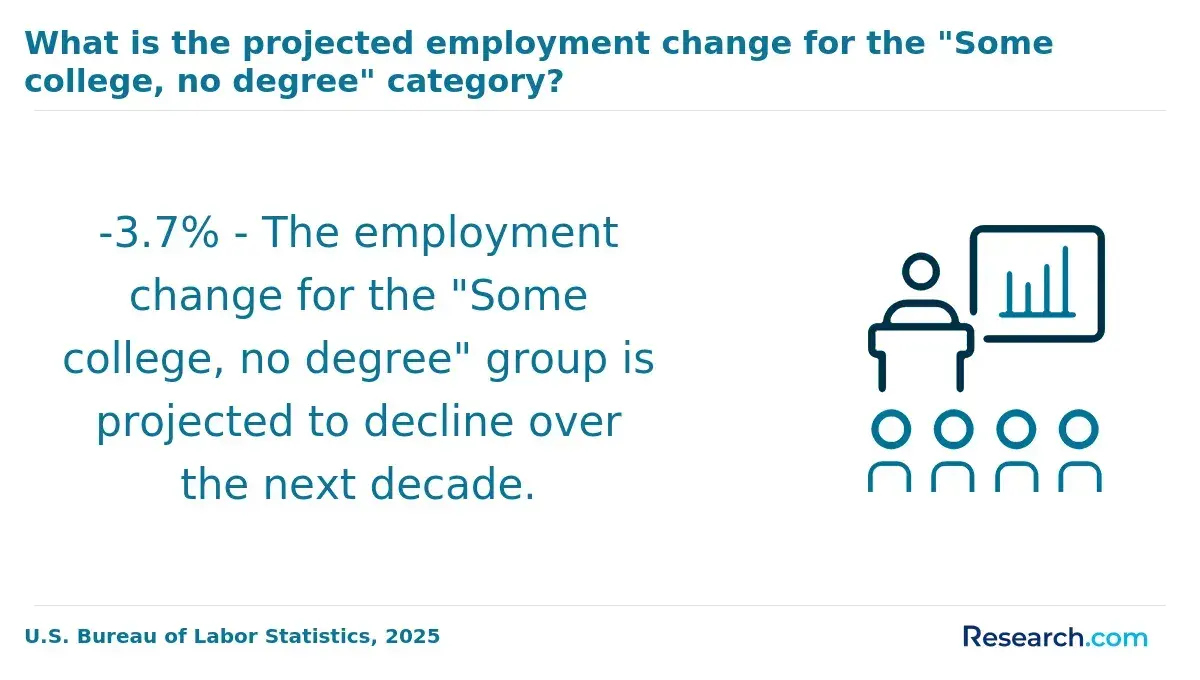
Emergency management pass rates are harder to interpret than pass rates in licensed fields because there is no universal state licensure exam for all graduates. Some schools may report outcomes tied to certification exams, FEMA coursework, course completion, or employment placement, but these are not interchangeable measures.
The most important distinction is between first-time pass rates and overall pass rates. A first-time pass rate shows how well candidates were prepared before remediation, while an overall pass rate may include repeat attempts and can mask initial preparation gaps.
The table below explains the most common outcome metrics and how to use them. This matters because a strong-looking number can be misleading if the school does not define the test-taker group clearly.
| Outcome metric | What it measures | How to interpret it |
| First-time pass rate | Percentage of candidates who pass on the first attempt | Best indicator of initial preparation, but only meaningful if the cohort size and reporting period are disclosed |
| Overall pass rate | Percentage who pass after one or more attempts | Useful for completion odds, but it may hide delays, retake costs, and remediation needs |
| Course or FEMA training completion | Whether students completed required modules or embedded training | Helpful, but not the same as passing a professional certification exam |
| Certification attainment | Whether graduates earned a voluntary credential | Strong evidence only if eligibility rules, experience requirements, and candidate numbers are reported |
| Employment placement | Whether graduates entered related roles | Important for ROI, but it should be separated from certification or exam outcomes |
A red flag is any program that advertises a high pass rate without saying whether it includes first-time test-takers, repeat candidates, current students, alumni, or only those who voluntarily reported results. In a small program, even one or two candidates can dramatically change a percentage, so cohort size is essential.
Readers should also be careful with "100% completion" claims. Completing internal coursework or FEMA modules can be valuable, but it does not automatically mean graduates are certified, licensed, hired, or promoted.
How Do Accreditation and Program Quality Affect Emergency Management Licensure Outcomes?
Accreditation and program quality affect emergency management outcomes because they influence credit transfer, graduate school eligibility, employer trust, and whether the curriculum aligns with real emergency operations work. Since traditional licensure is uncommon, program credibility becomes even more important.
Students should first confirm institutional accreditation, then evaluate whether the emergency management curriculum includes applied planning, hazard analysis, continuity operations, recovery, mitigation, equity in disaster response, and leadership under uncertainty. Online programs can be effective, but they must provide practical assignments and opportunities to document field-relevant experience.
The table below compares program quality factors that are especially relevant when licensure-style outcomes are not standardized. Use it to identify whether a program is built for career readiness or simply offers broad public safety coursework.
| Quality factor | Why it matters for outcomes | What to ask the school |
| Institutional accreditation | Supports transferability, financial aid eligibility, and employer recognition | Is the institution accredited by a recognized accreditor? |
| Embedded FEMA/NIMS training | Helps students meet common employer expectations | Which courses or modules are built into the curriculum? |
| Applied capstone or internship | Creates evidence of planning, analysis, and operational readiness | Can students complete projects with agencies, hospitals, utilities, or nonprofits? |
| Certification alignment | Improves preparation for voluntary credentials | Does the curriculum map to certification domains or professional standards? |
| Outcome transparency | Allows students to compare value and risk | Are completion, employment, certification, and pass-rate data available? |
Online learning is now common across career-focused degree fields, but format alone does not determine quality. A student comparing an emergency management program with an exercise science degree online should ask the same core question: does the program provide the practical experience, recognized coursework, and credential alignment employers expect?
The strongest emergency management programs make outcomes verifiable. They publish or provide clear information about completion, employment, internships, certification preparation, transfer policies, and support for working adults.
What Barriers Most Often Prevent Emergency Management Graduates From Becoming Licensed?
In emergency management, the biggest barriers are usually not a single failed licensing exam. They are gaps between graduation and employability: insufficient experience, unclear credential requirements, limited local openings, security or background requirements, and the need to document training across multiple systems.
The table below summarizes the barriers students most often encounter and the practical effect each one can have on time, cost, and career progress.
| Barrier | How it affects graduates | Decision risk |
| Assuming the degree equals certification | Graduates may discover they still need experience, training, or an exam | Delayed eligibility for preferred roles |
| Limited applied experience | Employers may prefer candidates with EOC, public safety, military, or disaster response experience | Entry-level job search may take longer |
| Unclear pass-rate reporting | Students cannot tell whether the program prepares candidates effectively | Higher risk of retakes or weak certification readiness |
| Background checks or clearance needs | Some roles in government, transportation, utilities, or homeland security require screening | Eligibility may vary by employer and role |
| Geographic limits | Emergency management hiring is often tied to local, county, state, or regional agencies | Relocation may be necessary for advancement |
| Cost of retesting and credential maintenance | Fees, travel, preparation, and continuing education can add expense | Total ROI may be lower than expected |
Students can reduce these risks by asking direct questions before enrolling. The most useful questions are specific, evidence-based, and tied to the jobs they actually want.
- What percentage of graduates pursue emergency management certification, and how many earn it within a defined period after graduation?
- Are reported pass rates based on first-time attempts, repeat attempts, or self-reported alumni results?
- Does the program include FEMA, NIMS, ICS, continuity planning, hazard mitigation, and recovery coursework?
- Can online students access internships, simulations, agency projects, or emergency operations center experiences?
- Which employers have hired recent graduates, and for what job titles?
- What additional requirements do graduates commonly face after completing the degree?
A common mistake is choosing the lowest-cost program without checking whether it supports field experience. Affordability matters, but a cheaper program that leaves students without recognized training or applied projects can cost more in delays.
How Can Emergency Management Students Prepare for Licensing Exams, Retakes, and Remediation?
Even without a universal state licensing exam, emergency management students may still face certification exams, agency assessments, civil service testing, or required training modules. Preparation should begin during the degree, not after graduation.
The following sequence helps students build a credential-ready record while they are still enrolled. It is especially useful for students in online programs who need to be intentional about gaining applied experience.
- Identify the exact credential or job requirement you are targeting before choosing electives.
- Map each program course to a competency, such as incident command, hazard mitigation, continuity planning, recovery, logistics, public information, or emergency operations.
- Complete relevant FEMA Independent Study and NIMS/ICS training as early as possible if your target employers expect it.
- Keep a documentation file with training certificates, projects, field hours, volunteer work, internships, supervisor letters, and after-action reports.
- Use practice questions or exam blueprints when available, but do not rely on memorization alone; emergency management exams often test judgment, sequencing, and applied planning.
- If you fail an exam or assessment, request a score breakdown, focus remediation on weak domains, and budget for retesting before your next application deadline.
Retakes should be treated as both a cost issue and a timing issue. A repeat attempt may delay certification, job applications, promotions, or eligibility for roles that require proof of credential completion by a certain date.
The best remediation plans are targeted. Instead of retaking a general review course, students should identify whether they struggled with command structure, mitigation terminology, recovery funding concepts, public information, planning cycles, or legal authorities.
How Do State Requirements and Reciprocity Affect Emergency Management Licensure?
State requirements in emergency management vary because states, counties, municipalities, tribal governments, universities, hospitals, and private employers can set their own hiring standards. Reciprocity is therefore less formal than in licensed healthcare or education fields.
Instead of asking only, "Will my license transfer?" emergency management students should ask, "Will my education, training, experience, and certification be recognized by the employer or agency in the state where I want to work?" That is the more accurate portability question.
The table below explains how portability issues typically appear in emergency management careers. It helps students compare in-state and out-of-state program risks before enrolling.
| Portability issue | Why it matters | What to verify |
| State emergency management training | Some states prefer or require state-specific courses for certain roles | Whether out-of-state coursework satisfies local expectations |
| Civil service rules | Public-sector hiring may use eligibility lists, residency preferences, or exams | Whether your target jurisdiction has testing or residency requirements |
| Professional certification | National or association-based credentials may travel better than local training | Whether employers name the credential in job postings |
| Security-sensitive work | Some roles require background checks or clearance eligibility | Whether the position has disqualifying factors or citizenship requirements |
| Discipline-specific settings | Hospitals, utilities, schools, and transportation agencies may add sector rules | Whether additional compliance, safety, or industry training is required |
Online students should pay special attention to portability. A program may be academically legitimate but still not align well with the emergency management ecosystem in the state or region where the student plans to work.
The safest approach is to collect job postings from your target state before enrolling. If postings repeatedly request FEMA courses, ICS levels, public-sector experience, a specific certification, or a master's degree, use those requirements as your program comparison checklist.
How Much Does Emergency Management Licensure Cost, and How Long Does It Take?
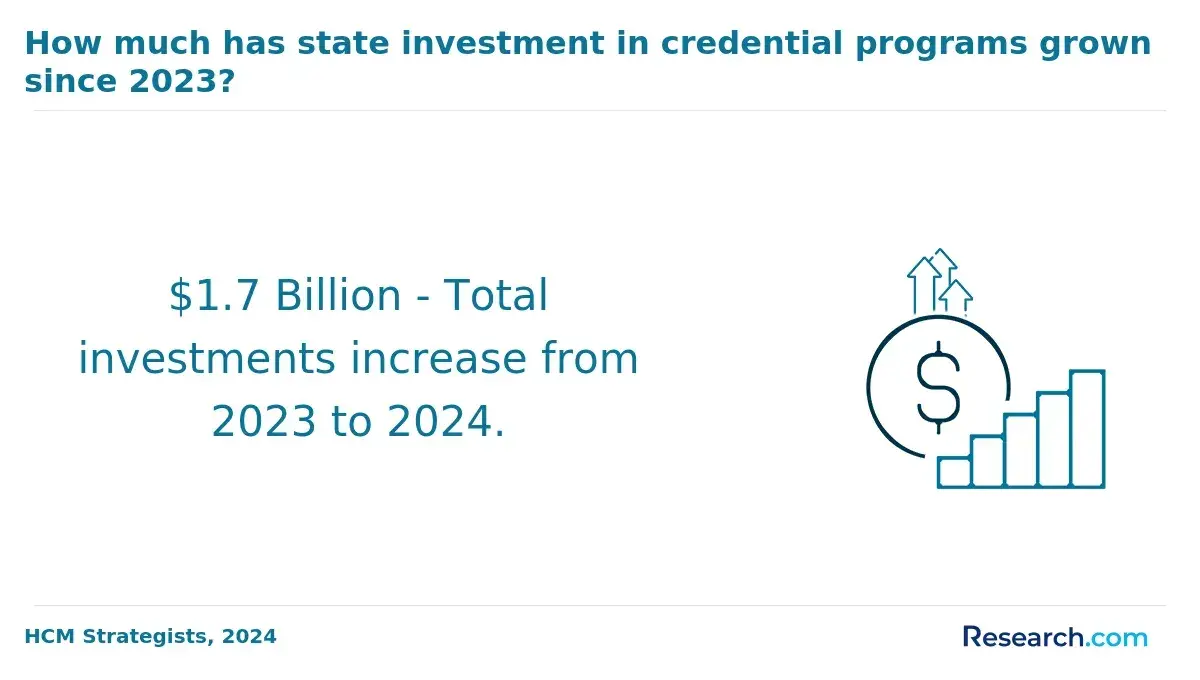
The cost of becoming career-ready in emergency management includes more than tuition. Students may also pay for certification applications, exam preparation, association membership, travel to conferences or training, background checks, and continuing education. Some FEMA online training is free, but professional credentials and applied experience can still add costs.
Because fees vary by credentialing body, employer, school, and state, students should estimate costs by category rather than relying on a single advertised program price. The table below shows the main cost and timeline variables to include in an ROI calculation.
| Cost or time factor | Typical impact | Why it matters |
| Degree tuition and fees | Largest upfront cost | Determines debt burden and break-even timeline |
| Transfer credits | Can shorten time to completion | May reduce tuition if accepted toward major requirements |
| Certification application or exam fees | Added credential cost | Should be included even if certification is voluntary |
| Retake fees and preparation | Possible added cost after a failed attempt | Can delay advancement and increase total expense |
| Internship or field experience | May require unpaid time, travel, or schedule changes | Often improves employability but can be difficult for working adults |
| Continuing education | Ongoing cost for credential maintenance | Needed for some certifications and employer expectations |
Students should request a written estimate that includes both academic and credential-related expenses. If a school promotes certification preparation, ask whether exam fees, review materials, and required memberships are included or separate.
Useful cost items to list in your personal budget include the following. This checklist helps prevent the common mistake of comparing only tuition while ignoring the cost of becoming employable.
- Tuition, mandatory fees, technology fees, books, and course materials
- Certification application, exam, review, and retake fees
- Travel or lodging for required in-person training, conferences, or internships
- Background check, fingerprinting, or security screening expenses where required by employers
- Lost wages or reduced work hours during internships, field placements, or intensive training
- Continuing education and renewal expenses after certification
Time to career readiness also varies. A bachelor's degree may take four years for first-time students, less for transfer students, and longer for part-time students. Certification eligibility may take additional time if the credential requires documented professional experience.
How Does Licensure Affect Pay, Employment, and Advancement for Emergency Management Graduates?
Since emergency management is not usually state-licensed, the career impact comes from the combined value of the degree, experience, certifications, leadership record, and sector knowledge. Credentials can help, but they rarely replace field judgment and operational credibility.
The BLS median wage of $83,960 for emergency management directors in May 2023 is best understood as a midpoint for an experienced occupational category, not a starting salary promise for new graduates. Entry-level coordinators, planners, specialists, and analysts may earn less, while senior public-sector, utility, healthcare, transportation, or corporate continuity roles may require years of experience.
The table below shows how credential status can influence career access. It does not guarantee outcomes, but it clarifies why students should look beyond graduation rates alone.
| Credential profile | Likely career effect | Best fit |
| Degree only | May qualify for entry-level planning, analyst, or coordinator roles | Students building initial experience |
| Degree plus FEMA/NIMS/ICS training | Signals readiness for public-sector and response-adjacent roles | Applicants targeting local, county, state, or campus emergency management |
| Degree plus professional certification | May strengthen promotion or specialist applications | Working professionals seeking advancement |
| Degree plus sector expertise | Can improve fit for healthcare, utilities, logistics, transportation, or corporate resilience | Career changers with prior industry experience |
| Graduate degree plus leadership record | May support director-level or policy roles | Experienced professionals pursuing senior responsibility |
Readers comparing public safety, healthcare administration, and compliance-related careers may also want to review health information management salary data, because some adjacent health-sector roles place more weight on formal credentials and data governance experience than disaster operations experience.
The strongest ROI usually comes when the degree matches a specific employment goal. For example, a firefighter, military veteran, public health worker, hospital safety professional, or logistics coordinator may be able to combine prior experience with the degree more effectively than a student with no field exposure.
What Career Options Exist for Emergency Management Graduates Without a Professional License?
Graduates without a professional license still have many options because emergency management careers are not generally built around licensure. However, they may need to start in roles that build operational experience, planning skills, and agency credibility before moving into director-level positions.
The table below summarizes common career directions for graduates who have a degree but not a professional certification or license. It helps readers identify whether immediate employment or additional credentialing is the better next step.
| Career option | Typical responsibilities | Credential emphasis |
| Emergency management specialist | Planning, training coordination, exercises, documentation, and after-action support | FEMA/NIMS training and applied experience are often important |
| Continuity or resilience analyst | Business continuity plans, risk assessments, recovery strategies, and exercises | Employer may value sector knowledge and planning tools |
| Public safety coordinator | Interagency communication, preparedness campaigns, resource tracking, and response support | Local government or agency experience can matter more than licensure |
| Disaster recovery case or program coordinator | Recovery support, documentation, grants coordination, and community assistance | Grant, nonprofit, or public service experience may be useful |
| Homeland security analyst | Threat analysis, infrastructure protection, policy support, and coordination | Background checks and security-sensitive hiring rules may apply |
| Healthcare emergency preparedness coordinator | Hospital preparedness, drills, compliance documentation, and continuity planning | Healthcare experience and emergency preparedness training are valuable |
Students should avoid assuming that "no license required" means "no credentials needed." Employers may still expect technical writing, data analysis, exercise design, GIS familiarity, public communication, grant documentation, and incident command knowledge.
A good next-step strategy depends on your background. New graduates may benefit from internships and volunteer response work, while working public safety professionals may be better served by certification, supervisory experience, or a graduate certificate in a specialized area.
Other Things You Should Know About Emergency Management
Usually, no. Most emergency management jobs rely on education, experience, FEMA/NIMS training, employer requirements, and voluntary certifications rather than a state professional license.
Sometimes, but they are not standardized nationally. If a school reports pass rates, ask whether the figure reflects first-time attempts, overall attempts, certification exams, FEMA course completion, or self-reported alumni results.
Yes, if the program is accredited, aligns with recognized emergency management competencies, includes applied projects, and helps students document training and experience. Online format alone does not determine certification readiness.
Certification may improve competitiveness for some roles and promotions, but it does not guarantee higher pay. Salary depends on experience, employer type, location, leadership responsibility, sector expertise, and the specific job requirements.
Top Trending Emergency Management Rankings
References
- Certified Emergency Manager - What It Is and How to Become One https://www.tidalbasingroup.com/certified-emergency-manager-what-it-is-and-how-to-become-one/
- Crafting a new era: Transforming emergency management into a recognized profession https://wmpllc.org/ojs/index.php/jem/article/view/3925
- Emergency Management Career | Degree and Licensing Paths https://www.publichealthonline.org/emergency-management-career/
- 10 Compelling Reasons Why Emergency Management is a Good Career | NREP https://www.nrep.org/blog/disaster-and-emergency-management
- Emergency Management Degree Levels & Concentrations https://www.allcriminaljusticeschools.com/emergency-management/emergency-management-degree/
- How to Become an Emergency Management Specialist https://www.publichealthdegrees.org/careers/emergency-management-specialist/
- Rural Emergency Preparedness and Response Overview - Rural Health Information Hub https://www.ruralhealthinfo.org/topics/emergency-preparedness-and-response
- ABEM | Exam & Certification Statistics https://www.abem.org/resources/exam-and-certification-statistics/