2027 Fastest Online Emergency Management Degree Programs Ranking in the Northeast

Co-Founder and Chief Data Scientist
Choosing the right emergency management degree program is a big step toward a rewarding career. This article introduces the 2027 Fastest Online Emergency Management Degree Programs Ranking in the Northeast, thoughtfully created by the Research.com team of data scientists.
Designed specifically for students in the Northeast, this ranking helps you quickly identify quality programs that align with your goals and lifestyle. Earning an emergency management degree can open doors to impactful work, enhancing your skills to respond effectively in critical situations.
Explore the options and feel confident making an informed decision about your educational future.
Key benefits of getting online emergency management degree in the Northeast
- While specific salary data for emergency management graduates in the Northeast is unavailable, general U.S. figures show median annual wages around $75,000, reflecting strong earning potential in roles like emergency management directors and coordinators.
- Graduates from top Northeast schools often pursue careers in public safety agencies, disaster response organizations, or governmental emergency planning, offering diverse and rewarding professional paths.
- Completing an emergency management degree online from a respected university in the Northeast provides flexibility to balance work and life, enabling faster career advancement without relocating or pausing employment.
- Key benefits of getting online emergency management degree in the Northeast
- What can I expect from online emergency management degree in the Northeast?
- Where can I work with online emergency management degree in the Northeast?
- How much can I make with online emergency management degree in the Northeast?
- 2027 Fastest Online Emergency Management Degree Programs Ranking in the Northeast
- Key Findings
- How long does it take to complete online emergency management degree in the Northeast?
- What's the difference between online and on-campus emergency management degree?
- What is the average cost of online emergency management degree in the Northeast?
- What financial aid is available to online emergency management degree students in the Northeast?
- What are the prerequisites for enrolling in online emergency management degree program in the Northeast?
- What courses are typically in online emergency management degree programs in the Northeast?
- What types of specializations are available in online emergency management degree programs in the Northeast?
- How do you choose the best online emergency management degree in the Northeast?
- What career paths are available for online emergency management degree students in the Northeast?
- What is the job market for online emergency management degree in the Northeast?
- Top Trending Emergency Management Rankings
What can I expect from online emergency management degree in the Northeast?
The average cost of an online emergency management degree in the Northeast typically ranges from affordable to moderately priced, often lower than traditional on-campus programs. Many students find that tuition falls between $10,000 and $30,000 for a bachelor's or master's degree, making it a practical investment in their future. Graduates from well-known institutions appreciate the financial aid and scholarships available, which ease the burden and make education accessible even while balancing work and family.
Students studying at popular Northeast schools benefit from curricula designed around real challenges like Superstorm Sandy or winter storm emergencies, adding immense value to their education. Graduates often describe feeling empowered and confident as they navigate coursework focused on disaster response and recovery management, knowing they're preparing to protect their communities.
This flexible online format allows many to grow their careers without relocating or pausing life goals, reinforcing how attainable and rewarding an emergency management degree in the Northeast truly is.
Where can I work with online emergency management degree in the Northeast?
Graduates with an online emergency management degree from respected institutions like the University of Albany or Northeastern University find themselves stepping confidently into vital roles throughout the Northeast. Their education equips them to support public safety in state agencies such as the New York State Division of Homeland Security and Emergency Services, where they help plan and coordinate responses to hurricanes or winter storms that regularly challenge the region.
Many graduates feel fulfilled working in hospitals and healthcare systems, crafting disaster response plans that protect communities during events like pandemics or chemical spills. Their efforts during the recent COVID-19 crisis exemplify how their expertise directly safeguards lives. Others thrive in private companies like Liberty Mutual or environmental consultancies, where they contribute to innovative risk management strategies.
Non-profits also attract these skilled professionals who are passionate about building stronger, more resilient communities. Each career path offers a chance to make a tangible difference in the diverse and dynamic Northeast, turning academic training into meaningful, impactful work that inspires pride and purpose.
How much can I make with online emergency management degree in the Northeast?
Graduates with an online emergency management degree in the Northeast can anticipate starting salaries ranging from $50,000 to $65,000, often stepping into roles such as emergency management coordinators or planners. Many alumni from well-regarded programs at institutions like the University at Albany or Northeastern University share how their education empowered them to secure meaningful positions focused on disaster response and urban crisis management.
With growth and experience, these professionals advance to managerial roles where salaries in major metropolitan areas like Boston and New York City can rise to $120,000 or more. Imagine leading coordinated response efforts during a severe storm or organizing community preparedness programs-roles that offer both challenge and rewarding compensation.
Additionally, graduates who earn certifications such as Certified Emergency Manager (CEM) often enjoy even greater earning potential, reflecting the value employers place on advanced credentials. In the Northeast, where government funding strengthens emergency services, these jobs provide stability and a promising career path for those passionate about protecting their communities.
2027 Fastest Online Emergency Management Degree Programs Ranking in the Northeast
How do we rank schools?
Investing in your education is a significant decision that can impact your career and future opportunities. The Research.com team recognizes the importance of making well-informed choices and has dedicated extensive effort to ensure the quality, credibility, and accuracy of the "2027 Fastest Online Emergency Management Degree Programs Ranking in the Northeast." We carefully analyzed multiple authoritative data sources to provide a reliable guide for prospective students. The data sources we used include:
By consulting this ranking, readers will gain actionable insights into the fastest online emergency management programs available in the Northeast, empowering them to choose the best program to advance their careers efficiently. For a detailed explanation of how the ranking was created, please visit our Research.com methodology page.
# 1 position
Penn State University Park
Master of Homeland Security - Agricultural Biosecurity and Food Defense Option


# 4 position
Thomas Edison State University
Bachelor of Emergency Disaster Services


Key Findings
- Online emergency management degrees in the Northeast typically cost between $15,000 and $30,000 for bachelor's programs and $20,000 to $40,000 for graduate degrees.
- Programs cover disaster preparedness, risk assessment, crisis communication, and recovery planning to prepare students for managing emergencies.
- Graduates can expect starting salaries around $50,000, with potential growth to $80,000 or more as they gain experience and certifications.
- Job growth in emergency management is stable or slightly faster than average through 2030, especially in cities like New York, Boston, and Philadelphia.
- Many programs partner with local emergency services and government agencies to offer practical experience and have courses taught by industry professionals.
- Degree completion usually takes 2 to 4 years, providing flexibility for working adults balancing studies with other responsibilities.
How long does it take to complete online emergency management degree in the Northeast?
Completing an online emergency management degree in the Northeast is an achievable and rewarding journey that adapts to your lifestyle and goals. Many students at renowned institutions across New York, Pennsylvania, and Massachusetts find that earning a bachelor's degree typically takes about four years of full-time study. However, part-time options provide the flexibility to balance work, family, and studies, allowing some graduates to finish within six years while maintaining their personal commitments with confidence.
Graduate students pursuing a master's degree often complete their education in just 18 to 24 months when studying full-time, with accelerated programs designed to finish in as little as 12 to 15 months. These pathways empower working professionals in the Northeast to advance quickly while applying their learning directly to real-world challenges in their communities.
Graduates from Northeastern colleges frequently share how flexible pacing, combined with region-specific courses, helped them stay motivated and prepared for the unique emergency management demands of this vibrant region.
What's the difference between online and on-campus emergency management degree?
Choosing between online and on-campus emergency management degrees in the Northeast means balancing flexibility with hands-on experience. Graduates from prestigious universities like Northeastern or the University of Massachusetts often highlight how online programs empower them to juggle work, family, and studies seamlessly. Imagine attending classes on your own schedule without the stress of commuting through busy Boston traffic-this freedom transforms learning into an achievable, inspiring journey.
On-campus students, meanwhile, thrive in vibrant environments where face-to-face interaction drives deep connections. At institutions such as CUNY or SUNY, immersive simulation labs and direct access to emergency operations centers provide invaluable practical skills while fostering mentorships with experienced faculty and local emergency agencies. This close proximity to major city emergency networks sparks meaningful internships that fuel confidence and career growth.
Both paths shine in their own ways, whether through the inspiring independence of online study or the energizing community on campus. The Northeast's diverse options mean you can tailor your education to fit your life and ambitions perfectly.
What is the average cost of online emergency management degree in the Northeast?
The average cost of an online emergency management degree in the Northeast is approximately $26,943, making it an accessible investment in a rewarding career. Public institutions in this region often offer more affordable tuition rates, especially for in-state students, which encourages many to pursue their degrees without overwhelming financial stress. Graduates from well-regarded Northeastern universities recall the empowering feeling of learning through programs that balanced rigorous academics with practical emergency response skills, all while managing tuition costs that felt fair given the quality of education.
Those exploring northeast online emergency management degree tuition fees find a range influenced by institution types. Public universities typically charge between $300 and $550 per credit hour, while private institutions may range from $800 to $1,200 per credit hour. Despite these differences, many private schools provide scholarships and financial aid options, making a degree manageable for many families. Students appreciate how accelerated online courses can reduce both time and cost, allowing them to enter the emergency management field sooner and with less financial burden.
Real stories from emergency management graduates emphasize how their degrees led them to impactful roles in public safety and disaster relief organizations. Their dedication, supported by affordable programs and a strong regional focus, inspires prospective students to envision their own success. For those ready to advance quickly, programs like the fastest emergency management masters online provide a perfect path to gain expertise and contribute positively to communities.
What financial aid is available to online emergency management degree students in the Northeast?
Students pursuing online emergency management degrees in the Northeast often find generous financial aid opportunities that make education accessible and affordable. Graduates from well-known institutions like the University at Albany or Northeastern University frequently share how federal aid, such as Pell Grants-covering up to $7,395-helped lift the burden of tuition, enabling them to focus on their studies and professional growth.
State-specific programs, including New York's Tuition Assistance Program (TAP), offer additional support, providing awards up to $6,470 that many online learners rely on to achieve their goals. These resources transform dreams into reality, especially for those balancing jobs and families.
Merit-based scholarships and partnerships with organizations like FEMA further empower students by rewarding dedication and real-world experience. Many inspire others by highlighting how employer tuition reimbursement programs in public safety or healthcare sectors opened doors to career advancement.
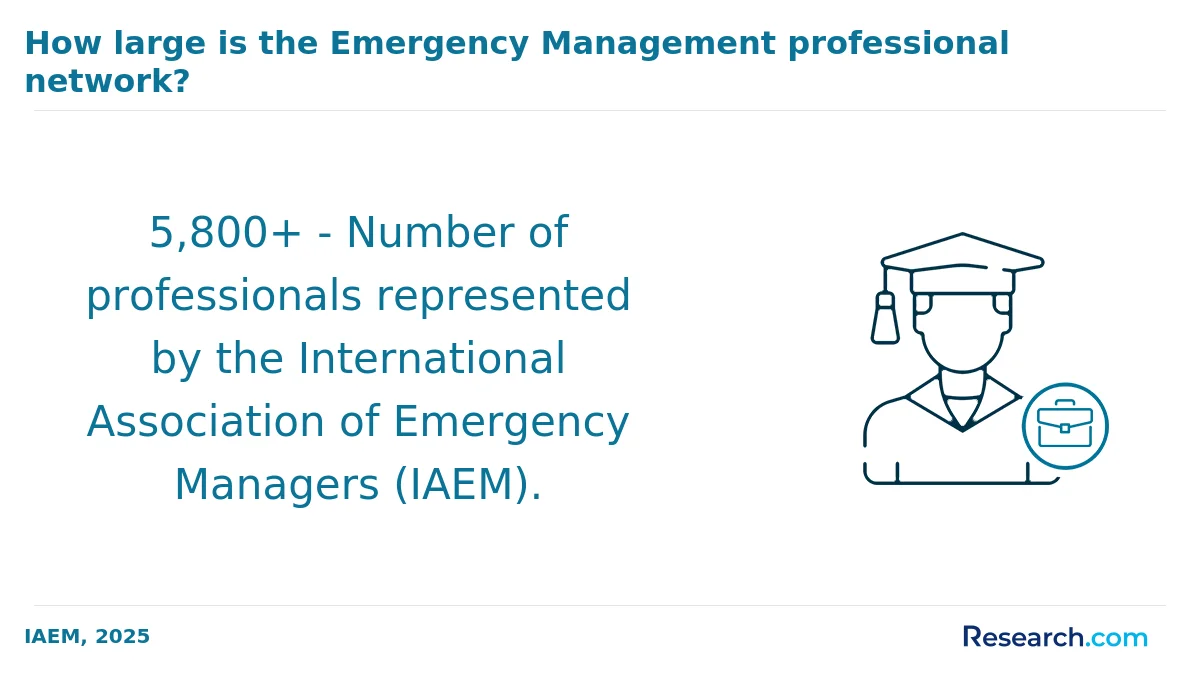
Professional associations such as the International Association of Emergency Managers also create exciting opportunities through competitive scholarships and fellowships, fueling the passion of tomorrow's leaders in emergency management throughout the Northeast.
What are the prerequisites for enrolling in online emergency management degree program in the Northeast?
Graduate programs typically seek candidates holding a bachelor's degree from accredited schools, often valuing backgrounds in public administration, criminal justice, or environmental science. Imagine graduates from leading Northeastern colleges who drew on prior experience in fire services or healthcare, enriching their studies with real-world insights that propelled their careers forward.
Many programs appreciate letters of recommendation from mentors or supervisors-proof of your dedication and potential to excel in high-stakes environments. Reliable technology and internet access ensure you stay connected with immersive simulations and engaging video lectures offered by renowned universities.
Whether you bring years of experience or fresh passion, these prerequisites set you on a path to make a meaningful impact in emergency management across the vibrant Northeast region.
What courses are typically in online emergency management degree programs in the Northeast?
Online emergency management degrees in the Northeast offer an inspiring journey through vital courses that equip students to handle real-world crises with confidence. Graduates from renowned programs emphasize foundational classes like Principles of Emergency Management and Hazard Mitigation and Risk Assessment, which anchor their understanding in crucial theory while preparing them to lead during emergencies.
These programs also dive into engaging, specialized courses such as Disaster Preparedness and Response and the Incident Command System (ICS), linking classroom lessons to immediate actions in hurricanes or winter storms common to the region. Many students share how courses on Business Continuity and Crisis Management empowered them to strategize solutions during simulated flood scenarios, fostering a deep sense of readiness and purpose.
Students from top Northeast colleges recall meaningful experiences in Emergency Planning for Public Health, which highlighted the importance of communication during health crises. This hands-on approach, combined with regional case studies, inspires a proactive mindset to protect communities from all angles.
What types of specializations are available in online emergency management degree programs in the Northeast?
Online emergency management degrees in the Northeast open doors to dynamic specializations tailored to the region's unique challenges. Graduates from popular colleges in this area often share how specializing in homeland security empowered them to protect bustling urban centers and vital infrastructure from modern threats like cyber-attacks and terrorism.
Another inspiring focus is disaster preparedness and response, which prepares students to lead with confidence during hurricanes, snowstorms, or floods-common in the Northeast. Many graduates feel equipped to coordinate resources efficiently, having trained through realistic simulations offered by their universities.
Programs also feature public health emergency management, reflecting lessons learned from recent global events. Graduates pursuing this path find themselves ready to support healthcare systems and communities during pandemics or bioterrorism attacks, feeling proud of the tangible impact they can make.
Environmental hazard management is rising in popularity too, as students engage with urgent climate-related issues like coastal erosion affecting Northeast communities. These specializations foster a sense of purpose among learners eager to serve their region.
For those excited about next steps, exploring online emergency management masters programs can reveal tailored paths aligned with your passion and goals in this growing field.
How do you choose the best online emergency management degree in the Northeast?
Finding the best online emergency management degree Northeast students can thrive in means seeking programs that truly align with your goals and lifestyle. Many graduates from well-known colleges in the region highlight how tailored courses focused on hurricanes, snowstorms, and flooding gave them confidence to respond effectively in local crises. Choosing a program with strong accreditation ensures the degree holds weight, offering peace of mind and better job prospects.
Flexibility matters greatly-working professionals appreciate online programs that allow part-time study and asynchronous classes to balance work and life. Graduates often share how accelerated options helped them advance their careers faster without sacrificing quality. Affordable tuition combined with financial aid options makes pursuing your passion doable; exploring options like the cheapest homeland security degree can save you money while supporting your ambitions.
Ultimately, looking for programs that emphasize practical training and career support prepares you to make a real difference. With steady growth predicted in emergency management roles, choosing affordable emergency management programs Northeast offers will empower you to build a meaningful, impactful career.

What career paths are available for online emergency management degree students in the Northeast?
Graduates with an online emergency management degree in the Northeast find inspiring career paths across dynamic sectors. Many step into vital roles within federal and state emergency management agencies, contributing directly to safeguarding communities in states like New York and Massachusetts. Their work in developing emergency plans and coordinating relief during crises makes a real impact, fueling a strong sense of purpose and fulfillment.
Others thrive in local government roles, designing evacuation strategies for coastal areas vulnerable to hurricanes, a challenge that graduates from well-known Northeastern colleges embrace passionately. Private sector positions offer exciting opportunities to craft business continuity plans that protect hospitals, corporations, and universities from both physical and cyber threats. Many students share how their degree empowered them to confidently handle complex, real-world challenges.
Nonprofit organizations focused on disaster relief are also a rewarding avenue where empathy and logistics intersect meaningfully. Pursuing an emergency management degree jobs Northeast opens doors to purposeful work, and for motivated students, exploring the fastest homeland security masters degree online can accelerate their impact and career growth.
What is the job market for online emergency management degree in the Northeast?
The job market for online emergency management degree in the Northeast is vibrant and full of opportunity. Graduates from well-regarded universities and colleges in this region often find themselves stepping into roles where their expertise directly impacts community resilience against hurricanes, winter storms, and other natural disasters. Many alumni share inspiring stories of applying emergency management skills in bustling urban centers like New York City and Boston, where the need for effective disaster response is urgent and ongoing.
Those pursuing online emergency management jobs Northeast benefit from strong government involvement, including federal and state funding boosts that prioritize safety and infrastructure improvements. This creates a landscape rich with employment options across public health departments, Homeland Security offices, and healthcare systems expanding their focus on pandemic preparedness.
With a growing demand and salaries above the national median, earning an emergency management degree opens doors to fulfilling careers. Prospective students looking to understand career paths similar to these graduates might explore degrees in law enforcement for related fields and job prospects.
Frequently Asked Questions About emergency management
Students pursuing online emergency management degrees in the Northeast can maximize their learning by actively engaging with interactive course materials and participating in virtual simulations. Utilizing region-specific case studies, such as responses to hurricanes along the Atlantic Coast, helps contextualize theoretical knowledge.
Networking with local emergency management agencies through online forums enhances practical understanding and career opportunities. According to FEMA, over 40% of emergency management professionals in the Northeast participate in continuous training programs, highlighting the value of ongoing education.
Additionally, students should take advantage of field experience options like internships or cooperative education offered by regional institutions. This hands-on exposure complements online learning by providing real-world insights specific to Northeastern hazards.
The emergency management field continues to evolve with new specialized areas gaining attention, particularly in the Northeast. Emerging niches include cybersecurity risk management, which addresses increasing digital threats to critical infrastructure. Climate resilience is another key focus, driven by the Northeast's vulnerability to storms and flooding. Professionals trained in hazard mitigation planning tailored to urban settings are also in demand, as many Northeastern cities face unique challenges from dense populations and aging infrastructure. Additionally, public health emergency preparedness has expanded due to experiences from recent pandemics. According to FEMA, demand for experts in these areas is expected to grow 8-10% through 2030.
After completing an online emergency management degree in the Northeast, it is crucial to build a competitive edge for the job market. Start by gaining practical experience through internships or volunteer roles with local emergency services or government agencies. The Federal Emergency Management Agency (FEMA) frequently partners with Northeastern states, offering training that can strengthen your resume.
Networking is essential; attending regional conferences like the Northeast Emergency Management Conference can help you connect with professionals. According to the U.S. Bureau of Labor Statistics, employment for emergency management directors in the Northeast is projected to grow by 8% through 2030, highlighting job availability.
Finally, consider obtaining professional certifications such as the Certified Emergency Manager (CEM) credential to demonstrate expertise and commitment to employers in the region.
Employers in the Northeast seek emergency management graduates with strong skills in crisis communication, critical thinking, and risk assessment. According to the U.S. Bureau of Labor Statistics, effective communication during natural disasters and public health emergencies is essential in this region, which faces hurricanes, nor'easters, and flooding.
Analytical skills for evaluating hazards and implementing mitigation plans are highly valued. Proficiency in Geographic Information Systems (GIS) and emergency response software is also in demand, helping professionals coordinate resources efficiently.
Leadership and teamwork abilities remain crucial, as emergency managers often lead multi-agency coordination efforts to protect diverse urban and rural communities.
Finding internships in the Northeast related to emergency management begins with leveraging local resources and institutions. Many state and city emergency management agencies offer internship programs, especially in states like New York, Massachusetts, and Pennsylvania, which have dedicated offices for disaster preparedness and response. According to the Federal Emergency Management Agency (FEMA), regional offices often post internship opportunities suitable for students.
Universities with emergency management programs commonly maintain partnerships with government agencies and nonprofit organizations to help students secure internships. Checking your school's career services or internship portal can reveal specific openings.
Professional organizations such as the International Association of Emergency Managers (IAEM) also provide regional networking events and internship listings relevant to the Northeast.
Additionally, local health departments, fire departments, and homeland security offices often seek interns to assist with planning and coordination, making them valuable contacts for students pursuing practical experience.
An online emergency management degree can significantly improve career mobility and advancement opportunities in the Northeast. The region faces diverse natural and man-made hazards, making qualified emergency management professionals especially valuable. According to the U.S. Bureau of Labor Statistics, employment for emergency management directors is projected to grow by 9% nationally from 2022 to 2032, with Northeast states like New York and Massachusetts showing steady demand due to urban risks and climate challenges.
Online programs offer flexibility, allowing working professionals to balance education and job responsibilities. Graduates often qualify for leadership roles in government agencies, healthcare systems, and private industries focused on disaster preparedness and response.
Additionally, many Northeastern states require or prefer candidates with accredited emergency management education, enhancing credentials and increasing competitiveness in a growing job market.
Studying for an emergency management degree in the Northeast equips students with skills that cross multiple industries, preparing them for diverse roles. Programs emphasize collaboration with public health, urban planning, and environmental science sectors, reflecting the region's complex disaster risks, such as hurricanes and winter storms. According to the New England Public Health Training Center, integrated knowledge is vital for effective crisis response in this geographically and economically diverse area.
Courses often include case studies from regional emergencies, fostering practical understanding of interdisciplinary coordination. Graduates learn to work alongside government agencies, nonprofits, and private firms, building a versatile skill set in communication, risk assessment, and resource management.
Choosing between a thesis and a non-thesis online emergency management degree program in the Northeast depends on your career goals and learning preferences. Thesis programs usually require original research and are ideal for those planning to pursue a doctorate or work in research-focused roles.
Non-thesis programs focus on practical skills and may include additional coursework or capstone projects. This option suits professionals aiming to enter or advance in emergency response agencies or management positions.
According to the Interstate Consortium for Emergency Management Higher Education, Northeastern states prioritize applied skills in their emergency management workforce, which can guide your decision.
Consider time commitment and whether you prefer research or hands-on practice when selecting your path.
Students based in the Northeast seeking to study emergency management abroad face limited direct options through U.S. institutions. Most online emergency management degrees offered by Northeastern universities focus on domestic disaster response and policy. However, some programs include international case studies and global emergency frameworks within their curriculum.
For true study abroad experiences, students often pursue short-term exchanges or internships coordinated through partnerships with foreign universities. These opportunities are less common for fully online degrees but may complement in-person programs.
According to the National Emergency Management Association, states like New York and Massachusetts lead in emergency management initiatives, emphasizing regional expertise over international study.
Part-time job opportunities in the Northeast that complement an online emergency management degree include roles in local government agencies, nonprofit organizations, and healthcare facilities. For example, positions such as emergency preparedness assistant or disaster response coordinator offer practical experience tied directly to academic training.
Data from the U.S. Bureau of Labor Statistics notes that the Northeast has a higher concentration of emergency management jobs compared to the national average, reflecting frequent severe weather events and urban disaster risks. Gaining part-time experience in this region helps students build relevant skills and professional networks.
Additionally, volunteer work with organizations like the American Red Cross in Northeastern states provides valuable hands-on training alongside degree studies.
Online emergency management students in the Northeast can access several valuable networking opportunities despite the virtual format. Many universities in this region host virtual career fairs and professional workshops tailored to emergency management careers. For example, institutions often partner with local agencies like the Northeast Homeland Security Consortium to offer students direct connections to practitioners and policymakers.
Additionally, students can join professional organizations such as the Northeast chapter of the International Association of Emergency Managers (IAEM). These groups organize regional conferences and webinars, promoting knowledge exchange and career development.
According to the Federal Emergency Management Agency (FEMA), the Northeast faces unique challenges, making connections with local experts especially important for practical insights and job placements.
Alumni networks play a crucial role for online emergency management degree students in the Northeast. These networks connect current students with graduates who have practical experience in regional emergency response, public safety agencies, and disaster recovery organizations. According to the Federal Emergency Management Agency (FEMA), Northeast states frequently face natural disasters like hurricanes and flooding, increasing demand for skilled emergency managers.
Through alumni connections, students gain access to job opportunities, mentorship, and internships with local agencies. Networking events and online platforms help build professional relationships essential for career advancement in this competitive field. Strong alumni engagement also facilitates knowledge exchange about best practices tailored for Northeastern environments.
Therefore, alumni networks enhance learning, career placement, and support systems for students pursuing these degrees online in the region.
Students pursuing an online emergency management degree in the Northeast can tailor their programs to match specific career goals by selecting from various concentrations or electives. Many programs offer options such as disaster preparedness, homeland security, or public health emergencies. Institutions like the University of Delaware and Northeastern University provide such customizable tracks designed to meet regional needs.
Additionally, students can engage in internships or capstone projects focused on local agencies, enhancing practical experience and networking. According to FEMA data, Northeast states face unique challenges like coastal flooding and winter storms, which can guide specialization choices. Choosing flexible class schedules also helps balance work and study commitments.
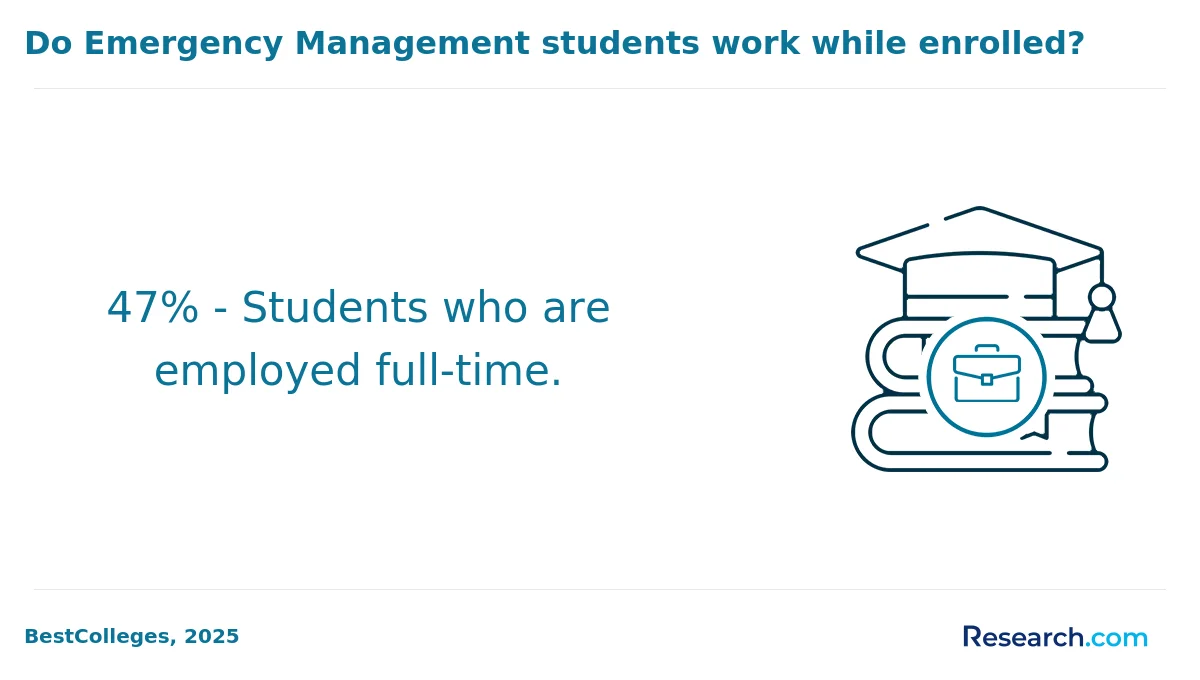
Online emergency management students in the Northeast commonly face challenges related to balancing rigorous coursework with professional and personal responsibilities. Many are working adults who juggle jobs and family while attending virtual classes, which can lead to time management difficulties. Additionally, technical issues such as unstable internet connections are frequent, especially in rural or underserved areas of the region.
Students also report challenges in gaining practical, hands-on experience remotely, which is critical in emergency management training. According to the Federal Emergency Management Agency (FEMA), approximately 27% of Northeast counties are designated as having higher disaster risk, increasing pressure on students to be well-prepared.
Moreover, navigating financial aid and understandinglicensure requirements specific to states like New York and Massachusetts can be complex for online learners.
With an online emergency management degree, students in the Northeast can pursue various professional certifications to boost their careers. Popular credentials include the Certified Emergency Manager (CEM) and Associate Emergency Manager (AEM) offered by the International Association of Emergency Managers (IAEM). These certifications demonstrate expertise in disaster preparedness, response, and recovery.
Additionally, many graduates earn the Federal Emergency Management Agency's (FEMA) Professional Development Series (PDS) certificates, which align with national standards. For those focused on public safety, the Northeast's growing urban areas often require certifications like the OSHA Hazardous Waste Operations and Emergency Response (HAZWOPER).
Such certifications enhance credibility and are recognized by employers across government and private sectors in the region.
Applying to an online emergency management program in the Northeast requires a clear, organized approach. First, highlight relevant experience such as volunteer work with local emergency services or internships with agencies like FEMA or state emergency management offices. The Northeast faces diverse hazards including hurricanes and nor'easters, making regional knowledge a strong asset.
Demonstrate your understanding of these risks by referencing recent data from sources like the Northeast Homeland Security Regional Advisory Council.
Strong letters of recommendation from professionals in emergency services can improve your application. Finally, tailor your personal statement to reflect your commitment to disaster preparedness and response specific to the Northeast.
Emergency management careers are increasingly recognized as vital worldwide, with professionals needed to handle natural disasters, health crises, and technological emergencies. In the US, including the Northeast, this field has grown due to frequent severe weather events and urban vulnerabilities. According to the Federal Emergency Management Agency (FEMA), employment in emergency management is projected to grow 7% from 2022 to 2032 nationally, reflecting global demand for skilled responders.
Globally, collaborative efforts emphasize crisis prevention, mitigation, and recovery, aligning with US strategies. Northeastern programs often include international case studies to prepare graduates for diverse challenges. This global perspective enriches online degrees, offering students a broad understanding beyond local contexts, crucial for effective leadership in emergency management roles.
Gaining practical experience while pursuing an online emergency management degree in the Northeast is essential for career readiness. Many programs encourage internships with local agencies such as the Federal Emergency Management Agency (FEMA) regional offices, state emergency services, or nonprofit organizations. These internships provide real-world exposure to disaster planning and response.
Students can also participate in virtual simulations and tabletop exercises, often integrated into coursework, which replicate emergency scenarios. Additionally, joining professional groups like the Northeastern Association of Emergency Managers offers networking and mentorship opportunities.
Data from the U.S. Bureau of Labor Statistics shows that hands-on experience improves job placement rates in this field by up to 20% in the Northeast region.
Choosing the right concentration within an online emergency management degree program in the Northeast requires careful consideration of regional risks and career goals. Concentrations often focus on areas like disaster response, homeland security, or public health preparedness. The Northeast, prone to hurricanes, winter storms, and urban emergencies, emphasizes disaster response and mitigation in many programs.
Reviewing job market data from the U.S. Bureau of Labor Statistics, emergency management employment in this region is expected to grow by about 8% by 2030, with strong demand in public agencies and healthcare sectors. Selecting a concentration aligned with these sectors can improve job prospects.
Additionally, verify whether the program's curriculum incorporates federal and state emergency protocols specific to Northeast states. Programs accredited by recognized bodies, such as the Emergency Management Accreditation Program (EMAP), generally ensure relevant and rigorous training. Consulting local industry partnerships can also guide your choice.
Top Trending Emergency Management Rankings
References
- Emergency Management Career Guide | 2026 https://www.publichealthonline.org/emergency-management-career/
- Homeland Security and Emergency Preparedness, BA ... https://www.nec.edu/programs/homeland-security-and-emergency-preparedness-b-a
- 2026 Most Affordable Online Emergency Management ... https://www.onlineu.com/most-affordable-colleges/emergency-management-degrees
- IRG Global's Emergency Management Debut https://irgglobal.com/insight-hub/news/press-releases/emergency-management-conferences
- Bachelor's Degree - Emergency and Disaster Management https://www.monroeu.edu/academics/undergraduate-programs/school-criminal-justice/online-bachelors-emergency-and-disaster
- Design for Emergency Management – Design resilient ... https://dnem.org/
- Degree in Emergency Management Online or On Campus https://www.albany.edu/cehc/programs/bs-emergency-management-homeland-security
- How to Become an Emergency Management Specialist https://www.publichealthdegrees.org/careers/emergency-management-specialist/
- USAJOBS – Emergency Management Jobs https://www.usajobs.gov/Search/
- Guiding Lights in Crisis: The Path to Mentorship in Eme... https://www.aemo.us/blog/guiding-lights-in-crisis-the-path-to-mentorship-in-emergency-management-careers