2027 Fastest Online Bachelor's in Emergency Management Degree Programs Ranking in the West

Co-Founder and Chief Data Scientist
Choosing the right emergency management degree can shape your future career, especially if you're eager to grow quickly in this vital field. This article presents the 2027 Fastest Online Bachelor's in Emergency Management Degree Programs Ranking in the West, developed by Research.com's team of data scientists. It's designed to guide you toward programs that combine quality with speed, helping you make an informed decision.
Exploring this ranking will empower you to find a degree that fits your goals and lifestyle, opening doors to meaningful work in disaster response and public safety. Take this step toward making a real difference.
Key benefits of getting online emergency management degree in the West
- Emergency management degree graduates in the West can expect competitive salaries, with related jobs in the US often earning between $50,000 and $75,000 annually, offering financial stability.
- Graduates from well-known Western universities often pursue careers in disaster response coordination, risk assessment, and public safety planning, providing diverse and rewarding job opportunities.
- Completing an emergency management degree online offers flexibility for working adults and allows students to gain practical skills at their own pace, often leading to faster career advancement compared to traditional programs.
- Key benefits of getting online emergency management degree in the West
- What can I expect from online emergency management degree in the West?
- Where can I work with online emergency management degree in the West?
- How much can I make with online emergency management degree in the West?
- 2027 Fastest Online Bachelor's in Emergency Management Degree Programs Ranking in the West
- Key Findings
- How long does it take to complete online emergency management degree in the West?
- What's the difference between online and on-campus emergency management degree?
- What is the average cost of online emergency management degree in the West?
- What financial aid is available to online emergency management degree students in the West?
- What are the prerequisites for enrolling in online emergency management degree program in the West?
- What courses are typically in online emergency management degree programs in the West?
- What types of specializations are available in online emergency management degree programs in the West?
- How do you choose the best online emergency management degree in the West?
- What career paths are available for online emergency management degree students in the West?
- What is the job market for online emergency management degree in the West?
- Top Trending Emergency Management Rankings
What can I expect from online emergency management degree in the West?
The average cost of an online emergency management degree in the Western United States varies significantly, largely depending on whether a student attends a public or private institution. Graduates from well-known Western universities report that in-state tuition at public schools tends to be more affordable, often making these programs accessible for local residents. For instance, students enrolled at public institutions in California or Washington generally pay less compared to their out-of-state counterparts.
Some graduates recall how scholarship opportunities specifically aimed at emergency management students helped ease financial burdens, highlighting the field's growing recognition and support. However, the cost can still be a concern for many, especially those balancing work and family obligations.
It's important to consider that while affordability matters, the quality and accreditation of the program also play crucial roles. Several popular colleges in the West integrate real disaster case studies into their curricula, adding value that students feel justifies the investment despite varying tuition rates.
Where can I work with online emergency management degree in the West?
Graduates of online emergency management programs in the Western United States often find diverse employment opportunities, shaped by the region's unique disaster risks like wildfires and earthquakes. For instance, many graduates from institutions such as Arizona State University and the University of Washington have secured roles within state and local government agencies, where they coordinate disaster preparedness with first responders and public health officials-a critical and fulfilling responsibility.
Others gain employment with federal bodies like FEMA, leveraging their education to manage large-scale emergency response and recovery efforts. These positions offer graduates the chance to impact resilience strategies at a regional level, which can be both challenging and rewarding.
Beyond government, graduates have found meaningful careers in healthcare systems and universities. Hospitals in California often employ emergency managers to prepare for mass casualty incidents, while colleges in Oregon typically hire planners focused on campus safety compliance.
The private sector in the West is growing rapidly, too, with businesses valuing emergency management professionals who design training programs and risk assessments. Graduates often describe this work as exciting and impactful, especially knowing their expertise protects vulnerable communities from the West's natural hazards.
While opportunities are promising, students should critically consider that competitive areas like federal agencies may require additional experience or certifications. Nonetheless, Western programs prepare graduates with versatile skills appreciated across public and private sectors.
How much can I make with online emergency management degree in the West?
Graduates with an online emergency management degree in the Western United States often find promising salary prospects, but exact figures vary since no official Bureau of Labor Statistics salary data is available for many related roles. Based on broader industry insight, entry-level salaries typically range from $45,000 to $60,000 annually. For instance, graduates from institutions like California State University or the University of Washington have reported starting roles as emergency preparedness specialists or disaster recovery coordinators within this pay bracket.
More experienced professionals in cities like Los Angeles or Seattle may see salaries approaching or exceeding $90,000, supported by regional demand due to natural disasters such as wildfires and earthquakes. Leadership roles and specialized certifications can push earnings beyond $100,000 as these positions carry significant responsibility. Even without precise BLS figures, these numbers align with graduates' experiences navigating local government agencies and private sectors, highlighting how location, experience, and additional credentials shape income potential.
2027 Fastest Online Bachelor's in Emergency Management Degree Programs Ranking in the West
How do we rank schools?
Investing in your education is a significant decision that can shape your future, and the Research.com team recognizes the importance of making informed choices. To support prospective students interested in Emergency Management, we have carefully developed the "2027 Fastest Online Bachelor's in Emergency Management Degree Programs Ranking in the West." Our dedication to quality, credibility, and accuracy is evident through the thorough research and analysis behind this ranking.
We utilized the following reputable data sources to ensure a comprehensive evaluation of online emergency management programs:
By consulting this ranking, readers will receive valuable insights to help identify the fastest and most reputable online programs in the region, making it easier to choose the best educational path. For more information about how this ranking was created, please visit our Research.com methodology page.

# 2 position
Arapahoe Community College
Bachelor of Emergency Service Administration

Key Findings
- Tuition for online emergency management bachelor's degrees in the Western U.S. ranges from $15,000 to $35,000, with public universities offering lower rates for in-state students.
- Graduates typically start with salaries between $45,000 and $55,000 annually, increasing to $70,000-$85,000 mid-career.
- The job market in this field is stable and expected to grow moderately due to frequent natural disasters like wildfires and earthquakes.
- Most programs offer asynchronous classes and accelerated options to accommodate working professionals.
- Courses typically cover risk assessment, crisis communication, and homeland security, with accreditation enhancing employment prospects.
- State certification requirements and internships can impact program choice and help improve job readiness.
How long does it take to complete online emergency management degree in the West?
Completing an online emergency management degree in the Western United States typically takes about three to four years for full-time students, especially at well-known public universities in California, Washington, and Oregon. Graduates often share how accelerated programs-with year-round classes including summer terms-helped them finish sooner by transferring prior credits or relevant military experience. This flexibility proves invaluable for those balancing work and family while pursuing their degree.
Part-time students commonly take up to six years, adjusting their study pace around demanding jobs or personal commitments. For example, some working professionals at Oregon State University appreciate this extended timeline as it allows them to apply new emergency management skills directly on the job without overwhelming their schedules.
Practical internships or practicum components, required at many Western institutions, may slightly prolong completion but offer crucial real-world experience. Graduates from these programs often express pride in how hands-on training deepens their understanding and readiness for emergency situations.
What's the difference between online and on-campus emergency management degree?
Choosing between online and on-campus emergency management degrees in the Western United States often hinges on the learning environment and lifestyle fit. Graduates from programs at universities like the University of Washington or Arizona State University describe on-campus experiences as immersive, benefiting from hands-on simulations and face-to-face mentorships that build local networks critical for emergency response roles.
Conversely, those pursuing online degrees, especially from institutions serving vast rural areas like Montana State University, value the flexibility to balance studies with work or family without relocating. They often appreciate the cost savings on housing and commuting, which can be substantial given the geographic spread of Western states.
However, online students emphasize the need for strong self-motivation to keep pace with deadlines, contrasting with the structured schedule on campus. Both paths cover similar material-risk assessment, crisis communication-but access and interaction styles differ, shaping how students internalize emergency preparedness. For many in the West, online programs unlock opportunities otherwise inaccessible due to location, while on-campus programs foster deeper local connections essential for careers tied to government or community agencies.
What is the average cost of online emergency management degree in the West?
Students pursuing an online emergency management degree in the West can generally expect a median total cost of about $51,360. This figure reflects a balanced view between various types of institutions, including public universities popular in states like California, Washington, and Oregon, where in-state students may pay closer to $31,584 overall. Graduates from these programs often express satisfaction with the value, noting that the affordability allowed them to focus more on mastering disaster response strategies rather than financial stress.
Out-of-state students, however, typically face higher tuition fees, averaging around $48,150, which can still be less daunting than private university costs that sometimes exceed these amounts. Many graduates highlight experiences at regional universities where state residency greatly reduced their financial burden, making it possible to access quality education without incurring excessive debt. The total tuition and fees for Western online emergency management programs include not just credit-hour charges but also additional expenses like technology and registration fees, which can add up.
Considering the average cost of online emergency management degree in the West also means recognizing the importance of financial aid and scholarships, which numerous students successfully leverage. Some even enroll in community colleges before transferring, effectively lowering costs. For those seeking an accelerated path with solid financial planning, exploring an accelerated online masters in emergency management might offer a viable option to reduce time and expenses while advancing career goals.

What financial aid is available to online emergency management degree students in the West?
Students pursuing online emergency management degrees in the West often rely on a mix of financial aids to make their education affordable. Federal aid, accessed through FAFSA, provides grants like the Pell Grant, which can cover up to $7,395 yearly and significantly ease tuition costs at institutions such as California State University or the University of Washington. Graduates frequently mention how this grant made continuing studies possible without overwhelming debt.
State programs are equally crucial. California's Cal Grants and Washington's College Grant offer substantial tuition assistance, especially for residents attending public universities. One graduate recalls how the Washington College Grant covered nearly all tuition while balancing work and study, thus reducing financial stress.
Scholarships specific to emergency management, offered by organizations like the IAEM, reward commitment to this field with funds ranging from $1,000 to $5,000. Professional and employer tuition assistance further supports working students at places like Portland State University, where employers see the value in upskilling staff for emergency services.
Federal and state loans remain an option but come with repayment considerations; many graduates appreciate the low-interest rates and flexible repayment plans as they begin their careers. Altogether, these aid forms provide pragmatic pathways to managing costs without sacrificing educational quality.
What are the prerequisites for enrolling in online emergency management degree program in the West?
Enrolling in an online emergency management degree program in the Western U.S. generally requires a high school diploma or equivalent, such as a GED, a common baseline across universities like those in California or Washington. Graduates from these programs often reflect on their early anxiety about submitting official transcripts and meeting minimum GPA thresholds, typically around 2.5 to 3.0, which ensures academic readiness without unnecessary barriers.
While some students initially stress over standardized tests like the SAT or ACT, many Western schools have adopted test-optional policies, easing this pressure and allowing a wider pool of candidates to apply. For example, a graduate from a well-known Oregon college shared how relevant experience volunteering in wildfire response helped support her application when test scores were not emphasized.
Financial accessibility also influences enrollment decisions, with in-state tuition averaging $6,000 to $10,000 annually at public Western institutions. Students feel reassured when programs offer technical support, recognizing that stable internet and technology are crucial for successfully navigating fully online coursework in this field.
What courses are typically in online emergency management degree programs in the West?
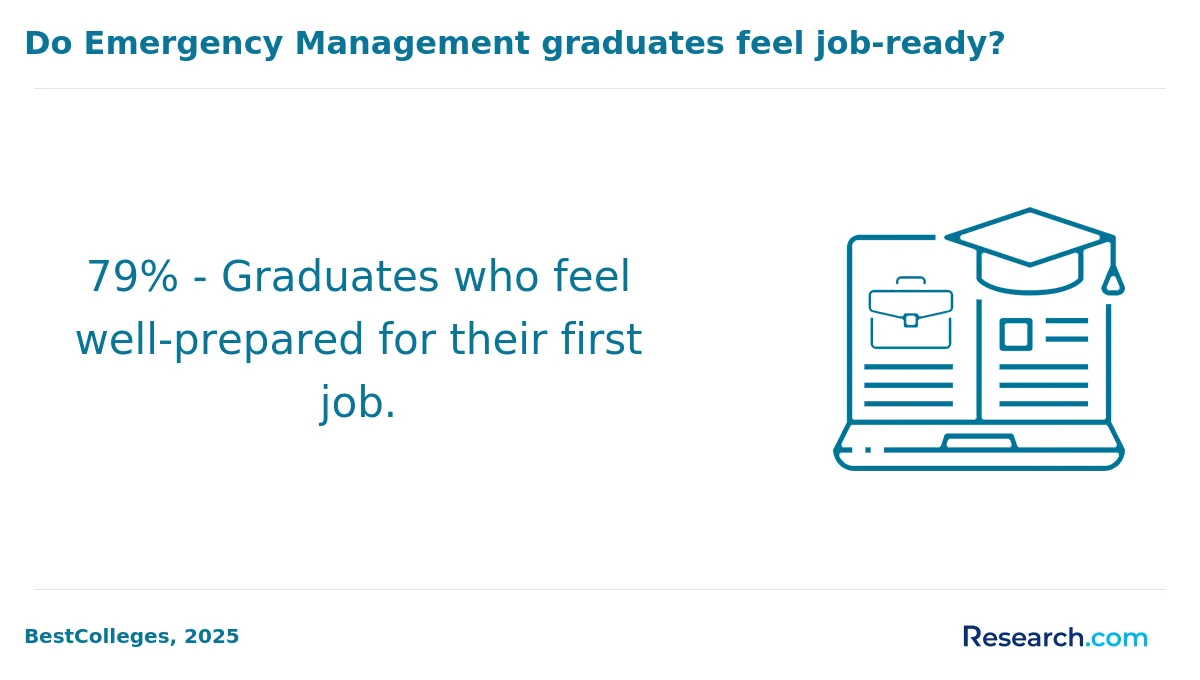
Students enrolled in online emergency management degrees in the West typically engage with courses that balance theory and practice, reflecting the region's unique hazards. Their studies often include disaster planning tailored to wildfires, earthquakes, and floods, common threats in Western states. Graduates from well-known Western universities describe how courses like emergency response plan development brought real-world relevance, as they applied lessons to simulated wildfire evacuations or earthquake disaster drills.
Core subjects frequently cover principles of emergency management, hazard mitigation, crisis communication, and the Incident Command System, providing a structured approach to managing emergencies. Many programs integrate Geographical Information Systems (GIS), which alumni appreciate for its practical role in navigating the Western terrain's complexities.
Students find the inclusion of public health and cybersecurity electives particularly valuable, responding to evolving disaster challenges. This course mix helps build confidence and adaptability for careers in public safety or government, emphasizing cooperation across local and federal agencies, as praised by graduates who felt prepared for the dynamic nature of emergency management in the West.
What types of specializations are available in online emergency management degree programs in the West?
Online emergency management degree tracks in the Western US commonly include specializations like Disaster Planning and Preparedness, Homeland Security, and Environmental and Public Health Emergency Management. Graduates from institutions such as the University of Colorado or California State University often share how focusing on disaster planning helped them confidently address wildfire risks or earthquake preparedness in real-world scenarios. However, while these specializations are popular, some question whether programs adequately prepare students for rapidly evolving threats like cyberattacks, despite offerings like Cybersecurity in Emergency Management.
Many students appreciate how the specialization options reflect the region's unique challenges, from wildfires to hazardous material spills, creating a sense of purpose and regional relevance. Yet, the diversity of emergency scenarios can sometimes make it difficult for students to choose one focus, highlighting the value of flexible curricula. For those concerned about cost, public universities provide accessible tuition rates, and scholarships further ease financial burdens, making affordable online masters in emergency management available to a range of aspiring professionals.
These varied specializations in online emergency management specializations West offer a tailored education that prepares students to tackle emergencies with practical skills. Still, prospective learners should consider how each track aligns with their career goals and the dynamic demands of emergency management today.
How do you choose the best online emergency management degree in the West?
Choosing the best online emergency management degree programs West involves weighing accreditation, curriculum relevance, and local applicability carefully. Graduates from universities in California and Washington often emphasize how a curriculum tailored toward wildfire or seismic disaster management made their education feel practical and engaging. Such specialized approaches can add significant value in regions prone to specific emergencies.
Affordability must be critically examined as well. Affordable online emergency management degrees western US often range significantly in cost, and some public universities provide competitive tuition without compromising quality. Yet, higher prices at private colleges sometimes reflect enhanced resources or internship connections, which graduates have found pivotal for real-world training.
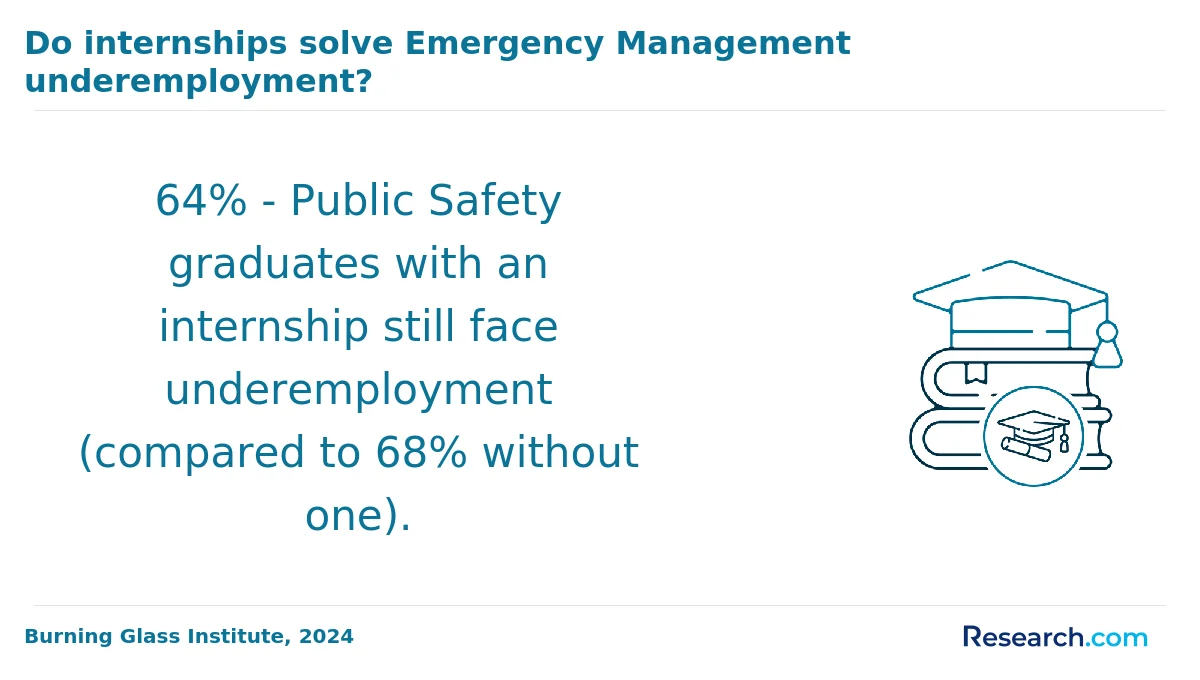
Program flexibility, including internship opportunities tailored to local agencies, plays an essential role in graduate satisfaction. Flexible scheduling helps working professionals manage studies effectively, while internships embedded in nearby agencies create invaluable hands-on experience. For those exploring options, investigating accelerated pathways or looking into programs recommended by graduates can be beneficial. Exploring insights from sources like the easiest online homeland security program can provide further perspective on online emergency management education.
What career paths are available for online emergency management degree students in the West?
Graduates pursuing online emergency management careers in the West find diverse opportunities shaped by the region's unique challenges, such as wildfires and earthquakes. Many engage as emergency management coordinators in urban centers like Seattle or San Francisco, developing disaster response plans that require both strategic insight and local knowledge. Others take on roles as disaster response specialists or public safety officers, where hands-on crisis management and community engagement are crucial. Graduates from well-regarded Western universities often share a sense of fulfillment from contributing to public safety and resilience in their communities.
Given the steady growth in emergency management roles, especially in disaster-prone states like California and Oregon, graduates also explore positions as business continuity planners or environmental health and safety managers. These roles blend analytical skills with operational leadership. Some students note that blending their degree with skills in public administration or crisis communication further opens career paths. Those seeking faster advancement might consider an accelerated online masters in homeland security to enhance their qualifications in this competitive landscape.
The demand for West region emergency management job opportunities reflects the evolving nature of threats and emphasizes practical experience and networking, particularly through partnerships with agencies like FEMA. Many graduates describe their online education as providing both flexibility and applicable knowledge that prepares them well for real-world emergency challenges.
What is the job market for online emergency management degree in the West?
The job market for online emergency management degree graduates in the West shows encouraging signs, especially for those from popular institutions like California State University and the University of Washington. These graduates often share stories of securing positions in state emergency operations centers or local public safety offices, where their knowledge directly supports wildfire and earthquake response strategies. The West's unique natural hazards create urgent demand, which reflects in the steady growth projections for careers in this field.
However, employment is not automatic; it depends on combining online education with practical internships and networking, emphasizing the importance of programs that connect students with regional agencies. Graduates report that while salaries vary, many find opportunities in government and private sectors offering competitive pay, reflecting the West region emergency management career outlook.
Those considering these degrees should also weigh tuition costs and program flexibility. Public universities offer more economical options, and students looking for advanced paths can explore an affordable online masters in homeland security to improve their prospects. Overall, the online emergency management job prospects West are promising but require strategic planning and active engagement with the disaster management community.
Frequently Asked Questions About emergency management
Students pursuing online emergency management degrees in the Western United States can enhance their learning by engaging actively with course materials and participating in virtual simulations. According to the Federal Emergency Management Agency (FEMA), practical experience is essential to understand real-world disaster response. Enrolling in programs that incorporate updated regional disaster case studies-such as earthquakes in California and wildfires in Oregon and Washington-helps contextualize theoretical knowledge.
Networking with local emergency professionals through online forums or regional webinars increases opportunities for mentorship and career advancement. Additionally, students should leverage resources from state emergency management offices, which often offer free training modules tailored to Western states. Incorporating these strategies improves skill development and readiness for certification exams like the Certified Emergency Manager (CEM).
The emergency management field is expanding into several emerging niches driven by new challenges and technologies. One growing area is cybersecurity incident management, crucial as cyber threats increasingly disrupt critical infrastructure in the West. According to the Western Regional Homeland Security Advisory Council, incidents related to cyberattacks have risen by over 30% in recent years.
Another niche is climate resilience planning, focused on adapting communities to frequent wildfires and droughts common in states like California and Oregon. Professionals with expertise in sustainable disaster response are becoming highly sought after.
Healthcare emergency preparedness also remains vital, with emphasis on mass casualty events and pandemics. The rise of telemedicine is shaping this subfield significantly.
Finally, critical infrastructure protection, particularly concerning energy grids and water systems, is emerging as a specialized focus area in the Western region's emergency management education and professional practice.
After completing an online emergency management degree in the West, preparing for the job market involves building both technical skills and professional networks. Employers in states like California and Washington value candidates with experience in disaster response, risk assessment, and crisis communication.
Internships and volunteer roles with local agencies or NGOs provide practical exposure to emergency scenarios. According to the U.S. Bureau of Labor Statistics, emergency management jobs in the Western U.S. are projected to grow by approximately 8% through 2030, reflecting increasing demand.
Certifications such as Certified Emergency Manager (CEM) enhance your resume and credibility. Additionally, joining professional groups like the National Emergency Management Association can offer networking and job leads.
Employers in the Western US seek emergency management graduates with strong communication and critical thinking skills. According to the Federal Emergency Management Agency (FEMA), the ability to coordinate multiple agencies during disasters is essential. Graduates must also demonstrate proficiency in risk assessment and resource allocation to manage crises effectively.
Technical skills in Geographic Information Systems (GIS) and data analysis are increasingly important, as natural disasters like wildfires and earthquakes impact the region frequently. The Bureau of Labor Statistics highlights that adaptability and leadership under pressure are crucial for success in this field. Practical experience through internships or simulations is highly valued by Western employers.
Finding internships relevant to an online emergency management degree in the Western U.S. often begins with exploring opportunities at local government agencies. State and county emergency management offices commonly offer internships that provide hands-on experience in disaster planning and response. For example, the California Governor's Office of Emergency Services regularly posts internship openings on its website.
Students should also check with FEMA's Region IX office, which covers the Western states, as it offers various internship programs. Additionally, many universities in the West partner with local emergency services and nonprofits to provide internship placements.
Online platforms like Handshake and local university career centers can be valuable tools for finding internships. Networking through regional professional organizations such as the Western Regional Emergency Management Association can further enhance opportunities.
An online emergency management degree can significantly enhance career mobility and advancement opportunities in the Western United States. Professionals equipped with this degree gain specialized knowledge in disaster preparedness, response, and recovery, which are critical skills given the West's vulnerability to wildfires, earthquakes, and floods.
According to the U.S. Bureau of Labor Statistics, employment for emergency management directors in the Western region is projected to grow about 9% from 2022 to 2032, faster than the national average. This growth often translates into higher demand for qualified graduates.
Graduates with an online degree benefit from flexible learning schedules while developing expertise that meets regional public and private sector needs. This combination often leads to promotions into leadership roles or new job opportunities across government agencies and emergency services.
In summary, an online emergency management degree fosters both lateral and upward career movement by providing relevant skills and credentials tailored to challenges commonly found in the West.
Studying for an emergency management degree online in the Western US equips students with skills spanning multiple disciplines, including public safety, environmental science, and urban planning. Programs often emphasize collaboration across sectors such as government agencies, nonprofit organizations, and private industry.
The Western region faces unique challenges like wildfires, earthquakes, and floods, making interdisciplinary knowledge vital. According to the California Office of Emergency Services, wildfire response requires coordination between environmental scientists, public health officials, and logistics experts.
Online degrees from accredited institutions in states like California, Washington, and Oregon typically include coursework in risk assessment, crisis communication, and resource management. This broad approach prepares graduates to work effectively in diverse teams addressing complex emergencies.
Such comprehensive training fosters adaptability, a key competency in the West where emergency scenarios demand integration of technology, social services, and policy-making to protect communities effectively.
Choosing between a thesis and a non-thesis online emergency management degree program in the West depends largely on your career goals and learning preferences. A thesis program requires original research, ideal for students interested in pursuing advanced studies or research roles. It typically takes longer to complete due to the additional workload.
Non-thesis programs focus more on practical skills and coursework, appealing to professionals aiming to advance in emergency response, public safety, or disaster planning without the need for research experience. According to the Western Regional Education Board, non-thesis degrees are more common in accelerated online formats.
Consider your future plans and available time when deciding between the two options.
Students in the Western United States seeking online emergency management degrees have several options for studying abroad through U.S.-based institutions offering international partnerships or global curriculum focuses. Many West Coast universities collaborate with foreign agencies, providing students access to worldwide best practices in emergency response. For instance, institutions in California and Washington emphasize disaster resilience with international case studies.
The Federal Emergency Management Agency (FEMA) reports an increased demand for culturally aware professionals, encouraging programs to integrate global emergency management principles. According to the Western Academic Leadership Forum, nearly 15% of emergency management students in the West engage in coursework with international perspectives.
These online degrees often include virtual simulations and cross-border response strategies, preparing students to handle emergencies in diverse contexts. Accreditation by bodies like FEMA's Higher Education Program ensures quality and relevance.
Students pursuing online emergency management degrees in the Western US can benefit from part-time jobs that provide practical experience related to their studies. Positions such as emergency preparedness assistants, disaster response interns, and GIS mapping technicians are common opportunities. According to the Bureau of Labor Statistics, the Western region sees substantial activity in wildfire management, creating seasonal roles with state forestry departments and fire prevention agencies. Local government agencies frequently hire part-time emergency planners to support community risk assessments and public education.
These jobs often offer flexible hours compatible with online study schedules while helping students build valuable skills. Additionally, many NGOs focusing on disaster relief provide volunteers or paid interns roles that enhance understanding of emergency protocols from a real-world perspective.
Online emergency management students in the Western United States have growing opportunities to build professional networks despite studying remotely. Many regional universities offer virtual events, webinars, and discussion groups that connect students with industry professionals. According to the Federal Emergency Management Agency (FEMA), states like California and Washington frequently host online workshops that students can attend to engage with practitioners.
Additionally, professional organizations such as the International Association of Emergency Managers (IAEM) have active Western chapters offering online forums and mentorship programs. These networks help students access job listings, internships, and local conferences, fostering practical connections essential for career growth.
Some universities in the West also partner with local emergency agencies for virtual internships, facilitating real-world experience and expanded contacts. This collaborative approach is critical given the region's dynamic disaster response needs.
Alumni networks offer significant advantages to online emergency management degree students in the Western United States. These networks create opportunities for mentorship, professional connections, and advice on career progression within the region's unique disaster preparedness landscape. According to the Western Governors University report (2023), 78% of emergency management graduates found job placements faster when supported by active alumni communities.
These connections often provide access to regional job openings and internships through trusted referrals. Many networks also host webinars and workshops focused on West Coast challenges, such as wildfire management in California and earthquake readiness in the Pacific Northwest.
Strong alumni engagement helps students stay updated on industry trends and certifications that are regionally relevant.
Customizing an online emergency management degree program in the Western US allows students to align their education with specific career goals. Many universities offer elective courses focusing on areas such as disaster recovery, risk assessment, or homeland security. Students can often choose concentrations like cybersecurity or public health emergency management to enhance relevant skills.
Internships and capstone projects provide practical experience tailored to local needs, such as wildfire response in California or earthquake preparedness in the Pacific Northwest. According to FEMA, 40% of emergency management jobs in the West require specialized knowledge, highlighting the value of focused study.
Additionally, some programs offer accelerated tracks, helping working professionals advance quickly while balancing their careers.
Online emergency management students in the Western United States face several challenges. One major issue is balancing coursework with demanding work schedules, as many students already work in fire services, law enforcement, or public safety roles. According to FEMA, Western states like California and Oregon experience frequent natural disasters, increasing the pressure on students to remain engaged both academically and professionally.
Technical difficulties also affect learners, especially in rural areas with limited high-speed internet. Data from the Pew Research Center shows about 23% of Western rural households lack reliable broadband.
Additionally, some students struggle with limited hands-on experience, as emergency management requires practical skills often taught onsite. Finally, accreditation and transfer credit policies vary widely, creating confusion when choosing a program.
An online emergency management degree can open doors to several key professional certifications that boost career prospects. Graduates often pursue the Certified Emergency Manager (CEM) credential offered by the International Association of Emergency Managers. This certification is widely recognized across the US, including western states like California and Washington, where natural disasters demand skilled professionals.
The Federal Emergency Management Agency (FEMA) provides the Professional Development Series and Advanced Professional Series, which align well with an online degree background and are valued in the West's public safety sector.
Additionally, certifications like the Associate Emergency Manager (AEM) serve as stepping stones to advanced credentials, enhancing your expertise and marketability.
To write a winning application for an online emergency management program in the West, start by clearly demonstrating your commitment to the field. Highlight any relevant experience with disaster response or public safety, as programs value practical knowledge. Admissions often look for strong communication skills, so articulate your goals and motivations clearly in your personal statement.
Include any certifications such as FEMA's Independent Study Program courses, which are widely recognized across Western states. Research from the Western Emergency Management Community of Practice suggests that tailored applications mentioning regional disaster trends, like wildfires or earthquakes, provide a competitive edge.
Additionally, request letters of recommendation from supervisors or educators familiar with your emergency management potential, as these hold considerable weight in admissions.
The field of emergency management is increasingly recognized worldwide as essential to safeguard communities from natural and man-made disasters. In the United States, especially in the Western region, demand for professionals with emergency management degrees is growing due to frequent wildfires, earthquakes, and hurricanes. According to the Bureau of Labor Statistics (BLS), employment for emergency management directors is projected to grow 8% from 2022 to 2032 nationally, reflecting steady global interest in the discipline.
Globally, many countries emphasize integrating emergency management with public health and environmental policies. U.S. programs often focus on preparedness, response, recovery, and mitigation strategies that align with international frameworks such as the Sendai Framework for Disaster Risk Reduction.
For students in the West, online degrees offer flexible access to this evolving field. They prepare graduates to work with government agencies, nonprofits, and private sectors that adopt best practices worldwide. The global perspective underscores the importance of cross-cultural collaboration and the ability to manage disasters in diverse settings.
Gaining practical experience while studying for an online emergency management degree in the Western U.S. is essential for career readiness. Many programs encourage internships with local government agencies or emergency response organizations. For example, some California universities partner with fire departments and public health offices to offer remote or hybrid internships.
Volunteering with organizations like the American Red Cross or local emergency management offices also provides hands-on experience. According to FEMA's Region IX, covering Western states, over 30% of emergency management professionals have internship experience when hired, highlighting its importance.
Additionally, virtual simulations and scenario-based projects integrated into coursework allow students to develop critical decision-making skills while online.
Choosing the right concentration within an online emergency management degree in the West depends on your career goals and the region's unique challenges. The Western U.S. faces specific hazards such as wildfires, earthquakes, and drought, making concentrations in disaster preparedness and wildfire management highly relevant. According to data from FEMA and the Western Governors' Association, focusing on localized risk management can increase job prospects.
Consider programs offering specializations aligned with state emergency services or federal agencies like FEMA. Research faculty expertise and partnerships with local agencies to ensure practical experience. Look for concentrations that cover crisis communication, recovery planning, and technological tools for emergency response.
Top Trending Emergency Management Rankings
References
- Guiding Lights in Crisis: The Path to Mentorship in Eme... https://www.aemo.us/blog/guiding-lights-in-crisis-the-path-to-mentorship-in-emergency-management-careers
- 2025 Most Affordable Online Emergency Management Degrees https://www.onlineu.com/most-affordable-colleges/emergency-management-degrees
- USAJOBS – Emergency Management Jobs https://www.usajobs.gov/Search/
- How to Become an Emergency Management Specialist https://www.publichealthdegrees.org/careers/emergency-management-specialist/
- IRG Global's Emergency Management Debut https://irgglobal.com/insight-hub/news/press-releases/emergency-management-conferences
- Design for Emergency Management – Design resilient ... https://dnem.org/
- Emergency Management Career Guide | 2026 https://www.publichealthonline.org/emergency-management-career/
- Seven Jobs You Can Do with a Degree in Emergency Management and Homeland Security https://www.albany.edu/graduate/news/2025-seven-jobs-you-can-do-degree-emergency-management-and-homeland-security
- Emergency Management Program - WIU https://www.wiu.edu/leja/emergency_management/
- 25 Most Affordable Disaster Management MPH Degrees https://www.mphonline.org/best-disaster-management-mph/