2027 Best Online Bachelor's in Emergency Management Degree Programs Ranking in the South

Co-Founder and Chief Data Scientist
Choosing the right online bachelor's degree in emergency management is an important step toward a meaningful and rewarding career. This article presents the 2027 Best Online Bachelor's in Emergency Management Degree Programs Ranking in the South, created by the Research.com team of data scientists.
Designed to help you make an informed decision, the ranking highlights programs that offer quality education and flexibility for busy students. Earning an emergency management degree opens doors to impactful roles that protect communities and save lives. Explore this guide to find a program that fits your goals and sets you up for future success.
Key benefits of getting online emergency management degree in the South
- While specific salary data is unavailable, emergency management graduates in the US typically earn competitive wages, with experienced professionals often making between $45,000 and $80,000 annually, reflecting a rewarding and stable career path.
- Graduates from Southern universities like the University of South Carolina often find diverse career options, including disaster response coordination, public safety management, and risk assessment, allowing for dynamic and impactful work in their communities.
- Completing an online emergency management degree from schools such as Liberty University offers flexibility and convenience, enabling students to balance work and life while gaining the same quality education as traditional programs, boosting confidence and career readiness.
- Key benefits of getting online emergency management degree in the South
- What can I expect from online emergency management degree in the South?
- Where can I work with online emergency management degree in the South?
- How much can I make with online emergency management degree in the South?
- 2027 Best Online Bachelor's in Emergency Management Degree Programs Ranking in the South
- Key Findings
- How long does it take to complete online emergency management degree in the South?
- What's the difference between online and on-campus emergency management degree?
- What is the average cost of online emergency management degree in the South?
- What financial aid is available to online emergency management degree students in the South?
- What are the prerequisites for enrolling in online emergency management degree program in the South?
- What courses are typically in online emergency management degree programs in the South?
- What types of specializations are available in online emergency management degree programs in the South?
- How do you choose the best online emergency management degree in the South?
- What career paths are available for online emergency management degree students in the South?
- What is the job market for online emergency management degree in the South?
- Top Trending Emergency Management Rankings
What can I expect from online emergency management degree in the South?
The average cost of an online emergency management degree in the South typically falls between $300 and $600 per credit hour, a range that offers surprising affordability when weighed against the specialized skills gained. Graduates of programs at well-known Southern universities often reflect on how this investment felt justified-not just for the education itself but for the real-life impact these courses promised. One graduate remarked on preparing for hurricanes specific to the Gulf Coast at a Texas university, finding the practical, region-tailored lessons invaluable.
Students balance the cost against the flexibility of online learning, which allows them to continue working while earning a degree uniquely suited to Southern disaster challenges like wildfires in Georgia or floods in Florida. The cost variation also depends heavily on residency status and school choice, but many public institutions offer competitive pricing that encourages access without sacrificing quality.
Financial aid targeted at public safety further softens the financial burden, turning what might seem a steep price into a feasible path toward meaningful careers in emergency planning, response, and resilience.
Where can I work with online emergency management degree in the South?
Graduates with an online emergency management degree in the South often discover a surprising breadth of career paths, far beyond the expected roles. Many find themselves working within government agencies in states like Florida and Texas, where managing hurricane responses and coordinating relief efforts in emergency operations centers is a daily reality. These roles tap into the urgent, high-stakes environment that graduates from universities such as the University of South Carolina or Texas A&M prepared for, fueling a deep sense of purpose and impact.
Others take unexpected turns into public health, addressing crises like pandemics-a path increasingly chosen by students from institutions like the University of Alabama. The emotional fulfillment comes from directly shaping community resilience during medical emergencies, a challenge that sparks both anxiety and hope.
Private sector jobs, especially in industries dominant in the South such as energy and manufacturing, call graduates to safeguard complex infrastructures. These roles, which many from Louisiana State University embrace, invite creative problem-solving to protect businesses critical to the region's economy.
Nonprofits like the American Red Cross also attract graduates eager to support disaster survivors on the ground, transforming personal empathy into community-strengthening action. The diversity in employment opportunities shows that an emergency management degree, particularly online in the South, is not just a credential but a gateway to meaningful, varied careers.
How much can I make with online emergency management degree in the South?
Graduates with an online emergency management degree from respected southern institutions often find themselves navigating a salary landscape that challenges expectations. While exact government salary data may be sparse, regional trends show a promising range. For instance, graduates starting in Texas or Florida typically report salaries between $50,000 and $60,000, beginning in roles like emergency management specialists or disaster recovery coordinators. One graduate from a well-known southern college shared how direct involvement in hurricane response projects led to a significant salary boost within just a few years.
Experienced professionals, especially those holding certifications like the Certified Emergency Manager (CEM), often see salaries climb upwards of $80,000 annually. In Louisiana and Alabama, where disaster management roles are critical, this number can rise further to attract top talent.
The emotional reward of contributing to community resilience, combined with steady job growth projected around 5% through 2030, makes this path enticing. Each graduate's journey reflects the unique challenges of the South-from urban flooding in Atlanta to coastal storms in the Gulf-turning education into impactful, well-compensated careers.
2027 Best Online Bachelor's in Emergency Management Degree Programs Ranking in the South
How do we rank schools?
Investing in your education is a significant decision that can shape your future, and the Research.com team understands the importance of making informed choices. To assist prospective students, we have meticulously developed the "2027 Best Online Bachelor's in Emergency Management Degree Programs Ranking in the South." Our commitment to quality, credibility, and accuracy is reflected in the extensive research and analysis conducted to compile this ranking.
We utilized the following reputable data sources to ensure a comprehensive evaluation of emergency management programs:
By exploring this ranking, readers will gain valuable insights into the top online bachelor's programs in Emergency Management across the South, helping them make confident and informed decisions regarding their educational paths. For more details on our methodology, please visit our Research.com methodology page.

# 2 position
Anderson University
Bachelor of Homeland Security and Emergency Services: Emergency Services Management


# 5 position
Jacksonville State University
Bachelor of Emergency Management, Public Safety Communications minor

Key Findings
- Many Southern universities offer fully online or hybrid emergency management degrees, typically requiring about 120 credit hours to complete.
- Tuition costs usually range from $20,000 to $40,000, with lower rates for in-state students at public universities.
- Starting salaries for entry-level graduates in the South average between $45,000 and $55,000 annually.
- Mid-career professionals often earn from $65,000 to $85,000, and senior roles can exceed $100,000, especially in metropolitan or federal positions.
- Employment in emergency management is expected to grow faster than average through 2030, with strong demand in Texas, Florida, and Georgia.
- Programs often include FEMA certifications and partnerships with local agencies, boosting graduates' practical skills and job prospects.
How long does it take to complete online emergency management degree in the South?
Completing an online emergency management degree in the South often takes about four years for full-time students, mirroring traditional timelines at schools like the University of South Carolina or Florida State University. However, this four-year standard doesn't capture the full picture. Graduates frequently tell stories of balancing work, family, and coursework, finding the flexibility of part-time study indispensable in places where workforce demands run high. For them, the journey expands to six or more years, but with meaningful progress at a sustainable pace.
Transfer students or those with prior credits often finish in two to three years, benefiting from accelerated tracks some Southern institutions offer. One graduate reflected on how year-round classes at a Texas college helped shave precious months off their timeline, turning what felt like a daunting commitment into an achievable goal.
These completion times are not just numbers-they represent real lives adapting education around complex schedules, ambitions, and regional challenges. They highlight that the path to becoming an emergency manager in the South is as dynamic as the field itself.
What's the difference between online and on-campus emergency management degree?
Online and on-campus emergency management degrees in the South differ mainly in how and where learning happens, shaping the student experience profoundly. For example, a graduate from a popular Southern university valued the online program's flexibility, balancing coursework with a full-time job and family care. This allowed learning at midnight after long days, a luxury rarely afforded in rigid on-campus settings.
In contrast, a graduate attending a renowned Southern college on campus highlighted how hands-on simulations and field exercises felt like real-life crisis drills, creating confidence and immediacy that virtual labs struggle to replicate. This tactile experience often translates to a stronger sense of preparedness for real emergencies.
Cost is another distinct factor. Southern students often weigh savings from no commuting or housing in online programs against tuition that can be comparable to in-person fees. This trade-off is crucial for those managing tight budgets while pursuing high-impact training compliant with FEMA standards.
Finally, networking differs: On-campus peers meet face-to-face, forging connections during group projects, while online students find community through virtual collaboration, which can sometimes feel less spontaneous but equally supportive.
What is the average cost of online emergency management degree in the South?
The average cost of an online emergency management degree in the South often centers around a median total cost of approximately $56,580, though this figure can fluctuate depending on residency status and institution type. Graduates from well-known Southern universities share stories of balancing affordable in-state tuition with the practical demands of managing natural disasters-an experience made possible because many public colleges in states like Texas and Florida deliberately keep tuition competitive for local students. This investment feels especially worthwhile as these programs equip learners with real-world skills to support communities facing hurricanes and floods.
However, not all costs are equal. Some students report paying significantly more due to out-of-state tuition rates, which can push the median total cost closer to $98,400. These higher costs contrast sharply with the more budget-friendly options available at public universities offering reduced rates for Southern residents. The financial commitment is often offset by scholarships, employer tuition assistance, and other aid opportunities, which many students find essential in making an emergency management online degree attainable without sacrificing quality.
Choosing the right program means more than just focusing on price; it involves envisioning a future in a field critical to the South's safety and resilience. Those who pursue these degrees tell of a profound sense of purpose, knowing their education prepares them for meaningful careers. For prospective students seeking detailed program comparisons and insights into costs, the collection of resources on emergency management online offers valuable guidance tailored to this distinctive education path.
What financial aid is available to online emergency management degree students in the South?
Many Southern students pursuing online emergency management degrees find crucial support through a mix of federal, state, and institutional financial aid programs that substantially ease the burden of education costs. Graduates from universities like the University of South Carolina or Texas A&M often recount how completing the FAFSA unlocked federal Pell Grants, sometimes covering up to $7,395 of their yearly tuition-an essential relief against the steep in-state tuition fees ranging from $10,000 to $25,000. These grants don't require repayment, offering peace of mind amid financial uncertainty.
State-specific scholarships such as Georgia's HOPE Scholarship or the Texas Grant Program have been game changers for students who qualify, targeting those who stay local and enroll in recognized emergency management tracks. Alumni from these programs emphasize how merit-based awards from their universities' emergency services departments propelled their academic journeys forward.
Beyond the traditional aid, countless learners leverage employer tuition assistance, especially those working in government agencies or private sectors related to crisis response. Veterans benefit immensely from GI Bill provisions, amplifying opportunities in regions with substantial military communities.
This layered financial support reflects a reality where strategic planning and resourcefulness transform daunting costs into achievable dreams in Southern emergency management education.
What are the prerequisites for enrolling in online emergency management degree program in the South?
To enroll in an online emergency management degree program in the South, students typically must present a high school diploma or GED, but the journey goes beyond mere paperwork. Graduates from well-known Southern institutions recall that meeting a minimum GPA-often around 2.5-felt like a proving ground, an early affirmation of their commitment to a demanding discipline shaped by real-world crises.
Many prospective students are surprised to learn that standardized tests like the SAT or ACT are becoming optional as universities in Texas, Florida, and Georgia embrace more inclusive policies. One graduate from a Georgia college shared that this test-optional shift opened doors that once felt closed, emphasizing readiness over mere numbers.
Transcripts hold weight, especially for transfer students who appreciate that credits from local community colleges count toward their degree-an acknowledgment of the diverse paths Southern students take. Practical experience matters too; personal statements spotlighting volunteer work in hurricane relief or wildfire response resonate deeply with admissions committees, underscoring passion matched by preparation in this interdisciplinary field.

What courses are typically in online emergency management degree programs in the South?
Online emergency management degrees in the South challenge students to move beyond theory by immersing them in courses tailored to the unique disaster landscape of the region. Graduates from universities like the University of South Florida or Texas A&M often describe how classes such as Introduction to Emergency Management and Risk Analysis and Hazard Mitigation connected classroom learning directly to recent crises like Hurricane Harvey or Gulf Coast flooding. These courses don't just teach concepts; they deepen understanding of complex regional challenges through real-world case studies.
Core classes like Disaster Response and Recovery and Emergency Planning and Preparedness emphasize practical strategies that online learners find especially empowering, enabling them to envision leadership roles during emergencies. Meanwhile, Public Health and Community Resilience highlights the human impact, resonating with students who balance studies with family life in disaster-prone areas.
Additional topics like Incident Command Systems and grant writing bind administrative skills to urgent needs, often reflecting experiences shared by Southern graduates who have navigated chaotic post-storm environments. This curriculum's alignment with Southern realities helps students feel equipped, confident, and ready to lead when it matters most.
What types of specializations are available in online emergency management degree programs in the South?
Online emergency management specializations South programs often go beyond generic disaster response, offering focused tracks that mirror the unique challenges of the region. Graduates from well-known Southern colleges recall how studying Disaster Management and Response prepared them to lead during hurricanes in Gulf Coast communities, while others found Homeland Security specialization indispensable for tackling evolving threats with renewed confidence. Programs also emphasize Public Safety Administration, equipping students to excel in leadership roles within fire departments or EMS teams, something deeply relevant to emergency workers across Southern states.
Environmental Risks and Hazards specialization resonates strongly with those who have witnessed firsthand the devastating flood events or industrial accidents impacting their neighborhoods. Meanwhile, Business Continuity and Risk Management provides invaluable insight into maintaining operations amid crisis-an advantage eagerly cited by working professionals in the South's competitive economy. These South regional emergency management degree options challenge students to apply classroom lessons to unpredictable realities, cultivating resilience and practical skills.
For those weighing costs, several institutions offer affordable tuition; detailed comparisons can be found through resources like affordable online master's degrees in emergency management, ensuring quality education remains accessible to many.
How do you choose the best online emergency management degree in the South?
Choosing the best online emergency management degree in the South requires more than just scanning tuition rates or program lengths. Graduates from reputable Southern institutions often highlight how programs tailored to regional risks-like hurricanes and floods-gave them practical skills that felt instantly relevant during internships and job placements. These real-world connections transform abstract theory into confident action when disasters strike.
Accreditation by bodies such as SACSCOC ensures your degree holds weight with employers in the South's competitive market. One common regret among students was overlooking this, leading to challenges in credential recognition.
Reflect on your lifestyle-many successful students thrive because their programs offer asynchronous courses, enabling balance between work, family, and study. The flexibility to engage with coursework when it suits you is not merely a convenience but a vital feature.
Don't just settle for any program. Compare affordable online emergency management bachelor's degrees Southern US offers and consider financial aid possibilities carefully. To gain deeper perspective, explore the easiest online degrees for homeland security, which often share overlapping skills and pathways.
What career paths are available for online emergency management degree students in the South?
Graduates with an online emergency management degree in the South find themselves uniquely equipped to navigate a landscape shaped by frequent natural disasters. Many who studied at prominent Southern universities describe stepping confidently into roles such as emergency management directors, where they coordinate complex disaster response efforts. These positions, especially in states like Florida and Texas, are not just jobs-they're vital opportunities to protect communities vulnerable to hurricanes and floods. The practical experience gained from such programs often sparks a deep sense of purpose among graduates.
Other career paths harness skills in public safety and homeland security through agencies statewide, helping to design evacuation plans or lead trainings. These roles imbue graduates with the satisfaction of directly improving regional resilience. Students often share how Southern colleges' focus on local challenges enhances their readiness for these roles, confirming the value of an online emergency management degree in the South.
Private corporations in energy and healthcare sectors also seek experts who can craft business continuity initiatives. For those aiming for accelerated advancement, pursuing an accelerated online degree homeland security can be a game changer. Students in these fields frequently narrate how their training transformed uncertainty into confident leadership.
Career opportunities in emergency management job opportunities Southern states extend beyond traditional public sector roles. Graduates may work as disaster recovery analysts or federal emergency response officials, positions offering both financial stability and personal fulfillment.
What is the job market for online emergency management degree in the South?
The job market for graduates with an online emergency management degree in the South is robust, reflecting the region's ongoing battle with hurricanes, flooding, and other disasters. Graduates from universities like the University of South Alabama and Louisiana State University often share stories of how their education directly prepared them for fast-paced, real-world response roles. These stories illustrate a career outlook where demand consistently outpaces supply, especially in public agencies and private firms specializing in disaster resilience.
The South region emergency management career outlook is notably positive, with salaries typically ranging from $60,000 to $90,000, allowing graduates to find rewarding work that feels purposeful. Many online programs tailor their curricula to address unique regional risks, meeting employer needs. For working professionals, these programs offer flexibility to advance without sacrificing current jobs, a balance often cited by graduates in their testimonies.
Students curious about cost-effective paths might consider options like the affordable masters in homeland security online, which helps remove financial barriers while enhancing regional expertise and practical skills essential for success in the South's competitive job market.
Frequently Asked Questions About emergency management
Students pursuing online emergency management degrees in the South can maximize their learning by actively engaging in virtual simulations and case studies that reflect regional challenges like hurricanes and flooding. The Federal Emergency Management Agency (FEMA) offers free training modules that complement academic coursework and provide practical skills.
Networking with local emergency management professionals through online forums or regional associations like the Southern District of the International Association of Emergency Managers enhances real-world understanding. Additionally, students should leverage internship opportunities with Southern state agencies to gain hands-on experience relevant to the area's disaster profiles.
Staying updated on regional emergency statistics, such as FEMA reports indicating the South experiences over 80% of U.S. flood losses, allows tailored learning that prepares students for local response demands.
Emerging niches in emergency management reflect evolving threats and technological advances. One key area is cyber resilience, where professionals focus on protecting critical infrastructure from cyberattacks. According to a 2023 report by the U.S. Department of Homeland Security, cyber incidents are rising rapidly across the South, highlighting demand for specialists with combined IT and emergency skills.
Another growth area is climate adaptation and resilience, especially important in Southern states frequently hit by hurricanes and floods. The National Oceanic and Atmospheric Administration (NOAA) notes increasing funding for disaster preparedness targeting vulnerable coastal communities.
Additionally, public health emergency management has gained prominence after the COVID-19 pandemic, with degrees now emphasizing coordination of healthcare responses in crises.
These niches often appear as specialized tracks or certificates within online emergency management programs based in the South, offering students focused expertise to meet regional needs.
After earning an online emergency management degree in the South, graduates should focus on building practical experience to improve job prospects. Many employers value hands-on training, so pursuing internships or volunteer roles with local emergency services or government agencies is essential. The Southern region frequently experiences hurricanes and floods, increasing demand for skilled professionals in disaster response and recovery.
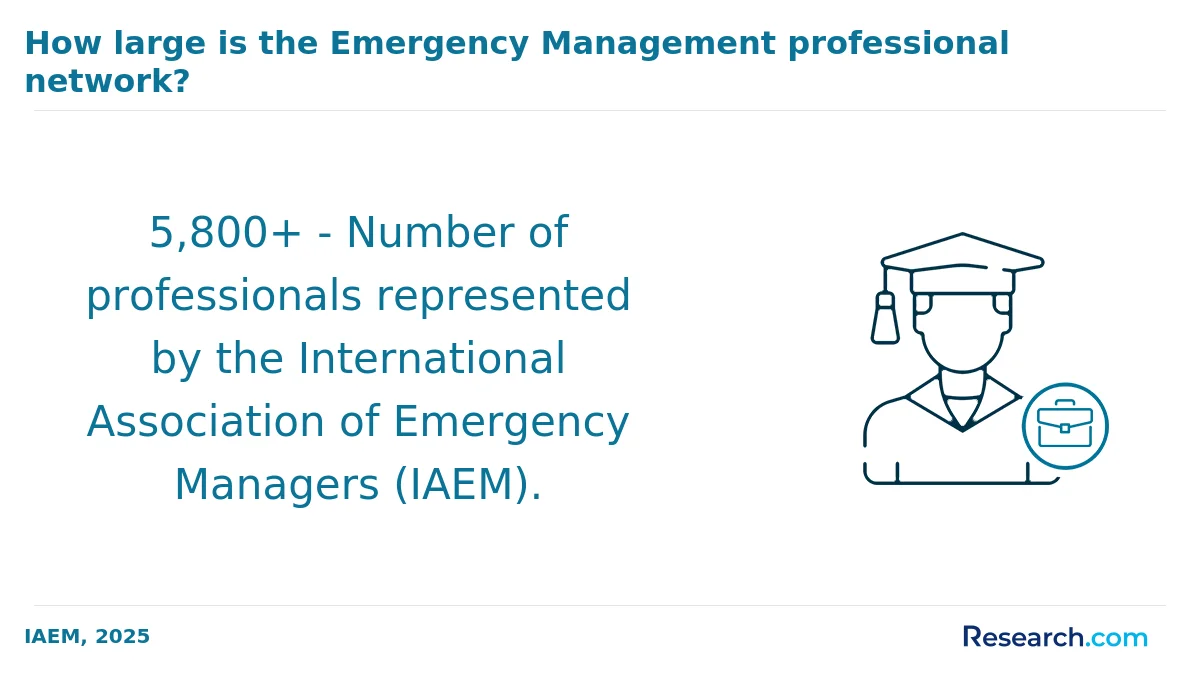
Networking also plays a critical role. Joining professional organizations, such as the International Association of Emergency Managers (IAEM), can connect graduates with regional job opportunities and mentors. According to the U.S. Bureau of Labor Statistics, the South shows steady growth in emergency management employment, projected to increase by 5% through 2030, emphasizing the importance of regional connections.
Additionally, obtaining relevant certifications, like Certified Emergency Manager (CEM), can enhance credibility. Staying informed about state and federal emergency protocols, especially FEMA guidelines, remains crucial to align qualifications with employer expectations in the Southern states.
Employers in the South frequently seek emergency management graduates with strong leadership and communication skills. These abilities are crucial for coordinating disaster response efforts across diverse agencies. According to the Southern Early Warning Systems Network, collaboration skills are vital, given the region's vulnerability to hurricanes and flooding.
Technical knowledge in risk assessment and disaster mitigation is also highly valued. Many employers expect graduates to be proficient in Geographic Information Systems (GIS), which are widely used in Southern states for emergency planning.
Problem-solving under pressure is another key skill. The Federal Emergency Management Agency (FEMA) highlights adaptability and critical thinking as essential for managing unpredictable crises specific to the Southern climate.
Finding internships in the South relevant to an emergency management degree often starts with connecting to local government agencies. States like Texas, Florida, and North Carolina have active emergency management offices offering internships to students. Many Southern universities maintain partnerships with these agencies, providing a direct path to field experience.
Professional organizations, such as the Southern Disaster Recovery Leadership Network, can also help students identify opportunities. According to FEMA's 2023 data, the Southeast region employs over 15,000 emergency management professionals, indicating a strong market for internships.
Online degree students should leverage virtual career fairs and statewide resources, including job boards like the National Emergency Management Association's site, which frequently lists internships in Southern states.
Holding an online emergency management degree significantly enhances career mobility and advancement opportunities in the Southern United States. The region frequently experiences natural disasters such as hurricanes and floods, which drives demand for skilled emergency management professionals. According to the U.S. Bureau of Labor Statistics, employment in emergency management is projected to grow faster than average through 2030, especially in states like Florida, Texas, and Louisiana.
Online degrees offer flexibility for working adults, allowing them to gain credentials without relocating. Many Southern employers recognize accredited online programs, which increases graduates' competitiveness for promotions or specialized roles. Additionally, such degrees often include practical skills training, aiding graduates in meeting local regulatory requirements and emergency response standards.
Studying for an emergency management degree in the South equips students with skills needed for interdisciplinary roles by integrating knowledge from public safety, environmental science, healthcare, and logistics. Southern programs emphasize real-world applications relevant to regional challenges such as hurricanes, floods, and wildfires. According to FEMA, the South faces over 50% of the nation's natural disasters, making strong collaboration skills essential.
Courses often include crisis communication, risk assessment, and policy development, preparing graduates to work across government agencies, nonprofits, and private sectors. This broad training supports roles in community resilience, disaster response, and recovery operations, fostering versatile emergency management professionals.
When choosing between a thesis and a non-thesis emergency management degree program in the South, consider your career goals first. Thesis programs focus on research and are suited for students aiming at advanced study or roles requiring strong analytical skills.
Non-thesis programs emphasize practical skills and internships, appealing to students who want to enter the workforce directly. Southern universities often align these options with regional needs, such as hurricane response and disaster recovery, relevant to states like Florida and Louisiana.
Data from FEMA highlights the demand for field-ready professionals in the South. Thus, non-thesis degrees may offer faster entry into emergency management careers, while thesis tracks can open doors to policy or academic positions.
Students based in the South seeking to study emergency management abroad often explore partnerships between US institutions and foreign universities. Many Southern universities offer online degrees with international study options, enabling students to gain global perspectives without relocating. For example, programs accredited by the Emergency Management Accreditation Program (EMAP) may incorporate international case studies focused on disaster response in regions like the Caribbean or Latin America, which face frequent hurricanes and floods.
Participation in virtual exchange programs is another avenue, allowing Southern students to collaborate globally while earning credits. The Southern Association of Colleges and Schools Commission on Colleges (SACSCOC) oversees many Southern programs, ensuring quality even in global learning contexts.
Part-time job opportunities in the South that complement an online emergency management degree often include roles in local government agencies, non-profits, and healthcare organizations. Positions such as emergency preparedness assistants or disaster response coordinators allow students to apply classroom knowledge to real-world situations.
According to the U.S. Bureau of Labor Statistics, states like Texas and Florida experience frequent natural disasters, creating ongoing demand for emergency management professionals. Working part-time in roles such as community outreach or public safety support offers practical experience with disaster planning and recovery efforts.
Additionally, internships with regional emergency management offices or volunteer work with organizations like the Red Cross provide valuable networking opportunities and insight into crisis response strategies.
Online emergency management students in the South have multiple networking opportunities despite studying remotely. Many Southern universities offering these programs organize virtual events, webinars, and workshops that connect students with industry professionals. For example, organizations like the Southern Emergency Management Association (SEMA) provide access to conferences and local chapters for networking and career growth.
Students often participate in virtual internships with state emergency agencies or nonprofit organizations, building essential real-world connections. According to FEMA, Southern states face frequent natural disasters, increasing demand for skilled professionals and expanding regional job networks.
Additionally, Southern schools encourage students to join national groups such as the International Association of Emergency Managers (IAEM), where online forums and mentorship programs facilitate ongoing engagement.
Alumni networks offer significant advantages to online emergency management degree students in the South. These connections facilitate valuable mentorship, helping students navigate the job market and understand regional challenges unique to southern states. With the South experiencing frequent natural disasters, such as hurricanes and flooding, strong local networks can lead to targeted job opportunities in state and local agencies.
According to the Southern Regional Education Board, alumni associations often provide exclusive access to internships and job postings in emergency management roles tailored to the region's needs. Networking events and online forums hosted by alumni can enhance professional development and collaboration among graduates.
Overall, these networks help students build lasting relationships that support career growth and community resilience enhancement in the Southern United States.
Customizing an online emergency management degree in the South allows students to tailor their education to specific career objectives. Many Southern universities offer flexible elective options, enabling focus on areas like disaster preparedness, homeland security, or risk assessment.
Students can often choose specialized courses aligned with local industry needs, such as hurricane response for Gulf Coast regions, where FEMA reports increased emergency activity. Additionally, some programs provide capstone projects or internships with Southern emergency agencies, offering practical experience.
Advisors typically guide students in selecting classes that match career goals, helping with certifications relevant to the Southern job market.
Online emergency management students in the South often face unique challenges related to infrastructure and access. According to the Federal Communications Commission, rural areas in Southern states like Mississippi and Alabama experience lower broadband availability, limiting reliable internet connectivity essential for online learning.
Additionally, balancing coursework with professional responsibilities is common, as many students in this region are working emergency responders or public safety officials. This can create scheduling conflicts, particularly during disaster seasons such as hurricane periods impacting Gulf Coast states.
Another challenge concerns practical experience. While theoretical knowledge is accessible online, gaining required hands-on training or internships may be harder due to fewer local emergency management agencies offering placements.
With an online emergency management degree, professionals in the South can pursue several key certifications that enhance career opportunities. One prominent option is the Certified Emergency Manager (CEM) credential, offered by the International Association of Emergency Managers. This certification demonstrates advanced knowledge and leadership ability in emergency management. Another widely recognized certification is the FEMA Professional Development Series, which is accessible online and covers essential incident management skills.
The Southern United States, prone to hurricanes and flooding, values certifications such as the Associate Emergency Manager (AEM) for entry-level practitioners. These certifications align with regional risks and job market demands, according to data from the Southern Emergency Management Association.
Overall, these credentials support career growth in public safety agencies, nonprofits, and private firms across southern states, ensuring graduates are prepared to address local challenges effectively.
Writing a successful application for an online emergency management program in the South requires clear demonstration of your commitment and understanding of the field. Highlight any relevant experience, especially in disaster response, public safety, or healthcare, as this region often faces hurricanes, floods, and tornadoes. According to FEMA, Southern states experience about 70% of natural disasters nationally, showing the ongoing need for skilled professionals.
Emphasize your ability to balance online learning with other responsibilities and your familiarity with technology. Strong recommendation letters and a personal statement that connects your goals to regional emergency challenges can strengthen your application. Finally, verify GPA requirements and submit all materials before deadlines set by Southern universities offering these programs.
Emergency management careers are increasingly viewed through a global lens, emphasizing collaboration across borders to handle natural disasters, pandemics, and technological threats. While the United States leads with established frameworks, regions like the South face unique challenges such as hurricanes and flooding, demanding specialized expertise.
Globally, emergency management professionals must understand diverse policies and cultural contexts. The Federal Emergency Management Agency (FEMA) reports that Southern states account for over 40% of national disaster declarations, highlighting the importance of region-specific knowledge in global preparedness efforts.
Online degrees from Southern universities equip students to engage with international standards like the Sendai Framework, fostering careers that span local and global scales.
Gaining practical experience while studying for an online emergency management degree in the South is essential for career readiness. Many universities in this region collaborate with local government agencies and emergency response organizations to offer internship opportunities tailored to distance learners.
Students can participate in virtual simulations and tabletop exercises, which replicate real-world emergency scenarios. These experiences help build critical decision-making skills without geographic constraints. According to FEMA, nearly 60% of emergency management roles require hands-on experience with disaster preparedness and response plans.
Additionally, joining local chapters of professional groups like the International Association of Emergency Managers (IAEM) provides networking and mentorship opportunities. Volunteering with organizations such as the American Red Cross or state emergency offices also offers valuable field experience relevant to Southern disaster risks, like hurricanes and floods.
Choosing the right concentration in an online emergency management degree in the South requires understanding your career goals and regional needs. The South faces unique challenges like hurricanes, flooding, and tornadoes, making concentrations in disaster preparedness or risk assessment highly relevant. According to FEMA, states such as Texas, Louisiana, and Florida experience significant disaster management activity, strengthening job prospects in these fields.
Look for programs offering specialized coursework in public safety, healthcare emergency management, or environmental hazards to match your interests. Research if regional accreditation and partnerships with local agencies exist, as this often boosts practical experience opportunities. Understanding these factors will help align your education with Southern emergency management demands.
Top Trending Emergency Management Rankings
References
- Top 30 Most Affordable Masters in Emergency Management ... https://www.bestcollegesonline.org/most-affordable/online-masters-emergency-management/
- Southern Arkansas University launches new Bachelor of ... https://www.saumag.edu/news/2026/southern-arkansas-university-launches-new-bachelor-of-science-in-emergency-management-for-fall-2026/
- Bachelor's Degree - Emergency and Disaster Management https://www.monroeu.edu/academics/undergraduate-programs/school-criminal-justice/online-bachelors-emergency-and-disaster
- 10 Best Emergency Management Fields https://www.drury.edu/business/management-major/10-best-emergency-management-fields/
- Working with SCEMD https://www.scemd.org/who-we-are/working-with-scemd/
- Disaster & Emergency Management Degree https://www.columbiasc.edu/academics/undergraduate/disaster-emergency-management
- 2026 Most Affordable Online Emergency Management ... https://www.onlineu.com/most-affordable-colleges/emergency-management-degrees
- Emergency management and disaster resilience education in ... https://knowledge.aidr.org.au/resources/ajem-oct-2011-opinion-emergency-management-and-disaster-resilience-education-in-australia-how-does-it-stack-up-internationally/
- Emergency Management Career Guide | 2026 https://www.publichealthonline.org/emergency-management-career/
- How to Become an Emergency Management Specialist https://www.publichealthdegrees.org/careers/emergency-management-specialist/