2027 Best Online Emergency Management Degree Programs Ranking in the Northeast

Co-Founder and Chief Data Scientist
Choosing the right emergency management degree program can be overwhelming, especially with so many options available in the Northeast. This article introduces the 2027 Best Online Emergency Management Degree Programs Ranking in the Northeast, created by Research.com's team of data scientists to guide you toward informed decisions.
By exploring this ranking, you'll discover programs that combine quality education with flexible online formats, helping you build critical skills for a rewarding career. Whether you're starting fresh or advancing your expertise, an emergency management degree opens doors to impactful work that supports communities in times of need.
Key benefits of getting online emergency management degree in the Northeast
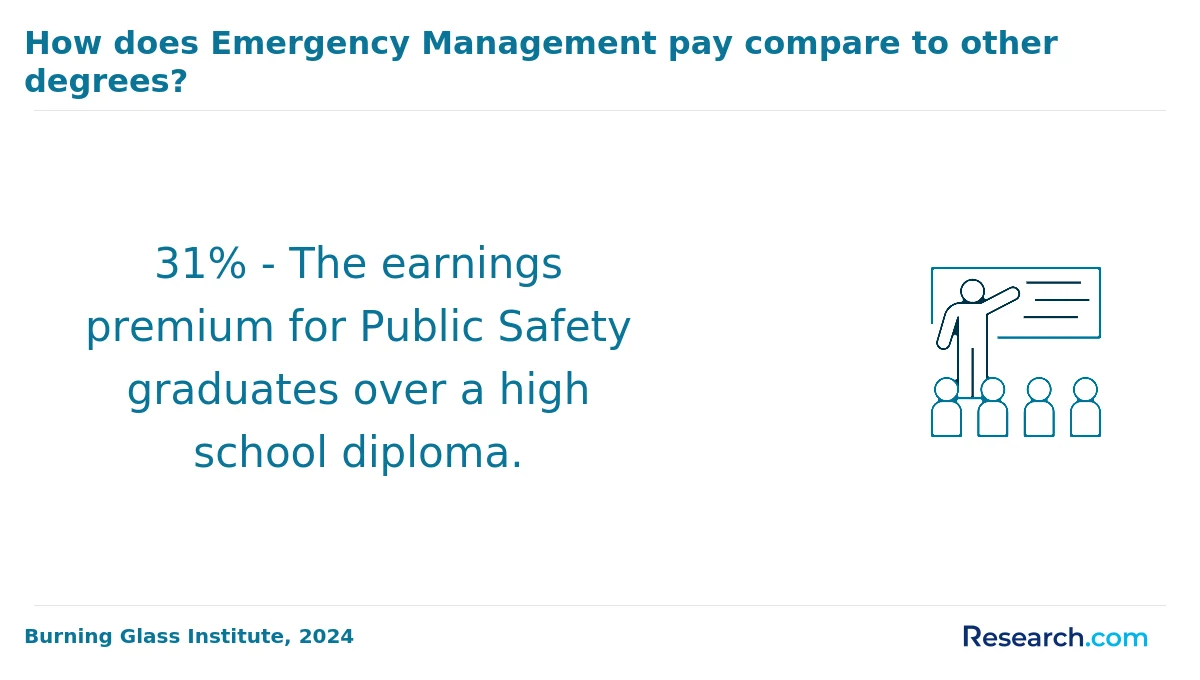
- Emergency management graduates in the Northeast often enter roles like public safety specialists, with a median annual wage around $73,000, offering job stability and rewarding salaries.
- Graduates from Northeastern universities have diverse career paths including disaster response coordination, risk assessment, and community resilience planning, providing multiple exciting opportunities.
- Online emergency management degrees offer flexible schedules and the chance to gain real-world skills from anywhere in the Northeast, making it easier to balance work, life, and education.
- Key benefits of getting online emergency management degree in the Northeast
- What can I expect from online emergency management degree in the Northeast?
- Where can I work with online emergency management degree in the Northeast?
- How much can I make with online emergency management degree in the Northeast?
- 2027 Best Online Emergency Management Degree Programs Ranking in the Northeast
- Key Findings
- How long does it take to complete online emergency management degree in the Northeast?
- What's the difference between online and on-campus emergency management degree?
- What is the average cost of online emergency management degree in the Northeast?
- What financial aid is available to online emergency management degree students in the Northeast?
- What are the prerequisites for enrolling in online emergency management degree program in the Northeast?
- What courses are typically in online emergency management degree programs in the Northeast?
- What types of specializations are available in online emergency management degree programs in the Northeast?
- How do you choose the best online emergency management degree in the Northeast?
- What career paths are available for online emergency management degree students in the Northeast?
- What is the job market for online emergency management degree in the Northeast?
- Top Trending Emergency Management Rankings
What can I expect from online emergency management degree in the Northeast?
The average cost of an online emergency management degree in the Northeast generally ranges between $15,000 and $35,000 for a bachelor's program, while master's degrees typically fall between $20,000 and $50,000, depending on the institution. Graduates from well-known universities in this region often reflect on the value they received from programs that combine rigorous academics with practical, real-life scenarios-like analyzing Hurricane Sandy's impact or the Boston Marathon bombing response. These immersive experiences make the tuition feel like a meaningful investment in their future leadership roles.
Many students attending colleges popular for emergency management appreciate the flexibility of asynchronous classes, which allow them to balance work and family while pursuing their goals. The programs often include federal and state policy instruction, ensuring learners graduate ready to coordinate with agencies like FEMA.
Ultimately, the vibrant learning environment and access to cutting-edge resources in Northeast schools give students confidence that their education is worth every dollar spent on tuition.
Where can I work with online emergency management degree in the Northeast?
Graduates from online emergency management programs at institutions like Northeastern University and the University of Massachusetts discover vibrant career opportunities across the Northeast. Many find fulfilling roles within federal agencies such as FEMA, where they help communities prepare for hurricanes and winter storms common to the region. State and local governments in New York, Massachusetts, and Pennsylvania actively seek passionate professionals ready to lead disaster preparedness and emergency response efforts in bustling urban centers.
Others thrive in healthcare settings, supporting hospitals like New York-Presbyterian as they plan for mass casualty events or pandemics, bringing their specialized knowledge to life-saving situations. Nonprofits such as the American Red Cross offer graduates the chance to coordinate relief efforts that directly impact people's lives during crises. Private companies, too, value these graduates for their expertise in risk assessment and crisis communication, creating dynamic roles that blend logistical know-how with community resilience.
The excitement of stepping into these vital positions energizes many graduates, who often share how their education empowered them to make a real difference when it matters most-right in their own Northeast communities.
How much can I make with online emergency management degree in the Northeast?
Graduates from online emergency management programs at popular Northeast institutions often find rewarding career paths with salaries ranging from $50,000 to over $110,000 annually. Entry-level roles such as emergency planning coordinators or disaster response technicians typically start around $50,000 to $65,000, giving new graduates a strong foothold in vital public safety and disaster preparedness careers.
Many graduates share how their training from renowned colleges in the Northeast has empowered them to confidently step into roles that make a real difference during crises. With gained experience and certifications like the Certified Emergency Manager (CEM), professionals can move into managerial or director positions, where salaries can reach $110,000 or more, especially in high-demand states like New York and Massachusetts.
Working in government agencies or healthcare organizations, emergency managers often enjoy the satisfaction of protecting communities while benefiting from competitive pay. These inspiring career outcomes reflect the valuable skills honed through online programs, creating pathways to success and meaningful impact in disaster readiness and response.
2027 Best Online Emergency Management Degree Programs Ranking in the Northeast
How do we rank schools?
Investing in your education is a significant decision that can shape your future, and the Research.com team understands the importance of making informed choices. To assist prospective students in the Northeast, we have meticulously crafted the "2027 Best Online Emergency Management Degree Programs Ranking in the Northeast." Our commitment to quality, credibility, and accuracy is reflected in the extensive research and analysis conducted to compile this ranking.
We utilized the following reputable data sources to ensure a comprehensive evaluation of emergency management programs:
By exploring this ranking, readers will gain valuable insights into the best online emergency management degree programs available in the Northeast, helping them make informed decisions about their educational and career paths. For more details on our methodology, please visit our Research.com methodology page.
# 1 position
Penn State University Park
Master of Homeland Security - Agricultural Biosecurity and Food Defense Option


# 4 position
Thomas Edison State University
Bachelor of Emergency Disaster Services


Key Findings
- Tuition for online emergency management bachelor's degrees in the Northeast ranges from $10,000 to $25,000 at public schools and can exceed $30,000 at private institutions.
- Financial aid and grants are often available specifically for emergency management students to help reduce education costs.
- Entry-level salaries for graduates typically range from $50,000 to $60,000 annually, with mid-career professionals earning between $75,000 and $90,000.
- Employment growth for emergency management specialists in the Northeast is projected to be faster than the national average, driven by investments in disaster preparedness and infrastructure.
- Many jobs require or prefer certification, which can be earned alongside online degrees for better career opportunities.
- Programs accredited by bodies like the International Association of Emergency Managers (IAEM) ensure curriculum quality and support professional licensure.
How long does it take to complete online emergency management degree in the Northeast?
Completing an online emergency management degree in the Northeast is a rewarding journey that fits well with busy lifestyles. Many students enrolling in bachelor's programs at respected institutions like Northeastern University or the University at Albany find that, when studying full-time, the degree takes about four years to finish. These programs offer a clear path, typically requiring 120 to 130 credit hours, allowing students to build their expertise steadily while balancing life's demands.
Graduate students pursuing master's degrees at colleges such as John Jay College or the University of New Haven often complete their studies in 18 to 24 months full-time. Some alumni share how accelerated formats helped them finish in as little as 12 to 18 months, empowering them to advance their careers rapidly without sacrificing quality or depth of learning.
Part-time study options offer incredible flexibility, ideal for working professionals or those managing family duties, though this can extend program length. Transfer credits for prior certifications and real-world experience often speed things up, making the journey feel personalized and impactful.
What's the difference between online and on-campus emergency management degree?
Choosing between an online or on-campus emergency management degree in the Northeast opens exciting paths tailored to your lifestyle and goals. Online programs offer incredible flexibility, letting busy students balance work and family while advancing their careers at their own pace. Graduates from respected schools cherish this freedom, often sharing how asynchronous classes empower them to study without sacrificing personal commitments or relocating.
On the other hand, attending institutions like the University of Rhode Island or UMass Amherst provides immersive, hands-on experiences essential for mastering crisis response skills. Students thrive in dynamic environments full of labs and real-world simulations, building strong networks through face-to-face connections with faculty and peers.
Both formats uphold rigorous standards and accreditation recognized throughout the Northeast, ensuring your degree opens doors across the region. Tuition often favors online study with lower costs and fewer campus fees, making higher education not only attainable but inspiring for those ready to serve their communities with confidence and expertise.
What is the average cost of online emergency management degree in the Northeast?
The average cost of an online emergency management degree in the Northeast is around $26,943, a figure that reflects the region's balance between quality education and affordability. Many graduates from well-known universities in states like New York and Massachusetts share inspiring stories about how investing in their education empowered them to make a real difference in their communities. These stories highlight the rewarding nature of pursuing affordable emergency management degree programs Northeast, where learning is accessible and impactful.
Public institutions often offer competitive tuition for in-state students, making it possible to achieve your academic goals without overwhelming debt. Private universities in the area, while sometimes more costly, bring excellent resources and personalized attention that many students find invaluable. One graduate recalls navigating the vibrant online curriculum seamlessly while balancing work and family life, thanks to reputable programs at popular colleges.
Students appreciate that many programs tailor tuition based on credit hours, allowing flexibility in budgeting as they progress. Additionally, some programs incorporate transfer credits or partnerships with community colleges to reduce costs further. Those exploring options can find a wealth of information on emergency management online programs, helping them choose the best path forward with confidence.
What financial aid is available to online emergency management degree students in the Northeast?
Students pursuing online emergency management degrees in the Northeast are fortunate to have a wide range of financial aid options designed to make education attainable and affordable. For instance, many graduates from well-regarded programs at universities like Northeastern University or the University at Albany have successfully leveraged federal aid through FAFSA to access Pell Grants, which can provide up to $7,395 annually, relieving significant financial pressure.
Federal Direct Loans offer an accessible path with low interest and flexible repayment, allowing students to focus on their studies without overwhelming debt concerns. Work-Study positions tied to emergency services on campus or affiliated agencies provide hands-on experience while helping cover expenses.
- State grants like New York's Tuition Assistance Program (TAP) and Massachusetts state aid further lighten the financial load for residents enrolled in these programs.
- Scholarships from universities or professional bodies such as the International Association of Emergency Managers empower students to pursue their passion while minimizing costs.
Many students also find encouragement through employer tuition reimbursement, turning education into a springboard for career advancement in public safety or healthcare sectors across bustling Northeast cities. These opportunities turn financial challenges into stepping stones toward meaningful, impactful careers in emergency management.
What are the prerequisites for enrolling in online emergency management degree program in the Northeast?
For those aiming higher, graduate programs often ask for a bachelor's degree, not necessarily in emergency management but in related fields like public administration or environmental science-a path many students from top Northeastern colleges have successfully followed. These programs may also look for a GPA between 3.0 and 3.5, reflecting the commitment and capability students bring to their studies.
Many students appreciate that test scores such as the GRE are increasingly optional, making applications feel less daunting. Plus, having professional experience in emergency management or similar sectors can truly enhance your journey, providing real-world insights to complement your education.
Reliable technology is another must-have, and with today's advanced learning platforms, staying connected and engaged is easier than ever. Students often find that managing this balance builds both resilience and motivation.
Finally, the application process, which may include letters of recommendation and a heartfelt statement of purpose, offers an opportunity to share your passion and commitment to making communities safer. Many graduates from Northeastern colleges recall these steps as pivotal moments toward their rewarding careers in emergency management.
What courses are typically in online emergency management degree programs in the Northeast?
Online emergency management degrees in the Northeast offer dynamic courses designed to empower students with vital skills to protect communities during crises. Graduates from renowned institutions like Northeastern University and the University of Connecticut often describe how courses such as Introduction to Emergency Management provide a solid foundation, helping them grasp the critical roles agencies play when disaster strikes.
Students engage deeply with Disaster Risk Reduction and Mitigation classes, learning to craft strategies that minimize the impact of hurricanes or nor'easters common to the region. Crisis Communication courses prepare learners to confidently convey essential information during emergencies, fostering trust and calm in tense moments. The practical training in Incident Command Systems equips students to lead with clarity and precision in real-life emergencies.
Additionally, courses like Homeland Security, Hazardous Materials Management, and Recovery and Resilience nurture a comprehensive skill set tailored to the Northeast's unique challenges. Graduates feel ready and inspired to make a real difference, knowing their education directly translates to life-saving actions and stronger communities.
What types of specializations are available in online emergency management degree programs in the Northeast?
Students pursuing online emergency management specializations Northeast often find themselves inspired by the real-world impact of their studies. Graduates from well-known Northeastern colleges describe how specializing in Disaster Resilience and Recovery helped them design practical solutions for their communities after major storms. Others engaged in Homeland Security and Terrorism Preparedness feel equipped to protect critical infrastructure in densely populated cities. Cybersecurity is a popular focus area, especially for those aiming to secure financial and government systems from evolving digital threats. Some graduates express pride in the Public Health Emergency Management track, which proved invaluable during the recent pandemic in urban centers like Boston and New York.
These online emergency management degree focus areas Northeast highlight the region's unique challenges, empowering students to become proactive leaders. Many find programs at top institutions motivating, as they balance academic rigor with flexible learning. For those seeking an affordable online bachelors degree in emergency management, opportunities abound to specialize while advancing a career that truly makes a difference.
How do you choose the best online emergency management degree in the Northeast?
Choosing the best online emergency management degree Northeast means focusing on accredited programs with strong regional ties. Graduates from popular colleges in the region often highlight how learning about local laws and emergency protocols helped them confidently respond to hurricanes or winter storms affecting their communities. Affordable emergency management programs Northeast offer flexible options like part-time study and asynchronous courses, allowing busy professionals to balance work, family, and education with ease.
Look for schools where faculty bring real-world experience from local agencies, making coursework feel relevant and engaging. Many students share how career services connected them to internships that provided hands-on skills in disaster recovery and crisis communication. Additionally, programs with comprehensive support and clear timelines inspire confidence and keep motivation high.
Reflecting on alumni stories, it's clear that choosing the right program empowers you to make a real difference. Exploring homeland security degree jobs can also expand your vision of impactful career paths through emergency management.

What career paths are available for online emergency management degree students in the Northeast?
Graduates holding an online emergency management degree in the Northeast discover a rewarding range of career paths energized by the region's dynamic needs. Many find fulfilling roles with government agencies at all levels-state, local, and federal-where they help build resilient communities against natural disasters and security threats. For instance, graduates from prominent Northeast colleges have successfully stepped into positions like Emergency Management Coordinator and Public Safety Director, leading impactful emergency preparedness efforts that protect millions. This hands-on experience is often supported by strong programs available at respected institutions across states such as New York and Massachusetts, inspiring confidence and a real sense of purpose.
In addition to public service, the private sector offers exciting opportunities, with businesses and healthcare organizations seeking specialists skilled in continuity planning and risk assessment. Online students benefit from flexible learning options, and for those eager to fast-track their careers, options like the accelerated online degree homeland security programs provide a stepping stone to success. The career landscape here is vibrant and promising, making it a great time to explore online emergency management careers Northeast.
What is the job market for online emergency management degree in the Northeast?
The job market for those with an online emergency management degree in the Northeast is promising and filled with meaningful opportunities. Graduates from well-known universities in states like New York and Massachusetts often share how their education prepared them to make a real difference during natural disasters or public health emergencies. Employers in the region-ranging from government agencies to large healthcare providers-offer steady roles that allow professionals to build resilient communities. This strong demand is fueled by the Northeast's dense urban centers and frequent weather challenges, making career growth in emergency management not only attainable but rewarding.
Many find that online programs from popular colleges in the area provide flexible learning paths, helping students balance work, life, and study while tapping into local networks. Those focused on an emergency management career opportunities in Northeast sectors consistently highlight how federal and state funding increases their chances of landing fulfilling positions. For an inspired path forward, consider exploring a homeland security masters degree online to broaden your expertise and amplify your impact.
Frequently Asked Questions About emergency management
Students pursuing online emergency management degrees in the Northeast can enhance their learning by engaging with regional case studies focused on natural disasters common to the area, such as hurricanes and winter storms. Incorporating federal and state resources from agencies like FEMA and state emergency management offices improves practical understanding. Networking with local professionals through virtual internships or regional conferences strengthens industry connections. Data from the U.S. Bureau of Labor Statistics highlights a growing demand for emergency management professionals in Northeast states, underscoring the value of strategic hands-on experience. Using interactive tools and simulation software recommended by accredited programs also supports skill development.
The field of emergency management continues to evolve, especially in the Northeast where diverse risks require specialized expertise. Emerging niches include cyber resilience, focusing on protecting critical infrastructure from digital threats. This reflects national trends reported by the Federal Emergency Management Agency (FEMA) emphasizing increasing cyberattacks. Another growing area is climate adaptation strategies, as the Northeast faces more frequent storms and flooding, according to the Northeast Climate Adaptation Science Center.
Health emergency preparedness, including pandemic response, has gained prominence after COVID-19. Professionals skilled in coordinating public health and emergency services are in demand. Finally, social equity in disaster response is a niche focused on vulnerable populations, highlighted by regional studies from institutions like the University of Massachusetts Amherst.
After earning an online emergency management degree in the Northeast, strategic preparation is essential for entering the job market. Start by gaining practical experience through internships or volunteer roles with local emergency agencies or nonprofits, as hands-on skills are highly valued by employers.
The Northeast faces unique risks like hurricanes and winter storms, creating steady demand for skilled professionals. According to the U.S. Bureau of Labor Statistics, emergency management employment in this region is projected to grow by 8% through 2031.
Networking is also critical. Join regional professional organizations such as the Northeast State Emergency Management Association to connect with industry leaders and learn about job openings.
Lastly, consider obtaining certifications like the Certified Emergency Manager (CEM) to enhance your credentials and improve job prospects.
Employers in the Northeast value emergency management graduates who demonstrate strong communication and critical thinking skills. Being able to clearly convey information during crises and efficiently analyze complex situations is essential. According to the Federal Emergency Management Agency (FEMA), teamwork and leadership are also highly sought after, as managing coordinated responses across agencies is often required in this region.
Technical proficiency in geographic information systems (GIS) and risk assessment tools is increasingly important due to the Northeastern states' vulnerability to hurricanes, winter storms, and flooding. Knowledge of state and local emergency protocols further enhances a candidate's appeal. Graduates should also show adaptability, given the rapidly changing nature of disaster management.
Finding internships relevant to an emergency management degree in the Northeast involves targeted research and strategic outreach. Start by exploring partnerships your chosen online program may have with local government agencies and nonprofits. Many emergency management internships are offered by state departments like New York's Division of Homeland Security or Massachusetts Emergency Management Agency. According to the National Emergency Management Association, over 40% of internships in this field occur at state or local levels.
Networking through professional organizations such as the New England chapter of the International Association of Emergency Managers (IAEM) can open doors to opportunities. Utilize internship databases provided by university career centers and platforms like Handshake, frequently updated with regional positions. Early application is key as competitive internships often have limited slots.
Obtaining an online emergency management degree can significantly enhance career mobility and advancement opportunities for professionals in the Northeast. This region, prone to hurricanes, nor'easters, and urban emergencies, increasingly seeks qualified leaders skilled in disaster preparedness and response.
According to the U.S. Bureau of Labor Statistics, emergency management employment in the Northeast is projected to grow by 8% through 2030, faster than many other sectors. Completing an accredited online degree equips students with essential skills in risk assessment, crisis communication, and resource coordination, aligning well with employer demands.
Furthermore, many state and local agencies in the Northeast prefer candidates with formal education in emergency management, improving prospects for promotions and leadership roles. The flexibility of online programs also allows working professionals to advance their education without interrupting their careers.
Studying for an emergency management degree in the Northeast offers unique interdisciplinary training designed to address the region's diverse risks, from hurricanes to winter storms. Programs often integrate knowledge from public administration, environmental science, and sociology to prepare students for complex roles.
Many Northeastern schools emphasize collaboration skills, critical for coordinating between government agencies, nonprofits, and private sectors in emergency response. According to FEMA, the Northeast experiences over 20 declared disasters annually, requiring broad expertise.
Students learn to analyze data, develop community resilience plans, and apply legal and ethical frameworks, making them versatile professionals. This blend of skills equips graduates to effectively manage emergencies in various settings.
Choosing between a thesis and a non-thesis online emergency management degree in the Northeast depends on your career goals and learning preferences. Thesis programs emphasize research and require a substantial written project, ideal for students aiming for doctoral studies or research roles. Non-thesis options focus on practical skills and typically include a capstone or comprehensive exam, beneficial for professionals seeking direct application in emergency services or government agencies.
In the Northeast, states like New York and Massachusetts prioritize applied emergency management skills, reflected in many non-thesis programs. According to FEMA, the region experiences diverse emergencies including hurricanes and winter storms, so hands-on training is crucial. Additionally, accreditation by bodies like the Emergency Management Accreditation Program (EMAP) ensures program quality, whether thesis or non-thesis.
Consider your future plans carefully. If you want to contribute to academic knowledge or policy development, a thesis may be preferable. For immediate workforce entry, non-thesis is often more suitable. Always review curriculum details and faculty expertise before deciding.
Students in the Northeast seeking to study emergency management abroad face limited direct options as most U.S. institutions focus on domestic online programs. However, several universities in this region offer partnerships or exchange arrangements with foreign institutions, allowing students to gain international experience while pursuing their degrees online.
For example, some schools facilitate virtual collaboration with European or Canadian emergency management programs, which provide exposure to different disaster response frameworks. The Federal Emergency Management Agency (FEMA) notes the importance of global cooperation in emergency preparedness, encouraging such cross-border academic initiatives.
While fully abroad online emergency management degrees remain rare, Northeast students can supplement their education with study abroad opportunities or international internships offered through their U.S. programs. These options enhance understanding of global risks relevant to climate and urban challenges common in the Northeast.
Students pursuing online emergency management degrees in the Northeast can benefit from part-time jobs that provide practical experience and enhance their resumes. Common opportunities include roles such as emergency preparedness assistants, disaster response interns, and community outreach coordinators. These positions often exist within local government agencies, nonprofits, and hospitals.
According to the U.S. Bureau of Labor Statistics, the Northeast states like New York and Massachusetts have a growing demand for emergency management professionals, with a 7% expected growth rate through 2028. Gaining hands-on experience in part-time roles helps students understand crisis communication, risk assessment, and resource coordination.
Additionally, many public safety departments offer volunteer or paid positions in disaster relief, which serve as valuable learning platforms. Such roles allow students to develop skills that directly complement their academic knowledge while networking within the regional emergency management community.
Online emergency management students in the Northeast have several networking opportunities despite studying remotely. Many programs partner with local agencies, including state emergency management offices and homeland security departments, to offer internships and live project collaborations. Professional organizations like the New York State Emergency Management Association (NYSEMA) and the Massachusetts Emergency Management Agency (MEMA) host regular virtual and in-person events for students and practitioners.
Students can also engage in regional conferences such as the Northeast Association of Hazardous Materials Professionals annual meeting. These events provide access to experts and potential employers. According to FEMA, nearly 20% of national emergency management jobs are located in the Northeast, increasing chances for networking and employment.
Alumni networks offer valuable support for online emergency management degree students in the Northeast by fostering connections within the regional emergency management community. Graduates benefit from access to professionals who have experience with local challenges such as hurricanes and winter storms, prevalent in states like New York and Massachusetts. According to the Federal Emergency Management Agency (FEMA), strong professional networks can improve job placement and career advancement in this field.
These networks often provide mentorship opportunities, career advice, and information about job openings specific to the Northeast's public and private sectors. Additionally, alumni events and online platforms help students build relationships that extend beyond graduation, increasing their chances of collaboration and professional growth.
Customizing an online emergency management degree in the Northeast allows students to align their education with specific career goals. Many universities offer concentrations such as disaster preparedness, homeland security, or public health emergency management. These specializations can help students develop skills tailored to local regional risks like hurricanes or winter storms, common in Northeastern states.
Students often choose electives or certificates in related fields like cybersecurity or environmental policy to broaden their expertise. According to the U.S. Bureau of Labor Statistics, emergency management jobs in the Northeast are growing by about 6% over the next decade, emphasizing the value of targeted skill sets.
Additionally, some programs enable internships or practicum experiences in Northeast agencies, providing practical knowledge and networking opportunities essential for career advancement.
Online emergency management students in the Northeast often face challenges balancing rigorous coursework with professional and personal responsibilities. Many learners juggle full-time jobs, given that the region has a high concentration of emergency services professionals working in urban centers like New York City and Boston. According to the Federal Emergency Management Agency (FEMA), the Northeast experiences frequent natural emergencies such as hurricanes and winter storms, prompting a demand for practical, timely training that online formats may struggle to fully replicate.
Limited access to hands-on fieldwork and local networking opportunities can also hinder skill development. Additionally, inconsistent internet connectivity in some rural Northeastern areas poses technical difficulties.
An online emergency management degree opens pathways to several key professional certifications valued in the Northeast and nationwide. The Certified Emergency Manager (CEM) credential, offered by the International Association of Emergency Managers (IAEM), is widely recognized and enhances career prospects. Completing an accredited emergency management program often fulfills part of the CEM's eligibility requirements.
Other certifications include the Associate Emergency Manager (AEM) and the FEMA Professional Development Series, which provide foundational knowledge and skills. According to IAEM, over 1,000 CEMs are active in Northeastern states, reflecting regional commitment to professional standards.
State-specific certifications may also be available, often linked to local emergency response agencies or homeland security offices, which can further boost employability.
To write a winning application for an online emergency management program in the Northeast, start by clearly highlighting your commitment to public safety and disaster preparedness. Admissions committees look for candidates with relevant experience or a demonstrated interest in emergency management. Include specific examples of your involvement in community resilience, volunteer work, or professional roles related to crisis response.
Highlight your understanding of regional hazards common to the Northeast, such as hurricanes, winter storms, and flooding, which underscores your local awareness.
Request strong recommendation letters from supervisors or colleagues familiar with your emergency-related skills.
Carefully proofread your personal statement and tailor it to each program's mission and values, emphasizing how your goals align with their curriculum and the urgent needs of Northeast communities. According to FEMA, the Northeast faces increasing climate-related emergencies, increasing the demand for qualified professionals.
Emergency management careers are increasingly viewed through a global lens, emphasizing collaboration across nations to handle natural disasters, pandemics, and technological crises. Professionals in the United States, especially in the Northeast, benefit from training that integrates international best practices and standards.
The Federal Emergency Management Agency (FEMA) supports global partnerships, encouraging knowledge exchange between U.S. emergency managers and their counterparts worldwide. This global approach enhances resilience planning, as hazards such as hurricanes and winter storms impact the Northeast regularly.
Recent Bureau of Labor Statistics data forecasts a 6% growth in emergency management jobs nationwide through 2031, with a growing demand for professionals trained in both local and global response strategies. Understanding global systems improves career prospects across government, nonprofit, and private sectors.
Gaining practical experience while pursuing an online emergency management degree in the Northeast is essential for career readiness. Many programs require or encourage internships with local agencies like state emergency management offices or nonprofit organizations. These placements offer hands-on experience with disaster response, planning, and recovery efforts.
Additionally, some schools collaborate with regional partners such as the Federal Emergency Management Agency's Northeast Division, providing students with volunteer opportunities and simulation exercises. According to the New York State Division of Homeland Security and Emergency Services, internships in emergency management fields have increased by 15% in recent years, reflecting growing demand for skilled professionals.
Students can also participate in virtual incident command system (ICS) trainings and certifications, widely recognized in the northeastern US, to build practical skills online while fulfilling degree requirements.
Choosing the right concentration within an online emergency management degree in the Northeast starts with understanding regional risks and career goals. The Northeast faces specific challenges such as hurricanes, snowstorms, and urban emergencies, influencing program focus areas like disaster response or public health preparedness. According to FEMA, states like New York and Massachusetts dedicate resources to hazard mitigation, which aligns with concentrations in risk assessment and mitigation strategies.
Prospective students should also consider the job market. The U.S. Bureau of Labor Statistics reports steady growth in emergency management roles in the Northeast due to increasing demand for disaster resilience.
Evaluate programs that offer concentrations matching your interests and local needs, such as cybersecurity or critical infrastructure protection, areas growing in importance regionally.
Top Trending Emergency Management Rankings
References
- 2026 Most Affordable Online Emergency Management ... https://www.onlineu.com/most-affordable-colleges/emergency-management-degrees
- Homeland Security and Emergency Preparedness, BA ... https://www.nec.edu/programs/homeland-security-and-emergency-preparedness-b-a
- Emergency Management Career Guide | 2026 https://www.publichealthonline.org/emergency-management-career/
- IRG Global's Emergency Management Debut https://irgglobal.com/insight-hub/news/press-releases/emergency-management-conferences
- Bachelor's Degree - Emergency and Disaster Management https://www.monroeu.edu/academics/undergraduate-programs/school-criminal-justice/online-bachelors-emergency-and-disaster
- Design for Emergency Management – Design resilient ... https://dnem.org/
- Degree in Emergency Management Online or On Campus https://www.albany.edu/cehc/programs/bs-emergency-management-homeland-security
- Guiding Lights in Crisis: The Path to Mentorship in Eme... https://www.aemo.us/blog/guiding-lights-in-crisis-the-path-to-mentorship-in-emergency-management-careers
- USAJOBS – Emergency Management Jobs https://www.usajobs.gov/Search/
- How to Become an Emergency Management Specialist https://www.publichealthdegrees.org/careers/emergency-management-specialist/