2027 Emergency Management Degree Hiring Strength by State: Where Employers Need Graduates Most

Co-Founder and Chief Data Scientist
Emergency management graduates face a location-sensitive job market: the same degree can lead to very different opportunities depending on the state, employer, and disaster-risk profile. The Bureau of Labor Statistics reported a $86,130 median annual wage for emergency management directors in May 2024, showing that the field can support solid career paths, but openings are limited and competitive.
This guide helps students, new graduates, career changers, and working professionals compare states by hiring demand, salaries, growth signals, industries, cost of living, and skills so they can choose a smarter place to study, apply, or relocate.
Key Things You Should Know
- Emergency management hiring is strongest where large populations, disaster exposure, public infrastructure, healthcare systems, ports, military activity, and state or federal agencies create ongoing preparedness needs.
- The latest BLS wage data places the national median for emergency management directors at $86,130, but high-salary states can lose value if housing, taxes, commuting, and insurance costs are unusually high.
- Graduates usually compete best when they combine a degree with FEMA ICS/NIMS training, GIS or data skills, grant knowledge, crisis communication, and experience in government, healthcare, utilities, logistics, or campus safety.
- Key Things You Should Know
- Which States Have the Strongest Demand for Emergency Management Graduates?
- Which States Offer the Highest Salaries for Emergency Management Professionals?
- Which States Have the Fastest Job Growth for Emergency Management Careers?
- How Does Cost of Living Affect Emergency Management Career Value by State?
- Which Skills Help Emergency Management Graduates Compete in High-Demand States?
- How Do State Licensing or Certification Requirements Affect Emergency Management Careers?
- How Do Remote and Hybrid Work Affect State Hiring Opportunities for Emergency Management Graduates?
- How Should Students Compare States When Choosing Where to Work?
- Which State Best Fits Your Emergency Management Career Goals?
- Top Trending Emergency Management Rankings
Which States Have the Strongest Demand for Emergency Management Graduates?
Hiring strength in emergency management is not just a count of job postings. It reflects how often employers need people who can plan for disasters, coordinate agencies, manage grants, protect infrastructure, lead continuity planning, and support response operations before, during, and after emergencies.
The strongest states usually combine several demand drivers: severe weather exposure, wildfire or flood risk, dense population, major transportation networks, large healthcare systems, coastal infrastructure, military installations, energy assets, and a deep public-sector employer base.
The table below summarizes states that often offer stronger demand signals for graduates, especially those pursuing roles such as emergency management specialist, continuity planner, disaster recovery analyst, homeland security coordinator, public health preparedness planner, and emergency management director.
| State or market | Hiring strength signal | Why employers need graduates | Best fit for |
| California | Very strong | Wildfire, earthquake, drought, public health, utility, transportation, and local government preparedness needs create a broad employer mix. | Graduates interested in wildfire planning, public utilities, local government, healthcare preparedness, and resilience work. |
| Texas | Very strong | Hurricanes, flooding, energy infrastructure, border logistics, large metros, and rapid population growth support public and private-sector hiring. | Graduates seeking a large job market with state, county, energy, logistics, and hospital opportunities. |
| Florida | Very strong | Hurricane exposure, coastal risk, tourism infrastructure, elder care systems, and county-level emergency operations drive recurring demand. | Students focused on hurricane preparedness, evacuation planning, recovery coordination, and local emergency operations. |
| New York | Strong | Dense population, transit systems, coastal flooding, large healthcare networks, cybersecurity concerns, and public safety agencies create specialized roles. | Graduates who want urban emergency management, transit resilience, public health preparedness, or critical infrastructure work. |
| Virginia | Strong | Federal contractors, defense activity, coastal risk, public safety agencies, and proximity to federal emergency and homeland security employers support demand. | Graduates interested in federal contracting, homeland security, continuity planning, and defense-adjacent roles. |
| Maryland | Strong | Federal agencies, healthcare systems, ports, cybersecurity employers, and regional disaster coordination create a steady market. | Students targeting federal support roles, hospital preparedness, public health, or regional resilience planning. |
| Louisiana | Strong but specialized | Coastal flooding, hurricanes, petrochemical infrastructure, ports, and environmental risk make emergency planning central to public and private employers. | Graduates interested in coastal resilience, industrial safety coordination, recovery management, and hazard mitigation. |
| North Carolina | Growing | Hurricanes, inland flooding, expanding metros, universities, healthcare systems, and military presence support a widening market. | New graduates looking for a balance of growth, affordability, and public-sector entry points. |
A large state does not automatically mean an easy job search. California, Texas, Florida, and New York may have more openings, but they also attract more applicants and often expect internship experience, ICS/NIMS training, or specialized technical skills.
For a practical comparison, students should separate current opportunity from future potential. Current opportunity is reflected in active job postings, agency budgets, and employer concentration; future potential is shaped by population growth, climate risk, infrastructure investment, and state disaster recovery needs.
Which States Offer the Highest Salaries for Emergency Management Professionals?
Salary is important, but it should not be read in isolation. Emergency management roles vary widely by seniority: an entry-level planning assistant may earn far less than an experienced director managing countywide response, mitigation grants, emergency operations centers, and interagency coordination.
The latest BLS occupational wage data reported a $86,130 median annual wage for emergency management directors in May 2024. Use that national median as a benchmark, then compare state salary signals against cost of living, job level, employer type, and whether the role is public-sector, private-sector, healthcare, utility, higher education, or consulting-based.
| State or jurisdiction | Salary signal | Why pay can be higher | Decision note |
| District of Columbia | Very high | Federal agencies, contractors, policy roles, homeland security activity, and continuity planning create senior-level opportunities. | Strong for experienced professionals, but competition and housing costs are high. |
| California | High | Complex hazard environment, large local governments, utilities, healthcare systems, and high operating costs influence compensation. | High salaries may be offset by housing, commuting, taxes, and insurance costs. |
| Washington | High | Earthquake risk, ports, technology employers, public health systems, and infrastructure planning support specialized roles. | Good for graduates with GIS, continuity, technology, or public-sector planning skills. |
| Maryland | High | Federal proximity, healthcare employers, cybersecurity, ports, and emergency preparedness contractors can raise pay opportunities. | Useful for candidates pursuing federal support or regional preparedness work. |
| New Jersey | High | Dense population, coastal risk, transportation corridors, utilities, and proximity to New York and Philadelphia create complex planning needs. | Best evaluated by commute, housing, and local government hiring cycles. |
| New York | High but variable | Large metro systems, hospitals, transit, coastal resilience, and state agencies create high-level roles. | Upstate and metro-area salaries can differ significantly, so compare by region. |
A common mistake is choosing the highest advertised salary without asking what level of responsibility comes with it. A director role may require years of incident command experience, budget oversight, public speaking, grant management, and 24/7 availability during activations.
New graduates should compare salary bands by role title. "Emergency management specialist," "preparedness coordinator," "continuity planner," and "homeland security analyst" may be better entry points than director positions, even in states with strong salary signals.
Which States Have the Fastest Job Growth for Emergency Management Careers?
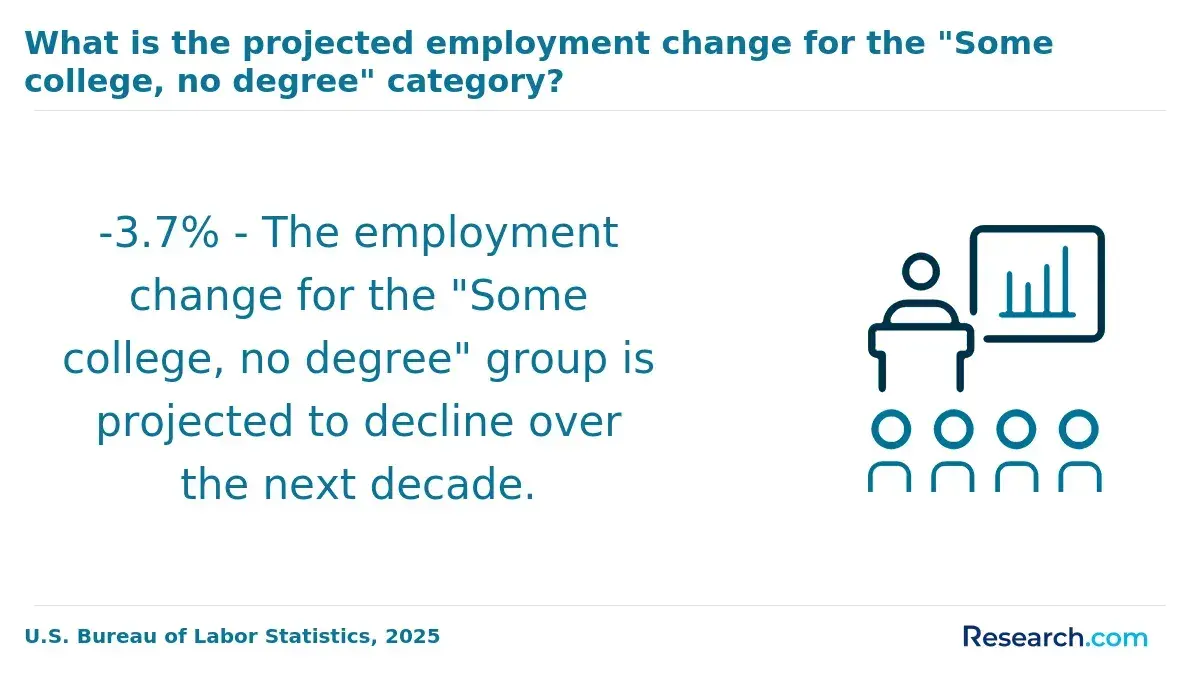
Fast job growth in this field is usually tied to broader changes: population movement into hazard-prone areas, aging infrastructure, wildfire and flood exposure, public health preparedness, cybersecurity planning, and federal mitigation funding. However, growth does not always mean many openings because emergency management is a relatively small occupation.
BLS outlook data indicates that emergency management director openings are limited compared with larger occupations, so students should treat growth projections as one signal rather than the whole answer.
The table below highlights states where long-term demand conditions may support stronger growth opportunities, especially when paired with local government expansion and infrastructure investment.
| State | Growth signal | Main drivers | What graduates should watch |
| Florida | High | Population growth, hurricanes, coastal exposure, elder care systems, and insurance-related resilience work. | County emergency management agencies, healthcare systems, transportation, and recovery contractors. |
| Texas | High | Metro expansion, energy systems, flooding, hurricanes, heat risk, logistics, and industrial operations. | Emergency operations, private-sector continuity planning, energy resilience, and municipal preparedness. |
| Arizona | Rising | Heat emergencies, drought, wildfire risk, population growth, and public health planning. | Heat-response planning, public health preparedness, water-related resilience, and county roles. |
| North Carolina | Rising | Coastal storms, inland flooding, population growth, universities, healthcare systems, and military presence. | Local government, campus safety, healthcare preparedness, and resilience planning roles. |
| Georgia | Rising | Metro Atlanta growth, logistics, transportation, public health systems, and severe weather planning. | Airport, logistics, healthcare, state agency, and corporate continuity roles. |
| Colorado | Rising but competitive | Wildfire, winter weather, population growth, water risk, and outdoor recreation infrastructure. | Wildfire mitigation, county planning, public information, and hazard mitigation grants. |
| Washington | Rising | Earthquake risk, wildfire smoke, ports, technology infrastructure, and public health preparedness. | GIS, continuity planning, public-private coordination, and infrastructure resilience. |
Fast-growing markets are attractive, but they can be harder for entry-level candidates if employers want practical experience. Students can reduce that risk by completing internships with county emergency management agencies, campus safety offices, hospitals, utilities, Red Cross chapters, or public health departments.
When comparing growth states, look for evidence that demand is being funded. Job growth is more useful when it connects to actual budgets, grants, mitigation projects, infrastructure programs, or local government hiring plans.
Which Industries Drive Emergency Management Hiring in Different States?
Emergency management graduates are not limited to government jobs. Many states rely on a mix of public agencies and private employers that need continuity planning, disaster recovery, emergency operations, training exercises, risk communication, and compliance support.
Healthcare is one of the most important cross-state employers because hospitals, long-term care facilities, public health agencies, and health systems must plan for surges, evacuations, cyber disruptions, power failures, and supply shortages.
Students comparing administrative health careers can also review health information management salary data to understand how emergency preparedness overlaps with healthcare operations, records, compliance, and patient safety.
| Industry | States where it is especially relevant | Typical emergency management roles | Why it matters for graduates |
| State and local government | Florida, Texas, California, New York, North Carolina, Louisiana | Emergency management specialist, planner, EOC coordinator, hazard mitigation analyst. | Most traditional path for graduates seeking public service and incident coordination experience. |
| Federal agencies and contractors | District of Columbia, Virginia, Maryland, Colorado, Texas | Continuity planner, homeland security analyst, exercise designer, recovery program analyst. | Strong for candidates with policy, security, grants, or federal preparedness interests. |
| Healthcare and public health | California, New York, Texas, Florida, Massachusetts, Maryland | Hospital preparedness coordinator, public health emergency planner, continuity specialist. | Good fit for graduates who want mission-driven work without being sworn public safety personnel. |
| Utilities and energy | Texas, California, Louisiana, Oklahoma, Pennsylvania, Washington | Business continuity analyst, outage response coordinator, infrastructure resilience planner. | Often values technical knowledge, incident reporting, regulatory awareness, and operational planning. |
| Transportation, ports, and logistics | Georgia, New Jersey, New York, Texas, California, Washington, Louisiana | Continuity planner, emergency operations coordinator, security and resilience analyst. | Useful for graduates interested in supply chains, airports, ports, rail systems, and regional disruption planning. |
| Higher education and campus safety | North Carolina, Massachusetts, California, Texas, Pennsylvania | Campus emergency manager, preparedness trainer, safety planning coordinator. | Good entry point for graduates with communication, training, and student safety experience. |
The best state for you may depend less on the state name and more on the industry cluster you want. For example, Florida may be excellent for hurricane and county operations, while Virginia and Maryland may be better for federal contracting and continuity planning.
A red flag is applying only to "emergency management director" postings. Many early-career openings use different titles, including resilience analyst, business continuity associate, disaster recovery coordinator, emergency preparedness specialist, public health planner, safety coordinator, and grants analyst.
How Does Cost of Living Affect Emergency Management Career Value by State?
Cost of living can change the real value of an emergency management salary. A higher salary in a coastal metro may not stretch as far as a lower salary in a more affordable state, especially when housing, insurance, commuting, and taxes are considered.
Recent cost-of-living comparisons from state economic research sources such as MERIC's 2024 index consistently show that states such as Hawaii, Massachusetts, California, and New York are among the more expensive places to live, while several Southern and Midwestern states are more affordable. For emergency management graduates, this means salary rankings should be adjusted before deciding whether to relocate.
| State type | Examples | Career value profile | Best decision use |
| High salary, high cost | California, New York, Massachusetts, District of Columbia | Strong pay potential and major employers, but housing and commuting costs can reduce take-home value. | Best for specialized roles, senior positions, federal work, or candidates with strong local networks. |
| Strong demand, moderate cost | Texas, Georgia, North Carolina, Virginia | Often offers a better balance of job access, salary potential, and affordability. | Good for new graduates comparing relocation options without extreme housing pressure. |
| Specialized demand, variable cost | Louisiana, Oklahoma, Colorado, Washington | Demand may be tied to energy, wildfire, flooding, ports, or public lands, with costs varying sharply by metro. | Best for candidates with a clear specialization and willingness to compare specific cities. |
| Lower cost, smaller market | Kansas, Arkansas, Mississippi, Iowa | Affordability may be strong, but the number of emergency management openings can be limited. | Useful for candidates prioritizing stability, local government roles, or lower living expenses. |
Before relocating, compare the full financial picture instead of the salary alone. A practical approach is to calculate a realistic monthly budget for each state and then compare it with the likely salary range for your target role. Follow these steps:
- Estimate rent or mortgage costs in the specific metro, not just the statewide average.
- Include transportation, insurance, utilities, taxes, emergency savings, and student loan payments.
- Compare entry-level and mid-career roles separately because the relocation payoff may improve after several years of experience.
- Check whether the employer offers overtime, hazard pay, relocation assistance, pension benefits, tuition support, or remote-work flexibility.
- Ask whether the role requires frequent activations, nights, weekends, or on-call availability, because those duties affect lifestyle value.
The biggest mistake is assuming that a high-demand state is automatically the best financial choice. For some graduates, a mid-salary role in a moderate-cost state can create better long-term value than a higher salary in an expensive metro.
Which Skills Help Emergency Management Graduates Compete in High-Demand States?
Employers increasingly want graduates who can do more than understand emergency management theory. Strong candidates can translate plans into exercises, analyze risk data, communicate clearly under pressure, coordinate partners, and use technology during planning and response.
Emergency management also intersects with public health, athletics, campus recreation, occupational safety, and community wellness. Students exploring preparedness roles in schools, universities, or health-oriented agencies may compare the field with an exercise science degree online, especially if they are interested in heat safety, evacuation planning, athletic event risk, or population health programs.
The following skills are especially useful in high-demand states because they connect directly to employer needs in government, healthcare, utilities, logistics, education, and consulting:
- FEMA ICS and NIMS familiarity: Employers often expect candidates to understand incident command, multiagency coordination, emergency operations centers, and standardized response language.
- GIS and mapping: Hazard mapping, evacuation routes, shelter planning, wildfire zones, flood exposure, and infrastructure analysis are valuable in disaster-prone states.
- Data analysis: Graduates who can work with dashboards, after-action reports, demographic data, risk models, and resource inventories are more competitive.
- Grant and recovery knowledge: Hazard mitigation, public assistance, and disaster recovery funding require careful documentation and compliance awareness.
- Crisis communication: Public alerts, press coordination, social media monitoring, and accessible risk messaging are essential during fast-moving incidents.
- Business continuity planning: Private employers, hospitals, universities, and utilities need staff who can maintain operations during outages, cyber events, storms, and supply disruptions.
- Exercise design and evaluation: Tabletop, functional, and full-scale exercises help employers test plans and identify gaps before a real emergency.
- AI and technology literacy: Employers may use AI-assisted monitoring, modeling, translation, documentation, or communication tools, but human judgment remains essential for ethical, legal, and operational decisions.
Students should build proof of skill, not just list courses. Strong evidence includes FEMA certificates, internship projects, GIS maps, emergency plans, exercise after-action reports, grant support experience, volunteer deployments, and supervisor references.
How Do State Licensing or Certification Requirements Affect Emergency Management Careers?
Emergency management is generally not licensed in the same way as nursing, medicine, law, or teaching. However, state agencies, counties, hospitals, utilities, contractors, and universities may set their own hiring requirements, and those requirements can strongly affect whether a graduate is competitive.
This distinction matters for students comparing emergency management with licensed healthcare careers. For example, people considering rapid entry into clinical work may research a list of 6-month LPN programs, while emergency management students typically focus more on degrees, FEMA training, internships, certifications, and public-sector hiring qualifications than state licensure.
Common requirements and preferences include the following, especially for roles connected to government response or public safety:
- Degree requirements: Many employers prefer a bachelor's degree in emergency management, homeland security, public administration, public health, criminal justice, environmental science, or a related field.
- Graduate education: A master's degree can help with senior roles, policy work, consulting, higher education, or federal contracting, but it is not always necessary for entry-level positions.
- FEMA training: ICS, NIMS, emergency operations, planning, and exercise-related courses are common resume builders and may be expected by public-sector employers.
- Professional certification: Certified Emergency Manager and Associate Emergency Manager credentials from the International Association of Emergency Managers can strengthen a resume, especially after gaining experience.
- Background checks and security clearance: Homeland security, defense, federal contractor, and critical infrastructure roles may require background screening or clearance eligibility.
- State or local requirements: Some roles may require residency, a valid driver's license, on-call availability, emergency operations center availability, or experience with state-specific systems.
A common mistake is relocating without reading the full job announcement. Requirements can vary by employer even within the same state, and some postings use preferred qualifications to screen applicants before interviews.
Before choosing a state, review several job descriptions from that market and create a skills checklist. If most postings mention ICS, GIS, grants, public speaking, or emergency operations center experience, those should become your short-term development priorities.
How Do Remote and Hybrid Work Affect State Hiring Opportunities for Emergency Management Graduates?
Remote and hybrid work have expanded some emergency management opportunities, but the field remains location-sensitive. Planning, policy, training design, grant support, continuity documentation, and data analysis may be hybrid or remote, while emergency operations, field coordination, sheltering, logistics, inspections, and response activations are usually tied to a physical location.
This creates a mixed opportunity for graduates. A candidate living in a lower-cost state may be able to support a consulting firm or national employer remotely, but local government and public safety jobs often require residency, regional knowledge, and availability during emergencies.
| Work format | Roles that may fit | State-market impact | What to verify before applying |
| On-site | EOC coordinator, local emergency management specialist, field logistics coordinator, shelter operations planner. | Strongly tied to the state, county, city, or facility where the role is based. | Residency rules, on-call expectations, activation duties, travel radius, and emergency availability. |
| Hybrid | Preparedness planner, exercise coordinator, hospital emergency preparedness specialist, campus safety planner. | Expands options within commuting distance but still favors local candidates. | Required office days, emergency activation policy, meeting locations, and equipment expectations. |
| Remote | Continuity analyst, grant support specialist, policy researcher, training developer, disaster recovery documentation support. | Can reduce relocation pressure, especially with consulting firms and national organizations. | Whether the employer restricts hiring to certain states for tax, security, or contract reasons. |
Remote work can help graduates enter the field, but it should not replace local experience. Employers hiring for field or leadership roles often value knowledge of local hazards, regional agencies, community demographics, transportation systems, and political decision-making.
The smartest approach is to use remote or hybrid work strategically. Build technical experience through planning, documentation, mapping, exercises, or grant support, then use that experience to compete for stronger state or local roles later.
How Should Students Compare States When Choosing Where to Work?
Students should compare states the way employers evaluate risk: by looking at several factors together. A state with many disasters may need more emergency management talent, but that does not automatically mean strong entry-level access, good pay, or affordable living.
Education planning also matters because emergency management is one of several public-service and healthcare-adjacent pathways. If you are comparing degree length, tuition, clinical requirements, and career mobility against a healthcare route such as a PharmD degree, weigh both the cost of the credential and the type of work environment you want after graduation.
Use this sequence to compare states before you apply, accept an offer, or relocate:
- Start with role titles: Search beyond "emergency management director" and include specialist, coordinator, analyst, continuity, resilience, preparedness, recovery, mitigation, and public health planner titles.
- Identify the dominant employers: Look for state agencies, county offices, hospitals, universities, utilities, ports, airports, federal contractors, consulting firms, and logistics employers.
- Compare salary to cost of living: Estimate real monthly take-home value after housing, transportation, insurance, taxes, and student loan payments.
- Check entry-level accessibility: Count how many postings accept internships, FEMA training, volunteer work, or related degrees instead of years of full-time experience.
- Review hazard specialization: Match your interests to state risks such as hurricanes, wildfire, flooding, heat, earthquakes, cyber disruption, industrial hazards, or public health emergencies.
- Look for advancement paths: A smaller state may offer fewer openings, but a large agency, hospital system, or utility can still provide strong career progression.
- Assess competition: Popular metros and federal-adjacent markets may offer better pay but attract applicants with military, public safety, or advanced-degree backgrounds.
- Verify requirements: Read job postings for residency, certification, background checks, emergency activation duties, travel, and clearance eligibility.
Relocation makes the most sense when the target state offers at least two of the following: more relevant employers, better role alignment, higher adjusted pay, specialized experience you cannot get locally, or a credible path to advancement. Staying local may be smarter if you already have agency contacts, internship access, lower living costs, or a clear path into county or campus emergency management.
Which State Best Fits Your Emergency Management Career Goals?
The best state depends on what kind of emergency management career you want. There is no single winner because a hurricane planner, hospital preparedness coordinator, federal continuity analyst, wildfire mitigation specialist, and campus emergency manager may all need different markets.
| Career goal | States or markets to consider | Why they fit | Watch out for |
| Largest range of opportunities | California, Texas, Florida, New York | Large populations and complex hazards support more varied public and private roles. | Competition, cost of living, and role requirements can be high. |
| Federal or contractor pathway | District of Columbia, Virginia, Maryland, Colorado | Federal agencies, defense activity, contractors, and continuity planning create specialized roles. | Clearance eligibility, policy experience, and advanced credentials may matter. |
| New graduate affordability balance | Texas, North Carolina, Georgia, parts of Virginia | These markets may combine growth, major employers, and more manageable living costs than the most expensive coastal metros. | Entry-level roles can still require internships, FEMA training, or related experience. |
| Healthcare preparedness | California, Texas, Florida, New York, Massachusetts, Maryland | Large hospitals, public health systems, and long-term care networks need emergency planning and continuity support. | Healthcare employers may prefer compliance, patient safety, public health, or operations experience. |
| Climate resilience and mitigation | Florida, Louisiana, California, Colorado, Washington, Arizona | Flooding, wildfire, heat, drought, coastal risk, and infrastructure adaptation create resilience work. | Roles may require grant knowledge, GIS, environmental planning, or public engagement skills. |
| Local government leadership | Any state with county, city, or regional emergency management offices | Local agencies provide hands-on experience in planning, training, exercises, EOC operations, and public communication. | Smaller offices may have fewer openings and broader job duties. |
If you are early in your career, prioritize states where you can get experience quickly. A first role that gives you emergency operations center exposure, exercise design work, grant documentation, public communication, or cross-agency coordination can be more valuable than a slightly higher salary with limited growth.
If you are experienced, prioritize specialization and advancement. Higher-salary markets, federal-adjacent regions, utilities, healthcare systems, and consulting firms may reward candidates who can lead programs, manage budgets, brief executives, and coordinate complex incidents.
The safest decision is to build a shortlist of three to five states, compare actual job postings, adjust salaries for cost of living, and contact professionals in those markets before relocating. Emergency management is a relationship-heavy field, and local context often matters as much as the degree itself.
Other Things You Should Know About Emergency Management Degree Hiring
It can be worth it if you want work in disaster preparedness, public safety coordination, healthcare preparedness, continuity planning, homeland security, or resilience. The degree is most valuable when paired with internships, FEMA training, technical skills, and practical planning or response experience.
A bachelor's degree in emergency management, homeland security, public administration, public health, criminal justice, environmental science, or a related field can qualify candidates for many entry-level roles. A master's degree may help with leadership, consulting, federal, policy, or academic roles, but experience remains important.
Many roles do not legally require certification, but employers may prefer FEMA ICS/NIMS training and professional credentials such as Associate Emergency Manager or Certified Emergency Manager. Requirements vary by employer, role level, and state or local agency.
Relocation can make sense if the state offers more relevant employers, stronger entry-level openings, better adjusted pay, or specialized experience in your target area. It may be better to stay local if you already have internships, agency contacts, lower costs, or a realistic path into a county, hospital, university, or state agency role.
Top Trending Emergency Management Rankings
References
- 10 Best Emergency Management Fields https://www.drury.edu/business/management-major/10-best-emergency-management-fields/
- 6 Most Common Emergency Management Careers https://www.nrep.org/blog/common-emergency-management-careers
- U.S. Emergency Medicine Physician Salary 2026: $410K Median https://www.salarydr.com/specialty/emergency-medicine
- Seven Jobs You Can Do with a Degree in Emergency Management and Homeland Security https://www.albany.edu/graduate/news/2025-seven-jobs-you-can-do-degree-emergency-management-and-homeland-security
- U.S. Emergency Management Services Market Size, Share, and Growth Forecast 2026 - 2033 https://www.persistencemarketresearch.com/market-research/us-emergency-management-services-market.asp
- Emergency Management Career | Degree and Licensing Paths https://www.publichealthonline.org/emergency-management-career/