2027 Fastest Online Emergency Management Degree Programs Ranking in the Midwest

Co-Founder and Chief Data Scientist
If you're considering a career in emergency management, finding the right program is key to your success. This article introduces the 2027 Fastest Online Emergency Management Degree Programs Ranking in the Midwest, created by the Research.com team of data scientists to help you make an informed decision.
Exploring this ranking reveals programs designed for busy students seeking flexibility without sacrificing quality. Earning a degree in emergency management opens doors to meaningful work that helps communities stay safe and prepared.
Read on to discover your ideal path toward a rewarding future.
Key benefits of getting online emergency management degree in the Midwest
- Emergency management degree graduates in the Midwest often find rewarding careers, with typical salaries for related roles like emergency management directors averaging around $76,000 annually, reflecting solid earning potential.
- Career paths include positions in government agencies, healthcare emergency planning, and disaster response, as illustrated by graduates from universities like the University of Illinois, who enjoy diverse opportunities to make a real impact.
- Online emergency management degrees offer flexibility for working adults, as students from schools such as Purdue University Global praise the ability to balance studies with work while gaining the same valuable skills as traditional programs.
- Key benefits of getting online emergency management degree in the Midwest
- What can I expect from online emergency management degree in the Midwest?
- Where can I work with online emergency management degree in the Midwest?
- How much can I make with online emergency management degree in the Midwest?
- 2027 Fastest Online Emergency Management Degree Programs Ranking in the Midwest
- Key Findings
- How long does it take to complete online emergency management degree in the Midwest?
- What's the difference between online and on-campus emergency management degree?
- What is the average cost of online emergency management degree in the Midwest?
- What financial aid is available to online emergency management degree students in the Midwest?
- What are the prerequisites for enrolling in online emergency management degree program in the Midwest?
- What courses are typically in online emergency management degree programs in the Midwest?
- What types of specializations are available in online emergency management degree programs in the Midwest?
- How do you choose the best online emergency management degree in the Midwest?
- What career paths are available for online emergency management degree students in the Midwest?
- What is the job market for online emergency management degree in the Midwest?
- Top Trending Emergency Management Rankings
What can I expect from online emergency management degree in the Midwest?
Students pursuing an online emergency management degree in the Midwest typically find tuition costs ranging between $10,000 and $20,000 for a full bachelor's program at well-known public universities. These affordable rates, combined with access to federal financial aid and employer tuition reimbursement, make the investment feel achievable and rewarding for many enrollees. Graduates often share how balancing work and study was smoother thanks to flexible course schedules tailored to their needs.
Many students appreciate how programs from institutions like those in Illinois or Ohio integrate Midwest-specific disaster scenarios, reinforcing their learning with relevant, practical applications. For instance, working professionals have described feeling empowered when virtual tornado drills or flood response case studies directly mirrored emergencies they've observed in their communities.
Looking ahead, emerging trends suggest that costs may remain stable while programs increasingly incorporate advanced simulations and interactive technology, enhancing real-world readiness without extra financial burden. This balance between affordability and evolving curriculum design helps students remain enthusiastic about mastering skills crucial for protecting their Midwest communities.
Where can I work with online emergency management degree in the Midwest?
Graduates from online emergency management programs at well-known Midwest institutions often find themselves working in dynamic roles across state and local governments. For instance, many alumni secure positions in Illinois or Ohio, coordinating flood and tornado response efforts that have a direct impact on communities they once studied. These roles create a strong sense of purpose and belonging among graduates, who thrive on protecting their neighbors from frequent natural disasters.
Other graduates pursue careers in urban centers like Chicago or Minneapolis, collaborating with first responders to design comprehensive preparedness plans. These experiences are often the highlight for students who enjoy hands-on problem solving and teamwork, bringing classroom theory into real-world crisis management.
Healthcare emergency management is another expanding avenue, especially in the Midwest's large hospital systems where graduates help prepare for pandemics or mass casualty situations. Alumni appreciate this path as it saves lives through proactive planning.
Nonprofit organizations and federal agencies like FEMA also attract graduates eager to participate in nationwide disaster relief, grant management, and community resilience efforts. These opportunities reflect the growing demand and meaningful impact of emergency management expertise in the region's evolving landscape.
How much can I make with online emergency management degree in the Midwest?
Graduates with an online emergency management degree in the Midwest often find promising salary prospects that vary with location and experience. Many start in entry-level roles earning between $50,000 and $60,000 annually, especially in bustling urban areas near Chicago or Minneapolis, where the demand for disaster preparedness is high. Those beginning their careers in more rural parts of the Midwest may see slightly lower pay but benefit from a generally lower cost of living, making their compensation competitive in practical terms.
Midwest graduates from institutions known for strong emergency management programs report gaining confidence as they advance, often reaching director-level positions with median wages near $85,000. With additional certifications like the Certified Emergency Manager (CEM) and years of field experience, salaries can rise to exceed $100,000 per year, reflecting specialized skills in crisis coordination and risk assessment.
As natural disasters increase in frequency, the need for skilled professionals in government and private sectors is expected to drive wage growth and job security. This evolving landscape encourages many Midwest students to embrace online degrees, balancing flexible learning with the tangible rewards of a rapidly growing field.
2027 Fastest Online Emergency Management Degree Programs Ranking in the Midwest
How do we rank schools?
Investing in your education is a significant decision that can shape your future, and the Research.com team understands the importance of making informed choices. To assist prospective students in the Midwest, we have meticulously developed the "2027 Fastest Online Emergency Management Degree Programs Ranking in the Midwest." Our dedication to quality, credibility, and accuracy is demonstrated through the thorough research and analysis performed to create this ranking.
We utilized the following reputable data sources to ensure a comprehensive evaluation of emergency management programs:
By exploring this ranking, readers will gain valuable insights into the fastest online emergency management degree programs in the Midwest, enabling them to make well-informed decisions about their education. For more information on how this ranking was created, please visit our Research.com methodology page.


Key Findings
- Online emergency management degrees in the Midwest include associate, bachelor's, and master's programs with a focus on disaster response and risk management.
- Bachelor's programs typically cost between $15,000 and $35,000, with public universities offering lower tuition for in-state residents.
- Early-career salaries range from $48,000 to $55,000, while mid-career professionals can earn around $70,000 or more.
- The job market in the Midwest is stable with a projected 6% growth nationally for emergency management directors through 2032.
- Many programs provide internship opportunities with local agencies and offer certifications like Certified Emergency Manager (CEM) to improve job prospects.
How long does it take to complete online emergency management degree in the Midwest?
Online emergency management degrees in the Midwest commonly take between one and four years to complete, with duration largely shaped by whether students enroll full-time or part-time. For example, graduates from Indiana State University share how eight-week course formats helped them accelerate their bachelor's studies to about three years, balancing work and school effectively. Meanwhile, University of Nebraska Omaha alumni often highlight the flexibility of part-time master's programs that span 12 to 24 months, allowing them to maintain careers without sacrificing progress.
Many Midwest programs now embrace accelerated paths that let motivated students reduce traditional timelines. Imagine completing your degree in as little as 12 months by leveraging intensive courses and prior credits, as some experienced students have done. These options bring optimism for those eager to enter or advance quickly in emergency management careers amid evolving regional demands.
Flexibility remains key-students juggling family or jobs find part-time schedules extend completion but provide crucial balance. With tuition averages between $300 and $600 per credit, selecting a faster track could mean paying more upfront but saving overall time and cost. This evolving landscape points to a future where adaptability and speed redefine how Midwestern students earn emergency management degrees online.
What's the difference between online and on-campus emergency management degree?
Graduates from Midwest universities often describe on-campus emergency management programs as immersive experiences where networking flourishes naturally through face-to-face interactions with peers and professors. Attending schools like Northern Illinois University or Ohio State University means accessing live simulations and local internships that offer hands-on crisis response training, creating a tangible connection to the community's emergency infrastructure.
Conversely, online students appreciate the adaptability found at institutions offering digital formats, such as Michigan State University. With asynchronous classes, they balance work and family obligations without sacrificing their education. One graduate shared how virtual simulations and remote project collaborations replicated real-life scenarios, cultivating confidence while studying in their hometown.
Looking ahead, the blend of virtual reality and AI-powered training tools may narrow the gap between online and on-campus experiences, making cutting-edge emergency response exercises accessible anywhere in the Midwest. Both paths foster vital skills, but online degrees promise expanding flexibility and innovation, ideal for the dynamic lifestyles of many Midwestern learners.
What is the average cost of online emergency management degree in the Midwest?
The average cost of an online emergency management degree in the Midwest currently centers around a median total tuition of approximately $48,976. This balance offers a compelling opportunity for many students seeking affordable, flexible options without compromising program quality. Graduates from reputable Midwestern institutions often reflect positively on their decision to enroll in these online programs, appreciating how the costs align with practical career advancement in emergency services.
Midwest online emergency management degree tuition fees vary depending on public or private school status, but the consistent affordability is a major draw for working professionals. Many students from well-known universities in Illinois and Michigan share experiences of managing work-life balance effectively while advancing their education online. Such flexibility allows them to engage deeply with coursework while maintaining full-time employment, enhancing their sense of achievement despite tuition commitments.
Emerging trends point to greater availability of scholarships and employer tuition assistance, reducing actual expenses further. Prospective students might explore pathways like an accelerated online master's in emergency management, gaining qualifications faster without inflating cost. This future-forward approach reflects how Midwest programs are adapting to student needs, ensuring the degree remains accessible and worthwhile in evolving emergency management careers.

What financial aid is available to online emergency management degree students in the Midwest?
Students enrolling in online emergency management degrees at Midwest institutions like Illinois State University or Metropolitan State University of Denver often discover a rich landscape of financial aid designed to ease their journey. Graduates frequently recall how completing the FAFSA unlocked Pell Grants, which alleviated the pressure of tuition costs without the stress of repayment. Many also benefited from Direct Loans, whose manageable interest rates allowed them to focus on studies rather than financial strain.
State scholarships, such as Illinois' MAP or Michigan's Competitive Scholarship, have been game-changers for residents of the Midwest, making education at public universities feel more attainable and rewarding. Graduates from these programs express gratitude for the way these awards helped them stay committed to their goals while balancing work and family.
Institutions increasingly tailor scholarships to emergency management students demonstrating community leadership or professional experience, reflecting a trend toward rewarding real-world readiness. Many online learners working in fire departments or emergency response teams share stories of employer tuition assistance programs covering significant parts of their tuition, turning ambition into achievable progress.
Veterans and active military students benefit from evolving GI Bill opportunities, which continually adapt to support their unique needs pursuing online degrees. This layered financial aid approach creates a hopeful pathway for Midwest students, affirming that with proactive exploration, financing emergency management studies can be both accessible and empowering.
What are the prerequisites for enrolling in online emergency management degree program in the Midwest?
Enrolling in an online emergency management degree in the Midwest often begins with demonstrating foundational academic credentials, such as a high school diploma or GED for undergraduate programs, while graduate applicants usually need a bachelor's degree. Graduates from well-known Midwest universities frequently share how submitting official transcripts provided a seamless way to showcase their previous achievements, setting a positive tone for their admission experience.
Work experience in emergency services, like firefighting or healthcare, is increasingly valued as programs recognize the advantage of practical knowledge. Many students recall how their backgrounds enriched class discussions and real-world simulations, making studies feel highly relevant and rewarding.
Applicants should also anticipate submitting letters of recommendation and personal statements, which offer a powerful chance to express passion for helping communities during crises. Given the online format, reliable internet access and digital skills are essential-graduates often highlight how mastering these tools empowered them to actively engage with peers and instructors at top Midwest colleges.

What courses are typically in online emergency management degree programs in the Midwest?
Online emergency management degrees in the Midwest typically include courses like Introduction to Emergency Management, Disaster Recovery and Business Continuity, and Hazard Mitigation and Risk Reduction, which are essential for understanding how to handle local crises such as tornado outbreaks and floods. Graduates from popular Midwest colleges often share how these courses helped them build confidence in real-world response planning, making them feel prepared for unpredictable weather emergencies common in their communities.
Courses in Crisis Communication and Public Information teach students how to effectively deliver life-saving information during disasters, a skill many graduates describe as empowering when reflecting on live drills conducted through their university programs. Public Health Emergency Management has grown in importance, especially reflecting on recent pandemics, highlighting the evolving challenges students are primed to face in their careers.
Looking ahead, students at Midwest universities also glimpse the future of emergency management through electives in cybersecurity and leadership, anticipating how technological hazards and ethical decision-making will shape their ability to protect communities amid increasingly complex threats.
What types of specializations are available in online emergency management degree programs in the Midwest?
Students pursuing online emergency management specializations Midwest often find programs with distinct tracks tailored to regional challenges and evolving threats. Popular areas include disaster preparedness and response, where graduates from public universities in Michigan report feeling empowered to lead flood mitigation efforts in their communities. Homeland security remains a core focus, especially within urban centers like Chicago and Cleveland, equipping students to address counterterrorism and infrastructure protection. Graduates emphasize the rewarding nature of applying risk analysis and mitigation techniques learned in their courses to real-world planning scenarios.
Public health emergency management is emerging as a vital specialization given global health crises, with many programs integrating pandemic response strategies. Cybersecurity and infrastructure protection also feature prominently, addressing the growing need to shield critical digital systems across the Midwest. These developments reflect the dynamic nature of Midwest emergency management degree focus areas. Prospective students interested in these paths can explore options through emergency management bachelor's online programs, which often highlight these forward-thinking specializations aligned with Midwest needs.
How do you choose the best online emergency management degree in the Midwest?
Choosing the best online emergency management degree in the Midwest means looking beyond basic accreditation to how a program adapts to emerging challenges. Graduates from well-known Midwestern colleges often recount how courses incorporating real-world disaster scenarios-from tornado response drills to flood recovery simulations-prepared them for rapid, effective action. These programs typically emphasize flexibility, offering asynchronous formats to fit the unpredictable schedules of working professionals. Affordability remains crucial; students seek affordable online emergency management programs Midwest that balance cost with quality while providing financial aid specific to the field.
In the near future, degrees will likely deepen ties with local emergency agencies, giving students immersive internship options that build trusted networks crucial in crisis events. Prospective students should also prioritize schools integrating the latest frameworks like the National Incident Management System within their curriculums. Some programs may further specialize in Midwest-centric risks, enabling students to develop expertise that employers highly value.
Those interested in expanding their skill set might explore complementary areas such as homeland security degree programs to enhance career versatility-especially as emergency management roles evolve alongside national security demands.
What career paths are available for online emergency management degree students in the Midwest?
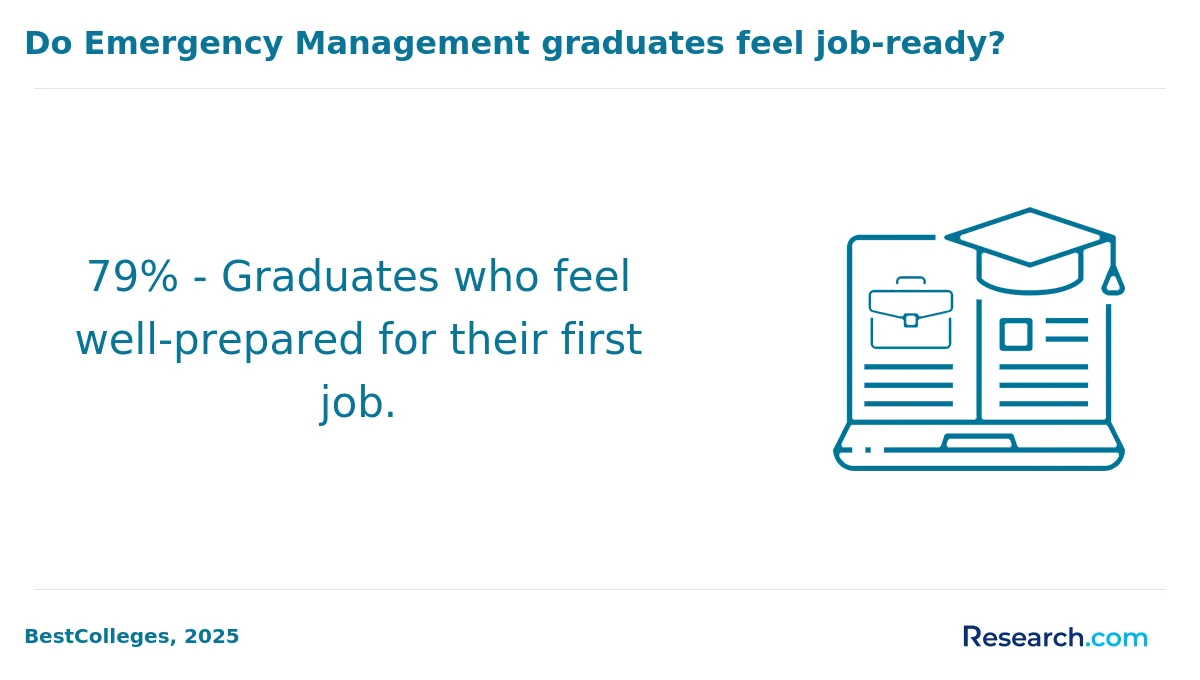
Graduates with an online emergency management degree in the Midwest often find themselves thriving in a landscape shaped by frequent natural disasters and intricate security needs. Many pursue positions as Emergency Management Coordinators or Disaster Recovery Specialists at local and state levels, where their expertise directly impacts community resilience. Those who studied at institutions renowned in the region report feeling empowered responding to floods or tornado aftermaths, applying practical knowledge gained through their programs.
Midwest emergency management job opportunities also extend into private sectors such as manufacturing and agriculture, where professionals help businesses maintain continuity during unforeseen events. Nonprofit roles with organizations like the American Red Cross attract graduates eager to combine fieldwork with strategic planning, fostering a deep sense of purpose.
Furthermore, innovative paths are emerging as technological tools and data analytics become integral to risk assessment and preparedness. Some graduates enhance their prospects by pursuing certifications like FEMA's CEM, while others explore accelerated online homeland security masters programs to stay ahead in this evolving field.
What is the job market for online emergency management degree in the Midwest?
The job market for online emergency management degree graduates in the Midwest is poised for steady growth, driven by the region's vulnerability to natural disasters like tornadoes and floods. Graduates from popular Midwestern colleges often share how their flexible online programs prepare them to handle real-world emergencies, boosting their confidence and readiness for public safety roles. Many find rewarding opportunities within state and local government agencies, healthcare organizations, and nonprofit sectors focused on crisis relief.
Midwestern universities offering emergency management degrees typically provide competitively priced tuition, making the return on investment attractive. Salaries in the region reflect this demand, with entry-level positions often starting around $50,000 and experienced directors earning close to $80,000. This positive job outlook encourages students to pursue careers with a bachelor's degree in risk management, with flexible online options helping professionals seamlessly transition into emergency management roles.
Those studying online emergency management jobs Midwest appreciate how government resilience funding enhances long-term career stability. The region's growing emphasis on infrastructure and disaster mitigation offers a dynamic landscape for graduates eager to make a meaningful impact.
Frequently Asked Questions About emergency management
Online emergency management degree students in the Midwest can enhance their learning by actively engaging with local case studies and disaster response strategies. The Midwest faces unique challenges such as tornadoes and flooding, making region-specific knowledge crucial. According to the Federal Emergency Management Agency (FEMA), understanding these local risks improves career readiness.
Networking with regional professionals through virtual internships or local emergency response organizations provides practical experience. Many Midwest universities offer access to online simulations and scenario-based learning that align with real-world situations without geographical constraints.
Additionally, leveraging resources from state emergency agencies and professional associations like the Midwest Association of Emergency Managers can enrich coursework and professional development.
The emergency management field is evolving rapidly, with new niches emerging that reflect technological advances and changing threats. One growing area is cybersecurity in disaster response, focusing on protecting critical infrastructure from cyberattacks during crises. Another important niche involves climate resilience, where professionals work on adapting communities to increased flooding and severe storms, especially relevant in the Midwest's flood-prone regions.
Data analytics is also becoming crucial; emergency managers use big data to improve resource allocation and response times. According to FEMA, Midwestern states have increased investment in climate adaptation programs by over 20% since 2020, highlighting the demand for specialists in these fields.
Preparing for the job market after completing an online emergency management degree in the Midwest involves several key steps. First, gaining relevant experience through internships or volunteer roles with local agencies can significantly improve employment prospects. According to the U.S. Bureau of Labor Statistics, the Midwest sees growing demand for emergency management professionals, driven by frequent natural disasters like floods and tornadoes.
Networking with regional organizations such as the Midwest Emergency Management Association helps graduates connect with employers. Additionally, obtaining certifications like the Certified Emergency Manager (CEM) credential enhances credibility. Understanding state-specific regulations and disaster plans improves readiness for public sector roles. Continuous professional development remains essential in this evolving field.
Employers in the Midwest seek several key skills from graduates of online emergency management degree programs. Strong communication abilities are essential, as coordinating with multiple agencies and communities during crises is a core responsibility. Analytical skills, including risk assessment and data interpretation, are also highly valued. According to the Federal Emergency Management Agency (FEMA), proficiency in incident command systems and hazard mitigation planning is critical for regional roles.
Technical competence with Geographic Information Systems (GIS) and emergency management software is increasingly important in the Midwest's diverse disaster landscape. Leadership and decision-making skills under pressure remain top priorities.
Finding internships in the Midwest related to emergency management involves targeting local agencies and organizations. Many state and county emergency management offices offer internship programs, including Illinois Emergency Management Agency and Ohio Emergency Management Agency. These internships provide hands-on experience with disaster planning and response.
Universities often partner with government and non-profit sectors to facilitate internships, so check with your school's career services or emergency management department. The FEMA Higher Education Project lists collaborative opportunities for students, which can include positions in Midwest states.
Online internship databases such as Handshake and USAJobs also feature emergency management internships tailored to the region.
An online emergency management degree can significantly enhance career mobility and advancement opportunities for professionals in the Midwest. This region faces unique challenges, including severe weather events and industrial hazards, which creates a steady demand for skilled emergency managers. According to the U.S. Bureau of Labor Statistics, the Midwest expects approximately 8% growth in emergency management positions through 2030, higher than the national average.
Completing an accredited online program allows students to balance education with existing employment, making it easier to acquire advanced skills without relocating. Many employers in the Midwest, including municipal governments and private firms, value these degrees for leadership roles in disaster preparedness and response.
Moreover, the Federal Emergency Management Agency (FEMA) recommends credentialed professionals for higher-level positions, linking degree attainment directly to career progression and salary increases.
Studying for an emergency management degree in the Midwest offers valuable interdisciplinary training that aligns with the region's unique challenges. Programs typically include coursework in public safety, environmental science, and public health, reflecting the diverse threats Midwestern communities face, such as tornadoes, floods, and industrial accidents.
Midwestern universities often collaborate with local agencies like state emergency management offices and the Federal Emergency Management Agency (FEMA) to provide students practical experience. According to the Midwest Regional Climate Center, these partnerships equip students with skills in coordination, communication, and resource management across different sectors.
This interdisciplinary approach ensures graduates can work effectively with government, healthcare, and infrastructure stakeholders, making them versatile professionals ready for various emergency roles.
When choosing between a thesis and non-thesis emergency management degree program in the Midwest, consider your long-term career goals. Thesis programs emphasize research and are ideal for students aiming to pursue doctoral studies or research roles in agencies such as FEMA or state emergency offices.
Non-thesis programs focus on practical skills and typically require internships or projects, appealing to professionals seeking faster entry into the workforce or advancement in operational roles. According to the National Emergency Management Association, over 60% of Midwest emergency managers hold master's degrees, many favoring applied learning.
Cost and time investment also differ; thesis options often take longer and may be more affordable through research assistantships.
Students in the Midwest seeking to study emergency management abroad through online programs have varied options focused on global collaboration and international curriculum integration. Many US universities with strong Midwest ties offer partnerships with foreign institutions, allowing coursework reflecting international emergency protocols.
For example, universities may provide virtual exchange programs or joint degrees involving countries with advanced disaster response frameworks. The Council for Higher Education Accreditation notes that such experiences enhance practical skills relevant to global crises.
Midwestern institutions typically emphasize FEMA guidelines alongside international best practices to prepare students for diverse emergencies. This hybrid approach benefits students aiming for careers in multinational organizations.
Although purely foreign-accredited online emergency management degrees are rare, Midwestern universities actively incorporate global perspectives in their curricula, making overseas study accessible without leaving the US.
Part-time jobs that complement an emergency management degree in the Midwest often involve public safety and community preparedness. Positions such as emergency dispatcher, volunteer coordinator, or safety trainer align well with coursework and provide valuable practical experience.
According to the Bureau of Labor Statistics, the Midwest experiences various natural disasters like floods and tornadoes, increasing demand for local emergency services. Working with local government agencies or nonprofits focused on disaster response enhances skills critical to emergency management roles.
Additionally, internships or part-time roles in healthcare facilities or fire departments offer hands-on exposure to crisis environments. These opportunities help students build professional networks and increase job market competitiveness upon graduation.
Online emergency management students in the Midwest benefit from numerous networking opportunities designed to connect them with professionals and peers. Many Midwestern universities integrate virtual events, webinars, and discussion boards to foster interaction among students and faculty. Additionally, prominent organizations such as the Midwest Disaster Management Association offer memberships that provide access to conferences and local chapters.
Students can also tap into professional networks like the American Society for Emergency Management, which has strong Midwestern representation. According to FEMA, the Midwest experiences a high volume of natural disasters annually, making regional networking vital for job placement and practical experience in this field.
Alumni networks provide valuable support to students enrolled in online emergency management degree programs in the Midwest. These networks connect current students with graduates who have practical experience in regional disaster response, public safety agencies, and federal emergency programs. Networking helps students gain insight into local job markets, which is crucial given that emergency management roles often require knowledge of state and community-specific protocols.
According to the National Emergency Management Association, the Midwest faces frequent natural disasters such as flooding and tornadoes, increasing the demand for skilled professionals. Alumni can offer mentorship, internship opportunities, and job leads within Midwestern agencies.
Engaging with alumni enhances professional development and helps students build relationships that improve post-graduation employment chances.
Customizing an online emergency management degree in the Midwest allows students to align their studies with specific career goals. Many programs offer elective courses in areas such as disaster recovery, hazard mitigation, or homeland security, enabling you to specialize based on your interests. Additionally, regional focus on natural disasters like tornadoes and floods prevalent in the Midwest can be incorporated into coursework.
Internship opportunities and partnerships with local emergency agencies often complement academic learning, providing practical experience. According to the National Emergency Management Association, Midwestern states prioritize training on severe weather response, which many programs integrate into their curriculum. Choosing a program with flexible scheduling and relevant concentrations is essential for tailored career preparation.
Online emergency management students in the Midwest often face the challenge of balancing rigorous coursework with professional and family responsibilities. Many programs require practical experience, which can be difficult to arrange remotely, especially in rural areas. Reliable internet access remains a concern for some students outside urban centers, affecting participation in live sessions or accessing resources.
Additionally, students may struggle with limited local networking opportunities, which are important in a field that depends on community connections. According to the Federal Emergency Management Agency (FEMA), the Midwest faces unique disaster risks like flooding and tornadoes, making region-specific knowledge essential but sometimes underrepresented in generalized curricula.
Graduates with an online emergency management degree can pursue key professional certifications valuable in the Midwest job market. The Certified Emergency Manager (CEM) credential, offered by the International Association of Emergency Managers (IAEM), is widely recognized and strengthens leadership credentials.
The Midwest has a high demand for certified professionals due to frequent severe weather and disaster events. Additionally, the Associate Emergency Manager (AEM) certification is suitable for those early in their career or seeking formal recognition of their skills.
Other options include certifications in Homeland Security and Public Health Emergency Preparedness, often supported by state agencies and local governments. These credentials enhance career prospects in both public and private sectors.
Writing a winning application for an online emergency management program in the Midwest starts with demonstrating your commitment to public safety and disaster response. Most Midwest programs, including those at accredited institutions like the University of Illinois and Metropolitan State University, expect applicants to highlight relevant work experience or volunteer service in emergency management or related fields.
Strong personal statements explaining your career goals and how the program fits those goals help differentiate your application. According to the Federal Emergency Management Agency (FEMA), the Midwest faces unique natural hazards such as tornadoes and floods, so referencing regional challenges and your readiness to address them can be beneficial.
Additionally, maintaining a solid academic record, especially in areas like public administration or environmental science, supports your candidacy. Letters of recommendation from supervisors or professors familiar with your skills in crisis management further strengthen your profile.
Finally, verify all required documents and meet deadlines, as many programs use rolling admissions that favor early applicants.
Emergency management is increasingly viewed as a vital field worldwide, with global demand rising due to climate change and natural disasters. In the United States, including the Midwest, emergency management careers focus on preparedness, response, and recovery efforts for diverse hazards.
Globally, collaboration between countries shapes emergency strategies, influencing curricula in US programs. The Federal Emergency Management Agency (FEMA) supports educational initiatives that align with international best practices.
Midwestern states face unique challenges such as tornadoes and floods, making regional expertise valuable. According to the Bureau of Labor Statistics, the emergency management sector in the US is expected to grow 8% from 2022 to 2032, reflecting global trends.
Gaining practical experience while studying for an online emergency management degree in the Midwest is essential for career readiness. Many programs encourage internships with local government agencies, such as county emergency management offices, which coordinate disaster response and preparedness. These internships provide hands-on experience in real-world situations.
Additionally, students can participate in virtual simulations and emergency drills offered by universities or professional organizations. Some Midwestern states, including Illinois and Ohio, have partnerships with FEMA and the Department of Homeland Security, which offer training opportunities.
Volunteering with organizations like the American Red Cross or local fire departments also helps build skills while studying.
Choosing the right concentration within an online emergency management degree program in the Midwest depends on your career goals and regional needs. The Midwest faces unique challenges such as tornadoes, floods, and severe winter storms, making concentrations in natural disaster management highly relevant. Programs may also offer focuses in cybersecurity, public health preparedness, or critical infrastructure protection.
Consider the demand in local labor markets: states like Illinois and Ohio have growing emergency management sectors, specifically in disaster response and homeland security roles, according to the U.S. Bureau of Labor Statistics. Look for programs that align coursework with these in-demand specialties.
Additionally, check if the concentration includes practical training or internships with local agencies, which enhance job readiness for positions across Midwestern states.
Top Trending Emergency Management Rankings
References
- Earn Your Emergency Management Degree Online https://waldorf.edu/lp/online-emergency-management-degree/
- Crisis and Disaster Management BS https://www.ucmo.edu/academics/programs/majors/hcbps/cdm/crisis-and-disaster-management-bs/
- Emergency Management Career Guide | 2026 https://www.publichealthonline.org/emergency-management-career/
- 25 Most Affordable Disaster Management MPH Degrees https://www.mphonline.org/best-disaster-management-mph/
- Degree in Emergency Management Online or On Campus https://www.albany.edu/cehc/programs/bs-emergency-management-homeland-security
- 2026 Most Affordable Online Emergency Management ... https://www.onlineu.com/most-affordable-colleges/emergency-management-degrees
- Emergency Financial Aid Grant — HEERF https://www.midwesttech.edu/about-us/emergency-financial-aid-grant/
- Online Emergency Management Degree Programs https://www.firescience.org/emergency-management-degree-programs-online/
- USAJOBS – Emergency Management Jobs https://www.usajobs.gov/Search/
- Emergency Management Program - WIU https://www.wiu.edu/leja/emergency_management/