2027 Most Affordable Online Master's in Emergency Management Degree Programs Ranking in the Northeast

Co-Founder and Chief Data Scientist
Are you considering advancing your career with a master's degree in emergency management? Finding an affordable and reputable online program in the Northeast can be challenging. This article introduces the 2027 Most Affordable Online Master's in Emergency Management Degree Programs Ranking in the Northeast, created by the Research.com team of data scientists.
Our goal is to help you make an informed choice by highlighting quality programs that fit your budget. Earning a degree in emergency management opens doors to meaningful work protecting communities and responding to crises. Dive in to discover valuable options tailored to your needs and aspirations.
Key benefits of getting online emergency management degree in the Northeast
- The average salary for emergency management professionals in the Northeast can reach around $75,000 annually, offering a stable and rewarding career path in public safety and disaster response.
- Graduates from Northeastern universities often find diverse opportunities in government agencies, healthcare organizations, and private sector emergency planning roles, providing strong job security and career growth.
- Completing an emergency management degree online from a respected institution in the Northeast allows for flexible scheduling and balancing work or family, all while gaining the same valued credential as traditional students.
- Key benefits of getting online emergency management degree in the Northeast
- What can I expect from online emergency management degree in the Northeast?
- Where can I work with online emergency management degree in the Northeast?
- How much can I make with online emergency management degree in the Northeast?
- 2027 Most Affordable Online Master's in Emergency Management Degree Programs Ranking in the Northeast
- Key Findings
- How long does it take to complete online emergency management degree in the Northeast?
- What's the difference between online and on-campus emergency management degree?
- What is the average cost of online emergency management degree in the Northeast?
- What financial aid is available to online emergency management degree students in the Northeast?
- What are the prerequisites for enrolling in online emergency management degree program in the Northeast?
- What courses are typically in online emergency management degree programs in the Northeast?
- What types of specializations are available in online emergency management degree programs in the Northeast?
- How do you choose the best online emergency management degree in the Northeast?
- What career paths are available for online emergency management degree students in the Northeast?
- What is the job market for online emergency management degree in the Northeast?
- Top Trending Emergency Management Rankings
What can I expect from online emergency management degree in the Northeast?
The average cost of an online emergency management degree in the Northeast typically ranges between $15,000 and $30,000, depending on the institution and program length. Graduates from popular schools like those in New York or Massachusetts often recall balancing affordable tuition with the flexibility of part-time, asynchronous classes-crucial for working professionals adapting to busy lives.
Many students express relief and motivation knowing they can study cutting-edge emergency response techniques tied to the region's frequent weather challenges, such as hurricanes and floods, without uprooting their lives. They appreciate access to advanced tools like GIS software and FEMA-aligned curricula, which are invaluable for understanding local disaster management scenarios. For those managing finances, the ability to spread costs over two years while gaining practical skills often turns the investment into a satisfying, forward-thinking career move.
These programs not only prepare graduates to contribute meaningfully during crises but also inspire confidence that their education will keep pace with evolving threats and emergency technologies in the Northeast's dynamic environment.
Where can I work with online emergency management degree in the Northeast?
Graduates with an online emergency management degree in the Northeast often step into impactful roles within local and state government agencies, where their work shapes disaster preparedness and response plans. For instance, many alumni from institutions like Northeastern University or the University of Connecticut have shared how their training helped them confidently coordinate emergency drills and develop recovery strategies for severe weather events common in the region.
Federal opportunities, such as positions with FEMA's regional offices in New York and Rhode Island, also attract graduates eager to influence policy and manage disaster relief programs. These roles offer a dynamic career path involving community outreach and grant management, aligning well with the hands-on skills gained during their studies.
Private healthcare networks and nonprofits in cities like Boston and Philadelphia increasingly value emergency planners who ensure readiness for mass casualty incidents. Graduates often express pride in contributing to hospital safety protocols or supporting organizations like the American Red Cross. The evolving demand for experts in crisis communication and risk assessment makes this field promising and fulfilling for those ready to make a difference.
How much can I make with online emergency management degree in the Northeast?
Graduates from online emergency management programs in the Northeast often find entry-level roles like emergency management coordinators with salaries ranging from $50,000 to $65,000. These positions involve hands-on planning and coordination during local emergencies-a rewarding experience for recent graduates from universities such as Northeastern or the University of Massachusetts who want to make a meaningful community impact early in their careers.
As they gain experience and pursue advanced degrees, many move into director-level roles earning between $70,000 and $120,000 annually, especially in metro areas like Boston and New York City where demand is high and operations are complex. These positions allow graduates to shape regional disaster response strategies, drawing from lessons learned during internships or projects linked to their university programs.
Mid-career professionals with certifications and a master's degree often surpass median salaries of $78,000, benefiting from a growing market driven by climate change challenges and urban infrastructure needs. The combination of strong academic training from Northeast colleges and evolving industry demands fuels optimism for steady earning potential and professional growth.
2027 Most Affordable Online Master's in Emergency Management Degree Programs Ranking in the Northeast
How do we rank schools?
Investing in your education is a significant decision that can profoundly impact your career, and the Research.com team recognizes the importance of providing reliable guidance. To support prospective students seeking affordable and quality emergency management master's programs in the Northeast, we have carefully developed the "2027 Most Affordable Online Master's in Emergency Management Degree Programs Ranking in the Northeast." Our dedication to quality, credibility, and accuracy is demonstrated through thorough research and analysis.
We utilized the following reputable data sources to ensure a comprehensive and trustworthy evaluation:
By reviewing this ranking, readers will obtain essential insights into affordable online master's programs in emergency management, enabling informed decisions tailored to their educational and financial goals. For more information on how this ranking was created, please visit our Research.com methodology page.
# 1 position
Penn State University Park
Master of Homeland Security - Agricultural Biosecurity and Food Defense Option


Key Findings
- Tuition for online emergency management master's degrees in the Northeast typically ranges from $15,000 to $30,000, with public universities usually offering more affordable rates.
- Many schools provide in-state tuition rates or financial aid specifically for online students, which can help lower overall costs.
- Employment in emergency management in the Northeast is expected to grow by about 6% over the next decade, reflecting steady demand.
- Starting salaries for entry-level emergency management coordinators range from $50,000 to $60,000, increasing to $80,000-$100,000 with experience.
- Most Northeastern programs hold regional accreditation, meeting recognized academic standards valued by employers and licensing boards.
- The region offers specialized certificates and partnerships, like those with FEMA, for practical training and networking opportunities.
How long does it take to complete online emergency management degree in the Northeast?
Master's degrees usually span 18 to 24 months, but accelerated options are increasingly common at institutions throughout the region. Some graduates describe completing their master's in as little as a year by fully committing to an accelerated pace-a path that can fast-track careers in emergency response and planning.
Part-time study, frequently chosen by working professionals in Pennsylvania and surrounding states, can extend timelines but often makes ambitious goals feel feasible. Future trends hint that more personalized pacing, powered by advances in digital learning, will provide Northeast students greater control over their degree timelines, blending academic rigor with life's unpredictability.
What's the difference between online and on-campus emergency management degree?
Online and on-campus emergency management degrees in the Northeast present distinct experiences shaped by flexibility and community engagement. Graduates from Northeastern universities often reflect on how online programs allow them to juggle demanding jobs and family life while engaging with coursework through live virtual simulations and discussion boards. This flexibility, combined with the ability to connect asynchronously, creates a supportive yet self-driven learning environment.
On-campus students at colleges like the University of Connecticut describe immersive, hands-on learning with access to emergency response labs and simulations that mirror urban disaster scenarios unique to densely populated Northeastern cities. They emphasize real-time collaboration and networking opportunities with local government agencies, which enrich their practical understanding.
Looking ahead, the fusion of virtual and physical learning spaces seems set to redefine these boundaries. Emerging technologies could enable online students to participate more dynamically in simulations traditionally reserved for campus learners, broadening access without sacrificing the community feel that on-campus programs cultivate.
What is the average cost of online emergency management degree in the Northeast?
The average cost of an online emergency management degree in the Northeast typically centers around $26,943, reflecting a balance between quality education and regional price factors. Graduates from well-known universities in states like New York and Massachusetts often share that while tuition is a significant investment, the practical skills gained make it worthwhile. Many find that the tuition aligns with the region's higher living and operational costs, yet they appreciate how accessible emergency management education becomes through online formats.
There is a growing trend among affordable emergency management master's programs Northeast, especially at public institutions, to offer competitive tuition combined with scholarships and financial aid, easing the burden for in-state learners. One graduate mentioned how the flexibility of online courses allowed them to continue working in disaster response, connecting classroom knowledge directly to real-world crises. This dynamic approach helps students stay engaged and motivated despite the expense involved.
Technology fees and materials add to overall expenses, but several schools provide flat-rate tuition models that simplify budgeting. Looking ahead, these developments may shape how students weigh costs against benefits. For those examining options, investigating specific schools and financial support options remains critical. Exploring detailed program data through sites focused on emergency management online degrees can also provide valuable insights to prospective students shaping their educational journey.

What financial aid is available to online emergency management degree students in the Northeast?
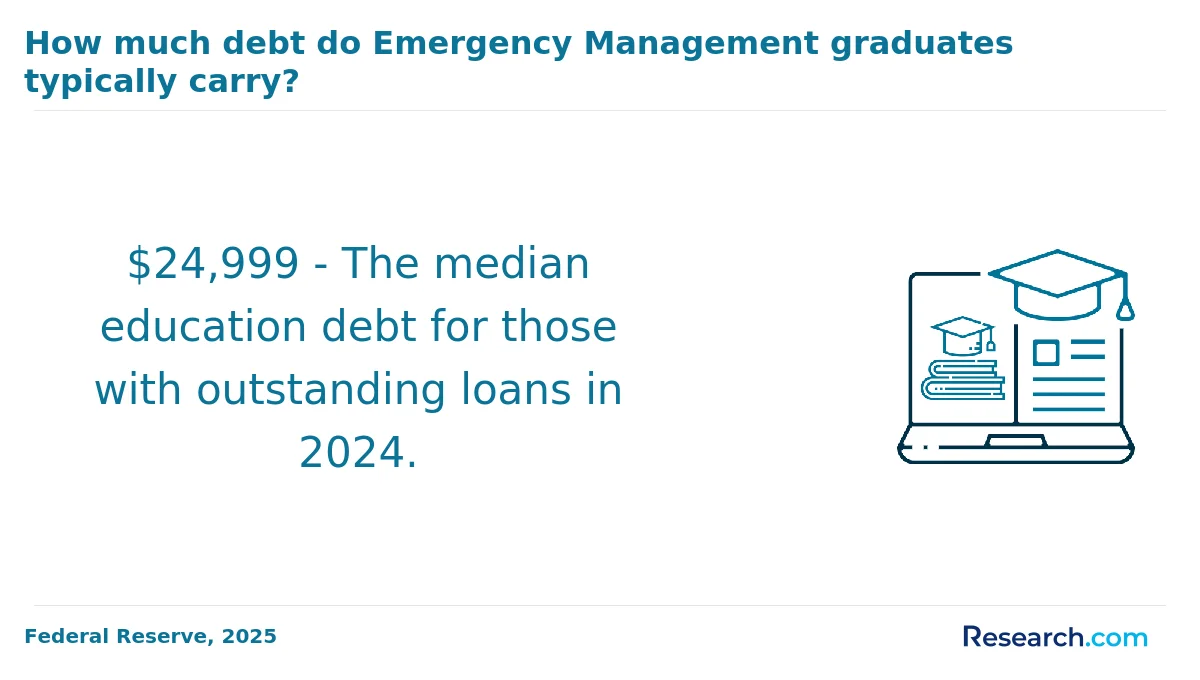
Graduates from prominent Northeast institutions offering online emergency management degrees often remark on the vital role federal financial aid played in making their education affordable. Many tapped into federal loans and Pell Grants through FAFSA, which remains a cornerstone of financial support. Looking ahead, these options might expand with tailored loan forgiveness programs for emergency responders, easing future debt burdens even further.
State-based grants such as New York's Excelsior Scholarship and Massachusetts' MassGrant have proven lifesavers for students balancing family budgets. One graduate shared how a combination of these programs made attending a top Massachusetts college feasible without overwhelming debt. As awareness grows, these grants could become more inclusive, possibly supporting part-time or working students more extensively.
Institutional scholarships and assistantships at universities like those in Pennsylvania or Connecticut also inspire hope. Students often describe receiving merit-based awards that not only reduced tuition but boosted their confidence and motivation. Emerging trends suggest these schools may increasingly tie scholarships to practical emergency response experience, creating a stronger link between study and real-world impact.
Furthermore, professional bodies such as the International Association of Emergency Managers (IAEM) frequently offer scholarships that connect students to industry networks while alleviating costs. Graduates report how this aid encouraged engagement with professional communities, enhancing career prospects post-degree.
Employer tuition reimbursement programs remain invaluable for those already in public safety roles. Several students narrated how support from employers enabled them to study without sacrificing income, a trend that could grow as demand for skilled emergency managers intensifies across the Northeast.
What are the prerequisites for enrolling in online emergency management degree program in the Northeast?
To enroll in an online emergency management degree in the Northeast, students typically need a bachelor's degree, not always specifically in emergency management but preferably related to fields like public safety or environmental science. Graduates often share how this foundation helped them quickly grasp advanced concepts such as disaster response strategies taught at well-known regional colleges.
Applicants usually must submit official transcripts showing a GPA between 2.5 and 3.0, reflecting readiness for demanding coursework. Many remember feeling confident after meeting this benchmark, knowing it matched the rigors they encountered in courses covering risk assessment and crisis communication.
While GRE requirements are becoming less common, relevant professional experience-often one to two years-is highly valued. Graduates from prominent Northeast programs often highlight how their real-world emergency response roles enriched their academic experience and made lessons more applicable.
Supporting documents like recommendation letters and a statement of purpose are essential; several graduates recall how articulating their passion for community resilience helped admissions committees see their true potential.
What courses are typically in online emergency management degree programs in the Northeast?
Online emergency management degrees in the Northeast typically include foundational courses such as Principles of Emergency Management, Risk Assessment and Hazard Mitigation, and Disaster Response and Recovery Planning. Graduates from well-known regional institutions often recall how learning Incident Command Systems helped them confidently lead during real-world crises, such as hurricanes impacting coastal New England.
Courses like Public Health Emergency Preparedness have taken on new urgency, especially as students reflected on their roles during the COVID-19 pandemic. These classes teach practical skills for coordinating large-scale responses to health emergencies, which many find inspiring and empowering.
Electives exploring cybersecurity threats or environmental disaster management also resonate strongly with students from urban hubs like Boston or New York City, where evolving risks demand innovative thinking. Many appreciate how these programs blend theory with simulations and case studies tailored to the Northeast's unique challenges, making the learning experience deeply relevant and motivating.
Graduates frequently describe a sense of readiness and purpose, confident that their education prepares them to protect and serve diverse communities across the region's dynamic landscape.
What types of specializations are available in online emergency management degree programs in the Northeast?
Specializations in online emergency management degree programs in the Northeast are evolving to meet the unique challenges faced by this densely populated and disaster-prone region. Graduates from popular colleges in states like New York and Massachusetts often highlight the value of concentrations such as Disaster Preparedness and Response, which equips students to handle hurricanes and snowstorms common to the area. Others who chose Homeland Security emphasize how their coursework prepared them for protecting critical infrastructure in major metropolitan hubs like New York City.
Emerging specialization areas reflect regional priorities, with many students pursuing Risk and Crisis Communication to improve public coordination during emergencies. The growing impact of climate change has also pushed programs to develop Environmental Hazards and Climate Resilience tracks. These options give learners practical skills for managing increasing environmental threats, which recent graduates find both inspiring and empowering.
Exploring online emergency management degree specializations Northeast students appreciate the flexibility to align education with local risks. For detailed program options and future prospects, consider examining the masters emergency management online degree offerings from leading institutions.
How do you choose the best online emergency management degree in the Northeast?
Choosing the best online emergency management degree in the Northeast means prioritizing programs that blend theoretical expertise with relevant, practical experiences. Graduates from well-regarded universities in the region often highlight how their access to local emergency agency partnerships and virtual simulations brought concepts like disaster preparedness and crisis communication to life during their studies. This hands-on approach combined with curriculum aligned to FEMA's competencies equips students to meet evolving challenges.
Look for flexible programs that allow electives in emerging fields like cybersecurity or public health, reflecting the diverse risks the Northeast faces. Affordability also matters-students often balance work and study, so investigating financial aid or tuition support is key. For many aspiring professionals, identifying top online master's in emergency management programs Northeast that keep tuition competitive is crucial.
One avenue to explore affordable options is to research affordable online degrees homeland security, which can overlap in skills and career paths. Many graduates feel confident they made a forward-thinking choice by considering graduate outcomes and job placement assistance in the region's growing emergency management market.
What career paths are available for online emergency management degree students in the Northeast?
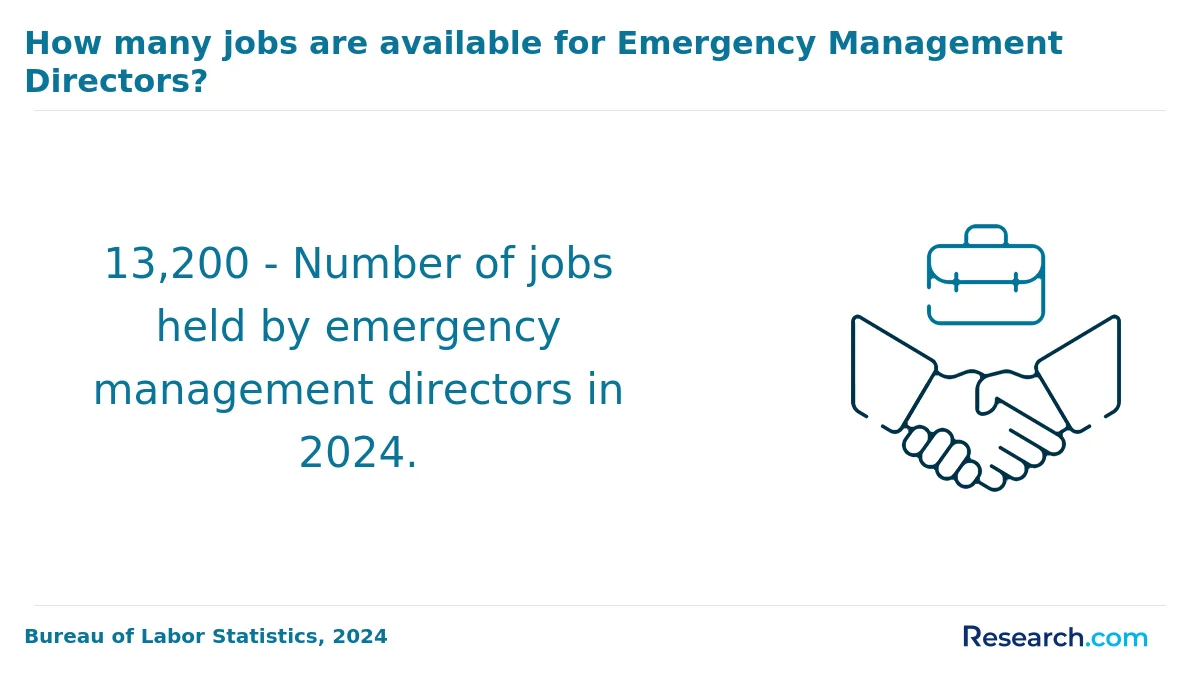
Graduates with an online emergency management degree in the Northeast find a growing array of career opportunities shaped by the region's unique challenges, from urban flooding in New York to public health crises in Massachusetts. Many take on roles as emergency management directors within government agencies, coordinating efforts with FEMA and local offices to enhance disaster preparedness. Alumni from well-known Northeast universities often share how their hands-on coursework helped them confidently navigate real-life emergencies, fueling a strong sense of purpose and readiness.
Jobs with online emergency management degree Northeast options also include public health emergency preparedness roles where graduates develop crisis response strategies for hospitals and nonprofits. These positions tap into the high population density and frequent health challenges characteristic of the region. Some graduates venture into the private sector, designing corporate continuity plans for Boston's dynamic business environment, feeling proud knowing their work protects vital infrastructure.
Others pursue careers in academia or research, innovating emergency response frameworks for future disasters. For students seeking flexible advancement, resources like accelerated online degrees homeland security provide pathways to specialize rapidly, broadening their professional horizons in this expanding field.
What is the job market for online emergency management degree in the Northeast?
The job market for graduates with an online emergency management degree in the Northeast continues to expand, driven by increasing demands for skilled responders in urban areas like Boston and New York. Graduates from well-regarded institutions find themselves stepping into roles managing complex public health emergencies or coordinating disaster relief efforts after major storms. These professionals often express enthusiasm about applying their training in real-world situations, such as improving response plans for infrastructure vulnerabilities that affect millions of residents.
Many online emergency management students in the Northeast appreciate the affordability and flexibility of their programs, which enables them to balance work and study while preparing for careers in government agencies or healthcare organizations. The emergency management career outlook Northeast region points to growing opportunities as federal and state funding fuels preparedness initiatives. Some graduates discover that earning an online degree opens doors to diverse fields, complementing other interests, much like a growing number choose to pair it with a degree in law enforcement.
Frequently Asked Questions About emergency management
Students pursuing online emergency management degrees in the Northeast can maximize their learning by engaging actively with interactive course components such as simulations and case studies. Many programs incorporate real-world disaster scenarios relevant to this region, including hurricanes and winter storms, enhancing practical understanding.
Networking with local emergency agencies offers valuable insights and internship opportunities. According to FEMA, the Northeast experiences a notable portion of U.S. disaster declarations, making regional knowledge crucial for career readiness.
Additionally, leveraging online resources from institutions like the Emergency Management Institute can supplement coursework. Time management and consistent participation in virtual discussions also contribute significantly to academic success in these programs.
Emerging niches within the emergency management field reflect evolving threats and technology advancements. In the Northeast, climate resilience has become a critical focus due to increased flooding and severe weather events. Professionals skilled in coordinating community preparedness for hurricanes and nor'easters are in high demand.
Another growing area is cybersecurity for emergency systems, as infrastructure faces increasing digital threats. Graduates with expertise in protecting critical data and communication networks find expanding roles.
Public health emergency management also stands out, especially after COVID-19 highlighted pandemic response challenges. Agencies now seek managers trained in health crisis planning and recovery.
These niches demonstrate the region's shift toward integrated, specialized emergency management careers.
Graduates with an online emergency management degree in the Northeast can enhance job prospects by gaining relevant certifications such as the Certified Emergency Manager (CEM) offered by IAEM. Employers in states like New York and Massachusetts increasingly seek candidates with hands-on skills in disaster response, risk assessment, and crisis communication. Internships or volunteer work with local emergency services or nonprofit organizations help build practical experience. According to the U.S. Bureau of Labor Statistics, emergency management jobs in the Northeast are expected to grow by 6% through 2032. Networking with regional professional groups and attending virtual conferences also supports career development.
Employers in the Northeast value several key skills in graduates with online emergency management degrees. Critical thinking and problem-solving are essential, as professionals must quickly assess and respond to natural disasters common in the region, such as hurricanes and nor'easters.
Communication skills are also vital. Coordinating among agencies and informing the public requires clear and effective messaging under pressure. According to the Federal Emergency Management Agency (FEMA), teamwork and collaboration are among the most sought-after abilities.
Data analysis and familiarity with Geographic Information Systems (GIS) are increasingly important for planning and response efforts. Management skills, including budgeting and resource allocation, are crucial for leadership roles in government and nonprofit sectors.
Finding internships in the Northeast relevant to an emergency management degree requires focused research and preparation. Start by exploring state and local government websites, as agencies like the New York City Office of Emergency Management and Massachusetts Emergency Management Agency often list internship opportunities.
Universities with online programs may also have partnerships providing access to regional internships. Additionally, networking through professional organizations such as the Northeastern Association of Emergency Managers can connect students with industry professionals.
According to FEMA data, the Northeast frequently faces natural disasters like hurricanes and winter storms, increasing demand for trained interns in these regions.
Online job boards focused on public safety and emergency management further aid the search for relevant internships.
Obtaining an online emergency management degree significantly enhances career mobility and advancement in the Northeast, where emergency preparedness is a priority due to frequent natural disasters and dense populations. Professionals with such degrees are better equipped to qualify for leadership roles in government agencies, healthcare, and private sectors.
According to the U.S. Bureau of Labor Statistics, employment for emergency management directors in the Northeast is projected to grow by 8% through 2031, outpacing the national average. An advanced degree strengthens candidates' eligibility for promotions and higher salaries. Additionally, online programs provide flexible learning, allowing current professionals to upskill without interrupting their careers.
Regional employers often prefer degrees from accredited programs recognized within state emergency management frameworks, emphasizing applied skills and local regulations. This focused education improves graduates' ability to navigate the Northeast's unique challenges, ultimately fostering greater career advancement opportunities.
Studying for an emergency management degree online in the Northeast equips students with interdisciplinary skills critical for diverse roles. Programs often integrate public safety, environmental science, and information technology to address complex disaster scenarios. The Northeast, prone to hurricanes, winter storms, and urban emergencies, offers practical case studies enhancing theoretical knowledge. According to FEMA, 35% of emergency management roles in the region require cross-sector collaboration abilities. Courses emphasize communication, crisis leadership, and policy analysis, preparing graduates to work with government agencies, healthcare providers, and nonprofits. This holistic approach makes graduates valuable in multiple emergency response and planning positions.
When choosing between a thesis and a non-thesis online emergency management degree program in the Northeast, students should consider their career goals and learning preferences. Thesis programs involve original research, preparing students for roles that require strong analytical skills or further academic work, such as a PhD.
Non-thesis programs typically focus on practical skills through courses and capstone projects, appealing to professionals aiming for immediate application in emergency services or public safety roles.
According to the Council of Graduate Schools, about 40% of online master's students in emergency management opt for non-thesis paths due to time constraints and career priorities.
Accredited programs in the Northeast, like those in New York and Pennsylvania, often provide clear distinctions, helping students make informed decisions based on faculty research interests and curriculum design.
Students based in the Northeast seeking to study emergency management abroad face limited direct options through U.S. institutions. Most accredited online programs are offered by domestic universities, focusing on local and national emergency management standards.
However, some Northeast schools collaborate with international partners, enabling students to access global perspectives through virtual exchanges or study abroad components. Programs like those at the University of Delaware and the University at Albany sometimes provide such opportunities.
Data from FEMA emphasizes that emergency management training often aligns with U.S. federal and regional protocols, which shapes curriculum relevance.
For students aiming to gain international experience, short-term overseas workshops or internships might supplement their online education.
Part-time job opportunities in the Northeast that complement an emergency management degree often include roles in local government offices, nonprofit organizations, and healthcare facilities. Many state and municipal emergency management agencies, such as those in New York and Massachusetts, offer part-time positions or internships focused on disaster preparedness and response coordination.
Additionally, volunteer positions with organizations like the American Red Cross often provide practical experience in crisis management. Healthcare roles, including emergency room support or public health outreach, are also relevant and commonly available on a part-time basis in Northeastern urban centers. These jobs help students apply classroom knowledge to real-world emergency scenarios.
Online emergency management students in the Northeast benefit from a variety of networking opportunities tailored to their region and field. Many universities partner with local emergency agencies and government offices, offering virtual events and internships that connect students with professionals. For example, organizations like the New York State Emergency Management Association provide online conferences and training sessions that foster professional connections. Additionally, regional chapters of national groups such as the International Association of Emergency Managers (IAEM) host webinars and forums accessible to online learners. These networks are invaluable for career development, offering support, mentorship, and job leads within the Northeast emergency management community.
Alumni networks provide valuable support for online emergency management degree students in the Northeast. These networks connect current students with graduates working in local agencies, nonprofits, and government offices focused on disaster preparedness and response. Through mentorships and networking events, students gain insider knowledge about job opportunities and industry trends specific to the region.
According to the Federal Emergency Management Agency (FEMA), the Northeast faces frequent storms and flooding, making regional connections crucial for career growth. Active alumni networks often share job leads and help students navigate certifications required in emergency management roles.
Such engagement strengthens students' professional skills and enhances their employability after graduation, offering a competitive advantage in this evolving field.
Customizing an online emergency management degree program in the Northeast allows students to tailor their education to specific career goals. Many regional schools offer electives focused on areas like disaster preparedness, cybersecurity, or public health emergencies. Selecting concentrations aligned with your interests can improve job prospects in state agencies or private sectors.
Internship opportunities and capstone projects often provide practical experience related to local challenges, such as hurricanes impacting coastal states or urban emergency planning. According to the Federal Emergency Management Agency, the Northeast sees increased funding for emergency response training, benefiting graduates with relevant skills.
Additionally, some programs collaborate with regional employers for networking, enhancing job placement after graduation.
Online emergency management students in the Northeast often face challenges related to balancing coursework with professional and personal commitments. Many are working professionals in high-demand fields such as public safety and healthcare, making time management critical. Limited in-person networking opportunities can affect skill-building and career advancement in this region, where emergency management requires strong collaboration across agencies.
Additionally, some students experience technological barriers, especially if their programs demand advanced simulation tools that require high-speed internet, which might be inconsistent in rural Northeastern areas. According to FEMA's 2023 report, the Northeast experiences frequent natural disasters, increasing the need for practical training, which can be difficult to replicate online.
With an online emergency management degree, students in the Northeast can pursue several professional certifications that enhance career prospects. The Certified Emergency Manager (CEM) credential, offered by the International Association of Emergency Managers (IAEM), is highly respected nationwide and valued in Northeastern states due to their frequent natural and man-made disasters.
The Northeast region also sees demand for the Associate Emergency Manager (AEM) certification for those early in their careers. Additionally, certifications like FEMA's Professional Development Series (PDS) provide practical knowledge valued by employers focused on disaster preparedness and response.
Many regional agencies encourage these certifications to improve coordination during emergencies, as noted by the Northeast Homeland Security Regional Council.
To write a winning application for an online emergency management program in the Northeast, start by clearly demonstrating your interest in regional challenges such as hurricanes or winter storms, which frequently impact this area. Highlight any relevant work or volunteer experience in disaster response or public safety. Admissions committees often look for candidates with practical understanding and leadership skills.
Present strong academic records, especially in related fields like public administration or environmental science. Including specific achievements or certifications, such as FEMA training, can strengthen your application. According to the Federal Emergency Management Agency, Northeastern states receive significant federal funding, so showing awareness of local emergency management initiatives is beneficial.
Lastly, tailor your personal statement to show how the program aligns with your career goals in the Northeast, emphasizing commitment to community resilience and disaster preparedness.
The global perspective on a career in emergency management highlights growing demand for skilled professionals who can address complex disaster scenarios worldwide. Within the US, the Northeast faces unique challenges such as hurricanes, snowstorms, and urban emergencies, increasing the need for qualified experts.
Globally, collaboration across borders is essential as climate change intensifies natural disasters. The Federal Emergency Management Agency (FEMA) emphasizes the importance of advanced training, especially through online degrees accessible to busy professionals in the Northeast.
According to the 2023 Bureau of Labor Statistics, employment for emergency management directors is expected to grow 7% nationally from 2022 to 2032, reflecting increased awareness and preparedness efforts.
Strong international cooperation means professionals often share best practices, making an online degree from a Northeast institution valuable both locally and globally.
Gaining practical experience during an online emergency management degree in the Northeast is essential for career readiness. Many programs encourage internships with state and local emergency agencies, such as New York City's Office of Emergency Management or Massachusetts Emergency Management Agency. These opportunities allow students to apply classroom theories in real-world settings and build professional networks.
Additionally, virtual simulations and tabletop exercises are increasingly used to mimic disaster scenarios, offering hands-on learning remotely. According to FEMA's resources, about 45% of Northeastern emergency management programs incorporate these tools.
Volunteering with organizations like the American Red Cross in the region can also enrich practical experience without disrupting online study schedules.
Choosing the right concentration within an online emergency management degree in the Northeast depends on your career goals and regional needs. Key areas include disaster response, homeland security, and public health preparedness. The Federal Emergency Management Agency (FEMA) highlights that the Northeast faces unique challenges like hurricanes and winter storms, making disaster response a critical focus.
Consider your professional background and the industries prevalent in the region, such as urban infrastructure or healthcare. Look for programs offering hands-on simulations or partnerships with local agencies. Salary reports from the Bureau of Labor Statistics show that specialized skills in cybersecurity or crisis communication can increase job prospects in major Northeastern cities.
Assess program flexibility and accreditation to ensure your investment supports licensure or certification paths required by employers in the region.
Top Trending Emergency Management Rankings
References
- Emergency Management Scholarships & Online Resources https://www.degreesforgood.org/financial-aid/scholarships/emergency-management/
- 2025 Most Affordable Online Emergency Management Degrees https://www.onlineu.com/most-affordable-colleges/emergency-management-degrees
- Search icon https://waldorf.edu/online/academics/online-resources/articles/careers-in-emergency-preparedness-and-response-roles-skills-and-career-paths/
- Degrees: Master of Professional Studies in Emergency Management https://sopa.tulane.edu/degrees-programs/masters-degrees/master-professional-studies-emergency-management
- Eye-Catching Emergency Management Resume Objective Examples (2025 Guide) https://www.visualcv.com/emergency-management-resume-objectives/
- ALUMNI https://www.dismedmaster.com/alumni/
- How a Strong Alumni Network Can Benefit Students https://www.pacificu.edu/blog/how-strong-alumni-network-can-benefit-students
- Homeland Security and Emergency Preparedness, MA Online https://www.nec.edu/programs/online-masters-degree-in-homeland-security-and-emergency-preparedness
- How to Maximize the Impact of Alumni Networks https://www.careeros.com/resources/how-to-maximize-the-impact-of-alumni-networks
- Online Bachelor's in Emergency and Disaster Management https://www.monroeu.edu/academics/undergraduate-programs/school-criminal-justice/online-bachelors-emergency-and-disaster