2027 Best Online Bachelor's in Emergency Management Degree Programs Ranking in the USA

Co-Founder and Chief Data Scientist
Choosing the right online emergency management degree can feel overwhelming. That's why this article presents the 2027 Best Online Bachelor's in Emergency Management Degree Programs Ranking in the USA, created by the Research.com team of data scientists. It's designed to help you find quality programs worth your time and investment.
Emergency management skills are increasingly vital, providing opportunities to make a real difference in communities. Exploring this ranking will guide you toward a degree that fits your goals and ambitions, setting you up for success in a rewarding field.
Key benefits of getting online emergency management degree in America
- Emergency management graduates in the US often start with salaries around $50,000 to $60,000 annually, with growth potential as experience and certifications increase.
- Graduates from universities like Arizona State University find career paths in disaster response, public safety, and homeland security, offering diverse and meaningful job opportunities.
- Online degrees from institutions such as the University of Washington provide flexible learning schedules, allowing students to balance work and study efficiently while earning respected qualifications.
- Key benefits of getting online emergency management degree in America
- What can I expect from online emergency management degree in America?
- Where can I work with online emergency management degree in America?
- How much can I make with online emergency management degree in America?
- 2027 Best Online Bachelor's in Emergency Management Degree Programs Ranking in the USA
- Key Findings
- How long does it take to complete online emergency management degree in America?
- What's the difference between online and on-campus emergency management degree?
- What is the average cost of online emergency management degree in America?
- What financial aid is available to online emergency management degree students in America?
- What are the prerequisites for enrolling in online emergency management degree program in America?
- What courses are typically in online emergency management degree programs in America?
- What types of specializations are available in online emergency management degree programs in America?
- How do you choose the best online emergency management degree in America?
- What career paths are available for online emergency management degree students in America?
- What is the job market for online emergency management degree in America?
- Top Trending Emergency Management Rankings
What can I expect from online emergency management degree in America?
The journey to earning an online emergency management degree in America typically costs between $15,000 and $40,000, depending on the institution and program structure. Graduates from well-known universities often share how their investment opened doors to dynamic careers in disaster preparedness and response. For instance, those enrolled in programs at state universities appreciate the balance of affordable tuition paired with rich coursework that dives into hazard mitigation and public safety policies.
Many students find excitement in applying theories learned online to real-world emergencies, like coordinating community drills or supporting response teams during natural disasters. The price paid for their education often reflects access to expert faculty and valuable internship opportunities that foster hands-on experience.
Flexible payment plans and scholarships at various colleges also ease financial concerns, making this adventurous educational path attainable. Embracing the challenge of mastering emergency management while budgeting wisely lets students focus on developing leadership that could one day save lives across the country.
Where can I work with online emergency management degree in America?
Graduates from online emergency management programs at universities like the University of North Texas or Arkansas State University often find themselves stepping into dynamic roles within federal agencies such as FEMA, where every decision can directly impact disaster response and recovery efforts nationwide. Imagine working alongside seasoned emergency managers coordinating relief during hurricanes or wildfires-exciting, challenging, and deeply rewarding.
State and local governments offer vibrant career paths as well, with positions in city emergency operations centers or county public safety departments actively involving graduates in crafting disaster plans and running community drills. Many alumni appreciate the flexibility these spots provide, particularly when collaborating with fire departments or health officials to sharpen local resilience.
Healthcare systems also turn to these graduates to ensure hospitals stay operational through crises, creating real-world opportunities to lead evacuation strategies during pandemics or natural disasters. Meanwhile, the private sector beckons with roles in insurance firms and corporate security, where graduates help protect businesses from unexpected disruptions, fueling a sense of accomplishment and purpose every day.
Nonprofits and volunteer groups, like the American Red Cross, welcome emergency management professionals to run disaster relief projects and community training sessions, blending passion with impact. For students balancing life and study, the option to work remotely further enhances the adventure-allowing them to contribute wherever they are in the country.
How much can I make with online emergency management degree in America?
Graduates venturing into the world of emergency management degrees in America often discover a rewarding landscape of salaries, shaped by job roles and experience. For example, emergency management directors, many holding bachelor's degrees from renowned places like the University of New Haven or Texas A&M, typically earn a median annual wage of about $83,270. Imagine coordinating disaster responses across bustling cities or rural towns-those early challenges often start with salaries in the $50,000 to $60,000 range, perfect for graduates eager to make an impact.
Recently, graduates working with federal agencies such as FEMA see average salaries around $73,000 annually. Senior specialists who climbed the ranks enjoy earnings surpassing $100,000, a testament to their growing expertise. These figures highlight how skills learned online can translate into exciting roles where each workday is an adventure in safeguarding communities.
2027 Best Online Bachelor's in Emergency Management Degree Programs Ranking in the USA
How do we rank schools?
Investing in your education is a significant decision that can greatly influence your career and future opportunities. The Research.com team recognizes the weight of this choice and has dedicated considerable effort to ensuring the quality, credibility, and accuracy of the "2027 Best Online Bachelor's in Emergency Management Degree Programs Ranking in the USA." To deliver a trustworthy and comprehensive guide, we analyzed multiple authoritative data sources.
We utilized the following reputable data sources to create this ranking:
By reviewing this ranking, readers will gain essential insights into top online emergency management programs, empowering them to make well-informed educational decisions that align with their goals. For further details about our evaluation process, please visit our Research.com methodology page.


# 3 position
Anderson University
Bachelor of Homeland Security and Emergency Services: Emergency Services Management


# 7 position
Jacksonville State University
Bachelor of Emergency Management, Public Safety Communications minor

# 8 position
Thomas Edison State University
Bachelor of Emergency Disaster Services


Key Findings
- Online emergency management degrees in the U.S. offer flexible study options for working students through accredited programs.
- Tuition typically ranges from $25,000 to $60,000 for the entire degree, with public in-state schools sometimes charging under $10,000 per year.
- Employment for emergency management directors is expected to grow by about 6% from 2022 to 2032, slightly faster than average.
- Starting salaries range from $45,000 to $55,000 annually, with experienced professionals earning $75,000 to $90,000 or more.
- Programs often include practical training like virtual simulations and internships to prepare students for real-world challenges.
How long does it take to complete online emergency management degree in America?
Completing an online emergency management degree in America typically unfolds over four years for full-time students, mirroring the journey many graduates from top programs at public universities embark upon. Imagine diving into classes on disaster preparedness and crisis communication, steadily earning about 120 to 130 credit hours while balancing life's unpredictable storms.
Some students find themselves on a more flexible path, stretching their studies to five or six years like those juggling work and family commitments at colleges known for supporting adult learners. The freedom to spread out courses lets them embrace education at their own pace without losing sight of their goals.
For the adventurous, accelerated tracks at certain progressive schools offer a thrilling chance to finish in as little as two to three years by tackling continuous coursework year-round. Graduates who've taken this route often share a sense of accomplishment and momentum, powering through intensive semesters like seasoned responders managing a crisis.
Others explore graduate certificates or associate degrees that wrap up even faster, within one or two years, opening doors quickly to emergency management careers with practical knowledge.
What's the difference between online and on-campus emergency management degree?
Imagine juggling a full-time job in Austin while diving into emergency management courses at a Texas university - that's the reality for many online students. Online programs offer incredible flexibility, letting you watch lectures and complete assignments whenever life allows. Graduates often share how this freedom helped them balance family, work, and study without missing a beat.
Contrast that with on-campus programs at places like the University of New Haven, where face-to-face interaction sparks dynamic group exercises and hands-on disaster simulations. Students there thrive in real-time discussions and direct access to campus resources like libraries and faculty mentorship, creating an immersive learning environment.
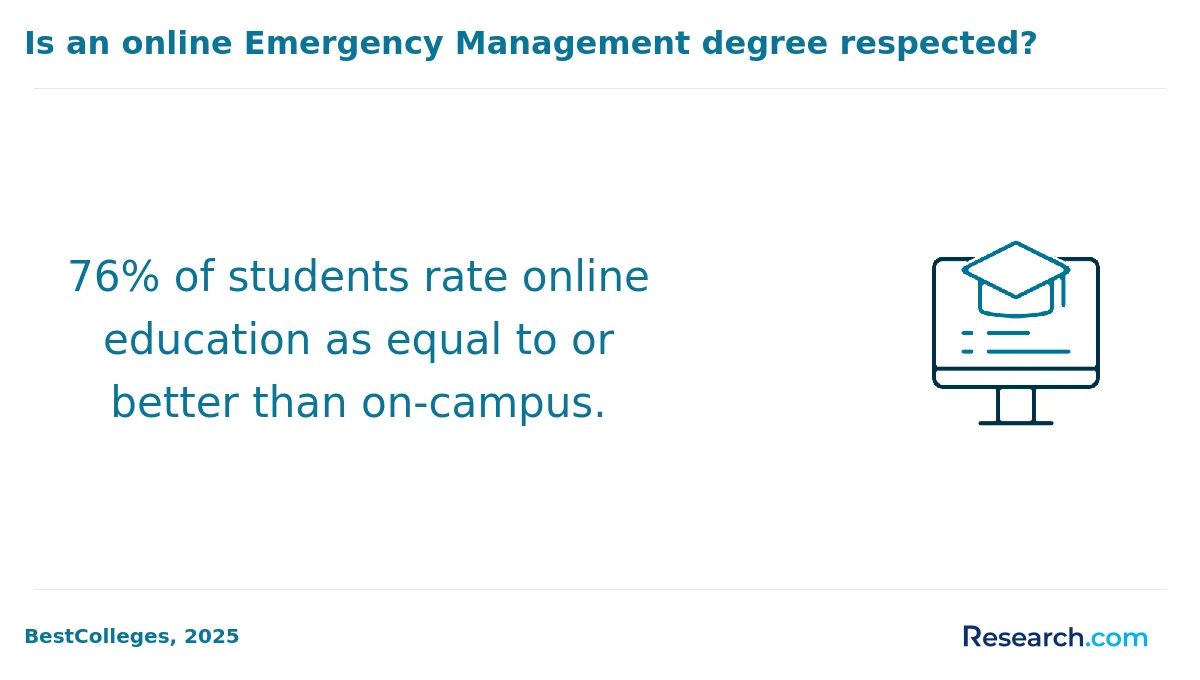
Cost-wise, in-state tuition typically ranges from $10,000 to $15,000 annually at public universities, but many online programs offer competitive pricing, sometimes with waived fees. Plus, accreditation standards in the US ensure that whether you're clicking through an online module or sitting in a classroom, the education quality stays consistent.
What is the average cost of online emergency management degree in America?
In America, the average cost of an online emergency management degree often centers around a median total of $54,600, though this can shift based on residency and school type. Many graduates who pursued this path at public universities experienced in-state tuition rates leading to total expenses near $64,992, balancing quality education with affordability. Out-of-state learners might see higher costs, with median totals hovering around $73,275, reflecting the broader range in tuition but still opening doors to exciting career possibilities. Imagine the enthusiasm of students aiming for roles in disaster response or public safety while investing in their futures through accessible online programs.
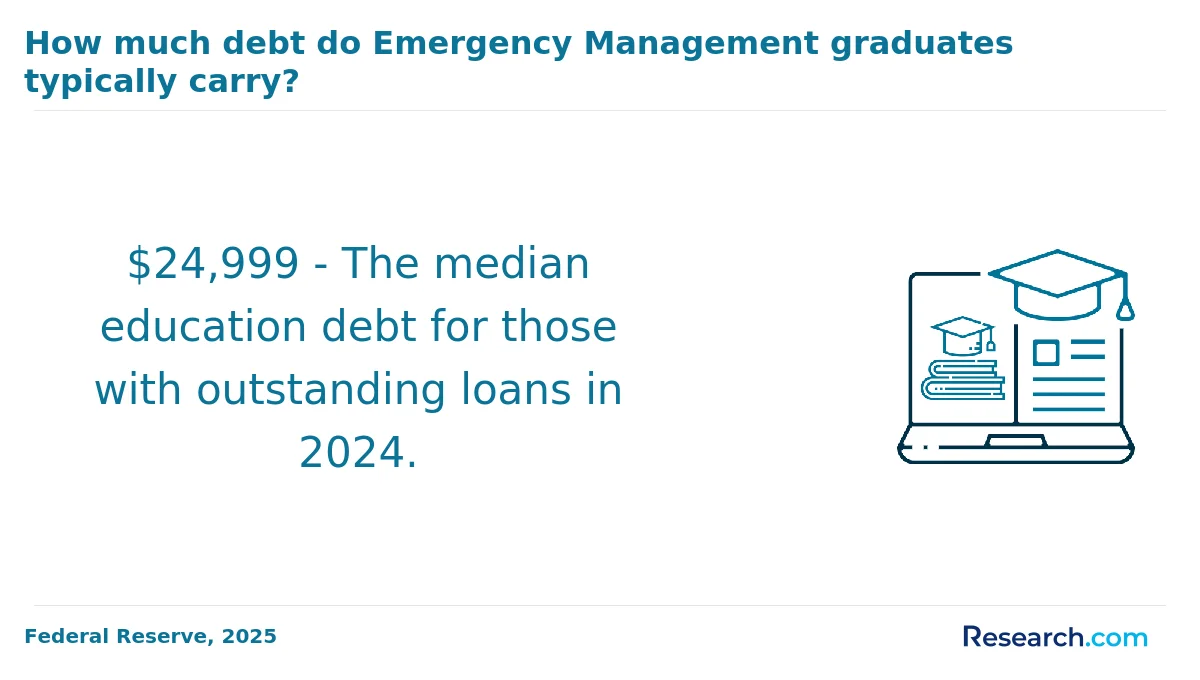
Considering the total expenses for online emergency management bachelor's USA, the adventure includes navigating different credit-hour costs and additional fees like technology or administrative charges. Graduates from well-known colleges often share how financial aid, scholarships, and employer tuition assistance helped ease the financial journey, making the dream tangible without overwhelming debt. The balance between cost and flexible learning options creates promising opportunities for those eager to step into impactful emergency management careers.
For those exploring their options, it's thrilling to compare various programs and uncover a blend of affordability and quality. Prospective students can discover top choices among the emergency management online degrees that align perfectly with their goals and budget. This approach lets learners embark on a meaningful path while feeling confident about their investment in education.
What financial aid is available to online emergency management degree students in America?
Imagine starting your online emergency management degree at a university known for this field, like the University of Florida or the University of Colorado. Many students mention how federal financial aid-especially through FAFSA-unlocks grants like the Pell Grant, which can cover up to $7,395 annually without any repayment stress. This makes diving into emergency management studies feel more feasible and exciting.
Graduates often share that state-specific grants, such as those available in California or New York, add another layer of support for in-state learners, tailoring aid to their unique circumstances. Beyond grants, scholarships from groups like the International Association of Emergency Managers provide crucial funds that feel like a personal victory on the journey.
- For those already serving in public safety roles, employer tuition assistance creates a seamless blend of work and study, easing financial worries.
- Veterans tap into the GI Bill® benefits, often covering most tuition and fees, opening doors wide open.
- Plus, flexible payment plans and generous university scholarships at schools like Penn State or Texas A&M sprinkle extra encouragement along the way.
What are the prerequisites for enrolling in online emergency management degree program in America?
You'll usually need a solid high school GPA-around 2.5 to 3.0-which shows you're ready to absorb complex topics, from disaster response to public safety strategies. For many, submitting personal statements or letters of recommendation became storytelling moments, sharing their passion and any real-world experience, such as volunteering during hurricanes or wildfires, making their application glow.
Some programs might ask for background checks or immunization records, especially if field exercises or local internships are involved, ensuring safety for everyone. Imagine preparing with fellow students from top colleges like the University of North Texas, where these requirements smooth your path to hands-on disaster management training.
With these prerequisites checked, numerous students find themselves a step closer to mastering the art of protecting lives-ready to face emergencies with confidence and purpose.
What courses are typically in online emergency management degree programs in America?
Diving into an online emergency management degree in America means engaging with courses that bring real-world urgency right to your screen. Graduates from top programs at universities such as the University of Florida or Oklahoma State University recall how courses like Introduction to Emergency Management vividly unpack the history and dynamic principles of disaster response across the U.S.
You'll soon master frameworks like the National Incident Management System (NIMS) and Incident Command System (ICS), crucial tools that emergency professionals use daily during wildfires or hurricanes in states like California and Texas.
Imagine learning to assess risks and mitigate hazards, where you analyze potential threats-everything from floods to cyber-attacks-using up-to-date data and FEMA insights that highlight how smart planning saves lives and billions in damages.
Courses in emergency planning and crisis communication become lively challenges as you explore coordinating communication flows between agencies during a public health emergency or terrorist threat. Graduates often speak of the rewarding feeling when these skills finally come to life during internships or capstones.
- Disaster recovery and business continuity planning
- Public health emergency preparedness
- Homeland security and counterterrorism
- Environmental disasters and climate change impacts
- Ethics and leadership in emergency management
What types of specializations are available in online emergency management degree programs in America?
Diving into online emergency management specializations USA reveals exciting paths tailored for every kind of crisis responder. Imagine focusing your studies on Disaster Preparedness and Response, mastering the art of coordinating swift actions during natural or human-caused catastrophes. Graduates from prominent American colleges recall how hands-on simulations prepared them to thrive in real chaos, igniting their passion for saving lives.
Another thrilling avenue is Homeland Security, where students explore federal strategies against terrorism and cyber threats. This specialization connects learners deeply with agencies like FEMA and the Department of Homeland Security, enhancing their readiness to protect critical U.S. infrastructure. Many find this track empowering as they envision themselves shaping national defense policies.
Public Health Emergency Management captures the hearts of those drawn to battling pandemics and health crises. Coursework from top universities blends theory with practical collaborations involving health agencies, making the study both challenging and deeply rewarding. If your curiosity piques at specialized online programs, exploring emergency management bachelors degree online could be an eye-opening experience.
Environmental Hazards and Risk Management takes learners on an adventurous exploration of climate change impacts, while Business Continuity and Risk Assessment prepares them to safeguard organizations through disruptions. These specialized tracks in emergency management degrees America truly offer students fulfilling journeys into impactful careers.
How do you choose the best online emergency management degree in America?
To choose the best online emergency management degree in America, start by checking if the program is accredited by respected bodies like the Higher Learning Commission. Graduates from well-known universities cherish how their coursework blended intense disaster simulations with real-life case studies-like navigating hurricane responses or wildfire evacuations in California. Such hands-on learning prepares you emotionally and practically for the field.
Cost matters, too. Many alumni recall the relief of affordable emergency management bachelor programs America offers, where tuition ranges fit various budgets, sometimes far below average in-state rates. Flexibility also shapes experiences; some online students thrive in fully asynchronous settings, while others prefer scheduled classes that mimic the structure found at popular colleges recognized for emergency management studies.
Internships and practicums are game changers, creating direct connections between theory and the chaos of real emergencies. Hearing success stories from graduates who leveraged these experiences to land roles in homeland security sparks confidence. Curious about expanding your options? Explore comprehensive resources on homeland security degrees online for tailored guidance.

What career paths are available for online emergency management degree students in America?
Graduates with an online emergency management degree in America discover a thrilling array of career paths ready to match their adventurous spirit. Many find themselves stepping into vital roles within government agencies, from the bustling hallways of FEMA to state and local emergency management offices, where they coordinate disaster preparedness plans and orchestrate critical crisis communications. Others venture into public health organizations or law enforcement, becoming linchpins in managing community recovery efforts.
For those drawn to the private sector, opportunities abound in companies focusing on risk management and business continuity, building strategies that protect operations from disasters. Graduates from popular universities known for their emergency management programs often share how their hands-on experiences prepared them for these dynamic roles. This pathway opens exciting doors for anyone curious about online emergency management careers USA offers.
If you're eager to explore further and accelerate your journey, many students turn to accelerated online degrees homeland security that complement their emergency management studies, broadening their expertise and prospects.
What is the job market for online emergency management degree in America?
The job market for an online emergency management degree in America is expanding with exciting potential. Graduates from well-known institutions often find themselves stepping into roles where every day brings new challenges, from coordinating disaster response during hurricanes to developing wildfire evacuation strategies. Many of these graduates share stories of balancing their studies with real-world emergencies, which prepares them for dynamic careers in government agencies, healthcare systems, and private companies.
Those pursuing online emergency management jobs USA can tap into sectors hungry for professionals skilled in crisis communication and resource coordination. In places like local emergency operations centers or statewide disaster response teams, the work feels meaningful and immediate, especially as communities face increasing threats from climate change. Public universities offer accessible tuition rates, helping students manage costs while preparing for these vital roles.
Salary prospects are promising with a median annual wage near $83,420, making this path appealing. Curious learners can explore how much can you earn with a bachelor's in risk management to get a broader picture of financial outcomes in this field.
Overall, the emergency management career outlook United States is bright, fueled by growing federal support and the critical importance of disaster preparedness in public safety. This makes it a thrilling, purposeful journey for those ready to dive in and make a difference.
Frequently Asked Questions About emergency management
Online emergency management degree students in America can maximize their learning by actively engaging with course materials and participating in virtual discussions. Research from the Federal Emergency Management Agency (FEMA) emphasizes practical knowledge in disaster response, so students should seek opportunities for hands-on simulations and case studies provided by their programs.
Taking advantage of internship opportunities with local emergency agencies or organizations enhances real-world experience. Additionally, setting a consistent study schedule improves retention, especially when balancing work or family commitments.
Utilizing academic support services such as tutoring, library access, and career advising can also strengthen learning outcomes. Staying informed about current U.S. emergency management trends through trusted sources like FEMA and the U.S. Department of Homeland Security is crucial for contextual understanding.
The emergency management field in the United States is evolving with several emerging niches gaining prominence. One key area is cybersecurity and disaster recovery, addressing the growing threat of cyberattacks on critical infrastructure. According to the Federal Emergency Management Agency (FEMA), integrating cyber risk management into traditional emergency plans is becoming essential.
Another expanding niche is climate resilience planning. With increasing natural disasters linked to climate change, specialists who can design adaptive strategies for communities are in demand. The National Oceanic and Atmospheric Administration (NOAA) reported a rise in extreme weather events, underscoring this need.
Additionally, public health emergency preparedness has grown due to the COVID-19 pandemic, emphasizing coordination between health systems and emergency services. Online degree programs increasingly incorporate these areas, preparing students for specialized roles in the future landscape of emergency management.
After completing an online emergency management degree in America, it is essential to build practical skills to stand out in a competitive job market. Gaining relevant certifications, such as the Certified Emergency Manager (CEM) credential, can enhance your credentials. According to FEMA, the demand for emergency management professionals is expected to grow by 8% through 2031, signaling steady job opportunities.
Internships or volunteer experience with local government agencies, nonprofits, or disaster response organizations offer hands-on exposure. Networking with professionals via associations like the International Association of Emergency Managers (IAEM) also improves job prospects.
Updating your resume to highlight leadership, communication, and analytical skills tailored to emergency scenarios is crucial. Many employers prioritize candidates who demonstrate both academic knowledge and practical readiness.
Employers in America seek emergency management graduates with strong leadership and communication skills. The ability to coordinate teams and convey critical information clearly under pressure is essential. According to the Federal Emergency Management Agency (FEMA), practical knowledge of disaster response protocols is highly valued.
Analytical skills are important for assessing risks and developing effective mitigation strategies. Proficiency in using technology and geographic information systems (GIS) is increasingly sought after, as these tools assist in planning and real-time decision-making.
Adaptability and problem-solving skills enable graduates to respond effectively to unpredictable emergencies. A 2023 survey by the National Emergency Management Association highlights these competencies as key job requirements across public and private sectors.
Finding internships relevant to an emergency management degree in America involves targeting organizations that handle disaster response, public safety, and homeland security. Federal agencies like FEMA, state emergency management offices, and local government departments frequently offer internship programs. According to FEMA, internship opportunities provide valuable hands-on experience in crisis planning and response.
Students should also explore internships with nonprofits such as the American Red Cross or private companies specializing in risk management and disaster recovery. University career centers often maintain updated listings of emergency management internships.
Online job platforms like USAJOBS.gov also list federal internship openings specifically for emergency management students, offering exposure to real-world emergency operations.
An online emergency management degree can significantly enhance career mobility and advancement for professionals in America's growing emergency services sector. According to the U.S. Bureau of Labor Statistics, employment for emergency management directors is projected to grow 8% from 2022 to 2032, faster than the average for all occupations. Obtaining a bachelor's degree online allows students to develop critical skills in risk assessment, disaster preparedness, and crisis communication while maintaining their current jobs.
Many employers now prefer candidates with formal education in emergency management, making degree holders more competitive for leadership roles. Additionally, an accredited online degree offers flexibility, enabling professionals nationwide to upskill without relocating. This accessibility opens doors to federal, state, and local agency positions, as well as private sector roles focused on business continuity and public safety.
Studying for an online emergency management degree in America equips students with skills that span multiple disciplines. Programs typically combine courses in public safety, logistics, environmental science, and social sciences. This interdisciplinary approach prepares graduates to collaborate effectively with federal, state, and local agencies as well as private organizations.
Students learn to manage resources, plan for disaster response, and communicate across diverse teams. According to FEMA, over 60% of emergency management roles require knowledge in both government regulations and community engagement. The curriculum often integrates case studies from actual emergencies in the U.S., providing practical understanding of coordination challenges.
With the increasing complexity of disasters, employers seek professionals who can navigate public health, infrastructure, and policy domains simultaneously. Online degrees deliver this by including training in risk assessment, crisis communication, and resilience planning, all essential for interdisciplinary roles.
When choosing between a thesis and a non-thesis online emergency management degree program in America, consider your career goals and learning preferences. A thesis track typically involves conducting original research and writing a detailed paper under faculty supervision. This path suits students aiming for advanced research roles or graduate study.
The non-thesis option usually focuses on coursework and practical skills, appealing to professionals seeking immediate application in emergency response or management positions. According to the Bureau of Labor Statistics, emergency management jobs are projected to grow 6% from 2021 to 2031, emphasizing practical skills.
Cost and time commitment also differ, with thesis programs often requiring more time. Review program curriculum carefully and consult academic advisors to align your choice with your professional objectives.
American students interested in studying emergency management abroad through online programs have a growing number of options. Many U.S. institutions partner with reputable international universities, allowing students to earn dual credits or degrees without leaving the country. For those seeking fully foreign-based online programs, options exist primarily in countries with strong disaster management education, such as the United Kingdom and Australia.
These programs often align with the Federal Emergency Management Agency (FEMA)'s guidelines, ensuring their relevance to U.S. standards. According to the Bureau of Labor Statistics, demand for emergency management professionals in the U.S. is expected to grow by 8% through 2032, highlighting the value of diverse educational experiences. Online international study preserves flexibility, benefiting working professionals or those balancing family commitments.
Part-time job opportunities in America that complement emergency management degree education often include roles in public safety, healthcare, and nonprofit organizations. Positions such as emergency medical technician (EMT), disaster response coordinator assistant, and community outreach worker provide practical experience aligned with academic training.
According to the U.S. Bureau of Labor Statistics, emergency medical services jobs are expected to grow by 7% from 2022 to 2032, indicating strong demand for qualified personnel.
Many students also find valuable experience working with local government agencies, fire departments, or Red Cross chapters. These roles improve skills in risk assessment, crisis communication, and resource management, which are critical for emergency management careers.
Online emergency management students in America have increasingly diverse networking opportunities. Many accredited programs offer virtual events, webinars, and discussion forums tailored to emergency management professionals. These platforms allow students to connect with faculty, alumni, and peers nationwide.
Professional organizations such as the International Association of Emergency Managers (IAEM) and the National Emergency Management Association (NEMA) provide student memberships, offering access to conferences and workshops. Participating in these organizations can significantly enhance a student's professional network.
Additionally, internships and cooperative education programs arranged through universities often connect students with local emergency management agencies, enabling valuable real-world experience and contacts.
Alumni networks play a significant role in supporting online emergency management degree students in America. These networks provide opportunities for mentorship, connecting current students with experienced professionals who have already navigated the field. According to a report by FEMA, strong professional connections can increase job placement rates in emergency management by up to 30%.
Networking through alumni groups also offers access to exclusive job boards and internships tailored to public safety and disaster response sectors. Many universities host virtual events and webinars that help students stay updated on evolving industry standards and best practices. This engagement fosters a sense of community that is important in an often isolated online learning environment.
In addition, alumni networks can assist with career advancement by facilitating introductions within federal agencies like the Department of Homeland Security or state emergency management offices, where many graduates seek employment. The shared background of an alma mater often builds trust and opens doors in this specialized field.
Customizing an online emergency management degree in America allows students to align their studies with specific career goals. Many programs offer elective courses in areas like disaster response, homeland security, or public health preparedness. This flexibility helps students focus on sectors where demand is growing; for example, the U.S. Bureau of Labor Statistics projects a 6% growth in emergency management jobs through 2032. Some schools also provide certificate options within the degree, enabling learners to gain specialized skills. Additionally, internships or capstone projects tailored to real-world scenarios enhance practical experience, making graduates more competitive in targeted job markets.
Online emergency management students in America often face challenges related to balancing coursework with demanding personal and professional responsibilities. Since many students are working adults, time management becomes critical. A 2023 survey by the Federal Emergency Management Agency (FEMA) noted that over 60% of emergency management students juggle jobs alongside studies.
Another common issue is limited hands-on experience. Emergency management relies heavily on practical skills such as disaster drills, which can be difficult to simulate virtually. This gap may affect readiness for real-world scenarios, according to research by the National Emergency Management Association (NEMA).
Technical difficulties and access to reliable internet also pose barriers. Students from rural or underserved areas may struggle with connectivity, impacting their ability to participate in synchronous online activities.
Graduates with an online emergency management degree in the United States can pursue several recognized professional certifications to enhance their career prospects. A popular choice is the Certified Emergency Manager (CEM), offered by the International Association of Emergency Managers, which requires relevant education, experience, and passing an exam.
Another notable certification is the Associate Emergency Manager (AEM), which serves as a stepping stone to the CEM credential. Additionally, the Federal Emergency Management Agency (FEMA) provides various professional development courses that support certifications in emergency management.
Certifications like these validate your expertise and improve job opportunities within government agencies, nonprofits, and private sectors focused on disaster preparedness and response.
When applying to an online emergency management program in America, start by clearly articulating your career goals in emergency services or disaster response. Admissions committees value applicants who demonstrate a genuine understanding of the field's importance and challenges. Highlight any relevant experience, such as volunteer work with FEMA or local emergency agencies, since practical exposure strengthens your candidacy.
Include a well-written personal statement connecting your background with your motivation to pursue emergency management. Use data from the U.S. Bureau of Labor Statistics showing a projected 6% job growth in emergency management through 2031 to underscore career opportunities. Also, ensure your transcript and letters of recommendation reflect strong analytical and communication skills, essential for this discipline.
Emergency management careers in the United States are increasingly viewed through a global lens, reflecting the interconnected nature of disaster response and preparedness. Professionals trained in the U.S. often collaborate with international agencies like the United Nations and the International Federation of Red Cross. According to the Federal Emergency Management Agency (FEMA), the demand for skilled emergency managers is expected to grow by 8% through 2031, driven by rising natural disasters worldwide.
American online emergency management programs emphasize global strategies, including risk reduction, humanitarian aid, and climate resilience. Students gain knowledge applicable to multinational emergencies, preparing them to work in both domestic and international contexts. This global perspective makes U.S. degrees highly valued around the world.
Gaining practical experience during an online emergency management degree in America is essential. Many programs encourage internships with local or state emergency agencies, nonprofit organizations, and private sector partners. These internships provide hands-on learning and networking opportunities.
The Federal Emergency Management Agency (FEMA) offers a variety of training programs and exercises that online students can participate in remotely or in person. Additionally, virtual simulations and scenario-based trainings are increasingly integrated into coursework to mimic real-world emergency situations.
Students can also engage in community-based projects or join local Citizen Corps Councils, which focus on preparedness and response efforts.
Choosing the right concentration within an online emergency management degree program in America depends on your career goals and interests. Common concentrations include disaster response, risk analysis, homeland security, and public health preparedness. According to the US Bureau of Labor Statistics, jobs in emergency management are expected to grow by 8% from 2022 to 2032, highlighting the importance of specialized skills.
Assess local and national demands: areas prone to natural disasters may value disaster response expertise, while urban centers often require homeland security knowledge. Programs accredited by bodies like the International Association of Emergency Managers (IAEM) can ensure quality education aligned with industry needs.
Consider program flexibility and internship opportunities, as practical experience is key for job readiness.
Top Trending Emergency Management Rankings
References
- Eye-Catching Emergency Management Resume Objective Examples (2025 Guide) https://www.visualcv.com/emergency-management-resume-objectives/
- Earn Your Emergency Management Degree Online https://waldorf.edu/lp/online-emergency-management-degree/
- How to Become an Emergency Management Specialist https://www.publichealthdegrees.org/careers/emergency-management-specialist/
- U.S. Emergency Management Services Market Size, Share, and Growth Forecast 2026 - 2033 https://www.persistencemarketresearch.com/market-research/us-emergency-management-services-market.asp
- Home https://dnem.org/
- Bachelor's in Emergency and Disaster Management https://www.monroeu.edu/academics/undergraduate-programs/school-criminal-justice/bachelors-emergency-and-disaster
- 2025 Most Affordable Online Emergency Management Degrees https://www.onlineu.com/most-affordable-colleges/emergency-management-degrees
- Writing an Emergency Management Plan - JAM Training Services https://jamtrainingservices.com/portfolio/writing-an-emergency-management-plan/
- Guiding Lights in Crisis: The Path to Mentorship in Emergency Management Careers https://www.aemo.us/blog/guiding-lights-in-crisis-the-path-to-mentorship-in-emergency-management-careers
- Study Emergency & Disaster Management Abroad https://www.emonovo.com/en/fields-type/business-management/emergency-disaster-management