2027 Most Valuable Online Doctorate in Education Degree Programs Ranking in St. Paul, MN

Co-Founder and Chief Data Scientist
Choosing the right online doctorate in education program can feel overwhelming, especially with so many options available. This article introduces the 2027 Most Valuable Online Doctorate in Education Degree Programs Ranking in St. Paul, MN, developed by the Research.com team of data scientists.
Designed to help you make a well-informed decision, this ranking highlights programs that offer real value in advancing your career and personal growth.
Exploring these options can inspire confidence as you invest in your future and the impact you want to make through education.
Key benefits of getting online education degree in St. Paul
- Salary: Graduates with an education degree in St. Paul can expect strong earning potential, with academic deans earning around $100,720 annually and university presidents or provosts making up to $258,900, reflecting rewarding career growth.
- Career Paths: Many education graduates from popular local universities begin as professors or department chairs, advancing into leadership roles like academic dean or university president, offering diverse opportunities in academia and administration.
- Online Degree Benefits: Earning your education degree online in St. Paul offers flexibility and convenience, allowing graduates to balance work and study while gaining the same credentials as traditional programs, making it easier to launch or advance a rewarding career.
- 2027 Most Valuable Online Doctorate in Education Degree Programs Ranking in St. Paul, MN
- What can I expect from online education degree in St. Paul?
- Where can I work with online education degree in St. Paul?
What can I expect from online education degree in St. Paul?
The average cost of an online education degree in St. Paul typically ranges between $10,000 and $15,000 per year, based on data for public graduate programs in Minnesota. Many students from universities such as the University of St. Thomas and Hamline University find this pricing reasonable, especially when balancing work and study. Graduates often share how financial aid and employer tuition reimbursement plans helped ease the investment, making advanced learning feel attainable without heavy debt.
Students commonly appreciate the flexibility in these programs, allowing them to continue working or managing family responsibilities while advancing their careers. Interactive coursework incorporating virtual classrooms and practical local practicum experiences enhances relevance and engagement.
To maximize value, prospective students should actively research scholarships available specifically for education majors in St. Paul and consult with financial aid offices at their chosen institutions. This proactive approach often makes a significant difference in managing the total cost over time.
Where can I work with online education degree in St. Paul?
Graduates with an online education degree in St. Paul can find rewarding roles within the city's diverse educational landscape. Many secure teaching positions in St. Paul Public Schools, where experienced teachers with advanced online degrees move into specialized roles such as curriculum coordinators or instructional coaches, positions known for their positive impact on student outcomes and rewarding career paths.
Others pursue faculty or administrative roles at local institutions like Hamline University or Macalester College. Graduates often share how their online coursework prepared them to contribute confidently to program development and research, making them valued members of these academic communities.
Educational leadership careers also attract degree holders who leverage their advanced knowledge to work within government agencies or nonprofits focused on equity and adult education-areas where meaningful change and professional growth align closely. These roles often come with competitive salaries and opportunities to influence education policy.
Consulting and training positions with private companies in St. Paul provide flexible and dynamic environments for graduates. Many appreciate how their online degrees combined with hands-on experience open doors to advising schools or businesses, fueling a sense of purpose and continuous learning.
Graduates with online education degrees from well-known St. Paul institutions often find rewarding opportunities with competitive salaries. For example, becoming a university professor or department chair typically yields a mean annual wage of about $96,570, according to the latest BLS data. This makes roles at local universities highly attractive for those who value both stability and influence in their field.
Moving into academic leadership, such as an academic dean, can increase earnings to around $100,720 annually. Graduates aiming even higher may pursue roles like provost or university president, where annual salaries can reach $258,900. This substantial difference highlights how strategic career planning and advanced qualifications can unlock significant financial growth within St. Paul's education sector.
Graduates from St. Paul's top education programs often share how their online degrees enabled flexible learning while positioning them for these leadership roles. Aligning your career goals with local demand, especially in administration and faculty positions at colleges around St. Paul, can make pursuing an online education degree a lucrative and fulfilling investment.
- St. Paul has several accredited institutions offering fully online or hybrid education degree programs.
- Average tuition for online education degrees ranges from $12,000 to $25,000, which is below the national average.
- Starting salaries for education graduates in St. Paul average around $48,000 per year, increasing to about $65,000 with experience.
- The education job market in St. Paul is projected to grow by approximately 7% over the next decade.
- Many programs focus on licensure preparation and are approved by the Minnesota Board of Teaching for state certification eligibility.
- Support services like career counseling and networking are commonly offered to help students complete their degrees and find jobs.
Completing an online education degree in St. Paul typically takes between two and six years, depending on your degree level and schedule. For instance, students pursuing a Bachelor of Science in Education at local institutions like Hamline University often take about four years when studying full-time. However, many learners balance family or jobs and choose part-time enrollment, stretching their program to five or six years without sacrificing progress.
Graduate students aiming for a Master's degree at Saint Catherine University usually finish within two to three years full-time, but online flexibility often allows up to four years. Graduates appreciate how this flexibility helped them maintain career growth and manage personal commitments simultaneously.
Doctoral candidates in online EdD programs from these St. Paul schools experience a wider range, usually taking three to six years. Factors such as research, dissertation work, and part-time pacing shape their timelines. Many graduates highlight the supportive academic environment that encourages steady advances even when life gets busy.
Choosing full-time study speeds up completion, but online programs in St. Paul make part-time paths viable and satisfying, reflecting the city's strong support for adult learners.
Online education degrees in St. Paul offer the flexibility to study at your own pace, which is ideal for working professionals or those with families. Graduates from the University of St. Thomas often mention how being able to complete coursework in the evenings or weekends fit their busy schedules perfectly. In contrast, on-campus programs require regular attendance, offering face-to-face interactions that some students at Hamline University find invaluable for immediate feedback and networking.
Cost is another key difference. While tuition rates for online and on-campus programs are generally similar, online students save money on commuting and housing. For example, many St. Paul residents pursuing online degrees report positive feelings about avoiding daily drives and campus fees, which can reduce stress and financial pressure.
Engagement varies with format: on-campus students experience spontaneous conversations that build community, while online learners rely on discussion boards and video calls, which some graduates appreciate for their flexibility. Both pathways meet the same rigorous accreditation standards, ensuring quality education regardless of delivery method.
The average total cost of an online education degree in St Paul is around $44,080, reflecting a balance between public and private institution tuition rates. Graduates from Metropolitan State University and the University of Minnesota often share that the cost feels justified by the flexibility and quality of education they receive. These programs offer a practical pathway for working adults to advance their careers without relocating or limiting their income during studies.
Students pursuing a St Paul MN online doctorate in education tuition fees typically fall within this range, though specific fees can depend on program length and credit requirements. Many find that in-state public university options help reduce costs, while private institutions may charge more but provide valuable scholarships or financial aid. Graduates frequently mention technology fees and other charges, but these are often offset by grants or employer tuition assistance.
Careful planning around residency status and program pace can further manage expenses. Some accelerated online programs at local universities help reduce tuition by allowing students to complete degrees faster. Prospective learners are encouraged to explore comprehensive financial aid options and compare schools based on both affordable pricing and program reputation.
For those seeking guidance on selecting quality programs and managing costs effectively, resources covering the best nationally accredited online universities are invaluable, offering vetted lists that align with career goals and budgets.
Students pursuing an online education degree in St. Paul commonly access Federal Pell Grants and Direct Loans to fund their studies. One graduate shared how applying for federal aid through FAFSA opened doors to low-interest loans that eased tuition costs while attending a well-known St. Paul college. This process is essential since it also unlocks eligibility for state-specific help like the Minnesota State Grant, which supports residents with demonstrated financial need, benefiting many online learners at local universities.
Local scholarships targeted at education majors provide another hopeful path. For example, several education students recall receiving awards from St. Paul school districts, which are aimed at those dedicated to teaching in Minnesota's public schools after graduation. These scholarships supplement federal and state aid, reducing loan dependency.
Additionally, working professionals in education often find relief through employer tuition reimbursement programs offered by St. Paul school districts or education organizations. One graduate balanced work and study, taking advantage of such support to advance without financial strain.
Finally, many online programs based in St. Paul offer their own institutional scholarships and assistantships. Students who proactively contact financial aid offices at these institutions often unlock exclusive funding opportunities designed specifically for distance learners.
To enroll in an online education degree in St. Paul, start by ensuring you hold a bachelor's degree from an accredited school, ideally in education or a related field. Many students from the University of Minnesota have found that having this foundation made adapting to graduate-level courses smoother. If your bachelor's is in another discipline, demonstrating relevant work experience can strengthen your application.
A minimum GPA around 3.0 is typically required, reflecting your ability to manage academic challenges. Graduates from Hamline University often share how meeting this GPA requirement helped them stay confident during coursework. If your GPA is slightly lower, some programs offer conditional admission with extra classes, so it's worth discussing options with admissions staff.
Applicants should prepare key documents: letters of recommendation, a compelling statement of purpose, and an updated resume. These materials showcase your motivation and professional background, important factors that St. Paul schools weigh heavily. Many successful applicants emphasize clear communication of their goals here.
- Doctoral candidates usually need relevant work experience, demonstrating leadership in education settings.
- Reliable internet and basic tech skills are essential for fully online courses.
- International students must provide English proficiency scores like TOEFL or IELTS.

Online education degree programs in St. Paul commonly include courses that blend theory with practical skills vital for educators. Graduates from local universities often highlight courses in educational psychology and curriculum design as foundational, helping them understand how students learn and how to create engaging lesson plans tailored to diverse classrooms.
Courses in instructional technology stand out, offering hands-on experience with digital tools essential for today's virtual and hybrid classrooms. For example, students at popular St. Paul colleges recall projects designing interactive lessons using modern software, which boosted their confidence in remote teaching environments.
Leadership and administration courses prepare students for managing schools or districts, a key focus for those aiming at educational leadership roles in Minnesota's public or private sectors. Specialized classes in special education methods and educational law also equip students to support diverse learners and navigate legal requirements.
Many programs incorporate practicum experiences, allowing students to apply what they learn in real St. Paul schools, fostering connections and professional growth that graduates describe as invaluable for their career success.
Online education degrees in St. Paul commonly offer specializations such as Curriculum and Instruction, Educational Leadership, Special Education, Early Childhood Education, and Adult and Continuing Education. These tracks help students tailor their learning to real-world needs-graduates from well-known St. Paul colleges often share how focusing on Educational Leadership prepared them for administrative roles in local school districts, while others appreciated Curriculum and Instruction for enhancing their classroom techniques.
For those exploring online doctorate in education specializations St. Paul MN, programs frequently emphasize culturally responsive teaching and educational technology. These specializations align with regional workforce demands and the state's commitment to equity, making graduates well-equipped for dynamic educational environments. Students who engage with these programs at prominent St. Paul institutions describe feeling confident meeting today's classroom challenges.
Prospective students can also explore certificate options to deepen expertise within niche fields. Considering education degree concentrations available in St. Paul online, pairing these specializations with practical application helps create meaningful career pathways. Many students benefit from combining these options with an online accelerated bachelor degree programs, accelerating their journey toward impactful educational careers.
Choosing the best online education degree in St. Paul starts with verifying the program's accreditation, particularly from the Higher Learning Commission, which ensures your degree holds value locally and nationally. Graduates from well-known St. Paul institutions often highlight how accredited programs opened doors to careers in K-12 education and higher education leadership. Next, consider the degree's specialization; programs offering focuses like educational leadership or special education align well with regional job markets. Many students pursuing affordable online doctorate in education St Paul options have appreciated the balance between quality and cost at flexible schools.
Flexibility is key for working professionals. Some learners thrive in asynchronous setups that fit busy schedules, while others prefer synchronous classes for live interaction. St. Paul colleges often offer both formats, so assess what fits your lifestyle. Graduates emphasize the importance of verifying state licensure requirements if you plan to teach, ensuring coursework matches Minnesota standards.
Also explore financial aid and employer tuition reimbursement options to manage costs effectively. Students aiming to advance their educational careers sometimes start by identifying the easiest bachelor's degree to earn as a stepping stone before tackling best online education doctorate programs St Paul MN.
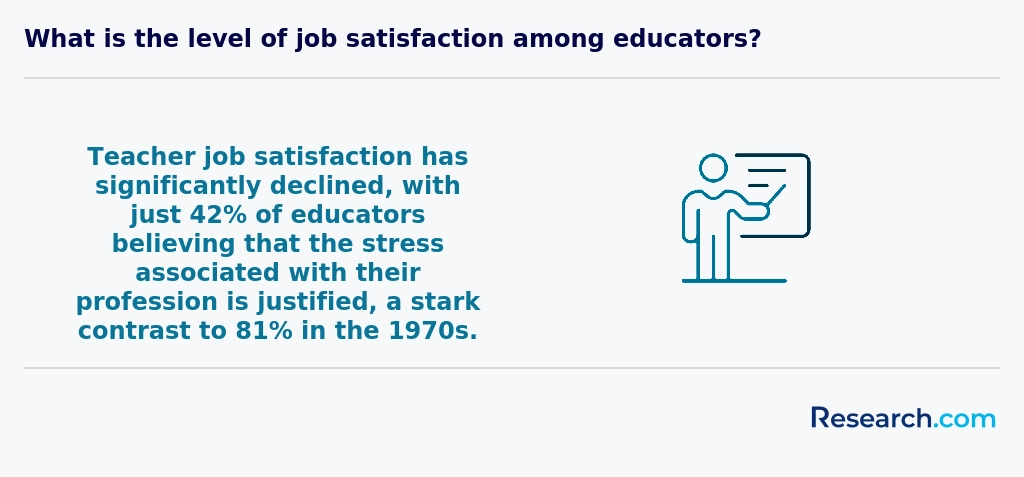
Graduates with an online education degree in St. Paul often pursue careers as licensed K-12 teachers, meeting Minnesota's certification requirements while benefiting from local school district demand. Many find rewarding roles in special education or STEM subjects, where vacancies are steadily growing. Others leverage their degrees into educational administration positions at well-known St. Paul institutions, such as becoming school principals or district coordinators, roles that offer leadership challenges and higher salaries.
Instructional coordination and curriculum development provide fulfilling alternatives, especially for graduates passionate about modernizing teaching methods and integrating technology. Colleges and universities in St. Paul also hire education graduates as instructors or academic advisors, helping future teachers succeed. Recent graduates from popular local universities frequently share how these roles align perfectly with their career goals, offering both stability and professional growth.
For those balancing work and study, exploring the fastest online degree programs for working adults available in St. Paul can accelerate their path to these careers. This practical route appeals to many who want to start making an impact promptly while managing personal commitments, expanding the scope of online education degree careers in St Paul MN.
The job market for online education degree graduates in St. Paul offers promising opportunities, especially as local schools and institutions increasingly adopt digital learning tools. Graduates from popular colleges in St. Paul often secure roles in K-12 teaching, focusing on areas with shortages such as STEM and special education. Many find success advancing to leadership positions like principals or district coordinators by leveraging additional qualifications from online programs. For example, graduates pursuing advanced credentials through the widely recognized anchors part-time Ph.D. in economics experience improved career mobility and salary potential.
St. Paul's education doctorate career opportunities are also expanding beyond traditional classrooms. Instructional coordinators and professionals in educational technology companies are in demand, designing curricula and integrating new digital platforms. Graduates appreciate the city's supportive environment and steady job growth, backed by local data showing teacher wages averaging $55,000 to $70,000 annually. Choosing an online education degree here can be a cost-effective step to a rewarding career with real-world impact.
2027 Most Valuable Online Doctorate in Education Degree Programs Ranking in St. Paul, MN
Investing in your education is a significant decision that can shape your future, and the Research.com team understands the importance of making informed choices. To assist prospective students in St. Paul, MN, we have meticulously crafted the "2027 Most Valuable Online Doctorate in Education Degree Programs Ranking." Our commitment to quality, credibility, and accuracy is reflected in the extensive research and analysis conducted to compile this ranking.
We utilized the following reputable data sources to ensure a comprehensive evaluation of online doctorate in education programs:
By exploring this ranking, readers will gain valuable insights into the most valuable programs available, helping them make well-informed decisions about their educational journey. For more details on our methodology, please visit our Research.com methodology page.
# 1 position
Bethel University, Minnesota
Doctor of Leadership (K-12 Education) (Higher Education)

Frequently Asked Questions About education
Online education degree students in St. Paul can enhance their learning by actively engaging with course materials and participating in virtual discussions. According to the Minnesota Office of Higher Education, students benefit from setting structured schedules to balance study and personal commitments effectively.
Leveraging local resources such as St. Paul Public Library's digital services and study spaces can support focused learning. Connecting with peer networks through online forums or local education groups helps build collaboration skills vital for doctoral success.
Additionally, students should utilize academic advising and technical support offered by their institutions to navigate challenges promptly. Keeping consistent communication with instructors ensures clarity and progress throughout the program.
The education field is rapidly evolving, with several emerging niches gaining importance, especially in online doctorate programs. One significant area is educational technology, where professionals develop and implement digital tools to enhance learning experiences. This niche is growing due to remote education's expansion across the US, including St. Paul.
Another emerging specialty is culturally responsive pedagogy, addressing diversity and inclusion in increasingly multicultural classrooms. St. Paul's diverse population highlights demand for educators trained in these approaches. Additionally, leadership in educational policy and administration is gaining attention as schools adapt to new regulations and funding challenges nationwide.
Finally, special education leadership remains critical, focusing on inclusive practices and support for students with disabilities. According to the Minnesota Department of Education, demand for specialized educators in St. Paul continues to rise, reflecting national trends.
After completing an online education degree in St. Paul, graduates should focus on building relevant skills to enter the local job market. Networking with education professionals in the Minneapolis-Saint Paul area is crucial, as this metro area offers diverse opportunities in school districts and educational organizations.
Gaining practical experience through internships or substitute teaching roles in St. Paul schools can improve employability. According to the Minnesota Department of Education, the demand for qualified educators in St. Paul Public Schools is projected to grow, especially for leadership and specialized roles.
Additionally, obtaining certifications such as Minnesota's Professional Educator License enhances a graduate's credentials. Staying updated on state education policies and regional labor market trends helps align job search strategies effectively.
Employers in St. Paul seek education degree graduates with strong communication and classroom management skills. According to the Minnesota Department of Education, effective verbal and written communication is crucial for fostering student engagement.
Problem-solving abilities and adaptability are also highly valued, as teachers must respond to diverse student needs and changing curricula. Additionally, technology proficiency is increasingly important in modern classrooms, especially for graduates from online education programs.
Research by the National Center for Education Statistics highlights that collaborative skills and cultural competence significantly enhance employment prospects in urban districts like St. Paul.
Finally, a solid foundation in educational theory coupled with practical experience supports career readiness and success.
Finding internships in St. Paul relevant to an education degree involves a mix of local research and networking. Start by exploring partnerships between universities and school districts such as Saint Paul Public Schools, which frequently offer internship opportunities for education students. The Minnesota Department of Education also provides resources and listings for placements in K-12 settings.
Online students should leverage the career services offices of their institutions, which often have local connections. Additionally, organizations like the Education Minnesota union can provide guidance on field experience requirements and internships.
It helps to attend local education-related events or workshops and connect with educators through platforms like LinkedIn. According to the National Center for Education Statistics, Minnesota produces over 1,200 certified teachers annually, creating ongoing demand for practical training opportunities in the St. Paul area.
An online education degree can significantly enhance career mobility and advancement opportunities for professionals in St. Paul. Many local school districts and educational organizations increasingly recognize online degrees from accredited institutions, aligning with national trends reported by the U.S. Department of Education. This recognition allows candidates to qualify for leadership roles, such as curriculum coordinators or principals, where advanced education credentials are often required.
According to the Minnesota Department of Employment and Economic Development, individuals with higher education degrees in St. Paul may experience up to 20% higher earning potential compared to those with only bachelor's degrees. The flexibility of online programs also enables working professionals to continue gaining experience while earning their degrees.
Furthermore, networking opportunities through online cohorts often connect students across the state, broadening connections within St. Paul's education sector. This expanded professional network can be crucial for finding advanced positions and promotions locally.
Studying for an education degree in St. Paul prepares students for interdisciplinary roles by emphasizing collaboration across multiple fields such as psychology, sociology, and technology. Online programs in this region often integrate coursework that covers curriculum design, educational leadership, and data analysis, fostering versatile skills.
Many St. Paul institutions align their curricula with Minnesota Department of Education standards, which promote cross-disciplinary competencies. For example, students learn to address diverse learner needs by combining educational theory with practical application in social services and community outreach.
According to the National Center for Education Statistics, Minnesota ranks highly in educational attainment, reflecting strong institutional support for comprehensive training. This regional focus equips graduates to work effectively in varied environments including schools, nonprofits, and corporate training settings.
Choosing between a thesis and a non-thesis education degree program in St. Paul depends largely on your career goals and learning preferences. Thesis programs often emphasize research skills and a deep dive into a specific topic, valuable for those considering academic or research roles. Non-thesis programs usually focus on practical application and coursework, appealing to professionals aiming to advance directly in education practice.
In St. Paul, local universities offering online education degrees reflect this divide. Data from the Minnesota Office of Higher Education shows about 40% of advanced degrees here include a thesis option, which might impact your choice based on time commitment and writing ability.
Consider how much time you can dedicate to extensive research versus preferring a structured, course-based approach. Also, consult with advisors and review specific programs' curriculum online to ensure alignment with personal and professional objectives.
Students in St. Paul interested in studying education abroad have several options through US universities offering online degrees combined with international study components. Many institutions provide hybrid programs allowing coursework online alongside short-term study or research trips abroad. These programs are designed to fit the schedules of working professionals and graduate students.
According to the Minnesota Office of Higher Education, more than 70% of local graduate students utilize online or hybrid formats, a trend reflecting flexibility and global perspectives in education. Students can also access study-abroad scholarships through state and university programs targeting those pursuing advanced degrees in education.
For students pursuing online education degrees in St. Paul, several part-time job opportunities can complement their academic progress. Positions such as teaching assistants, tutoring roles, and after-school program coordinators offer practical experience in educational settings. According to the Minnesota Department of Employment and Economic Development, education-related jobs in the St. Paul area are expected to grow by 7% over the next decade, highlighting increasing local demand.
Additionally, working as substitute teachers or teacher aides in St. Paul Public Schools allows degree candidates to apply theory to practice while earning income. These roles often have flexible hours, suitable for part-time students balancing coursework. Jobs in community education centers or libraries also provide valuable exposure to diverse student populations and educational technologies.
Online education students in St. Paul benefit from a variety of networking opportunities that complement their virtual studies. Many local universities, including the University of St. Thomas and Hamline University, offer hybrid events, workshops, and alumni gatherings specifically designed for online learners. These events provide valuable chances to connect with faculty, peers, and education professionals.
The St. Paul education community is also supported by organizations like the Minnesota Education Equity Partnership, which hosts regular meetings and conferences accessible to remote participants. Additionally, online students can join local chapters of national groups such as the American Educational Research Association.
Such networking supports career development and fosters professional collaboration, essential for advancing in the education field.
Alumni networks offer significant benefits to online education degree students in St. Paul by fostering valuable professional connections. Graduates from local institutions often share job openings and industry insights, helping students access opportunities within the region's education sector. According to the University of St. Thomas, which has a strong alumni community, many members engage in mentorship programs that aid online students in navigating career paths.
These networks also promote collaboration through events and online forums, allowing distance learners to build relationships despite physical separation. Moreover, studies show that active alumni involvement can increase post-graduation employment rates by up to 20%, enhancing the overall value of an online degree in St. Paul.
Customizing your online education degree program in St. Paul allows you to align your studies with specific career goals. Many Minnesota institutions offer flexible curricula where you can select electives or specializations, such as curriculum development, educational leadership, or technology integration.
Advising services are crucial; academic advisors help tailor your course load to match your professional aspirations. Additionally, some programs provide options for practicum or research projects in local St. Paul schools, offering practical experience.
According to the Minnesota State system, nearly 40% of online learners customize their degrees through electives or dual certifications, enhancing job market competitiveness in education roles.
Online education students in St. Paul face several challenges that can impact their academic success. A primary issue is managing time effectively, especially as many students juggle work and family responsibilities alongside their studies. According to data from the Minnesota Office of Higher Education, nearly 60% of adult learners in the state balance employment while pursuing degrees.
Connectivity and technology access also pose barriers; some students report unreliable internet service or lack of adequate devices, affecting their ability to participate in live sessions and submit assignments on time.
Additionally, many learners experience feelings of isolation due to limited face-to-face interaction, which can affect motivation and engagement. Universities offering online education often provide virtual support services to help mitigate these challenges.
Professionals with an online education degree in St. Paul can pursue a variety of certifications to enhance their careers. Common options include the Licensed Professional Educator (LPE) credential, required for teaching in Minnesota public schools. Additionally, there are National Board Certifications in areas like Early Childhood or Exceptional Needs, which can improve job prospects and salaries.
Other certifications include Administrative licenses for school leadership roles and Reading Specialist endorsements. Many online programs prepare students for these exams efficiently. According to the Minnesota Department of Education, certification improves employability within the St. Paul School District, which serves over 37,000 students. Earning certifications can be essential for career advancement in education within the region.
When applying to online education degree programs in St. Paul, it is important to tailor your application to highlight your academic achievements and professional experience clearly. Admissions committees in Minnesota value candidates who demonstrate a strong commitment to education and community impact. Including a well-crafted personal statement that outlines your goals and how the program aligns with your career plans is crucial.
Additionally, make sure to provide official transcripts and letters of recommendation from qualified educators who can attest to your skills. According to the Minnesota Office of Higher Education, applicants with a GPA above 3.0 have higher chances of acceptance in competitive programs.
Finally, emphasize any local teaching or educational leadership experiences to connect your background with the St. Paul education community.
Education careers in the United States, including St. Paul, are increasingly viewed through a global lens due to the interconnectedness of education systems worldwide. U.S. educators often incorporate international best practices, enhancing curricula and teaching methods. According to the National Center for Education Statistics, online education degrees in Minnesota show steady growth, reflecting this global trend.
Many professionals seek online doctorate degrees to better understand diverse educational challenges globally. This helps in preparing students for a multicultural society. In St. Paul, educators benefit from programs emphasizing global perspectives, which align with worldwide priorities on equity and access.
Understanding these global trends allows future educators to contribute effectively both locally and abroad.
Gaining practical experience while pursuing an online education degree in St. Paul is essential for career readiness. Many programs incorporate virtual internships or practicum placements with local schools and educational organizations. This approach allows students to apply theory in real-world settings, even remotely.
St. Paul's strong network of public and private schools often partners with universities to offer supervised teaching experiences. According to the Minnesota Department of Education, these hands-on opportunities align with licensure requirements and enhance professional skills.
Additionally, students can participate in community-based projects or volunteer programs focused on education, helping them build relevant experience alongside their studies.
Choosing the right concentration within an online education degree program in St. Paul involves aligning your interests with local employment demands and education trends. For example, concentrations in special education or educational leadership are in demand in Minnesota's schools, supported by data from the Minnesota Department of Education.
Consider your career goals: if you want to work in administration, a leadership focus is beneficial; for classroom teaching, curriculum development or inclusive education may suit you better. Researching local school district needs in St. Paul can guide you toward concentrations with stronger job prospects.
Admission counselors and academic advisors at St. Paul institutions can also help clarify which specializations best fit your experience and goals.
- 2027 Most Valuable Online Education Degree Programs Ranking in Minneapolis, MN
- 2027 Most Valuable Online Education Degree Programs Ranking in Madison, SD
- 2027 Most Valuable Online Education Degree Programs Ranking in Valley City, ND
- 2027 Most Valuable Online Doctorate in Education Degree Programs Ranking in Omaha, NE
- 2027 Most Valuable Online Education Degree Programs Ranking in Chicago, IL
- 2027 Most Valuable Online Education Degree Programs Ranking in Columbia, MO
- 2027 Most Valuable Online Education Degree Programs Ranking in Manhattan, KS
- 2027 Most Valuable Online Education Degree Programs Ranking in Emporia, KS
- 2027 Most Valuable Online Education Degree Programs Ranking in Muncie, IN
- 2027 Most Valuable Online Education Degree Programs Ranking in Bloomington, IN
See What Experts Have To Say About Studying Education
Read our interview with Education experts


Alan J. Singer
Education Expert
Professor of Teaching, Learning and Technology
Hofstra University

- Cost of Online Education vs. Traditional Education [2025]: Comparison https://educationdata.org/cost-of-online-education-vs-traditional-education
- MONPERATOTO Jati Diri Situs Togel Online Resmi Bersama Agen Toto Togel 4D Terpercaya https://writerslife.org/educational-markets/
- Top 10 Effective Networking Tips for Students https://www.unfc.ca/blog/networking-tips-for-students
- What else can I do with an education or teaching degree? https://targetjobs.co.uk/careers-advice/career-ideas/what-else-can-i-do-education-or-teaching-degree
- Education Technology Trends to Watch in 2065: 10 Innovations Shaping the Future of Learning https://www.digitallearninginstitute.com/blog/education-technology-trends-to-watch-in-2026
- 10 Reasons Why Education Helps to Advance Your Career - Insight Training https://insight.edu.au/blog/career-advancement-through-education/
- What Can I Do With a Teaching Degree (Besides Teach)? https://www.alleducationschools.com/blog/what-can-i-do-with-a-teaching-degree-besides-teach/
- International teaching and education jobs https://www.tes.com/jobs/search/international
- Learning and Teaching - St Paul's College, Kempsey https://www.kmpslism.catholic.edu.au/student_learning
- What Employers Actually Want From Graduates https://bodyswaps.co/resources/blog/what-employers-actually-want-from-graduates