
2027 Most Valuable Education Degree Programs Ranking in Boone

Co-Founder and Chief Data Scientist
Choosing the right education degree program is a big step toward a rewarding career.
This article presents the 2027 Most Valuable Education Degree Programs Ranking in Boone, carefully crafted by the Research.com team of data scientists.
It's designed to help you make an informed decision by highlighting which programs offer the best opportunities for growth and success.
Reading this guide will give you clarity and confidence as you explore your options, making your journey toward an education degree both exciting and worthwhile.
Key benefits of getting education degree in Boone
- Education degree graduates in Boone can expect competitive salaries, such as $77,200 annually for Instructional Designers and $76,000 for Special Education Teachers, showcasing solid financial benefits.
- Graduates from local colleges often pursue rewarding careers as Early Childhood Educators or ESL Teachers, offering fulfilling roles that impact communities directly.
- Completing an education degree online provides flexibility and convenience, allowing graduates to balance work and study efficiently while still accessing quality programs from Boone-based universities.
- 2027 Most Valuable Education Degree Programs Ranking in Boone
- What can I expect from education degree in Boone?
- Where can I work with education degree in Boone?
What can I expect from education degree in Boone?
Imagine investing roughly $7,200 a year to unlock a world where classrooms become canvases of possibility. That's the average tuition cost at Appalachian State University in Boone, where education students dive deep into the art and science of teaching. Graduates often speak of being enveloped in a community where personalized mentorship is not just a promise but a daily reality, making every dollar feel like a step toward shaping futures.
Picture a semester where your tuition supports hands-on learning-partnering with local schools in Watauga County, where theory meets practice. This isn't just coursework; it's preparing to inspire real kids walking Boone's halls tomorrow. Graduate students might invest more years but benefit from part-time options, balancing work and study without losing momentum.
For many, the cost translates into confidence-a license to teach across North Carolina, backed by strong Praxis pass rates and a program tuned to today's educational pulse. In Boone, that tuition isn't just a fee; it's an investment in becoming a guiding light in classrooms everywhere.
Where can I work with education degree in Boone?
Graduates from education programs in Boone step into a world rich with opportunity-imagine starting your day shaping curious minds in Watauga County Schools, where over 1,000 full-time teachers are already making a difference. Whether you're guiding energetic kindergartners or inspiring high school seniors, your classroom becomes a vibrant stage for growth and discovery.
Many recent grads recall the thrill of moving beyond the classroom, taking on roles in early childhood centers or local preschools, where hands-on creativity meets foundational learning. The community's growing focus on early childhood means your passion can spark real change from the very start of a child's journey.
Others find themselves behind the scenes, crafting innovative curricula or supporting students through counseling roles, often collaborating with Appalachian State University's education leaders who blur lines between research and practice. Those drawn to nonprofit work discover fulfilling missions-running literacy programs or tutoring initiatives that ripple through Boone's neighborhoods, nurturing futures beyond school walls.
Advanced degree holders embrace teaching and research at local colleges, living their dream of mentoring the next wave of educators while thriving in Boone's supportive academic community.
Graduates from Boone's education programs step into a vibrant salary spectrum where possibilities unfold like pages from their textbooks. Imagine a fresh graduate from one of Boone's well-known universities landing a role as an Elementary School Teacher with a mean salary of $70,740-enough to comfortably enjoy the town's cozy cafés and scenic hikes. Those specializing as Special Education Teachers elevate their earnings to around $76,000 annually, a rewarding figure that reflects their vital impact on diverse learners.
For ESL Teachers, the average income hovers near $65,430, bringing with it the joy of guiding new voices to find their place. Early Childhood Educators start at about $41,410, laying early foundations for future generations while savoring Boone's moderate cost of living. Instructional Designers top the chart here with $77,200, a compelling option for graduates envisioning dynamic behind-the-scenes roles in crafting educational experiences.
The thrill of these careers is not just the numbers but the connection to Boone's spirited academic community-where graduates witness their impact ripple from local classrooms to broader educational horizons.
- Education degrees in Boone include bachelor's, master's, and endorsement programs focused on preparing teachers for North Carolina schools.
- Annual tuition ranges from $7,000 to $15,000 for in-state students at public universities, with private schools charging higher costs.
- Entry-level teachers earn about $42,000 annually, with potential growth to $55,000 or more as experience and certifications increase.
- The job market remains stable with steady demand for teachers in urban and rural districts, including roles in special education and administration.
- Graduates must pass state exams and complete supervised teaching to obtain licensure, which many programs include in their curriculum.
Imagine stepping onto the campus of Boone's well-known universities, where the excitement of a four-year journey toward a Bachelor of Science in Education begins. Most graduates describe those years as a whirlwind of late-night study sessions, inspiring professors, and hands-on classroom experiences that transform passion into profession. Four years and around 120 credit hours later, the diploma often feels like a well-earned treasure after a vibrant arc of growth.
For those diving deeper, the Master of Education beckons with a more intense tempo-one to two years of dedicated coursework and practicum that graduates recall as both challenging and rewarding. Working professionals treasure the flexible, part-time options that allow them to juggle life and study, often cherishing the balance of evening classes or online modules that fit their busy Boone lifestyles.
What ties these journeys together is the thrill of transforming ambition into reality at Boone's accredited schools, where state licensure and practical hours add real-world grounding. Whether accelerating through summer classes or savoring each semester's lessons, students paint their own timelines filled with meaningful milestones and hopeful futures.
For those aiming to further their education, a master's degree in Education can significantly enhance career prospects. Appalachian State University, recognized as a valuable education school in North Carolina, offers a range of graduate programs designed to deepen the pedagogical expertise of educators. These programs typically span two years for full-time students and provide specializations such as curriculum and instruction, educational leadership, and more. Graduates from these programs often highlight the advanced knowledge and practical skills they gained, which have proven invaluable in their careers. Beyond Appalachian State, other local institutions also provide diverse pathways to a master's degree in Education. For example, Lees-McRae College offers programs that blend online and in-person learning, appealing to students who require flexible study options. Students can also explore affordable online graduate programs in speech pathology, which can complement educational backgrounds and open up unique career opportunities. The importance of advanced education cannot be overstated, as it can lead to higher earning potential and greater professional autonomy. The median annual salary for Education Administrators, for instance, is approximately $98,000, reflecting the significant returns on investment in further education. Whether pursuing roles in higher education, educational administration, or specialized instructional design, an advanced degree equips graduates with the tools to excel in a competitive job market. For more details on the educational offerings at [valuable education school in north carolina](https://research.com/rankings/education/most-valuable-education-nc), prospective students are encouraged to visit the university’s website or attend informational sessions, ensuring they are well-informed about the next steps in their educational journey.
Imagine waking up in Boone and logging into your online education class anytime you choose-whether it's early morning or late at night-balancing your studies with work or family. That's the liberty online degrees offer, embraced by many who value flexibility without sacrificing quality. These programs replicate the depth of Appalachian State University's on-campus rigor but replace commuter traffic with a digital rendezvous, where virtual forums buzz with ideas and video lectures paint lessons vividly on your screen.
Contrast this with the tangible hum of campus life, where on-campus students dive into lively classroom debates, form study circles in university libraries, and build mentorships as naturally as breathing fresh Boone mountain air. Graduates often cherish those face-to-face moments that nurture both knowledge and confidence, making every campus visit a step closer to their teaching dreams.
- Cost Differences: Online degrees trim commuting and housing expenses, though Boone's tuition, ranging from $7,000 to $12,000 annually, can be similar across formats.
- Scheduling Flexibility: Online offers asynchronous freedom; on-campus demands fixed, in-person hours.
- Learning Experience: Digital classrooms versus dynamic, hands-on campus engagement.
- Networking Opportunities: Campus life fosters organic peer connections; online spaces rely on virtual link-ups.
Estimating the return on investment (ROI) for an education degree in Boone, NC helps prospective students weigh long-term benefits against upfront costs. On average, in-state undergraduates pay approximately $108,584 for a four-year bachelor’s program, while out-of-state students face costs up to $182,832. With mean starting salaries of $38,640 for early childhood educators and $63,130 for ESL teachers, Boone graduates typically reach their break-even point within 5–7 years after graduation. Master’s degree holders, investing around $59,840 for a two-year program, can expect a faster ROI, often within 3–5 years, thanks to higher average wages near $73,080 for instructional designers. Comparatively, students concerned about cost may explore more budget-friendly online programs. For example, the Most Affordable Online Education Degree Programs Ranking in Fayetteville, AR highlights universities where tuition is significantly lower and flexible scheduling reduces opportunity costs. Factors influencing ROI include:
- Salary Growth: Boone graduates report average salary increases of 3–5% annually, accelerating payback on initial debts.
- Loan Repayment Plans: Federal income-driven repayment options can extend payback periods but maintain manageable monthly payments.
- Career Advancement: Specializations in educational administration or curriculum design often command salaries 10–15% above baseline teaching roles. By considering program costs, expected earnings, and career trajectory, students can make data-driven decisions to maximize their investment in a Boone, NC education degree.
The average cost of an education degree in Boone is surprisingly approachable when you consider the full picture. At Appalachian State University, where many pursue their education degrees, in-state students face a median total cost of around $7,579-a figure that sweeps in tuition, fees, and essentials across the entire course of study. Out-of-state students often see costs rise to about $40,440, yet many graduates recall that clever budgeting and aid opportunities helped make their journey feel achievable, even exciting.
Imagine a student strolling through Boone's picturesque campus, books in hand, energized by the thought that their investment, while modest compared to larger urban universities, actually unlocks a powerful future. These "Boone education degree tuition and fees" encompass more than simple numbers-they represent a gateway to becoming an educator with purpose, rooted in a community that values nurturing educators.
Many students share stories of leveraging scholarships and financial resources to trim down expenses, transforming the challenging financial terrain into a manageable path full of promise. For those curious about career options post-degree, the wealth of information found at https://research.com/careers/education-careers offers inspiring guidance and reassurance that this investment is truly worthwhile.

Students choosing the most valuable education programs in Boone balance cost against future earnings. By comparing tuition, fees, and living expenses with median salaries, you can estimate how quickly your investment pays off.
- Total cost (4-year bachelor’s): ~$108,584 in-state; ~$182,832 out-of-state
- Median salaries: ESL Teacher $63,130; Instructional Designer $73,080; Early Childhood Educator $38,640
- Estimated payback period: 1.5 years for Instructional Designers; 1.7 years for ESL Teachers; 2.8 years for Early Childhood Educators
For graduates seeking accelerated credentials and higher earning potential, consider specialized online master's programs to strengthen qualifications and reduce time to degree.
Imagine walking the vibrant halls of Appalachian State University, your dreams of teaching fueled not just by passion but by a clutch of financial aids turning tuition fears into stepping stones. FAFSA unlocks the treasure chest here-grants like the Federal Pell Grant, which can gift you up to $7,395 yearly, feel like a direct handshake from the future, no repayment strings attached. Many Boone education grads recall how Pell Grants and Federal Direct Loans, with their steady interest and repayment setups, gave them the breath to focus on lesson plans instead of wallets.
Now picture enrolling with confidence, knowing North Carolina's local magic-the Need-Based Scholarship and UNC Grant- cushions your journey, designed specifically for aspiring educators within state borders. Boone students often share stories of snagging scholarships from groups like the North Carolina Association of Educators Foundation, where commitment to underserved communities unlocks funds and purpose at once.
Between classes, work-study programs provide both a paycheck and hands-on experience, while some Boone schools gently offer tuition plans or small campus grants, whispering that financial hurdles can be crossed with creativity and determination.
To teach in Boone, NC, graduates must secure licensure through the North Carolina Department of Public Instruction (NCDPI). Below are the essential steps:
- Earn a bachelor’s degree from an accredited educator preparation program. Consider accelerated online degree programs to complete coursework more quickly and start student teaching sooner.
- Complete required clinical experiences, typically 12–16 weeks of supervised student teaching in a licensed school.
- Pass the PRAXIS Core Academic Skills for Educators and relevant PRAXIS Subject Assessments.
- Apply for an Initial Standard Professional Educator’s License via NCDPI, submitting official transcripts, exam scores, and background check clearance.
- Maintain and renew your license through ongoing professional development, meeting NCDPI’s annual continuing education requirements.
Imagine yourself stepping into Appalachian State University, where the journey to becoming an educator begins-not just with textbooks but with a story you bring. Here in Boone, prerequisites for education degrees ask for more than a high school diploma or GED; they seek a snapshot of your passion through personal statements and letters of recommendation. Graduates often recall how sharing their genuine love for teaching during interviews made their applications stand out amid the mountain breeze.
Beyond academics, Boone's programs value the whole individual: background clearances and health standards prepare you for the realities of classroom life. For those aiming higher with a Master of Education, previous degrees with solid GPAs and sometimes GRE scores prove your readiness, like a passport signaling your entry into advanced learning.
Local institutions nurture candidates with a flexible approach, embracing the blend of traditional metrics and holistic insights, making the trek toward your education degree as warm and welcoming as the Appalachian foothills themselves.
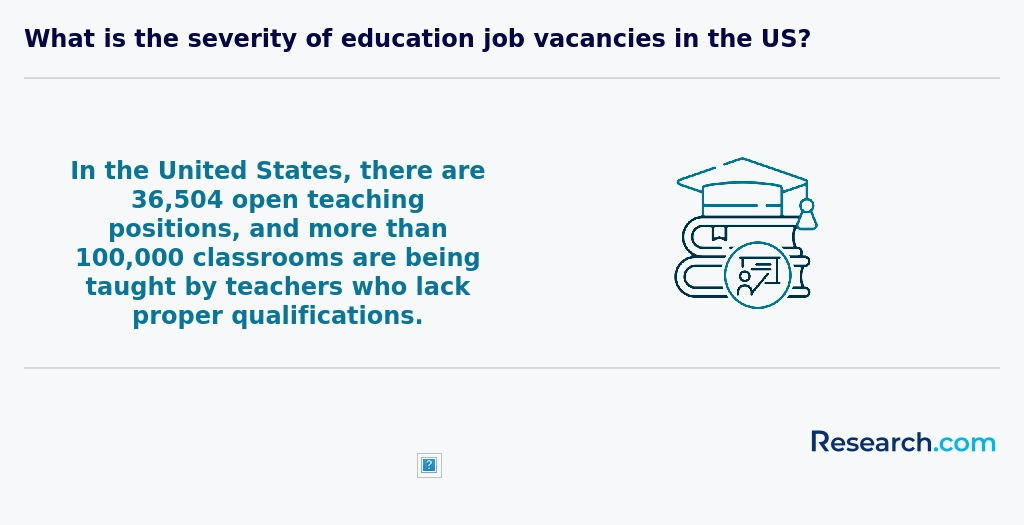
When evaluating an Education degree in Boone, NC, understanding the return on investment (ROI) is crucial for making a financially sound decision. By comparing program expenses-such as tuition, fees, and living costs-with projected post-graduation earnings, prospective students can estimate how quickly they’ll recoup their investment and begin benefiting from lifetime salary gains. Most in-state bachelor’s programs in Boone require approximately $9,750 in annual tuition and about $27,146 in total yearly costs. Out-of-state students pay closer to $28,386 per year in tuition, bringing their total cost of attendance to around $45,708 annually. Community college pathways reduce this burden further, averaging just $3,885 in yearly tuition for in-district students. For detailed breakdowns of these expenses, see our guide on teaching degree cost and financial planning. On the earnings side, graduates can anticipate a mean annual wage of $63,130 as ESL Teachers, $38,640 in Early Childhood Education, and up to $73,080 for Instructional Designers. Assuming a mid-career average of $60,000, an in-state bachelor’s graduate could break even within three to four years, while out-of-state students may require an additional year or two. Those pursuing a master’s degree-costing around $59,840 for the full program-often see accelerated ROI through higher administrative or specialist salaries. To maximize ROI:
- Select accelerated or dual enrollment options to reduce total credit hours.
- Leverage scholarships, grants, and work-study programs to lower upfront costs.
- Aim for high-demand specializations like Instructional Design or ESL, which offer premium salaries.
- Consider online coursework to maintain employment while studying. By carefully balancing program expenses against realistic earnings potential, Education degree seekers in Boone can chart a clear path to long-term financial and professional success.
Imagine diving into the vibrant world of education at Appalachian State University, where Boone's future teachers uncover the art and science behind impactful classrooms. Foundations of Education invite you to wander through the history and philosophy shaping today's schools, while Educational Psychology transforms how you see every student's unique learning journey.
Graduates often recall crafting lesson plans that spark creativity during Curriculum Development and Instructional Strategies classes, blending innovation with proven teaching methods. The thrill of assessing student growth in Assessment and Evaluation prepares Boone's educators to celebrate progress and pivot when needed.
Classroom Management courses equip you with real-world strategies, turning challenging moments into opportunities for connection. Many find themselves inspired by Special Education training, learning to nurture bright minds of all abilities. The buzz of Educational Technology gives students the tools to weave digital magic into their lessons.
Most powerful are the Field Experience and Student Teaching moments, where Boone's education students step confidently into real classrooms, mentored by seasoned teachers, making theory come alive with every lesson taught.
Imagine stepping into classrooms across Boone, where graduates from education programs specialize in crafting learning journeys for every age and need. Early Childhood Education shapes nurturing mentors ready to celebrate those magical first words and steps, while Elementary Education graduates embrace the vibrant chaos of K-6 classrooms, blending local culture and curriculum with heartfelt care. Many Boone students choose the path of secondary education, diving deep into subjects like Mathematics and English, fueling adolescent curiosity with passion and precision. Others gravitate toward special education, where empathy meets expertise, preparing to champion students with unique challenges.
In Boone's teaching degree program options, creativity and leadership also bloom through specializations in Educational Leadership and Counseling, fostering future administrators and advocates. At local universities, graduates often recall unforgettable practicum experiences, where classrooms became laboratories of both learning and laughter. For those drawn to flexibility, several pursue online special education curriculum programs, blending Boone's community spirit with digital innovation.
- Early Childhood Education
- Elementary Education
- Secondary Education (subject-specific)
- Special Education
- Educational Leadership and Counseling
Choosing the best education degree in Boone is like navigating a vibrant tapestry of opportunities woven with real-life stories from graduates who walked Appalachian State's halls. They often speak of programs with strong CAEP accreditation-the golden ticket validating your future classroom heroism. Imagine cruising through courses that align with your passions, whether it's jumping into K-12 teaching or mastering the art of special education leadership. The local vibe here embraces affordable education degrees Boone North Carolina, merging quality with wallet-friendly tuition that keeps dreams alive.
One graduate recalls how flexible schedules saved their journey-part-time classes and online options turned overwhelming life demands into manageable steps. Support services, from career counseling to student teaching partnerships with local schools, made real-world connections seamless and exciting. For those curious about evolving educational paths, exploring library science degree requirements opened unexpected doors beyond traditional teaching, adding layers to their professional portfolio and enriching Boone's education landscape.
Graduates with an education degree in Boone find themselves at a vibrant crossroads of career possibilities, fueled by the region's unique mix of public schools, private academies, and higher education institutions like Appalachian State University. Imagine stepping into a classroom as a middle school teacher, where each lesson sparks curiosity and transforms young minds-this is a common pursuit and a heartwarming reality for many local grads embracing education degree career opportunities in Boone.
Others dive into leadership, becoming principals or assistant principals, navigating the rewarding challenge and elevated salaries of school administration. Special education teaching, too, stands out as a crucial path, filled with meaningful connections and supported by robust funding, creating a fulfilling career with an impact that resonates deeply.
For those inspired to shape education beyond the classroom walls, roles like instructional coordinators craft the very essence of curricula. Recent graduates also cherish the joys of supporting college students as academic advisors, a role perfectly suited to Boone's vibrant higher ed scene.
Boone brings affordability into the mix, making these ambitious career leaps accessible, enhanced by in-state tuition and scholarships. For more adventurous scholars dreaming bigger, exploring the top online edd in curriculum and instruction blends local promise with global opportunity, expanding horizons beyond the mountains.
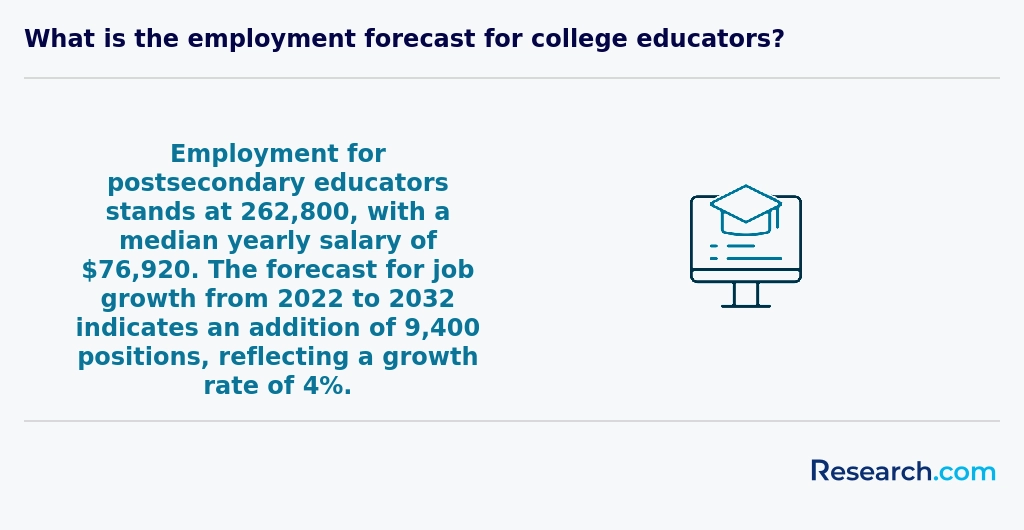
The education degree job opportunities Boone offers feel like a steady drumbeat in the lives of recent graduates, fueled by Appalachian State University's nurturing campus where many find their first spark for teaching. Picture a graduate stepping into a Watauga County classroom, greeted by eager students and the pride of filling a needed role in local schools. The job market here isn't just about numbers-it's a community weaving together ambition and purpose.
In Boone, the steady demand for certified teachers, especially in special education and STEM roles, turns aspirations into tangible careers. Graduates often share stories of modest but fair salaries and the reassuring stability that comes with union protections. This combination creates a fertile ground for those ready to cultivate their education careers while rooted in familiar surroundings.
The allure goes beyond just the job market; affordable tuition at Appalachian State and nearby institutions invites many to chase their passion locally. For those curious about expanding their skill set or career paths, there's also helpful library science career advice tailored to complement education degrees and broaden futures.
2027 Most Valuable Education Degree Programs Ranking in Boone
Investing in your education is a significant decision that can profoundly impact your career and personal growth. The Research.com team recognizes the importance of making well-informed choices and has dedicated extensive effort to ensure the quality, credibility, and accuracy of the "2027 Most Valuable Education Degree Programs Ranking in Boone."
We utilized the following reputable data sources to create this comprehensive ranking:
By examining this ranking, readers will obtain valuable insights into the most valuable education degree programs in Boone that align with their goals and aspirations. For more information about how this ranking was developed, please visit our Research.com methodology page.

Frequently Asked Questions About education
Education degree students in Boone can maximize their learning experience by actively engaging with both classroom and community resources. Boone hosts several institutions offering education programs that emphasize practical training alongside theory. For example, Appalachian State University, a key provider in the region, integrates extensive fieldwork opportunities, allowing students to gain hands-on experience in local schools.
Students should take advantage of Boone's strong network of cooperating schools for internships and student teaching. Research shows that over 70% of education graduates in this area transition into teaching roles through such practical experiences (NC Department of Public Instruction, 2023).
Additionally, participating in professional development workshops, attending educational conferences, and joining local education groups can enhance networking and skill-building. Leveraging Boone's community partnerships and university support services helps students stay informed about the latest teaching technologies and methodologies.
Emerging niches within the education field reflect shifts in technology, diversity, and student needs. In Boone and across the U.S., there is growing demand for specialists in educational technology, supporting digital learning environments and virtual classrooms. According to the National Center for Education Statistics, enrollment in online education programs has increased steadily, emphasizing this trend.
Another key area is special education, focusing on tailored support for diverse learners. Boone's schools highlight the need for trained educators to address disabilities and varied learning styles effectively. Bilingual education is also gaining importance as communities become more linguistically diverse.
Finally, education leadership and policy professionals are essential to navigating evolving school systems and regulations, ensuring equitable access to quality education for all students.
Graduates with education degrees in Boone should focus on building both practical skills and professional networks to successfully enter the job market. Local school districts often prioritize candidates with licensure and teaching experience, making student teaching placements essential. According to the North Carolina Department of Public Instruction, Boone's regional schools value candidates familiar with state curriculum standards and classroom technology integration.
Networking through Boone-based education organizations and job fairs can provide valuable connections. Boone also benefits from nearby universities offering career services and internship programs tailored to education students. Staying updated on regional salary trends, where beginning teacher salaries average around $40,000 annually, helps set realistic expectations.
Employers in Boone prioritize several key skills when hiring graduates with education degrees. Strong communication abilities are essential, as teachers must effectively convey knowledge to diverse student groups. Classroom management skills are also highly valued to maintain a productive learning environment.
Additionally, adaptability is critical given the evolving educational standards and technology integration. According to the North Carolina Department of Public Instruction, Boone's schools emphasize data-driven instruction, so graduates with experience in using assessment data to inform teaching decisions have an advantage.
Finally, collaboration skills are important since teamwork with colleagues and parents supports student success in Boone's educational community.
Finding internships in Boone related to an education degree involves leveraging several local resources. Students should start by contacting academic advisors at Appalachian State University, which offers robust education programs and maintains partnerships with regional schools for internship placements. According to the National Center for Education Statistics, practical experience is essential for licensure in teaching careers, and these placements typically occur in nearby K-12 schools.
Local school districts in Boone often post internship opportunities on their websites and through career fairs hosted by educational institutions. Networking through Boone's community education centers can also connect students to valuable hands-on experiences. Checking with Boone's Workforce Development offices may reveal additional openings tailored to education majors.
Obtaining an education degree in Boone significantly enhances career mobility and advancement opportunities within the local education sector. According to recent data from the North Carolina Department of Public Instruction, educators with bachelor's or master's degrees in education are 30% more likely to receive promotions to leadership roles, such as department heads or curriculum specialists.
Boone's schools prioritize candidates with specialized credentials, often offering higher salaries and better job security to those holding advanced education degrees. Furthermore, teachers in Boone who pursue additional certifications or graduate degrees frequently access career paths beyond the classroom, including administration and educational policy positions.
This trend aligns with national patterns, supported by the U.S. Bureau of Labor Statistics, which show education degree holders enjoy greater job stability and earning potential over time compared to those without such qualifications.
Studying for an education degree in Boone offers a strong foundation for interdisciplinary roles by emphasizing diverse skill sets beyond traditional teaching methods. Local programs often incorporate coursework in psychology, technology, and community engagement, preparing graduates for collaboration across various fields.
Many Boone institutions align their curricula with state education standards and workplace needs. For example, the integration of digital literacy and inclusive classroom strategies equips students to work with special education professionals, counselors, and administrators.
According to data from the North Carolina Department of Public Instruction, nearly 40% of Boone's education graduates engage in multifaceted roles, highlighting the region's demand for flexible educators.
Deciding between a thesis and a non-thesis education degree program in Boone depends largely on your career goals and learning preferences. Thesis programs typically require original research and are suited for those interested in academic or research-oriented careers. Non-thesis options focus more on coursework and practical skills, ideal for educators seeking direct classroom application.
In Boone, several universities offer both paths, with thesis programs generally lasting longer-often two to three years-versus about one and a half to two years for non-thesis tracks. According to the National Center for Education Statistics, research experience can enhance graduate employability in education policy and administration roles.
Consider also your interest in scholarly writing and independent projects, as thesis programs demand a higher commitment to these activities. Ultimately, evaluating program structure against your professional ambitions will guide your choice effectively.
Students based in Boone seeking to study education abroad have several pathways through partnerships between local institutions and international universities. Appalachian State University, a key higher education provider in Boone, offers study abroad programs that include education-focused experiences in countries like Spain, Costa Rica, and the United Kingdom. These programs allow education majors to gain firsthand exposure to diverse teaching methods and cultural contexts.
According to Appalachian State's Office of Study Abroad, about 250 students participate annually, with education students comprising a significant portion. Additionally, students can leverage credit transfer agreements to complete part of their education degree overseas, enhancing their global perspective.
Financial aid and scholarships targeting study abroad are also available, making these international opportunities more accessible to Boone students.
Boone offers several part-time job opportunities that can complement education degree studies, helping students gain practical experience. Local schools and community centers often hire education majors as teacher's aides or after-school program assistants. These roles allow students to apply classroom theory in real-world settings.
Additionally, tutoring positions are common, especially in Boone's growing public school system. According to the North Carolina Department of Public Instruction, tutoring demand increased by 12% in the Boone area over the past three years.
Library assistant roles at Appalachian State University or public libraries also provide valuable exposure to educational resources and literacy programs.
Education students in Boone benefit from various networking opportunities tied to the local higher education ecosystem. Appalachian State University, the primary university in Boone, offers multiple programs connecting education majors with local schools and education professionals through internships and mentorships. According to the university's College of Education, over 85% of education students secure hands-on experiences in Watauga County schools, fostering valuable industry connections.
Additionally, Boone hosts education-focused events, including regional conferences and workshops organized by professional bodies like the North Carolina Association of Educators. These events provide students with access to experienced educators and potential employers in the public school system.
Alumni networks provide valuable support to education degree students in Boone by offering access to professional connections and mentorship opportunities. Graduates from Boone's education programs often return to assist current students in navigating the local job market, which is important given Boone's competitive education sector.
These networks facilitate internships and job placements in nearby school districts, leveraging relationships built over time. According to the Appalachian State University Alumni Office, nearly 65% of education graduates find employment through alumni referrals.
Additionally, alumni events and online groups help students engage with experienced educators, fostering ongoing professional development and collaboration within Boone's education community.
Customizing your education degree program in Boone to align with your career goals begins with understanding the variety of specializations available. Many institutions in Boone offer concentrations such as early childhood education, special education, or educational leadership. Choosing a focus area can help tailor your skill set to specific roles within the education field.
In addition, Boone schools often provide flexible course options, including evening classes and hybrid formats, to accommodate working professionals. You can also pursue internships or practicum experiences in local schools, allowing hands-on learning that matches your interests. According to the National Center for Education Statistics, about 45% of education graduates in North Carolina engage in specialized programs to boost career readiness.
Finally, consider certification tracks or add-on endorsements offered through Boone's programs. These credentials enhance your qualifications for specialized teaching roles or administrative positions, giving you a competitive advantage in the job market.
Education students in Boone often face challenges related to balancing rigorous coursework with practical teaching experiences. According to data from the North Carolina Department of Public Instruction, candidates frequently report time management difficulties due to the demands of student teaching placements alongside academic responsibilities.
Another common issue is limited access to diverse classroom environments for practicum. Boone's predominantly rural setting can restrict exposure to urban or high-needs populations, which may impact preparedness for various educational settings.
Additionally, financial strain is a concern, as many students rely on part-time work to support their studies, complicating their ability to fully engage in fieldwork. The average student debt for education majors in the region also reflects this challenge.
With an education degree in Boone, graduates can pursue several professional certifications that enhance their teaching credentials and career prospects. The most common certification is state licensure for K-12 teachers, which is required to teach in North Carolina public schools. This involves passing the Praxis exams and completing a background check.
Beyond initial licensure, educators may earn advanced certificates such as National Board Certification, which can increase salary potential and professional recognition. Boone educators also often pursue certifications in special education, ESL, or administration to specialize their skills.
According to the North Carolina Department of Public Instruction, over 75% of new teachers in the region hold or seek such credentials to meet local district requirements.
When applying for an education degree program in Boone, it is essential to prepare a clear and compelling application. Start by researching specific programs offered by institutions such as Appalachian State University, a leading education provider in the area. Include a well-written personal statement explaining your passion for teaching and your career goals.
Highlight relevant experience, such as volunteer work or tutoring, demonstrating your dedication to education. Boone's programs often require minimum GPA thresholds, typically around 3.0, so ensure your academic records meet these standards. Request strong letters of recommendation from educators or employers familiar with your skills.
Additionally, familiarize yourself with any mandatory entrance exams or interviews to better prepare your application. According to North Carolina's Education Department, applications that clearly connect personal motivation with local educational needs tend to stand out.
Education careers in Boone align with broader U.S. trends valuing teachers as essential components of community development. Globally, education professionals are recognized for their role in shaping future generations, making this career highly respected and often supported by government initiatives. In Boone, educators benefit from growing demand in public and private schools, reflecting a national teacher shortage forecasted to continue through 2030, according to the U.S. Bureau of Labor Statistics.
The focus on inclusive and technology-driven teaching approaches is a global trend also evident in Boone's education programs. These prepare graduates to meet diverse student needs across different cultural backgrounds. According to the North Carolina Department of Public Instruction, Boone-area schools emphasize professional development and certification standards consistent with international best practices.
For students pursuing education degrees in Boone, understanding these global perspectives helps position them competitively both locally and internationally, especially as education evolves to include broader social and digital literacies.
Gaining practical experience while studying for an education degree in Boone is essential for developing classroom skills. Many local institutions, such as Appalachian State University, incorporate practicum and student teaching requirements into their programs. These experiences place students in nearby public schools where they engage with real classrooms under professional supervision.
Additionally, Boone offers partnerships with Watauga County Schools, allowing education students to complete internships and volunteer roles. Such placements expose students to diverse learners and teaching strategies.
According to NC Department of Public Instruction, nearly 90% of education students in Boone-area programs complete their student teaching before graduation, enhancing job readiness.
Choosing the right concentration within an education degree program in Boone involves understanding your career goals and local needs. Boone's schools often seek teachers specializing in STEM, special education, and early childhood education, reflecting state and national trends reported by the National Center for Education Statistics.
Prospective students should research concentrations offered by Boone institutions and consider which align with their interests and the job market. For example, Western Carolina University near Boone offers diverse education tracks, including literacy and educational technology.
Additionally, licensing requirements in North Carolina vary by concentration, so verifying certification criteria through the North Carolina Department of Public Instruction is crucial. Shadowing professionals or connecting with local educators can also provide practical insight.
- 2027 Most Valuable Education Degree Programs Ranking in Greenville
- 2027 Most Valuable Education Degree Programs Ranking in Greensboro
- 2027 Most Valuable Education Degree Programs Ranking in Raleigh
- 2027 Most Valuable Education Degree Programs Ranking in Atlanta
- 2027 Most Valuable Education Degree Programs Ranking in Cincinnati
- 2027 Most Valuable Education Degree Programs Ranking in Macon
- 2027 Most Valuable Education Degree Programs Ranking in Columbus
- 2027 Most Valuable Education Degree Programs Ranking in Pittsburgh
- 2027 Most Valuable Education Degree Programs Ranking in Washington
- 2027 Most Valuable Education Degree Programs Ranking in Birmingham
See What Experts Have To Say About Studying Education
Read our interview with Education experts

Alan J. Singer
Education Expert
Professor of Teaching, Learning and Technology
Hofstra University

Nooshan Ashtari
Education Expert
Professor & Book Author
University of Southern California

- RACC Main Title https://www.racc.edu/news/daniel-boone-area-high-school-senior-graduates-racc
- The Shift From Traditional Education to Online Learning • Oxford Learning College https://www.oxfordcollege.ac/news/the-shift-from-traditional-education-to-online-learning/
- Education Griet Boone https://www.uantwerpen.be/en/staff/griet-boone_25126/education/
- The Importance of Real-World Experience for Student Learning https://www.nextgenlearning.org/articles/learning-for-success-in-the-real-world
- Teaching Job Roles | Teach For Life https://www.teachforlife.com/teachingjobs/global-perspectives-teacher
- Teaching Degree Requirements in 2023 | Teachers of Tomorrow https://www.teachersoftomorrow.org/blog/insights/teaching-degree-requirements/
- Top 10 Effective Networking Tips for Students https://www.unfc.ca/blog/networking-tips-for-students
- MONPERATOTO Jati Diri Situs Togel Online Resmi Bersama Agen Toto Togel 4D Terpercaya https://writerslife.org/educational-markets/
- Education Technology Trends to Watch in 2065: 10 Innovations Shaping the Future of Learning https://www.digitallearninginstitute.com/blog/education-technology-trends-to-watch-in-2026
- Graduation Requirements - Boone Central Schools http://www.boonecentral.org/departmentss/school-counselors/high-school-counselor/academic-information/graduation-requirements


