2027 Most Popular Education Degree Programs Ranking in the USA Territories

Co-Founder and Chief Data Scientist
Choosing the right education degree program can shape your future success and impact your community in meaningful ways. This article presents the 2027 Most Popular Education Degree Programs Ranking in the USA Territories, created by the Research.com team of data scientists to guide you in making informed decisions.
By exploring this ranking, you'll discover which programs are highly valued, helping you identify opportunities that match your goals and passions. Pursuing an education degree opens doors to rewarding careers and personal growth, making it a valuable investment in yourself and others.
Key benefits of getting education degree in the USA Territories
- Salary for education degree graduates: Graduates can expect rewarding salaries, such as $76,000 annually for Special Education Teachers and $77,200 for Instructional Designers, reflecting strong earning potential in meaningful careers.
- Career paths: For example, a graduate from the University of Guam can pursue various roles like Early Childhood Educator or ESL Teacher, offering diverse opportunities to inspire and support learners at different stages.
- Online degree benefits: Graduates from online programs at institutions like the University of the Virgin Islands enjoy flexible learning schedules and can balance work and study, making education attainable and convenient.
- 2027 Most Popular Education Degree Programs Ranking in the USA Territories
- What can I expect from education degree in the USA Territories?
- Where can I work with education degree in the USA Territories?
What can I expect from education degree in the USA Territories?
The average cost of an education degree in the USA Territories typically ranges between $6,000 and $12,000 per academic year, significantly lower than many mainland institutions. For example, graduates from the University of the Virgin Islands report paying around $7,000 annually for their Bachelor of Education programs, making higher education accessible and affordable within the territories.
Many students appreciate this financial feasibility, as it allows them to focus on specialized training such as bilingual education or special education without the burden of excessive debt. Additionally, federal Title IV financial aid is available for accredited programs, easing the economic challenge for residents in Puerto Rico, Guam, and American Samoa.
Graduates frequently share that their investment feels worthwhile due to the practical, culturally relevant curriculum designed to prepare teachers for diverse classrooms. This affordability combined with quality education fosters a positive outlook for local students aiming to contribute meaningfully to education in their communities.
Where can I work with education degree in the USA Territories?
Graduates with education degrees from institutions like the University of Puerto Rico or the University of Guam find diverse career opportunities across the USA Territories. Most enter K-12 schools in territories such as Puerto Rico, Guam, or the U.S. Virgin Islands, teaching subjects aligned with U.S. Department of Education standards. These graduates report satisfaction in shaping young minds in familiar community settings while meeting local licensure requirements.
Many also join early childhood centers and preschools, responding to increasing demand driven by expanding programs noted by the Puerto Rico Department of Education. Administrative roles within territorial education departments or school districts offer pathways for those interested in curriculum development or special needs education, with Guam's bilingual education programs often requiring skilled coordinators.
Other graduates pursue roles in community-based education organizations or manage afterschool initiatives, especially where cultural relevance is key. Steady federal funding under IDEA ensures ongoing opportunities in special education, supporting students with disabilities across the territories. Some with advanced degrees secure faculty positions at territorial universities, contributing to educational research and training future educators.
Graduates with education degrees in the USA Territories typically encounter a range of earnings influenced by their location and specialization. For instance, public school teachers in Puerto Rico earn around $28,000 to $35,000 annually, which is below the mainland mean annual wage of $70,740 for elementary school teachers reported by the U.S. Bureau of Labor Statistics (BLS). Guam educators fare better, with salaries near $40,000 to $45,000, reflecting higher local funding and opportunities for additional stipends in areas like special education or STEM disciplines.
Graduates specializing as special education teachers can expect mean annual wages of about $76,000 in the broader U.S. context, a motivating factor for those attending established institutions such as the University of Guam's College of Liberal Arts and Social Sciences. This salary potential highlights the premium placed on specialized skills in the territories.
Other roles commonly pursued by education degree holders, such as English as a Second Language (ESL) teachers, show strong prospects with average wages around $65,430 per year and hourly rates of $31.46. Early childhood educator salaries near $41,410 reflect entry to mid-level opportunities across the territories, providing steady career paths for graduates from programs like those at the University of Puerto Rico.
Higher education teaching positions tend to begin at $50,000, yet can increase significantly with experience and expertise, offering exciting career advancement. Overall, graduates in the USA Territories benefit from realistic salary prospects and enriching community impact tailored to local economic conditions and educational demands.
- Tuition for education degrees in USA Territories is generally lower than in US states, with public universities in Puerto Rico charging around $3,500 to $5,000 per year.
- Starting salaries for education graduates range from $30,000 to $40,000 annually, with Puerto Rico averaging about $32,000 for new teachers.
- Experienced educators can earn between $45,000 and $55,000, which is below the median salaries in the mainland US.
- Job demand is steady, especially in STEM and special education, but competition is higher in populous areas like Puerto Rico.
- Education professionals often need to meet US state certification standards, with some territories requiring additional exams or offering reciprocal certification agreements.
Completing an education degree in the USA Territories typically takes about four years for an undergraduate program, such as those offered by the University of Puerto Rico. Graduates often describe a structured journey that balances coursework with practical student teaching experiences during the final year, which enhances their readiness for certification exams. These hands-on components provide valuable real-world exposure that many students find both challenging and rewarding.
For those pursuing advanced degrees, master's programs like the Master of Education usually require an additional two years beyond the bachelor's degree. Some graduates from institutions in Guam report completing accelerated tracks in about 18 months, especially when leveraging prior teaching experience. Doctoral degrees, such as Ph.D. or Ed.D., extend the timeline substantially, typically ranging from three to six years due to extensive research and dissertation work.
Students juggling part-time study or balancing work commitments in the U.S. Virgin Islands often experience extended program durations. Despite this, many appreciate the flexible scheduling that accommodates their personal responsibilities while progressing steadily toward their goals.
After earning your education degree, you must obtain a teaching license through territory-specific processes:
- Complete an accredited teacher preparation program with supervised field experience
- Pass required exams (e.g., PRTCE in Puerto Rico, local content tests in Guam)
- Submit official transcripts, exam scores, and a background check to the territorial Department of Education
- Maintain licensure by renewing every 3–5 years and fulfilling continuing education credits
Consider fast online degrees with state-approved certification tracks to streamline exam prep and credit transfers.
Online and on-campus education degrees in the USA Territories differ mainly in delivery method and student experience. On-campus programs at institutions like the University of Guam offer face-to-face interaction, allowing graduates to engage directly with professors and classmates. This environment supports immediate feedback and access to campus resources such as libraries and specialized labs. Practicum placements are arranged locally, giving students hands-on teaching experience within their communities.
Conversely, online degrees provide flexibility for students balancing work or family, a common situation in the Territories. Graduates appreciate the ability to study remotely while managing personal commitments, though reliable internet access and digital skills are essential. Online curricula must meet the same accreditation standards, ensuring comparable educational quality to on-campus programs.
Cost factors also vary. While average public institution tuition in the Territories can be around $9,000 annually, online programs can lower expenses related to commuting and housing. Graduates often report satisfaction with choosing the mode that best fits their lifestyle and goals, acknowledging the equal rigor and licensing eligibility both pathways maintain.
The average cost of an education degree in the USA Territories typically centers around a median total of $17,650. For residents pursuing in-state tuition, the median cost is significantly lower at approximately $5,955, making education degrees more accessible within these regions compared to many mainland options. Graduates from the University of Puerto Rico often highlight the affordability of their programs, where undergraduate tuition ranges from $1,000 to $2,000 annually, allowing students to focus on their studies without overwhelming financial pressure.
Students attending the University of Guam or the University of the Virgin Islands may encounter higher tuition fees-up to $6,000 annually for undergraduates and between $7,000 and $9,000 for graduate programs-but many still appreciate the balance of cost and quality education tailored to community needs. These figures reflect a middle ground between mainland public universities and private institutions, with some graduates expressing satisfaction with the personal attention and cultural relevance they receive.
Considering the average cost of education degree in USA territories, prospective students should factor in additional expenses such as fees, books, and living costs, which can vary by island. Many find that investing in a degree here offers both financial relief and close-knit educational environments. Those looking to accelerate their career paths may explore accelerated degrees, which some local colleges offer to help reduce both time and cost.
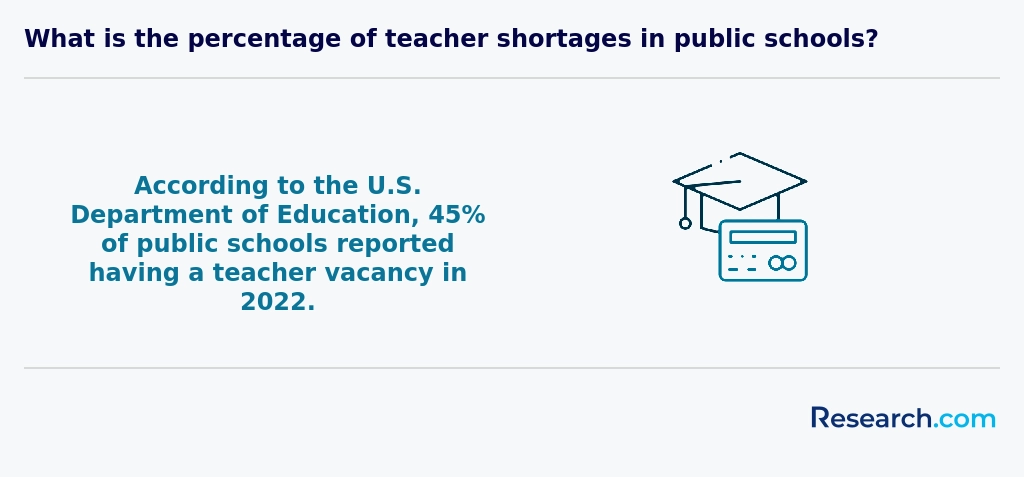
Before entering the classroom, education graduates must secure a teaching license from the territorial Board of Education. Requirements vary by territory but generally include:
- Completing an accredited teacher preparation program
- Passing required exams (e.g., Praxis Core or territory-specific assessments)
- Undergoing a background check and fingerprinting
- Submitting an official application with transcripts and fee
- Completing a mentored induction year or professional development for full certification
In Puerto Rico, candidates register with the Departamento de Educación; in Guam and other territories, the local certification office governs credentials. Those seeking flexible pathways can explore self paced online degree programs that align with licensure standards while accommodating work or family commitments.
Students pursuing education degrees in the USA Territories often rely on multiple financial aid sources to manage costs. For instance, at the University of Puerto Rico, graduates recall how Pell Grants provided up to $7,395 annually, significantly easing tuition burdens that average around $4,500 per year. These grants, awarded based on financial need, require completing the FAFSA, ensuring accessibility to federal funds across territories like Guam and the U.S. Virgin Islands.
Local scholarship programs, such as those offered by the Puerto Rico Department of Education, are vital for students committed to teaching within their home territory. Graduates appreciate that these scholarships often come with service commitments, strengthening community schools and addressing teacher shortages. Similarly, Guam's initiatives motivate candidates to pursue local education careers with financial backing tied to residency requirements.
Private and institutional scholarships add another layer of support at colleges like the College of the Marshall Islands, where merit-based awards reward academic achievement. Many students emphasize early application as crucial for securing this aid. Additionally, federal Direct Loans offer manageable repayment options, and loan forgiveness programs provide optimism for those teaching in underserved territory schools after graduation.
To enroll in education degree programs within the USA Territories, applicants must hold a high school diploma or an equivalent credential like a GED, a baseline requirement consistent across institutions such as the University of Puerto Rico and Guam Community College. Graduates commonly share how this foundational step set a confident tone for their journey in education studies.
Academic performance is another critical factor; prospective students are typically required to submit transcripts showing a GPA between 2.5 and 3.0 on a 4.0 scale. This range reflects readiness for college-level work, affirmed by many students entering education faculties who felt assured by meeting these clear benchmarks.
Standardized test scores such as the SAT or ACT may be requested, notably at the University of Puerto Rico system, although waivers are available based on strong academic records. Language proficiency in English is emphasized for teaching-focused degrees, demonstrated via tests or previous coursework, aligning with real-life classroom communication demands.
Additional application elements include letters of recommendation, personal statements, and background checks-requirements that many applicants recall as meaningful steps reinforcing their commitment to teaching in their communities.

Education degree programs in the USA Territories commonly include core courses designed to prepare students for effective teaching in culturally diverse and multilingual classrooms. Graduates from prominent institutions such as the University of Puerto Rico or the University of Guam often highlight courses like Educational Psychology, where they learn how children develop cognitively and socially, crucial for tailoring instruction.
Curriculum Development and Instructional Strategies courses offer practical skills in designing lesson plans and applying effective teaching methods across age groups. Classroom Management classes provide tools to foster a positive learning environment, a challenge frequently cited by student teachers during their supervised fieldwork experiences.
Assessment and Evaluation coursework trains students to measure academic progress accurately, while Multicultural Education reflects the territories' unique demographics, helping future educators embrace inclusion and diversity. Many programs also include localized content, such as bilingual education policies in Puerto Rico, enabling graduates to connect deeply with their communities and feel empowered in their teaching roles.
Education degree specializations in USA Territories commonly include Elementary Education, Secondary Education, Special Education, Bilingual and Multicultural Education, Early Childhood Education, and Administration and Leadership. Graduates from universities such as the University of Puerto Rico and Guam Community College often share how their training in bilingual and multicultural education directly supports their success in classrooms where multiple languages and cultural backgrounds are present daily. For instance, those studying Special Education learn specific strategies that prepare them to address diverse learning challenges seen in territorial schools, fostering a more inclusive environment.
Many education programs in these territories emphasize practical experience through fieldwork, giving students a real-world understanding of local educational needs. This hands-on approach is particularly valuable for those aiming to lead schools or districts, as seen in Administration and Leadership tracks. Students frequently mention feeling confident and prepared to serve their communities after completing such programs, reflecting a meaningful alignment with popular education degree programs USA Territories offer. Interested individuals can also explore easy phd programs that complement these specialization areas.
Choosing the best education degree in the USA Territories requires examining accreditation, cost, and program focus. Graduates from institutions like the University of Puerto Rico report satisfaction with programs accredited to meet U.S. education standards, ensuring eligibility for federal aid and smooth certification paths. Tuition at such universities averages around $3,500 annually for in-territory students, a significant saving compared to mainland rates, which reassures many about affordability. Prioritizing degrees with specialization in bilingual education or special education aligns well with the local demographics, enhancing job prospects in diverse classroom settings.
Graduates often emphasize the value of practical experience through local student teaching placements, vital for certification and employment readiness. Flexible formats, including online and hybrid options, accommodate working students and those in remote areas, facilitating degree completion. Prospective students are encouraged to consult reliable data sources and review graduation and employment outcomes to evaluate programs effectively. For those seeking economically sensible choices, exploring affordable online master degree programs further broadens accessible options for education degrees cost in USA Territories.

Graduates with an education degree in the USA Territories have several career paths available, reflecting the region's unique educational landscape. Common opportunities include becoming licensed K-12 teachers in public or private schools, particularly in Puerto Rico, Guam, and the U.S. Virgin Islands, where certifications follow U.S. standards. Many graduates from popular institutions in these areas find rewarding roles teaching high-demand subjects like math, science, or special education, directly addressing local needs and making tangible impacts in classrooms.
Beyond teaching, education degree career opportunities in USA Territories extend to roles such as school administrators and counselors. These positions require skills in managing diverse, multilingual school environments, often combining cultural knowledge with bilingual communication. Early childhood education also presents growing demand, with graduates working as preschool teachers or family support specialists, fostering essential child development programs supported by local educational bodies.
Career options further include educational policy, curriculum design, and education technology. Graduates from well-regarded regional colleges often collaborate with U.S. mainland universities to enhance these sectors. For students weighing affordability, many look to cheap online schools that accept fafsa, making advanced education more accessible while supporting a positive job outlook for education graduates in USA Territories.
The job market for education degree holders in the USA Territories reflects steady demand driven primarily by public school systems in regions such as Puerto Rico, Guam, and the U.S. Virgin Islands. Graduates from prominent institutions like the University of Puerto Rico or Guam Community College often find opportunities in P-12 education despite generally lower salary scales compared to mainland averages. Many graduates report rewarding roles in bilingual and special education, matching the diverse needs of local student populations. This career path offers a sense of community impact, particularly as schools rely on federal funding programs supporting educators in low-income areas. Understanding the education degree job outlook USA Territories requires recognizing this unique dynamic of stable job availability despite economic challenges.
Many education graduates highlight how affordable tuition-between $2,000 and $4,000 annually at territorial colleges-makes pursuing a teaching career accessible. For students weighing career choices, these factors underscore the appeal of regional institutions. Those interested in guidance on fitting educational roles into their personalities may find the best careers for introverts helpful when planning their professional journeys.
2027 Most Popular Education Degree Programs Ranking in the USA Territories
Investing in one's education is a significant decision that can profoundly impact one's career and personal growth. The Research.com team recognizes this and has taken extensive measures to ensure the quality, credibility, and accuracy of the "2027 Most Popular Education Degree Programs Ranking in the USA Territories." Our aim is to provide readers with reliable, data-driven insights to guide their educational choices confidently.
We utilized the following reputable data sources to develop this comprehensive ranking:
By consulting this ranking, prospective students will gain valuable, trustworthy insights into the most popular education degree programs across the USA territories, empowering them to make well-informed decisions about their academic futures. For a detailed understanding of how this ranking was created, please visit our Research.com methodology page.


# 7 position
Pontifical Catholic University of Puerto Rico-Ponce
Bachelor of Science in Education
# 8 position
Pontifical Catholic University of Puerto Rico-Ponce
Master of Education


Frequently Asked Questions About education
Students pursuing education degrees in the USA Territories can maximize their learning by engaging actively with both local and mainland resources. Many territories, including Puerto Rico and Guam, offer accredited programs recognized by the Council for the Accreditation of Educator Preparation (CAEP), ensuring quality education aligned with U.S. standards.
Participating in online courses from mainland institutions complements local studies, broadening perspectives with diverse teaching methods. Additionally, students should seek internships and teaching practicums within their communities to gain practical experience tailored to the cultural and educational context of the territories.
According to the National Center for Education Statistics, collaboration with certified mentors improves graduate teaching readiness by up to 30%. Leveraging such mentorships and networking opportunities helps build professional skills and increase employment prospects locally.
Emerging niches within the education field in the USA Territories reflect broader trends seen nationwide but also address unique local needs. One growing area is special education, which focuses on supporting students with disabilities. Census data show increased advocacy for inclusivity, boosting demand for educators trained in this specialty.
Another expanding niche is bilingual education, as many students in the territories speak both English and Spanish or indigenous languages. Educators with skills to manage diverse classrooms are highly sought after.
Additionally, technology integration in classrooms-particularly through online and hybrid learning-is gaining traction. Programs that prepare teachers to use digital tools effectively are becoming essential, especially post-pandemic.
These emerging fields respond to local demographic shifts and education priorities in the USA Territories.
Graduates with education degrees in the USA Territories face unique opportunities and challenges in the job market. To prepare effectively, students should focus on obtaining state or territorial teaching certification, which is often required for public school employment. For example, in Puerto Rico, the Department of Education mandates a valid certificate aligned with the educator's specialization.
Practical experience is crucial. Many programs include student teaching or internships, which build classroom skills and professional networks. Research from the National Center for Education Statistics shows that 68% of new teachers secure jobs within a year of graduation when they have relevant field experience.
Continuing professional development and understanding local educational needs enhance employability. Being aware of bilingual education demands in territories like Guam or the U.S. Virgin Islands can be advantageous when seeking positions.
Employers in the USA Territories prioritize several key skills when hiring graduates with education degrees. Strong communication abilities are essential, as teachers must effectively convey information to students and collaborate with parents and colleagues. Classroom management skills are also highly valued to maintain productive learning environments.
Critical thinking and problem-solving are important for adapting teaching methods to diverse student needs. Cultural competence is increasingly recognized due to the Territories' multicultural populations. According to the National Center for Education Statistics, proficiency in technology integration is another crucial skill, reflecting the growing use of digital tools in classrooms across the Territories.
Finally, employers look for graduates who demonstrate patience, adaptability, and a commitment to student success, ensuring positive educational outcomes in these unique regions.
Finding internships related to education degrees in the USA Territories involves leveraging local resources and educational institutions. Many universities in territories like Puerto Rico and Guam partner with nearby schools to offer practical teaching experiences. For example, the University of Puerto Rico often collaborates with public schools to provide student internships.
Students should check with their college's career services or education department to access internship listings specifically tailored for the education field. The U.S. Department of Education also supports initiatives in territories that promote hands-on learning opportunities.
Networking locally through school districts and education boards can increase awareness of openings. Online platforms focused on the territories may also post relevant internships, but local connections remain crucial for success.
Holding an education degree in the USA Territories significantly enhances career mobility and advancement opportunities. According to the U.S. Department of Education, educators with formal qualifications are more likely to secure stable teaching positions in public schools across territories like Puerto Rico and Guam. With the current push for improving educational standards, degree holders often benefit from priority in hiring and promotions.
Further, studies show that teachers with higher education degrees tend to earn salaries that are 10-20% higher than those without formal certifications in these regions. Advanced degrees can open doors to leadership roles such as school administration and curriculum development.
Territorial education systems recognized by the U.S. follow accreditation standards similar to those on the mainland, meaning degrees earned locally are valid and respected. This facilitates transferability and career growth within and beyond territories.
Studying for an education degree in the USA Territories often emphasizes interdisciplinary skills crucial for diverse educational environments. Programs integrate knowledge from psychology, sociology, and communication, equipping students to address varied learner needs in multicultural settings common in territories like Puerto Rico and Guam.
Higher education institutions in these regions frequently collaborate with local schools and community organizations, providing practical experience that strengthens interdisciplinary competencies. According to the National Center for Education Statistics, in 2022, over 60% of education graduates in the territories reported gaining skills applicable across different educational roles.
This holistic training readies graduates for roles beyond traditional teaching, including curriculum design, counseling, and educational leadership.
Choosing between a thesis and a non-thesis education degree program in the USA Territories depends on your career goals and learning preferences. Thesis programs require conducting original research and writing a detailed study, which suits students interested in academic or research careers. Non-thesis programs focus more on coursework, practical skills, and professional application, ideal for those aiming to enter or advance in teaching or administrative roles.
In regions like Puerto Rico and Guam, many institutions offer both options, with thesis paths often extending study time by one semester. According to the National Center for Education Statistics, about 40% of graduate education students in these territories prefer non-thesis programs due to their practicality.
Consider your long-term plans and consult with program advisors to ensure the choice aligns with your academic ambitions and job market demands.
Students in the USA Territories interested in education degrees have several options for studying abroad within the US higher education system. Many universities located in the Continental US and Hawaii welcome applicants from Territories such as Puerto Rico, Guam, the US Virgin Islands, and American Samoa. These students can pursue bachelor's, master's, or doctoral degrees in education through on-campus or online programs.
Federal financial aid is generally available to eligible Territory residents enrolling in accredited US institutions. According to the National Center for Education Statistics, Puerto Rico had over 160,000 enrolled in postsecondary education in 2021, indicating significant participation in higher education outside the island as well.
Students should also consider Exchange Visitor (J-1) programs and consortium agreements between Territory colleges and mainland universities, which facilitate credit transfers and joint research opportunities in education.
Part-time job opportunities in the USA Territories that complement education degree studies often include teacher's aide positions, tutoring, and childcare roles. These roles provide practical experience directly related to the skills learned in education programs. For example, in Puerto Rico, teaching assistant jobs enable students to assist certified teachers in public schools, helping develop classroom management and instructional skills.
Additionally, tutoring services for K-12 students, particularly in math and reading, are in demand across Guam and the U.S. Virgin Islands. According to the National Center for Education Statistics, these territories have growing needs for educational support services, making part-time tutoring a beneficial experience.
Childcare positions, such as working in early childhood education centers, also offer hands-on learning that aligns with education degree objectives. These roles help students build communication and developmental assessment skills.
Education students in the USA Territories have access to several valuable networking opportunities that support their academic and professional growth. Institutions such as the University of Guam and the University of the Virgin Islands regularly host conferences and workshops, connecting students with educators and administrators from the region.
Additionally, students can join local chapters of national organizations like the National Education Association, which provides valuable platforms for collaboration and mentorship.
Internship programs with local schools and education departments offer real-world experience and networking with practicing teachers. According to the U.S. Department of Education, these connections often lead to job placements within the territory's schools.
Virtual events and webinars have also increased, expanding networking beyond geographic limits, especially important for students in remote islands.
Alumni networks play a crucial role for education degree students in the USA Territories by providing valuable professional connections. These networks link current students with graduates working in local schools and education departments, which helps in finding internship and job opportunities.
In regions like Puerto Rico and Guam, where the education workforce is closely-knit, alumni support can enhance career progression and mentorship. According to the U.S. Department of Education, strong alumni networks contribute to higher employment rates post-graduation.
Additionally, alumni often share resources about continuing education, certifications, and local teaching requirements, making transitions smoother for new educators.
Customizing an education degree program in the USA Territories allows students to align their studies with specific career goals. Many institutions offer flexible course selections, enabling students to focus on areas such as early childhood education, special education, or educational leadership. Elective courses and internships tailored to regional needs provide practical experience relevant to local schools. According to the National Center for Education Statistics, collaboration with local education agencies is common in these territories, enhancing real-world training opportunities.
Students can also pursue certification pathways that meet territorial licensing requirements, ensuring eligibility to teach or lead in local schools. Online and hybrid program options further support customization by accommodating diverse schedules and professional commitments.
Education students in the USA Territories face several notable challenges during their studies. Limited access to diverse program offerings is one significant issue, as many institutions in territories like Puerto Rico, Guam, and the U.S. Virgin Islands have fewer education degree options compared to mainland universities. This can restrict specialization opportunities for students.
Additionally, resource constraints impact the quality of training. According to the National Center for Education Statistics, territories receive less federal funding per student, which affects facilities and materials.
Geographic isolation also hinders networking and professional development, reducing exposure to broader educational trends and partnerships.
With an education degree in the USA Territories, you can pursue various professional certifications that enhance your teaching credentials and career prospects. The most common certification is state or territory teacher licensure, required to legally teach in public schools. For example, Puerto Rico follows licensure standards similar to U.S. states, requiring candidates to pass content and pedagogy exams.
Additionally, educators may seek certifications in specialized areas such as special education, English as a Second Language (ESL), or school counseling. These certifications often require additional coursework and passing related assessments.
National certifications, like the National Board Certification, are also available and respected within the territories.
Writing a winning application for an education program in the USA Territories requires clear organization and attention to local academic standards. Start by thoroughly researching programs accredited by recognized bodies like the Council for Higher Education Accreditation (CHEA), which ensures quality education across territories such as Guam, Puerto Rico, and the U.S. Virgin Islands.
Highlight your academic achievements with official transcripts and relevant test scores. Many programs value experience working in local schools or communities, so include detailed descriptions of your professional background.
Strong personal statements explaining your commitment to education in the territory often strengthen applications. Follow each program's specific instructions carefully to avoid errors.
The global perspective on a career in education often highlights teaching as a respected, stable profession with opportunities to impact communities worldwide. For students in the USA Territories, education degrees are important pathways to addressing local and global challenges in learning and development.
According to the U.S. Department of Education, educators in the Territories experience unique demands, blending cultural knowledge with professional skills. Careers in education can range from classroom teaching to administrative and specialist roles.
While salaries may vary, many education professionals in the Territories find meaningful work serving diverse populations. The growing emphasis on digital literacy and bilingual education also opens doors internationally, as the skills gained are applicable beyond territorial borders.
Gaining practical experience while studying for an education degree in the USA Territories is essential for success in the teaching profession. Many degree programs incorporate student-teaching internships or practicum placements, providing hands-on classroom experience under the supervision of licensed teachers. For example, the University of Guam and the University of the Virgin Islands both require this practical training as part of their degree requirements.
Students can also volunteer at local schools or community education programs, which helps build relevant skills and professional networks. According to the U.S. Department of Education, such experiences improve job readiness and increase employment opportunities within territorial public school systems.
Additionally, attending workshops and professional development events offered by territorial education departments can deepen practical knowledge and introduce current teaching methods.
Choosing the right concentration within an education degree program in the USA Territories involves understanding local educational needs and career goals. Concentrations often include early childhood, special education, or secondary education, each addressing different student populations. According to the U.S. Department of Education, territories like Puerto Rico and Guam emphasize bilingual and culturally responsive teaching due to diverse communities.
Students should consider job market trends; for example, special education teachers remain in high demand across all territories. Accreditation of programs by the Council for the Accreditation of Educator Preparation (CAEP) also ensures quality education aligned with U.S. standards. Research local employment data and speak with advisors to align concentration choices with long-term professional objectives.
See What Experts Have To Say About Studying Education
Read our interview with Education experts

Alan J. Singer
Education Expert
Professor of Teaching, Learning and Technology
Hofstra University

Nooshan Ashtari
Education Expert
Professor & Book Author
University of Southern California

- Home https://www.teachercertificationdegrees.com/
- How to Pick Your Concentration for Your M.Ed. Degree | ACE Blog https://ace.edu/blog/how-to-pick-your-med-concentration/
- Latest Trends in the Field of Education - ICERT https://icert.org.in/latest-trends-in-the-field-of-education/
- 5 Tips on Choosing the Right Course or Study Program - Edunation https://www.edunation.co/5-tips-on-choosing-the-right-course-or-study-program/
- Financial Aid - VIBOE https://myviboe.com/financial-aid/
- What else can I do with an education or teaching degree? https://targetjobs.co.uk/careers-advice/career-ideas/what-else-can-i-do-education-or-teaching-degree
- Top 10 Effective Networking Tips for Students https://www.unfc.ca/blog/networking-tips-for-students
- Real-World Experiences in Education: Boosting Student Skills and Employability - FSUK International College https://fsukinternationalcollege.com/2024/07/bridgingreal-world-experiences-in-education/
- Teacher of Global Perspectives (IGCSE) https://www.scie.com.cn/jobs-global-perspectives/
- Finding Networking Opportunities as a Student | National Society of High School Scholars https://www.nshss.org/resources/blog/blog-posts/how-to-find-networking-opportunities-as-a-student/