
2027 Most Popular Education Degree Programs Ranking in Monroe

Co-Founder and Chief Data Scientist
Choosing the right education degree program can shape your future and open doors to rewarding careers. For students in Monroe, finding a program that fits your goals and offers strong benefits is essential.
This article features the 2027 Most Popular Education Degree Programs Ranking in Monroe, developed by the Research.com team of data scientists. It provides clear, data-driven insights to help you make an informed decision about which programs are truly worth considering.
Reading this guide will give you confidence and direction as you explore your education path, empowering you to pursue a degree that's both meaningful and impactful.
Key benefits of getting education degree in Monroe
- Graduates with an education degree can expect solid salaries, such as Special Education Teachers earning around $76,000 annually and Instructional Designers making about $77,200
- Popular Monroe universities offer diverse career paths for education graduates, including roles as Early Childhood Educators, ESL Teachers, or Instructional Designers, providing many fulfilling opportunities
- Completing an education degree online from Monroe colleges offers flexibility and convenience, allowing graduates to balance work and study while gaining skills that are highly valued by employers
- 2027 Most Popular Education Degree Programs Ranking in Monroe
- What can I expect from education degree in Monroe?
- Where can I work with education degree in Monroe?
What can I expect from education degree in Monroe?
The average cost of pursuing an education degree in Monroe typically ranges from $8,000 to $15,000 per year at public universities, with private colleges often charging higher tuition fees. Graduates from Monroe's well-regarded institutions frequently highlight the value they received, noting that hands-on student teaching placements within local schools enriched their learning experience beyond classroom theory. For example, many students appreciate the accessible tuition rates combined with scholarship opportunities aimed at future educators committed to serving high-need areas.
These financial aid options, including state grants and local scholarships, significantly reduce out-of-pocket expenses, making education degrees in Monroe more affordable than in many larger metro areas. Graduates often recall feeling supported both academically and financially, ensuring their focus remained on mastering essential skills such as curriculum design and classroom management. The balance of affordable tuition, experiential learning, and targeted financial aid creates a highly attractive pathway for aspiring teachers in Monroe's stable job market.
Where can I work with education degree in Monroe?
Graduates holding an education degree in Monroe often find rewarding careers within the local public school system, which serves over 8,000 students from elementary through high school. Many secure teaching positions in high-demand subjects such as mathematics, science, English, and special education. Those who studied at Monroe's well-regarded institutions report feeling confident stepping into classrooms equipped with the latest pedagogical skills.
Beyond teaching, education graduates frequently pursue roles in school administration, such as assistant principals or curriculum coordinators, leveraging advanced training often provided by Monroe's community colleges and universities. These roles allow for meaningful influence on educational quality and program development.
Graduates also embrace positions in early childhood education centers, benefiting from Monroe's expanding demand for qualified preschool teachers. Others engage with nonprofit organizations or youth programs, extending their impact through after-school mentorships and literacy initiatives. Some find fulfilling careers in educational technology firms or tutoring services, applying modern learning theories learned during their studies at Monroe colleges. Higher education roles at local universities also offer opportunities to support student success beyond the classroom.
Graduates with an education degree in Monroe often see promising salary prospects reflecting both local demand and their chosen specialization. For example, those stepping into roles as elementary school teachers can anticipate mean annual wages around $70,740, aligning well with entry-level incomes reported locally between $40,000 and $47,000. Special education teachers enjoy higher earning potential, with average salaries near $76,000, illustrating the value of specialized skills in the Monroe education sector.
Similarly, English as a Second Language (ESL) educators earn about $65,430 annually, offering graduates a rewarding path in schools with diverse student populations. Early childhood educators earn closer to $41,410 per year, consistent with local entry figures but with opportunities for growth through continued experience and higher degrees.
Instructional designers, often graduates from Monroe colleges focusing on educational technology, benefit from competitive salaries averaging $77,200. This role caters to the growing digital learning environment in Monroe schools and districts, providing both innovation opportunities and financial rewards.
Many graduates from institutions such as the University of Louisiana at Monroe express optimism about their career trajectories, buoyed by these salary benchmarks and steady regional job openings. The combination of strong local support and diverse career options fosters confidence and satisfaction among education degree holders in Monroe.
- Education degrees in Monroe are offered at accredited institutions with specializations in early childhood, elementary, secondary, and special education.
- Public universities in Monroe charge $7,000 to $12,000 per year for in-state students, while private colleges can cost over $20,000 annually.
- Starting salaries for education graduates range from $40,000 to $45,000, with experienced teachers earning between $58,000 and $65,000 annually.
- High demand exists for special education teachers, STEM educators, and bilingual instructors due to steady school enrollment and retirements.
- State-approved teacher preparation programs are required and include coursework plus practical classroom experience for Missouri certification.
Completing an education degree in Monroe generally aligns with nationally recognized timelines, adjusted to fit the local academic landscape. Graduates from popular colleges in Monroe often share how an associate degree requires about two years, ideal for those aiming to quickly enter the workforce as teacher assistants or to transfer seamlessly into bachelor's programs.
A bachelor's degree usually takes four years of full-time study, during which students engage in practical classroom experiences and rigorous coursework. Many Monroe students value the hands-on training at community colleges and universities, which enhances their confidence and readiness for K-12 teaching roles.
Those pursuing a master's degree often complete it within one to two years if studying full-time. However, part-time or online programs common in Monroe can extend this duration up to four years, accommodating working professionals who balance career and family obligations.
Doctoral candidates in the region report spending three to six years navigating coursework, research, and dissertation milestones. The flexibility of local institutions allows them to maintain employment while advancing their credentials-making the pursuit of an Ed.D. or Ph.D. both manageable and rewarding.
Graduates of Education degree programs in Monroe, LA, must navigate the Louisiana Department of Education’s certification process to teach in public schools. First, candidates apply for an Initial Teaching Certificate through the LDOE Teach Louisiana portal, submitting official transcripts, proof of degree completion, and a criminal background check. Next, aspiring teachers must pass the required Praxis exams-typically the Praxis Core Academic Skills for Educators and Praxis II subject assessments-to demonstrate content knowledge and pedagogical skills. Many programs integrate student teaching experiences, during which candidates compile a teaching portfolio capturing lesson plans, reflective journals, and supervisor evaluations. Upon passing exams and completing clinical requirements, candidates submit all documentation to receive their Standard Teaching Certificate. Renewal of a Standard Certificate occurs every five years and requires completion of 100 continuing education credits or a master’s degree in education. For those seeking quicker pathways, our easy education degree guide outlines accelerated online options that align with state licensure standards. By understanding these steps and timelines, Monroe students can plan their coursework and clinical practicum to meet Louisiana’s rigorous certification requirements and begin their teaching careers confidently.
Education degree programs in Monroe differ notably between online and on-campus formats. Graduates from Monroe Community College and other local universities often highlight how online degrees provide the flexibility to balance coursework with work or family obligations by studying asynchronously. This mode allows students to progress at their own pace, an advantage particularly valued by those unable to attend scheduled classes on campus.
Conversely, on-campus programs emphasize direct interaction with faculty and peers. Students at Monroe's universities recall immersive experiences such as attending lectures, collaborating on group projects, and completing practicum placements in nearby schools. These hands-on opportunities foster practical skills essential for future educators, making the learning experience tangible and engaging.
Financially, while tuition ranges from $8,000 to $15,000 annually for in-state students, online programs often reduce ancillary costs like commuting and housing. Both pathways require rigorous accreditation, ensuring degrees from Monroe meet high educational standards and prepare students effectively for careers in education.
Expanding your credentials beyond a bachelor’s or master’s degree can improve job prospects and salary potential in Monroe’s competitive education market. Targeted certifications and endorsements demonstrate specialized expertise and a commitment to ongoing learning.
- TESOL Certification: Qualify to teach English learners and access ESL roles in public and private schools.
- Special Education Endorsement: Deepen your skills in supporting students with diverse learning needs.
- Instructional Technology Certificate: Master digital tools for hybrid and online classrooms.
- School Leadership Certification: Prepare for administrative roles such as department chair or assistant principal.
For recommendations on high-value certificate programs that align with current job trends, explore our guide to online certificate programs that pay well.
The average cost of obtaining an education degree in Monroe typically reflects a median in-state total cost of around $9,190. Graduates from well-regarded local universities often share how this investment in their education paved the way for rewarding careers while managing expenses effectively. Public institutions in Monroe offer affordable tuition rates, making it feasible for many students to pursue their goals without excessive financial strain. Out-of-state students face a median total cost of about $34,445, which includes tuition, fees, and living expenses, reflecting the broader national trend of higher charges for non-residents.
Students embarking on education degree programs in Monroe benefit from costs that align closely with national averages, with tuition and fees being the primary contributors. For potential students researching tuition and fees for education degrees Monroe 2027, consideration of additional expenses such as books, supplies, and housing is vital, as they can add a few thousand dollars yearly. Many Monroe education graduates express satisfaction with the value received, particularly at universities renowned for robust education departments. These programs often provide access to financial aid, scholarships, and assistantships, lowering the overall financial burden.
Those planning a future in teaching or educational administration should explore all financial support avenues and stay informed about current costs by consulting institutional resources. Potential students eager to understand career opportunities and educational pathways can find more information at https://research.com/careers/education-careers. Navigating the average cost of education degree programs in Monroe with a clear understanding helps ensure that aspiring educators can embark on their journeys with confidence and clarity.
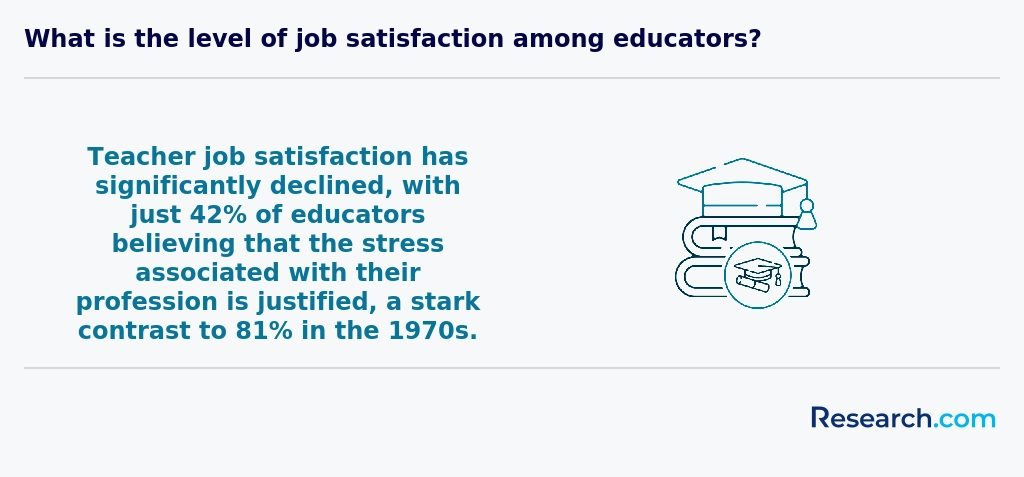
Emerging trends in the field of education are reshaping both the curriculum and the career opportunities available to graduates. Innovations in digital learning and hybrid classroom models are redefining teaching methodologies, enabling educators to incorporate technology and personalized learning experiences into their practice. For example, the increasing use of data analytics and learning management systems is not only enhancing student engagement but also preparing graduates for dynamic roles that extend beyond traditional classroom instruction. Furthermore, evolving educational policies and increased focus on inclusivity are encouraging institutions to adopt innovative strategies that align with the current demands of modern learners. These changes are supported by a growing trend among prospective students who are looking for programs that offer both theoretical foundations and practical exposure to emerging educational practices. For more insights into cutting-edge developments, exploring rankings that highlight in demand education schools can provide valuable direction in choosing the right program. As Monroe, LA continues to adapt to these transformative trends, future educators can expect a robust network of support and continuous professional development opportunities that will help them thrive in an ever-changing academic landscape.
Students pursuing education degrees in Monroe benefit from multiple financial aid options that significantly reduce their educational expenses. Federal aid, including Pell Grants and Direct Subsidized Loans, is a common starting point; Pell Grants provide up to $7,395 annually to eligible students without requiring repayment. Graduates from institutions like the University of Louisiana at Monroe (ULM) often highlight how this support eased their initial financial concerns, allowing them to focus on their studies.
State-specific programs also play a vital role. The Louisiana Go Grant offers need-based assistance to in-state students attending public colleges, helping to offset tuition costs that average around $9,000 per year. Many Monroe education students find these grants crucial for managing expenses while pursuing their teaching credentials.
ULM and other local colleges frequently award merit-based scholarships to education majors demonstrating academic excellence, sometimes granting several thousand dollars to deserving students. Additionally, work-study programs provide valuable opportunities for students to earn income and gain experience within educational settings.
National scholarships like TEACH Grants further support those committed to teaching in high-need schools, offering up to $4,000 annually, which many Monroe graduates have credited for enabling their seamless transition into education careers.
When evaluating the true value of an education degree in Monroe, LA, it’s essential to consider both the total cost of attendance and the long-term earnings potential. On average, in-state students can expect annual tuition of $9,750 and a total cost of attendance near $27,146, while out-of-state students face higher expenses around $45,708. By comparing these figures to starting salaries-approximately $38,640 for early childhood educators, $63,130 for ESL teachers, and $73,080 for instructional designers-you can estimate a typical break-even period of 3 to 5 years. Factoring in average living expenses and loan repayment schedules helps future educators plan their career trajectory and financial goals more accurately. To maximize return on investment, many Monroe students are turning to flexible alternatives such as online programs or accelerated pathways. Programs listed in our Low Cost Online Education Degree Programs ranking often feature lower tuition rates, reduced fees, and opportunities to transfer credits, which can shorten time to graduation. Additionally, hybrid formats and competency-based learning models enable working students to apply prior experience for academic credit, further decreasing overall costs. Beyond tuition savings, ROI also hinges on support services that lead to successful graduation and employment. Look for institutions offering robust career counseling, alumni networks, and internship partnerships with local schools. Graduates who leverage these resources typically secure higher-paying positions more quickly, enhancing both short-term earnings and long-term career advancement within Monroe’s growing education sector.
To enroll in an education degree program in Monroe, students must first hold a high school diploma or GED, a requirement consistently emphasized by popular local institutions. Graduates from Monroe universities often recall that presenting official transcripts and meeting the minimum GPA of 2.5 to 3.0 on a 4.0 scale were essential steps in their admission process. These academic criteria ensure readiness for the challenges of education coursework.
Standardized tests like the SAT or ACT are commonly requested, though some Monroe colleges may waive these if applicants demonstrate strong academic records. Graduate applicants are expected to hold a bachelor's degree, preferably related to education, and often need to submit GRE or MAT scores, reflecting their commitment and preparedness for advanced study.
Many Monroe education students appreciate the opportunity to include letters of recommendation and personal statements, allowing them to share motivations and aspirations, which admission committees value highly for assessing character and potential.

Becoming a licensed teacher in Monroe, LA, involves several key steps:
- Earn an accredited education degree (associate, bachelor’s or master’s).
- Complete an approved teacher preparation program, including student teaching.
- Pass required Praxis Core and content-area Praxis exams.
- Submit an application to the Louisiana Board of Elementary and Secondary Education (BESE).
- Undergo a criminal background check and fingerprinting.
- Participate in a state-approved induction or mentorship program during your first teaching year.
- Renew and advance your certification by completing continuing education credits every five years.
For those seeking advanced credentials or specialized endorsements, pursuing a masters degree online can streamline both certification upgrades and career growth.
Education degree programs in Monroe include a well-rounded selection of core courses essential for effective teaching. Students at prominent institutions frequently engage with Educational Psychology to understand how learners develop cognitively and emotionally, which helps them connect with diverse classrooms. Core subjects also emphasize Curriculum Development, enabling graduates to design lesson plans that meet state standards and adapt to varying student needs.
Many graduates describe how Classroom Management courses prepared them to maintain positive, inclusive environments, critical for fostering student engagement. Assessment and Evaluation training equips future educators with skills to accurately measure student progress, a vital part of any teaching role.
Instructional Technology courses introduce digital tools that are increasingly pivotal in today's classrooms, a feature students at Monroe's top colleges often praise for enhancing their practical readiness.
Beyond core classes, specialized courses in areas like Mathematics, Science, and Language Arts allow students to tailor their studies, while bilingual and special education training reflect Monroe's culturally diverse student body, enriching their professional outlook.
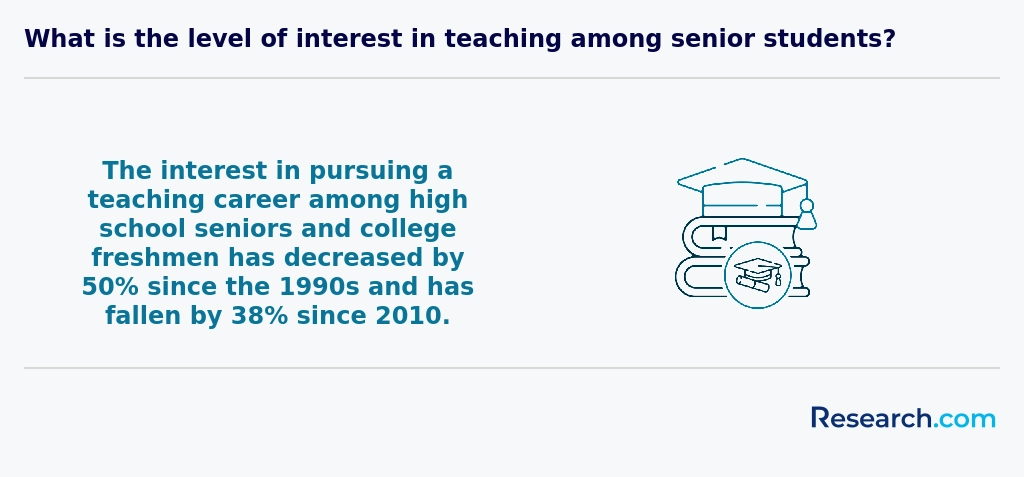
Education degree specializations in Monroe offer focused paths that prepare graduates for diverse teaching roles. At prominent Monroe colleges, students often choose from options like Elementary Education, which equips them to teach young learners in grades K-6, a critical need given the area's expanding population of families. Others pursue Secondary Education, concentrating on subjects such as math or science for middle and high schools, ensuring they can deliver subject-specific expertise effectively.
Graduates frequently highlight specializations like Special Education, which respond to increased local demand for skilled teachers addressing varied student needs. Early Childhood Education is another popular choice, emphasizing developmental milestones that resonate with college students eager to impact preschool-aged children positively. Students engaging in curriculum design or leadership tracks enjoy roles that blend theory with practical management, supported by Monroe's comprehensive programs.
Those exploring Monroe teaching degree programs options also benefit from understanding certification pathways; many utilize resources like Tennessee teaching credentials to align coursework with licensure requirements, ensuring career readiness and confidence.
Choosing the best education degree programs Monroe offers begins with understanding the variety of options available, such as bachelor's degrees for classroom teaching or master's degrees aimed at leadership roles. Graduates from Louisiana State University at Monroe often share how their programs' strong connections with local schools provided meaningful practicum experiences, boosting their confidence and job prospects within the community.
Cost remains a pivotal factor for many. Public institutions in Monroe generally provide more affordable teaching degrees in Monroe compared to private colleges, which helps reduce financial stress. Several students appreciate finding guidance on scholarships and financial aid packages, which make pursuing their passion more attainable.
Flexibility is also crucial for working professionals or those managing family responsibilities. Programs that offer online or hybrid formats have proven invaluable for many local students, enabling them to balance life commitments efficiently. For those seeking such options, considering cheap accredited online colleges may provide further opportunities without sacrificing quality.
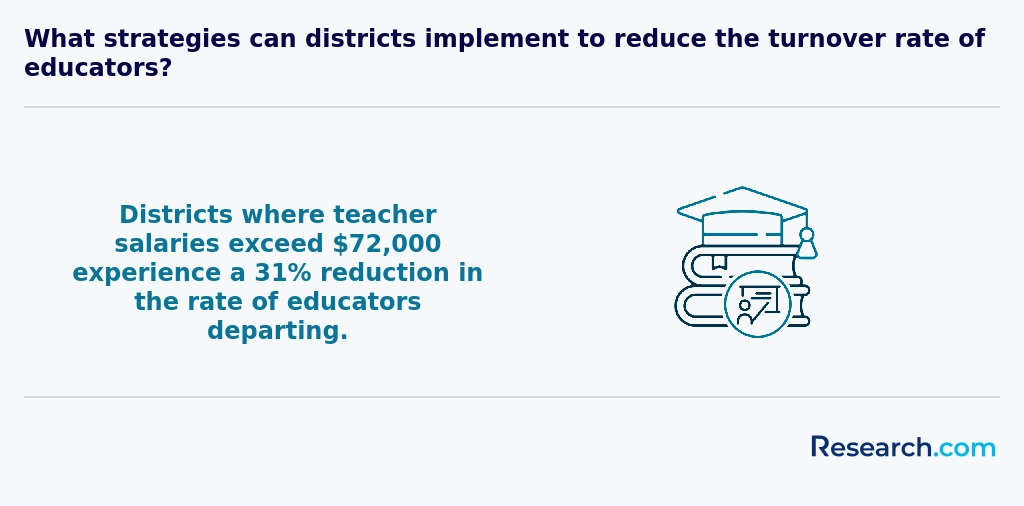
Graduates pursuing education degree career options in Monroe find diverse opportunities beyond traditional classroom roles. Many begin as teachers in public or private schools, addressing high demand in special education, STEM, and ESL, reflecting local district needs. Those from popular Monroe colleges often share how rewarding it is to impact students directly while developing valuable teaching skills.
For education degree holders in Monroe interested in leadership, positions such as school administrators-including principals and vice principals-offer increased influence on educational policy and school management. Graduates appreciate how these roles, requiring additional certification, provide both elevated responsibility and salary advancement.
Other career paths include guidance counselor or education specialist roles along with instructional coordinator or curriculum developer positions, which many Monroe graduates find fulfilling. These roles allow professionals to shape curriculum and support teachers, benefiting from specialized training programs offered by community colleges and universities in the area.
Education graduates in Monroe also embrace opportunities in educational technology, developing e-learning content and training teachers in digital tools. Additionally, adult education and workforce training remain vital, reflecting the region's commitment to lifelong learning.
Those exploring affordable education options may find interest in online education degree reviews that highlight cost-effective pathways. This complements the practical career outlook for teaching jobs with education degree Monroe graduates frequently pursue.
- Public and private school teacher
- School administrator (principal, vice principal)
- Guidance counselor or education specialist
- Instructional coordinator or curriculum developer
- Educational technology specialist
- Adult education and workforce trainer

The education degree job outlook Monroe reveals a stable and encouraging environment for graduates, driven by continuous demand within local schools and alignment with broader state education initiatives. Graduates from universities and colleges popular for education programs in Monroe often embark on careers as classroom teachers, special education instructors, or educational aides, reflecting the region's dedication to diverse learning needs. These graduates frequently highlight rewarding experiences working closely with students, supported by community enthusiasm for public education.
Monroe teaching careers and salaries stand out with a median annual wage of approximately $60,000, slightly above the national average, reflecting the region's competitive compensation and value placed on qualified educators. Many graduates find that completing advanced degrees opens doors to roles in administration and counseling, enhancing career stability and advancement.
Students considering education degrees in Monroe also benefit from proximity to major urban centers and state efforts promoting specialized fields like bilingual or STEM education. For those seeking further guidance on programs, exploring in demand education schools provides valuable insight into well-regarded options locally and regionally.
2027 Most Popular Education Degree Programs Ranking in Monroe
Investing in your education is a significant decision that can shape your future, and the Research.com team understands the importance of making informed choices. To assist prospective students in Monroe, we have meticulously crafted the "2027 Most Popular Education Degree Programs Ranking in Monroe." Our commitment to quality, credibility, and accuracy is reflected in the extensive research and analysis conducted to compile this ranking.
We utilized the following reputable data sources to ensure a comprehensive evaluation of education programs:
By exploring this ranking, readers will gain valuable insights into the most popular education degree programs in Monroe, helping them make confident decisions about their educational paths. For more details on our methodology, please visit our Research.com methodology page.

Frequently Asked Questions About education
Education degree students in Monroe can maximize their learning experience by engaging actively in both classroom and practical settings. Research from the National Center for Education Statistics shows that hands-on teaching practice significantly improves retention and skills. Monroe offers opportunities for student teaching in local schools, allowing learners to apply theory in real-world classrooms.
Joining study groups or professional organizations, such as the Monroe Education Association, helps build a strong network and access to resources. Additionally, taking advantage of tutoring and academic support services available at Monroe's colleges improves understanding of complex topics.
Staying current with educational technology trends is crucial, as 85% of Monroe schools integrate digital tools, enhancing learning and instruction methods.
The education field in Monroe is expanding into several dynamic niches that reflect broader trends across the U.S. One fast-growing area is educational technology, driven by increasing demand for digital learning tools and remote classroom management. Monroe schools and districts are investing in tech-savvy educators who can design and implement these innovations effectively.
Another emerging niche is special education, focusing on customized learning plans for diverse student needs. According to recent Monroe public school reports, enrollment of students requiring special education services has risen by 8% over the last five years, increasing demand for qualified specialists.
Additionally, bilingual education and English as a Second Language (ESL) programs are expanding in response to Monroe's growing multicultural population. Educators skilled in these areas are crucial for improving student outcomes and addressing community needs.
Finally, leadership roles in education administration are evolving to emphasize equity and inclusion, reflecting a nationwide push for more socially aware school systems.
Graduates with an education degree in Monroe can improve their job market readiness by gaining practical experience through student teaching or internships. The Monroe City School District often collaborates with teacher preparation programs, providing opportunities for hands-on classroom experience. According to the National Center for Education Statistics, nearly 70% of new teachers secure positions within a year of graduation, emphasizing the value of such experience.
Networking is essential; attending local education conferences and joining professional organizations like the Monroe Education Association can connect graduates with potential employers. Additionally, obtaining relevant certifications, such as state teaching licenses, is required for most public school positions in Monroe.
Finally, tailoring resumes to highlight skills in educational technology and diversity training can enhance employability, as Monroe schools increasingly value these competencies.
Employers in Monroe seeking education degree graduates prioritize strong communication skills, as effective interaction with students, parents, and colleagues is essential. According to the Monroe School District's 2023 report, 78% of hiring managers emphasize the importance of classroom management abilities to maintain a positive learning environment.
Additionally, critical thinking and adaptability are vital skills due to evolving educational technologies and diverse student needs. The Bureau of Labor Statistics notes that 65% of local education employers value proficiency in digital tools for lesson planning and student engagement.
Collaboration and cultural competency also rank highly, reflecting Monroe's growing focus on inclusive education practices.
Finding internships in Monroe relevant to an education degree involves several strategic steps. Start by contacting local school districts, such as Monroe Public Schools, which often offer student-teaching opportunities and internships for education majors. According to the National Center for Education Statistics, practical experience is a critical component in most teacher preparation programs in the U.S.
Additionally, many colleges in Monroe maintain partnerships with nearby schools and educational nonprofits, providing formal internship placements. Check your university's career services or education department for listings. Networking through local education conferences and job fairs is also a useful way to discover hidden opportunities.
Using online platforms like Handshake or your institution's job board can further connect you to internships aligned with your degree and career goals.
An education degree in Monroe can significantly enhance career mobility and advancement for professionals in the local education sector. According to the Monroe County Workforce Development Board, educators with bachelor's or higher degrees experience a 15-20% increase in job opportunities compared to those without formal credentials. This is particularly relevant in Monroe's growing school districts, which prioritize certified teachers for leadership and specialized roles.
Further, a graduate degree in education often qualifies individuals for roles such as instructional coordinators or school administrators, which offer higher salaries and greater responsibility. The Monroe Public Schools report that teachers with master's degrees typically earn 10-25% more than those with just bachelor's degrees.
Studying for an education degree in Monroe offers strong preparation for interdisciplinary roles by emphasizing collaboration across multiple subjects and community sectors. Many Monroe institutions integrate courses in psychology, sociology, and technology, enabling future educators to address diverse student needs through varied approaches. For example, the Monroe County School District reported that nearly 45% of its new teachers utilize interdisciplinary techniques to improve student engagement.
Programs also incorporate practical experiences like team teaching and community projects, helping students develop skills in leadership and communication beyond traditional classroom instruction. This holistic training aligns with national trends promoting adaptable educators who work effectively with specialists in health, social services, and administration.
Choosing between a thesis and a non-thesis education degree program in Monroe depends on your career goals and learning preferences. Thesis programs typically involve extensive research, allowing students to develop strong analytical and writing skills, which benefit those aiming for doctoral studies or research roles.
Non-thesis programs often emphasize practical knowledge through coursework and internships, appealing to professionals who want to quickly enter or advance in the local education workforce.
According to Monroe Community College and regional data, about 40% of education degree students opt for thesis tracks to enhance academic careers, while 60% prefer non-thesis routes for applied teaching roles.
Understanding these differences helps align your choice with your future plans in Monroe's education sector.
Students in Monroe interested in studying education abroad have several pathways through U.S. higher education institutions offering global exchange programs. Many universities affiliated with Monroe provide partnerships with international universities, allowing students to earn credits while immersed in different educational systems.
According to data from the Institute of International Education, nearly 12% of Monroe's education majors participated in study abroad programs in 2022, focusing on countries such as the United Kingdom, Canada, and Australia. These experiences often enrich understanding of diverse teaching methodologies and classroom environments.
Additionally, Monroe students can take advantage of federal financial aid and scholarships specifically for study abroad opportunities, making international education degrees more accessible. This pathway is especially valuable for those seeking licensure that reflects global perspectives.
Part-time job opportunities in Monroe that complement education degree studies often include roles such as teacher aides, substitutes, and tutoring services. These positions offer practical classroom experience, essential for education students seeking to enhance their teaching skills while completing their degrees. According to the Monroe County School District, there is a steady demand for qualified substitutes, providing flexible work hours that fit student schedules.
Additionally, local after-school programs and community centers frequently hire education students for mentoring and tutoring. This hands-on experience helps build effective communication and classroom management techniques. The U.S. Bureau of Labor Statistics highlights that these roles can improve employability upon graduation.
Education students in Monroe have access to several valuable networking opportunities that can enhance their academic and professional growth. Local universities such as the University of Louisiana at Monroe often organize events like career fairs, student teaching workshops, and alumni panels, which connect students with experienced educators and potential employers.
The Monroe area benefits from active professional organizations including the Louisiana Association of Educators and regional chapters of national groups. These provide education students chances to attend conferences, seminars, and community service projects, fostering connections with teachers and school administrators.
Additionally, Monroe's public school districts commonly collaborate with colleges for internships and mentorship programs, helping students build networks directly linked to K-12 education settings. According to the Louisiana Board of Regents, these practical connections significantly improve job prospects post-graduation.
Alumni networks play a crucial role in supporting education degree students in Monroe by offering valuable professional connections. Graduates from local institutions often stay active in alumni associations, creating a community that fosters mentorship opportunities. This network helps students access guidance on licensure exams and classroom strategies, essential for success in teaching careers.
Furthermore, Monroe's education alumni groups frequently organize workshops and job fairs focused on local school districts, increasing employment chances. According to Monroe County Education Reports (2023), 65% of recent education graduates found jobs through alumni referrals or events.
These networks also promote lifelong learning and collaboration, helping students remain engaged with evolving educational practices.
Customizing an education degree program in Monroe allows students to align their studies with specific career goals. Many local institutions provide flexible curricula with options to focus on early childhood, special education, or educational leadership. Electives and practicum placements can be tailored to gain hands-on experience in particular settings.
Additionally, Monroe offers access to state-approved certification tracks, which help meet licensure requirements in various teaching specializations. According to the Louisiana Board of Elementary and Secondary Education, Monroe's programs frequently incorporate up-to-date teaching methodologies and technology integration.
Students are encouraged to consult academic advisors early to design a plan combining theoretical knowledge with practical skills. This approach supports varied career paths, from classroom teaching to educational administration or counseling.
Education students in Monroe often face several common challenges during their studies. One major difficulty is managing fieldwork requirements, such as student teaching, which demands significant time and adaptability to diverse classroom environments. According to the Monroe School District, about 65% of education students report stress balancing practical experience with coursework deadlines.
Another challenge is accessing updated educational technology and resources. While many Monroe institutions offer tools, some students find it hard to keep pace with rapidly changing digital learning platforms, impacting their preparedness.
Financial strain also affects many students pursuing education degrees, with average tuition costs in Monroe rising by 4% annually over the past three years, per Monroe Higher Education Reports.
With an education degree in Monroe, graduates can pursue various professional certifications to enhance their career prospects. One common certification is the Professional Teaching License, required for public school teachers in Monroe and the state of Louisiana. Additionally, many educators opt for National Board Certification, a prestigious credential recognized nationally.
Specialized certifications like Reading Specialist, ESL (English as a Second Language) Endorsement, and Special Education Certification are also available. These can expand teaching opportunities in Monroe's diverse school districts.
For those interested in administration, certifications such as Principal or School Superintendent licenses are achievable paths after initial teaching experience. These credentials are essential for leadership roles in local schools.
Sources for this information include the Louisiana Department of Education and Monroe City Schools' official websites, which provide updated certification requirements and processes.
When applying for an education degree program in Monroe, it is crucial to start with a clear understanding of program prerequisites, which often include a minimum GPA of 3.0 and relevant extracurricular activities. Admissions committees in Monroe colleges emphasize strong personal statements that highlight your passion for teaching and commitment to community development, as reported by Monroe College Admissions Office.
Applicants should also provide well-organized resumes demonstrating any prior experience with tutoring or volunteering in educational settings. Letters of recommendation from educators or supervisors working in Monroe's schools can significantly strengthen your application.
Additionally, prepare thoroughly for any required standardized tests like the GRE or Praxis, depending on the program's requirements.
Education careers in the United States, including Monroe, are increasingly influenced by global trends emphasizing cultural competence and technological integration. According to the National Center for Education Statistics, the demand for teachers with diverse skills is rising, reflecting global shifts in education priorities.
Monroe's education programs often incorporate comparative education studies, preparing students to address challenges seen worldwide. For example, understanding international education systems enhances adaptability in diverse classrooms.
Globally, education professionals are encouraged to develop lifelong learning strategies and to embrace digital tools. Monroe's institutions mirror this by offering courses in educational technology and inclusive teaching practices.
These trends highlight the value of a well-rounded education degree for those seeking to engage with education on an international scale while working locally.
Gaining practical experience while studying for an education degree in Monroe is essential to building teaching skills and confidence. Many local universities and colleges require students to complete supervised student teaching placements in nearby schools. This hands-on approach allows candidates to apply educational theories in real classrooms under the guidance of experienced teachers.
In addition, Monroe offers internship opportunities through partnerships between educational institutions and public school districts. These internships can vary from assisting with lesson planning to managing small groups of students. According to Monroe's Department of Education, over 70% of education students participate in such practical programs during their studies.
Volunteering with community education initiatives or tutoring centers in Monroe also enhances practical skills and networking. These combined experiences prepare future educators effectively for professional roles.
Choosing the right concentration within an education degree program in Monroe involves evaluating your career goals and local demand. Concentrations often include early childhood, special education, and educational leadership. According to the Monroe Board of Education, special education teachers are in high demand, with a 12% projected growth over the next decade.
Consider your strengths and interests, such as working with young children or managing school programs. Research program offerings at Monroe institutions, as some colleges emphasize practical experience through local internships.
Consult academic advisors and review Monroe's workforce trends to align your concentration with job availability. Local salary data shows educators in specialized fields often earn higher salaries, ranging from $45,000 to $60,000 annually.
- 2027 Most Popular Education Degree Programs Ranking in New Orleans
- 2027 Most Popular Education Degree Programs Ranking in Memphis
- 2027 Most Popular Education Degree Programs Ranking in Houston
- 2027 Most Popular Education Degree Programs Ranking in Mobile
- 2027 Most Popular Education Degree Programs Ranking in Dallas
- 2027 Most Popular Education Degree Programs Ranking in Denton
- 2027 Most Popular Education Degree Programs Ranking in Fort Worth
- 2027 Most Popular Education Degree Programs Ranking in Birmingham
- 2027 Most Popular Education Degree Programs Ranking in Montgomery
- 2027 Most Popular Education Degree Programs Ranking in Austin
See What Experts Have To Say About Studying Education
Read our interview with Education experts

Nooshan Ashtari
Education Expert
Professor & Book Author
University of Southern California

Alan J. Singer
Education Expert
Professor of Teaching, Learning and Technology
Hofstra University

- Benefits of Networking for Students https://www.melioeducation.com/blog/benefits-of-networking-for-students/
- Career Focused Curriculum https://www.monroeu.edu/career-focused-curriculum
- Putting theory into practice: The value of an interdisciplinary approach to teaching https://my.chartered.college/impact_article/putting-theory-into-practice-the-value-of-an-interdisciplinary-approach-to-teaching/
- The importance of networking in the education sector https://www.tlclive.com/blog/the-importance-of-networking-in-the-education-sector
- Skills Employers Look for In Graduates https://careerdc.com.au/resources/what-skills-employers-want/
- Education Study Abroad | CIEE https://www.ciee.org/go-abroad/college-study-abroad/programs/subjects-disciplines/education-study-abroad
- Tuition & Aid | Monroe Community College | Rochester, NY https://www.monroecc.edu/tuition-aid/
- The 10 Highest Paying Jobs With a Teaching Degree [Quiz] https://www.umassglobal.edu/blog-news/highest-paying-jobs-with-a-teaching-degree
- Teaching Job Roles | Teach For Life https://www.teachforlife.com/teachingjobs/global-perspectives-teacher
- Top 15 Skills Employers Look for in College Graduates https://www.vupune.ac.in/blog/top-15-skills-employers-look-for-in-college-graduates





