
2027 Best Online Doctorate in Education Degree Programs Ranking in District of Columbia

Co-Founder and Chief Data Scientist
Choosing the right online doctorate in education program can feel overwhelming, especially with so many options available in the District of Columbia. This article introduces the 2027 Best Online Doctorate in Education Degree Programs Ranking in District of Columbia, carefully crafted by the Research.com team of data scientists.
Designed to simplify your decision-making, this ranking helps you focus on quality programs that truly align with your career goals. Earning an education degree opens doors to leadership opportunities and meaningful impact in the field.
Explore this guide to discover programs worth your investment and take confident steps toward your future.
Key benefits of getting online education degree in District of Columbia
- Salary for education degree graduates: Positions such as Academic Dean and University President in the District of Columbia offer mean annual wages of $100,720 and $258,900 respectively, showcasing strong earning potential.
- Career paths: Graduates from institutions like George Washington University often pursue roles from University Professor to Provost, providing diverse and rewarding opportunities in education leadership and teaching.
- Benefits of an online degree: Earning an education degree online offers flexibility and convenience, allowing students to balance work and study effectively, as experienced by online graduates from American University.
- 2027 Best Online Doctorate in Education Degree Programs Ranking in District of Columbia
- What can I expect from online education degree in District of Columbia?
- Where can I work with online education degree in District of Columbia?
What can I expect from online education degree in District of Columbia?
The average cost of an online education degree in the District of Columbia varies but generally aligns with other major urban centers. Graduate-level tuition often ranges from moderate to higher costs, reflecting the high-quality programs offered by well-known institutions such as Georgetown University and American University. Many graduates appreciate that while tuition can be significant, there are valuable financial supports available, including federal aid, scholarships aimed specifically at D.C. residents, and employer tuition reimbursement programs. For example, graduates frequently mention how employer support eased the burden of tuition, allowing them to focus on rigorous coursework without undue financial stress.
Students pursuing these degrees benefit from flexible online formats combined with local partnerships, ensuring they gain practical experience without relocating. This balanced approach often justifies tuition costs by linking academic study directly to career advancement opportunities within the district's education sector, public schools, or federal education agencies.
Understanding tuition averages and exploring financial aid options early can empower prospective students to confidently plan their educational journey in some of D.C.'s most respected online education programs.
Where can I work with online education degree in District of Columbia?
Graduates with an online education degree in District of Columbia find diverse career opportunities across multiple sectors. Many start their careers in public K-12 schools under the District of Columbia Public Schools or its public charter schools, taking on roles such as instructional coordinators or curriculum specialists. For example, graduates from George Washington University often secure leadership positions focused on improving classroom instruction and school administration.
Others leverage their degrees to work in higher education institutions like American University or Howard University. These roles might include academic advising or faculty positions, where specialized knowledge in educational technology or research skills gained online proves invaluable.
Additionally, working for federal agencies such as the U.S. Department of Education or nonprofit organizations in D.C. offers rewarding career paths. Graduates who are passionate about education reform and policy development find meaningful roles that influence education on a larger scale, reflecting strong growth in government and nonprofit sectors.
Graduates with online education degrees in the District of Columbia can expect promising salary prospects, especially with advanced roles. For instance, university professors typically earn around $96,570 annually, reflecting the strong demand for qualified educators in D.C. area institutions like George Washington University or American University. Those who progress into leadership positions such as academic deans can anticipate salaries near $100,720, a rewarding step often experienced by graduates advancing through online master's or doctorate programs.
Higher-level administrative roles offer even more competitive salaries. Provosts and university presidents earn about $258,900 per year, showcasing the financial benefits of pursuing senior leadership in education. These figures align with experiences shared by recent graduates who leveraged their online education degrees to secure positions that integrate both instructional expertise and strategic management.
Students aiming for these outcomes should focus on specialized certifications and leadership skills to enhance their marketability. Graduates from local universities often emphasize the advantage of D.C.'s education ecosystem, which supports career growth through strong networks and diverse institutional opportunities.
- Online education degrees in the District of Columbia offer flexible study options suitable for working professionals and those with family commitments.
- Tuition for online master's degrees ranges from $20,000 to $45,000, while doctoral programs can cost over $50,000, excluding additional fees and materials.
- The average starting salary for education graduates in the District is about $50,000 per year, with median salaries from $75,000 to $85,000 depending on experience and specialization.
- Strong demand exists for education professionals in teaching, administration, and educational specialist roles across public, private, government, and nonprofit sectors.
- Career opportunities extend beyond teaching to include curriculum development, educational technology, and policy planning, especially for those with advanced degrees.
- Students should choose regionally accredited online programs that offer career services and balance costs with salary and job prospects.
Completing an online education degree in the District of Columbia varies by degree type and student pace. For instance, graduates from Georgetown University often finish their Bachelor of Science in Education in about four years if attending full-time, reflecting the typical 120-credit requirement. Those balancing work and study may choose part-time or accelerated plans, adjusting their timeline accordingly.
Master's degrees, like the M.Ed. at the University of the District of Columbia, usually take 1 to 2 years for full-time students but can extend to 4 years if done part-time. Many graduates appreciate this flexibility, allowing them to maintain jobs and family responsibilities without giving up progress.
Doctorate programs, including Ed.D. or Ph.D. degrees available online in the city, commonly span 3 to 6 years. Graduates highlight the importance of creating a schedule that fits their research and dissertation work, benefiting from the hybrid or fully online formats these schools offer.
Ultimately, students find success by carefully choosing programs with pacing options that consider personal commitments and financial factors, making online education in D.C. both achievable and rewarding.
Students balancing careers and research often seek faster paths to completion. DC institutions and programs may offer:
- Year-round course rotations to reduce idle semesters and complete credits in 3–4 years.
- Credit transfer or recognition of prior graduate work, cutting down required coursework.
- Competency-based modules that allow learners to progress by demonstrating mastery.
- Focused dissertation support with dedicated writing cohorts or expedited defenses.
- Partnerships with fast track schools providing structured timelines and mentor guidance.
By leveraging these strategies, prospective candidates can tailor their doctoral journey for efficiency without sacrificing academic rigour or professional growth.
Online and on-campus education degrees in the District of Columbia differ mainly in delivery and schedule flexibility. Graduates from popular institutions like Georgetown University often share how on-campus programs provide a vibrant campus life, direct access to faculty, and hands-on learning in libraries and education labs. This face-to-face setup fosters strong peer connections and immerses students fully in academic culture.
Conversely, many graduates from Howard University's online education programs highlight the freedom to balance studies with work or family. Online courses allow access to lectures and assignments anytime, making it easier to learn at your own pace without commuting. Though self-discipline is essential, online students appreciate how programs maintain the same accreditation and curriculum quality as on-campus options.
Cost-wise, online learning in D.C. usually reduces expenses like commuting and housing, making it an attractive choice for those seeking flexibility without sacrificing degree value. Choosing between formats depends on your learning style and lifestyle, with both paths respected by local employers and education professionals.
Choosing an online doctorate in education program requires careful attention to accreditation and transfer-credit policies to ensure both quality and flexibility. Regional accreditation-granted by agencies such as the Middle States Commission on Higher Education (MSCHE)-is the gold standard for academic rigor and eligibility for federal financial aid. When evaluating programs, verify that the institution holds regional accreditation and that its education doctorate aligns with Council for the Accreditation of Educator Preparation (CAEP) standards for teacher and administrator preparation. Transfer-credit policies can significantly reduce time to degree completion and overall cost. Many online education programs accept up to 30–50% of doctoral coursework from accredited master’s degrees or relevant graduate certificates. Before applying, request a credit-evaluation guide and inquire about articulation agreements with partner institutions, which streamline the transfer process. Always confirm that transferred credits apply toward core doctorate requirements rather than electives only. For students on a budget who still demand accredited quality, it’s worth comparing cost-effective options. Explore our Inexpensive Online Education Degree Programs Ranking in the South to see how accredited affordability can align with academic excellence.
The average cost of an online education degree in the District of Columbia is approximately $54,150, reflecting a median total tuition expense for graduate programs. Public institutions like the University of the District of Columbia offer more affordable options, with tuition rates typically around $500 to $600 per credit hour for residents. Many graduates from this university share how manageable these costs made it possible to pursue advanced degrees without overwhelming debt.
Private universities such as Georgetown University and George Washington University have higher tuition rates, sometimes exceeding $1,200 per credit hour. Students who choose these programs often benefit from extensive resources and networking opportunities, which many describe as highly motivating during their studies. Still, the overall expense often climbs above $30,000, especially for doctorate-level programs that require more credit hours.
Understanding the average cost of online education degree in District of Columbia goes beyond tuition alone. Additional expenses like textbooks and technology fees may add $1,000 to $2,000 per year, but financial aid and scholarships frequently help offset these costs. Prospective students should explore options carefully, including checking out affordable education schools in district of columbia for potential savings and assistance.
For those considering an online doctorate in education tuition fees DC pose a significant investment, but many graduates report feeling that the career advancement and personal growth they gained made these costs worthwhile.
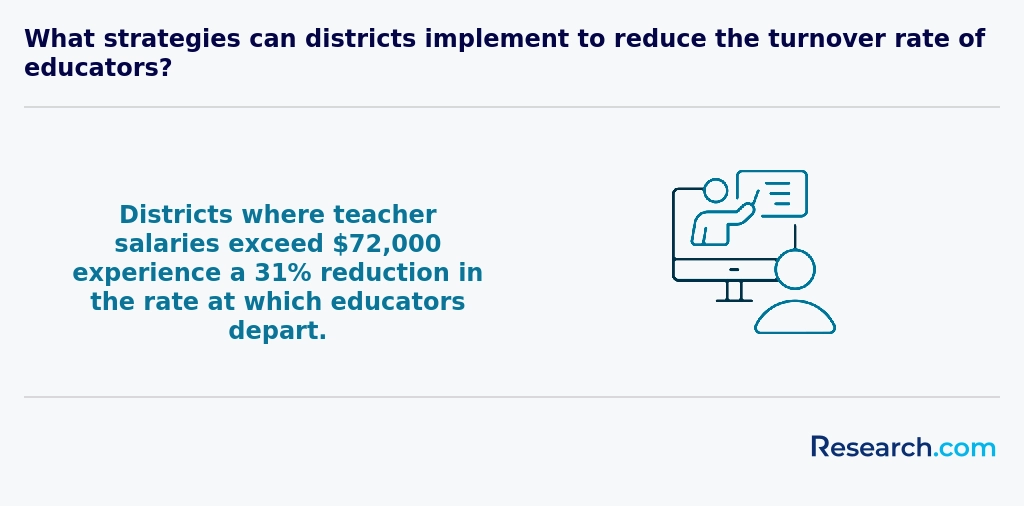
Choosing a fully accredited online EdD or PhD in Education ensures your degree will be recognized by employers, state licensing boards, and federal aid programs. In the District of Columbia, reputable programs typically carry:
- Regional accreditation from one of the six U.S. Department of Education–recognized bodies (e.g., Middle States Commission on Higher Education).
- Specialized accreditation by CAEP (Council for the Accreditation of Educator Preparation) or NCATE, which validates the quality of teacher preparation and leadership curricula. Before you apply, verify that your doctoral program’s accreditation aligns with your career goals: 1. State Licensure Pathways: If you aim for roles like Superintendent or State Education Administrator, check D.C. Office of the State Superintendent of Education requirements for administrative licensure. 2. Federal Aid Eligibility: Only regionally accredited institutions qualify for Pell Grants, TEACH Grants, and federal loan programs. 3. Credit Transfers and Degree Mobility: Accredited credits are more easily transferred should you pursue post-doctoral certificates or adjunct teaching roles. To broaden your perspective on educator credentials, explore our best online teaching degree programs for comparisons of teaching-focused master’s tracks. Prioritize programs with clear licensure support, dedicated accreditation officers, and transparent reporting of pass rates on certification exams. This due diligence not only safeguards your investment but also positions you for leadership roles in K–12, higher education, or policy development across the District of Columbia and beyond.
Students pursuing online education degrees in the District of Columbia often rely on a combination of federal, state, and institutional financial aid to make their education affordable. Many graduates apply for federal aid through FAFSA, unlocking opportunities like Pell Grants up to $7,395 and low-interest federal loans, which help ease the financial burden significantly.
DC residents can also take advantage of the DC Tuition Assistance Grant (DCTAG), a state-funded program that supports tuition at eligible local colleges. Though mostly aimed at in-person students, some online programs at institutions like the University of the District of Columbia qualify, providing substantial tuition relief.
Additionally, schools such as George Washington University offer scholarships and assistantships tailored for education students, including those studying online. These awards often reward dedication and professional experience, offering both financial support and valuable career-building roles.
Many online education graduates share how combining these aids allowed them to focus fully on their studies without overwhelming debt, demonstrating that with targeted applications, funding for online degrees in DC is within reach.
Navigating an online doctorate can be challenging, but implementing effective strategies can ensure both academic achievement and professional growth. First, establish a consistent study schedule that promotes regular engagement with course materials and online discussions. Utilize digital productivity tools and create a dedicated workspace to minimize distractions. Additionally, actively participate in virtual networking opportunities and discussion groups, as peer collaboration can deepen learning and provide fresh perspectives on educational trends. To maximize your academic journey, seek guidance from faculty advisors and career services early-many institutions offer support programs that help you align coursework with your long-term goals. Resources such as our detailed list of affordable education schools in district of columbia can also provide insights into networks and financial options that further enhance your online learning experience. Finally, set measurable goals and regularly review your progress; whether it’s mastering new technologies or applying theoretical knowledge to practical problems, these steps will empower you to succeed in your online education career.
To enroll in an online education degree in the District of Columbia, you typically need a bachelor's degree from an accredited institution. For those aiming at a Doctorate in Education (EdD), a relevant master's degree is often required. Some students at popular DC universities, balancing full-time jobs and family, share that demonstrating several years of professional experience in education can effectively compensate for formal credentials.
Most programs ask for letters of recommendation-usually from supervisors or professors familiar with your work-and a clear statement of purpose outlining your goals. Graduates from well-known DC schools often credit these components for highlighting their commitment and readiness.
Although the GRE used to be standard, many online programs in DC now place more value on your professional background and previous academic achievements. This shift allows candidates with real-world education experience to shine, creating a rewarding and supportive learning environment tailored to busy professionals.

Balancing quality with affordability is key-consider these approaches:
- Compare in-state and out-of-state tuition rates, fees and credit-hour requirements
- Leverage employer tuition reimbursement, graduate assistantships or fellowships
- Apply for scholarships and grants targeted at doctoral candidates in education
- Choose accelerated or cohort-based paths to finish sooner and limit total credits
- Explore a cheapest online college that accepts FAFSA to reduce baseline costs
Online education degree programs in the District of Columbia typically include courses tailored to meet both practical teaching needs and leadership skills required in DC's unique educational environment. Graduates from prominent universities in the area often mention how foundational courses like educational psychology helped them understand student learning patterns-an essential insight when managing diverse classrooms in urban schools.
Many programs also cover instructional design and technology, enabling students to confidently integrate digital tools into their teaching, a skill that online learners particularly appreciate. For example, students at local colleges have shared how mastering these courses made remote teaching more engaging and effective.
Core topics extend to educational law and policy, reflecting DC's complex regulatory landscape. Postgraduates frequently highlight how these subjects prepared them for administrative roles or policy-making positions within federal or local education agencies. Others emphasize coursework in curriculum development and assessment, which directly supports their work creating inclusive and adaptive learning plans for diverse student groups.
- Curriculum development and assessment techniques
- Special education and inclusive teaching strategies
- Data analysis and educational research methods
- Instructional leadership and organizational management
Online education degrees in the District of Columbia typically offer specializations that address both leadership and classroom practice. Graduates appreciate programs focusing on Educational Leadership and Administration, which prepare them to become effective school principals or district administrators by applying District-specific policies and leadership strategies. Curriculum and Instruction is another popular area, where students learn to design adaptive, culturally responsive teaching plans ideal for D.C.'s diverse schools. Many find success tailoring their career paths through these online education degree specializations District of Columbia programs, balancing work and study efficiently.
Special education specialization is crucial for educators aiming to support students with disabilities under federal mandates like IDEA. Graduates often describe feeling empowered to create inclusive learning environments. Other practical options include Educational Technology, Higher Education Administration, and Adult and Continuing Education, which fit well for professionals seeking career shifts or advancement.
Students at popular institutions often recommend researching comprehensive choices and affordability when selecting a program. Exploring best online teaching degree programs can help candidates identify the right specialization aligned with their goals and D.C. community needs, especially when considering a District of Columbia doctorate in education focus areas.
When choosing the best online education degree in District of Columbia, start by confirming the program's accreditation, such as from CAEP or the Middle States Commission. Graduates from local institutions like the University of the District of Columbia often share how accreditation gave them confidence their degrees would be valued by employers and licensing boards.
Many students searching for affordable online education degrees District of Columbia find that balancing tuition costs and program quality is essential. Public universities usually offer more budget-friendly tuition without sacrificing support services or flexibility. One graduate recounted managing coursework alongside family life thanks to asynchronous classes and occasional campus residencies.
Flexibility in program format is vital for working professionals. Look for programs providing customizable specialization tracks like K-12 curriculum or educational leadership, tailored to your career goals. Support services, including academic advising and digital resources, often make a big difference, as several recent graduates appreciate personalized guidance that boosted their success.
To explore low-cost options beyond your local area that might fit your needs, review the Inexpensive Online Education Degree Programs Ranking in the South for ideas.

Graduates holding an online education degree in District of Columbia often find diverse career paths tailored to the region's strong emphasis on education policy and leadership. Many pursue roles as licensed teachers within DC Public Schools, specializing in areas like special education or STEM, benefiting from the district's high demand for qualified educators with advanced degrees. Others advance toward school administration, becoming principals or district leaders, where doctorate credentials bring competitive salary premiums and career growth.
Educational policy and research roles attract graduates eager to influence national reforms, leveraging proximity to federal agencies and think tanks in DC. Instructional coordinators and education consultants represent growing opportunities, designing curricula and integrating technology in classrooms - professions projected to expand significantly. Some students from popular local universities appreciate how their degree opens immediate doors to these fulfilling careers.
For those considering cost-effective options, exploring accelerated associate degrees can complement advanced education plans. Overall, these varied career options highlight the tangible benefits of pursuing online education doctorate careers District of Columbia offers.
Graduates holding an online education degree in District of Columbia find a dynamic job market fueled by the city's unique mix of government agencies and vibrant private educational institutions. Many alumni from popular universities in D.C. report securing positions in K-12 teaching, curriculum development, or educational administration within months of graduation, thanks to district-wide initiatives focused on improving school performance. Working educators often leverage the flexibility of online programs to advance their careers without leaving their jobs, making it easier to meet the demand for curriculum innovators and educational leaders.
Employment opportunities extend to federal education agencies based in D.C., where expertise in policy analysis and program evaluation is highly sought after. Graduates highlight how scholarships and employer tuition assistance programs helped them manage costs, making further education accessible. Those exploring financial support options can find useful guidance on online school financial aid. The education career opportunities in DC remain robust, especially for professionals with advanced knowledge and leadership skills gained through these programs.
The job market for online education degree jobs District of Columbia graduates is positively impacted by the rise of charter schools and private education services, where innovative educators combine theory with practical administrative skills to thrive.
2027 Best Online Doctorate in Education Degree Programs Ranking in District of Columbia
Investing in your education is a significant decision that can shape your future, and the Research.com team understands the importance of making informed choices. To assist prospective students in District of Columbia, we have meticulously crafted the "2027 Best Online Doctorate in Education Degree Programs Ranking." Our commitment to quality, credibility, and accuracy is reflected in the extensive research and analysis conducted to compile this ranking.
We utilized the following reputable data sources to ensure a comprehensive evaluation of online doctorate in education programs:
By exploring this ranking, readers will gain valuable insights into the best online doctorate programs in education available in the District of Columbia, helping them make informed decisions about their educational paths. For more details on our methodology, please visit our Research.com methodology page.


Frequently Asked Questions About education
Students pursuing online education degrees in the District of Columbia can maximize their learning by actively engaging with course materials and faculty. Research indicates that D.C. has a high internet accessibility rate, around 87%, which supports seamless online participation (U.S. Census Bureau, 2023).
Creating a dedicated study space and maintaining a consistent schedule helps replicate a classroom environment. Utilizing local resources, such as D.C. Public Library's digital collections and community study groups, can also enhance understanding.
Additionally, students should leverage virtual networking opportunities offered by universities, and seek practicum experiences within D.C.'s diverse school systems to connect theory with practice effectively.
The education field is witnessing new and exciting niches, especially relevant for students in the District of Columbia pursuing online degrees. One emerging area is educational technology, which focuses on integrating digital tools to enhance learning experiences. As Washington D.C. invests in tech-driven public school initiatives, demand for experts in this niche grows.
Another significant niche is special education leadership. Professionals trained in this area address diverse learning needs and promote inclusive classrooms, a priority for the District's public school system as reported by the D.C. Office of the State Superintendent of Education.
Additionally, adult education and workforce development are gaining attention. With a sizable adult learner population in D.C., educators who specialize in these fields can improve adult literacy and job-readiness programs.
After completing an online education degree in the District of Columbia, graduates should focus on building a professional network. The DC area hosts numerous education conferences and workshops which provide valuable networking opportunities. Participating in local organizations such as the DC Education Association can connect new educators to job leads and mentorship.
It is also important to obtain any required state certifications. DC Public Schools require specific licenses for teaching and administrative roles, so verifying credentials early prevents delays in employment.
Job seekers benefit from tailoring resumes to highlight both online learning skills and relevant field experience, emphasizing familiarity with urban education challenges typical in DC.
According to the DC Office of the State Superintendent of Education, education employment in the district is projected to grow by 4% over the next decade, encouraging graduates to prepare for competitive but expanding opportunities.
Employers in District of Columbia highly value education degree graduates who demonstrate strong communication and classroom management skills. According to the Washington Teachers' Union, effective collaboration with diverse student populations and parents is essential in this region.
Critical thinking and problem-solving abilities are also sought after, as teachers must adapt to various learning environments in D.C.'s public and charter schools. Familiarity with educational technology is increasingly important, reflecting the district's push for digital learning tools.
Leadership skills and a commitment to equity align with D.C.'s focus on closing achievement gaps. Data from the D.C. Office of the State Superintendent of Education emphasize these competencies for successful candidates.
Finding internships related to an education degree in District of Columbia involves strategic networking and research. Many schools and universities in the area, such as George Washington University and American University, have established partnerships with local schools and education nonprofits.
Job portals like Handshake and the DC Government's website often list education internships, including opportunities in public schools and educational agencies. The District's public schools employ thousands of teachers and staff, representing a broad potential internship market. Additionally, contacting Washington D.C.'s Office of the State Superintendent of Education can provide leads on government internships.
Students are encouraged to leverage career services at their online degree programs for personalized internship assistance.
Online education degrees in the District of Columbia significantly enhance career mobility and advancement, especially in educational and administrative roles. The region's strong emphasis on education reform and innovation creates demand for qualified professionals with advanced credentials. According to the U.S. Bureau of Labor Statistics, education-related jobs in D.C. are projected to grow by over 10% through 2030, making advanced degrees valuable for competitive positioning.
Many school districts and educational institutions in D.C. require or prefer candidates with doctoral degrees for leadership roles, including curriculum development and policy-making positions. Online programs provide flexible pathways for working professionals to earn these qualifications without interrupting their careers.
The accessibility of accredited online doctorate programs allows educators in D.C. to expand their expertise, increase earning potential, and qualify for roles at the local and federal government levels, where education policy leadership is concentrated.
Studying for an education degree in the District of Columbia offers strong preparation for interdisciplinary roles through its emphasis on diverse teaching methods and educational leadership. Programs typically integrate coursework in psychology, sociology, and technology, reflecting the city's commitment to comprehensive education strategies.
The District's universities often collaborate with local schools and government agencies, providing practical experience across various fields. This real-world involvement supports the development of skills necessary for roles that cross traditional educational boundaries.
According to the National Center for Education Statistics, D.C. institutions award a significant number of advanced education degrees annually, reflecting a growing demand for versatile educators. This equips graduates to handle challenges in policy, curriculum design, and community engagement effectively.
Choosing between a thesis and a non-thesis education degree program in the District of Columbia depends on your career goals and learning preferences. A thesis program involves original research and is ideal for those aiming to enter academia, research, or policy-making roles. The District's universities often require a comprehensive defense of your thesis, which can take 6 to 12 months.
A non-thesis program usually focuses on coursework and practical application, appealing to working professionals seeking advancement in educational leadership or administration. According to the National Center for Education Statistics (NCES), about 40% of graduate students in D.C. opt for non-thesis tracks for flexibility and shorter completion times.
Consider your professional timeline and whether you prefer research-intensive work or applied skills development when making your choice.
Students based in the District of Columbia seeking to study education abroad through online programs have diverse opportunities. Many accredited U.S. universities offer online doctoral programs in education that emphasize global perspectives and include international research components. This allows DC students to gain abroad-focused education without leaving home. According to the National Center for Education Statistics, over 25% of graduate students in DC utilize online platforms for their degrees, reflecting the growing acceptance of distance education.
Additionally, some programs collaborate with foreign universities, providing virtual international learning experiences. These options enable DC students to engage with global education issues while completing American-accredited degrees.
Part-time job opportunities in the District of Columbia that complement education degree studies often focus on practical experience within schools and educational organizations. Many students find roles as teacher assistants or substitute teachers, gaining valuable classroom exposure. According to the DC Office of the State Superintendent of Education (OSSE), substitute teaching positions are in demand due to ongoing transitions in local schools.
Other roles include tutoring services, either through private agencies or community centers. Given the district's strong emphasis on early childhood education, jobs in daycare or after-school programs also provide hands-on learning.
Additionally, some education students support research projects or curriculum development for education nonprofits headquartered in DC, such as the Research Triangle Institute or local branches of national organizations.
Online education students in the District of Columbia benefit from numerous networking opportunities supported by local universities and professional organizations. Institutions like George Washington University and American University offer virtual events, webinars, and online discussion groups designed specifically for remote learners.
Additionally, D.C.'s strong education sector provides access to national conferences and regional gatherings in education leadership, often available through online participation. Organizations such as the District of Columbia Association of School Administrators also host networking events beneficial to online students.
These opportunities allow students to connect with educators, policymakers, and peers, enhancing career prospects while studying remotely. According to the U.S. Department of Education, digital networking can significantly improve job placement rates for graduate students in D.C.
Alumni networks play a significant role in supporting online education degree students in the District of Columbia. These networks offer opportunities for professional networking, mentorship, and career development. Graduates in DC benefit from connections within local educational institutions and organizations, which can lead to job placements and collaborative projects.
Many online programs in this region encourage active alumni participation, helping students access exclusive events and continuing education resources. According to data from D.C. Public Schools and regional universities, strong alumni ties contribute to higher employment rates among graduates. This support system is especially valuable for online students who may lack on-campus networking opportunities.
In District of Columbia, customizing an online education degree to fit your career goals often starts with selecting a specialization aligned with your interests, such as curriculum design, educational leadership, or special education. Many accredited institutions in D.C. offer flexible course options that allow students to choose electives matching professional objectives.
Advisors typically guide learners in tailoring their programs by integrating practical experiences like internships or research projects focused on local educational challenges. As of 2023, about 30% of online education students in D.C. engage in such applied learning components, enhancing their market readiness (NCES data).
Additionally, students may opt for certificate add-ons or dual degrees to broaden expertise, supported by D.C.'s robust network of education-focused organizations. This modular approach ensures degrees remain relevant and adaptable to evolving career demands.
Online education students in the District of Columbia often face challenges related to access and technology. Although the city boasts a high internet penetration rate, disparities remain within certain neighborhoods, affecting reliable connectivity. This can disrupt participation in live lectures and timely submission of assignments.
Time management is another common issue. Balancing coursework with professional and personal responsibilities proves difficult for many adult learners, especially given the demanding nature of advanced education degrees.
Additionally, some students report feelings of isolation due to limited face-to-face interaction, which can hinder networking and peer support.
According to the National Center for Education Statistics, retention rates for online programs tend to be lower, reflecting these challenges nationwide.
With an online education degree in the District of Columbia, you can pursue various professional certifications that enhance your teaching and leadership credentials. Common certifications include the Washington, D.C. Professional Teaching License, which requires passing state exams and meeting coursework criteria. For those interested in administration, the Educational Leadership Certificate is a popular choice, preparing candidates for principal or administrator roles.
Specialty certifications such as Special Education or English as a Second Language (ESL) endorsements are also available and often align with local demand for qualified educators. According to the District's Office of the State Superintendent of Education, these certifications improve job prospects in the public school system.
National certifications, like the National Board for Professional Teaching Standards (NBPTS), are also accessible with an online degree, further validating teacher expertise.
To write a winning application for an online education program in the District of Columbia, start by clearly articulating your educational goals and how the program aligns with your career plans. Admissions committees value a focused statement of purpose that highlights your dedication to advancing education locally and nationally.
Include specific examples of your professional experience or academic achievements related to education. According to the U.S. Department of Education, DC has a growing demand for qualified educational leaders, so demonstrating leadership potential is important.
Make sure to follow all application instructions carefully and submit required documents such as transcripts and recommendation letters on time. Proofread your application thoroughly for clarity and professionalism.
Globally, education careers are valued for their impact on societal development and lifelong learning. Within the United States, including the District of Columbia, educators are recognized as vital to fostering innovation and equity in schools. The Bureau of Labor Statistics projects a 5% growth in education careers nationwide through 2031, reflecting steady demand.
In the District of Columbia, the education sector benefits from a diverse student population and numerous federal education initiatives. According to the DC Office of the State Superintendent of Education, efforts focus on culturally responsive teaching and closing achievement gaps.
Online education degrees increasingly prepare professionals to meet these global and local challenges by offering flexibility and updated pedagogical methods.
Gaining practical experience while pursuing an online education degree in the District of Columbia is essential for career readiness. Many programs incorporate virtual internships or fieldwork opportunities with local schools or educational organizations. These placements allow students to apply theory in real-world settings while meeting DC's rigorous educator licensing requirements.
Additionally, some online programs partner with DC Public Schools, which serve over 50,000 students, offering accessible practicum sites. Students can also engage in community-based projects or attend workshops and seminars held by education-focused nonprofits in the district.
By combining online coursework with hands-on experience, students enhance their skills and meet licensure mandates efficiently.
Choosing the right concentration within an online education degree program in the District of Columbia begins with assessing your career goals. Concentrations often range from curriculum design to educational leadership or special education. According to the U.S. Department of Education, D.C. school districts emphasize leadership roles that improve learning outcomes, increasing demand for specialists in administration and policy.
Review the specifics of each concentration's curriculum and compare how well they align with workforce needs in the District. For example, school leadership and policy programs may offer pathways to administrative roles in D.C.'s diverse public and charter schools. Additionally, consider accreditation and faculty expertise.
Consult resources such as the National Center for Education Statistics for trends and the District's Office of the State Superintendent of Education for local priorities. These sources provide data that can help you identify concentrations with strong employment prospects in D.C.
- 2027 Best Online Doctorate in Education Degree Programs Ranking in California
- 2027 Best Online Doctorate in Education Degree Programs Ranking in Arizona
- 2027 Best Online Doctorate in Education Degree Programs Ranking in Colorado
- 2027 Best Online Doctorate in Education Degree Programs Ranking in Nebraska
- 2027 Best Online Doctorate in Education Degree Programs Ranking in Texas
- 2027 Best Online Doctorate in Education Degree Programs Ranking in Minnesota
- 2027 Best Online Doctorate in Education Degree Programs Ranking in Missouri
- 2027 Best Online Doctorate in Education Degree Programs Ranking in Mississippi
- 2027 Best Online Doctorate in Education Degree Programs Ranking in Michigan
- 2027 Best Online Doctorate in Education Degree Programs Ranking in Indiana
See What Experts Have To Say About Studying Education
Read our interview with Education experts

Alan J. Singer
Education Expert
Professor of Teaching, Learning and Technology
Hofstra University

Nooshan Ashtari
Education Expert
Professor & Book Author
University of Southern California

- DC Financial Aid Information https://dcpsgoestocollege.org/resources-toolkits/dc-financial-aid-information/
- Workforce Development Program - Clean Energy Job ... https://www.dcseu.com/workforce-development
- How to Become a Teacher in Washington DC https://moreland.edu/teacher-certification-program-online/washington-dc/teacher-certification-requirements
- Master's in Innovation in Teaching and Learning https://www.columbiasc.edu/academics/graduate/masters-innovation-teaching-and-learning
- Engaging Students in Meaningful Learning Experiences https://www.facultyfocus.com/articles/effective-teaching-strategies/engaging-students-in-meaningful-learning-experiences/
- Become a Teacher in Washington D.C. https://teach.com/careers/become-a-teacher/teaching-credential/state-requirements/district-of-columbia/
- Online Doctor of Education (EdD) Programs in Washington, DC https://www.onlineeddprograms.com/states/district-of-columbia
- Alternative Teaching Certification in Washington DC https://teaching-certification.com/teaching__trashed/district-of-columbia-alternative-teaching-certification/
- DC's Education Through Employment Data System https://educationtoworkforce.org/dcs-education-through-employment-data-system
- Transform Education In The Nation's Capital https://cityteachingalliance.org/blog/transform-education-in-the-nations-capital-teaching-in-washington-dc/


