
2027 Best Education Degree Programs Ranking in South Carolina

Co-Founder and Chief Data Scientist
Choosing the right education degree program in South Carolina can shape your future and open doors to rewarding career opportunities. Our article presents the 2027 Best Education Degree Programs Ranking in South Carolina, developed by the Research.com team of data scientists to provide clear, data-driven insights.
By exploring this ranking, you'll discover programs that stand out for quality and value, helping you make an informed decision. Pursuing an education degree offers the chance to inspire others and grow personally and professionally.
Take this step toward a fulfilling path with confidence and clarity.
Key benefits of getting education degree in South Carolina
- Salary benefits: Graduates with an education degree can expect competitive salaries, such as $70,740 annually for elementary school teachers and $76,000 for special education teachers, reflecting rewarding financial prospects.
- Career paths: Education graduates from universities like the University of South Carolina often find diverse opportunities ranging from classroom teaching to instructional design, offering fulfilling roles that impact student success.
- Online degree advantages: Earning an education degree online, as demonstrated by Clemson University's flexible programs, allows you to balance work and study while gaining the skills needed for a career in education without the constraints of traditional schedules.
- 2027 Best Education Degree Programs Ranking in South Carolina
- What can I expect from education degree in South Carolina?
- Where can I work with education degree in South Carolina?
What can I expect from education degree in South Carolina?
If you're considering pursuing an education degree in South Carolina, it's important to know that the average annual undergraduate tuition at public institutions is about $11,000. This figure comes straight from the South Carolina Commission on Higher Education and captures what many students experience starting their teaching journeys. Imagine yourself walking through Clemson University or the University of South Carolina, where graduates often recall financial aid and scholarships specifically for education majors easing their path-not just helping pay tuition but also boosting confidence to focus on mastering teaching skills.
These programs don't just prepare you academically; they offer immersive, hands-on experiences like student teaching that build real classroom confidence. When graduates from Winthrop University describe their final-year internships, they paint vivid pictures of standing before students, adjusting lesson plans on the fly, and feeling the rewarding challenge of making a difference. Knowing the cost and support options available can help you plan ahead and stay motivated as you invest in your future as an educator.
Where can I work with education degree in South Carolina?
With an education degree in South Carolina, you can step into a variety of rewarding careers that truly make a difference. Many graduates from institutions like the University of South Carolina or Clemson University find themselves shaping young minds as K-12 teachers in public or private schools, where over 68,000 students need passionate educators in subjects ranging from math to special education.
Others move into school leadership roles such as principals or curriculum coordinators, where they help guide schools toward better student success. For example, graduates often speak about how their training at colleges like Winthrop University prepares them for these responsibilities with hands-on experience.
Education specialists and instructional coaches are another path, working closely with teachers to enhance lesson plans and integrate technology. Many graduates recall their internships with nonprofit organizations in South Carolina that later connected them to these impactful roles.
Additionally, higher education positions like academic advisors or student services coordinators offer careers focused on supporting college students. Some graduates even thrive in corporate training, using their educational skills to develop employee programs.
Graduates from education programs in South Carolina, such as those from Clemson University or the University of South Carolina, often step into rewarding roles with promising pay. For example, early childhood educators start with an average annual wage of about $41,410, a solid foundation for those passionate about making a difference in young lives.
Many graduates move into teaching roles where salaries improve steadily. Elementary school teachers typically earn around $70,740 annually, while special education teachers command higher pay, averaging $76,000. These figures reflect the state's appreciation for educators dedicated to diverse learning needs and impactful classroom leadership.
Inspiring graduates who pursued instructional design roles have seen wages near $77,200, showcasing opportunities beyond the traditional classroom to influence curriculum and training across schools.
Imagine joining a community college or university in South Carolina, sharing your expertise while earning a competitive salary-just like many former students who've transitioned to rewarding careers here. Your education degree is a powerful tool for financial stability and meaningful contribution in the Palmetto State.
- Education degrees in South Carolina typically take four years for a bachelor's, with graduate and accelerated options available.
- Annual tuition ranges from $10,000 to $12,000 at public universities for in-state students, while private colleges charge $20,000 to $30,000.
- Starting salaries for teachers average between $38,000 and $42,000, with experienced teachers earning $50,000 to $60,000 or more.
- High demand exists for teachers in special education, STEM, and ESL, especially in rural and underserved areas.
- Teacher licensure requires passing Praxis exams and completing a state-approved preparation program.
- Continuing education and advanced degrees are encouraged for career growth and higher pay.
Completing an education degree in South Carolina often takes about four years for a traditional Bachelor of Science in Education, the path many graduates from institutions like Clemson University or the University of South Carolina follow. Imagine balancing coursework in pedagogy alongside hands-on student teaching in local schools-this immersive experience builds confidence and skills within those years.
For those aiming higher with a Master of Education, the journey typically stretches around two years. Graduate students at colleges such as Furman University find this timeframe offers a focused balance between advanced studies and practical application. Many appreciate how flexible programs can accommodate working professionals, allowing them to keep advancing without pausing their lives.
Some graduates take alternative routes to certification that can be completed in just one to two years, perfect for those who already have a degree but want to enter teaching quickly. Programs affiliated with South Carolina's Teaching Fellows or post-baccalaureate certificates enable this accelerated path-turning ambition into classroom impact faster.
Ensuring your education degree program is properly accredited and approved for teacher certification in South Carolina is essential for both academic quality and licensure eligibility. All public and private institutions must hold regional accreditation (e.g., SACSCOC) and programmatic accreditation-most notably from the Council for the Accreditation of Educator Preparation (CAEP) or its predecessor, NCATE. Graduating from a CAEP-accredited program signals to employers and state boards that you’ve met rigorous standards in curriculum design, faculty qualifications, and continuous improvement practices. Beyond institutional accreditation, teacher candidates must complete a state-approved educator preparation program. The South Carolina Department of Education requires completion of specific coursework, supervised student-teaching hours, and passage of the Praxis® series exams (or equivalent assessments) in one’s chosen content area. Programs often incorporate the edTPA performance assessment, which evaluates practical teaching and reflects a direct pathway to Initial Educator Certification. Applicants should verify that their chosen program is listed on the South Carolina Approved Educator Preparation Programs roster. Some online degrees may offer lower tuition but lack the state approval needed for licensure; in such cases, consider pairing foundational coursework with a fully accredited master’s pathway-many candidates turn to rankings like the Inexpensive Online Master's in Education Degree Programs Ranking in Massachusetts to identify cost-effective, accredited graduate options that meet national standards. Once you’ve completed the academic and assessment requirements, submit your application through the SC TEACH online portal, including official transcripts, exam scores, and a fingerprint-based background check. Upon approval, you’ll receive the Initial Class A teaching certificate, valid for four years and renewable upon completing a Master’s degree or earning additional recertification credits. By prioritizing accredited programs and adhering to state certification guidelines, prospective educators in South Carolina can confidently pursue careers that not only meet legal requirements but also uphold the highest standards of teaching excellence.
Choosing between online and on-campus education degrees in South Carolina means weighing how you learn best and what fits your lifestyle. Graduates from the University of South Carolina often speak about how the energy of sitting in a classroom, engaging directly with professors and peers, created a supportive, motivating environment. Being on campus meant access to libraries, labs, and real-time group projects that deepened their teaching skills and expanded their network.
On the other hand, many who completed their degrees online at institutions like Clemson University appreciate the flexibility of studying from home, balancing work and family without sacrificing progress. Online programs still require local student teaching, so graduates gain essential hands-on experience in their communities, marrying convenience with practical skills.
Financially, students attending classes on campus often face extra costs like housing and transportation, while online learners save on these expenses. Both paths maintain South Carolina's rigorous licensure standards, ensuring your degree is respected and your future bright in education.
When pursuing an education degree in South Carolina, understanding the financial considerations and exploring available funding opportunities are crucial steps in making informed decisions about one's academic and professional journey. Prospective students should consider not only the tuition costs but also the potential return on investment, including the average salaries of educators in the state. For instance, exploring affordable education schools in south carolina can provide valuable insights into cost-effective options without compromising on the quality of education. Additionally, many institutions offer scholarships, grants, and assistantships specifically for education students, which can significantly reduce the financial burden. By navigating these financial aspects and leveraging available funding opportunities, aspiring educators can focus on their studies and career aspirations, ultimately contributing to the vibrant educational landscape in South Carolina.
Understanding the average cost of an education degree in South Carolina is essential for planning your academic journey wisely. On average, earning this degree in the state can cost about $18,282 for in-state students, with total expenses around $40,220 when factoring in out-of-state rates and other fees. Many graduates from public universities like Clemson University or the University of South Carolina share how managing tuition smartly allowed them to focus on their passion for teaching without overwhelming debt.
For those pursuing education degree tuition fees in South Carolina, it's important to note that private institutions such as Furman University tend to have higher costs but often provide more personalized support and smaller classes, which some students find invaluable. The investment can feel substantial, yet many find the enriched experience and professional connections worth every dollar spent.
Additional costs beyond tuition-like textbooks, technology, and necessary background checks-can add up, but these are common steps toward a rewarding career. Fortunately, a range of financial aid options, including scholarships and grants, exist to lighten the financial load. Completing the FAFSA is a crucial first step to explore these opportunities and can make your educational goals more attainable.
Your path to becoming an educator in South Carolina can be both inspiring and affordable when you explore your options carefully. To find institutions and programs that fit your budget, consider exploring affordable education schools in south carolina, where many students have launched their teaching careers confidently and cost-effectively.

Navigating accreditation and certification is a critical step for any aspiring educator in South Carolina. All teacher preparation programs must be accredited by the Council for the Accreditation of Educator Preparation (CAEP) or an equivalent regional body to ensure that coursework meets rigorous national standards. Additionally, the South Carolina Department of Education (SCDE) requires that graduates of approved programs pass the Praxis® Core Academic Skills for Educators tests in reading, writing and mathematics, as well as a Praxis® Subject Assessment aligned with their teaching specialization. Once you complete an accredited program, you must apply for initial teacher certification through the SCDE. This process includes submitting official transcripts, Praxis® scores and passing a criminal background check. For example, candidates aiming to teach K–12 mathematics will take the Praxis® Mathematics: Content Knowledge assessment, while elementary educators will take the Praxis® Elementary Education: Multiple Subjects test. The SCDE issues either a one-year Preliminary Certificate or a five-year Professional Certificate, depending on your qualifications and test performance. Maintaining certification involves completing a minimum of 180 renewal points every five years, which can be earned through graduate coursework, in-service workshops or professional conferences. Many educators pursue advanced degrees to accumulate renewal points and expand career opportunities. For those exploring graduate-level options, the Inexpensive Online Master's in Education Degree Programs Ranking in Massachusetts can serve as a benchmark for finding cost-effective, accredited master’s programs that satisfy both renewal requirements and personal career goals. Understanding these accreditation and certification pathways not only ensures compliance with state regulations but also enhances your professional credibility and readiness to make a lasting impact in South Carolina’s classrooms.
When pursuing an education degree in South Carolina, numerous financial aid options can lighten your financial load and make your journey achievable. Many graduates from the University of South Carolina and Clemson University share how Pell Grants helped them reduce tuition costs upfront, allowing them to focus more on their studies and less on money worries.
State-specific awards like the South Carolina Future Teacher Scholarship are invaluable, especially if you commit to teaching in public schools after graduation. This scholarship is a game-changer for many, easing the burden of tuition fees and inspiring future educators to give back to their communities.
Work-study programs also provide a dual benefit-earning while gaining hands-on experience in educational settings related to their major. It's not just about finances; this real-world exposure builds confidence and skills that students cherish long after graduation.
And if you aim to serve in low-income schools, South Carolina's participation in the Teacher Loan Forgiveness Program can eliminate up to $17,500 in federal loans. This kind of support transforms the dream of becoming an educator into a sustainable career, reminding you that the state values and invests in its future teachers.
As the education landscape evolves, emerging trends are set to redefine how future educators prepare and excel in their careers. One key development is the increased integration of digital technology in teaching methods-ranging from interactive virtual classrooms and adaptive learning platforms to the use of artificial intelligence for personalized instruction. This transition not only enhances the learning experience for students but also equips educators with cutting-edge tools to stay ahead in a rapidly changing environment. Another noteworthy trend is the rise of competency-based and accelerated degree programs. These innovative formats allow aspiring teachers to fast-track their education without compromising on quality. For those seeking to quickly adapt to the demands of modern classrooms, check out our list of shortest edd online degrees, which highlights programs designed to offer flexibility and efficiency. Additionally, the focus on holistic and inclusive education continues to gain momentum. Programs are increasingly incorporating social-emotional learning, diversity training, and community engagement initiatives into their curricula. These efforts ensure that graduates are prepared not only with academic knowledge but also with practical skills to foster collaborative and supportive learning environments. Staying informed about these trends can provide prospective students and current educators with a competitive edge, empowering them to make strategic decisions that align with the future of education.
To begin your journey toward an education degree in South Carolina, you'll need to start with a high school diploma or its equivalent. Many graduates from institutions like the University of South Carolina or Clemson reflect on how meeting this basic requirement gave them a clear sense of direction and readiness. Next, expect to submit SAT or ACT scores, although some schools are moving toward test-optional policies. Keep in mind, most programs look for a solid GPA between 2.5 and 3.0, demonstrating your commitment and ability to succeed in challenging coursework.
Practical steps include preparing for background checks, which ensure your suitability for working with children during student teaching and internships-an essential part of South Carolina's teacher certification process often emphasized by mentors at Coastal Carolina University. Completing required general education classes on topics like pedagogy and educational psychology is also vital. These experiences build your confidence and deepen understanding, much like graduates who share how these milestones made their teaching dreams feel achievable and inspiring.
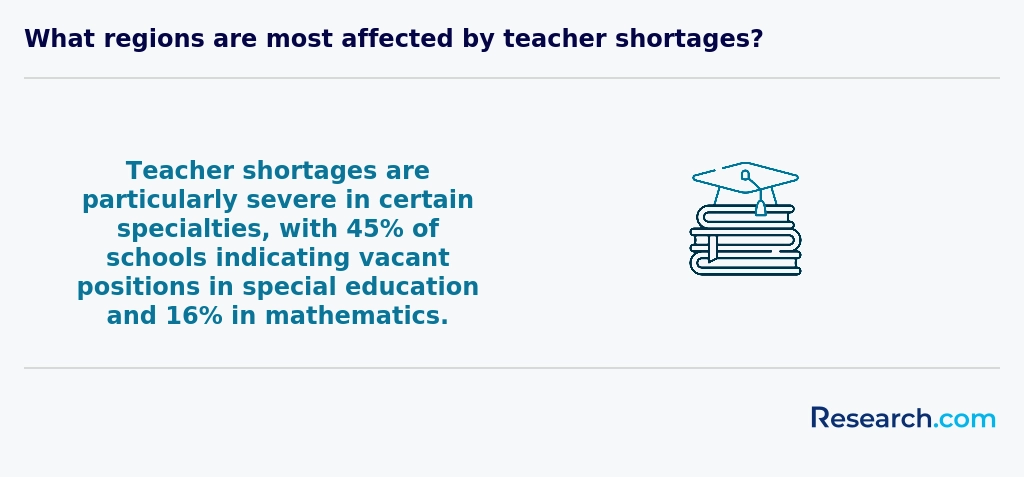
To become a licensed teacher in South Carolina, candidates must complete a state-approved educator preparation program, pass the Praxis Core Academic Skills for Educators and relevant Praxis II content exams, and obtain certification from the South Carolina Department of Education (SCDE). Applicants must:
- Earn a bachelor’s or higher degree in education from an SCDE-accredited college or university.
- Satisfy required content and professional knowledge assessments, including the Praxis Core (reading, writing, mathematics) and Praxis II subject tests for specific teaching fields.
- Submit official transcripts, exam scores, and a completed application through the SCDE certification portal.
- Undergo a fingerprint-based background check and provide proof of U.S. citizenship or legal residency.
- Complete any additional endorsement requirements, such as special education, ESL, or reading credentials, by passing corresponding Praxis specialty exams. South Carolina also offers alternative routes for career changers who hold a non-education degree: the Accelerated Certification Program (ACP) and the Troops to Teachers initiative. Graduate credentials and advanced endorsements may require additional coursework or exam attempts. For those seeking cost-effective master’s pathways and extended endorsements, consider exploring the Inexpensive Online Master’s in Education Degree Programs Ranking in Massachusetts to compare affordable options.
Diving into education degrees in South Carolina means engaging with courses that lay a strong foundation and inspire your future classroom impact. Graduates from schools like Clemson University and the University of South Carolina often reflect on core classes such as Foundations of Education, where they explored the rich history and philosophy shaping American schools.
You'll also experience Educational Psychology, helping you understand how students develop and learn-knowledge that's crucial when you're managing real classrooms during student teaching. Instructional Technology courses introduce you to tools that transform lessons, making learning engaging for today's digital-savvy students.
For those aiming at elementary education, expect immersive studies in Child Development and Literacy, crafting strategies to foster young minds' growth and love for reading. Secondary education paths emphasize subject-specific methods-like teaching STEM or social studies-and focus on classroom management skills to create positive learning environments.
These practical courses prepare you to step confidently into South Carolina schools, ready to inspire diverse learners and meet the state's teaching standards with passion and expertise.
When pursuing an education degree in South Carolina, you'll find a variety of specializations designed to prepare you for impactful roles. Graduates from universities like Clemson and the University of South Carolina often highlight how Elementary Education focuses on building strong foundational skills to teach children from kindergarten through fifth or sixth grade, a vital demand in the state's schools. If you're drawn to working with older students, Secondary Education offers concentrations in subjects like Mathematics, English Language Arts, Science, and Social Studies, helping you become a confident middle or high school teacher.
For those passionate about inclusive classrooms, Special Education trains educators to support students with disabilities, emphasizing personalized teaching and legal knowledge. Many students also explore Early Childhood Education for teaching young children or Educational Leadership to shape policies and school environments. South Carolina's teaching certification programs provide this range, making your journey both inspiring and practical. To see pathways to advance your credentials, explore this list of shortest edd online degrees tailored for educators ready to grow.
When selecting the best education degree in South Carolina, start by ensuring the program holds accreditation from recognized bodies like the Council for the Accreditation of Educator Preparation (CAEP). Graduates from schools such as the University of South Carolina or Clemson University often praise how their accredited courses paved the way for smooth teacher certification. Graduates frequently share how manageable class sizes and attentive faculty fostered confidence and skill development, not just theory.
Affordability matters too-many students balance passion with cost by considering affordable education degrees South Carolina 2027 options at public universities offering in-state tuition and scholarships. One graduate recalls how careful financial planning allowed her to focus on teaching practicums rather than worrying about debt. Look for programs with strong hands-on student teaching components, as these real-world experiences build competence and excitement for entering local classrooms.
Remember to research licensure pass rates, especially Praxis exam success, as these directly impact your ability to teach in South Carolina. Some graduates highlight how programs partnered with local school districts enhanced job placement and professional networks. If you want to explore cost-effective master's pathways, check out the Inexpensive Online Master's in Education Degree Programs Ranking in Massachusetts for inspiration on financial strategies and program quality.
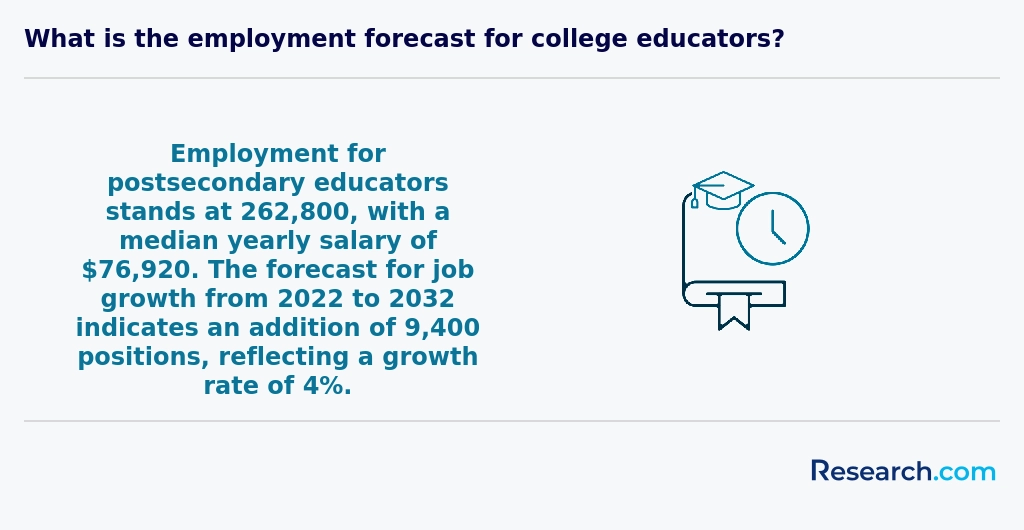
If you're pursuing an education degree in South Carolina, you'll find a wealth of rewarding career paths waiting for you. Graduates often step into teaching job opportunities South Carolina schools offer, especially in critical subject areas like mathematics and special education where demand is strong. Imagine yourself shaping young minds in classrooms across the state, perhaps inspired by stories from graduates of institutions like the University of South Carolina or Clemson University who thrive in K-12 teaching roles.
But your potential doesn't stop at teaching. Many education degree careers in South Carolina expand into leadership and administration, taking on roles as school principals or district coordinators. These positions let you influence education policies and improve school environments, often rewarding your commitment with higher salaries and greater impact.
Others find fulfillment in counseling and support roles that help students overcome challenges and grow emotionally and academically. Graduates working at colleges and universities often contribute as academic advisors or admissions counselors, guiding the next wave of learners through their educational journeys. For those interested in innovative careers, fields like curriculum development and educational technology are growing rapidly, fueled by demand for fresh teaching methods. To explore affordable options while building your career, check out the Inexpensive Online Master's in Education Degree Programs Ranking in Massachusetts, which many South Carolina educators use as a stepping stone.
Graduates holding an education degree in South Carolina find a job market filled with meaningful opportunities, especially in public schools experiencing teacher shortages in rural and underserved areas. Universities like the University of South Carolina and Clemson University have alumni thriving in classrooms, benefiting from steady demand in critical subjects such as math and special education. This positive outlook reflects the state's dedication to reducing student-to-teacher ratios and boosting educational quality.
Those entering the field can expect modest starting salaries around $57,000, but many graduates report satisfaction with comprehensive benefits including pensions and healthcare. Pursuing a master's degree or specialized certifications often unlocks higher pay and advancement, making South Carolina a practical choice for career growth. Exploring fast track college programs online can also accelerate entry into this rewarding profession.
For students eager to make a difference, the education degree job outlook South Carolina offers serves as a beacon of hope and stability amid evolving education demands. Teacher employment opportunities South Carolina-wide continue to grow for those dedicated to shaping future generations.
2027 Best Education Degree Programs Ranking in South Carolina
Investing in your education is a significant decision that can shape your future, and the Research.com team understands the importance of making informed choices. To assist prospective students in South Carolina, we have meticulously crafted the "2027 Best Education Degree Programs Ranking in South Carolina." Our commitment to quality, credibility, and accuracy is reflected in the extensive research and analysis conducted to compile this ranking.
We utilized the following reputable data sources to ensure a comprehensive evaluation of education degree programs:
By exploring this ranking, readers will gain valuable insights into the best education degree programs available in South Carolina, empowering them to make informed decisions about their academic and professional futures. For more details on our methodology, please visit our Research.com methodology page.


Frequently Asked Questions About education
Education degree students in South Carolina can maximize their learning experience by actively engaging in both coursework and practical training. South Carolina requires aspiring teachers to complete student teaching hours, providing essential hands-on experience in classrooms, which greatly enhances understanding of teaching methods and classroom management. According to the South Carolina Department of Education, participating in diverse classroom settings better prepares students to address varied student needs. Additionally, taking advantage of professional development workshops and state resources can deepen subject knowledge and pedagogical skills. Networking with local educators and joining education-focused student organizations also supports career growth and practical insights.
Emerging niches within the education field in South Carolina reflect broader national trends, focusing on areas like special education, educational technology, and bilingual education. The South Carolina Department of Education highlights a growing demand for teachers skilled in supporting students with disabilities and those requiring individualized learning plans.
Additionally, the integration of technology in classrooms is expanding opportunities for educators trained in digital tools and online instruction strategies. This growth is partly driven by increased funding for STEM education initiatives across the state.
South Carolina also sees rising needs for teachers fluent in both English and Spanish, addressing the state's diversifying student population. According to the National Center for Education Statistics, bilingual education programs are gaining traction statewide.
Preparing for the job market after earning an education degree in South Carolina involves a strategic mix of credentialing, experience, and networking. Graduates should first ensure they obtain South Carolina's teaching certification, which requires passing the Praxis exams and completing a state-approved preparation program, as outlined by the South Carolina Department of Education.
Gaining practical experience through student teaching or internships significantly boosts employability. According to the U.S. Bureau of Labor Statistics, about 8% job growth for teachers is expected nationally through 2031, with South Carolina following similar trends due to increasing student enrollment.
Networking with local school districts and attending regional education job fairs can open doors. Many districts prioritize candidates familiar with South Carolina's curriculum standards. Additionally, pursuing ongoing professional development keeps skills current and can enhance salary prospects in this state where median teacher salaries are around $57,000, per the National Education Association.
Employers in South Carolina highly value education degree graduates who demonstrate strong classroom management skills. According to the South Carolina Department of Education, effective management contributes directly to improved student outcomes. Additionally, communication skills are essential, enabling teachers to engage students, parents, and colleagues effectively.
Analytical and critical thinking abilities are also sought after, helping educators assess student progress and adjust teaching methods. Familiarity with state standards, such as the South Carolina College- and Career-Ready Standards, is often expected. Employers favor graduates who show adaptability, especially with integrating technology in the classroom, reflecting recent trends in K-12 education across the state.
Finding internships in South Carolina related to an education degree involves several strategic steps. Many colleges in South Carolina, such as the University of South Carolina and Clemson University, maintain partnerships with local school districts to provide education students with hands-on experience through internships. The South Carolina Department of Education supports student teachers by facilitating placements in public schools across the state.
Students should also explore resources like Handshake and local career centers at their universities, which often list education-specific internship opportunities. Networking with faculty and attending education career fairs in cities like Columbia and Charleston can increase chances of securing relevant internships.
According to the National Center for Education Statistics, South Carolina has over 1,200 public schools where education interns can gain practical experience. Applying early and maintaining a strong academic record enhances internship prospects.
In South Carolina, earning an education degree significantly improves career mobility and advancement opportunities within the state's public and private school systems. According to the South Carolina Department of Education, teachers holding a bachelor's degree with state certification can access higher pay scales and qualify for leadership roles such as department heads or instructional coaches. Additionally, many districts prioritize candidates with master's degrees for promotion, reflecting a statewide trend of valuing advanced education credentials.
Data from the National Center for Education Statistics show that South Carolina teachers with education degrees generally experience lower unemployment rates and greater job stability compared to those without formal qualifications. Licensing requirements and ongoing professional development linked to education degrees further enhance teachers' ability to move into specialized roles or administrative positions.
Professional networks and alumni connections from South Carolina's accredited universities also play a role, often helping graduates secure competitive positions and promotions. Overall, an education degree offers both initial entry benefits and long-term career growth within South Carolina's education field.
Studying for an education degree in South Carolina equips students with skills that extend beyond traditional teaching roles. The state's programs emphasize interdisciplinary learning by integrating courses in psychology, sociology, and technology, helping future educators address diverse student needs effectively. For example, Clemson University and the University of South Carolina offer curriculums designed to foster collaboration across different fields, preparing graduates for roles in counseling, curriculum design, and educational leadership.
South Carolina's education degrees also focus on practical experience through partnerships with local schools. This hands-on training helps students understand real-world challenges and work with professionals in related areas such as social work and special education. According to the South Carolina Commission on Higher Education, this approach improves graduates' adaptability and problem-solving abilities in complex educational environments.
Choosing between a thesis and a non-thesis education degree program in South Carolina depends on your career goals and learning preferences. Thesis programs typically require original research and are suited for students interested in academic or research careers. Non-thesis programs often focus on practical skills and coursework, ideal for those pursuing teaching or administrative roles.
In South Carolina, institutions like Clemson University and the University of South Carolina offer both options. According to the South Carolina Commission on Higher Education, thesis programs usually take longer to complete, often 2-3 years, while non-thesis tracks may be shorter. Consider your time commitment and whether you want to contribute to educational research when deciding.
Financial considerations matter as well; some thesis students secure research assistantships. Additionally, non-thesis degrees may allow for more flexible scheduling, a plus for working professionals. Reviewing program requirements on official university websites helps ensure the best choice aligned with your professional goals.
Students based in South Carolina who wish to study education abroad have several options through partnerships between South Carolina universities and international institutions. For example, Clemson University and the University of South Carolina often facilitate study abroad programs focused on education, allowing students to earn credits toward their degrees while gaining global teaching perspectives.
These programs frequently include destinations in Europe, Asia, and Latin America, emphasizing cross-cultural understanding and educational methodologies. According to the Institute of International Education, about 2.3% of South Carolina college students study abroad, with education majors representing a growing portion of this cohort.
Additionally, South Carolina students can participate in exchange programs supported by the state's higher education system, providing structured pathways to earn degrees with an international focus. These opportunities enrich teacher preparation by exposing students to diverse classroom environments and global education trends.
Part-time jobs that complement education degree programs in South Carolina include tutoring, teacher's assistant positions, and after-school program staff roles. These opportunities provide practical classroom experiences while supporting local students. For example, schools often hire education students as paraprofessionals, helping with lesson plans and classroom management.
The South Carolina Department of Education reported increased demand for qualified teaching aides, reflecting a 5% growth in support roles over recent years. Additionally, private tutoring in subjects like math and reading is popular and can build essential communication skills.
Many universities in South Carolina also offer on-campus jobs related to education research or administrative support, further enhancing a student's resume.
Education students in South Carolina have multiple networking opportunities that help them connect with professionals and peers. Many universities, including Clemson University and University of South Carolina, offer active education clubs and student organizations. These groups host events focused on teaching strategies, career development, and community engagement.
The South Carolina Department of Education supports student networking through conferences and workshops across the state, providing access to experienced educators and administrators. Additionally, regional education associations, such as the South Carolina Association of Colleges for Teacher Education (SC-ACTE), facilitate networking events and professional development.
Internships and practicum placements in local schools further enhance real-world connections for students pursuing teaching licensure.
Alumni networks offer meaningful benefits to education degree students in South Carolina. Graduates often remain connected to their universities, providing current students with mentorship and career guidance. According to the South Carolina Commission on Higher Education, involvement in alumni groups can increase job placement rates for new teachers by up to 15% within the state. These networks also provide access to exclusive job fairs, internships, and continuing education workshops tailored to South Carolina's education system.
Such connections enhance professional development and ease entry into local school districts. Many programs encourage students to tap into these networks early, building valuable relationships before graduation.
In South Carolina, students can customize their education degree programs by choosing from diverse specializations such as elementary education, special education, or educational leadership. Many public and private universities offer flexible course options that align with specific career goals. For example, Clemson University and the University of South Carolina provide opportunities for concentration areas and elective courses tailored to workforce demands.
Additionally, earning state certification often requires practical experience through student teaching placements in local schools, enabling hands-on learning aligned with career ambitions. South Carolina's education programs emphasize integrating current teaching technologies and inclusive classroom strategies, preparing graduates for evolving instructional roles. According to the South Carolina Commission on Higher Education, over 5,000 education degrees were awarded in the state in recent years, demonstrating a solid infrastructure for specialization and career tailoring.
Education students in South Carolina face several challenges during their degree programs. One major issue is the shortage of qualified teachers in the state, which increases pressure on students to meet high standards quickly. According to the South Carolina Department of Education, nearly 30% of teaching positions remain unfilled each year, creating a competitive and demanding environment for future educators.
Additionally, funding limitations in South Carolina's public education system can impact the quality of clinical experiences and resources available to education students. Many must balance rigorous coursework with in-field practicum hours, which often demand significant time and travel.
Moreover, students encounter challenges related to meeting diverse student needs, as South Carolina schools are becoming increasingly varied culturally and economically. Preparing to teach in such environments requires up-to-date training in special education and multicultural education, adding complexity to degree requirements.
Graduates with an education degree in South Carolina have several professional certification options to advance their careers. The most common is the South Carolina Professional Teaching Certificate, which allows you to teach in public schools across the state. According to the South Carolina Department of Education, candidates must complete a state-approved educator preparation program and pass the Praxis exams.
Additionally, educators can pursue certifications in special education, ESL (English as a Second Language), or school counseling to meet diverse student needs. National certifications, such as the National Board Certification, are also available and recognized in South Carolina, enhancing both expertise and salary prospects.
To write a winning application for an education program in South Carolina, start with a clear and compelling personal statement. Highlight your passion for teaching and relevant experiences, such as volunteering or leadership roles in education settings.
South Carolina schools often look for candidates demonstrating commitment to local communities. Mention any connections to the state or plans to work in South Carolina's public schools after graduation. According to the South Carolina Department of Education, the state prioritizes candidates ready to address teacher shortages in critical subjects.
Include strong letters of recommendation from educators or supervisors who can attest to your skills and dedication.
Finally, ensure your academic records meet program requirements, and showcase any relevant certifications or test scores early in the application.
Education careers in South Carolina are influenced by global trends emphasizing cultural awareness and adaptability. Globally, educators are expected to prepare students for interconnected societies, highlighting skills such as critical thinking and technology integration. In the U.S., including South Carolina, this translates into teacher training programs that focus on diverse classrooms and inclusive teaching strategies.
According to the National Center for Education Statistics, South Carolina had about 48,000 public school teachers in 2022. These educators face growing demands to meet both local standards and global competencies. The state supports ongoing professional development aligned with international best practices.
Additionally, South Carolina's commitment to STEM education reflects a worldwide emphasis on science and technology skills in teaching careers. Many education degree programs in the state now include global perspectives to prepare future teachers for a rapidly changing world.
Gaining practical experience while pursuing an education degree in South Carolina is essential for career readiness. Most programs at universities such as the University of South Carolina and Clemson require student teaching, offering hands-on classroom experience under licensed teachers' supervision. This includes managing lesson plans, assessing student progress, and practicing classroom management.
Additionally, many institutions encourage internships or field placements in K-12 schools, allowing students to engage with diverse learning environments. According to the South Carolina Department of Education, completing these field experiences is mandatory for teacher certification in the state.
Some colleges also offer partnerships with local school districts, providing further opportunities for observation and mentorship. These experiences help students develop practical skills and meet state licensure requirements before graduation.
Choosing the right concentration within an education degree program in South Carolina begins with understanding your career goals. South Carolina offers concentrations such as early childhood, special education, and secondary education. Each aligns with different teaching certifications regulated by the South Carolina Department of Education.
Consider the demand for teachers in the state; for example, areas like special education and STEM fields are experiencing growth according to the South Carolina Department of Employment and Workforce. Additionally, think about your interests-whether you prefer working with younger students or specializing in subject-specific teaching in middle or high schools.
Research program accreditation and licensure support from institutions. Accredited programs ensure quality education aligned with state licensure requirements, which is essential for employment. Finally, reach out to advisors or current educators to understand what concentration best fits South Carolina's classroom needs and your professional aspirations.
- 2027 Best Online Education Degree Programs Ranking in Georgia
- 2027 Best Online Education Degree Programs Ranking in North Carolina
- 2027 Best Online Education Degree Programs Ranking in Florida
- 2027 Best Online Education Degree Programs Ranking in Virginia
- 2027 Best Online Education Degree Programs Ranking in Kentucky
- 2027 Best Online Education Degree Programs Ranking in Mississippi
- 2027 Best Online Education Degree Programs Ranking in Missouri
- 2027 Best Online Education Degree Programs Ranking in Ohio
- 2027 Best Online Education Degree Programs Ranking in Indiana
- 2027 Best Online Education Degree Programs Ranking in Pennsylvania
See What Experts Have To Say About Studying Education
Read our interview with Education experts

Alan J. Singer
Education Expert
Professor of Teaching, Learning and Technology
Hofstra University

Nooshan Ashtari
Education Expert
Professor & Book Author
University of Southern California

- Get the skills employers want | Study UK https://study-uk.britishcouncil.org/why-study/succeed-your-career/get-skills-employers-want
- Finding Your Path: How to Align Studies with Career Goals https://www.alfabetaglobal.com/blogs/finding-your-path-how-to-align-your-studies-with-your-career-goals
- Tuition & Cost | Columbia College https://www.columbiasc.edu/tuition-aid/tuition-cost
- Student Expectations and Perceptions of Higher Education - ACA https://aca-secretariat.be/newsletter/student-expectations-and-perceptions-of-higher-education/
- Education Degree Entry Requirements https://universitycompare.com/advice/student/education-degree-entry-requirements
- Why Is Education Important in Your Career Advancement? - KWSP Malaysia https://www.kwsp.gov.my/en/w/article/career-advancement
- Education degree - Tłumaczenie po angielsku - Słownik angielsko-polski Diki https://www.diki.pl/slownik-angielskiego
- South Carolina Teacher Certification Guide | All Education Schools https://www.alleducationschools.com/teacher-certification/south-carolina/
- Students: This is How You Should Prepare for the Job Market https://www.agencycentral.co.uk/articles/students-this-is-how-you-should-prepare-for-the-job-market/
- The 10 Highest Paying Jobs With a Teaching Degree [Quiz] https://www.umassglobal.edu/blog-news/highest-paying-jobs-with-a-teaching-degree


