2027 Most Affordable Online Bachelor's in Criminal Justice Degree Programs Ranking in North Carolina

Co-Founder and Chief Data Scientist
Are you considering advancing your career with a criminal justice degree but worried about cost? This article introduces the 2027 Most Affordable Online Bachelor's in Criminal Justice Degree Programs Ranking in North Carolina, created by the Research.com team of data scientists. It's designed to help you navigate your options and find quality programs that fit your budget.
By exploring affordable online programs, you can take meaningful steps toward your goals without overwhelming expenses. A degree in criminal justice opens doors in law enforcement, legal fields, and public safety, offering rewarding opportunities to make a difference in your community.
Key benefits of getting online criminal justice degree in North Carolina
- Graduates with a criminal justice degree in North Carolina can pursue rewarding roles such as Police Officer, earning a mean annual wage of $76,550, or Crime Scene Investigator, with a mean annual wage of $95,930, providing strong financial incentives.
- Career paths include positions in law enforcement, forensic science, and corrections, reflecting diverse opportunities like roles at the University of North Carolina system that prepare students for meaningful criminal justice work.
- Online criminal justice degrees offer flexibility and convenience, allowing students from anywhere in North Carolina to balance study with work or family, exemplified by graduates from schools like NC State University who appreciate this adaptable approach.
- Key benefits of getting online criminal justice degree in North Carolina
- What can I expect from online criminal justice degree in North Carolina?
- Where can I work with online criminal justice degree in North Carolina?
- How much can I make with online criminal justice degree in North Carolina?
- 2027 Most Affordable Online Bachelor's in Criminal Justice Degree Programs Ranking in North Carolina
- Key Findings
- How long does it take to complete online criminal justice degree in North Carolina?
- What's the difference between online and on-campus criminal justice degree?
- What is the average cost of online criminal justice degree in North Carolina?
- What financial aid is available to online criminal justice degree students in North Carolina?
- What are the prerequisites for enrolling in online criminal justice degree program in North Carolina?
- What courses are typically in online criminal justice degree programs in North Carolina?
- What types of specializations are available in online criminal justice degree programs in North Carolina?
- How do you choose the best online criminal justice degree in North Carolina?
- What career paths are available for online criminal justice degree students in North Carolina?
- What is the job market for online criminal justice degree in North Carolina?
- Related Criminal Justice Rankings for Nearby States
- Top Trending Criminal Justice Rankings
- See What Experts Have To Say About Studying Criminal Justice
What can I expect from online criminal justice degree in North Carolina?
The average cost of an online criminal justice degree in North Carolina typically ranges between $15,000 and $30,000 for a full bachelor's program, depending on the institution's public or private status and whether the student qualifies for in-state tuition. Graduates from well-known schools like Appalachian State University or East Carolina University often mention that scholarships and flexible payment plans made the financial commitment manageable alongside their work and family responsibilities.
Many students value how these programs blend affordability with high-quality education tailored to North Carolina's unique legal landscape. The ability to access course materials and complete internships virtually means lower commuting costs and more time to focus on studies or part-time jobs.
Students also highlight the positive impact of financial advising services offered by these universities, which help plan education costs strategically. This ensures graduates feel confident about making a smart investment toward a stable career in law enforcement, corrections, or forensic fields within the state.
Where can I work with online criminal justice degree in North Carolina?
Graduates with an online criminal justice degree in North Carolina often find rewarding careers in local law enforcement agencies such as municipal police departments, sheriff's offices, and the North Carolina State Highway Patrol. Many who studied at institutions like Appalachian State University or East Carolina University share how their hands-on internships paved the way to roles in these departments, where they actively contribute to community safety.
Others leverage their education to join federal agencies, including the FBI's Charlotte field office or the U.S. Marshals Service. Graduates emphasize the value of combining their degree with cybersecurity or analytical skills, which are in high demand as North Carolina expands its digital crime prevention efforts.
Additionally, students from universities such as Western Carolina University often secure positions within the state's court system as probation officers, victim advocates, or court clerks. Opportunities also exist in juvenile justice facilities and private security firms, allowing graduates to support public safety while building meaningful careers that impact their communities.
How much can I make with online criminal justice degree in North Carolina?
Graduates with an online criminal justice degree in North Carolina can expect competitive salaries in various roles. For example, police officers earn a mean annual wage of approximately $76,550, reflecting strong demand in cities like Charlotte and Raleigh. Correctional officers in the state see average salaries around $58,810, a solid income for those starting careers in corrections departments across community college networks such as those affiliated with the North Carolina Community College System.
Crime scene investigators stand out with mean salaries near $95,930, a rewarding path for those passionate about forensic work, often supported by programs at public universities like East Carolina University. Forensic science technicians also earn well, with mean wages around $71,540, demonstrating the value of specialized skills gained at institutions popular among online learners in the region.
More administrative roles, like court clerks, offer steady income near $48,760, presenting a reliable option for graduates seeking offices-based careers. Graduates emphasize that gaining internships and certifications alongside their degree significantly boosts earning potential. With these figures, pursuing a criminal justice degree online in North Carolina opens multiple pathways to gratifying and well-paying careers.
2027 Most Affordable Online Bachelor's in Criminal Justice Degree Programs Ranking in North Carolina
How do we rank schools?
Investing in your education is a significant decision that can shape your future, and the Research.com team understands the importance of making informed choices. To assist prospective students in North Carolina, we have meticulously crafted the "2027 Most Affordable Online Bachelor's in Criminal Justice Degree Programs Ranking in North Carolina." Our commitment to quality, credibility, and accuracy is reflected in the extensive research and analysis conducted to compile this ranking.
We utilized the following reputable data sources to ensure a comprehensive evaluation of criminal justice degree programs:
By exploring this ranking, readers will gain valuable insights into the most affordable and credible online criminal justice degree programs in North Carolina, empowering them to make well-informed educational choices. For more information about how this ranking was created, please visit our Research.com methodology page.


Key Findings
- Online criminal justice degrees in North Carolina can be earned fully online, allowing students to balance studies with personal and work commitments.
- Tuition for public universities typically ranges from $7,000 to $12,000 per year for in-state students, while private and out-of-state costs can exceed $20,000 annually.
- Entry-level salaries for graduates average between $35,000 and $45,000 yearly, with experienced professionals earning $55,000 to $65,000 in roles like probation officers and detectives.
- The job market is growing, especially in cybersecurity, forensic analysis, and homeland security, with strong demand projected through 2030.
- Many programs include internships or practicum experiences by partnering with local agencies to provide practical training.
How long does it take to complete online criminal justice degree in North Carolina?
Completing an online criminal justice degree in North Carolina generally takes about four years for full-time students, matching the standard timeline at institutions like Appalachian State University or the University of North Carolina at Charlotte. Graduates often share how managing 15 credits each semester helped them stay on track without overwhelming their schedules.
Part-time students, including working professionals or parents, frequently take five to six years, balancing courses around family and jobs. One graduate from Fayetteville State University thrived by taking summer classes, accelerating their path to finish in three years.
Transfer students benefit from North Carolina's strong credit articulation agreements, especially when coming from community colleges such as Central Piedmont, letting them skip foundational courses and reduce overall time.
Some institutions offer competency-based programs, allowing learners to demonstrate knowledge and advance faster; motivated students with prior experience have completed degrees in under two years this way, fitting education around busy lives while feeling confident and accomplished.
What's the difference between online and on-campus criminal justice degree?
Online criminal justice degrees in North Carolina, such as those offered by popular schools like the University of North Carolina at Charlotte, provide flexibility that fits busy lives. Graduates often share how asynchronous classes allowed them to work full-time in local law enforcement while advancing their education without sacrificing income. They could study evenings or weekends, balancing family responsibilities easily.
In contrast, on-campus programs at schools like East Carolina University deliver a traditional classroom experience with fixed schedules. Students highlight the benefit of face-to-face interactions that build strong networks and grant access to valuable internships with local police departments. These hands-on opportunities help some gain practical skills that online formats may lack.
Cost-wise, many in-state students find online options slightly cheaper when factoring in savings on commuting and housing, although technology fees can apply. Choosing between online and on-campus studies depends on your personal schedule, need for direct support, and learning preferences-both paths prepare you well for careers in North Carolina's public safety sector.
What is the average cost of online criminal justice degree in North Carolina?
The average cost of an online criminal justice degree in North Carolina varies based on residency and institution type. In-state students at public universities typically face median total costs around $18,511, making these schools a practical choice for those seeking affordable online criminal justice programs in North Carolina. For example, graduates from well-known public institutions have shared how managing tuition within this range allowed them to balance work and study without overwhelming financial pressure.
Out-of-state students or those attending private colleges may encounter median costs near $60,602, which can be a significant investment but often comes with added opportunities such as smaller class sizes or specialized resources. However, many students opt for local community colleges to start, where costs are lower and pathway programs to bachelor's degrees exist, minimizing initial expenses and easing the transition.
Additional expenses such as textbooks, technology fees, and course materials typically range from $500 to $1,000 annually. Many successful students in North Carolina have emphasized the importance of applying for scholarships, grants, and federal aid to offset these costs. Using resources like inexpensive online colleges that accept financial aid can further ease budgeting concerns and open doors to quality education with manageable expenses.

What financial aid is available to online criminal justice degree students in North Carolina?
Students pursuing an online criminal justice degree in North Carolina can access multiple financial aid options to make education affordable. Graduates from popular institutions like Fayetteville State University recall using the Free Application for Federal Student Aid (FAFSA) as their first step. This opened doors to Pell Grants, which can cover up to $7,395 annually without repayment, making a tangible difference in affordability.
Additionally, North Carolina's Education Lottery Scholarship and Need-Based Scholarship provided substantial help for those balancing work and family, especially for students enrolled full-time at schools such as East Carolina University. These awards significantly lowered tuition costs, easing financial stress.
Institutional scholarships specifically for criminal justice majors at campuses like UNC Charlotte often rewarded academic achievement or community service, creating opportunities that felt truly earned. Veterans and active military students found grants that recognized their service, further supporting their goals.
Many students also benefited by tapping into employer tuition assistance programs within law enforcement agencies, which helped cover online coursework, turning career advancement into a practical and exciting reality.
What are the prerequisites for enrolling in online criminal justice degree program in North Carolina?
To enroll in an online criminal justice degree in North Carolina, you must first have a high school diploma or GED. Graduates from institutions like East Carolina University or the University of North Carolina at Pembroke often share how submitting official transcripts showcasing strong English and social studies skills helped them stand out during admission.
Proof of residency is crucial for qualifying for in-state tuition, which many students find vital to managing costs. In-state tuition can be about $7,000 annually-significantly lower than out-of-state rates-making education more affordable. Some programs may still ask for SAT or ACT scores, but this varies by school.
Applicants should also be prepared for background checks, reinforcing the field's ethical standards. Many students have found that submitting optional personal statements or recommendation letters boosted their acceptance chances, especially in competitive programs at Wake Technical Community College. Transfer credits from military service or prior college work can shorten the path to graduation, a common advantage for adult learners balancing work and study.
What courses are typically in online criminal justice degree programs in North Carolina?
Students pursuing online criminal justice degrees in North Carolina often take courses designed to build both foundational knowledge and practical skills. For example, graduates from well-known institutions describe how Introduction to Criminal Justice gave them a clear view of the police, courts, and corrections systems working together in real-world cases across the state.
Classes like Criminology help learners understand why crime happens, supporting careers that require analyzing patterns or working in prevention. Many find courses on Law Enforcement Practices particularly valuable, as they focus on policing specific to North Carolina's laws and communities-which is essential for those aiming to work in local agencies.
Students appreciate hands-on insights from courses in Criminal Law and Procedures and Corrections and Rehabilitation; these help them master court processes and rehabilitation efforts that affect countless lives daily. Ethical decision-making and research methods are also emphasized, ensuring graduates feel confident tackling complex challenges.
What types of specializations are available in online criminal justice degree programs in North Carolina?
Online criminal justice degree specializations in North Carolina offer tailored pathways to meet diverse career goals. Popular options include law enforcement, where students prepare for policing and community safety roles through courses on criminal investigation and patrol procedures, often praised by graduates from well-known programs in UNC system colleges. Corrections and rehabilitation focuses on offender management and restorative justice, appealing to students eager to work in probation or parole.
Forensic science and investigation is another specialization that blends criminal justice with biology and chemistry, ideal for those targeting crime scene analysis careers. Homeland security prepares learners for national security and emergency management jobs, emphasizing risk assessment and intelligence. Cybercrime and digital forensics address the rising need for experts in combating digital crimes, a growing focus noted by students from North Carolina State University and similar institutions.
Choosing these specializations helps students align their studies perfectly with criminal justice career paths North Carolina offers and reflects firsthand experiences shared by graduates. Prospective students can explore options at the best colleges providing online criminal justice degrees.
How do you choose the best online criminal justice degree in North Carolina?
Start by verifying program accreditation through agencies like the Southern Association of Colleges and Schools Commission on Colleges (SACSCOC) to ensure your degree holds value with employers. Graduates from popular North Carolina schools often highlight how accredited programs gave them confidence and access to better job opportunities. Look for online criminal justice degrees offering a curriculum that covers core subjects such as criminology, law enforcement, and corrections, along with flexible formats that accommodate working adults.
When evaluating options, prioritize programs known for strong faculty expertise and practical learning, as graduates praise how experienced instructors at well-regarded universities bring real-world insights into their classes. Additionally, check for student support like career counseling and internships, which many successful students found essential for their professional growth after completing their degrees.
Costs vary widely, so research affordable online criminal justice degree North Carolina options carefully. Many students benefited from exploring tuition rates around $7,000 per year and financial aid opportunities through state agencies. For additional cost-saving tips, consider researching the most affordable online colleges for working adults, which often include strong criminal justice programs tailored to adult learners balancing work and study.
What career paths are available for online criminal justice degree students in North Carolina?
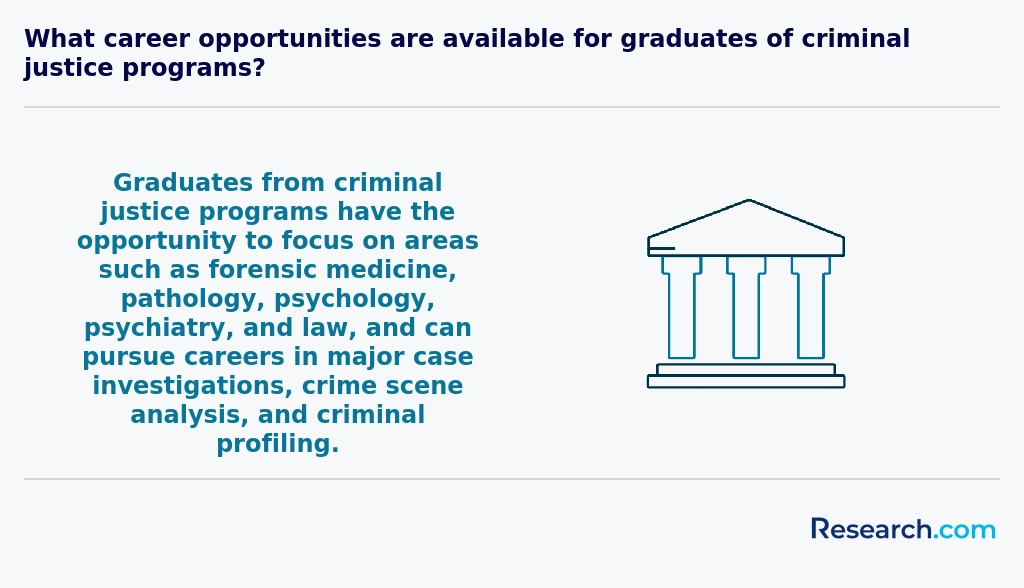
Graduates with an online criminal justice degree in North Carolina can pursue numerous career paths in law enforcement, corrections, and legal support roles. Many graduates from well-regarded institutions like Appalachian State University or East Carolina University find positions as law enforcement officers, benefiting from the robust network within the state's police departments. Others secure roles as correctional officers or probation officers through the Department of Public Safety, where formal criminal justice training is highly valued. These roles offer starting salaries ranging from $33,000 to $43,000, providing a solid foundation for career growth.
Opportunities also exist in court administration, victim advocacy, and crime analysis, where graduates apply their analytical skills to real cases in North Carolina's judicial system. The rising demand for specialized positions in forensic science and cybersecurity further expands career options, especially for those willing to pursue additional certifications.
Many students optimize their investment by choosing programs that are both recognized locally and affordable, keeping costs between $20,000 and $40,000. Exploring options such as the cheapest online bachelor's degree can help students balance quality education with financial prudence while entering the competitive job market of online criminal justice careers in North Carolina.
What is the job market for online criminal justice degree in North Carolina?
The job market for online criminal justice degree graduates in North Carolina remains promising, especially for those who earn their degrees from well-regarded institutions like the University of North Carolina at Charlotte or East Carolina University. Graduates often secure roles in law enforcement agencies, corrections, and community programs across the state, where demand for qualified professionals continues to grow. Those pursuing online criminal justice careers North Carolina frequently highlight the value of flexible schedules, allowing them to balance work and study effectively while preparing for roles such as police officers or probation officers.
Many graduates appreciate how local employers prioritize candidates with bachelor's degrees, making the investment in affordable online programs worthwhile. Some have leveraged opportunities by complementing their studies with dual degree programs, increasing their competitiveness. The solid job outlook for criminal justice graduates NC reflects steady hiring and modernization efforts, encouraging students to focus on obtaining credentials that align with evolving public safety needs.
Frequently Asked Questions About criminal justice
Students pursuing an online criminal justice degree in North Carolina can enhance their learning by actively engaging with course materials and participating in virtual discussions. Staying organized and managing time effectively are crucial, especially since online programs often require self-discipline. Utilizing resources like the North Carolina Justice Academy and connecting with local law enforcement agencies for internships or practical experience can provide valuable real-world insights.
North Carolina's criminal justice system faces unique challenges, including a rising focus on community policing and criminal reform, highlighted by the Department of Public Safety's reports. Following updates from credible sources such as the North Carolina Statistical Analysis Center helps students stay informed on trends and policies.
Additionally, joining student groups or online forums related to criminal justice fosters networking and professional growth, an important step toward a career in the field.
Emerging niches within the criminal justice field reflect the growing complexity of public safety and law enforcement. In North Carolina, cybersecurity and digital forensics are rapidly expanding due to increased cybercrime risks, with the state government investing heavily in cyber defense initiatives. According to the North Carolina Department of Justice, cyber-related offenses rose by over 20% between 2020 and 2022.
Additionally, restorative justice programs aimed at reducing recidivism have gained traction, supported by local pilot projects. Another notable area is homeland security, particularly regarding emergency management and disaster response coordination. These niches offer specialized career paths for students pursuing online criminal justice degrees.
After completing an online criminal justice degree in North Carolina, early preparation for the job market is crucial. Graduates should focus on obtaining relevant certifications such as Basic Law Enforcement Training (BLET) if aiming for law enforcement careers, as required by the North Carolina Criminal Justice Education and Training Standards Commission.
Networking through internships or volunteer positions with local agencies can provide practical experience and improve job prospects. According to the North Carolina Department of Commerce, employment in criminal justice fields is projected to grow by 8% through 2030, highlighting strong demand.
Additionally, developing skills in report writing, data analysis, and communication can set candidates apart in this competitive market.
Employers in North Carolina highly value criminal justice graduates with strong analytical and critical thinking skills. These abilities help professionals assess complex situations and make informed decisions, which is essential in law enforcement and legal settings. Communication skills, both written and verbal, are also crucial, as officers and agents must report findings clearly and interact effectively with the public and colleagues.
Understanding of legal procedures and ethical standards is another key skill sought by employers, ensuring compliance with North Carolina laws and national regulations. Additionally, technological proficiency, including knowledge of forensic tools and databases, is increasingly important in today's digital landscape. According to the North Carolina Department of Public Safety, practical experience combined with these skills significantly improves job prospects for criminal justice graduates in the state.
Finding internships in North Carolina related to a criminal justice degree involves multiple strategic steps. Start by contacting your online program's career services, as many maintain partnerships with local law enforcement agencies, courts, and social service organizations. The North Carolina Department of Public Safety offers internship opportunities in corrections and rehabilitation, which are valuable for hands-on experience.
Checking local police departments, sheriff's offices, and victim assistance programs is also essential. The North Carolina Justice Academy provides training and sometimes internship leads for criminal justice students. Additionally, online job boards like NCWorks list criminal justice internships statewide.
Networking through professional associations, such as the North Carolina Criminal Justice Association, can increase internship prospects and provide mentorship. Approximately 10,000 criminal justice professionals work in the state, a broad network for potential connections, as reported by the Bureau of Labor Statistics (2023).
An online criminal justice degree can significantly improve career mobility and advancement opportunities in North Carolina. Many law enforcement agencies and federal organizations recognize online degrees from accredited institutions, which helps graduates qualify for a wider range of positions.
The North Carolina Department of Justice and local police departments often prefer candidates with at least a bachelor's degree for supervisory roles. According to the U.S. Bureau of Labor Statistics (2023), employed individuals with bachelor's degrees in criminal justice or related fields have a 10-15% higher chance of promotion within five years.
Additionally, skills gained through these programs, such as criminal law, ethics, and investigation techniques, align with state certification requirements. This alignment helps graduates advance into specialized roles like detective, probation officer, or criminal analyst.
Studying for a criminal justice degree in North Carolina offers students a strong interdisciplinary foundation. Programs often integrate coursework in sociology, psychology, law, and public administration to prepare graduates for diverse roles within the justice system and beyond. This approach reflects the state's evolving needs, where professionals must collaborate across agencies like law enforcement, social services, and mental health.
The North Carolina Department of Public Safety highlights the importance of multidisciplinary skills for effective crime prevention and rehabilitation. Online degrees provide flexible access while maintaining alignment with these academic standards.
Students gain skills applicable to roles such as probation officers, forensic analysts, or policy advisors, making them valuable in various sectors.
When choosing between a thesis and a non-thesis criminal justice degree program in North Carolina, consider your career goals and learning preferences. Thesis programs require original research and a formal paper, ideal for students aiming for graduate school or research roles. Non-thesis programs focus more on practical skills through coursework and internships, suited for those planning to enter or advance in law enforcement, corrections, or public policy.
Many North Carolina universities offer both options online, complying with regional accreditation standards. According to the North Carolina Justice Academy, hands-on experience is highly valued in the state's job market, which may favor non-thesis paths.
Cost and duration also differ; thesis paths often take longer and may involve additional fees for research resources.
Students based in North Carolina seeking to study criminal justice abroad through online programs have limited direct options, as most international degrees do not align with U.S. accreditation standards. However, some universities with global partnerships offer study-abroad components or joint programs that include international perspectives within their online criminal justice degrees. Participation in virtual exchanges or study tours facilitated by U.S. institutions can provide global insights without relocating.
North Carolina's own public universities often incorporate comparative criminal justice courses featuring international content, useful for understanding foreign justice systems. The National Center for Education Statistics reports that over 60% of U.S. criminal justice bachelor's degrees include opportunities for internships or study abroad, but availability varies widely.
Part-time job opportunities in North Carolina can significantly complement an online criminal justice degree by providing practical experience. Many students work as security officers or detention assistants, gaining firsthand knowledge of law enforcement procedures. According to the North Carolina Department of Public Safety, these roles often require a high school diploma and offer flexible hours that suit student schedules.
Internships with local police departments or district attorneys' offices also provide valuable exposure to the criminal justice system. These positions allow students to observe case management and court processes while building professional networks.
Other options include roles in victim advocacy or crisis intervention centers. Such work enhances understanding of community resources and support systems essential for criminal justice professionals.
These part-time jobs not only strengthen resumes but also deepen students' awareness of North Carolina's unique legal environment, preparing them for future career advancement.
Online criminal justice students in North Carolina have access to various networking opportunities designed to enhance their professional connections. Many universities offering online programs organize virtual career fairs and alumni events, providing students with chances to meet professionals in law enforcement, legal fields, and social services across the state.
Additionally, organizations such as the North Carolina Criminal Justice Association and the North Carolina Sheriff's Association host conferences and workshops that online students can attend either virtually or in person. These events help students connect with local agencies and potential employers.
Internships coordinated through universities also allow students to gain hands-on experience while expanding their professional network within the state's criminal justice system.
Alumni networks provide valuable support to online criminal justice degree students in North Carolina by offering connections to professionals already working in the field. These networks often facilitate mentorship opportunities and career guidance, which is crucial for building a successful career in criminal justice.
Many North Carolina schools have established statewide alumni associations that host networking events and share job openings specific to the state's law enforcement and legal sectors. Given that North Carolina's criminal justice system employs over 65,000 people according to the Bureau of Labor Statistics (2023), these connections can help students access a broad range of job opportunities.
Additionally, alumni networks can encourage ongoing education and certification in areas like forensic science or cybersecurity, which are growing fields within the state. This peer support enhances both professional growth and employability for graduates entering North Carolina's competitive criminal justice job market.
In North Carolina, many online criminal justice degree programs offer customizable tracks or electives to align with your career goals. Students can often select specialized courses focused on areas like corrections, law enforcement, cybercrime, or forensic science. This flexibility helps tailor the curriculum to fit roles in local police departments, federal agencies, or legal services.
Some schools also allow internships or practicum experiences at North Carolina criminal justice agencies, providing practical skills and networking opportunities. According to the North Carolina Department of Public Safety, understanding regional criminal justice trends can guide your choices effectively.
Additionally, consider programs with options for dual degrees or certificates in related fields such as homeland security or social work to enhance career prospects.
Online criminal justice students in North Carolina face several common challenges, primarily balancing coursework with personal and professional responsibilities. Many are working adults or hold jobs in law enforcement, creating time management difficulties. Furthermore, access to internships or practical experience can be limited, as hands-on components are essential for criminal justice education but harder to coordinate remotely.
Another challenge is the requirement for in-state accreditation and meeting specific state regulations, which can affect program choices. According to the North Carolina Justice Academy, students must often verify that their online program aligns with state certification standards. Additionally, the digital divide remains an issue; not all students have reliable internet access, impacting their ability to participate fully in online discussions and exams.
With an online criminal justice degree in North Carolina, students can pursue several professional certifications to advance their careers. Common options include Certified Criminal Justice Specialist (CCJS) and Crime Prevention Specialist certifications. These credentials demonstrate expertise and can improve job prospects in law enforcement, corrections, and related fields.
North Carolina also supports certifications like the Basic Law Enforcement Training (BLET) for those seeking police officer roles. Additionally, earning certifications such as the Victim Assistance Certification through the North Carolina Department of Justice can benefit victim advocates.
Many employers in the state value credentials from national organizations, including the International Association of Security and Crime Prevention Professionals (IASCPP). These certifications often require meeting education and experience standards aligned with criminal justice degrees.
Applying for an online criminal justice program in North Carolina requires clear, focused preparation. Start by researching schools that offer accredited programs recognized by the Southern Association of Colleges and Schools Commission on Colleges (SACSCOC), ensuring your degree holds value in the job market.
Highlight your background, including any relevant work or volunteer experience in criminal justice, law enforcement, or related fields. North Carolina's criminal justice system values practical knowledge combined with academic learning.
Write a strong personal statement explaining why you want to pursue criminal justice and how the program aligns with your career goals. Include specific interests such as corrections, forensic science, or law enforcement leadership.
Submit all required documents punctually, including transcripts and, if applicable, letters of recommendation. Remember that some programs may request standardized test scores or proof of professional certifications.
Criminal justice careers have a growing global importance, reflecting worldwide concerns about crime, security, and law enforcement. In the United States, and specifically North Carolina, professionals with criminal justice degrees contribute to community safety and the justice system's effectiveness. According to the Bureau of Labor Statistics, employment in protective service occupations is expected to grow 8% by 2031 nationally, driven by increasing security needs. North Carolina participates in this trend, with growing demand for skilled workers in law enforcement and correctional services, as reported by the North Carolina Department of Public Safety.
Globally, a career in criminal justice often requires an understanding of different legal systems and cultural contexts, which online degrees in North Carolina increasingly emphasize through modern curricula. This prepares graduates to engage in international cooperation and adapt to evolving criminal justice challenges worldwide. Additionally, many programs integrate discussions of human rights and ethics, reflecting global efforts towards fair justice practices.
Gaining practical experience while pursuing an online criminal justice degree in North Carolina is essential for career readiness. Many programs encourage students to complete internships or fieldwork with local law enforcement agencies, courts, or social service organizations. These opportunities allow students to apply theoretical knowledge in real-world settings.
The North Carolina Department of Public Safety and local police departments often partner with universities to provide internships. According to the Bureau of Justice Statistics, internship participation boosts employment chances by 15% for criminal justice graduates nationwide.
Additionally, some programs offer virtual simulations and project-based assignments that mimic real cases. Networking through local criminal justice associations in North Carolina can also provide valuable mentorship and job shadowing experiences.
Choosing the right concentration within an online criminal justice degree program in North Carolina depends on your career goals and interests. Common concentrations include law enforcement, corrections, cybersecurity, and forensic science. Data from the North Carolina Department of Public Safety shows that demand for correctional officers and law enforcement professionals remains steady, while cybersecurity roles are growing rapidly nationwide.
Consider which sector appeals most and matches job market trends. For example, cybersecurity offers higher average salaries but may require technical skills. Research each concentration's curriculum and how it aligns with industry certifications and local employment opportunities.
Accreditation and faculty expertise are also important factors when selecting a program concentration.
Related Criminal Justice Rankings for Nearby States
- 2027 Most Affordable Online Bachelor's in Criminal Justice Degree Programs Ranking in South Carolina
- 2027 Most Affordable Online Bachelor's in Criminal Justice Degree Programs Ranking in Virginia
- 2027 Most Affordable Online Bachelor's in Criminal Justice Degree Programs Ranking in Georgia
- 2027 Most Affordable Online Bachelor's in Criminal Justice Degree Programs Ranking in Tennessee
- 2027 Most Affordable Online Bachelor's in Criminal Justice Degree Programs Ranking in West Virginia
- 2027 Most Affordable Online Bachelor's in Criminal Justice Degree Programs Ranking in Kentucky
- 2027 Most Affordable Online Bachelor's in Criminal Justice Degree Programs Ranking in Florida
- 2027 Most Affordable Online Bachelor's in Criminal Justice Degree Programs Ranking in Alabama
- 2027 Most Affordable Online Bachelor's in Criminal Justice Degree Programs Ranking in Pennsylvania
- 2027 Most Affordable Online Bachelor's in Criminal Justice Degree Programs Ranking in Ohio
Top Trending Criminal Justice Rankings
See What Experts Have To Say About Studying Criminal Justice
Read our interview with Criminal Justice experts

David Carter
Criminal Justice Expert
Professor, School of Criminal Justice
Michigan State University

Mark Moore
Criminal Justice Expert
Research Professor of Public Management
Harvard University

James W. Marquart
Criminal Justice Expert
Associate Provost and Professor of Criminology
Texas Christian University

References
- Jobs with a degree in Criminal Justice | Monroe University https://www.monroeu.edu/academics/undergraduate-programs/school-criminal-justice/what-can-you-do-criminal
- Criminal Justice Degree Requirements | University of Bridgeport https://www.bridgeport.edu/news/criminal-justice-degree-requirements/
- Online Criminal Justice Degree Programs | University of Phoenix https://www.phoenix.edu/online-criminal-justice-degrees.html
- Criminal Justice Salary - How Much Can I Make With a Criminal Justice Degree? - Grace Christian University https://gracechristian.edu/blog/criminal-justice-salary/
- 6 Ways to Network in the Criminal Justice Field https://www.aiuniv.edu/blog/2014/march/6-ways-to-network-in-criminal-justice
- Explore Criminal Justice Certificate Programs https://www.criminaljusticedegreeschools.com/degrees/certificate/
- Career Trajectory: A Longitudinal Analysis of Criminology ... https://jippublication.com/index.php/jip/article/download/1211/912
- What to do With a Criminal Justice Degree - Paladin Security https://paladinsecurity.com/security-careers/become-security-guard-canada/
- Most Affordable Online Criminal Justice Degrees https://www.affordablecollegesonline.org/degrees/criminal-justice-programs/
- 2025 Most Affordable Online Associate Degrees in Criminal Justice https://www.onlineu.com/most-affordable-colleges/criminal-justice-associate-degrees