2027 Most Affordable Criminal Justice Degree Programs Ranking in Portland

Co-Founder and Chief Data Scientist
Choosing the right criminal justice degree program in Portland can feel overwhelming. With so many options, it's important to find affordable programs that also provide quality education.
This article introduces the 2027 Most Affordable Criminal Justice Degree Programs Ranking in Portland, developed by the Research.com team of data scientists. Their careful analysis helps students make informed choices about which programs truly stand out in value and opportunity.
Reading this ranking can guide you toward a rewarding career path while managing costs wisely. Pursuing a criminal justice degree opens doors to meaningful work that makes a difference.
Key benefits of getting criminal justice degree in Portland
- Criminal justice graduates in Portland can earn competitive salaries, such as $76,550 annually for police officers and $95,930 for crime scene investigators, making the degree financially rewarding.
- Graduates have diverse career options, including roles in law enforcement, forensic science, corrections, and court administration, reflecting real success stories from local universities.
- Online criminal justice degrees offer flexibility and convenience, allowing working students to balance studies and life, as shown by many Portland-based graduates thriving in their careers.
- Key benefits of getting criminal justice degree in Portland
- What can I expect from criminal justice degree in Portland?
- Where can I work with criminal justice degree in Portland?
- How much can I make with criminal justice degree in Portland?
- 2027 Most Affordable Criminal Justice Degree Programs Ranking in Portland
- Key Findings
- How long does it take to complete criminal justice degree in Portland?
- What's the difference between online and on-campus criminal justice degree?
- Private Investigator Career Path: Steps to Get Started
- What is the average cost of criminal justice degree in Portland?
- Licensing and Certification Requirements for Criminal Justice Professionals in Oregon
- What financial aid is available to criminal justice degree students in Portland?
- Return on Investment (ROI) for Criminal Justice Degrees in Portland, OR
- What are the prerequisites for enrolling in criminal justice degree program in Portland?
- Factors to Consider When Selecting a Criminal Justice Degree Program in Portland, OR
- What courses are typically in criminal justice degree programs in Portland?
- What types of specializations are available in criminal justice degree programs in Portland?
- How do you choose the best criminal justice degree in Portland?
- What career paths are available for criminal justice degree students in Portland?
- What is the job market for criminal justice degree in Portland?
- Top Trending Criminal Justice Rankings
- See What Experts Have To Say About Studying Criminal Justice
What can I expect from criminal justice degree in Portland?
The average cost of pursuing a criminal justice degree in Portland varies, often depending on the type of institution and level of degree sought. For example, graduates from Portland State University, known for its strong criminal justice and criminology programs, report tuition costs that are relatively affordable compared to national averages, with in-state undergraduate tuition typically around $8,000 to $10,000 per year. Many students find this investment worthwhile given the university's connections to local law enforcement agencies, which offer valuable internships and hands-on experience.
Some students who attend private colleges or seek graduate degrees in criminal justice face higher tuition, sometimes exceeding $20,000 annually. Despite the expense, these graduates often emphasize the strong sense of community and personalized mentorship they experienced, which can be indispensable when navigating complex fields such as cybercrime or restorative justice.
Portland's criminal justice programs also provide financial aid options and work-study opportunities, helping to offset costs. Graduates frequently express satisfaction with their education's practical focus, which directly links classroom concepts to real-world scenarios in Portland's justice system. This combination of cost-awareness and experiential learning helps students feel prepared and optimistic about their future careers in the region.
Where can I work with criminal justice degree in Portland?
Graduates from criminal justice programs at Portland State University and other local colleges often find themselves pursuing careers in law enforcement, including roles such as police officers, detectives, or crime analysts within the Portland Police Bureau. Their day-to-day experiences might involve engaging with community safety initiatives that reflect the city's progressive public safety reforms. One graduate shared that understanding these community-based approaches was crucial to feeling fulfilled and effective in their role.
Others explore corrections in places like the Multnomah County Detention Center, working as correctional officers or rehabilitation specialists. These roles require navigating complex environments where balancing public safety and inmate rights is challenging but rewarding. Graduates often mention the importance of hands-on internships in these settings to prepare for real-world responsibilities.
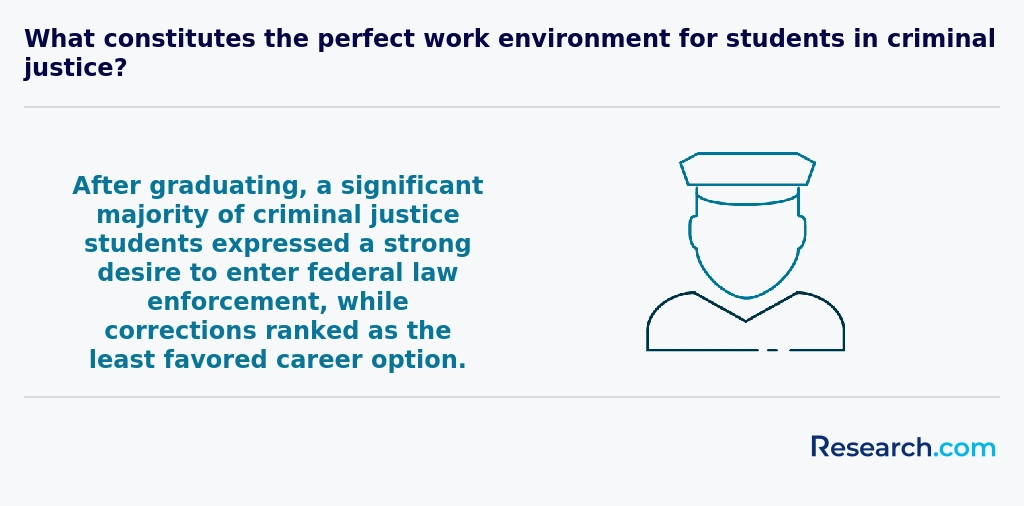
Federal agencies based in Portland, such as the FBI or U.S. Marshals Service, offer opportunities for investigations and intelligence work, though experience or additional certifications may be necessary. Meanwhile, nonprofit organizations focusing on restorative justice provide gratifying careers supporting victims and promoting recovery, reflecting Portland's unique social landscape.
Legal services and court administration roles also appeal to many, with some graduates leveraging their degree to become paralegals or policy advocates in local government. These varied paths illustrate how Portland's evolving criminal justice scene can shape diverse and meaningful careers for motivated students.
How much can I make with criminal justice degree in Portland?
Graduates with a criminal justice degree from Portland institutions often find rewarding career paths with diverse earnings depending on their chosen field. For example, police officers in Portland typically earn a mean annual wage of around $76,550, aligning closely with the median reported by local sources. Entry-level officers might start near $60,000, but experienced officers and detectives can surpass $95,000, reflecting advancement into specialized or leadership roles.
Correctional officers, another common career choice for graduates, earn a mean annual wage of about $58,810 in the Portland area. This aligns with local figures indicating that corrections roles usually offer a median closer to $55,000 but can increase with experience and promotions. Meanwhile, crime scene investigators, a more specialized position, report a higher mean salary near $95,930, reflecting the technical expertise demanded.
Forensic science technicians typically make around $71,540 annually, making this role an attractive option for those interested in lab or investigative work. Court clerks, often involved in the judicial process, have lower salaries, averaging about $48,760 but remain vital to the criminal justice system.
Many Portland graduates appreciate how these salary prospects connect to real job opportunities offered through internships and partnerships at local colleges. This practical experience often leads to rapid salary growth, especially when coupled with certifications. Earning a criminal justice degree in Portland, with its variety of public safety and investigative roles, offers multiple financially viable futures depending on the path chosen.
2027 Most Affordable Criminal Justice Degree Programs Ranking in Portland
How do we rank schools?
Investing in your education is a significant decision that can greatly influence your future, and the Research.com team is dedicated to helping you make well-informed choices. To support students seeking affordable criminal justice degrees in Portland, we have carefully developed the "2027 Most Affordable Criminal Justice Degree Programs Ranking in Portland." Our focus on quality, credibility, and accuracy is demonstrated through thorough research and detailed analysis.
We utilized the following reputable data sources to ensure a comprehensive evaluation of criminal justice degree programs:
By reviewing this ranking, readers will gain clear and reliable insights into the most affordable criminal justice degree programs in Portland, enabling informed educational and financial decisions. For more information on how this ranking was created, please visit our Research.com methodology page.


Key Findings
- The annual cost for a bachelor's degree in criminal justice in Portland ranges from $8,000 to $12,000 at public universities and can go up to $20,000 at private schools.
- Associate degrees at community colleges cost approximately $4,000 to $6,000 per year.
- Starting salaries for criminal justice graduates in Portland average around $40,000 per year and can increase to about $60,000 with experience.
- Job growth in criminal justice careers in Portland is projected to be 5% to 7% over the next decade.
- Accredited degree programs and internships are available locally, enhancing employability in criminal justice fields.
How long does it take to complete criminal justice degree in Portland?
Completing a criminal justice degree in Portland varies mainly based on the type of degree and individual circumstances. For example, many associate degree students at local community colleges finish in about two years while balancing part-time work, which can feel rewarding as they quickly enter entry-level roles in law enforcement or corrections.
Bachelor's degrees offered by institutions like Portland State University typically require around four years full-time. Graduates often share how their schedules stretched to five or six years when managing jobs or family, making the achievement feel even more significant. These timeframes align with national norms but also reflect Portland's community-oriented environment that supports flexible learning paths.
Masters programs in criminal justice commonly take 1.5 to 2 years when pursued full-time, with some accelerated formats enabling completion in under 18 months. Students who tap into these options often describe the intensity as daunting yet exhilarating, offering a clear path to career advancement in a shorter period.
What's the difference between online and on-campus criminal justice degree?
Choosing between online and on-campus criminal justice degrees in Portland often hinges on how students prefer to learn and engage. Graduates from Portland State University praise the face-to-face interactions that deepen their understanding through lively class discussions and immediate feedback from professors. Access to local internships through university partnerships also enhances their practical skills and confidence entering the field.
Conversely, graduates from Oregon community colleges appreciate online programs for their flexibility, especially when balancing work or family. These students describe completing assignments late at night or during breaks, allowing steady progress without sacrificing responsibilities. However, some note challenges finding local internship opportunities, making creativity and communication essential in arranging virtual fieldwork.
Financially, on-campus students may face extra costs like parking and campus services, while online learners often save here but may encounter technology fees. Both pathways offer accredited programs aligned with Oregon's standards, so deciding comes down to personal schedules, preferred learning environments, and access to Portland's unique resources.
Private Investigator Career Path: Steps to Get Started
Graduates with a Criminal Justice degree in Portland, OR, often pursue roles as private investigators, blending legal expertise with investigative skills. To embark on this rewarding career: • Education and Coursework: – A bachelor’s degree in Criminal Justice or a related field lays the groundwork. Focus on courses in criminology, criminal law, forensic science and ethics to build analytical and procedural knowledge. – Hands-on projects, such as mock investigations and internship placements with local agencies, sharpen real-world skills. • Licensing Requirements in Oregon: – Applicants must obtain a private investigator license through the Department of Public Safety Standards and Training (DPSST). – Complete a background check, pass the DPSST exam, and fulfill at least 8 hours of pre-licensing instruction. – Maintain licensure with 16 hours of continuing education each year, covering topics such as evidence handling and interview techniques. • Essential Competencies: – Analytical Thinking: Evaluate evidence, identify patterns, and draw logical conclusions. – Communication: Prepare clear, concise reports and conduct interviews with witnesses or clients. – Technology Proficiency: Utilize surveillance equipment, digital forensics tools, and public records databases effectively. • Gaining Practical Experience: – Start under the supervision of a licensed PI or work with a detective agency to develop field techniques and ethical practices. – For a detailed roadmap on entry prerequisites and best practices, explore what do i need to start working as private investigator. • Career Outlook and Advancement: – Portland’s demand for private investigators is steadily growing, with average salaries ranging from $50,000 to $70,000, depending on experience and specialization. – Pursue certifications such as Certified Professional Investigator (CPI) or specialized training in digital forensics to differentiate yourself in the field.
What is the average cost of criminal justice degree in Portland?
The average cost of a criminal justice degree in Portland varies significantly depending on the type of institution and residency status. For in-state students attending public universities, the median total cost is about $11,679 annually, making public institutions like Portland State University a relatively affordable choice. These students often appreciate the manageable tuition paired with quality programs, creating a rewarding educational experience without overwhelming debt.
Out-of-state students, however, typically face costs that can nearly quadruple, with total expenses averaging around $45,534. This substantial increase means those pursuing their degree from outside Oregon need to budget carefully or seek scholarships and financial aid. For example, graduates from private schools in Portland, which tend to have higher tuition rates-often between $35,000 and $45,000 per year-note that their investment can be worthwhile given the networking opportunities and specialized resources offered.
Community colleges provide viable alternatives for those searching for more affordable criminal justice degree programs Portland offers. Their annual tuition, roughly $5,000 for in-district students, presents a pragmatic path for students working while studying or those considering transfer options to four-year universities. Beyond tuition, costs like books and supplies can add about $1,200 each year, underscoring the importance of budgeting for the total cost, not just tuition.
Students weighing these options often compare the cost-effectiveness of local programs with national averages and explore ways to maximize financial aid. For those interested in exploring related fields, drawing inspiration from the top undergraduate business schools in Georgia might provide alternate perspectives on balancing costs and educational benefits through top undergraduate business schools in Georgia.

Licensing and Certification Requirements for Criminal Justice Professionals in Oregon
Criminal justice graduates in Portland, OR, must meet specific state‐mandated certifications to launch their careers. Law enforcement officers and corrections personnel register with the Oregon Department of Public Safety Standards and Training (DPSST), completing academy training (typically 600+ hours), passing background checks, physical fitness tests, and psychological evaluations. Forensic science technicians boost credibility by earning voluntary credentials through bodies like the International Association for Identification (IAI) or the American Board of Criminalistics, often required by ASCLD‐LAB–accredited crime labs. Probation and parole officers usually obtain certification in risk‐assessment instruments such as the Level of Service Inventory–Revised (LSI‐R), while paralegals enhance their prospects through the National Association of Legal Assistants’ Certified Paralegal credential. Victim advocates may pursue the Academy of Certified Social Workers designation to demonstrate expertise in trauma‐informed care. Aspiring private investigators in Oregon must secure a DPSST PI license, complete fingerprinting, and maintain professional liability insurance. For detailed entry steps, including training hours and application fees, check out what do i need to start working as private investigator. Regular continuing education units (CEUs) ensure ongoing compliance and support upward mobility within the criminal justice system.
What financial aid is available to criminal justice degree students in Portland?
Financial aid for criminal justice students in Portland includes several targeted options that can substantially ease the financial burden. Graduates from Portland State University often highlight the impact of federal Pell Grants, accessed through FAFSA, which can offer up to $7,395 annually without repayment obligations. This grant is crucial for many who might otherwise struggle with the average in-state tuition costs between $11,000 and $13,000.
State aid, particularly the Oregon Opportunity Grant, also plays a significant role, dynamically adjusting based on both financial need and enrollment, helping to cover a large portion of tuition. Students from community colleges in Portland benefit from this aid, which complements institutional scholarships awarded for academic achievement and community involvement.
Locally, scholarships from police and sheriff associations create meaningful pathways for those committed to public service, making education feel more attainable. Veterans attending Mount Hood Community College emphasize the value of the GI Bill, which often covers full tuition and supplements living costs.
- Work-study programs and employer tuition assistance provide flexible funding options for students balancing jobs in law enforcement with their studies.
Return on Investment (ROI) for Criminal Justice Degrees in Portland, OR
Investing in a Criminal Justice degree is a significant decision, and understanding the return on investment (ROI) can help prospective students make informed choices. On average, an associate degree in Portland costs around $42,282, while a bachelor’s degree ranges from $42,800 to $127,656 over four years. With entry-level salaries starting at approximately $55,000 for police officers and climbing to $91,610 for crime scene investigators, graduates often recoup their educational expenses within 2–5 years of full-time employment. Key factors influencing ROI include:
- Tuition Efficiency: Comparing program costs against median salaries highlights the most cost-effective paths. For example, community colleges offering lower per-credit rates can shorten payback periods for associate degree holders.
- Career Advancement: Roles such as forensic specialists and detectives offer higher wage prospects, accelerating ROI when paired with targeted specializations and internships.
- Financial Aid Impact: Federal grants, scholarships, and work-study programs can reduce net tuition by up to 50%, further improving ROI. For a comprehensive view of the most budget-friendly options that still deliver strong earnings potential, explore our Most Affordable Criminal Justice Degree Programs. By factoring in average program costs, salary projections, and available aid, students can chart a clear path to both professional fulfillment and financial stability.
What are the prerequisites for enrolling in criminal justice degree program in Portland?
Enrollment in criminal justice degree programs in Portland generally requires a high school diploma or equivalent, such as a GED, reflecting a baseline academic readiness. Graduates from local institutions often recall that maintaining at least a 2.5 GPA was crucial to meet admissions standards, though specific requirements can differ between universities and community colleges.
Many programs have adopted test-optional policies regarding the SAT or ACT, which some students found reassuring, alleviating standardized testing stress. However, applicants targeting competitive programs in Portland's universities sometimes chose to submit scores to strengthen their applications.
Community colleges in Portland provide a welcoming entry point with more flexible admissions, focusing primarily on high school completion. Graduates appreciate this accessibility, highlighting how the significantly lower tuition-around $4,700 annually-allowed them to pursue their passion for criminal justice affordably.
Ethical considerations also shape admissions; background checks are a common prerequisite, ensuring candidates align with the field's integrity. Many successful students describe submitting letters of recommendation and personal statements as opportunities to convey their genuine commitment to justice and community service.
For graduate studies, requirements escalate to a bachelor's degree, transcripts, professional references, and sometimes GRE scores, though many find programs increasingly flexible. This layered approach to prerequisites helps match student readiness with academic expectations in Portland's diverse educational landscape.
Factors to Consider When Selecting a Criminal Justice Degree Program in Portland, OR
When choosing a Criminal Justice degree program in Portland, OR, it's essential to consider several factors that can impact your educational experience and future career prospects. One crucial aspect is the cost of the program, and exploring most affordable criminal justice programs in Oregon can help you make an informed decision. Accreditation, curriculum, and specializations are also vital, as they can influence the quality of education and job opportunities after graduation. Additionally, considering the format of study, whether traditional, online, or hybrid, can help you choose a program that fits your learning style and lifestyle. Career services, job placement rates, and faculty experience are other key factors to evaluate, as they can significantly impact your ability to secure a job in your desired field upon graduation. By carefully weighing these factors, you can find a Criminal Justice program that aligns with your aspirations and prepares you for a fulfilling career in the field.
What courses are typically in criminal justice degree programs in Portland?
Criminal justice degree programs in Portland, offered at institutions like Portland State University, typically include foundational courses such as Introduction to Criminal Justice, which familiarizes students with the roles of police, courts, and corrections. Graduates often recall how this course clarified the complex interactions within the justice system, helping them visualize the workflow of law enforcement agencies firsthand.
Core subjects also include Criminology, providing insight into theories behind criminal behavior and social impacts. Students value these classes for fostering critical thinking about causes of crime beyond stereotypes, which can be particularly eye-opening in Portland's diverse communities.
Further, courses like Criminal Law and Law Enforcement Practices deepen understanding of legal principles and ethical policing. Many students appreciate discussions on community relations, which are especially relevant given Portland's focus on progressive reform and restorative justice approaches.
Specialized classes addressing mental health and substance abuse reflect local challenges, making the curriculum feel immediate and practical. Graduates often describe a strong sense of preparedness to contribute meaningfully to reform efforts or social services after hands-on community engagement embedded in these courses.
What types of specializations are available in criminal justice degree programs in Portland?
Criminal justice degree specializations in Portland tend to address the city's unique law enforcement and social needs, offering focused tracks such as Law Enforcement, Corrections, Forensic Science, Criminology, Cybercrimes and Digital Security, and Juvenile Justice. For instance, graduates from Portland State University often share how their coursework in cybercrime aligns with local employment opportunities, reflecting the city's growing demand for digital security experts. Others pursuing Corrections find practical value in Portland's rehabilitation-oriented programs, which emphasize community-based solutions rather than just incarceration. These diverse specializations allow students to engage with tangible challenges, such as investigating digital offenses or supporting youth offenders, providing motivation grounded in real criminal justice environments.
Many students appreciate how affordable criminal justice programs Portland offer tuition rates often between $6,000 and $15,000, contrasting favorably with national averages. This accessibility enables more diverse students to pursue specialized paths without prohibitive costs. Additionally, graduates frequently note that aligning their studies with regional trends enhances their confidence and preparedness. Those interested in advancing their careers may also consider the benefits offered by a master's degree benefits to deepen expertise in their chosen specialization.
How do you choose the best criminal justice degree in Portland?
Choosing the best criminal justice degree in Portland starts by examining program accreditation and curriculum quality. Graduates from local institutions like Portland State University appreciate how regionally accredited programs ensure their education is valued by employers. They also emphasize the importance of selecting programs with comprehensive coursework covering criminology, law enforcement, and corrections, along with specialized options in areas such as cybersecurity or juvenile justice. This tailored focus aligns education with personal career aspirations and practical skills.
Cost plays a vital role; affordable criminal justice degree programs Portland offer enable students to manage expenses without compromising quality. Many graduates found public colleges more budget-friendly than private ones, yet still benefiting from strong faculty expertise and smaller class sizes, which foster engaging learning environments. Real-world experience through internships with local agencies like the Portland Police Bureau often enriches education, making graduates ready for employment.
Students also consider post-graduation outcomes, valuing schools linked with solid job placement and networking connections. Some grads recommend exploring options that balance online flexibility and in-person interaction. For those curious about related careers, understanding real estate appraiser duties provides insight into diverse criminal justice pathways.

What career paths are available for criminal justice degree students in Portland?
Graduates pursuing criminal justice careers in Portland often find opportunities across a spectrum of roles that reflect the city's commitment to community safety and innovative law enforcement. Many start as police officers or detectives navigating Portland's diverse neighborhoods, gaining firsthand experience that graduates from local universities frequently highlight as both challenging and rewarding. Other career paths include correctional and probation officer positions, where professionals balance enforcement with rehabilitation, an aspect that resonates with students drawn to restorative justice principles taught at Portland's colleges.
Forensic science technicians and legal assistants also represent viable routes, providing essential support to investigations or legal processes. Some graduates emphasize the emotional satisfaction of contributing behind the scenes, which broadens the scope of criminal justice degree job opportunities Portland offers. Social work roles focusing on offender reintegration add a compassionate dimension often discussed in student circles. Importantly, prospective students might explore how criminal justice studies pair with other disciplines, like online accounting degrees California, to enhance versatility in career options.

What is the job market for criminal justice degree in Portland?
The criminal justice job opportunities in Portland reveal a balanced market influenced by local public safety priorities and social justice reforms. Graduates from well-known Portland colleges often find roles within the Police Bureau or Multnomah County Sheriff's Office, where their academic background supports hiring decisions. Many alumni express confidence after completing internships linked to these agencies, which enhance their readiness to meet community needs. However, competition remains steady, underscoring the importance of hands-on experience combined with academic credentials.
Portland criminal justice career outlook also includes positions with non-profits and federal agencies like the FBI, offering diverse paths beyond traditional law enforcement. The city's emphasis on rehabilitation and social work attracts graduates who appreciate the opportunity to make measurable societal impact. While salaries can vary widely-from around $40,000 up to $75,000 annually-students often weigh these prospects against the relatively affordable tuition fees and practical partnerships their schools provide. Those curious about program length may explore options such as the MBA program duration for advanced study considerations.
Frequently Asked Questions About criminal justice
Criminal justice degree students in Portland can maximize their learning by engaging in hands-on experiences such as internships with local law enforcement agencies or community organizations. Portland offers various opportunities through the Multnomah County Sheriff's Office and the Portland Police Bureau, which help students gain practical skills.
Additionally, students should take advantage of Portland's proximity to legal institutions and attend court sessions to observe real-world judicial processes. Networking with professionals through events organized by the Oregon Criminal Justice Association can broaden understanding and career opportunities.
Moreover, utilizing resources at Portland State University and other local colleges can provide access to updated research, workshops, and mentorship programs tailored for criminal justice students.
The criminal justice field in Portland is evolving with new specialized areas that address modern challenges. One emerging niche is cybercrime investigation. With increasing digital activity, experts trained in cybersecurity and digital forensics are in high demand. According to the Oregon Bureau of Labor Statistics, cybercrime-related jobs in the Portland metro area have grown by 15% over the past five years.
Another growing area is restorative justice, which focuses on repairing harm caused by crimes through community-based programs. Portland's initiatives emphasize alternative sentencing and victim-offender mediation, creating job opportunities in social services linked to justice.
Additionally, criminal intelligence analysis is expanding due to advancements in data analytics. Professionals who can analyze crime trends help law enforcement improve public safety strategies.
After earning a criminal justice degree in Portland, preparing for the job market involves specific, practical steps. Internships with local law enforcement agencies or social service organizations are highly recommended, providing hands-on experience and valuable networking opportunities. According to the Bureau of Labor Statistics, Oregon's employment for criminal justice-related roles is expected to grow by 6% from 2022 to 2032, reflecting steady demand.
Building strong communication and analytical skills is essential, as many employers require these competencies for investigative or correctional roles. Additionally, candidates should consider obtaining relevant certifications, such as those offered by the Oregon Department of Public Safety Standards and Training.
Utilizing Portland's career centers and attending job fairs focused on public safety can further enhance job prospects. Staying informed about regional trends, including crime rates and policy changes, will also help graduates position themselves effectively in the local market.
Employers in Portland seek several key skills in criminal justice graduates to meet the demands of local law enforcement and public safety agencies. Critical thinking is essential for analyzing complex situations and making informed decisions. Communication skills, both written and verbal, are highly valued, as officers often interact with diverse communities and prepare detailed reports.
Technical proficiency with databases and crime analysis software is increasingly important due to Portland's investment in modern law enforcement technology. Additionally, knowledge of criminal law and ethical practices ensures graduates can uphold justice effectively.
According to the Oregon Employment Department, teamwork and cultural competency are also crucial, reflecting Portland's diverse population and collaborative policing approaches.
Finding internships in Portland relevant to a criminal justice degree involves exploring opportunities with local law enforcement agencies, government offices, and nonprofit organizations. Portland's Police Bureau and Multnomah County Sheriff's Office often offer internships that provide hands-on experience in law enforcement and community safety.
Students should also connect with internship programs through Portland State University and other local colleges offering criminal justice degrees. These institutions maintain partnerships with agencies in the Portland metro area.
Additionally, websites like the Oregon Department of Corrections and city government pages regularly post internship openings. Early application and networking are crucial, as competitive positions fill quickly.
According to the U.S. Bureau of Labor Statistics, criminal justice internships can increase employability by 15-20%, making them essential for career development.
A criminal justice degree in Portland can significantly enhance career mobility and advancement opportunities within the local law enforcement and public safety sectors. According to the Oregon Employment Department, professionals with such degrees often qualify for higher entry-level wages and are prioritized for promotion in agencies like the Portland Police Bureau and Multnomah County Sheriff's Office.
In addition to traditional roles, degree holders may access specialized positions in cybercrime, forensic analysis, and corrections management, which typically require formal education. The degree also prepares graduates for supervisory roles, increasing the potential for salary growth and leadership responsibilities. Educational credentials are increasingly valued as agencies adopt more rigorous hiring standards.
Furthermore, graduates can leverage their degrees to pursue advanced certifications and training, which are critical for career development in Portland's criminal justice system. The Bureau of Labor Statistics notes that nationwide, criminal justice degree holders experience a 10-20% higher chance of job retention and promotion, trends that hold true in the Portland metropolitan area.
Studying for a criminal justice degree in Portland offers students a strong foundation in interdisciplinary skills. Programs often integrate coursework in psychology, sociology, law, and public administration. This broad approach prepares graduates to work collaboratively across multiple fields essential to the justice system.
Portland's educational institutions utilize local partnerships with agencies such as the Portland Police Bureau and Multnomah County courts. These collaborations provide practical experience and a deeper understanding of community-based challenges.
According to Oregon Higher Education Coordinating Commission data, criminal justice programs here emphasize critical thinking and communication skills, which are vital for roles in social services, policy analysis, and law enforcement.
Choosing between a thesis and a non-thesis criminal justice degree program in Portland largely depends on your career goals and learning preferences. A thesis option typically appeals to those interested in research, academic careers, or pursuing higher degrees like a Ph.D. It involves conducting original research and producing a detailed written document.
Non-thesis programs, by contrast, focus more on coursework and practical skills, which can be beneficial for students aiming to enter law enforcement, corrections, or community service roles quickly. Portland State University reports that about 60% of criminal justice students prefer non-thesis tracks for faster completion and career readiness.
Consider whether you want to develop strong research skills or gain hands-on experience. State and local justice agencies in Portland often value real-world competencies, which non-thesis programs emphasize.
Students in Portland interested in studying criminal justice abroad have multiple options through U.S. institutions offering international study programs. Many universities with criminal justice degrees provide study abroad opportunities in countries such as the United Kingdom, Canada, and Australia, allowing students to experience different legal systems firsthand.
The University of Portland and Portland State University support exchange programs in partnership with institutions overseas. These programs often last a semester and include coursework relevant to criminology, law enforcement, and the judiciary.
According to NAFSA, approximately 6,000 American students participate in study abroad annually in social sciences, including criminal justice fields.
Students should also consider short-term faculty-led trips focusing on comparative justice systems, available through some Portland-area schools.
Students pursuing criminal justice degrees in Portland have various part-time job options to enhance their education. Working as a security officer or loss prevention aide offers practical experience in risk management and public safety. The Portland Police Bureau occasionally hires part-time community service officers, providing exposure to law enforcement operations and community engagement.
Internships in local legal aid offices and nonprofit organizations focused on criminal justice reform are valuable for networking and understanding systemic issues. Additionally, roles such as research assistants at Portland State University can help students gain analytical skills relevant to criminal justice careers.
According to the Oregon Employment Department, these positions often align well with students' schedules and academic commitments.
Criminal justice students in Portland benefit from numerous networking opportunities essential for career advancement. Local universities often host events connecting students with professionals from law enforcement, legal fields, and social services. For example, Portland State University organizes job fairs and guest speaker series featuring Portland Police Bureau representatives and federal agents.
Students can also join professional organizations such as the Oregon Criminal Justice Association, which facilitates networking events and conferences in the region. Additionally, internships with Portland-area law enforcement agencies provide practical experience and valuable industry contacts.
According to the Oregon Employment Department, Portland's criminal justice sector is expected to grow 5% through 2030, increasing networking importance for job seekers.
Alumni networks for criminal justice degree students in Portland offer valuable connections that can enhance career opportunities. Graduates often gain access to internships and job openings through these networks, which link students with local law enforcement agencies, legal firms, and community organizations.
Research from Portland State University highlights that students involved in alumni programs have a 25% higher chance of securing employment within six months of graduation. These networks also provide mentoring, advice, and workshops focused on skill development, essential for success in the competitive criminal justice field.
Engaging with alumni helps students stay informed about industry trends and local workforce needs, increasing their preparedness for roles in Portland's justice system.
Many criminal justice programs in Portland offer flexible curricula that allow students to tailor their studies toward specific career paths. For example, students can often choose from electives focusing on law enforcement, corrections, cybersecurity, or forensic psychology.
Portland's community colleges and universities frequently provide internship opportunities with local agencies like the Portland Police Bureau or Multnomah County Sheriff's Office. These real-world experiences help students align academic knowledge with practical skills.
Some programs also support specialization through certificate options or minors, enabling students to deepen expertise in areas such as risk management or juvenile justice.
According to the National Center for Education Statistics, customizable tracks improve job placement rates by preparing students for niche sectors within criminal justice.
Criminal justice students in Portland often face several challenges related to both academic rigor and practical experience. Many programs require internships or fieldwork, which can be competitive due to limited local placements in law enforcement agencies or social service organizations. According to data from the Oregon Criminal Justice Commission, securing relevant hands-on experience is a common hurdle.
Additionally, students must navigate a curriculum that covers complex topics such as criminal law, ethics, and forensic science, demanding strong critical thinking and analytical skills. Balancing part-time jobs or family responsibilities with coursework also presents difficulties for many.
Financial constraints are another concern, as tuition and related expenses can strain budgets, especially for those attending private institutions or out-of-state schools. Accessing local scholarships and financial aid is thus important but often competitive. These challenges require resilience and careful planning from prospective criminal justice students in Portland.
Graduates with a criminal justice degree in Portland have several professional certifications available to enhance their career prospects. One widely recognized option is the Certified Criminal Justice Specialist (CCJS), which validates expertise in law enforcement, corrections, or the judicial system. Additionally, the Certified Protection Professional (CPP) credential, offered by ASIS International, is valuable for those interested in security management.
For those focusing on corrections, the Correctional Officer Certificate from the Oregon Department of Corrections is often required. Moreover, the Victim Advocate Certification suits graduates aiming to work in victim services, a role growing in demand within Portland's social services sector.
These certifications often require passing an exam and meeting experience criteria. Pursuing them can lead to increased job opportunities and higher salaries, with certified professionals earning up to 15% more on average according to the Bureau of Labor Statistics.
Applying for a criminal justice degree program in Portland requires careful preparation to stand out. Start by researching programs offered by local institutions like Portland State University, known for its strong criminal justice curriculum. Highlight relevant experience, such as internships with local law enforcement or volunteer work, to demonstrate commitment.
Craft a clear personal statement explaining your motivation and career goals within Oregon's justice system. Use up-to-date statistics on Portland's crime trends from the Oregon Criminal Justice Commission to show your awareness of local challenges.
Strong letters of recommendation from professionals in law enforcement or related fields can enhance your application significantly.
Criminal justice careers have gained increasing global attention due to rising concerns about public safety and effective law enforcement. In the United States, and specifically in Portland, Oregon, students pursuing criminal justice degrees benefit from programs that emphasize both local and international perspectives on crime prevention and justice systems. According to the Bureau of Labor Statistics, roles in law enforcement and corrections are projected to grow by 3% nationally between 2022 and 2032, reflecting steady demand.
Portland's criminal justice programs often include comparative studies of justice systems worldwide, preparing graduates for careers that might extend beyond the U.S. Some programs incorporate discussions about how international policies on human rights and criminal rehabilitation influence American practices. This global perspective ensures students understand broader social and legal challenges, which is increasingly important in a connected world.
Gaining practical experience while studying for a criminal justice degree in Portland is essential for career readiness. Many local colleges and universities offer internship programs in partnership with law enforcement agencies, such as the Portland Police Bureau and Multnomah County Sheriff's Office. These internships provide hands-on experience in investigations, community policing, and administration.
Students can also participate in ride-alongs, attend court hearings, and volunteer with local nonprofits focused on criminal justice reform. The Oregon Criminal Justice Commission reports that internships significantly enhance job prospects in the region. Additionally, some programs incorporate simulated scenarios and lab work to build practical skills before entering the workforce.
Choosing the right concentration within a criminal justice degree program in Portland involves understanding your career goals and the local job market. Popular concentrations include law enforcement, corrections, forensic science, and cybersecurity. Portland's Bureau of Labor Statistics reports that employment in law enforcement and corrections is projected to grow by 5% through 2030, reflecting strong demand.
Consider the type of work environment you prefer-whether in a police department, correctional facility, or federal agency. Research shows that Portland's criminal justice sector often values specialized skills in cybercrime and forensic analysis due to rising technology-related crimes. Exploring course offerings at local colleges like Portland State University can clarify which concentration aligns with your interests and job prospects.
Related Criminal Justice Rankings for Nearby Cities
- 2027 Most Affordable Criminal Justice Degree Programs Ranking in Riverside
- 2027 Most Affordable Criminal Justice Degree Programs Ranking in San Diego
- 2027 Most Affordable Criminal Justice Degree Programs Ranking in Denver
- 2027 Most Affordable Criminal Justice Degree Programs Ranking in Phoenix
- 2027 Most Affordable Criminal Justice Degree Programs Ranking in Colorado Springs
- 2027 Most Affordable Criminal Justice Degree Programs Ranking in Wichita
- 2027 Most Affordable Criminal Justice Degree Programs Ranking in Minneapolis
- 2027 Most Affordable Criminal Justice Degree Programs Ranking in Saint Paul
- 2027 Most Affordable Criminal Justice Degree Programs Ranking in San Antonio
- 2027 Most Affordable Criminal Justice Degree Programs Ranking in Saint Louis
Top Trending Criminal Justice Rankings
See What Experts Have To Say About Studying Criminal Justice
Read our interview with Criminal Justice experts

Mark Moore
Criminal Justice Expert
Research Professor of Public Management
Harvard University

David Carter
Criminal Justice Expert
Professor, School of Criminal Justice
Michigan State University

Frank Schmalleger
Criminal Justice Expert
Professor Emeritus
The University of North Carolina

References
- Guide To Criminal Justice Degrees And Majors https://www.criminaljusticedegreeschools.com/degrees/
- Is Criminal Justice a Good Major? https://www.warnerpacific.edu/blog/is-criminal-justice-a-good-major/
- Find Criminal Justice Programs in Portland, OR https://www.criminaljusticeprograms.com/states/oregon/portland/
- Criminal Justice Salary Guide | All Criminal Justice Schools https://www.allcriminaljusticeschools.com/criminal-justice/criminal-justice-salaries/
- Criminal Justice at PCC https://www.pcc.edu/programs/criminal-justice/
- CJA Events and Members Meetings | Criminal Justice Alliance https://www.criminaljusticealliance.org/cja-events-member-meetings/
- The Current Challenges of International Criminal Law - FIBGAR https://fibgar.es/en/portfolio-item-en/the-current-challenges-of-international-criminal-law/
- Study Criminal Justice & Legal Studies Abroad https://worldstrides.com/en-us/higher-ed/academics/criminal-justice-legal-studies
- Advancing Economic Mobility for Workers With Criminal Records https://www.jff.org/idea/advancing-economic-mobility-for-workers-with-criminal-records/
- Jobs with a degree in Criminal Justice | Monroe University https://www.monroeu.edu/academics/undergraduate-programs/school-criminal-justice/what-can-you-do-criminal