2027 Easiest Online Criminal Justice Degree Programs Ranking in Washington, DC

Co-Founder and Chief Data Scientist
Choosing the right criminal justice degree program can feel overwhelming, especially with so many online options available. This article presents the 2027 Easiest Online Criminal Justice Degree Programs Ranking in Washington, DC, created by the Research.com team of data scientists to help you make an informed decision.
By exploring these programs, you'll discover affordable, flexible, and accessible paths that fit your lifestyle. Earning a criminal justice degree opens doors to meaningful careers that positively impact communities. Let this guide support your journey toward a rewarding future in criminal justice.
Key benefits of getting online criminal justice degree in Washington
- Graduates with a criminal justice degree in Washington can earn competitive salaries, such as $76,550 annually for police officers and $95,930 for crime scene investigators, offering strong financial stability.
- Career paths include roles like police officer, correctional officer, forensic science technician, and court clerk, providing a wide range of opportunities for growth and impact in the community.
- Online degrees offer flexible schedules and the ability to study from anywhere in Washington, allowing students to balance work and family while gaining valuable skills without sacrificing quality.
- 2027 Easiest Online Criminal Justice Degree Programs Ranking in Washington, DC
- What can I expect from online criminal justice degree in Washington?
- Where can I work with online criminal justice degree in Washington?
What can I expect from online criminal justice degree in Washington?
The average cost of an online criminal justice degree in Washington typically ranges from $10,000 to $30,000 for a bachelor's program, depending on the institution and credit load. Graduates from popular universities and community colleges in Washington often share that this investment felt manageable, especially given the flexibility to maintain full-time work while studying. One graduate described balancing a law enforcement job with online coursework, highlighting how the affordable tuition allowed them to advance their career without financial strain.
Many Washington institutions offer competitive tuition rates aligned with regional living costs and provide financial aid or payment plans, easing the burden further. Students value that these programs don't just focus on theory but connect coursework to localized criminal justice challenges, which adds practical value relevant to their work environments. The affordability combined with quality education encourages enrollment, particularly among working adults seeking career advancement within the state's growing protective service sectors.
Where can I work with online criminal justice degree in Washington?
Graduates with an online criminal justice degree in Washington find diverse career paths across public safety and law enforcement agencies. Many secure roles in local and state police departments, including the Washington State Patrol, working as patrol officers, detectives, or crime analysts. Those from popular institutions like Washington State University and Central Washington University often share that their programs' strong practical focus helped them confidently enter these positions.
Correctional facilities also hire graduates for roles managing rehabilitation and security. Data from the U.S. Bureau of Labor Statistics highlights a median wage near $55,000 for correctional officers in Washington as of 2023, signaling stable employment opportunities. Graduates report that internships offered by these programs provided valuable hands-on experience, making the transition smoother.
Graduates frequently move into legal system roles such as probation officers or court clerks, especially in the Washington Courts system. Private security firms also value the risk assessment and behavioral insights taught in these degrees. Washington's specialized agencies, like the State Criminal Justice Training Commission, enhance employability through certification programs, aiding graduates in securing positions from cybersecurity to public safety.
Graduates from criminal justice programs at well-regarded institutions in Washington, such as those offering popular online degrees, often find promising salary outcomes. For example, a typical police officer in Washington earns a mean annual wage of about $76,550, reflecting strong demand and competitive compensation in the region. Entry-level graduates stepping into law enforcement roles can expect to start around $55,000 to $60,000, with opportunities for substantial raises as experience and rank increase.
Correctional officers earn approximately $58,810 per year, offering a stable pathway for those focused on maintaining public safety and rehabilitation. More specialized positions also present attractive income potential. Crime scene investigators, a role often favored by forensic graduates, command a mean wage near $95,930 annually. Meanwhile, forensic science technicians typically make around $71,540, aligning well with graduates who have pursued forensic specialization.
Graduates from programs in Washington's colleges frequently share positive experiences about the balance of practical skills and academic knowledge provided, which directly supports their entry into competitive roles across these salary ranges. These real-world outcomes highlight the value of an online criminal justice degree in this state.
- Online criminal justice degrees in Washington range from associate's to bachelor's and typically require 60 to 120 credit hours.
- Bachelor's degrees cost between $7,000 and $15,000 per year for residents, while associate's degrees average $5,000 to $10,000 annually.
- Entry-level criminal justice jobs in Washington pay around $45,000 to $50,000 annually, with mid-career salaries reaching $70,000 or more.
- The state's job growth in criminal justice roles is above average, covering fields like law enforcement, corrections, homeland security, and social services.
- Regionally accredited programs with internships or practical components are preferred by employers and improve hiring chances.
Online criminal justice degree completion times in Washington vary by degree level and enrollment status. Associate degrees usually take about two years of full-time study, with students at colleges like Spokane Community College appreciating the ability to balance coursework and work schedules. These programs require roughly 60 credits and provide the foundational knowledge for entry-level roles.
Bachelor's degrees in criminal justice typically require around four years when studied full-time. Graduates from schools such as Central Washington University often share how online flexibility allowed them to transfer credits and expedite their studies, sometimes completing the program faster by utilizing summer sessions.
Master's degrees demand between 18 months and three years, with programs offering 30 to 45 credits focused on advanced topics like forensic psychology or criminal justice leadership. Prospective students at the University of Washington benefit from this range, tailoring their pace around professional duties.
Factors like part-time enrollment and transfer credits notably affect completion times. For many, especially those balancing careers or families, Washington's affordable tuition and adaptable schedules make earning a criminal justice degree an attainable and rewarding goal.
The primary difference between online and on-campus criminal justice degrees in Washington centers on flexibility and interaction. Online students, such as those enrolled at Central Washington University, benefit from accessing lectures and assignments remotely, ideal for working professionals balancing jobs and family life. One graduate described the convenience of completing coursework from home while maintaining a full-time job, appreciating reduced commuting costs and a tailored schedule.
Conversely, students attending on-campus programs at institutions like Washington State University experience structured class times with face-to-face engagement. These students often value the immediate access to faculty and local internships through partnerships with nearby criminal justice agencies, which can be pivotal in gaining practical experience and networking.
Cost-wise, in-state tuition at Washington public universities averages between $7,000 and $12,000 annually. Online students may save further on housing and transportation but should verify if tuition rates differ by delivery mode. Both formats require internships, but on-campus students often find placement assistance more readily available. Overall, the choice depends on balancing personal commitments with the preferred style of learning and career preparation.
When considering a career in criminal justice, students in Washington, DC often weigh the pros and cons of pursuing an online degree versus a traditional on-campus program. One of the primary advantages of online criminal justice degree programs is their flexibility, allowing students to balance their academic pursuits with work and family responsibilities. For instance, students can explore the easiest criminal justice in District of Columbia and find a program that fits their needs and goals. This flexibility is particularly beneficial for working professionals who wish to advance their careers or transition into the field of criminal justice. Additionally, online programs often offer a more affordable alternative to traditional on-campus programs, with lower tuition rates and fewer costs associated with commuting and relocation. Many online criminal justice degree programs in Washington, DC also offer specialized courses and concentrations, such as cybercrime, forensic science, and homeland security, which can provide students with a competitive edge in the job market. By choosing an online criminal justice degree program, students in Washington, DC can gain the knowledge, skills, and training needed to succeed in this rewarding and challenging field, while also enjoying the flexibility and convenience of online learning.
The average cost of an online criminal justice degree in Washington is approximately $36,150 in total, reflecting a balance between affordability and quality education. Graduates from popular institutions like Central Washington University and Eastern Washington University often report satisfaction with how the manageable tuition allowed them to focus on gaining practical skills without overwhelming debt. These schools are known for competitive pricing that aligns well with the typical median cost, making them appealing choices for residents seeking value in their education.
Washington DC online criminal justice degree tuition fees typically range between $11,000 and $13,000 annually for in-state students at public universities, though out-of-state rates and private colleges generally charge higher rates. Students pursuing these degrees online benefit from reduced expenses in areas such as transportation and housing, which can otherwise inflate costs when attending on-campus programs. This financial relief often results in a more enjoyable academic experience, as students spend less time worrying about additional fees.
Many criminal justice students in Washington find that scholarships and financial aid significantly reduce their effective costs, improving accessibility to their chosen programs. Programs in Washington sometimes charge per credit hour rates from $300 to $600 for in-state learners, allowing flexible budgeting. For students comparing career pathways, consulting a finance and accounting degree comparison can also provide insight into cost differences alongside potential career returns.
Ultimately, the average cost of an online criminal justice degree in Washington depends on factors such as residency status, program length, and school choice. Attention to these details helps students plan wisely and pursue their goals with confidence in their investment.
Finding an affordable path to an online Criminal Justice degree in Washington, DC doesn’t have to compromise quality. Start by maximizing transfer credits: many DC institutions accept up to 90 transfer credits from community colleges or military training, slashing both time and tuition. Next, explore employer tuition assistance programs-several local law enforcement agencies and federal offices offer reimbursement or scholarship funds for employees pursuing relevant degrees. Residency and reciprocity agreements can also yield savings: if you previously attended a public college in Maryland or Virginia, you may qualify for reduced “in-state” tuition at DC-area universities. Don’t overlook targeted scholarships-such as the Chief Gary R. Cline Memorial Scholarship or the Captain James J. Regan Memorial Scholarship-which award up to $5,000 annually based on academic merit and community service. For students comparing national tuition benchmarks, our Cheapest Criminal Justice Degree Programs Ranking in California highlights models of low-cost curricula and can serve as a cost-comparison tool for program planners. Lastly, consider accelerated or competency-based degree paths, which let you demonstrate mastery and graduate faster-and cheapen overall program costs. By combining transfer credits, employer benefits, in-state rates, scholarship awards, and accelerated options, you can craft an online Criminal Justice education that fits both your career goals and your budget.
Students enrolled in online criminal justice programs in Washington frequently access federal financial aid by submitting the FAFSA, unlocking eligibility for grants, loans, and work-study. For example, graduates from programs at universities like Washington State University benefit from the Pell Grant, which covered up to $7,395 annually in 2023 for eligible low-income students, significantly easing tuition expenses.
State-specific aid, such as the Washington College Grant, plays a crucial role for many Washington residents attending schools like Central Washington University. This grant often covers a substantial portion of the $11,500 average in-state tuition fees, making a degree more attainable for those committed to public safety careers.
Scholarships tailored to criminal justice students provide additional financial relief. Community organizations and law enforcement scholarship programs frequently support students, as do professional groups like the American Criminal Justice Association. Institutional scholarships from colleges offering online options also contribute to lowering costs, creating positive outcomes for scholarship recipients.
Federal student loans serve as another option, offering manageable rates and repayment plans. Many students also report relief through employer tuition reimbursement programs, especially in public safety roles. Veterans attending online programs at institutions such as Eastern Washington University benefit further from the GI Bill, amplifying affordability for military-affiliated learners.
Graduates of an online Criminal Justice degree in Washington, DC, often must obtain state and federal certifications or licenses to advance in roles such as law enforcement officer, corrections specialist, or forensic technician. Navigating these requirements early can streamline your entry into the workforce and ensure you meet all regulatory standards. Many law enforcement positions in DC require completion of the Metropolitan Police Academy’s certification program, which includes physical fitness tests, background investigations, and a firearms qualification. Similarly, correctional officers must be certified through the DC Department of Corrections, often involving classroom instruction on inmate management, crisis intervention, and legal standards. Forensic science technicians should pursue certifications from the American Board of Criminalistics (ABC) or the International Association for Identification (IAI). These credentials validate expertise in evidence collection, trace analysis, and courtroom testimony, giving candidates a competitive edge. Probation and parole officers may need certification through the American Probation and Parole Association (APPA), which emphasizes case management, risk assessment, and rehabilitative strategies. Additional certifications can boost career prospects across various roles:
- Certified Crime Analyst (CCA) – offered by the International Association of Crime Analysts
- Certified Fraud Examiner (CFE) – through the Association of Certified Fraud Examiners
- Crisis Intervention Team (CIT) Certification – collaborative training for mental health response
- criminology degree jobs requiring specialized skills, such as crime scene reconstruction or cybercrime investigation, often list these certifications as prerequisites. Maintaining certifications usually involves continuing education units (CEUs) or requalification exams every two to three years. Prospective students should verify specific requirements with their intended agency or employer and plan accordingly. By integrating professional certifications into your academic timeline, you’ll enhance both your résumé strength and your readiness for real-world criminal justice challenges.
Enrollment in online criminal justice degree programs in Washington typically requires applicants to hold a high school diploma or GED, especially for associate and bachelor's level studies. For example, at well-known institutions like Central Washington University, graduates often recall that submitting official transcripts and completing prerequisite courses in English and social studies helped them navigate early program demands smoothly.
Bachelor's degree candidates must demonstrate prior education, sometimes through transferable college credits verified by U.S. Department of Education-accredited programs. Graduate applicants commonly present a relevant bachelor's degree along with letters of recommendation and statements of purpose, reflecting the program's competitive nature and commitment to student readiness.
Background checks are standard, emphasizing integrity, and many schools require upfront disclosure of any prior criminal records, which reassures graduates about maintaining program quality and public trust. Additionally, non-native English speakers provide TOEFL or IELTS scores to confirm language proficiency, ensuring effective communication within courses.
These prerequisites underpin success stories from Washington's criminal justice graduates, who often describe feeling well-prepared and supported throughout their academic journey.

Graduates of online Criminal Justice programs in Washington, DC must often meet specific licensing and certification standards before entering certain roles. For aspiring law enforcement officers, completion of the DC Metropolitan Police Academy’s Basic Law Enforcement Training (BLET) and successful passage of the DC Police Officer Qualification Test (POQT) are mandatory. Correctional officer candidates must obtain the Correctional Officer Training Certificate from the DC Department of Corrections, which includes coursework in use-of-force protocols and inmate supervision. Private security professionals-including unarmed and armed guards-are required to secure a Security Officer Registration (SOR) through the DC Department of Licensing and Consumer Protection, completing both classroom instruction and firearms training, as applicable. For those pursuing careers in forensic science, national certification by the American Board of Criminalistics or the International Association for Identification can enhance job prospects and demonstrate proficiency in evidence analysis and chain-of-custody procedures. Probation and parole officers should consider certification through the American Probation and Parole Association, which underscores expertise in case management and rehabilitation strategies. Additionally, federal agency roles-such as FBI Special Agent or U.S. Marshal-require candidates to complete specialized training at federal academies like the FBI Academy in Quantico or the Federal Law Enforcement Training Centers (FLETC). Staying current with continuing education is crucial: many agencies mandate annual in-service training and recertification. For insights into specialized roles and advanced positions, including criminology degree jobs, graduates should review relevant job postings and certification requirements to ensure they meet both state and national professional standards.
Online criminal justice degree programs in Washington commonly include core courses such as Introduction to Criminal Justice, Criminology, Law Enforcement and Policing, Corrections and Rehabilitation, and Criminal Law and Procedures. These foundational subjects provide students with a strong grasp of the criminal justice system's structure, legal standards, and operational challenges faced by professionals in the field.
Graduates from well-known institutions like Washington State University and Seattle University often highlight how courses on ethics, juvenile justice, and forensic science directly prepared them for real-world scenarios-such as managing community policing efforts or assessing rehabilitation programs. The inclusion of research methods and statistics is particularly valued, enabling students to analyze crime data critically and contribute to evidence-based policy development in their careers.
Many programs in Washington emphasize restorative justice and social factors influencing crime, reflecting the state's reform-oriented priorities. Electives focusing on cybersecurity and homeland security also address emerging challenges, equipping students with versatile skills applicable to varied law enforcement and security roles.

Online criminal justice specializations in Washington DC typically include focused tracks such as Law Enforcement Administration, Forensic Science, Corrections and Rehabilitation, Homeland Security and Emergency Management, and Cybercrime and Digital Forensics. These concentration options prepare students for diverse roles, from managing police departments to analyzing forensic evidence or developing cybersecurity strategies, reflecting both local and national security priorities.
Graduates from popular universities in Washington often describe how specializing in areas like Corrections and Rehabilitation enabled them to engage directly with state prison reform initiatives, while those focusing on Homeland Security gained valuable insights due to Washington's proximity to federal agencies. Students pursuing Cybercrime and Digital Forensics appreciate the practical application of skills to real cyberattack investigations, an increasingly vital area.
Such programs' practical nature improves employability within Washington's growing criminal justice sector. Degree options in these concentration areas provide tailored expertise aligned with careers in law enforcement, forensic labs, or digital security teams. For those balancing studies with career shifts, exploring the real estate appraiser career path can offer complementary insights in public service fields.
Choosing the best online criminal justice degree in Washington demands assessing several objective criteria. First, graduates from popular Washington colleges emphasize verifying regional accreditation to ensure credits transfer smoothly and standards meet national benchmarks. Programs offering relevant specializations like cybersecurity and homeland security align well with the state's job market, especially given Seattle's tech growth and nearby federal agencies. Affordability is another critical factor; many students find that affordable online criminal justice programs Washington offer tuition in the $7,000 to $12,000 range annually, comparable to national averages reported by NCES. Flexibility also matters-working adults often prioritize schools providing asynchronous courses and varied pacing to balance studies with jobs and family life. Postgraduate success stories highlight the importance of programs connected to Washington's legal and law enforcement agencies, reflecting strong internship opportunities that lead to employment. Many who studied these programs also praise robust student support services, which help resolve challenges and keep motivation high. For those wondering about career environments, resources on the internal auditor work environment can provide useful context.
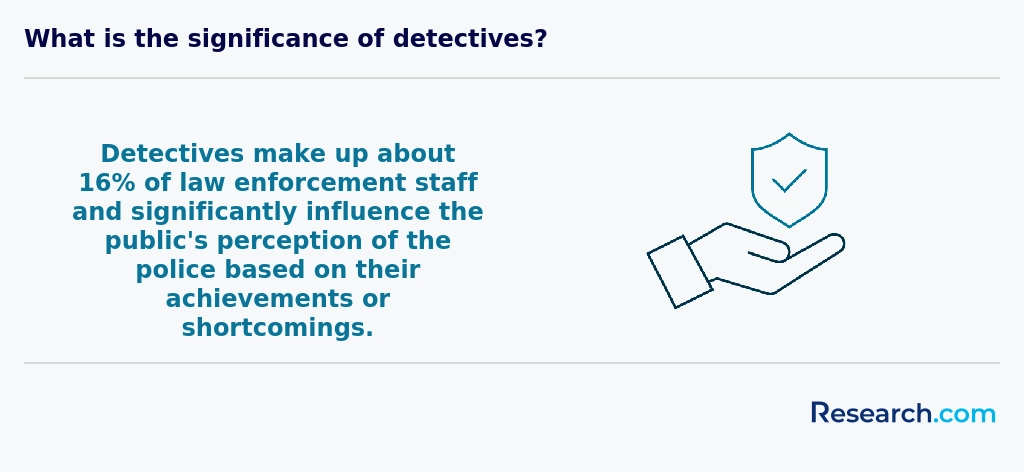
Graduates with an online criminal justice degree in Washington have access to diverse career paths in law enforcement, corrections, and social services. Many alumni from popular programs at Washington colleges find roles as police officers, detectives, or federal agents working with agencies from local police departments to the FBI. These jobs require a deep understanding of criminal behavior and investigative techniques, skills developed through these well-regarded programs. This variety assures students that their degree prepares them effectively for competitive positions.
In corrections, graduates often secure roles such as correctional or probation officers. Washington's Department of Corrections employs thousands, reflecting steady opportunities in this sector. Students frequently describe positive experiences connecting coursework to real-world scenarios, enhancing their readiness to supervise incarcerated individuals or support parolees reintegrating into the community.
Many also pursue social services and victim advocacy careers, offering support to at-risk populations or developing crime prevention strategies. These roles blend criminal justice knowledge with counseling skills, which resonate well with graduates seeking meaningful impact. The broad scope of criminal justice degree job opportunities Washington provides allows learners to find fulfilling careers aligned with their passions.
Students considering further education often compare criminal justice pathways to MBA careers in healthcare, appreciating the flexibility and growth potential in their field.

The job market for graduates with an online criminal justice degree in Washington is promising, supported by steady demand across multiple sectors such as law enforcement, corrections, and legal services. Employment projections for officers and detectives are expected to grow about 6% through 2032, aligning with national trends. Graduates from well-known institutions in Washington report positive outcomes, citing flexible education paths that enable balancing work or family while advancing careers in city police departments or the state patrol.
Opportunities can be found in diverse settings, including county sheriff's offices and private security firms, reflecting the varied needs of Washington's urban and rural communities. For those exploring the criminal justice career outlook Washington DC offers, these roles often provide starting salaries between $40,000 and $60,000, with places like Seattle offering competitive wages around $50,000 for local police officers. Graduates frequently enhance their prospects by gaining experience or certifications beyond the degree.
Many students also leverage financial aid and employer tuition reimbursement to manage tuition costs, which typically range from $30,000 to $40,000 for a bachelor's degree. Those seeking flexible study options might consider programs integrated with a part-time MBA curriculum, which some Washington graduates have found valuable for career advancement in supervisory or administrative roles.
2027 Easiest Online Criminal Justice Degree Programs Ranking in Washington, DC
Investing in your education is a significant decision that can shape your future, and the Research.com team understands the importance of making informed choices. To assist prospective students in Washington, DC, we have meticulously crafted the "2027 Easiest Online Criminal Justice Degree Programs Ranking in Washington, DC." Our commitment to quality, credibility, and accuracy is reflected in the extensive research and analysis conducted to compile this ranking.
We utilized the following reputable data sources to ensure a comprehensive evaluation of criminal justice degree programs:
By exploring this ranking, readers will gain valuable insights into the easiest and most accessible online criminal justice programs available in Washington, DC, helping them make well-informed decisions about their educational journey. For more details on our methodology, please visit our Research.com methodology page.
# 1 position
The George Washington University
Master of Strategic Cyber Ops & Information Management

# 3 position
University of the Potomac-Washington DC Campus
Bachelor of Cyber Security & Policy

Frequently Asked Questions About criminal justice
Online criminal justice degree students in Washington can maximize their learning by actively engaging with course materials and participating in virtual discussions. Utilizing resources from accredited institutions ensures a quality curriculum aligned with state requirements. Washington's criminal justice system emphasizes community-focused policing and reform, so students should seek programs highlighting these areas.
Networking with local professionals through internships or virtual events can provide practical insights and career connections. According to the Washington State Criminal Justice Training Commission, familiarity with state laws and regulations enhances job readiness. Furthermore, time management and setting a consistent study schedule help balance online learning with personal commitments effectively.
Emerging niches within the criminal justice field reflect advances in technology and evolving societal needs. Cybercrime investigation is a rapidly growing area, responding to increased digital threats. Professionals skilled in digital forensics and cybersecurity help law enforcement agencies combat online fraud, hacking, and identity theft. In Washington, the demand for such experts aligns with the region's strong federal presence and tech economy.
Another developing niche is restorative justice, focusing on rehabilitation and reconciliation rather than punishment. This approach is gaining traction in community programs and local courts in Washington. Additionally, homeland security careers, involving emergency management and counterterrorism, continue to rise due to the city's role in national security.
After earning an online criminal justice degree in Washington, preparing for the job market involves several key steps. Networking with local law enforcement agencies and attending industry events can open doors to job opportunities. Internships or volunteer positions help build practical experience, which employers highly value. According to the Washington State Employment Security Department, positions in criminal justice fields are expected to grow by 6% through 2030, signaling steady demand. Graduates should also consider obtaining relevant certifications, such as in forensic science or cybersecurity, to enhance their resumes. Staying informed about state-specific laws and trends is crucial for career advancement.
Employers in Washington seek several key skills when hiring criminal justice degree graduates. Strong analytical abilities are essential, as professionals must evaluate evidence and make informed decisions. Communication skills, both written and verbal, are critical for reporting findings and interacting with diverse communities. According to the Washington State Employment Security Department, problem-solving and critical thinking are among the top traits valued in local law enforcement and corrections roles.
Additionally, knowledge of legal procedures and ethical standards is vital to ensure compliance with state laws. Technological proficiency, including familiarity with crime databases and digital investigation tools, is increasingly important in this evolving field.
Finding internships relevant to a criminal justice degree in Washington requires leveraging both academic and professional resources. Many universities cooperating with local law enforcement and legal agencies offer internship listings for students, even those enrolled online. The Washington State Criminal Justice Training Commission and the Washington Association of Prosecuting Attorneys are valuable contacts for internship opportunities.
Students should also explore state government websites for internships within the Department of Corrections, the Attorney General's Office, or the Washington State Patrol. According to the Bureau of Labor Statistics, Washington is growing in public safety roles, which increases internship availability.
Networking on platforms like LinkedIn and attending local criminal justice events can help students make direct connections with potential internship providers. Additionally, career services at online schools may assist in securing internships tailored to student schedules and locations.
An online criminal justice degree in Washington can significantly enhance career mobility and advancement opportunities. Washington's growing focus on public safety and law enforcement creates demand for qualified professionals with formal education. According to the Washington State Employment Security Department, jobs for criminal justice-related roles like probation officers and detectives are projected to grow by 5% through 2030.
Holding a degree, even via online study, often meets minimum educational requirements for promotion within local agencies and federal roles based in Washington. It also opens pathways to specialized positions in fields such as cybersecurity, forensic analysis, and homeland security. Employers value the flexibility and updated knowledge online degrees provide, facilitating career shifts and upward movement.
Additionally, many Washington agencies offer higher salaries to candidates with bachelor's degrees, reflecting the increased expertise. Online degrees accredited by recognized bodies ensure that graduates are eligible for relevant certifications and leadership roles within the state's criminal justice system.
Studying for a criminal justice degree in Washington offers strong preparation for interdisciplinary roles by integrating knowledge from law, sociology, psychology, and public policy. Washington's programs emphasize critical thinking and practical skills applicable in diverse fields, such as social work, law enforcement, and community advocacy.
The state's online degrees often include coursework on criminal law, ethics, and rehabilitation, equipping students to collaborate across agencies. According to the Washington State Criminal Justice Training Commission, interdisciplinary jobs are growing as public safety shifts toward holistic approaches.
This broad focus enables graduates to work effectively in roles involving policy development, victim support, or corrections management.
When choosing between a thesis and a non-thesis criminal justice degree program in Washington, consider your career goals. A thesis option involves conducting original research and writing an extensive paper, which suits students aiming for research roles or further graduate study. Non-thesis tracks usually focus on coursework and practical skills, ideal for those seeking immediate employment in law enforcement, corrections, or administration.
Washington's labor market for criminal justice professionals grew by 8% from 2020 to 2030, according to the Washington State Employment Security Department. This growth favors applied skills. Schools like Seattle University offer both options, allowing flexibility.
Understanding your commitment to research versus hands-on experience will guide your decision.
Students based in Washington seeking to study criminal justice abroad through online programs have limited direct options, as most U.S. institutions offering online criminal justice degrees focus on domestic curricula. However, some universities with strong international partnerships provide opportunities for virtual exchanges or study-abroad components. These programs often emphasize comparative criminal justice systems, offering valuable global perspectives.
Washington students can also explore accredited U.S. schools with remote courses that include international law or global security topics. According to the Bureau of Labor Statistics, Washington employs over 7,000 criminal justice professionals, increasing interest in globally informed education to address diverse challenges.
In Washington, part-time job opportunities that align well with an online criminal justice degree include roles such as security officer, corrections aide, and victim advocate. These positions provide practical experience and often require minimal prior experience, making them accessible for students balancing studies.
The Washington State Employment Security Department reports steady demand for security officers, with a projected 5% growth through 2030. Corrections aides assist in managing inmate populations and gain insight into the criminal justice system firsthand. Victim advocates support those affected by crime, connecting academic knowledge to community needs.
These roles enhance understanding of criminal procedures, law enforcement, and rehabilitation, crucial for career advancement.
Online criminal justice students in Washington benefit from a variety of networking opportunities despite studying remotely. Many universities partner with local agencies and organizations, such as the Washington Association of Sheriffs and Police Chiefs (WASPC), providing virtual events and internships. These connections help students engage with law enforcement professionals and gain valuable insights into regional justice issues.
Additionally, state-wide conferences and webinars focused on criminal justice innovations often welcome student participation. Professional groups like the Washington chapter of the American Society of Criminology offer membership at discounted rates for students, supporting relationship-building with experts. Such activities complement academic work and enhance career prospects in Washington's justice sector.
Alumni networks play a crucial role for students pursuing online criminal justice degrees in Washington. These networks provide valuable connections with graduates working in law enforcement, legal fields, and public safety agencies throughout the state. Engaging with alumni can open doors to internships, job opportunities, and mentorships that enhance career prospects.
In Washington, where criminal justice reforms and community policing are evolving rapidly, access to experienced professionals through alumni groups helps students stay informed about current practices. According to a 2023 report by the Washington State Criminal Justice Training Commission, networking contributes significantly to employment rates within six months of graduation.
Furthermore, alumni often share insights on local job market trends and licensing requirements specific to Washington, which can be indispensable for students navigating career paths remotely. Overall, strong alumni connections enrich the educational experience and foster professional growth.
When pursuing an online criminal justice degree in Washington, students can customize their programs by choosing specialized tracks or electives aligned with their career goals. Common concentrations include cybersecurity, law enforcement, homeland security, or corrections.
Many schools offer flexible credit options and allow transfer credits, helping professionals tailor their education around existing experience. Washington's criminal justice system emphasizes areas such as community policing and juvenile justice, so selecting courses in these fields can boost local employment prospects.
According to the Washington State Employment Security Department, law enforcement jobs are expected to grow 7% through 2030, highlighting the value of targeted study paths.
Online criminal justice students in Washington often face challenges related to practical experience requirements. Many programs require internships or fieldwork, which can be difficult to arrange remotely or in certain regions. Additionally, maintaining motivation and managing time effectively without the structure of in-person classes can be challenging, especially for working adults balancing multiple responsibilities.
Access to reliable technology and internet connectivity is also a concern in some parts of Washington, impacting students' ability to participate fully in online coursework. According to the Washington State Employment Security Department, the criminal justice sector demands hands-on skills, making experiential learning essential.
Finally, understanding state-specific laws and policies remotely may require extra effort, as Washington's legal system has unique features compared to other states.
With an online criminal justice degree in Washington, graduates can pursue several professional certifications to enhance their careers. Common certifications include the Certified Criminal Justice Professional (CCJP) and the Certified Protection Professional (CPP), both recognized nationally.
Additionally, Washington residents can explore certifications through the Washington Association of Sheriffs and Police Chiefs, which often require specialized training in law enforcement or corrections.
Many employers value certifications from organizations like the Criminal Justice Certification Board (CJCB), increasing job prospects in investigation, probation, and security fields.
Pursuing these certifications typically involves passing an exam and meeting experience requirements, boosting both expertise and credibility.
To write a winning application for an online criminal justice program in Washington, start by highlighting your commitment to public safety and understanding of the local legal framework. Washington's criminal justice system focuses heavily on rehabilitation and community involvement, so emphasize any relevant volunteer or work experience.
Strong academic records, especially in social sciences or law-related courses, improve your chances. Include well-crafted personal statements that clearly explain your goals and why you chose this field.
Additionally, research specific program requirements at Washington institutions such as the University of Washington or Washington State University to tailor your application accordingly. Official transcripts, letters of recommendation, and proof of residency often play a key role.
Criminal justice careers are viewed differently around the world, but many principles remain consistent, especially in the United States. In Washington, DC, the focus is strongly on community safety, legal fairness, and rehabilitation, reflecting broader U.S. values influenced by global human rights standards.
Globally, there is increasing attention on integrating technology and data analysis into criminal justice roles. This aligns with trends in Washington, where law enforcement agencies utilize modern tools for crime prevention.
The U.S. Bureau of Labor Statistics reports that jobs in criminal justice fields are expected to grow 5% nationally through 2031, highlighting steady demand. Washington offers unique opportunities due to its federal institutions and agencies, impacting global justice policies.
Understanding these international perspectives helps students appreciate the wide applicability of a criminal justice degree in Washington, preparing them for diverse roles at local and federal levels.
Gaining practical experience while studying for an online criminal justice degree in Washington is essential for career readiness. Many programs encourage or require internships with local agencies, such as police departments, courts, or correctional facilities. These placements often can be completed part-time alongside coursework.
Additionally, Washington offers opportunities through partnerships with organizations like the Seattle Police Department or the Washington State Department of Corrections. Students can apply for volunteer roles or ride-alongs to observe real-world law enforcement activities.
Virtual simulations and case studies are also becoming more common in online curricula, providing hands-on scenarios in a controlled environment. According to the Washington State Employment Security Department, practical experience improves job prospects in the state's growing criminal justice sector.
Choosing the right concentration within an online criminal justice degree in Washington depends on your career goals and local job market demands. Washington's criminal justice sector often seeks expertise in areas like cybersecurity, law enforcement, and forensic psychology. According to the Washington State Employment Security Department, jobs within cybersecurity and law enforcement are projected to grow by 8% over the next decade. Evaluating concentrations that align with these trends could improve your employment prospects.
Consider also the curriculum offered by programs accredited in Washington, ensuring they provide relevant practical skills. Networking opportunities and partnerships with local agencies can enhance hands-on experience. Reflect on personal interests and strengths, whether pursuing policing, corrections, or legal studies, to choose a concentration that fits your professional ambitions.
- 2027 Easiest Online Criminal Justice Degree Programs Ranking in Adelphi, MD
- 2027 Easiest Online Bachelor's in Criminal Justice Degree Programs Ranking in Philadelphia, PA
- 2027 Easiest Online Bachelor's in Criminal Justice Degree Programs Ranking in Virginia Beach, VA
- 2027 Easiest Online Master's in Criminal Justice Degree Programs Ranking in New York, NY
- 2027 Easiest Online Criminal Justice Degree Programs Ranking in Utica, NY
- 2027 Easiest Online Criminal Justice Degree Programs Ranking in Boston, MA
- 2027 Easiest Online Criminal Justice Degree Programs Ranking in Cincinnati, OH
- 2027 Easiest Online Criminal Justice Degree Programs Ranking in Livonia, MI
See What Experts Have To Say About Studying Criminal Justice
Read our interview with Criminal Justice experts

James W. Marquart
Criminal Justice Expert
Associate Provost and Professor of Criminology
Texas Christian University

Mark Moore
Criminal Justice Expert
Research Professor of Public Management
Harvard University

David Carter
Criminal Justice Expert
Professor, School of Criminal Justice
Michigan State University

- CRIMINAL JUSTICE https://www.stmartin.edu/documents/criminal-justice-resume-and-cover-letter-packet
- Getting a Criminal Justice Degree Online | University of Bridgeport https://www.bridgeport.edu/news/can-you-get-a-criminal-justice-degree-online/
- Criminal Justice, B.A. - Trinity Washington University | Washington, DC https://www2.trinitydc.edu/academic_program/criminal-justice-2/
- Study Criminal Justice Abroad | Go Overseas https://www.gooverseas.com/study-abroad/criminal-justice
- Find Top Online Bachelor's In Criminal Justice Programs https://www.accreditedschoolsonline.org/criminal-justice/bachelors/
- Ten Lessons for Talking About Criminal Justice Issues - The Opportunity Agenda https://opportunityagenda.org/messaging_reports/ten-lessons-criminal-justice/
- What Can You Do With a Degree in Criminal Justice? | UMass Global https://www.umassglobal.edu/blog-news/what-can-you-do-with-a-criminal-justice-degree
- Online Criminal Justice Degrees in Washington: Find the Right School https://www.degreesforgood.org/online-degrees/criminal-justice-programs/washington/
- Professional Networking in Criminal Justice https://www.criminaljustice.com/resources/professional-networking/
- The Current Challenges of International Criminal Law - FIBGAR https://fibgar.es/en/portfolio-item-en/the-current-challenges-of-international-criminal-law/