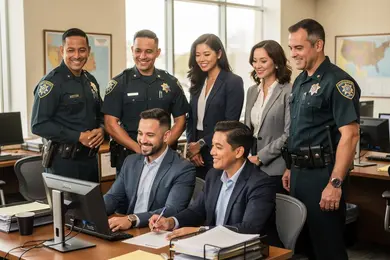
2027 Fastest Online Master's in Criminal Justice Degree Programs Ranking in Missouri

Co-Founder and Chief Data Scientist
Are you considering advancing your career with a criminal justice master's degree but need a flexible, fast program? This article introduces the 2027 Fastest Online Master's in Criminal Justice Degree Programs Ranking in Missouri, developed by the Research.com team of data scientists. It's designed to help you find the best options tailored to your goals and lifestyle.
By exploring this ranking, you'll discover programs that offer speed without compromising quality, empowering you to step confidently into your future. Earning a criminal justice degree can open doors to meaningful and fulfilling opportunities in Missouri's growing justice sector.
Key benefits of getting online criminal justice degree in Missouri
- Graduates with a criminal justice degree in Missouri can earn competitive salaries, such as $95,930 annually for detectives or criminal investigators and up to $129,330 for security managers, making this field financially rewarding.
- A criminal justice degree opens doors to diverse careers, from law enforcement and investigation to security analysis and policy making, offering exciting opportunities for growth and impact within the state.
- Completing a criminal justice degree online provides great flexibility and convenience, allowing students to balance work and study effectively while gaining the same respected credentials as traditional programs.
- 2027 Fastest Online Master's in Criminal Justice Degree Programs Ranking in Missouri
- What can I expect from online criminal justice degree in Missouri?
- Where can I work with online criminal justice degree in Missouri?
What can I expect from online criminal justice degree in Missouri?
The average cost of an online criminal justice degree in Missouri typically ranges from $15,000 to $30,000 for a bachelor's program, depending on the institution and residency status. Graduates from popular schools like the University of Missouri or Missouri State University often report a strong return on investment, citing affordable tuition combined with flexible payment options as key benefits. Many students appreciate the ability to balance work and study without incurring high debt, especially when pursuing degrees fully online.
Missouri institutions often provide financial aid packages and scholarships tailored to criminal justice students, making programs even more accessible. Graduates highlight how this practical affordability paired with in-depth coursework on Missouri's unique criminal justice system creates a rewarding educational experience. Being able to study state laws and complete internships locally allows students to feel connected and confident in their career paths.
These cost structures reflect the state's commitment to supporting workforce development amid rising demand for criminal justice professionals, helping students acquire skills vital to Missouri communities while managing expenses effectively.
Where can I work with online criminal justice degree in Missouri?
Graduates with an online criminal justice degree from popular Missouri institutions such as the University of Missouri or Missouri State University find diverse career opportunities statewide. Many enter law enforcement, joining city police departments or becoming state troopers with the Missouri State Highway Patrol, which employs over 20,000 sworn officers. These roles appeal to graduates seeking dynamic, impactful work daily.
Others pursue corrections careers through the Missouri Department of Corrections, managing rehabilitation programs or working as probation and parole officers. Graduates often share that hands-on knowledge from their studies makes navigating prison security and inmate support more rewarding and effective.
Several alumni also secure positions within the judicial system as court clerks or victim advocates, where their criminal justice expertise supports case management. Private sector jobs in security firms and nonprofit organizations focused on community safety and youth intervention also attract graduates, emphasizing meaningful contributions beyond traditional roles.
Data from the U.S. Bureau of Labor Statistics confirms steady job growth for these professions in Missouri, reassuring students about their long-term prospects.
Graduates with an online criminal justice degree in Missouri often see a wide salary range, depending on their chosen career path and level of experience. For instance, detectives or criminal investigators earn a mean annual wage of about $95,930, reflecting the demand for skilled professionals in urban centers like St. Louis and Kansas City. Graduates entering academic roles as criminal justice professors can expect average earnings around $83,470 annually.
Those pursuing roles in security may find even higher pay. Security analysts in Missouri earn an average of $124,740, while security managers reach about $129,330 annually. These positions often require advanced knowledge or certifications but offer significant financial rewards.
Policy analysts represent another lucrative avenue, with mean annual wages near $115,530. Many graduates from Missouri's well-regarded public universities report gaining relevant internships and networking opportunities that help them transition into these roles smoothly.
Overall, investing in an online criminal justice degree from Missouri institutions can lead to rewarding careers with salaries rising as you gain experience and specialize.
- Online criminal justice degrees in Missouri are available at associate, bachelor's, and master's levels with courses covering law enforcement, corrections, criminology, and the judicial system.
- Tuition for public universities ranges from $7,000 to $15,000 per year for residents, with total bachelor's degree costs between $20,000 and $50,000.
- Entry-level jobs like probation or police officers pay around $38,000 to $45,000 annually, while experienced professionals can earn $55,000 to $75,000 per year.
- The criminal justice job market in Missouri is expected to grow about 5% over the next decade, supporting roles in homeland security, juvenile justice, and cybercrime prevention.
- Programs often prepare students for required certifications such as peace officer standards and include practical training like internships or virtual simulations.
Completing an online criminal justice degree in Missouri typically takes around four years for bachelor's students attending full-time, consistent with programs at institutions like the University of Missouri-St. Louis and Missouri State University. Graduates often mention how the program's pacing allowed them to maintain jobs and family commitments without feeling overwhelmed.
For those with an associate degree, accelerated completion options can shorten the timeline to 18-24 months. These tracks, offered at colleges such as Columbia College, recognize prior credits and provide flexible scheduling, which many working adults appreciate for balancing career advancement with education.
Master's degree seekers usually spend 18 to 24 months if enrolled full-time, but part-time enrollment extends this up to three or four years. Graduates frequently highlight how schools like Webster University support flexibility, making it easier to manage professional obligations while progressing academically.
Completion time varies due to several factors including transfer credits, course load, and individual program structures-elements that Missouri students carefully consider to align with their personal and career goals.
A robust online Criminal Justice program in Missouri extends beyond coursework by offering dedicated career services and a vibrant alumni network that empowers graduates to transition smoothly into the workforce. From personalized career counseling to exclusive networking events, these resources significantly enhance job prospects and professional growth. • Career Counseling and Workshops: Most top-ranked online programs provide one-on-one career advising, résumé reviews, mock interviews, and job-search strategy sessions. These services help students articulate their unique strengths-such as analytical skills and community-oriented policing knowledge-in applications for roles across law enforcement, corrections, and forensic science. • Internship and Externship Placement: Partnerships with local police departments, legal aid organizations, and correctional facilities enable students to secure internships that offer hands-on experience. Programs often maintain placement agreements to match students with sites aligned to their specialization, ensuring early exposure to real-world challenges and professional contacts. • Alumni Mentorship Programs: Graduates are paired with experienced alumni who work in various sectors of the criminal justice system. These mentor relationships foster guidance on career advancement, licensure requirements, and specialized certifications. Alumni also share insights into emerging fields such as cybercrime and homeland security, helping new graduates stay ahead of industry trends. • Networking Events and Online Communities: Virtual career fairs, webinars, and discussion forums connect current students with successful alumni and industry leaders. These events cover topics like leadership in corrections management, forensic science breakthroughs, and legal support roles. Participants often form study groups or professional cohorts that continue to offer peer support long after graduation. • Specialized Paralegal Pathway: For students interested in legal support roles, many programs highlight paralegal tracks that complement a criminal justice background. Aspiring legal professionals can explore detailed steps on how to become a criminal law paralegal, integrating their criminal justice expertise with paralegal certification to maximize career flexibility. By leveraging these career services and tapping into an engaged alumni network, online Criminal Justice graduates in Missouri gain a competitive edge, forging connections that translate into meaningful employment and long-term professional success.
Online and on-campus criminal justice degrees in Missouri share core curricula and accreditation standards but differ significantly in delivery and student experience. Graduates from the University of Missouri system highlight how online programs provide the flexibility to balance work or family, accessing lectures anytime without commuting. This asynchronous model fits well for those needing control over their schedules but demands strong self-motivation to meet deadlines independently.
Conversely, students at Missouri State University value the in-person setting for fostering face-to-face relationships with professors and peers, enriching learning through group discussions and campus resources like simulated crime labs. These hands-on experiences are often unavailable online but crucial for applying theory to practice.
Financially, online students often save on housing and travel costs, yet Missouri's in-state tuition averages about $8,000 annually for both formats, making education affordable regardless of delivery. Ensuring program accreditation and Missouri state authorization remains essential for transferability and career prospects in either path.
The average cost of an online criminal justice degree in Missouri typically centers around $12,409 for in-state students, with out-of-state students often paying similar or higher rates depending on the institution. Graduates from well-regarded programs at universities like the University of Missouri and Missouri State University often share that careful financial planning helped them manage tuition expenses effectively, balancing education with work and family commitments.
Public universities generally offer more affordable online options for criminal justice, making it feasible for many Missouri residents to pursue a degree without excessive debt. The median total cost aligns with tuition fees that range approximately between $250 and $350 per credit hour for in-state students, though this can vary by program length and specific course requirements. Private institutions, by comparison, tend to have considerably higher tuition rates, which can significantly increase the overall financial commitment.
Students seeking an associate degree or certificate in criminal justice may find community colleges with lower tuition per credit hour appealing, often falling between $150 and $250. Many graduates emphasize the value of researching these options carefully, including exploring fastest online criminal justice degree in Missouri pathways to reduce time and costs.
Understanding Missouri online master's in criminal justice tuition fees helps prospective students set realistic goals and explore financial aid opportunities, leading to rewarding career advancements and personal satisfaction in the criminal justice field.
Accreditation is a critical marker of quality and credibility for any online master’s in criminal justice Missouri program. Prospective students should verify both institutional accreditation-commonly granted by regional bodies such as the Higher Learning Commission (HLC)-and programmatic accreditation from organizations like the Academy of Criminal Justice Sciences (ACJS). Regionally accredited institutions ensure transferability of credits, eligibility for federal financial aid, and recognition by employers nationwide. When evaluating programs, check each university’s accreditation status on the U.S. Department of Education database and review third-party endorsements from professional associations (e.g., CALEA or ACJS). Accreditation audits typically assess faculty qualifications, curriculum rigor, student support services, and graduate outcomes-factors that directly influence your educational investment and career trajectory. Furthermore, accredited programs often maintain advisory boards composed of law enforcement and public policy experts, ensuring coursework stays current with industry standards. Beyond Missouri, students looking for cost-effective, quality options can consult our Low Cost Criminal Justice Degree Programs Ranking in Albany, NY to compare tuition rates and accreditation credentials in a different region. By prioritizing accredited online master’s programs, you secure a degree that not only meets rigorous academic benchmarks but also enhances your professional credibility and long-term career prospects in the criminal justice field.
Students pursuing an online criminal justice degree in Missouri commonly access federal Pell Grants and low-interest federal student loans to offset tuition costs, which range from approximately $8,000 to $25,000 annually. For example, graduates from institutions like the University of Central Missouri emphasize how the maximum Pell Grant award of $7,395 for 2023-2024 substantially reduced their financial burden.
Missouri-specific aid programs also play a key role. The Missouri Access Program grants assist state residents attending public universities by providing financial support based on demonstrated need. Additionally, the Bright Flight Scholarship rewards high-achieving students with strong ACT or SAT scores, a benefit that some graduate students at schools like Missouri State University have leveraged to ease expenses.
Institutional scholarships, including merit-based awards offered by many Missouri colleges, complement these programs and frequently benefit diligent students maintaining strong academic records. Employment-based aid from employers like local police departments or the Missouri Department of Public Safety also helps working criminal justice students by offering tuition reimbursement or incentives tied to job performance.
- Federal Pell Grants and low-interest federal student loans
- Missouri Access Program grants for state residents
- Bright Flight Scholarship for academically talented Missouri students
- Institutional scholarships and merit-based awards from Missouri colleges
- Employer tuition assistance programs in criminal justice fields
When considering a career in criminal justice, it's essential to think about the long-term benefits and opportunities that come with this field. One of the most significant advantages of pursuing a fastest online criminal justice degree in Missouri is the flexibility it offers, allowing students to balance their studies with work and other responsibilities. This flexibility is particularly beneficial for those already working in law enforcement or related fields, as it enables them to apply their learning in real-time. By leveraging this flexibility, graduates can position themselves for career advancement, whether in law enforcement, corrections, or private security, and make a meaningful impact in their communities.
Enrollment in online criminal justice degree programs in Missouri typically requires a high school diploma or GED for undergraduate applicants. For example, graduates from popular programs at Missouri State University often recall that maintaining a minimum GPA of around 2.5 helped demonstrate their readiness for college-level work. While some universities initially requested SAT or ACT scores, many have since waived these requirements, reflecting evolving admissions trends.
At the graduate level, prospective students usually need a bachelor's degree from an accredited institution, with a minimum GPA near 3.0. Graduates describe how relevant coursework or experience in law enforcement or social services strengthened their applications at institutions like the University of Missouri-St. Louis. Additional prerequisites often include submitting official transcripts, letters of recommendation, and a carefully crafted statement of purpose outlining career goals.
Practical components such as internships may require background checks, a step graduates recognize as vital for building trust with local law enforcement agencies and enhancing real-world readiness.
Beyond earning an online Criminal Justice degree in Missouri, professional certifications and ongoing training play a pivotal role in distinguishing candidates and ensuring compliance with industry standards. Many agencies and private-sector employers require or prefer certifications that demonstrate specialized expertise and commitment to best practices. Key certifications to consider include: • Certified Fraud Examiner (CFE): Offered by the Association of Certified Fraud Examiners, this credential validates skills in fraud prevention, detection, and investigation. • Certified Protection Professional (CPP): Administered by ASIS International, the CPP designation is ideal for those pursuing leadership roles in security management. • Forensic Interviewer Certification: Programs such as the International Association of Interviewers’ credential equip professionals with evidence-based techniques for interviewing witnesses and suspects. • Crime and Intelligence Analysis (CIAA): The International Association of Crime Analysts offers this certification to validate advanced analytical skills for crime mapping and data-driven policing. Continuing education units (CEUs) are equally important for maintaining these certifications and staying current with evolving laws, technologies, and methodologies. Online platforms and professional associations often host webinars, workshops, and conferences on topics ranging from digital forensics to community policing innovations. For those interested in legal support roles, explore how to become a criminal law paralegal to gain foundational knowledge and certification requirements specific to paralegal practice in criminal cases. Regularly updating credentials through CEUs not only enhances employability but also underscores a commitment to excellence and ethical standards in the field.
Online criminal justice degree programs in Missouri consistently include core courses that build a solid foundation in the field. Graduates from well-regarded colleges emphasize how courses like Introduction to Criminal Justice and Criminology helped them understand the complexities of law enforcement and crime causation within the state's unique legal environment.
The curriculum typically involves Criminal Law and Procedure, where students analyze Missouri statutes and case law, grounding their knowledge in real-life judicial processes. Practical courses such as Correctional Systems and Practices prepare students to navigate the state's corrections landscape, covering probation, parole, and rehabilitation.
Research methods and ethics are also key focus areas, ensuring students can effectively study justice trends and maintain professional integrity. Popular programs in Missouri often integrate electives like cybersecurity crimes, offering flexibility to align academic learning with emerging law enforcement challenges.
Graduates frequently report feeling confident and equipped to enter diverse roles ranging from policing to legal analysis, reflecting the programs' strong emphasis on both theory and application specific to Missouri's public safety context.
Online criminal justice specializations Missouri students encounter typically include Cybercrime and Digital Forensics, Homeland Security and Emergency Management, Corrections and Rehabilitation, Criminology and Criminal Behavior, and Law Enforcement Leadership. Graduates from prominent Missouri universities often highlight how Cybercrime coursework helped them tackle real-world digital fraud cases, reflecting growing demand for experts in technology-related crime.
Specializations like Homeland Security gain relevance given Missouri's strategic location near transportation hubs, preparing students for emergency response roles. Corrections and Rehabilitation options reflect the state's substantial Department of Corrections workforce, offering practical training for managing rehabilitation programs. Meanwhile, Criminology appeals to those focused on research and policy development, allowing graduates to influence crime prevention strategies statewide.
Students choosing criminal justice degree concentration options Missouri benefit from programs that integrate local legal frameworks and hands-on scenarios. For example, graduates often emphasize how Missouri-based case studies enhanced their understanding of state laws and community challenges. Those exploring alternative paths can also learn how to become a criminal law paralegal, expanding career flexibility. These distinct tracks align well with Missouri's employment growth projections in law enforcement and corrections.
Choosing the best online criminal justice degree in Missouri starts with verifying accreditation. Programs recognized by regional accreditors like the Higher Learning Commission (HLC) or specialized agencies ensure your degree holds value both academically and professionally. Graduates from popular Missouri institutions often praise programs with practical internships, which connect them directly to local law enforcement agencies, enhancing job readiness.
Cost remains a major factor. Missouri public four-year institutions average $9,000 to $11,000 annually for in-state tuition, but online degrees may have additional fees. Many students appreciate programs offering flexible scheduling with asynchronous classes, allowing working professionals to balance study with career demands, a key reason these degrees gain traction.
Curriculum diversity is critical; specialties such as juvenile justice or cybersecurity align well with current employment trends tracked by the Missouri Department of Higher Education. Prospective students seeking affordable criminal justice master's programs Missouri can explore options detailed in resources like the Low Cost Criminal Justice Degree Programs Ranking in Albany, NY, helping to identify value-packed paths that suit their ambitions.

Graduates with an online criminal justice degree in Missouri find diverse career paths across the state's justice system. Many secure roles as police officers or detectives in cities like St. Louis and Kansas City, where public safety needs remain a priority. Others take on correctional officer positions or administrative roles within Missouri's county and state corrections, leveraging skills from their academic training.
Probation and parole officer jobs are common for graduates, who actively support offender supervision and rehabilitation efforts. Crime scene investigator and forensic specialist roles attract those seeking advanced certification, combining analytical skills with practical application. Graduates from universities in Missouri often share how program flexibility allowed them to pursue such careers while balancing work or family commitments.
Private security management and legal assistant positions also align well with criminal justice degree job opportunities Missouri. This flexibility is particularly valued at institutions reputed for fast adult degree programs online. Emergency management coordination, focusing on public safety threat planning, rounds out many careers available to graduates.
The job market for online criminal justice degree holders in Missouri remains robust, supported by a consistent demand for qualified professionals across law enforcement and corrections. Graduates from institutions like the University of Central Missouri and Missouri State University often find roles within local police departments or the Missouri State Highway Patrol, which value the combination of academic credentials and practical experience. Those pursuing online criminal justice jobs in Missouri benefit from competitive salaries, with police officers earning around $56,000 annually and correctional officers approximately $41,000, according to recent statistics.
Missouri's criminal justice career opportunities also extend into federal agencies and forensic analysis, where graduates report positive experiences blending theory and real-world application. The flexibility and affordability of earning an online degree-often costing between $7,000 and $15,000 per year-allow students to continue working while advancing their education. For those aiming for specialization, options like the easiest master degree online provide a practical path to enhance skills and increase job prospects, especially in high-tech areas such as cybercrime and data analysis.
2027 Fastest Online Master's in Criminal Justice Degree Programs Ranking in Missouri
Investing in your education is a significant decision that can shape your future, and the Research.com team understands the importance of making informed choices. To assist prospective students in Missouri, we have meticulously crafted the "2027 Fastest Online Master's in Criminal Justice Degree Programs Ranking in Missouri." Our commitment to quality, credibility, and accuracy is reflected in the extensive research and analysis conducted to compile this ranking.
We utilized the following reputable data sources to ensure a comprehensive evaluation of criminal justice programs:
By exploring this ranking, readers will gain valuable insights into the fastest online criminal justice master's programs in Missouri, enabling them to make well-informed decisions about their educational pursuits. For more details on how this ranking was created, please visit our Research.com methodology page.



Frequently Asked Questions About criminal justice
Online criminal justice degree students in Missouri can maximize their learning by engaging actively with course materials and participating in virtual discussions. Missouri's criminal justice system emphasizes practical knowledge, so students should seek internships or volunteer opportunities with local agencies like the Missouri State Highway Patrol or St. Louis Police Department.
Utilizing resources such as the Missouri Association of Criminal Defense Lawyers can deepen understanding of local laws and policies. Missouri's Bureau of Justice Statistics reports that hands-on experience improves job readiness in this field.
Finally, staying disciplined with a study schedule and leveraging faculty office hours enhances overall success in online programs.
The criminal justice field in Missouri is evolving, with several emerging niches gaining prominence. Cybersecurity and digital forensics are rapidly growing areas due to the rise in cybercrime, reflecting national trends reported by the Missouri Highway Patrol. Professionals skilled in investigating online fraud and digital evidence are in high demand.
Additionally, forensic psychology is becoming crucial as agencies seek experts who understand criminal behavior and mental health. Another expanding niche includes homeland security, where efforts focus on counterterrorism and emergency management within the state. These specialized fields offer promising career paths for students pursuing online criminal justice degrees in Missouri.
After earning an online criminal justice degree in Missouri, students should focus on gaining practical experience to improve job prospects. Internships with local law enforcement, courts, or correctional facilities offer valuable real-world exposure. Missouri's Department of Public Safety and local police departments commonly provide such opportunities.
Networking is also crucial. Joining professional organizations like the Missouri Association of Criminal Justice Professionals can connect graduates with industry insiders and job openings. According to the U.S. Bureau of Labor Statistics, Missouri's employment of criminal justice workers is projected to grow 5% through 2031, signaling steady demand.
Additionally, obtaining relevant certifications, such as for law enforcement or cybersecurity, enhances employability within Missouri's diverse criminal justice fields.
Employers in Missouri seek criminal justice graduates who possess strong analytical and critical thinking skills. The ability to assess complex situations and make informed decisions is essential in law enforcement and legal roles across the state. Communication skills, both written and verbal, are also highly valued for effective interaction with colleagues, the public, and the justice system.
Knowledge of Missouri's specific laws and regulations enhances a candidate's appeal. According to the Missouri Department of Public Safety, understanding local legal frameworks supports practical application of learned theories. Additionally, technology proficiency, particularly in crime data analysis and digital evidence handling, is increasingly important. Ethical judgment and cultural competency are critical, given Missouri's diverse populations and evolving social contexts in criminal justice sectors.
Finding criminal justice internships in Missouri begins with exploring programs affiliated with universities that offer online degrees. Schools such as the University of Missouri system often collaborate with local law enforcement agencies, courts, and social service organizations to provide internship opportunities.
Students should also utilize resources like the Missouri State Highway Patrol and the Missouri Department of Corrections, which regularly offer internships to support workforce development in criminal justice fields. Checking these agency websites and contacting their internship coordinators directly can provide up-to-date openings.
Additionally, professional organizations such as the Missouri Criminal Justice Association may list internship options and networking events tailored for criminal justice students. Missouri's growing criminal justice sector supports a variety of placements across urban and rural settings, enhancing practical experience.
Obtaining an online criminal justice degree in Missouri can significantly enhance career mobility and advancement within the state's public safety and legal sectors. Many Missouri employers, including law enforcement agencies and federal organizations, recognize accredited online degrees as valid credentials for promotion and specialized roles.
The Missouri Department of Public Safety notes that higher education often correlates with increased eligibility for supervisory positions and specialized assignments. For example, professionals with a master's degree may qualify for roles in criminal analysis, probation leadership, or federal enforcement positions.
Additionally, the online format provides flexibility, allowing working professionals to continue gaining experience while earning degrees, which improves their competitive edge in a growing field. According to the U.S. Bureau of Labor Statistics, Missouri's employment of police and detectives is expected to grow by 5% through 2031, reflecting steady demand for educated experts.
Studying for a criminal justice degree in Missouri equips students for interdisciplinary roles by integrating knowledge across law enforcement, psychology, sociology, and public policy. Many Missouri programs emphasize practical skills and theory, helping students understand how criminal justice interacts with social services and legal frameworks. According to the Missouri Department of Public Safety, coordination between agencies is crucial for effective community safety, highlighting the need for professionals versed in multiple disciplines.
Students learn about data analysis, ethical decision-making, and communication, all vital for roles ranging from probation officers to policy analysts. This broad foundation prepares graduates to work in diverse public and private sectors within Missouri's growing criminal justice system.
When choosing between a thesis and a non-thesis criminal justice degree program in Missouri, consider your career goals and learning preferences. Thesis programs emphasize research skills, requiring a significant project that can prepare students for doctoral studies or research-oriented careers. Non-thesis options focus more on practical knowledge and often include additional coursework or internships, ideal for professionals aiming to advance in law enforcement or public administration.
Missouri graduate criminal justice programs typically offer both tracks, with thesis candidates engaging in deeper academic inquiry. According to the Missouri Department of Public Safety, the state's demand for criminal justice professionals is expected to grow by 7% through 2030, highlighting the value of applied skills gained in non-thesis paths.
Assess program flexibility, faculty expertise, and your time commitment before deciding.
Students in Missouri seeking criminal justice degrees with an international focus often explore online programs that include study-abroad components or global criminal justice perspectives. While fully abroad-based degrees are rare for online students, some Missouri institutions offer partnerships with universities overseas or international internships. These experiences allow students to gain insight into comparative justice systems and cross-border crime issues.
Additionally, Missouri residents can consider accredited online programs that incorporate international law or transnational crime studies without requiring travel. According to the Bureau of Justice Statistics, Missouri ranks among the states with growing interest in global justice issues, pushing schools to expand their curriculum.
Such options help students in Missouri access broader criminal justice education while benefiting from online flexibility and local accreditation standards.
Students pursuing an online criminal justice degree in Missouri can enhance their education through various part-time jobs relevant to the field. One popular option is working as a security officer, which helps develop skills in surveillance, risk assessment, and public safety. The Missouri Department of Public Safety also offers part-time roles in community policing or administrative support, providing direct exposure to law enforcement operations.
Another opportunity includes positions as a victim advocate or juvenile detention assistant, roles that align with Missouri's focus on rehabilitation and victim services. According to the Missouri Economic Research and Information Center, crime prevention jobs are expected to grow moderately over the next decade, strengthening job prospects while studying.
Online criminal justice students in Missouri have several networking opportunities to enhance their careers. Many universities offer virtual career fairs and alumni groups specifically for criminal justice disciplines. Networking through professional organizations such as the Missouri Association of Criminal Defense Lawyers or the Missouri Police Chiefs Association provides access to events, webinars, and mentorship programs.
Additionally, students can connect with peers and professionals via online platforms linked to their programs, fostering collaboration and job leads. According to Missouri's Department of Public Safety, the state's criminal justice sector employs over 41,000 professionals, making local connections valuable for internships and employment.
Alumni networks provide valuable support for online criminal justice degree students in Missouri by connecting them with experienced professionals. These networks often offer mentorship opportunities, helping students understand career paths within local law enforcement, corrections, and legal agencies. Missouri's criminal justice workforce is expected to grow by 7% through 2031, according to the Bureau of Labor Statistics, making networking essential for job placement.
Graduates can access exclusive job postings and internships available only through alumni channels. Networking events and online forums hosted by Missouri universities also foster collaboration and knowledge sharing. This community engagement enhances students' professional development and boosts their competitiveness in Missouri's criminal justice job market.
Customizing an online criminal justice degree in Missouri allows students to align their education with specific career goals. Many Missouri universities offer elective courses and specializations in areas such as forensic science, cybersecurity, youth services, or law enforcement management. These options let students focus on their interests within the broad criminal justice field.
Missouri's growing demand for professionals in cybercrime and forensic analysis provides opportunities for targeted study. According to the Missouri Department of Public Safety, roles in digital forensics and crime prevention are expanding statewide. Choosing relevant electives and internships can support entry into these fields.
Additionally, some programs allow flexible scheduling and practical experiences that fit working professionals. Engaging with faculty advisors can help tailor the curriculum to balance academic and career objectives.
Online criminal justice students in Missouri often face challenges related to balancing work, family, and study commitments. Many students are working professionals, making time management a critical skill. Missouri's diverse population and varying local laws also require students to grasp complex, region-specific legal concepts, which can be difficult without in-person interaction.
Technical barriers, such as unreliable internet access in rural parts of Missouri, pose additional difficulties. According to the Missouri Economic Research and Information Center, about 12% of households lack broadband connectivity.
Furthermore, online students may struggle with securing quality internships or practical experiences essential for careers in criminal justice. Missouri's state and local agencies have limited remote internship opportunities, making hands-on training a common obstacle.
With an online criminal justice degree in Missouri, graduates can pursue various professional certifications to enhance their career prospects. Common certifications include the Certified Criminal Justice Manager (CCJM) and the Certified Law Enforcement Analyst (CLEA), recognized nationwide. Additionally, Missouri offers state-specific certificates, such as the Missouri Peace Officer Standards and Training (POST) certification, which is essential for law enforcement careers within the state.
Other certifications include the Certified Protection Professional (CPP) for security management roles. These credentials often lead to better job opportunities and higher salaries in criminal justice fields.
Sources like the Missouri Department of Public Safety provide up-to-date certification requirements and statistics for local law enforcement.
Applying for an online criminal justice program in Missouri requires clear and focused preparation. Start by carefully reviewing each program's admission criteria, as Missouri schools often emphasize a mix of academic transcripts, letters of recommendation, and relevant work experience. Highlighting any background in law enforcement or related fields can strengthen your application.
Missouri's criminal justice system is ranked among the more effective nationally, so mentioning familiarity with local laws or agencies like the Missouri State Highway Patrol can be beneficial. According to the Missouri Department of Public Safety, practical knowledge and community involvement weigh heavily as well.
Additionally, write a concise personal statement explaining your career goals and how the program aligns with Missouri's public safety priorities. Proofread meticulously to avoid errors, and submit all documents before the deadlines.
The criminal justice field has a growing global footprint, with many career opportunities shaped by international cooperation and shared challenges. For students pursuing an online criminal justice degree in Missouri, understanding global perspectives enhances their awareness of how justice systems operate worldwide.
In the U.S., and specifically Missouri, criminal justice professionals increasingly engage with global issues such as cybercrime, human trafficking, and transnational crime, driving demand for culturally aware practitioners. According to the Missouri Department of Public Safety, collaboration with international agencies is vital for effective law enforcement.
This international outlook prepares graduates to work in diverse environments, contributing to community safety while addressing global threats.
Gaining practical experience while studying for an online criminal justice degree in Missouri is essential for career readiness. Many programs require or recommend internships, which students can complete at local or state agencies such as police departments, the Missouri Department of Corrections, or federal law enforcement offices in the state.
Students benefit from Missouri's extensive network of criminal justice organizations that often partner with schools for hands-on training. Virtual simulations and case studies offered by programs also help develop real-world skills remotely.
Engaging in volunteer opportunities or joining professional associations, like the Missouri Association of Crime Analysts, can provide additional practical insights and networking chances.
Choosing the right concentration within an online criminal justice degree program in Missouri depends on your career goals and interests. Missouri offers various specialties, such as forensic science, corrections, law enforcement, and homeland security.
Research labor market data from sources like the Missouri Economic Research and Information Center (MERIC) to identify growing fields. For instance, law enforcement roles in Missouri are expected to grow by 5% over the next decade.
Consider your preferred work environment, whether in courtroom settings, correctional facilities, or federal agencies. Some concentrations may require additional certifications or training specific to Missouri laws and standards.
- 2027 Fastest Online Master's in Criminal Justice Degree Programs Ranking in Kansas
- 2027 Fastest Online Master's in Criminal Justice Degree Programs Ranking in Kentucky
- 2027 Fastest Online Master's in Criminal Justice Degree Programs Ranking in Colorado
- 2027 Fastest Online Master's in Criminal Justice Degree Programs Ranking in Ohio
- 2027 Fastest Online Master's in Criminal Justice Degree Programs Ranking in Alabama
- 2027 Fastest Online Master's in Criminal Justice Degree Programs Ranking in Georgia
- 2027 Fastest Online Master's in Criminal Justice Degree Programs Ranking in Texas
- 2027 Fastest Online Master's in Criminal Justice Degree Programs Ranking in Florida
- 2027 Fastest Online Master's in Criminal Justice Degree Programs Ranking in Virginia
- 2027 Fastest Online Master's in Criminal Justice Degree Programs Ranking in North Carolina
See What Experts Have To Say About Studying Criminal Justice
Read our interview with Criminal Justice experts

Frank Schmalleger
Criminal Justice Expert
Professor Emeritus
The University of North Carolina

Mark Moore
Criminal Justice Expert
Research Professor of Public Management
Harvard University

James W. Marquart
Criminal Justice Expert
Associate Provost and Professor of Criminology
Texas Christian University

- Criminal Justice Studies Graduate Certificate https://www.etamu.edu/programs/criminal-justice-studies-graduate-certificate/
- Bachelor Degree in Criminal Justice Online - Aurora University https://online.aurora.edu/online-degrees/criminal-justice-bachelors/
- Tips to Help Criminal Justice Students and Grads Network Successfully https://www.allcriminaljusticeschools.com/blog/networking-strategies-for-criminal-justice-students-and-grads/
- How To Network As A Criminal Justice Graduate https://www.northwestcareercollege.edu/blog/how-to-network-as-a-criminal-justice-graduate/
- Online Bachelor's Degree Criminal Justice https://www.umgc.edu/online-degrees/bachelors/criminal-justice
- What to do With a Criminal Justice Degree - Paladin Security https://paladinsecurity.com/security-careers/become-security-guard-canada/
- Online Bachelor’s Degree in Criminal Justice https://www.monroeu.edu/academics/undergraduate-programs/school-criminal-justice/online-bachelors-degree-criminal-justice
- Online Criminal Justice Degrees in Missouri https://www.criminaljustice.com/online-degrees/missouri/
- What Can You Do With a Degree in Criminal Justice? | UMass Global https://www.umassglobal.edu/blog-news/what-can-you-do-with-a-criminal-justice-degree
- 10 skills you need to work in Criminal Justice | Service Care Solutions https://www.servicecare.org.uk/career-advice/10-skills-you-need-to-work-in-criminal-justice/