2027 Fastest Online Master's in Criminal Justice Degree Programs Ranking in Texas

Co-Founder and Chief Data Scientist
Looking to advance your career with a master's degree in criminal justice? Our article introduces the 2027 Fastest Online Master's in Criminal Justice Degree Programs Ranking in Texas, created by the Research.com team of data scientists. This ranking helps you identify which programs offer quality education efficiently, saving you time and effort.
Whether you want to boost your skills or explore new opportunities, earning a criminal justice degree can open many doors. Discover valuable insights to make an informed choice that fits your goals and lifestyle.
Key benefits of getting online criminal justice degree in Texas
- Criminal justice graduates in Texas can earn competitive salaries, such as $95,930 annually for detective roles or up to $129,330 for security managers, offering strong financial rewards for their career choice.
- Graduates have diverse career options, including roles in law enforcement, security analysis, and policy analysis, allowing flexibility and growth in areas they are passionate about.
- Online criminal justice degrees provide flexible learning schedules and accessibility, enabling students from Texas to balance work and study without sacrificing quality education or career advancement.
- Key benefits of getting online criminal justice degree in Texas
- What can I expect from online criminal justice degree in Texas?
- Where can I work with online criminal justice degree in Texas?
- How much can I make with online criminal justice degree in Texas?
- 2027 Fastest Online Master's in Criminal Justice Degree Programs Ranking in Texas
- Key Findings
- How long does it take to complete online criminal justice degree in Texas?
- What's the difference between online and on-campus criminal justice degree?
- Accreditation and Professional Certifications
- What is the average cost of online criminal justice degree in Texas?
- Professional Certifications and Continuing Education
- What financial aid is available to online criminal justice degree students in Texas?
- What are the prerequisites for enrolling in online criminal justice degree program in Texas?
- Optimizing Your Educational Path: Choosing the Fastest Online Criminal Justice School
- What courses are typically in online criminal justice degree programs in Texas?
- What types of specializations are available in online criminal justice degree programs in Texas?
- How do you choose the best online criminal justice degree in Texas?
- What career paths are available for online criminal justice degree students in Texas?
- What is the job market for online criminal justice degree in Texas?
- Related Criminal Justice Rankings for Nearby States
- Top Trending Criminal Justice Rankings
- See What Experts Have To Say About Studying Criminal Justice
What can I expect from online criminal justice degree in Texas?
The average cost of an online criminal justice degree in Texas generally ranges from $10,000 to $30,000 for a bachelor's program, with master's degrees typically costing between $15,000 and $40,000. Graduates from well-known schools like Texas State University or Sam Houston State University often share how the investment felt manageable when weighed against the career opportunities it unlocked. Many students balance work and study, benefitting from flexible tuition payment plans and financial aid options that schools offer to Texas residents.
One graduate recalled how the cost was worth the specialized Texas-focused curriculum, emphasizing real-world application through state law case studies. The practical knowledge gained helped them secure a role in a local law enforcement agency, highlighting how tuition can be seen as an investment in a meaningful career. If you're aiming to strengthen your credentials while working, this balance of affordability and quality education is a key advantage of Texas's online criminal justice programs.
Where can I work with online criminal justice degree in Texas?
With an online criminal justice degree from respected Texas institutions like Texas A&M or the University of Houston, you unlock diverse career opportunities across the state's vast criminal justice landscape. Graduates often secure positions in law enforcement agencies-as police officers, sheriffs, or investigators-where they apply classroom knowledge to real-life situations, such as managing local community safety or conducting critical investigations.
Many find rewarding work in Texas' extensive corrections system, one of the largest nationwide, taking roles as correctional officers or rehabilitation specialists. Here, graduates play key roles helping offenders reintegrate into society, using skills honed through their degree programs.
Others pursue careers within the judicial system-becoming probation officers or court administrators-where communication and organizational skills developed during their studies prove invaluable. Private sector opportunities also grow, with graduates finding fulfilling roles in corporate security or risk assessment at major Texas companies, including energy firms and tech providers.
These paths reflect the real experiences of graduates who appreciate how an online degree offers flexibility to work while advancing their careers, all rooted in Texas' rich and expanding criminal justice field.
How much can I make with online criminal justice degree in Texas?
Graduates holding an online criminal justice degree in Texas often find rewarding salary outcomes that reflect their dedication and skill. For instance, many from programs at Texas State University or the University of Houston have stepped confidently into roles as Detectives or Criminal Investigators earning a mean annual wage of about $95,930. This salary represents a strong return on the investment of their online studies, opening doors to fulfilling careers.
Others who advance to specialized positions such as Security Analysts or Security Managers can expect even higher earnings, with average salaries of $124,740 and $129,330 respectively, according to the latest U.S. Bureau of Labor Statistics data. These roles often appeal to graduates who want to leverage their analytical skills and leadership training from online courses while living in Texas.
Policy Analysts, another path for graduates from schools like Sam Houston State University, enjoy a substantial mean annual wage near $115,530. These figures highlight that with an online degree, Texans can pursue dynamic career paths across urban centers like Dallas or Houston, translating education into income and impact.
2027 Fastest Online Master's in Criminal Justice Degree Programs Ranking in Texas
How do we rank schools?
Investing in your education is a significant decision that can shape your future, and the Research.com team understands the importance of making informed choices. To assist prospective students, we have meticulously crafted the "2027 Fastest Online Master's in Criminal Justice Degree Programs Ranking in Texas." Our commitment to quality, credibility, and accuracy is reflected in the extensive research and analysis conducted to compile this ranking.
We utilized the following reputable data sources to ensure a comprehensive evaluation of criminal justice programs:
By exploring this ranking, readers will gain valuable insights into the fastest and most effective online master's programs in criminal justice in Texas, guiding them toward programs that best fit their professional goals and time constraints. For more details on our methodology, please visit our Research.com methodology page.
# 1 position
University of the Incarnate Word
Master of Criminal Justice Administration and Leadership


Key Findings
- Texas offers fully online bachelor's and master's degrees in criminal justice from accredited universities with flexible learning options.
- In-state tuition for online criminal justice programs at public universities ranges from $9,000 to $15,000 per year, typically lower than on-campus costs.
- The state employs the highest number of law enforcement and corrections officers in the U.S., providing strong job opportunities for graduates.
- Entry-level salaries for criminal justice graduates in Texas average between $50,000 and $55,000 annually, with potential to exceed $70,000 for specialized or supervisory roles.
- Many programs include practical training and internships tailored to Texas law enforcement practices and help prepare students for required state certifications.
How long does it take to complete online criminal justice degree in Texas?
Completing an online criminal justice degree in Texas typically takes around four years for full-time bachelor's students, much like at Sam Houston State University or Texas A&M University-Commerce. Many graduates share how managing a full course load while balancing work or family required dedication, yet the flexibility of online programs made their goals achievable. Part-time students often extend their timeline to six years or more, but this path allows balancing life's demands without giving up on dreams.
For those pursuing a master's degree online, programs at schools like the University of Texas at Arlington offer completion times ranging from 18 months to three years. Some graduates accelerated their studies by enrolling year-round, finishing in as little as 12 to 18 months. Transfer credits and shorter 5- or 8-week courses also help speed progress.
Remember, your journey depends on your pace and lifestyle. Many find that this flexibility, combined with a practical Texas education, fuels motivation and success every step of the way.
What's the difference between online and on-campus criminal justice degree?
Choosing between online and on-campus criminal justice degrees in Texas often comes down to lifestyle and learning preferences. Online programs at universities like Texas A&M offer remarkable flexibility, allowing you to balance work, family, and studies without relocating. Graduates share how this flexibility helped them stay motivated during busy seasons, accessing courses and discussions right from home.
In contrast, on-campus programs at schools such as the University of Texas at Austin provide enriching, face-to-face experiences. Students often recall how hands-on internships and close interactions with professors sharpened their practical skills and expanded their professional networks-critical advantages for careers in law enforcement or corrections.
Financially, online degrees usually cost less, saving you money on campus fees and commuting. However, some online students mention occasional travel for practicums or exams. Both formats cover core topics like criminology and policing, maintaining strong accreditation to ensure your degree holds value throughout Texas criminal justice fields.
Accreditation and Professional Certifications
Accreditation is the cornerstone of a high-quality online criminal justice degree in Texas, ensuring that programs meet rigorous academic standards and that credits transfer smoothly. Prospective students should look for regional accreditation by the Southern Association of Colleges and Schools Commission on Colleges (SACSCOC) and program-specific accreditation from bodies such as the Academy of Criminal Justice Sciences (ACJS). Choosing an accredited program not only validates the curriculum but also enhances eligibility for federal financial aid, state peace officer licensing, and advanced certifications. Key accreditation considerations:
- Regional Accreditation: SACSCOC approval confirms institutional quality and is required for licensure in most Texas counties.
- Programmatic Accreditation: ACJS-accredited programs undergo peer review of curriculum, faculty credentials, and student outcomes, signaling industry relevance.
- State Licensing Alignment: Many Texas online master’s graduates pursue the Texas Commission on Law Enforcement (TCOLE) Basic Peace Officer Certification, which mandates graduation from an accredited institution. In addition to degree accreditation, professional certifications can set graduates apart in a competitive job market:
- Certified Criminal Justice Specialist (CCJS): Offered by the National Association of Legal Assistants, this credential verifies specialized legal and investigative skills.
- Certified Protection Professional (CPP): Awarded by ASIS International, the CPP designation recognizes expertise in security management.
- Federal agency certifications: Graduates aiming for careers at the FBI or DEA benefit from completing in-house coursework and certificates, such as the FBI National Academy’s programs. For students comparing program costs and outcomes, consider similar affordability analyses-like the Inexpensive Criminal Justice Degree Programs Ranking in Connecticut-to understand how accreditation affects tuition rates and return on investment across regions.
What is the average cost of online criminal justice degree in Texas?
The average cost of an online criminal justice degree in Texas typically reflects a balance between quality education and affordability. Many students considering this path find that public universities offer the most accessible tuition rates, especially for in-state residents, where median costs hover around $14,382. These figures include tuition and fees but often exclude additional expenses like textbooks or technology fees. Graduates from institutions such as those in the University of Texas or Texas A&M systems frequently share how this investment felt manageable while still opening doors to rewarding career opportunities.
Out-of-state students usually face higher tuition, with median amounts close to $27,306, which is a considerable difference but often justified by the breadth of resources and network offered. For those looking at graduate studies, especially Texas online master's in criminal justice tuition fees can run between $500 to $900 per credit hour, accumulating to a typical total near $27,288. This aligns with the experience of many recent graduates who pursued advanced degrees online, appreciating the flexibility and quality delivered by Texas' top programs.
Additional financial considerations include costs for required textbooks, software access, and technology fees, which add up but can often be offset with scholarships or military discounts. Many students recommend exploring options at the fastest online criminal justice school in Texas, where competitive tuition rates and accelerated programs helped them complete their goals faster while managing expenses effectively.
Professional Certifications and Continuing Education
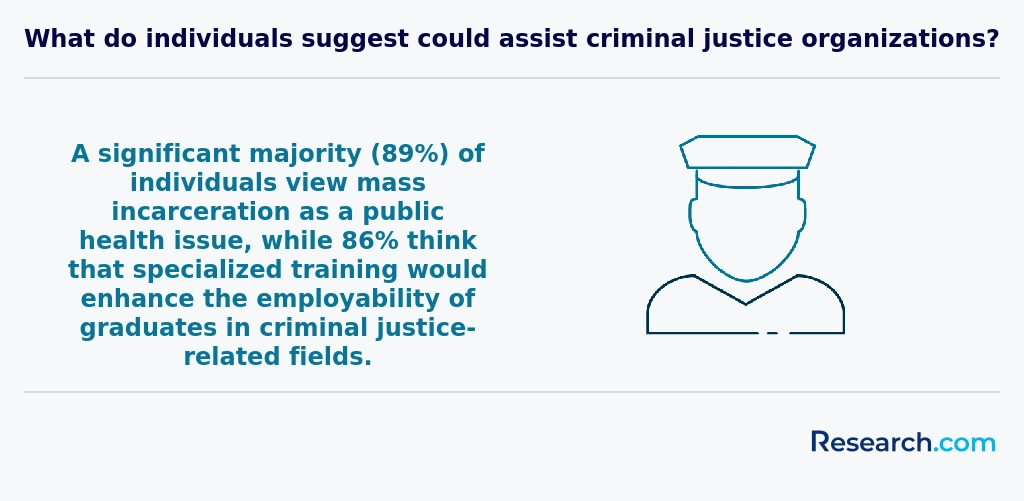
Graduates of online Criminal Justice programs in Texas can significantly boost their employability and expertise by pursuing industry-recognized certifications and ongoing training. Earning credentials such as the Certified Fraud Examiner (CFE), Crime and Intelligence Analyst Certification (CIAC), or Certified Paralegal (CP) validates specialized skills and demonstrates a commitment to professional growth. Many professionals enhance their legal services trajectory by exploring becoming a criminal law paralegal, which provides a clear pathway to mastering litigation support, legal research, and case management. Continuing education opportunities-including certificate programs in forensic psychology, homeland security, and cybersecurity-allow graduates to stay current with evolving best practices and technological advances. State agencies and professional associations often offer workshops, webinars, and annual conferences where students can: • Network with seasoned practitioners and potential employers • Earn continuing education units (CEUs) required for license renewals • Participate in hands-on simulations and case study reviews Employers increasingly favor candidates who combine an accredited online criminal justice degree from Texas institutions with these targeted certifications. By strategically aligning your academic credentials with specialized certifications, you not only enhance your résumé but also position yourself for rapid career advancement in law enforcement, corrections, federal agencies, or legal services.
What financial aid is available to online criminal justice degree students in Texas?
When pursuing an online criminal justice degree in Texas, tapping into financial aid can transform daunting costs into achievable goals. Graduates from universities like Texas A&M or the University of Houston often share how filling out the FAFSA unlocked access to Pell Grants, providing up to $7,395 annually to help cover tuition and expenses. For those advancing to graduate studies, federal Direct Unsubsidized Loans or Grad PLUS Loans can be lifelines when grants run thin.
State programs such as the Texas Public Educational Grant and TEXAS Grant make a real difference, especially for undergraduates at public institutions. Many students recount how these grants eased their financial burden, allowing them to focus on studies rather than stress over bills. Private colleges in Texas also offer Tuition Equalization Grants, making education more affordable regardless of the institution.
Veterans and military families found the Hazlewood Act invaluable-imagine receiving up to 150 hours of tuition exemption at Texas public colleges! Work-study students or active employees at police departments often benefit from tuition reimbursement, a true career booster. Coupled with scholarships from local foundations, these resources turn dreams of serving justice into reality.
What are the prerequisites for enrolling in online criminal justice degree program in Texas?
To enroll in an online criminal justice degree program in Texas, you'll need to meet some key prerequisites that set you up for success. Most programs require a high school diploma or GED if you're starting your undergraduate journey. For those aiming for a master's degree, having a relevant bachelor's from an accredited Texas university is a must. Graduates from schools like Texas State University or University of North Texas often share how submitting solid transcripts with a GPA around 2.5 to 3.0 opened doors for them.
Standardized tests like the SAT or ACT may still be requested, though many programs are now test-optional, easing the path for busy adults. If you're targeting in-state tuition at places such as Texas A&M, you'll need to prove Texas residency, which can significantly reduce your costs. Letters of recommendation and a personal statement help showcase your passion and commitment, qualities that graduates find crucial when stepping into internships or cooperative programs.
Keep in mind, background checks may be required if your program includes law enforcement partnerships-an important step to ensure your future career opportunities in Texas are unhindered. Also, don't overlook tech skills; reliable internet and familiarity with online platforms can make all the difference in your learning journey.

Optimizing Your Educational Path: Choosing the Fastest Online Criminal Justice School
To maximize your potential in the field of criminal justice, it's essential to select an educational program that not only aligns with your career goals but also offers the flexibility and efficiency you need to succeed. When considering the fastest online criminal justice school in Texas, several factors come into play, including accreditation, program length, and curriculum relevance. For those looking to expedite their educational journey, researching institutions that offer accelerated programs or generous transfer credit policies can provide a significant head start. Furthermore, exploring programs recognized for their excellence, such as the fastest online criminal justice school in Texas, can offer insights into what makes a program stand out in terms of speed, quality, and student satisfaction. By focusing on these aspects, prospective students can make informed decisions that will propel them towards a fulfilling career in criminal justice.
What courses are typically in online criminal justice degree programs in Texas?
When you enroll in an online criminal justice degree in Texas, you'll dive into core courses that truly shape your understanding of the system. Graduates from well-known Texas institutions often reflect on how classes like Introduction to Criminal Justice gave them a broad but essential perspective on law enforcement, courts, and corrections, setting the foundation for everything that followed. You'll also engage with Criminology, where you explore real-world crime patterns and their impact on communities, helping you connect theory to practice.
Courses such as Criminal Law and Procedures are vital-they bring you face-to-face with actual courtroom scenarios and the complexities of protecting rights. Many students find Ethics in Criminal Justice especially inspiring, encouraging them to think critically about fairness and integrity as future justice professionals. Texas schools like those in Austin or Dallas often integrate state-specific laws into these lessons, making your learning immediately relevant.
Other classes, including Research Methods and Statistics, equip you with skills to analyze data effectively, crucial when assessing policies or crime trends. Finally, studying Policing and Law Enforcement Strategies or Corrections and Rehabilitation brings to life the day-to-day challenges officers face, whether in urban Houston or rural West Texas. This blend of knowledge and experience leaves graduates feeling confident and ready to make a real difference.
What types of specializations are available in online criminal justice degree programs in Texas?
Online criminal justice specializations Texas programs typically offer are designed to meet the evolving needs of the state's diverse law enforcement and security environment. Graduates from Texas A&M University-Commerce and West Texas A&M University often highlight how focusing on areas like forensic science opened opportunities to work closely with crime scene investigators, handling evidence with scientific precision. Others pursuing cybersecurity and cybercrime specialization feel empowered tackling the complexities of digital threats, a critical skill as cyber offenses rise nationwide.
Specialties such as homeland security prepare students to support vital agencies combating terrorism and managing emergencies, reflecting the practical demands of Texas's vast and varied communities. Criminology and criminal behavior studies give students insight into what drives crime, which many find rewarding for understanding and helping rehabilitate offenders.
Those aiming for leadership often choose law enforcement leadership and management, acquiring skills in ethics and team motivation that local police departments value. Corrections and rehabilitation attract students passionate about reforming the justice system and aiding reintegration.
These Texas criminal justice degree concentration options allow students to tailor their education to personal passions and career goals. For those interested in prolonged legal careers, exploring becoming a criminal law paralegal also complements these paths effectively.
How do you choose the best online criminal justice degree in Texas?
When choosing the best online criminal justice degree in Texas, start by prioritizing accreditation. Graduates from Texas universities accredited by respected bodies like SACSCOC or ACJS often share how this validation opened doors in local law enforcement and related careers. Consider programs that integrate Texas-specific laws-this practical knowledge served many alumni well navigating state policies and securing jobs.
Cost plays a vital role too. Many students find affordable Texas online criminal justice master's degrees that fit their budget, especially when comparing tuition and financial aid options. Exploring scholarships or employer tuition reimbursement can ease financial strain. One graduate recounted how choosing an affordable program allowed them to focus fully on studies without overwhelming debt.
Flexibility is another key. Texas universities frequently offer asynchronous courses, letting students balance work, family, and education at their own pace. Graduates often praise the ability to progress between 18 and 36 months based on individual needs. Also, check for programs boasting strong career support-internship placements and networking within Texas's criminal justice community prove invaluable.
For those seeking cost-effective options, the Inexpensive Criminal Justice Degree Programs Ranking in Connecticut provides useful insight on managing expenses while advancing your career path.
What career paths are available for online criminal justice degree students in Texas?
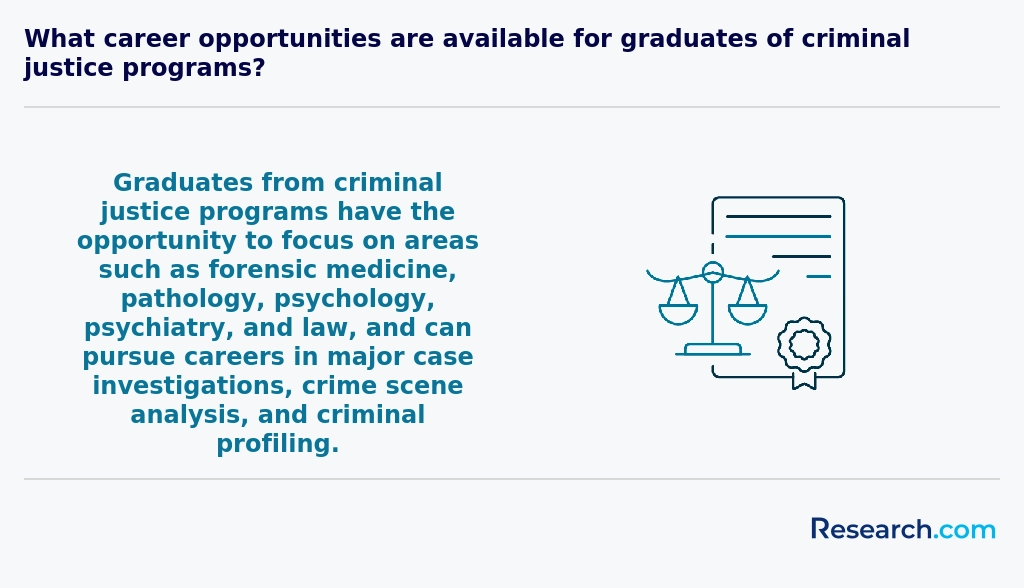
Graduates with an online criminal justice degree in Texas unlock diverse career paths tailored to their passions and skills. Many find fulfillment becoming law enforcement officers in cities like Houston or Austin, serving as police officers, sheriff's deputies, or state troopers. These roles offer the chance to impact communities directly, with median salaries near $65,000 supporting a stable livelihood. Others choose corrections careers, working as probation officers or correctional staff, where they help guide rehabilitation efforts across Texas's prison systems.
Some graduates leverage their degrees to join federal agencies, such as the FBI or Homeland Security, experiencing dynamic assignments and stronger salary prospects. From personal accounts of graduates at popular Texas universities, forensic analysis, cybercrime investigation, and legal assistant roles also emerge as stimulating avenues within online criminal justice careers in Texas. These professionals often highlight the rewarding challenge of connecting classroom knowledge to real-life investigations or legal processes.
For those seeking flexible options, many online programs offer specializations matching evolving demands and interests. Exploring the fastest online associates degree options can provide a strategic jumpstart toward these vibrant criminal justice degree job opportunities Texas continues to offer.
What is the job market for online criminal justice degree in Texas?
The job market for those holding an online criminal justice degree in Texas remains vibrant, fueled by the state's wide range of opportunities in urban hubs like Houston and Dallas. Graduates from well-respected Texas universities often find roles as probation officers, detectives, or law enforcement agents, benefiting from the state's growing demand for skilled professionals. Many have shared that balancing work and education through online programs allowed them to remain employed while strengthening their qualifications, helping them advance quickly in their careers.
For students weighing their options, the what is the easiest masters degree path can be a helpful consideration, especially if they want to transition smoothly into criminal justice roles without excessive academic pressure. Texas criminal justice career outlooks show steady growth, particularly in probation and parole officer positions as well as private security fields. Earning a degree online offers the flexibility needed to prepare for these rewarding roles while staying connected to personal and professional life.
Frequently Asked Questions About criminal justice
Online criminal justice degree students in Texas can maximize their learning by actively engaging with course materials and participating in virtual discussions. Utilizing resources like Texas Department of Criminal Justice reports enhances understanding of local criminal justice issues. Students benefit from leveraging internship opportunities offered remotely through Texas law enforcement agencies and nonprofits, providing practical experience.
Research shows that students who create structured study schedules improve retention and performance in online programs. Texas also encourages networking with professionals via online criminal justice associations such as the Texas Criminal Justice Coalition.
Staying informed about state laws and policies, such as those documented by the Texas Penal Code, supports relevant and applied learning.
The criminal justice field in Texas is evolving, with several emerging niches gaining importance. Cybersecurity and digital forensics are rapidly growing due to increased cybercrime, with Texas reporting a 15% rise in cyber incidents in recent years according to the Texas Department of Public Safety. Another expanding area is forensic psychology, where professionals assess criminal behavior to aid in legal decisions. Additionally, community-based corrections and restorative justice programs are becoming vital, focusing on rehabilitation rather than incarceration. These niches offer promising opportunities for online criminal justice students seeking specialized skills to meet Texas's changing public safety needs in the coming decade.
After earning an online criminal justice degree in Texas, preparing for the job market requires strategic steps. Begin by gaining practical experience through internships or volunteering with local law enforcement agencies or legal organizations. Texas employs over 250,000 in criminal justice roles, according to the Texas Workforce Commission, indicating diverse opportunities in policing, corrections, and legal support.
Networking plays a key role. Join professional associations such as the Texas Criminal Justice Association to connect with potential employers and mentors. Additionally, obtaining relevant certifications, like those in forensic analysis or victim advocacy, can enhance your resume.
Finally, tailor your job applications to highlight specific skills acquired online, emphasizing your ability to work independently and utilize digital tools effectively. Keeping updated on Texas criminal justice laws and policies will also give you a competitive edge.
Employers in Texas highly value strong analytical skills in criminal justice graduates. The ability to evaluate evidence and make informed decisions is crucial in law enforcement and legal settings. Communication skills, both written and verbal, are essential as professionals must report clearly and interact effectively with diverse communities.
Additionally, knowledge of Texas-specific laws and regulations is important, given the state's unique legal framework. Critical thinking and problem-solving abilities help graduates navigate complex cases and procedural challenges.
According to the Texas Criminal Justice Coalition, interpersonal skills and ethical judgment play a vital role in building trust within communities served by criminal justice professionals.
Finding internships in Texas relevant to a criminal justice degree involves strategic research and networking. Start by contacting your online program's career services, as many Texas universities have partnerships with local law enforcement agencies, courts, and nonprofits. Organizations like the Texas Department of Public Safety and local police departments often offer internship opportunities geared toward criminal justice students.
Additionally, explore the Texas Internship Challenge database managed by the Texas Workforce Commission to find paid internship positions. According to the Bureau of Labor Statistics, internships increase job prospects by 15-20% in criminal justice fields.
Joining professional groups such as the Texas Criminal Justice Coalition can provide valuable connections and internship alerts. It is also advisable to attend local events or virtual job fairs hosted by Texas colleges to network directly with potential employers.
An online criminal justice degree in Texas significantly enhances career mobility and advancement opportunities. Many law enforcement agencies and federal organizations in Texas prefer candidates with at least a bachelor's degree, which can now be earned flexibly through online programs. According to the Texas Workforce Commission, job growth for criminal justice occupations is expected to grow 9% through 2030, faster than average.
Holding a degree often opens doors to specialized roles such as forensic analyst, probation officer, or administrative positions in corrections. Online degrees accredited by recognized bodies ensure that graduates meet state certification requirements, crucial for promotion within agencies.
Additionally, professionals with a master's degree tend to command higher salaries-up to 20% more-compared to those with only a high school diploma or associate degree, as reported by the Bureau of Labor Statistics. These factors make an online criminal justice degree a valuable asset for Texans seeking upward career trajectories in this field.
Studying for a criminal justice degree online in Texas equips students with broad knowledge applicable across multiple fields. Texas programs emphasize understanding law enforcement, legal systems, and social services, which enables graduates to work in interdisciplinary roles.
Courses often include elements from sociology, psychology, and public administration. This blend prepares students for careers involving cooperation between agencies like police, courts, and community organizations. According to the Texas Department of Criminal Justice, cross-agency collaboration is key to addressing complex issues such as recidivism and public safety.
Online degrees also focus on skills like data analysis and policy assessment. These are essential for roles in corrections, juvenile justice, and victim advocacy. Understanding diverse perspectives helps graduates navigate the challenges faced by Texas's growing and diverse population.
When choosing between a thesis and a non-thesis criminal justice degree program in Texas, consider your career goals first. Thesis programs typically suit students aiming for research or doctoral studies, as they involve original research and a formal paper. Non-thesis options focus more on coursework and practical skills, aligning well with those seeking advanced professional roles in law enforcement or criminal justice administration.
Texas criminal justice programs often reflect local demands; for example, the Texas Department of Criminal Justice employs over 30,000 people, highlighting a need for practical skills. Reviewing program requirements and seeking advice from academic advisors can help clarify which path fits your professional objectives.
Texas students seeking to study criminal justice abroad face limited direct options through online degree programs specifically tailored to international institutions. Most Texas universities offering online criminal justice degrees focus on U.S.-based curricula aligned with American legal and law enforcement standards. While some programs incorporate global perspectives or comparative justice systems, fully abroad-based online degrees remain rare.
Many Texas institutions encourage study abroad experiences or exchange programs for on-campus students rather than fully online learners. According to the Texas Higher Education Coordinating Board, Texas online criminal justice enrollments exceed 12,000 annually, primarily through local accredited colleges.
Students interested in international criminal justice frameworks may explore international study exchanges or dual degree options offered in partnership with foreign universities; however, these are often limited to hybrid or in-person formats rather than fully online pathways.
Part-time jobs that complement a criminal justice degree in Texas often include roles such as security officers, correctional deputies, and community service assistants. These positions provide practical experience relevant to the field and help build skills in law enforcement and public safety.
Security officer roles in Texas can involve monitoring property and maintaining safety, aligning with areas studied in criminal justice programs. According to the Texas Workforce Commission, demand for security services is steady, offering flexible part-time schedules.
Working as a correctional deputy or assistant in county jails provides insight into the corrections system. This experience is highly valued by employers and supports academic learning.
Volunteer or paid internships with local police departments or nonprofit organizations related to criminal justice also offer valuable hands-on learning opportunities.
Online criminal justice students in Texas have access to various networking opportunities despite the virtual format. Many universities partner with local law enforcement agencies, courts, and community organizations, facilitating internships and practicum experiences in-person. This allows students to build professional relationships relevant to the Texas criminal justice system.
Professional associations such as the Texas Criminal Justice Coalition and the Texas Chapter of the American Society of Criminology offer memberships that include conferences, webinars, and local events accessible to online learners. These platforms provide valuable connections and insights from experienced practitioners.
Additionally, online programs often encourage participation in virtual discussion groups, alumni networks, and career services, which support job placement and mentorship within Texas's extensive criminal justice field. According to the Texas Department of Criminal Justice, expanding these connections significantly improves employment prospects.
Alumni networks play a crucial role for online criminal justice degree students in Texas by providing access to professional connections and career resources. These networks often include graduates working in Texas law enforcement, courts, and correctional agencies, offering valuable insights into local job markets.
Statistics from the Texas Department of Criminal Justice indicate over 150,000 employees statewide, making professional networking essential for job placement. Alumni groups often host events, mentorship programs, and job boards exclusive to members, which can increase graduates' chances of employment.
Furthermore, alumni networks support knowledge sharing about certifications, continuing education, and changes in Texas criminal justice policies, helping students stay informed and competitive.
Customizing an online criminal justice degree program in Texas allows students to align their education with specific career goals. Many Texas universities offer specialized tracks, such as forensic science, homeland security, or juvenile justice, enabling focused study. Elective courses let students deepen knowledge in areas like cybersecurity or corrections management. Internships and practicum opportunities, even remotely supervised, provide practical experience relevant to Texas's legal and law enforcement landscape. According to the Texas Department of Public Safety, demand for criminal justice professionals is projected to grow by 8% through 2030. Choosing certifications or elective workshops alongside degree requirements further enhances job readiness in the state.
Online criminal justice students in Texas face several challenges unique to their field and mode of study. One common issue is balancing coursework with professional responsibilities, since many students work in law enforcement or related fields. The demanding schedules make time management essential.
Additionally, practical experience requirements, such as internships or fieldwork, can be difficult to complete remotely, due to limited local placements and COVID-19 restrictions. According to the Texas Higher Education Coordinating Board, nearly 40% of criminal justice students report difficulty securing hands-on experience.
Another challenge is staying engaged in a subject that often benefits from face-to-face discussions about sensitive topics like criminal behavior and ethics. Technology barriers and limited networking opportunities can further impact the learning experience for some students.
With an online criminal justice degree from Texas, students can pursue several professional certifications to enhance their career prospects. Popular certifications include the Certified Criminal Justice Specialist (CCJS), which is recognized nationwide and validates core knowledge in the field. Additionally, those interested in law enforcement may seek certification through the Texas Commission on Law Enforcement (TCOLE), which offers licensing for peace officers and security personnel.
For roles in corrections, the American Correctional Association provides certifications that align with Texas state standards. Cybersecurity certifications, such as the Certified Information Systems Security Professional (CISSP), are also valuable for criminal justice graduates focusing on cybercrime.
These certifications can improve employability and support career advancement within Texas's growing criminal justice system, which, according to the Texas Workforce Commission, expects a 7% job growth through 2030.
When applying to an online criminal justice program in Texas, start by carefully researching accredited schools recognized by the Texas Higher Education Coordinating Board. Highlight your academic achievements, relevant work experience, and commitment to criminal justice. Tailor your personal statement to emphasize your goals and how the program aligns with Texas's unique legal landscape.
Include any volunteer work or internships related to law enforcement, corrections, or social services. Demonstrating knowledge of current issues in Texas criminal justice-such as public safety challenges or reform initiatives-can strengthen your application. Lastly, ensure all transcripts and recommendation letters are submitted on time, as Texas schools value thorough and punctual applicants.
Globally, a career in criminal justice is viewed through diverse legal and cultural lenses, yet the core principles of justice and public safety remain consistent. For students in Texas pursuing online degrees, understanding these global perspectives is essential as many issues-such as cybersecurity, human trafficking, and international law-cross borders. The U.S. Bureau of Labor Statistics projects a 6% growth in criminal justice jobs through 2031, reflecting steady demand within the U.S., including Texas. Programs often emphasize comparative law enforcement practices, preparing graduates to engage with international policies and transnational crime challenges.
The Texas Department of Criminal Justice reports increasing collaboration with federal agencies, highlighting the need for graduates fluent in global justice trends. Familiarity with international criminal justice frameworks enhances career opportunities in agencies that work beyond state and national limits. This international awareness also supports roles in policy-making, research, and law enforcement, where global cooperation is vital.
Gaining practical experience while studying for an online criminal justice degree in Texas is essential for career readiness. Many programs encourage students to complete internships or field placements with local law enforcement agencies, courts, or private security firms. Texas offers numerous partnerships with government and nonprofit organizations that support such hands-on learning. According to the Texas A&M University Criminal Justice Center, internships provide critical real-world exposure and networking opportunities. Additionally, some online programs integrate virtual simulations and case studies to develop practical skills remotely. Students should consult their program advisors to identify approved local sites and meet Texas state requirements for experiential learning.
When selecting a concentration within an online criminal justice degree program in Texas, start by assessing your career goals. Texas offers diverse fields such as forensic science, corrections, law enforcement, and homeland security. According to the Texas Workforce Commission, jobs in law enforcement and security are expected to grow 9% through 2030, emphasizing security-related concentrations.
Consider the program's curriculum alignment with Texas-specific laws and criminal justice issues. Some programs focus on state law, which is crucial if you plan to work in Texas.
Additionally, review faculty expertise and available internships or partnerships with Texas agencies, as practical experience improves job prospects.
Related Criminal Justice Rankings for Nearby States
- 2027 Fastest Online Master's in Criminal Justice Degree Programs Ranking in Kansas
- 2027 Fastest Online Master's in Criminal Justice Degree Programs Ranking in Missouri
- 2027 Fastest Online Master's in Criminal Justice Degree Programs Ranking in Colorado
- 2027 Fastest Online Master's in Criminal Justice Degree Programs Ranking in Alabama
- 2027 Fastest Online Master's in Criminal Justice Degree Programs Ranking in Georgia
- 2027 Fastest Online Master's in Criminal Justice Degree Programs Ranking in Florida
- 2027 Fastest Online Master's in Criminal Justice Degree Programs Ranking in Kentucky
- 2027 Fastest Online Master's in Criminal Justice Degree Programs Ranking in North Carolina
- 2027 Fastest Online Master's in Criminal Justice Degree Programs Ranking in Virginia
- 2027 Fastest Online Master's in Criminal Justice Degree Programs Ranking in Ohio
Top Trending Criminal Justice Rankings
See What Experts Have To Say About Studying Criminal Justice
Read our interview with Criminal Justice experts

David Carter
Criminal Justice Expert
Professor, School of Criminal Justice
Michigan State University

Frank Schmalleger
Criminal Justice Expert
Professor Emeritus
The University of North Carolina

Mark Moore
Criminal Justice Expert
Research Professor of Public Management
Harvard University

References
- Find Top Online Bachelor's In Criminal Justice Programs https://www.accreditedschoolsonline.org/criminal-justice/bachelors/
- 10 skills you need to work in Criminal Justice | Service Care Solutions https://www.servicecare.org.uk/career-advice/10-skills-you-need-to-work-in-criminal-justice/
- Explore Criminal Justice Certificate Programs https://www.criminaljusticedegreeschools.com/degrees/certificate/
- Criminal Justice Career Goals https://www.bartleby.com/essay/Criminal-Justice-Career-Goals-8B09294D4789A4A5
- Emerging Trends in Criminal Justice Careers https://online.nmu.edu/criminal-justice-careers-emerging-trends/
- Bachelor of Science in Criminal Justice (B.S.C.J.) Major in Criminal Justice https://mycatalog.txstate.edu/undergraduate/applied-arts/criminal-justice/criminal-justice-bscj/
- Criminal Justice and Criminology Programs https://www.isepstudyabroad.org/programs/by-field-of-study/criminal-justice-criminology-programs
- Criminal Justice Studies Graduate Certificate https://www.etamu.edu/programs/criminal-justice-studies-graduate-certificate/
- Study Criminal Justice & Legal Studies Abroad https://worldstrides.com/en-us/higher-ed/academics/criminal-justice-legal-studies
- Criminal Justice Organizations for Students | University of Phoenix https://www.phoenix.edu/articles/criminal-justice/criminal-justice-organizations-for-students.html