
2027 Most Popular Counseling Degree Programs Ranking in Saint Paul

Co-Founder and Chief Data Scientist
Choosing the right counseling degree program is an important step toward a rewarding career. For students in Saint Paul, finding the best options can feel overwhelming.
This article features the 2027 Most Popular Counseling Degree Programs Ranking in Saint Paul, created by the Research.com team of data scientists. The ranking offers clear insights to help you make a confident and informed decision.
Exploring these programs can open doors to meaningful work, personal growth, and community impact. Reading this guide will help you discover worthwhile programs that align with your goals and values.
Key benefits of getting counseling degree in Saint Paul
- Graduates with a counseling degree in Saint Paul can earn competitive salaries, such as $76,000 annually as an Intervention Specialist or around $60,080 as an Addiction Counselor, providing strong financial stability.
- Counseling graduates from local schools often pursue fulfilling careers in roles like Family Support Worker or Community Outreach Coordinator, offering diverse opportunities to make a real difference in the community.
- Choosing an online counseling degree in Saint Paul offers flexibility and convenience, letting students balance work and study while earning credentials recognized just as highly as traditional degrees.
- Key benefits of getting counseling degree in Saint Paul
- What can I expect from counseling degree in Saint Paul?
- Where can I work with counseling degree in Saint Paul?
- How much can I make with counseling degree in Saint Paul?
- 2027 Most Popular Counseling Degree Programs Ranking in Saint Paul
- Key Findings
- How long does it take to complete counseling degree in Saint Paul?
- Licensing and Certification Requirements
- What's the difference between online and on-campus counseling degree?
- Licensing and Certification Requirements in Minnesota
- What is the average cost of counseling degree in Saint Paul?
- Licensure Requirements in Minnesota
- What financial aid is available to counseling degree students in Saint Paul?
- Choosing the Right Counseling Program in Saint Paul, MN
- What are the prerequisites for enrolling in counseling degree program in Saint Paul?
- Licensure and Certification Requirements in Minnesota
- What courses are typically in counseling degree programs in Saint Paul?
- What types of specializations are available in counseling degree programs in Saint Paul?
- How do you choose the best counseling degree in Saint Paul?
- What career paths are available for counseling degree students in Saint Paul?
- What is the job market for counseling degree in Saint Paul?
- Top Trending Counseling Rankings
- See What Experts Have To Say About Studying Counseling
What can I expect from counseling degree in Saint Paul?
Estimating the average cost of a counseling degree in Saint Paul can be complex, as tuition varies widely between institutions. Graduates from local universities often share that a master's degree in counseling usually ranges from $20,000 to $50,000 in total tuition costs, depending on whether they attend public or private schools. For example, programs at public colleges tend to be more affordable but might require additional fees or longer completion times for part-time students balancing work and study.
Students appreciate that this investment often includes access to well-structured practicum and internship placements within the Saint Paul community, which is invaluable for meeting state licensure requirements. Many graduates reflect positively on how these real-world experiences, though sometimes unpaid, enhance their confidence and impact future job prospects.
However, prospective students should weigh these costs against potential financial aid or scholarships, which vary by institution. While some find the expense daunting, others emphasize the long-term career benefits and personal growth stemming from accredited programs recognized by Minnesota licensing boards.
Where can I work with counseling degree in Saint Paul?
Graduates with counseling degrees from Saint Paul institutions often find diverse job opportunities directly within the city's many mental health clinics, hospitals, and community agencies. For example, alumni from local colleges commonly share how they secured roles at nonprofit organizations focused on substance abuse and crisis intervention, where their skills make a tangible difference for vulnerable populations.
School counseling is another prevalent path, with Saint Paul Public Schools employing licensed counselors to support student well-being. Graduates describe the rewarding challenge of working alongside teachers and families, fostering academic and emotional growth. This career often requires additional certification, which students can pursue concurrently or after graduation.
Hospitals and healthcare providers, such as those affiliated with major local health systems, offer channels for counselors to integrate into multidisciplinary teams. Many graduates appreciate this collaborative environment where counseling complements medical care. Private practice remains an appealing option too, although it demands substantial licensure and client development effort well outlined by the Minnesota Board of Behavioral Health and Therapy.
The range of settings-from correctional facilities to employee assistance programs-reflects the degree's versatility, allowing graduates to tailor their careers to personal values and community needs within Saint Paul's dynamic landscape.
How much can I make with counseling degree in Saint Paul?
Counseling graduates in Saint Paul typically find a range of earning opportunities based on their roles and experience. For instance, Intervention Specialists report an average annual wage around $76,000, demonstrating strong earning potential for those focusing on specialized support roles. Rehabilitation Specialists earn about $48,430 annually, which reflects entry to mid-level positions often filled by recent graduates from local institutions like the University of St. Thomas or Hamline University.
Graduates working as Community Outreach Coordinators or Family Support Workers see similar earnings, averaging $54,020 per year. Addiction Counselors report salaries near $60,080, which aligns with the demand for certified professionals in the Twin Cities' healthcare settings. Many counseling graduates describe a rewarding experience balancing their growing salaries with the satisfaction of helping diverse community members through these positions.
While some might expect immediate high wages, many find their salaries increase with licensure, certifications, or choosing specialized areas such as addiction counseling. For those studying in Saint Paul's reputable programs, the combination of education and practical experience boosts confidence and financial prospects in a moderately priced local job market.
2027 Most Popular Counseling Degree Programs Ranking in Saint Paul
How do we rank schools?
Investing in your education is a significant decision that can shape your future, and the Research.com team understands the importance of making informed choices. To assist prospective students in Saint Paul, we have meticulously crafted the "2027 Most Popular Counseling Degree Programs Ranking in Saint Paul." Our commitment to quality, credibility, and accuracy is reflected in the extensive research and analysis conducted to compile this ranking.
We utilized the following reputable data sources to ensure a comprehensive evaluation of counseling programs:
By exploring this ranking, readers will gain valuable insights into the best counseling degree programs available in Saint Paul, helping them make informed decisions about their educational paths. For more details on our methodology, please visit our Research.com methodology page.
# 1 position
University of St Thomas
Master of Science in Clinical Mental Health Counseling program page


Key Findings
- The annual cost for a master's counseling degree in Saint Paul ranges from $15,000 to $30,000, depending on the type of institution attended.
- Graduates usually start with an average salary of about $46,000 per year, increasing to $55,000-$65,000 after five or more years of experience.
- The counseling job market in Saint Paul is stable, with growth projected to be above the national average through 2028.
- Licensure requires an accredited counseling degree, passing a state exam, and completing 2,000 to 4,000 supervised clinical hours.
- Common program focuses include school counseling, mental health counseling, and marriage and family therapy, with emphasis on practicum and licensure preparation.
How long does it take to complete counseling degree in Saint Paul?
Completing a counseling degree in Saint Paul typically requires balancing program demands with personal commitments. Graduates from well-known institutions here often share that a bachelor's degree in counseling, generally taking about four years full-time, aligns with expectations set by local colleges such as Metropolitan State University. This timeframe allows students to engage deeply with foundational courses in psychology and counseling theory, fostering a strong sense of accomplishment as they progress.
For those pursuing a master's degree, the experience can feel both intense and rewarding. Many local students report that full-time master's programs last around two to three years, like those offered by St. Catherine University, where classroom learning integrates closely with supervised clinical practice. This combination enriches real-world readiness but requires commitment. Part-time enrollment or additional prerequisites can extend this period, often influenced by work or family responsibilities.
In Saint Paul, factors like program accreditation and clinical hour requirements decisively shape completion time. The positive outlook among graduates often stems from seeing how these experiences enhance their professional confidence and licensure prospects.
Licensing and Certification Requirements
Earning your Licensed Professional Counselor (LPC) credential in Minnesota typically involves:
- Completing a CACREP-accredited master’s degree in counseling (minimum 60 credits)
- Accumulating 3,000 hours of supervised post-graduate experience, including at least 100 hours of direct clinical supervision
- Passing the National Counselor Examination (NCE) or an approved state licensure exam
- Submitting your application and required fees to the Minnesota Board of Behavioral Health and Therapy
- Renewing your license every two years with 40 hours of approved continuing education
For budget-minded students, explore most affordable online counseling degrees.
What's the difference between online and on-campus counseling degree?
Choosing between online and on-campus counseling degrees in Saint Paul often hinges on one's lifestyle and learning preferences. Graduates from prominent local institutions like the University of St. Thomas describe on-campus programs as deeply engaging, with direct access to professors and peers fostering lively discussions and practical workshops in counseling labs. This immersive environment can boost motivation and build strong professional networks.
In contrast, those who pursued online degrees from Minnesota State University, Mankato, appreciated the flexibility to balance work and family while accessing coursework asynchronously. Yet, many recalled the challenge of securing local clinical placements, which are a must for supervised hours in Minnesota counseling licensure. Coordinating these internships independently sometimes required extra effort and in-person meetings with supervisors nearby.
Both paths demand CACREP accreditation to meet licensure standards in Saint Paul, ensuring quality education despite delivery method. Online students often save on commuting and housing costs, while on-campus attendees embrace a more socially interactive experience. Ultimately, the decision reflects personal priorities between convenience and immersive learning.
Licensing and Certification Requirements in Minnesota
To practice as a professional counselor in Saint Paul, graduates must obtain a Licensed Professional Clinical Counselor (LPCC) credential through the Minnesota Board of Behavioral Health and Therapy. Key steps include:
- Earn a CACREP-accredited master’s degree in counseling or closely related field.
- Complete 2,000 hours of supervised post-master’s clinical experience, with at least 1,500 hours of direct client contact.
- Pass the National Counselor Examination (NCE) administered by the National Board for Certified Counselors (NBCC).
- Apply online, submit official transcripts, supervision logs, and a background check to the Minnesota Board.
- Pay application and licensure fees (currently $225 for application and $120 for initial license).
- Maintain your LPCC by completing 40 hours of continuing education every two years, including six hours in ethics. For counselors considering relocation or dual licensure, it’s helpful to compare requirements across states-see details on lpc licensure georgia for an example of interstate licensure processes.
What is the average cost of counseling degree in Saint Paul?
The average cost of a counseling degree in Saint Paul varies notably depending on the choice between public and private institutions, as well as residency status. For example, in-state students attending public universities, such as the University of Minnesota - Twin Cities, typically face a median total cost around $44,226. This figure, while significant, often feels manageable to graduates who recall the combination of quality education and affordable tuition, creating a sense of accomplishment and relief once they complete their degree.
On the other hand, private institutions in the Saint Paul area and out-of-state tuition fees push the median total cost closer to $55,156, reflecting a more considerable financial commitment. Many students pursuing private counseling degree programs appreciate the smaller class sizes and specialized curriculum, which can justify the higher price for those seeking particular career paths.
Real-life experiences from recent Saint Paul counseling graduates reveal the importance of considering additional expenses like books, supplies, and clinical practicum costs. These extras can add thousands annually, meaning budgeting carefully beyond just tuition and fees is essential for a smooth educational journey. Exploring financial aid options through institutional offices often brings encouragement, just as federal loans, scholarships, and assistantships did for many peers.
For prospective students exploring counseling degree tuition and fees Saint Paul presents a case where cost-efficiency aligns strongly with public university attendance, offering an affordable, rewarding path. Those interested in various licensure routes might also investigate the LPC Texas requirements as a point of comparison or future planning.
Licensure Requirements in Minnesota
To become a Licensed Professional Clinical Counselor (LPCC) in Minnesota, graduates must complete specific education, experience, and examination steps:
- Education: Earn a master’s degree in counseling from a CACREP-accredited program; many students manage costs by choosing the cheapest online lpc programs.
- Supervised Experience: Accumulate 3,000 hours of supervised clinical practice, with at least 1,000 hours in direct client counseling.
- Examination: Pass the National Counselor Examination (NCE) or the National Clinical Mental Health Counseling Examination (NCMHCE).
- Application & Fees: Submit an application to the Minnesota Board of Behavioral Health and Therapy, including transcripts, verification of supervised hours, exam scores, and required fees.
- Continuing Education: Complete 40 hours of board-approved continuing education every two years to maintain licensure.
What financial aid is available to counseling degree students in Saint Paul?
Students pursuing counseling degrees in Saint Paul often rely on a mix of financial aid to manage costs, which can range widely from $10,000 to $30,000 per year. For instance, graduates from local institutions like the University of St. Thomas frequently mention how submitting a FAFSA unlocked access to Pell Grants and subsidized federal loans, easing immediate financial stress. While Pell Grants are less common at the graduate level, some loan forgiveness programs geared toward counselors serving underserved communities in Minnesota provide crucial relief.
State aid also plays a significant role. Several graduates recall how Minnesota's State Grant Program and Workforce Development scholarships made a tangible difference, especially when combined with assistantship opportunities at colleges such as Hamline University. These positions offer both tuition remission and stipends, grounding students financially while shaping their professional skills.
Professional organizations add another layer of support by awarding merit-based scholarships, helping to cover costs beyond tuition like licensing fees and clinical placements. Counseling students' experiences reflect the importance of early financial planning and proactive engagement with financial aid offices to uncover these often under-publicized resources.
Choosing the Right Counseling Program in Saint Paul, MN
To choose the right counseling program in Saint Paul, MN, it's essential to consider several factors, including accreditation, program focus, curriculum, and practical experience. Prospective students should research institutions that offer popular counseling programs and review their course offerings, faculty expertise, and internship opportunities. By evaluating these aspects, students can find a program that aligns with their career goals and provides the necessary skills and knowledge to succeed in the field of counseling. Additionally, considering factors such as program length, format, and cost can help students make an informed decision that suits their needs and financial situation.
What are the prerequisites for enrolling in counseling degree program in Saint Paul?
Enrolling in a counseling degree program in Saint Paul typically demands a strong academic foundation and clear demonstration of commitment. For example, graduates from institutions like the University of St. Thomas or Hamline University often recall the importance of maintaining at least a 3.0 GPA during undergraduate studies, reflecting a consistent effort to meet academic standards. While some programs may require GRE scores, many have moved away from this to reduce barriers, which aligns well with the experiences of students balancing work and study.
Applicants must also submit letters of recommendation, often from instructors or supervisors who can attest to their dedication and potential in counseling. A personal statement plays a key role, allowing candidates to express genuine passion and professional goals, making their applications stand out.
- Relevant experience, such as volunteering in human services, enhances readiness and confidence, as shared by several graduates.
- Programs accredited by CACREP are favored for those pursuing licensure, ensuring alignment with Minnesota's professional standards.
- International students might face extra requirements like English proficiency tests or prerequisite courses, adding a layer of preparation.
These prerequisites, while demanding, help create a supportive learning environment where students feel prepared and motivated for the challenges ahead in counseling.

Licensure and Certification Requirements in Minnesota
To practice as a Licensed Professional Counselor (LPC) in Minnesota, graduates must complete several key steps that ensure both competence and compliance with state regulations. First, candidates need a CACREP-accredited master’s degree in counseling or its equivalent, including a minimum of 60 semester credits covering core areas such as counseling theories, ethics, and assessment. Coursework must also include 700 clock hours of supervised practicum or internship experience. After graduation, aspiring LPCs must accrue at least 2,000 hours of post-master’s supervised clinical experience under the guidance of a board-approved supervisor. This typically spans two years and emphasizes direct client contact, with a minimum of 100 hours of clinical supervision. Throughout this period, counselors-in-training refine skills in individual therapy, group counseling, and crisis intervention, ensuring readiness for independent practice. Once supervised hours are complete, candidates must pass the National Counselor Examination (NCE) administered by the National Board for Certified Counselors (NBCC). The NCE assesses knowledge across eight core domains, including human growth, lifestyle development, and diagnosis. Additionally, Minnesota requires a jurisprudence exam covering state-specific statutes, ethical standards, and client rights. Following successful examination, applicants submit a formal LPC application to the Minnesota Board of Behavioral Health and Therapy, including official transcripts, supervisor evaluations, and exam scores. Application fees typically range from $150 to $200, with renewal required every two years along with proof of 40 continuing education credits. Counselors relocating from other states may qualify for licensure reciprocity, provided their credentials align closely with Minnesota’s requirements. For those exploring affordable program options beyond Minnesota, see our Cheapest Counseling Degree Programs Ranking in Nashville, TN, which highlights cost-effective pathways to counseling licensure in a neighboring region.
What courses are typically in counseling degree programs in Saint Paul?
Counseling degree programs in Saint Paul are designed around a core of practical and theoretical courses that shape future counselors' abilities in diverse settings. Graduates from institutions like the University of St. Thomas and Hamline University often reflect positively on courses covering counseling theories, where they explored cognitive-behavioral, psychodynamic, and humanistic models, helping them approach clients with nuanced understanding and empathy.
Group counseling classes provide hands-on practice in leading therapy sessions with multiple participants, which many alumni found challenging yet rewarding, especially given Saint Paul's culturally diverse population. Multicultural counseling coursework further deepens this awareness, preparing students to respectfully address the distinct backgrounds and experiences common in the Twin Cities.
Ethics and professional issues courses stand out as essential components, equipping students to navigate legal standards and moral complexities they will face. Practicum experiences, typically involving hundreds of supervised hours, are frequently praised for building confidence and real-world skills critical for Minnesota's LPCC licensure.
Additionally, courses in psychopathology and psychological assessment help students recognize mental health disorders, while research methods promote evidence-based treatment - a critical balance that graduates value for making informed, compassionate decisions in their careers.

What types of specializations are available in counseling degree programs in Saint Paul?
Typical counseling degree specializations in Saint Paul focus on areas like Clinical Mental Health Counseling, School Counseling, and Addiction Counseling, each reflecting regional needs in mental health and education. Graduates from popular universities in Saint Paul often describe Clinical Mental Health Counseling as deeply rewarding, especially when helping clients facing psychological challenges. Meanwhile, those pursuing School Counseling emphasize supporting K-12 students through both personal and academic difficulties within local school districts, aligning well with state licensure requirements. Addiction Counseling, another significant track, responds to Minnesota's urgent efforts to combat substance abuse, equipping students with skills to make tangible impacts in their communities.
Other specializations include Marriage and Family Counseling, Rehabilitation Counseling, and innovative fields like Art and Expressive Therapy. These less common tracks still hold promise for graduates interested in niches that address relational dynamics or disabilities. Several students from Saint Paul's best counseling programs Minnesota report finding fulfillment through such focused study, appreciating how their education prepares them to serve diverse populations.
For those considering licensure paths, more details on the practical steps to become a Licensed Professional Counselor (LPC) can be found here.
How do you choose the best counseling degree in Saint Paul?
Choosing the best counseling degree in Saint Paul means balancing accreditation, cost, and program flexibility with your personal goals. Graduates from popular Saint Paul colleges often highlight the advantages of CACREP-accredited programs, which provide confidence in meeting professional licensing standards and smoother paths to becoming Licensed Professional Counselors (LPC). However, it's wise not to overlook smaller, less well-known schools that may offer personalized mentoring through low student-to-teacher ratios, which some students find more enriching.
Affordability is a frequent concern. Many find that affordable counseling degrees Saint Paul MN offers through public universities make advanced education accessible, without sacrificing quality. Evening and hybrid class options also help those juggling jobs or family commitments. Graduates frequently praise programs offering local practicum placements, as hands-on experience directly in the Saint Paul community strengthens both skill and professional networks.
It's also prudent to consider specialization and career support. Students aiming for niche areas or uncertain about their direction benefit from universities that provide strong graduation rates and solid licensure exam pass percentages. Exploring careers beyond counseling, some compare requirements for broader mental health fields, sometimes consulting resources about psychology doctoral programs nevada to understand alternative advanced pathways.
What career paths are available for counseling degree students in Saint Paul?
Counseling graduates in Saint Paul find diverse career paths that reflect the city's rich support systems and mental health resources. Many pursue licensure as professional counselors, working in community clinics or private practices where they directly impact individuals facing personal challenges. Graduates from well-regarded local universities often share how hands-on internships at area hospitals shape their readiness for these roles, making the counseling career opportunities in Saint Paul both practical and hopeful.
Other alumni take positions as school counselors in Saint Paul's public schools, addressing academic and emotional needs of students. Some specialize as marriage and family therapists or substance abuse counselors, fields that benefit from the strong social support networks available in Minnesota. Rehabilitation counseling is another route, helping clients with disabilities, often within government or nonprofit agencies. These varied roles highlight that job prospects for counseling graduates Saint Paul hinge on aligning personal interests with the region's specific community needs.
For those aiming for licensure, understanding local regulations is crucial. Many graduates recommend consulting resources like Mississippi LPC licensure requirements for broader perspective on licensing pathways that may also inform Minnesota's standards.
What is the job market for counseling degree in Saint Paul?
Graduates with counseling degrees in Saint Paul find themselves in a job market shaped by a growing appreciation for mental health and a broad demand for services in healthcare, education, and community settings. The counseling career opportunities in Saint Paul are bolstered by local investments in mental health programs and the expansion of outpatient services. For example, graduates from universities and colleges focusing on counseling often share positive stories about securing roles in school counseling or outpatient clinics, where demand for their skills continues to rise. These real-life experiences highlight both the excitement and challenges of integrating into this evolving job market.
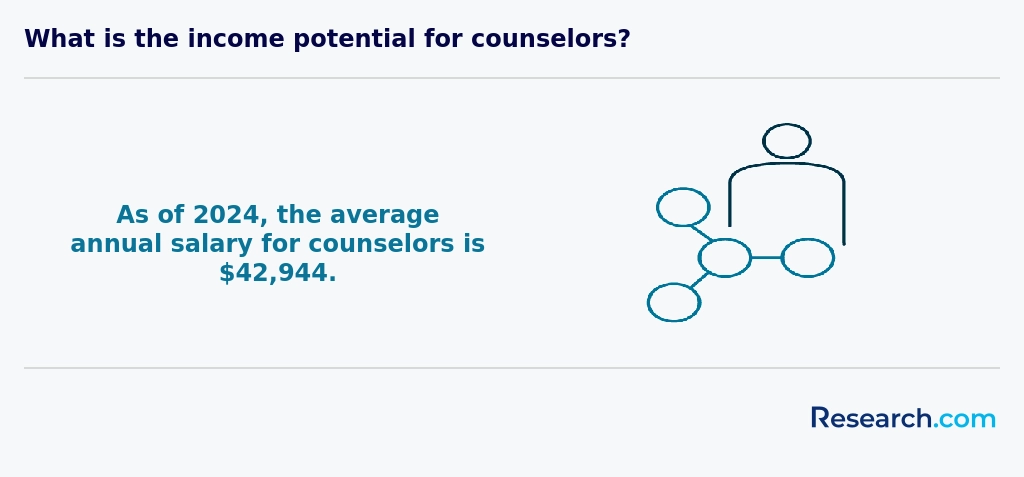
While the median salary for mental health counselors in Saint Paul hovers around $56,000, variations exist depending on the workplace and experience level. Those attending popular local colleges report the importance of considering tuition costs and financial aid, especially since counseling degrees typically cost between $30,000 and $60,000. For students looking beyond the region or exploring complementary fields, insights gained from psychology career development California may also inform their choices.
Prospective students assessing the job outlook for counseling graduates Saint Paul should weigh the attractive growth prospects against the realities of training expenses and competitive hiring environments. Locally, roles for licensed professional counselors, marriage therapists, and school counselors remain prominent, but staying adaptable and connected to community needs is key for long-term success.
Frequently Asked Questions About counseling
Students pursuing counseling degrees in Saint Paul can enhance their learning by engaging deeply with both academic and practical experiences. Saint Paul hosts several accredited institutions offering counseling programs that emphasize hands-on training through internships and community partnerships. According to the Minnesota Board of Behavioral Health and Therapy, gaining supervised clinical hours locally is essential for licensure and skill development.
Additionally, students should take advantage of workshops and seminars offered by professional organizations such as the Minnesota Counseling Association. Networking with local practitioners can provide mentorship opportunities and insight into the regional counseling landscape.
Utilizing Saint Paul's diverse community settings also helps students build cultural competence, which is critical in counseling. Participation in research projects at universities or local health agencies further enriches understanding of current mental health trends and evidence-based practices.
The counseling field in Saint Paul is experiencing growth in several emerging niches driven by evolving community needs and mental health trends. One notable area is trauma-informed counseling, increasingly relevant due to rising awareness of adverse childhood experiences and public health crises. Counselors with expertise in substance use disorders are also in demand, reflecting state and local efforts to combat opioid addiction.
School counseling remains vital, yet specialization in career counseling for diverse populations is gaining traction in Saint Paul's urban and suburban schools.
Additionally, telehealth counseling has expanded, especially after 2020, improving access across Minnesota. According to the Minnesota Department of Health, tele-counseling sessions in the state increased by over 50% between 2019 and 2023.
These emerging areas offer promising pathways for Saint Paul students pursuing counseling degrees looking to meet local workforce needs.
After earning a counseling degree in Saint Paul, preparing for the job market involves several key steps. First, obtaining state licensure from the Minnesota Board of Behavioral Health and Therapy is essential to practice legally. This process typically requires supervised clinical hours, which graduates can pursue through local mental health agencies or hospitals. According to the Minnesota Department of Employment and Economic Development, the demand for mental health counselors in the Twin Cities area is expected to grow by nearly 15% through 2030.
Networking through professional organizations such as the Minnesota Counseling Association can provide valuable job leads and mentorship opportunities. Additionally, gaining experience in diverse settings-like schools, community centers, or private practices-can make candidates more competitive. Continuing education is also important to stay current on counseling techniques and renew state licensure, enhancing long-term career prospects.
Employers in Saint Paul seek counseling degree graduates who demonstrate strong communication and interpersonal skills. These abilities are essential for building trust and effectively supporting diverse client populations. According to the Minnesota Board of Behavioral Health and Therapy, cultural competence is also a critical skill due to the area's increasing diversity.
Additionally, problem-solving and critical thinking skills are highly valued. Graduates must assess client needs accurately and devise appropriate treatment plans. The Minnesota Department of Employment and Economic Development highlights that ethical decision-making is crucial, given the sensitive nature of counseling work.
Familiarity with local mental health laws and regulations is another important qualification. Awareness of state guidelines ensures compliance and client safety. Finally, employers appreciate candidates with practical experience through internships or supervised clinical hours, as these enhance readiness for immediate employment.
Finding internships in Saint Paul relevant to a counseling degree involves several practical steps tailored to the local education and health sectors. Many counseling programs affiliated with Minnesota State Universities or the University of St. Thomas require internship completion as part of their curriculum, providing structured placements.
Students should first consult their academic advisors and career services offices, which maintain partnerships with local clinics, schools, and social service agencies. Saint Paul's robust mental health organizations, such as the Minnesota Department of Human Services, often offer internship opportunities specifically suited to counseling students.
Job boards like Handshake and local nonprofit websites are valuable for discovering openings. Additionally, networking at professional gatherings hosted by the Minnesota Counseling Association, which serves the Saint Paul region, can increase access to internships. Early application and tailored resumes enhance chances of placement in competitive settings.
Obtaining a counseling degree in Saint Paul significantly enhances career mobility and advancement opportunities within the local mental health and social services sectors. According to the Minnesota Department of Employment and Economic Development (DEED), jobs for counselors in the Twin Cities metro area, which includes Saint Paul, are expected to grow by 12% through 2030, outpacing many other professions.
Graduates with counseling credentials often qualify for licensure as Licensed Professional Counselors (LPC), a requirement for many advanced roles in the state. This licensure empowers professionals to pursue positions with greater responsibility, such as clinical supervisors or program directors. The region's emphasis on mental health services, especially in community and healthcare settings, supports career advancement for degree holders.
Additionally, counselors in Saint Paul benefit from diverse employment settings, including schools, hospitals, and non-profits, which encourages lateral movement and specialization. Networking within these local sectors can further facilitate upward career progression and salary increases over time.
Studying for a counseling degree in Saint Paul equips students to work effectively within interdisciplinary teams by emphasizing collaboration across healthcare, social work, and education fields. Local programs often integrate coursework in psychology, sociology, and public health, reflecting the diverse needs of Minnesota's communities.
Students gain practical experience through internships and partnerships with regional hospitals, schools, and social service agencies. This hands-on training supports understanding of varied client backgrounds and collaborative treatment planning. According to the Minnesota Board of Behavioral Health and Therapy, such interdisciplinary approaches improve client outcomes.
Moreover, Saint Paul's counseling programs align with national standards requiring competencies beyond traditional counseling skills, preparing graduates for roles in integrated health settings, policy development, and community outreach.
When choosing between a thesis and a non-thesis counseling degree program in Saint Paul, consider your career goals and learning preferences. Thesis options typically require original research, which suits students interested in academic or clinical research careers. Non-thesis programs focus more on coursework and practical skills, ideal for those aiming for direct counseling practice.
The University of Minnesota Twin Cities, near Saint Paul, shows that counseling graduates with thesis experience often pursue doctoral studies or research roles. According to the National Center for Education Statistics, thesis programs may take longer to complete.
Evaluate time commitment, research interests, and licensing requirements in Minnesota before deciding.
Students based in Saint Paul interested in studying counseling abroad have several pathways to consider within the U.S. higher education system. Many universities offer international exchange programs or partnerships that allow Saint Paul students to spend a semester or year overseas while earning credits toward their counseling degree. This can enhance cross-cultural understanding, vital in counseling professions.
Saint Paul is home to institutions like the University of St. Thomas, which provide study abroad support and connections to approved programs worldwide. According to the Institute of International Education, about 14% of U.S. counseling and psychology students participate in study abroad annually, reflecting growing interest.
Another option includes enrolling directly in accredited counseling programs abroad with U.S.-recognized credentials, though students should verify licensure compatibility upon return. Advising offices in Saint Paul schools frequently assist with these processes to ensure smooth credit transfers and professional alignment.
Students pursuing counseling degrees in Saint Paul can benefit from several part-time job opportunities that enhance their education and practical skills. Working as a mental health aide or behavioral technician in local clinics provides hands-on experience with client interaction and treatment support. The Minnesota Department of Employment and Economic Development notes a steady demand for such roles in the Twin Cities area.
Another common option is employment in school counseling support positions, assisting licensed counselors in managing student cases and administrative tasks. Additionally, roles in community centers and nonprofit organizations focused on social services offer valuable exposure to diverse populations and counseling techniques.
These part-time jobs not only build relevant skills but also contribute to networking within the professional counseling community in Saint Paul.
Counseling students in Saint Paul benefit from numerous networking opportunities tied to the city's active mental health and educational communities. Local universities often collaborate with area counseling centers, enabling students to connect with practicing professionals through internships and workshops. The Minnesota Counseling Association, headquartered nearby, hosts events and conferences that provide valuable chances for students to meet licensed counselors and expand professional networks. Additionally, Saint Paul's diverse population creates community-focused outreach programs where students can engage directly with clients and mentors, enhancing both practical skills and professional relationships. According to the Minnesota Department of Employment and Economic Development, these connections often lead to job placements after graduation.
Alumni networks play a significant role in supporting counseling degree students in Saint Paul by providing access to professional connections and local job opportunities. Graduates often share internship openings and job leads within these networks, enhancing students' chances of employment in a competitive field. According to the Minnesota Board of Behavioral Health and Therapy, networking is crucial for licensing and continuing education pathways in counseling professions.
Moreover, alumni can offer mentorship, sharing insights about local counseling practices and licensure requirements specific to Minnesota. Such guidance helps students navigate their careers more effectively.
Participation in alumni events also fosters collaboration and lifelong learning, beneficial for ongoing professional development.
Customizing a counseling degree program in Saint Paul allows students to align their education with specific career goals, such as clinical mental health, school counseling, or marriage and family therapy. Many local institutions offer elective courses and specialization tracks within counseling degrees, providing flexibility to focus on areas like substance abuse or trauma counseling.
Students can also engage in tailored internships or practicum experiences at Saint Paul community organizations or clinics, gaining hands-on knowledge relevant to their desired profession. Accreditation by CACREP or regionally recognized bodies ensures programs meet professional standards vital for licensure in Minnesota.
According to the Minnesota Department of Employment and Economic Development, Saint Paul's counseling-related jobs are expected to grow by about 12% through 2028, emphasizing the importance of focused training.
Counseling students in Saint Paul face several common challenges during their studies. Balancing rigorous coursework with required clinical hours can be demanding, especially given that many programs mandate over 600 hours of supervised practice for licensure eligibility, as noted by the Minnesota Board of Marriage and Family Therapy.
Financial strain is another concern. Graduate tuition rates in Minnesota averaged around $14,000 annually for in-state students as of 2023, making managing expenses and potential student debt a key issue.
Additionally, students may struggle with access to diverse practicum sites, which is crucial for gaining experience with varied populations in a city known for its cultural diversity, according to local education reports.
With a counseling degree in Saint Paul, graduates can pursue several professional certifications that enhance their career opportunities. Common certifications include becoming a Licensed Professional Clinical Counselor (LPCC) or a Licensed Alcohol and Drug Counselor (LADC). The LPCC credential requires completing a master's degree, supervised clinical hours, and passing a state exam, regulated by the Minnesota Board of Behavioral Health and Therapy.
The LADC certification focuses on substance abuse counseling and also demands specialized training and exam completion. Many Saint Paul counselors further qualify as National Certified Counselors (NCC) through the National Board for Certified Counselors, which expands job prospects nationally. According to the Minnesota Department of Employment, health care and social assistance jobs, including counseling, are expected to grow by 9% by 2028 in the region.
Writing a winning application for a counseling program in Saint Paul involves several key steps. First, highlight your academic achievements, especially coursework relevant to psychology or social sciences. Saint Paul schools typically look for a minimum GPA of 3.0, though competitive applicants often exceed this.
Next, emphasize practical experience. Volunteer work or internships in counseling settings within Saint Paul provide valuable insight and strengthen your application. According to the Minnesota Board of Behavioral Health and Therapy, hands-on experience is highly valued.
Be sure to write a clear, sincere personal statement that outlines your motivation to pursue counseling and your career goals. Lastly, strong letters of recommendation from supervisors or professors familiar with your dedication can improve your chances significantly.
The counseling profession holds a respected position globally, reflecting a growing awareness of mental health's importance. In the United States, including Saint Paul, counseling careers often require a master's degree, licensure, and adherence to state regulations. According to the U.S. Bureau of Labor Statistics (2023), employment for counselors is projected to grow 22% by 2030, faster than the average for all occupations.
Internationally, approaches vary, but the emphasis on evidence-based practice and client-centered care is common. In Saint Paul, counseling programs align with these global standards, ensuring graduates are competitive worldwide. The Minnesota Department of Health reports an increasing demand for licensed counselors, especially in areas like school and mental health counseling.
Understanding these trends can help prospective students in Saint Paul appreciate the career's broad relevance and opportunities.
Gaining practical experience is crucial when pursuing a counseling degree in Saint Paul. Many universities in the area incorporate supervised internships or practicum placements within their curricula, allowing students to work directly with clients under professional guidance. For example, programs accredited by the Council for Accreditation of Counseling and Related Educational Programs (CACREP) typically require a minimum of 100-700 practicum and internship hours.
Students can also seek volunteer opportunities or part-time roles at local mental health clinics, schools, or nonprofit organizations. The Minnesota Board of Behavioral Health and Therapy encourages students to complete comprehensive fieldwork to meet licensure requirements. Networking with local counseling agencies in Saint Paul can further enhance real-world learning and employment prospects.
Choosing the right concentration within a counseling degree in Saint Paul involves assessing your career goals and local market demand. Popular concentrations include clinical mental health, school counseling, and marriage and family therapy, each leading to distinct licensure paths recognized by the Minnesota Board of Behavioral Health and Therapy.
Research from the Minnesota Department of Employment and Economic Development shows steady growth in mental health counseling jobs, especially within the Twin Cities area, which includes Saint Paul. Consider local employers and licensure requirements to align your concentration with job prospects.
Visiting program advisors and attending informational sessions at Saint Paul institutions can provide valuable insights specific to their offerings and community needs.
Related Counseling Rankings for Nearby Cities
- 2027 Most Popular Counseling Degree Programs Ranking in Minneapolis
- 2027 Most Popular Counseling Degree Programs Ranking in Madison
- 2027 Most Popular Counseling Degree Programs Ranking in Des Moines
- 2027 Most Popular Counseling Degree Programs Ranking in Milwaukee
- 2027 Most Popular Counseling Degree Programs Ranking in Chicago
- 2027 Most Popular Counseling Degree Programs Ranking in Grand Rapids
- 2027 Most Popular Counseling Degree Programs Ranking in Kansas City
- 2027 Most Popular Counseling Degree Programs Ranking in Saint Louis
- 2027 Most Popular Counseling Degree Programs Ranking in Indianapolis
- 2027 Most Popular Counseling Degree Programs Ranking in Dayton
Top Trending Counseling Rankings
See What Experts Have To Say About Studying Counseling
Read our interview with Counseling experts

Charles Figley
Counseling Expert
Kurzweg Distinguished Chair in Disaster Mental Health
Tulane University

References
- How To Become A Licensed Counselor: A Step-by-Step Guide | Psychology.org https://www.psychology.org/careers/counseling/
- Paid Clinical Internship https://www.pathwaysmhs.org/internship-program.html
- Canadian Graduate Programs - Canadian Counselling and Psychotherapy Association https://www.ccpa-accp.ca/membership/students/graduate-programs/canadian-graduate-programs/
- M.A. in Counselling and Spirituality https://ustpaul.ca/en/program/m-a-in-counselling-and-spirituality-individual-counselling/
- Internship Opportunities at Momentum https://momentumcac.com/internship/
- Alternative Careers for Counselors Who Are Burnt Out [2025 Update] - The Bad Therapist https://www.thebadtherapist.coach/blog/alternative-careers-for-counselors
- Bachelor of Arts in Counseling Psychology https://spu.ac.ke/bachelor-of-arts-in-counseling-psychology
- Mental Health, Counseling & Therapy Internships https://www.counselingschools.com/blog/preparing-for-a-mental-health-internship
- Steps to Effective Career Planning and Development • Psychology Town https://psychology.town/assessment-counselling-guidance/steps-to-career-planning-development/
- On-Campus vs. Online Master’s in Counseling | University of Bridgeport https://www.bridgeport.edu/news/on-campus-vs-online-counseling-degree/


