2027 Most Popular Counseling Degree Programs Ranking in Milwaukee

Co-Founder and Chief Data Scientist
Are you considering a counseling degree in Milwaukee? Choosing the right program can shape your future career and personal growth.
This article features the 2027 Most Popular Counseling Degree Programs Ranking in Milwaukee, created by the Research.com team of data scientists. It's designed to help you make an informed choice by highlighting top programs worth your attention.
Reading this guide will give you confidence in your decision and inspire you to pursue a career that makes a positive impact in people's lives.
Key benefits of getting counseling degree in Milwaukee
- Counseling degree graduates in Milwaukee can earn competitive salaries, such as Addiction Counselors making around $60,080 annually and Community Outreach Coordinators earning about $54,020 per year, providing financial stability and rewarding career options.
- Graduates from Milwaukee institutions often pursue diverse career paths, including roles like Rehabilitation Specialists or Family Support Workers, allowing them to impact communities positively while enjoying job variety.
- Choosing an online counseling degree program from a Milwaukee-based university offers flexibility and convenience, empowering students to balance work and study while still accessing quality education and career support.
- 2027 Most Popular Counseling Degree Programs Ranking in Milwaukee
- What can I expect from counseling degree in Milwaukee?
- Where can I work with counseling degree in Milwaukee?
What can I expect from counseling degree in Milwaukee?
The average cost of pursuing a counseling degree in Milwaukee typically ranges from $20,000 to $40,000 for a full master's program, depending on the institution and residency status. Graduates from popular local universities share how this investment felt worthwhile when balanced against the immersive, hands-on training they embraced through practicum placements at nearby clinics and schools. One graduate fondly recalls negotiating real-life counseling scenarios during internships that bolstered confidence far beyond textbook lessons.
Students often find scholarships and financial aid options tailored to counseling fields, softening the sticker shock and making the path more accessible. The blend of affordable tuition with robust practical experience excites many, as they envision launching meaningful careers within trusted Milwaukee community agencies.
The price tag reflects much more than just classroom hours-it includes CACREP-accredited programming vital for licensure and future job competitiveness. This combination makes Milwaukee's counseling degrees feel like an adventurous journey where every dollar spent fuels rich learning and professional growth.
Where can I work with counseling degree in Milwaukee?
Imagine stepping out of a counseling program at a Milwaukee college, eager to make a real impact. Many graduates find themselves in bustling hospitals like Froedtert or Aurora Health Care, where they support patients navigating mental health challenges. The rewarding hustle of clinical environments offers hands-on experience that many local students cherish.
Others dive into the vibrant school systems, including Milwaukee Public Schools, working as school counselors or academic advisors. Picture guiding a high schooler through emotional ups and downs, making a tangible difference everyday - that's a common joy for grads here.
Community organizations offer another dynamic path. Graduates often join places like Milwaukee County Department of Health and Human Services, specializing in trauma or addiction counseling. These roles feel fulfilling as counselors tackle urgent social needs in real time.
Some adventurous graduates even start private practices, relishing flexibility while tailoring support for clients. Whether inside government agencies or correctional facilities, Milwaukee's counseling scene buzzes with diverse, meaningful work for those armed with a degree.
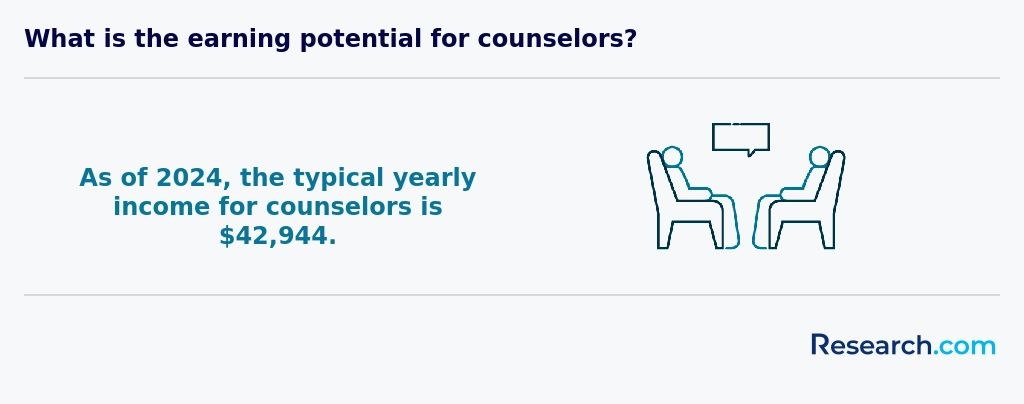
If you're diving into a counseling degree in Milwaukee, you might wonder how much your adventure could pay off. Graduates from local schools like the University of Milwaukee often land roles like Addiction Counselor, where the average annual salary is about $60,080. Imagine starting your career helping others while earning a solid income!
Some graduates find themselves thriving as Community Outreach Coordinators or Family Support Workers, each pulling in around $54,020 a year. This means you can expect a stable salary while connecting deeply with your community. Others step into positions as Rehabilitation Specialists, with salaries near $48,430, blending hands-on care with fulfilling work.
The impressive $76,000 mean annual wage for Intervention Specialists offers a glimpse of higher earning potential for those who specialize further. Picture yourself leveraging your Milwaukee education to unlock doors to these rewarding paths.
Talking to graduates, many highlight the excitement of growing their skills and moving into roles where their salary can keep pace with their passion. The Milwaukee counseling scene is vibrant, offering plenty of room to explore, learn, and earn.
- Counseling degrees in Milwaukee usually require completing a master's program accredited by CACREP for licensure eligibility.
- Graduate tuition costs range from $10,000 to $15,000 per year at public universities and can exceed $20,000 per year at private institutions.
- Starting salaries for counseling graduates are typically between $45,000 and $50,000 annually, rising to $60,000-$70,000 with experience.
- The job market for counselors in Milwaukee is growing about 10% through 2030, especially in mental health and family therapy.
- Licensure requires 3,000 supervised clinical hours over 2-3 years and passing the National Counselor Examination or a state exam.
Embarking on a counseling degree in Milwaukee invites an exciting journey through time and growth. Imagine a passionate undergraduate at the University of Wisconsin-Milwaukee diving into four vibrant years of foundational courses, discovering their path through theory and practice. The rhythm of a bachelor's degree here sets the stage for deeper exploration.
Next, picture a master's student at Marquette University balancing intense classroom learning with hands-on internships at local clinics. Their commitment over two to three years, often enriched with supportive faculty and real-world experiences, transforms raw enthusiasm into professional confidence. Some choose part-time routes, stretching this adventure to four years but gaining deeper community connections along the way.
For the bold few seeking doctoral degrees, like a PsyD from nearby institutions, the journey extends to four to six years beyond the master's. These years brim with research curiosity and academic discovery, fueling the passion of those drawn to reshape counseling through innovation.
Imagine stepping onto the vibrant campus of the University of Wisconsin-Milwaukee, where counseling students thrive through lively discussions and hands-on practice in campus counseling labs. On-campus study means direct face-to-face connections, instant feedback from professors, and spontaneous peer collaboration that deeply enrich the learning journey.
Now picture a different path: logging in from home, balancing family and work with flexible online lectures offered by Milwaukee's top institutions. Graduates often share how this freedom fuels their motivation, though it demands a strong self-discipline to stay on track without the structure of scheduled classes.
Both routes converge in essential real-world experiences, with clinical practicum placements happening locally in Milwaukee clinics or hospitals. Whether on campus or online, students become part of a community committed to growth and practical skill-building.
These Milwaukee counseling programs, accredited to meet Wisconsin's licensing standards, beckon adventurous learners to choose the style that fits their life, blending tradition and innovation.
Exploring the average cost of counseling degree Milwaukee students face reveals a fascinating mix of opportunity and investment. Many graduates from the University of Wisconsin-Milwaukee find that the total median cost for their degree sits around $35,420 for in-state students, while out-of-state peers often encounter costs closer to $47,846. This range gives a realistic picture of what students can expect when choosing to immerse themselves in counseling studies locally.
Imagine a typical student walking through the vibrant campus, balancing tuition expenses with the joys of campus life. Tuition often covers the core academic journey, but there's more beneath the surface, including fees for registration, technology, and essential services. These can add roughly $1,200 yearly to the budget, nudging the total investment higher but still manageable.
Besides tuition, students often draw from their personal experiences to manage costs like books and supplies, which can run from $1,000 to $1,500 annually. Add in living expenses-housing, food, transportation-that hover around $12,000 a year in Milwaukee, and the adventure of pursuing a counseling degree becomes a multi-dimensional financial journey.
For those curious about where this path might begin, some students find support through employer tuition reimbursement or scholarships, easing the weight of expenses as they pursue their passion. If you seek a smoother entry into higher education, consider checking out programs for the easiest bachelor degree to navigate your first steps with confidence and excitement.
Understanding Milwaukee counseling degree tuition and fees helps prospective students craft realistic plans, blending financial savvy with the eager anticipation of working toward a meaningful career in counseling.

Embarking on a counseling degree in Milwaukee opens the door to a variety of financial aid adventures. Graduates from the University of Wisconsin-Milwaukee often share how tapping into federal aid like the Pell Grant, which offers up to $7,395 annually, made their academic journey feel less daunting and more attainable. Picture yourself filling out the FAFSA to unlock this support, along with low-interest Direct Subsidized Loans that pause interest while you're studying.
State programs also come to your rescue-think of the Wisconsin Grant as a helpful companion cheering you on, especially if you attend public schools like UWM. This grant, available for low-income students, can significantly ease tuition costs, helping you focus on your studies without constant financial stress.
Many local scholarships from organizations such as the Wisconsin Counseling Association add another layer of possibility. Graduates from Marquette University recall how these awards rewarded their leadership and dedication, turning dreams into reality.
For those balancing work and school, some Milwaukee employers offer tuition reimbursement, blending real-world experience with education seamlessly. And if you choose the nonprofit route post-graduation, federal loan forgiveness programs like PSLF promise a light at the end of the tunnel after 120 qualifying payments.
Imagine stepping onto the vibrant campuses of Milwaukee's top counseling programs, where the journey begins with clear, achievable prerequisites. If you're aiming to enroll at the University of Wisconsin-Milwaukee or another local college, you'll need at least a high school diploma or GED to qualify for undergraduate study. Many graduates reflect on how their solid academic backgrounds, especially coursework in psychology or social sciences, made them feel confident and ready to explore counseling deeply.
For those pursuing graduate studies, such as a Master of Arts in Counseling, holding a bachelor's degree from an accredited institution is essential. Many students remember the excitement and challenge of submitting transcripts, letters of recommendation, and personal statements-documents that brought their unique passions and goals to life. Some programs even ask for GRE scores, but the real magic often comes from showcasing genuine motivation and interpersonal skills.
Prerequisites like minimum GPAs between 2.5 and 3.0 ensure that you're prepared academically, while potential background checks highlight the trust placed in future counselors ready to support vulnerable communities in Milwaukee's diverse neighborhoods.
Diving into counseling degrees in Milwaukee means exploring a rich variety of courses designed to ignite your passion for helping others. Graduates from local institutions often share how Introduction to Counseling Theories opened their eyes to diverse approaches like cognitive-behavioral and psychodynamic models, making therapy feel alive and practical. Imagine yourself facilitating real group sessions after mastering Group Counseling Techniques-a course that truly builds confidence in managing dynamics and fostering support.
Courses like Multicultural Counseling resonate deeply in Milwaukee's diverse urban communities, helping you develop cultural sensitivity that graduates say transformed their approach to client care. In Human Development and Lifespan Psychology, you'll journey through psychological stages, gaining insight into the human experience across ages-a favorite among students seeking to personalize their counseling style.
Hands-on skills come alive in Assessment and Diagnosis, where Milwaukee students learn to interpret tests that guide real-world decisions. Ethical considerations become personal in Ethics and Professional Issues in Counseling, grounding future counselors in values essential for trustworthy practice. Lastly, the Practicum or Internship places you in community agencies or healthcare settings, a step many graduates describe as both challenging and exhilarating-a true rite of passage into the counseling profession in Milwaukee.
If you're diving into counseling degree specializations Milwaukee offers, expect to explore paths that truly resonate with your passion for helping others. Graduates from popular Milwaukee colleges often highlight Clinical Mental Health Counseling, where students learn to navigate emotional and behavioral challenges, often landing roles in community agencies or hospitals. Imagine walking through a Milwaukee neighborhood and knowing your skills are directly uplifting lives nearby.
Many students also embrace School Counseling, supporting local K-12 students in one of Wisconsin's largest public school districts. This path brings rewarding experiences, such as guiding young minds through academic and social hurdles. Milwaukee counseling program concentrations also feature Marriage and Family Therapy, where grads work closely with families, nurturing better communication and harmony-often spotlighted in interviews from those who studied here.
Adventurous learners may gravitate towards Substance Abuse Counseling, aligning with Milwaukee County's public health missions. The coursework here often involves crisis intervention training that feels both demanding and deeply fulfilling. For those ready to accelerate their journey, some explore the shortest masters programs online, balancing life and study in this vibrant city.
Diving into the quest for the best counseling degree programs Milwaukee offers means looking beyond just the curriculum. Graduates often share how the state's CACREP-accredited programs gave them confidence during licensure and opened doors in local community agencies. Imagine yourself at a Milwaukee university where you can choose specializations-from school counseling to marriage therapy-tailored to your passion, ensuring hands-on practicum experiences that feel both challenging and rewarding.
Affordable counseling degrees in Milwaukee also beckon adventurous students who seek value without sacrificing quality. Many find relief in public universities' reasonable tuition, while others explore scholarships or assistantships that make private schools more accessible. One graduate recalled how internships arranged by their college connected them with real clients, transforming classroom theories into impactful practice.
Curious about balancing cost and career outcomes? Exploring the best paying certificate programs can be a strategic step. By mingling with alumni or attending local info sessions, you get a vibrant sense of which programs blend practical know-how with exciting future opportunities, inspiring your journey in Milwaukee's counseling landscape.
Graduates with a counseling degree in Milwaukee find exciting opportunities that stretch across various fields. Many step into roles as Licensed Professional Counselors, offering support in mental health clinics and private practices, embracing the rewarding challenge of guiding others through personal growth and healing. Others discover their passion working in school counseling within Milwaukee Public Schools, where they help students navigate academic and emotional hurdles, making a real difference in young lives.
Some graduates are drawn to specialize further in substance abuse counseling or marriage and family therapy, addressing critical issues in diverse urban communities. The vibrant mix of cultures here inspires counselors to tailor their approaches to meet unique needs. Students studying in Milwaukee, especially those attending institutions like the University of Wisconsin-Milwaukee, often share stories of how their hands-on experience with local nonprofits strengthened their confidence to pursue varied mental health counseling jobs Milwaukee.
If you're curious about counseling career opportunities in Milwaukee, exploring this path offers a rich blend of personal fulfillment and professional promise in one of the Midwest's most dynamic cities. Discover more about this rewarding journey at anchors part-time Ph.D. in economics.
The counseling degree job market Milwaukee offers is ripe with promise, reflecting vibrant opportunities for graduates. Those emerging from well-known universities and colleges in the city often tell stories of personal growth and meaningful work as they step into roles at community health centers or within public school systems. These graduates find themselves supporting diverse groups, from underserved populations in mental health clinics to young students navigating their emotional well-being.
Career opportunities for counseling graduates Milwaukee continue to expand, thanks in part to state initiatives focused on increasing access to behavioral health services. The steady rise in job openings reported by the Wisconsin Department of Workforce Development makes Milwaukee a thrilling place for aspiring counselors eager to make an impact. The variety of settings-from private practices to substance abuse treatment centers-invites exploration of different career paths right after graduation.
Wages in this area generally align with regional standards, making it viable for local graduates to build a rewarding career close to home. Students from Milwaukee's programs appreciate the balance of affordable tuition and strong job prospects, fueling their excitement to start work. For those curious about advanced studies, exploring anchors part-time Ph.D. in economics might inspire even broader horizons.
2027 Most Popular Counseling Degree Programs Ranking in Milwaukee
Investing in your education is a significant decision that can shape your future, and the Research.com team understands the importance of making informed choices. To assist prospective students in Milwaukee, we have meticulously crafted the "2027 Most Popular Counseling Degree Programs Ranking in Milwaukee." Our commitment to quality, credibility, and accuracy is reflected in the extensive research and analysis conducted to compile this ranking.
We utilized the following reputable data sources to ensure a comprehensive evaluation of counseling programs:
By exploring this ranking, readers will gain valuable insights into the most popular counseling degree programs available in Milwaukee, helping them make confident and well-informed decisions about their educational paths. For more details on our methodology, please visit our Research.com methodology page.
# 1 position
Marquette University
Master of Science in Master's in Clinical Mental Health Counseling


# 5 position
Medical College of Wisconsin
Master of Science in Counseling

Frequently Asked Questions About counseling
Counseling degree students in Milwaukee can maximize their learning by engaging deeply with local internship opportunities. Milwaukee hosts numerous mental health organizations that provide practical experiences aligned with academic goals. For example, the Milwaukee County Behavioral Health Division offers internships critical for hands-on training.
Students should also join professional associations like the Wisconsin School Counselor Association, which hosts conferences and workshops. Active networking helps in understanding local counseling trends and licensing requirements.
Utilizing resources from the University of Wisconsin-Milwaukee's Counseling Center can enhance learning through research participation and community projects.
Maintaining a strong academic record while balancing fieldwork is key for licensure eligibility in Wisconsin, overseen by the Department of Safety and Professional Services.
The counseling field in Milwaukee is evolving with new specialized areas gaining attention. One emerging niche is trauma-informed counseling, addressing the growing need to support individuals affected by adverse experiences. Another rising specialty is substance abuse and addiction counseling, as Wisconsin reports higher-than-average rates of opioid-related issues.
Additionally, career counseling focused on diverse workplaces is expanding due to Milwaukee's shifting economic landscape. School counseling with an emphasis on mental health services is also prominent, reflecting national trends and local school district priorities.
Telehealth counseling is gaining traction, too, making services more accessible across Milwaukee's urban and suburban areas. According to the Wisconsin Department of Safety and Professional Services, demand for licensed professional counselors is expected to grow by over 20% through 2030 in the state, underlining these emerging fields.
Preparing for the job market after completing a counseling degree in Milwaukee involves several strategic steps. First, obtaining licensure is crucial; in Wisconsin, candidates must complete supervised clinical hours and pass the Licensed Professional Counselor (LPC) exam. Milwaukee offers numerous opportunities for internships and practicum placements through local agencies and hospitals, which are essential for gaining real-world experience.
Networking with local counseling professionals and joining state organizations, such as the Wisconsin Counseling Association, can enhance job prospects. According to the U.S. Bureau of Labor Statistics, counseling roles in Wisconsin are projected to grow by 12% through 2030, reflecting steady demand. Milwaukee graduates should also tailor resumes to highlight culturally competent care, as the city serves a diverse population.
Employers in Milwaukee seeking counseling degree graduates prioritize strong communication skills. Effective listening and empathy enable counselors to build trusting relationships with diverse clients. According to the Milwaukee County Workforce Development report (2023), interpersonal abilities rank among the top qualifications for entry-level counselors in the region.
Problem-solving and critical thinking are also highly valued. Counselors often face complex mental health challenges requiring adaptive strategies and evidence-based interventions. Furthermore, Milwaukee's growing population increases the demand for culturally competent professionals familiar with local social dynamics.
Additional sought-after skills include ethical decision-making, proficiency in client assessment, and knowledge of state licensing requirements. These competencies ensure graduates meet Wisconsin's professional standards and can deliver effective behavioral health services.
Finding internships in Milwaukee related to counseling degrees involves leveraging local resources and institutional connections. Many universities such as the University of Wisconsin-Milwaukee and Alverno College have established partnerships with community mental health centers, schools, and hospitals offering supervised internships required for degree completion and licensure.
Students should consult their program's career services early to access listings and eligibility criteria. Milwaukee's Department of City Development and local nonprofits frequently post counseling internship opportunities tailored to graduate students.
Professional organizations like the Wisconsin Counseling Association also offer networking events that can lead to internship placements. Starting applications six months ahead is advised due to competitive demand.
Obtaining a counseling degree in Milwaukee significantly enhances career mobility and advancement opportunities. According to the Wisconsin Department of Workforce Development (2023), mental health and substance abuse counselors in Milwaukee County are projected to grow by 12% over the next decade, reflecting strong local demand.
A degree qualifies graduates for licensure as professional counselors, a key step for higher-paying roles in clinical, school, and rehabilitation settings. Moreover, advanced credentials like a master's degree often lead to supervisory positions or specialized roles.
Employers in Milwaukee value accredited degrees that meet standards set by the Council for Accreditation of Counseling and Related Educational Programs (CACREP), improving job prospects and salary potential.
Studying for a counseling degree in Milwaukee offers students strong preparation for interdisciplinary roles through coursework and practical experiences designed to integrate multiple fields. Milwaukee's programs often emphasize collaboration with social work, psychology, education, and healthcare professionals, reflecting real-world settings where counselors work.
Students typically engage in internships within varied community agencies and healthcare facilities, gaining exposure to diverse populations and needs. This hands-on approach aligns with Milwaukee's growing demand for counselors skilled in addressing complex social and behavioral health issues, as highlighted by the Wisconsin Department of Health Services.
Additionally, many Milwaukee institutions incorporate training in ethics, cultural competence, and communication, essential skills for interdisciplinary teamwork.
Choosing between a thesis and a non-thesis counseling degree program in Milwaukee depends on your career goals and time commitment. A thesis program requires original research, often suitable for students aiming for clinical research or doctoral studies. Non-thesis programs focus more on practical experience and coursework, ideal for those pursuing immediate clinical licensure or employment.
In Milwaukee, counseling programs accredited by CACREP typically offer both tracks, ensuring licensure eligibility in Wisconsin. According to the Wisconsin Educational Advisory Board, about 65% of counseling students prefer non-thesis routes for faster completion.
Consider your future plans carefully when deciding, balancing academic interests with professional timelines.
Students in Milwaukee seeking to study counseling abroad have multiple pathways to consider. Many local universities, such as the University of Wisconsin-Milwaukee, maintain exchange agreements with overseas institutions, enabling students to take counseling courses internationally while earning credits toward their degrees.
Another option involves enrolling in accredited online counseling programs offered by foreign universities. These programs often comply with U.S. licensing standards, allowing for a flexible international study experience without relocating.
The Council for Accreditation of Counseling & Related Educational Programs (CACREP) lists recognized programs, some of which have global partnerships supporting study abroad opportunities. Exploring scholarships and grants specific to U.S. students studying counseling abroad can also mitigate financial barriers.
Milwaukee offers several part-time job opportunities that can enhance practical skills for students pursuing counseling degrees. Positions such as mental health aides, case manager assistants, or crisis line volunteers provide valuable experience in client interaction and support. According to the Wisconsin Department of Workforce Development, health care support roles in Milwaukee have grown by 5% since 2020, indicating increased availability.
Working part-time at local clinics or nonprofit organizations like the Milwaukee County Behavioral Health Division allows students to apply theoretical knowledge in real-world settings. These roles often involve coordinating care, assisting licensed counselors, and managing confidential records, aligning well with counseling curricula.
Such jobs not only build professional networks but also strengthen resumes to meet licensure requirements set by the Wisconsin Department of Safety and Professional Services.
Milwaukee offers several valuable networking opportunities for counseling students aiming to build professional connections. Local universities, such as the University of Wisconsin-Milwaukee, often host events and workshops that bring together students and licensed counselors. These gatherings provide a platform for exchanging insights and finding mentorship.
Professional organizations like the Wisconsin Counseling Association have regional chapters active in Milwaukee. They organize conferences and seminars, allowing students to meet working professionals and potential employers.
Additionally, Milwaukee's diverse community mental health centers present internship and volunteer options, which are critical for hands-on experience and expanding a student's professional network.
Alumni networks play a crucial role for counseling degree students in Milwaukee by offering valuable professional connections. Graduates often join local associations, such as the National Board for Certified Counselors Wisconsin Chapter, which provides networking opportunities and continuing education resources.
These networks facilitate mentoring relationships, helping current students navigate licensure processes and job placements in Milwaukee's mental health clinics and schools.
According to the Wisconsin Department of Public Instruction, over 70% of counseling graduates find employment within six months, often aided by these alumni connections.
Access to job fairs and workshops hosted by alumni associations also enhances career readiness for students pursuing counseling degrees in the region.
Customizing a counseling degree program in Milwaukee allows students to align their education with specific career goals. Many local universities offer elective courses and specializations such as mental health counseling, school counseling, or substance abuse counseling. Choosing practica and internships within Milwaukee's diverse communities can provide hands-on experience tailored to desired populations.
Students should consider programs accredited by CACREP, ensuring quality training and eligibility for licensure in Wisconsin. Milwaukee also offers part-time and evening classes to fit working professionals' schedules. According to the Wisconsin Department of Workforce Development, counseling roles in Milwaukee are expected to grow by 12% through 2030, highlighting the importance of targeted skill development.
Counseling students in Milwaukee face several unique challenges during their education. One common issue is balancing intensive coursework with required clinical practice hours, which many find demanding alongside part-time jobs or family commitments. According to the Wisconsin Educational Aids Board, about 30% of students enrolled in counseling programs work while studying.
Another challenge is accessing diverse practicum sites that provide exposure to varied populations. Milwaukee's urban setting offers opportunities but limits placements due to high demand, often causing scheduling conflicts. Additionally, students must stay updated with evolving state licensure requirements, which recently increased supervised hours needed for certification by 20%.
Financial strain also affects many, as program costs and living expenses continue to rise without proportionate financial aid, leading to increased student stress. These barriers collectively impact the success and well-being of counseling students in Milwaukee.
With a counseling degree in Milwaukee, graduates can pursue several professional certifications to enhance their career prospects. A common certification is the Licensed Professional Counselor (LPC), which requires completing a master's degree in counseling, supervised clinical experience, and passing the National Counselor Examination. Milwaukee and Wisconsin are part of the broader trend where LPC demand is expected to grow by 21% by 2030, according to the U.S. Bureau of Labor Statistics.
Other certifications available include Licensed Clinical Social Worker (LCSW) and Certified Addiction Counselor (CAC). These credentials often require additional specialized training but open doors to diverse counseling fields.
When applying to counseling programs in Milwaukee, a strong application highlights both academic achievements and practical experience. Most programs require a bachelor's degree with a minimum GPA of 3.0, although competitive applicants often exceed this. Including relevant internships, volunteer work, or employment in mental health settings strengthens your profile significantly. Clear, concise personal statements explaining your motivation and career goals are crucial. According to the Wisconsin Educational Aids Board, many Milwaukee schools prioritize candidates who demonstrate community involvement and understanding of diverse populations. Letters of recommendation from professors or professionals familiar with your counseling aptitude further enhance your chances.
Counseling careers in Milwaukee reflect broader global trends emphasizing mental health awareness and professional support. Worldwide, counseling roles are increasingly recognized for their importance in healthcare systems, with the U.S. leading in formal education and licensure standards.
In Milwaukee, counseling degrees often align with the American Counseling Association's (ACA) guidelines, ensuring graduates meet national benchmarks. According to the U.S. Bureau of Labor Statistics, the demand for mental health counselors is expected to grow 23% from 2021 to 2031, faster than average. This trend mirrors global needs as psychological support gains priority.
Global perspectives highlight that while qualifications and licensing vary, the core goal remains consistent: helping individuals improve wellbeing. Milwaukee's programs prepare students to engage in culturally diverse settings, essential for global competence.
To gain practical experience while studying for a counseling degree in Milwaukee, students often engage in supervised internships and practicums. These opportunities are typically integrated into graduate programs accredited by the Council for Accreditation of Counseling and Related Educational Programs (CACREP). Milwaukee's universities collaborate with local clinics, schools, and community organizations to provide placements.
The Wisconsin Educational Aide Program and Milwaukee County Behavioral Health Services offer sites for hands-on training, helping students fulfill state licensure requirements. According to the Wisconsin Department of Safety and Professional Services, logging a minimum of 3,000 supervised hours post-degree is mandatory for licensure, emphasizing early practical exposure.
Additionally, many counseling programs include skill-building workshops and peer counseling, allowing students to apply theory in real-world scenarios within campus settings.
Choosing the right concentration within a counseling degree program in Milwaukee depends on your career goals and community needs. Common concentrations include clinical mental health, school counseling, and marriage and family therapy. Each has specific licensure requirements regulated by the Wisconsin Department of Safety and Professional Services.
Considering Milwaukee's diverse population, programs often emphasize cultural competence and urban mental health. According to the Wisconsin Counseling Association, demand for school counselors in Milwaukee Public Schools is steadily increasing, reflecting local employment opportunities.
Evaluate program curriculum, fieldwork placements, and how they align with your interests and desired licensure.
- 2027 Most Popular Counseling Degree Programs Ranking in Madison
- 2027 Most Popular Counseling Degree Programs Ranking in Chicago
- 2027 Most Popular Counseling Degree Programs Ranking in Grand Rapids
- 2027 Most Popular Counseling Degree Programs Ranking in Indianapolis
- 2027 Most Popular Counseling Degree Programs Ranking in Saint Paul
- 2027 Most Popular Counseling Degree Programs Ranking in Dayton
- 2027 Most Popular Counseling Degree Programs Ranking in Minneapolis
- 2027 Most Popular Counseling Degree Programs Ranking in Des Moines
- 2027 Most Popular Counseling Degree Programs Ranking in Cincinnati
- 2027 Most Popular Counseling Degree Programs Ranking in Saint Louis
See What Experts Have To Say About Studying Counseling
Read our interview with Counseling experts

Charles Figley
Counseling Expert
Kurzweg Distinguished Chair in Disaster Mental Health
Tulane University

- How To Become A Licensed Counselor: A Step-by-Step Guide | Psychology.org https://www.psychology.org/careers/counseling/
- Mental Health Counselor https://www.employmilwaukee.org/Youthcareers/Mental-Health-Counselor.htm
- Mental Health, Counseling & Therapy Internships https://www.counselingschools.com/blog/preparing-for-a-mental-health-internship
- Financial Aid - Milwaukee Public Schools https://www.milwaukeepublicschools.org/students/cacc/financial-aid
- Paid Clinical Internship https://www.pathwaysmhs.org/internship-program.html
- What Degree Do I Need to Become a Counselor or Therapist? https://paloaltou.edu/resources/blog/what-degree-do-i-need-become-counselor-or-therapist
- How a Strong Alumni Network Can Benefit Students https://www.pacificu.edu/blog/how-strong-alumni-network-can-benefit-students
- Counselor Salary https://onlinecounselingprograms.com/become-a-counselor/salary/
- Interdisciplinary Training: Preparing Counselors for Collaborative Practice - The Professional Counselor https://tpcjournal.nbcc.org/interdisciplinary-training-preparing-counselors-for-collaborative-practice/
- How do I Gain Practical Experience as a Counselling ... https://www.firstpsychologytraining.co.uk/blog-detail