2027 Most Valuable Counseling Degree Programs Ranking in Milwaukee

Co-Founder and Chief Data Scientist
Choosing the right counseling degree program is a big step toward a rewarding career in Milwaukee. This article introduces the 2027 Most Valuable Counseling Degree Programs Ranking in Milwaukee, created by Research.com's team of data scientists. It aims to help you make an informed decision by highlighting programs that offer strong value and opportunities.
Reading this guide will give you clarity and confidence as you explore educational paths. A counseling degree opens doors to meaningful work helping others, and this ranking supports your journey to success.
Key benefits of getting counseling degree in Milwaukee
- Salary for counseling degree graduates: Graduates in Milwaukee can expect rewarding salaries, such as Addiction Counselors earning around $60,080 annually and Community Outreach Coordinators making approximately $54,020, providing financial stability.
- Career paths: Counseling graduates from local universities often pursue diverse roles like Family Support Workers or Rehabilitation Specialists, allowing for meaningful work helping communities and individuals in need.
- Online degree benefits: Earning a counseling degree online from Milwaukee institutions offers flexibility and convenience, helping students balance life and study while still accessing quality education and career support.
- 2027 Most Valuable Counseling Degree Programs Ranking in Milwaukee
- What can I expect from counseling degree in Milwaukee?
- Where can I work with counseling degree in Milwaukee?
What can I expect from counseling degree in Milwaukee?
The average cost of earning a counseling degree in Milwaukee typically ranges from around $8,000 to $15,000 per year for in-state students attending public universities like the University of Wisconsin-Milwaukee. Graduates from these programs often recall balancing tuition with part-time jobs or applying for scholarships to ease financial stress. Private institutions, such as Marquette University, frequently charge higher tuition, which some students find challenging but ultimately worthwhile due to smaller class sizes and more personalized faculty attention.
Many graduates emphasize how the investment went beyond tuition: practicum experiences at local health agencies added real-world value that deepened their understanding and boosted their confidence. Despite the tuition variation, students feel supported through financial aid opportunities, which helps make the cost more manageable without compromising education quality.
While cost is a major consideration, these alumni often highlight that the blend of academic learning and hands-on experience in Milwaukee's diverse communities makes the financial commitment feel justified, especially considering licensure requirements and promising job prospects.
Where can I work with counseling degree in Milwaukee?
Graduates with counseling degrees from institutions like the University of Wisconsin-Milwaukee often find diverse employment opportunities spanning public, private, and nonprofit sectors in Milwaukee. Many of them report starting careers in mental health clinics or school counseling roles within Milwaukee Public Schools, where counselors support students facing academic and social challenges. This path often requires additional certification but offers meaningful, stable work directly impacting youth.
Others pursue positions in local mental health agencies such as Mental Health America of Wisconsin, tackling real-world issues like anxiety or substance abuse. Graduates frequently describe a strong sense of purpose working in environments like Froedtert & the Medical College of Wisconsin's healthcare system, collaborating with medical staff to provide crisis intervention and emotional support.
Community nonprofits like the Milwaukee Center for Independence also attract counseling professionals dedicated to empowering vulnerable populations. Some graduates choose private practice, leveraging their expertise to guide individuals or families through trauma or career transitions. These varied paths reflect Milwaukee's growing demand for empathetic, skilled counselors and offer hopeful future prospects for recent graduates.
Graduates with counseling degrees from Milwaukee institutions often find a range of salary outcomes depending on their chosen specialization and experience. For example, those working as Addiction Counselors can expect an average annual salary around $60,080, reflecting the demand for specialized skills in this area. Rehabilitation Specialists in Milwaukee typically earn about $48,430 yearly, offering a solid entry point for those newly licensed.
Community Outreach Coordinators and Family Support Workers, roles frequently pursued by counseling graduates, report mean annual wages near $54,020. These positions often involve direct client engagement and community-based support, which recent Milwaukee graduates from schools like the University of Wisconsin-Milwaukee find fulfilling both professionally and personally.
Intervention Specialists stand out with a higher mean salary of $76,000, showing the financial benefit of pursuing advanced credentials or roles that require specialized intervention expertise. Many Milwaukee counseling students, while balancing internships and studies, appreciate how these salary prospects align with the city's more affordable living costs, allowing them to envision a sustainable career path without the anxiety of overwhelming financial burdens.
- A counseling master's degree in Milwaukee usually takes two to three years to complete, including supervised clinical experience.
- Tuition costs range from $10,000 to $20,000 per year at public universities and can exceed $30,000 annually at private institutions.
- Milwaukee employs about 1,200 to 1,500 counseling professionals and expects job growth of about 11% over the next decade.
- Entry-level counselors earn around $45,000 to $50,000 annually, with experienced counselors making a median salary in the mid-$60,000 range.
- Licensing requires a master's degree, 3,000 hours of supervised clinical work, and passing a national exam, taking about two years after graduation.
- Local professional associations like the American Counseling Association offer networking and continuing education opportunities.
Completing a counseling degree in Milwaukee depends heavily on the level of education and program flexibility at local institutions like the University of Wisconsin-Milwaukee or Alverno College. Graduates often recall that finishing a bachelor's degree took around four years of full-time study, providing a solid foundation in psychology and communication before moving on.
Many aspiring counselors find the master's degree timeline more variable. Students at Milwaukee-area universities typically spend two to three years completing their master's program, balancing coursework with supervised clinical practicums. Some graduates remember choosing accelerated tracks lasting as little as 18 months, though this required intense dedication, often limiting work or personal time.
Doctoral candidates at Milwaukee's institutions report a longer commitment, usually four to seven years. This time includes advanced research and clinical training, which some find deeply rewarding despite the challenge. Within these programs, adherence to CACREP standards offers reassurance that the time spent is well aligned with Wisconsin's licensure requirements.
Understanding these timelines helps prospective students realistically plan their education and life balance while pursuing their counseling goals in Milwaukee.
Online and on-campus counseling degrees in Milwaukee cater to different student needs, often reflecting distinct learning experiences and environments. Graduates from on-campus programs, such as those at the University of Wisconsin-Milwaukee, often describe the value of face-to-face interactions with professors and peers, which enhances mentorship and immediate feedback. This traditional setting fosters a sense of community through group discussions and hands-on access to campus-affiliated clinics.
Conversely, graduates from online programs appreciate the flexibility to juggle work, family, and studies, benefiting from fully virtual coursework while completing approved local practicums at Milwaukee counseling centers. This flexibility can reduce costs and the stress of commuting, though students must sometimes navigate additional fees for in-person training. Both paths emphasize clinical experience, but the mode of access and supervision differs, which can shape one's readiness and confidence in real-world counseling roles.
Ultimately, choosing between formats involves weighing personal learning preferences, schedules, and financial aspects within Milwaukee's counseling education landscape. Each pathway offers distinct advantages tied closely to daily life and professional goals.
The average total cost of a counseling degree in Milwaukee typically falls around $35,420 for in-state students, though this figure can vary based on the institution and degree level. Graduates from local universities often share that while tuition can feel substantial upfront, especially in private institutions, the quality of education and practical experience gained is highly rewarding. Milwaukee students pursuing counseling degrees at public universities like the University of Wisconsin-Milwaukee appreciate the relative affordability, with in-state tuition significantly lower than private counterparts, making the pursuit more accessible without excessive debt.
Considering the average cost of counseling degree in Milwaukee requires factoring in not only tuition but additional expenses such as fees, books, and supplies. Many Milwaukee students find that these extra costs add several thousand dollars each year, which can affect the overall financial planning for their education. Yet, even with these expenses, many report positive feelings about their educational journey, especially when they benefit from financial aid options including state grants and scholarships aimed at health professions.
Those exploring Milwaukee counseling degree tuition and fees should also weigh program reputation and career support services, which graduates cite as invaluable for their successful transition into counseling roles. For some, alternative pathways like a quick associate's degree online in related fields can provide a cost-effective step toward their counseling goals while managing expenses more flexibly.

Students pursuing counseling degrees in Milwaukee often rely on a mix of federal aid, state grants, and university-based scholarships to ease the financial burden. For instance, graduates from the University of Wisconsin-Milwaukee frequently mention how completing the FAFSA opened doors to Pell Grants and subsidized loans-helping them focus on their studies rather than looming debt. While state-funded grants like the Wisconsin Grant are primarily geared toward undergraduates, some counseling students receive targeted scholarships through local nonprofits emphasizing health and human services.
Merit-based scholarships and graduate assistantships at institutions such as Marquette University add both financial relief and valuable hands-on experience by involving students in campus counseling centers. This dual benefit resonates deeply with many graduates who recall the confidence gained from balancing tuition support and real-world training. Meanwhile, specialized national scholarships from organizations like the American Counseling Association remain accessible but competitive, pushing students to maintain strong academic standing.
Loan forgiveness programs, including Public Service Loan Forgiveness, are practical considerations for those aiming to work in Milwaukee's public sector, potentially transforming financial stress into long-term optimism. Yet, the variability in aid availability suggests students should proactively explore every option relative to their chosen school and personal circumstances to maximize outcome.
To enroll in a counseling degree program in Milwaukee, applicants typically need a high school diploma or equivalent for undergraduate studies, while graduate programs require a bachelor's degree, often favoring degrees in psychology, social work, or education. Graduates from popular local colleges recall the importance of maintaining a GPA between 2.5 and 3.0, reflecting consistent academic dedication which helped them succeed in rigorous courses.
Standardized tests such as the SAT or ACT may be required for undergraduates, though some Milwaukee institutions have relaxed these demands recently. For graduate applicants, GRE scores are sometimes necessary, but impressive professional experience or strong academic records can sometimes waive this requirement, highlighting alternative routes to admission.
Letters of recommendation and a personal statement are crucial components, allowing candidates to express their passion for counseling and illustrate qualities like empathy and communication skills. Several graduates emphasize how sharing relevant volunteer or work experiences in human services strengthened their applications and energized their learning journey in Milwaukee's classrooms.
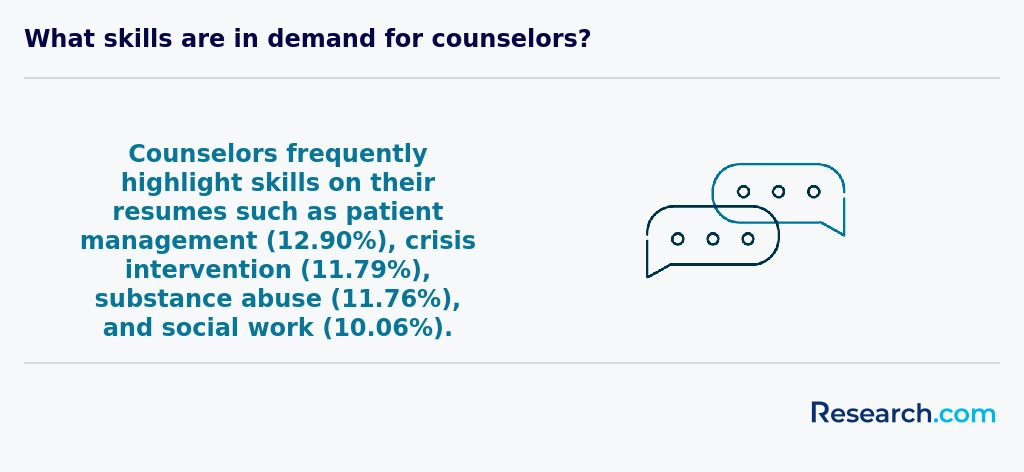
Typical counseling degree programs in Milwaukee include a variety of courses that balance theory and practical application. Graduates from universities like the University of Wisconsin-Milwaukee often recall the strong foundation they gained from classes such as Introduction to Counseling Theories and Human Growth and Development, which helped them understand clients' backgrounds deeply. These courses, combined with Professional Ethics and Legal Issues in Counseling, prepare students to navigate real-world challenges with confidence and integrity.
Many students appreciate the emphasis on multicultural counseling, reflecting Milwaukee's diverse urban community. This focus equips future counselors to approach clients with cultural sensitivity and awareness, a skill praised by recent graduates who cite increased empathy and effectiveness in their internships.
Practicum and internship courses stand out as pivotal experiences. One graduate noted that their internship through Marquette University offered invaluable supervised practice, aligning well with Wisconsin's 3,000-hour licensure requirement. This hands-on opportunity brought course concepts to life, transforming theory into meaningful client support.
Counseling degree specializations Milwaukee students encounter often include clinical mental health counseling, school counseling, marriage and family therapy, and addiction counseling. Graduates from popular universities emphasize how clinical mental health counseling prepares them to address real-life issues like anxiety or trauma in diverse settings such as hospitals or community agencies. Meanwhile, those focusing on school counseling highlight the rewarding experience of supporting K-12 students socially and academically within local districts-a path closely tied to licensure from the Wisconsin Department of Public Instruction.
Marriage and family therapy resonates with many graduates who appreciate its focus on relational dynamics, especially amid growing demand for family wellness services in Milwaukee's mental health community. Addiction counseling has drawn significant attention due to the opioid crisis, equipping students to help individuals cope with substance dependency challenges.
Many students in Milwaukee counseling programs find value in practicum placements that immerse them in local healthcare or school settings, vital for licensure and learning. For those exploring flexible options, some also investigate top degrees for older adults online, broadening access to advanced counseling studies. This blend of practical experience and diverse specialization options reflects the varied Milwaukee counseling program focus areas available today.
Choosing the best counseling degree programs Milwaukee students consider involves weighing several key factors carefully. Many graduates from universities such as the University of Wisconsin-Milwaukee emphasize the importance of enrolling in CACREP-accredited programs. This accreditation not only aligns with Wisconsin's licensing requirements but also ensures a strong theoretical and practical foundation, crucial for passing the Licensed Professional Counselor (LPC) exam.
Affordability plays a significant role. Milwaukee's public universities often offer more manageable tuition compared to private institutions, which some graduates have found instrumental in balancing work and study. Considering financial aid and scholarships can further ease the burden, making affordable counseling degrees in Milwaukee accessible without compromising quality.
Students often describe the value of hands-on practicum opportunities in local clinics and schools, highlighting how such placements enhance confidence and professional networks. Flexibility also matters; some prefer online or hybrid models to accommodate personal commitments.
Lastly, when thinking about career goals, it's wise to explore options aligned with counseling specializations, perhaps backed by insights into lucrative majors related to mental health fields to secure long-term fulfillment.
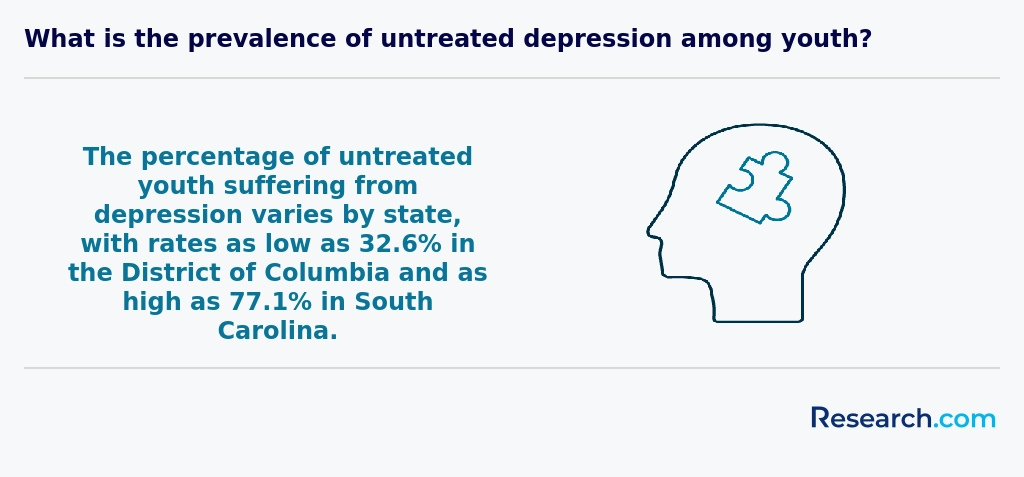
Career opportunities with counseling degree Milwaukee include diverse roles that graduates from local universities and colleges frequently explore. Mental health counseling is a common path, where graduates provide therapy in clinics or private practices, often drawing satisfaction from direct client impact. School counseling is another popular choice, with professionals supporting student development in urban and suburban schools around Milwaukee. Graduates often mention feeling both challenged and rewarded by these student-focused roles. Some also pursue substance abuse counseling, which addresses critical community needs given Milwaukee's ongoing efforts to combat addiction. Others find fulfillment as marriage and family therapists, navigating complex family dynamics, or as rehabilitation counselors helping individuals with disabilities gain independence.
Such career options reflect Milwaukee counseling degree job prospects that emphasize both personal connection and professional growth. Costs and licensure requirements influence graduates' decisions, with many choosing programs at local institutions that prepare them effectively while managing tuition expenses. For students considering advanced credentials, exploring 2 year doctoral programs can be a strategic step toward leadership roles in counseling services.
The counseling job opportunities in Milwaukee are encouraging, driven by a growing awareness of mental health importance and city-specific factors. Graduates from counseling programs at well-known Milwaukee colleges often find diverse employment options across community health centers, schools, and private practices. Many speak positively about hands-on experiences during internships, which facilitate connections with local agencies like the Milwaukee County Behavioral Health Division. These real-world placements enhance graduates' readiness for licensure and increase job stability in a competitive market.
Salary prospects in Milwaukee generally reflect or slightly surpass state averages, with median wages ranging from $50,000 to $55,000 annually, though variation occurs based on experience and specialization. Students considering a degree locally appreciate that tuition, ranging roughly from $15,000 to $35,000, tends to be more affordable than the national average, making it a practical investment. Some graduates point out that, by choosing specialization areas such as substance abuse or marriage and family therapy, they could expand their career options.
For those exploring programs beyond Milwaukee, attending nationally accredited universities enables flexibility while staying competitive. Counselors fluent in Spanish or skilled in multicultural competence often see improved employment prospects in Milwaukee's diverse communities. Overall, the Milwaukee counseling degree career outlook suggests steady demand, but success depends on licensure, specialization, and networking within local professional organizations.
2027 Most Valuable Counseling Degree Programs Ranking in Milwaukee
Investing in your education is a significant decision that can shape your future, and the Research.com team understands the importance of making informed choices. To assist prospective students in Milwaukee, we have meticulously crafted the "2027 Most Valuable Counseling Degree Programs Ranking in Milwaukee." Our commitment to quality, credibility, and accuracy is reflected in the extensive research and analysis conducted to compile this ranking.
We utilized the following reputable data sources to ensure a comprehensive evaluation of counseling programs:
By exploring this ranking, readers will gain valuable insights into the best counseling degree programs available in Milwaukee, helping them make informed decisions about their educational paths. For more details on our methodology, please visit our Research.com methodology page.
# 1 position
Marquette University
Master of Science in Master's in Clinical Mental Health Counseling


# 4 position
Medical College of Wisconsin
Master of Science in Counseling


Frequently Asked Questions About counseling
Counseling degree students in Milwaukee can maximize their learning experience by engaging with local internship opportunities, which are critical for practical skill development. The Wisconsin Department of Public Instruction highlights that hands-on experience improves graduate employment rates, particularly in Milwaukee's diverse community settings. Students should also utilize resources at institutions like the University of Wisconsin-Milwaukee, which offer strong academic support and networking events. Joining counseling associations, such as the Wisconsin Counseling Association, provides access to workshops and mentorship. Additionally, balancing coursework with fieldwork allows students to apply theory to real-world scenarios, deepening their understanding and preparing them for licensure examinations required in the state.
The counseling field is expanding with several emerging niches that reflect societal needs and local dynamics in Milwaukee. One rapidly growing area is trauma-informed counseling, which addresses the psychological effects of adverse experiences. This focus aligns with increased awareness of mental health following the COVID-19 pandemic.
Another important niche is addiction counseling, particularly given Wisconsin's higher than average rates of substance use disorders, according to state health reports. Professionals trained in this specialty find strong local demand.
Additionally, career counseling is evolving as Milwaukee's economy shifts, emphasizing workforce reentry and skill development. School counseling with a focus on diversity and inclusion also continues to grow in response to the city's changing demographics.
After completing a counseling degree in Milwaukee, preparing for the job market involves several practical steps. First, obtaining licensure is essential; in Wisconsin, counselors must meet requirements set by the Department of Safety and Professional Services, including supervised hours and passing the National Counselor Examination.
Networking locally can improve job prospects. Milwaukee hosts organizations like the Wisconsin Counseling Association, which offer workshops and connections to employers. Additionally, gaining experience through internships or volunteer work in clinics, schools, or community centers builds valuable skills.
Recently, the U.S. Bureau of Labor Statistics reported a steady growth in counselor employment, about 8% nationally from 2020 to 2030, with Milwaukee showing similar trends.
Employers in Milwaukee prioritize several key skills when hiring counseling degree graduates. Strong communication abilities top the list, with an emphasis on active listening and empathy to effectively support diverse client populations. According to the Wisconsin Department of Workforce Development, interpersonal skills are essential for facilitating therapeutic relationships and promoting client trust.
Critical thinking and problem-solving are also highly valued. Graduates must assess clients' needs and develop appropriate treatment plans, often working within multidisciplinary teams. Additionally, cultural competency is crucial in Milwaukee's diverse communities to address unique social and psychological challenges.
Finally, ethical decision-making and knowledge of state counseling regulations are vital for professional practice and licensure.
Finding internships in Milwaukee for counseling degrees starts with exploring local universities and colleges offering accredited programs. Many institutions have partnerships with community health centers, schools, and nonprofit organizations, which provide structured internship opportunities. For example, the University of Wisconsin-Milwaukee and Mount Mary University often connect students with relevant placements.
Additionally, students should utilize online platforms like Handshake or the Wisconsin Department of Workforce Development, which list internships by location and field. Milwaukee's established counseling agencies, such as Milwaukee County Behavioral Health Division, regularly welcome interns to gain practical experience.
Networking through professional associations like the Wisconsin Counseling Association can also enhance access to internship openings and mentorship.
Obtaining a counseling degree in Milwaukee significantly enhances career mobility and advancement opportunities. The Milwaukee area boasts a growing demand for mental health professionals, with the Wisconsin Department of Workforce Development projecting a 15% increase in counseling-related jobs by 2028.
Graduates with counseling degrees can access various roles, including licensed professional counselors, school counselors, and substance abuse specialists. Holding a degree also often qualifies professionals for licensure through the Wisconsin Department of Safety and Professional Services, which is essential for clinical practice and higher salaries.
Employers in Milwaukee frequently seek candidates with formal education due to the increasing complexity of mental health needs and regulatory standards. This degree thus opens doors to supervisory and specialized positions, boosting long-term career growth.
Studying for a counseling degree in Milwaukee equips students with diverse skills needed for interdisciplinary roles. Programs often emphasize collaboration with professionals in social work, education, healthcare, and criminal justice. This approach reflects Milwaukee's community needs, where integrated care models are growing.
Many local universities incorporate practical experiences, such as internships or community projects, allowing students to work with multidisciplinary teams. According to the Wisconsin Educational Opportunity Center, about 60% of counseling graduates in Milwaukee engage in roles requiring collaboration across fields.
Courses in ethics, cultural competence, and communication further prepare students to navigate complex environments. These skills are vital as counselors frequently coordinate with medical providers, educators, and social services to support clients effectively.
Choosing between a thesis and a non-thesis counseling degree program in Milwaukee depends on your career goals and interests. A thesis option involves in-depth research, making it suitable for students aiming to pursue a doctoral degree or engage in clinical research.
Non-thesis programs focus more on practical skills and experiential learning, which is beneficial for those wanting to enter counseling practice quickly. According to data from the Wisconsin Educational Approval Board, most counseling jobs in Milwaukee prioritize hands-on experience over research credentials.
Cost and time are also factors; thesis programs typically take longer and may require additional resources.
Students based in Milwaukee who wish to study counseling abroad have several pathways through U.S. universities offering international exchange programs. Many universities with counseling degrees partner with institutions worldwide, allowing students to gain global counseling perspectives while earning credits applicable to their degree.
For example, the University of Wisconsin-Milwaukee supports study abroad initiatives, including opportunities in social work and psychology-related fields, which can complement counseling studies. Students can explore programs in countries with diverse approaches to mental health, enhancing their cultural competence-a key skill in counseling professions.
Additionally, professional associations like the American Counseling Association recommend verifying that international courses meet U.S. accreditation standards to ensure degree validity and licensure eligibility upon return. Carefully planning with academic advisors is essential to align study abroad experiences with Milwaukee-based counseling degree requirements.
Students pursuing counseling degrees in Milwaukee have access to various part-time job opportunities that can enhance their education and professional experience. Working as a mental health technician or a behavioral health aide in local clinics and hospitals offers practical exposure to patient care and counseling environments. Milwaukee County is home to several healthcare facilities that frequently hire part-time staff, such as Aurora Health Care and Froedtert Hospital.
Additionally, roles like crisis hotline responders or peer support specialists offer valuable direct counseling experience. According to the Milwaukee Public Library Workforce Development Center, such positions improve communication and crisis intervention skills essential for future counselors.
Community organizations also provide internships and part-time roles focusing on youth mentoring, substance abuse prevention, and family support services. These opportunities help students build hands-on experience relevant to counseling careers in Milwaukee's diverse urban environment.
Counseling students in Milwaukee have access to a variety of networking opportunities that help build professional connections essential for career growth. Local universities, including the University of Wisconsin-Milwaukee, often host events, workshops, and guest lectures featuring experienced counselors and industry leaders. These occasions provide direct interaction with professionals and peers.
Additionally, professional organizations such as the Wisconsin Counseling Association and the Milwaukee Area Counseling Association offer student memberships. These groups organize conferences, seminars, and social events that connect students with licensed counselors and potential employers.
Internships and practicum placements within Milwaukee's healthcare and social service agencies further enhance networking by facilitating real-world experience and mentorship.
Alumni networks offer significant advantages to counseling degree students in Milwaukee by providing access to professional connections critical for career development. These networks help students find internships and job opportunities, often shared through exclusive alumni job boards or events. In Milwaukee, where counseling professionals are in growing demand due to increased mental health awareness, networking can speed up entry into the workforce. Research from the Wisconsin Counseling Association highlights that 65% of counseling graduates attribute their first job placement to alumni referrals. Additionally, alumni can offer mentorship, sharing practical insights about local licensing requirements and employer expectations specific to Wisconsin.
Such networks also foster a sense of community, encouraging ongoing professional growth through workshops and seminars. This continuous learning helps recent graduates stay updated on counseling trends and regulations in Milwaukee, ultimately enhancing their employability and effectiveness as counselors.
Customizing a counseling degree program in Milwaukee begins with selecting the right specialization aligned with your career goals. Many local universities offer tracks such as mental health counseling, school counseling, or marriage and family therapy, allowing students to focus on particular populations or settings.
Additionally, students can choose electives that enhance skills relevant to their desired roles, such as trauma-informed care or substance abuse counseling. Milwaukee's institutions frequently provide practicum and internship opportunities within the community, giving valuable hands-on experience and networking possibilities.
It is important to verify that the program meets licensure requirements set by Wisconsin's Department of Safety and Professional Services. Tailoring your degree this way increases readiness for certification exams and practical work in Milwaukee's diverse counseling environments.
Counseling students in Milwaukee often face challenges balancing rigorous coursework with practical experience. Many programs require extensive fieldwork, which can demand 10 to 20 hours per week outside of classes. This time commitment impacts students who may also work or manage family responsibilities.
Financial concerns are common, as tuition and living costs in Milwaukee present a burden for some. According to the National Center for Education Statistics, graduate tuition averages around $8,000 annually at Milwaukee-area public universities, excluding fees and supplies.
Additionally, students sometimes struggle to find quality local counseling internships that are diverse and cater to specific interests such as substance abuse or youth counseling. Limited availability can delay graduation timelines.
Lastly, the emotional toll of counseling work and the need for supervision can challenge some students' resilience and well-being throughout their studies.
With a counseling degree, graduates in Milwaukee can pursue various professional certifications that enhance their career prospects. Common certifications include the Licensed Professional Counselor (LPC) and the Licensed Clinical Social Worker (LCSW), both required for independent practice in Wisconsin. The LPC credential typically requires a master's degree, supervised clinical experience, and passing the National Counselor Examination.
Other certifications available are the Certified Addiction Professional (CAP) and the National Certified Counselor (NCC), which are nationally recognized and valued by employers. According to the Wisconsin Department of Safety and Professional Services, over 1,200 LPCs are currently licensed in Milwaukee County, reflecting strong local demand.
These certifications not only validate your expertise but also open doors to specialized fields such as school counseling, substance abuse treatment, and mental health therapy.
Applying to a counseling program in Milwaukee requires careful preparation to stand out. Start by thoroughly researching desired schools, such as the University of Wisconsin-Milwaukee and Marquette University, which are known for their accredited counseling programs.
Focus on crafting a clear personal statement that highlights your motivation, relevant experience, and understanding of counseling challenges in Milwaukee's diverse communities. Admissions committees value applicants demonstrating cultural competence and commitment.
Strong letters of recommendation from professionals familiar with your academic or fieldwork performance are essential. Also, ensure your application meets all listed deadlines and includes official transcripts showing a solid academic record in psychology or related fields.
According to the 2023 Milwaukee Education Report, counseling programs here receive competitive applications, so detailed, well-organized materials improve your chances significantly.
Counseling careers in Milwaukee reflect broader global trends emphasizing mental health awareness and support services. Internationally, the demand for trained counselors is rising as societies recognize the importance of emotional and psychological well-being. According to the U.S. Bureau of Labor Statistics, counseling jobs in the U.S. are projected to grow 22% from 2020 to 2030, faster than average for all occupations.
In Milwaukee, local universities offer degrees aligned with national accreditation standards, preparing students for licensure and global portability. Counselors trained here can pursue careers not only across states but also in global organizations focused on healthcare and social services.
While international certification systems vary, the skills developed through U.S. counseling programs meet widely accepted competencies, making Milwaukee a viable choice for those considering careers with a global outlook.
Gaining practical experience while pursuing a counseling degree in Milwaukee is essential for developing clinical skills and meeting licensure requirements. Many local universities partner with community agencies, allowing students to complete supervised internships or practicum placements.
For example, programs often connect students with mental health clinics, schools, and social service organizations across Milwaukee County. These experiences provide real-world client interactions under professional supervision.
According to the Wisconsin Educational Aide Program, over 60% of counseling students in Milwaukee engage in hands-on training before graduation, enhancing their job readiness.
Additionally, students can seek volunteer opportunities at places like the Milwaukee County Behavioral Health Division or non-profits focused on counseling services, further broadening their practical knowledge.
Choosing the right concentration within a counseling degree program in Milwaukee depends largely on your career goals and community needs. Counseling programs commonly offer concentrations such as clinical mental health, school counseling, and marriage and family therapy. Each area prepares you for specific licensure and work settings under Wisconsin regulations.
Consider the demand in Milwaukee: mental health counselors are expected to grow by 22% nationally through 2030 (BLS), reflecting strong local opportunities. Milwaukee's schools also seek qualified counselors to address student mental health, making school counseling a viable path.
Review program curricula, internships, and faculty expertise to match your interests. Accreditation by CACREP or the state board ensures quality education aligned with Wisconsin licensure requirements.
- 2027 Most Valuable Counseling Degree Programs Ranking in Madison
- 2027 Most Valuable Counseling Degree Programs Ranking in Chicago
- 2027 Most Valuable Counseling Degree Programs Ranking in Fort Wayne
- 2027 Most Valuable Counseling Degree Programs Ranking in Indianapolis
- 2027 Most Valuable Counseling Degree Programs Ranking in Saint Paul
- 2027 Most Valuable Counseling Degree Programs Ranking in Dayton
- 2027 Most Valuable Counseling Degree Programs Ranking in Cincinnati
- 2027 Most Valuable Counseling Degree Programs Ranking in Saint Louis
- 2027 Most Valuable Counseling Degree Programs Ranking in Kansas City
- 2027 Most Valuable Counseling Degree Programs Ranking in Pittsburgh
See What Experts Have To Say About Studying Counseling
Read our interview with Counseling experts

Meredith A. Rausch
Counseling Expert
Associate Professor
University of Alabama

- Master’s in Professional Counseling | Wisconsin Lutheran College https://www.wlc.edu/academics/programs/professional-counseling.html
- How do I Gain Practical Experience as a Counselling Student? https://www.firstpsychologytraining.co.uk/blog-detail
- Academic and Career Counseling in Milwaukee WI https://shoresidetherapies.com/services/academic-and-career-counseling
- Interdisciplinary Training: Preparing Counselors for Collaborative Practice https://nexusipe.org/informing/resource-center/interdisciplinary-training-preparing-counselors-collaborative-practice
- Internship Opportunities at Momentum https://momentumcac.com/internship/
- Bringing the benefits of career counselling/guidance to youth https://euroguidance.eu/to-bring-the-benefits-of-career-counseling-guidance-to-the-youth
- Alternative Careers for Counselors Who Are Burnt Out [2025 Update] - The Bad Therapist https://www.thebadtherapist.coach/blog/alternative-careers-for-counselors
- Networking for Therapists: Building Connections for Career Success & Client Care https://www.mentalyc.com/blog/networking-for-therapists
- College Affordability for Counseling Students https://www.counselingschools.com/blog/college-affordability-guide
- How To Become A Licensed Counselor: A Step-by-Step Guide | Psychology.org https://www.psychology.org/careers/counseling/