
2027 Most Affordable Online Counseling Degree Programs Ranking in the Midwest

Co-Founder and Chief Data Scientist
Exploring online counseling degree programs can be overwhelming, especially when you want quality and affordability in the Midwest. This article introduces the 2027 Most Affordable Online Counseling Degree Programs Ranking in the Midwest, created by the Research.com team of data scientists to guide you through the best options available.
Whether you're starting a new career or advancing your education, earning a counseling degree opens doors to meaningful work and personal growth. Reading this article will help you make an informed choice with confidence, focusing on programs that fit your budget and goals.
Key benefits of getting online counseling degree in the Midwest
- Salary for counseling degree graduates: Graduates can expect competitive earnings with roles such as Addiction Counselors making around $60,080 annually and Community Outreach Coordinators earning about $54,020 per year in the Midwest.
- Potential career paths: Counseling graduates from popular Midwest schools often find rewarding jobs as Rehabilitation Specialists or Family Support Workers, helping communities and individuals improve their well-being.
- Benefits of online counseling degrees: Online programs from trusted Midwest universities offer flexible schedules and affordable tuition, enabling students to balance work and study while gaining valuable skills and credentials.
- Key benefits of getting online counseling degree in the Midwest
- What can I expect from online counseling degree in the Midwest?
- Where can I work with online counseling degree in the Midwest?
- How much can I make with online counseling degree in the Midwest?
- 2027 Most Affordable Online Counseling Degree Programs Ranking in the Midwest
- Key Findings
- How long does it take to complete online counseling degree in the Midwest?
- Available Specializations
- What's the difference between online and on-campus counseling degree?
- Licensure Pathways in the Midwest
- What is the average cost of online counseling degree in the Midwest?
- Licensure and Certification Requirements
- What financial aid is available to online counseling degree students in the Midwest?
- The Importance of CACREP Accreditation
- What are the prerequisites for enrolling in online counseling degree program in the Midwest?
- Accreditation and Licensure Requirements
- What courses are typically in online counseling degree programs in the Midwest?
- What types of specializations are available in online counseling degree programs in the Midwest?
- How do you choose the best online counseling degree in the Midwest?
- What career paths are available for online counseling degree students in the Midwest?
- What is the job market for online counseling degree in the Midwest?
- Top Trending Counseling Rankings
- See What Experts Have To Say About Studying Counseling
What can I expect from online counseling degree in the Midwest?
The average cost of an online counseling degree in the Midwest typically falls between $300 and $400 per credit hour, making it an affordable option compared to other regions. Graduates from universities like Indiana State University and Western Illinois University often highlight how this cost-effectiveness allowed them to balance work and study without overwhelming financial stress. Many students find that financial aid and scholarships targeted to online learners further reduce expenses, helping them focus on their education and practical training.
Midwest programs usually require 48 to 60 credit hours, so budgeting for tuition means planning for about $14,400 to $24,000 in total. These costs are seen as an investment in a career with growing demand, especially in states like Illinois and Ohio, where mental health counseling jobs are increasing. Students appreciate programs that combine affordable tuition with strong CACREP accreditation, ensuring their degrees meet licensure standards for local practice.
Where can I work with online counseling degree in the Midwest?
With an online counseling degree in the Midwest, many graduates find rewarding careers in schools, healthcare, and community agencies. For example, graduates from well-known programs at universities like the University of Illinois or Minnesota State often secure positions as school counselors, earning between $45,000 and $65,000 annually, helping students navigate academic and emotional challenges.
Others discover fulfilling roles in healthcare settings such as hospitals or outpatient clinics, supporting patients facing substance abuse or trauma. Graduates frequently highlight opportunities to grow professionally in states like Missouri and Indiana, where Medicaid expansion has increased demand for licensed professional counselors.
Community mental health agencies, especially in underserved rural areas, offer meaningful work focused on integrated care alongside multidisciplinary teams. Graduates value the chance to make a real difference here.
Private practice is another common path. Many graduates appreciate the independence of running their own counseling services after completing supervised clinical hours and licensure exams required in Midwest states like Michigan or Iowa, often through CACREP-accredited online programs.
How much can I make with online counseling degree in the Midwest?
Graduates with online counseling degrees from well-known Midwest institutions often find rewarding career opportunities with competitive salaries. For instance, those working as Addiction Counselors can earn a mean annual wage of about $60,080, reflecting strong demand and specialized skills. Rehabilitation Specialists with counseling backgrounds typically make around $48,430 annually, helping individuals regain independence and improve quality of life.
Community Outreach Coordinators and Family Support Workers, common roles for counseling graduates from schools like the University of Minnesota or Ohio State, earn mean salaries near $54,020. These positions provide fulfilling work connecting communities to essential resources, creating impact beyond traditional counseling settings.
Graduates report that obtaining licensure and gaining experience in urban Midwest areas such as Chicago or Columbus can significantly boost earning potential. By strategically focusing on certifications and choosing specialized fields like addiction counseling or rehabilitation, many find salaries rising above $55,000, supporting both financial stability and career satisfaction.
Overall, online counseling graduates in the Midwest benefit from positive job growth and income prospects, making these programs an excellent investment for a meaningful career.
2027 Most Affordable Online Counseling Degree Programs Ranking in the Midwest
How do we rank schools?
Investing in your education is a significant decision that can shape your future, and the Research.com team understands the importance of making informed choices. To assist prospective students, we have meticulously compiled the "2027 Most Affordable Online Counseling Degree Programs Ranking in the Midwest." Our commitment to quality, credibility, and accuracy is demonstrated through extensive research and careful analysis.
We utilized the following reputable data sources to ensure a comprehensive evaluation of counseling programs:
By exploring this ranking, readers will gain valuable insights into the most affordable and credible online counseling degree programs in the Midwest to help them make informed decisions about their educational paths. For more details on our methodology, please visit our Research.com methodology page.


# 14 position
Walden University
Master of School Counseling


# 16 position
Walden University
Doctor of Counselor Education and Supervision


Key Findings
- Most Midwest states require a master's degree in counseling, such as an MA or MS, accredited by CACREP for licensure.
- Tuition for online counseling degrees in the Midwest ranges from $12,000 to $25,000, with public universities offering lower rates for in-state students.
- The job market for counselors in the region is projected to grow by 11% through 2030, matching national trends for mental health professionals.
- New graduates can expect starting salaries between $40,000 and $50,000, with experienced counselors earning between $55,000 and $65,000.
- Online programs usually require clinical practicum and internships completed locally, which are essential for state licensure.
How long does it take to complete online counseling degree in the Midwest?
Most students pursuing an online counseling degree in the Midwest find that completion typically takes between two and three years, especially for master's programs like Clinical Mental Health Counseling at well-known universities such as the University of Iowa or Indiana State University. A full-time student can often complete the required 60 credit hours in about two years, which means staying on top of coursework and practicum placements. Graduates often share how balancing internships alongside classes contributed positively to their hands-on learning without extending their timeline significantly.
Part-time enrollment, popular among working professionals in places like Minnesota or Ohio, naturally extends the duration to three or more years. However, this approach offers the rewarding flexibility needed to manage family and job commitments while steadily advancing toward licensure. Transfer credits also help some students at schools like Western Michigan University shorten their path by recognizing previous relevant coursework.
Choosing a CACREP-accredited program ensures access to guided practicum experiences critical for fulfilling state licensure requirements within a manageable timeframe. Planning your schedule with these factors in mind can make the journey both effective and fulfilling.
Available Specializations
Online Counseling programs in the Midwest often provide students with the opportunity to specialize in specific areas of counseling, allowing them to tailor their education to their career goals and interests. Some common specializations include:
- Clinical Mental Health Counseling: This specialization focuses on the diagnosis and treatment of mental health issues, preparing students to work in clinical settings such as hospitals, clinics, and private practices.
- School Counseling: School counselors work with students, teachers, and parents to promote academic success, career development, and personal growth, making this specialization ideal for those interested in education.
- Marriage and Family Therapy: This specialization emphasizes the therapeutic techniques and strategies necessary for working with couples and families, addressing issues such as relationship dynamics, communication, and conflict resolution.
- Substance Abuse Counseling: For those passionate about helping individuals overcome addiction, this specialization provides the necessary education and training to work in rehabilitation centers, hospitals, and other healthcare settings.
- Trauma-Informed Care: This specialization focuses on the unique needs of individuals who have experienced trauma, teaching students how to create safe, supportive environments and develop effective treatment plans.
- Counseling for Diverse Populations: This specialization prepares students to work with diverse client populations, including ethnic and racial minorities, LGBTQ+ individuals, and people with disabilities, emphasizing cultural competence and sensitivity. Each of these specializations can lead to rewarding and challenging careers, and many programs allow students to pursue multiple specializations or concentrations, further enhancing their versatility and marketability in the job market.
What's the difference between online and on-campus counseling degree?
Online counseling degree programs in the Midwest, such as those offered by well-known universities like the University of Illinois Springfield, provide flexibility that many working professionals or parents find invaluable. Graduates often appreciate being able to access lectures and assignments anytime, fitting studies around busy schedules or family commitments. This flexibility is especially beneficial for those living in rural areas where campus access is limited.
On the other hand, students attending on-campus programs at schools like the University of Michigan experience direct, face-to-face interaction with professors and peers. Many share positive memories of hands-on clinical practicums and internships arranged through campus counseling centers, which helped them feel fully prepared for licensure and real-world counseling roles.
Cost-wise, online programs often save money by cutting out commuting and housing fees, though tuition ranges vary across Midwest institutions. Both formats maintain strong CACREP accreditation, assuring you'll meet professional standards regardless of your choice.
Licensure Pathways in the Midwest
Before beginning your counseling career, it’s essential to understand regional licensure requirements to ensure you meet state standards for practice.
- Graduate from a CACREP-accredited counseling program, such as those listed among the cheapest cacrep-accredited programs online
- Complete 600–1,000 supervised clinical hours, varying by state board regulations
- Pass the National Counselor Examination (NCE) or the National Clinical Mental Health Counseling Examination (NCMHCE)
- Submit your application with official transcripts, exam scores and required fees to the appropriate state licensure board
- Fulfill continuing education requirements (typically 20–40 hours every 2 years) to maintain and renew your license
Note: Specific credit hour, supervision and exam rules differ across Illinois, Indiana, Michigan, Ohio and other Midwest states-always verify details with your state board.
What is the average cost of online counseling degree in the Midwest?
The average cost of an online counseling degree in the Midwest typically centers around $30,000 for total tuition. In-state students at well-known public universities in states like Illinois, Ohio, and Michigan often experience lower costs, averaging about $41,316, while out-of-state learners may face higher expenses, with median costs reaching approximately $55,368. Graduates from these programs recall balancing tuition costs by leveraging universities' financial aid options, scholarships, and sometimes employer tuition reimbursement, which made pursuing their degree more affordable and less stressful.
Many students find that enrolling in affordable online counseling degree programs in the Midwest allows them to study while managing personal commitments, easing anxiety about cost and time. For example, graduates from institutions such as Ohio State University or the University of Michigan frequently mention that the cost-per-credit-hour falling between $400 and $700 aligns well with their budget planning. Paying attention to fees beyond tuition-such as technology or clinical placement charges-helps them avoid surprises and maintain financial control.
Exploring financial aid packages and program duration can make a significant difference. Some students opt for accelerated tracks to finish sooner, reducing living expenses and overall debt. If you want to train to be a therapist faster without sacrificing quality, considering these factors has proven valuable for many Midwest students who successfully navigated their counseling education costs.
Licensure and Certification Requirements
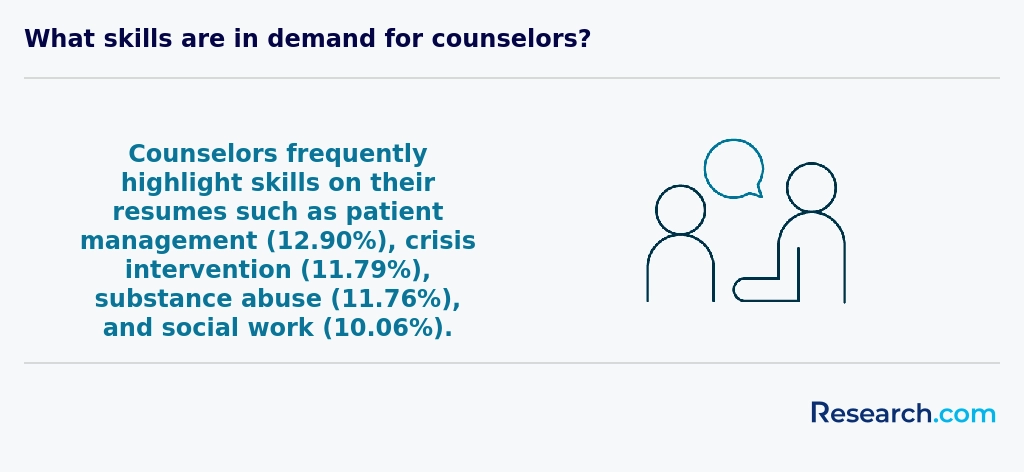
After earning your online counseling degree, obtaining state licensure is essential to practice professionally. Each Midwest state has its own licensing board and specific requirements, which typically include completing a master’s program accredited by the Council for Accreditation of Counseling and Related Educational Programs (CACREP), accruing a set number of supervised clinical hours, and passing a national examination such as the National Counselor Examination (NCE) or the National Clinical Mental Health Counseling Examination (NCMHCE). Key steps toward licensure:
- Accredited Degree: Ensure your program meets CACREP or equivalent regional accreditation standards.
- Supervised Experience: Most states require 2,000–3,000 hours of post-degree supervised counseling under a licensed supervisor.
- Examination: After logging supervised hours, pass the NCE or NCMHCE, administered by the National Board for Certified Counselors (NBCC).
- State Application: Submit official transcripts, examination scores, supervision logs, and state-specific application fees to your licensing board.
- Continuing Education: Maintain licensure through ongoing professional development-often 20–40 continuing education units (CEUs) every renewal period. For those eager to accelerate the path to independent practice, consider programs that integrate supervised internships early in the curriculum. You can also explore resources to train to be a therapist and meet licensure requirements efficiently. By understanding each state’s guidelines and planning accordingly, you can confidently navigate the certification process and begin a rewarding career as a licensed counselor in the Midwest.
What financial aid is available to online counseling degree students in the Midwest?
Students pursuing online counseling degrees in the Midwest often rely on several key financial aid options to make their education affordable. Graduates from well-known institutions like the University of Wisconsin or Ohio State University recall applying for federal aid through FAFSA, unlocking access to Pell Grants that can provide up to $7,395 annually. This aid is especially helpful for part-time students balancing work and study.
Many also benefit from institutional scholarships and grants, which Midwest universities offer based on merit or financial need. For example, a graduate from Michigan State University appreciated how in-state tuition discounts cut costs significantly, sometimes by nearly half.
State-specific grants are equally valuable. Residents of Illinois may access scholarships like the Monique Burr Foundation award, supporting those committed to mental health service careers within the state.
Employer tuition reimbursement programs further ease financial stress, with local healthcare providers often supporting employees' pursuit of advanced counseling degrees.
Professional counseling associations offer additional scholarships, providing crucial support to students who might otherwise worry about loan debt.
The Importance of CACREP Accreditation
Accreditation by CACREP ensures your counseling program meets national quality standards, supports licensure requirements and enhances employer confidence. Key benefits include:
- Seamless licensure: fulfills coursework and practicum criteria in most states
- National reciprocity: facilitates transfer of credentials across regions
- Rigorous curriculum: covers essential competencies in ethics, assessment and intervention
- Career advantage: signals to employers a commitment to excellence
To compare costs and quality, explore the cheapest cacrep-accredited programs online.
What are the prerequisites for enrolling in online counseling degree program in the Midwest?
To enroll in an online counseling degree in the Midwest, you'll first need a high school diploma or GED for undergraduate programs, typically coupled with completed college preparatory courses such as English and social sciences. Many students find applying to universities like those in Indiana or Missouri rewarding because these schools emphasize accessible admissions and have test-optional policies, reducing pressure around exams like the SAT or ACT.
For graduate programs, expect to hold a bachelor's degree-often from an accredited Midwestern institution-with many successful applicants having coursework in psychology or related fields. Graduates frequently highlight that submitting a clear personal statement and obtaining strong letters of recommendation were crucial steps in their acceptance to clinical mental health counseling programs.
- Maintaining a minimum 3.0 GPA
- Presenting relevant volunteer or work experience in counseling
- Passing background checks
- Committing to supervised clinical hours, especially in states like Illinois or Ohio
Many find the practicum requirements challenging yet rewarding, as hands-on experience builds confidence and real-world skills. These practical elements, alongside clear documentation, pave the way for both admission and state licensure success in the Midwest's supportive online counseling programs.
Accreditation and Licensure Requirements
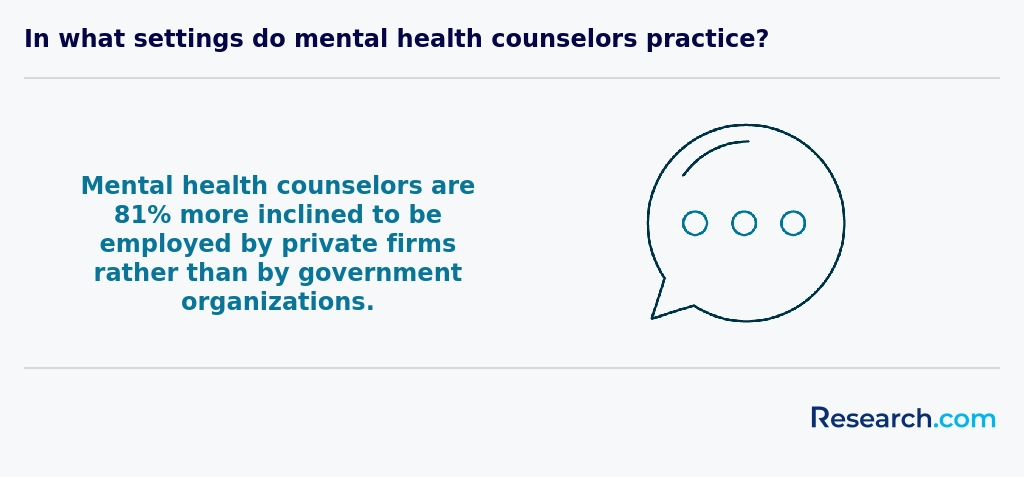
Selecting an accredited online counseling program is essential for ensuring your degree meets industry standards and state licensing criteria. In the Midwest, many reputable universities hold CACREP (Council for Accreditation of Counseling and Related Educational Programs) accreditation, which streamlines the licensure process in most states. Accreditation verifies that a program’s curriculum, faculty qualifications, and supervised clinical hours adhere to rigorous quality benchmarks. State licensure requirements typically include:
- Completion of a CACREP-accredited master’s program or its equivalent.
- A minimum of 60–70 supervised clinical practicum and internship hours.
- Passing a national counseling exam, such as the NCE (National Counselor Examination) or NCMHCE (National Clinical Mental Health Counseling Examination).
- Specific state jurisprudence or ethics exams, which vary by jurisdiction. Because licensure criteria differ across states, prospective students should verify requirements with their target state board before enrollment. For example, Illinois mandates 3,000 post-degree supervised hours, while Ohio requires 2,400. Understanding these variations early can prevent delays in obtaining your professional credential. For those exploring affordable, accredited options outside the Midwest, consider our Affordable Counseling Degree Programs Ranking in Pittsburgh, PA, which highlights cost-effective programs that meet licensure standards and offer robust clinical training. Embedding this due diligence into your program search ensures a smoother path to licensure and a successful counseling career.
What courses are typically in online counseling degree programs in the Midwest?
Online counseling degrees in the Midwest typically include courses that build a strong foundation in both theory and practice. Students at well-known Midwest universities often share how core classes like Introduction to Counseling Theories and Techniques and Human Growth and Development helped them understand real client behaviors and foster empathy early on.
Graduates frequently reflect on how courses such as Abnormal Psychology and Counseling Ethics and Professional Issues prepared them to navigate complex mental health challenges with confidence and professionalism.
Programs also emphasize practical skills through classes like Multicultural Counseling and Diversity and Group Counseling Methods, which students find invaluable when working with diverse Midwestern communities. Hands-on learning continues with Practicum or Internship in Counseling, often arranged through local agencies, allowing students to apply skills in real settings despite studying online.
With offerings also including Career Development and Counseling and Research Methods and Program Evaluation, Midwest students graduate feeling well-equipped to meet licensure requirements and confidently enter the workforce.
What types of specializations are available in online counseling degree programs in the Midwest?
Students pursuing an online counseling degree in the Midwest find a range of practical specializations designed to fit regional workforce demands. Popular tracks include Clinical Mental Health Counseling, which equips graduates with skills to diagnose and treat mental health disorders and prepares them for licensure required across many Midwestern states. School Counseling is another key specialization, with graduates often helping K-12 students overcome academic and emotional challenges-especially valued in states with educational licensure requirements.
Marriage and Family Therapy appeals to those passionate about helping families improve communication and resolve conflicts, supported by coursework aligned with Midwest licensing boards. Other emerging options include Substance Abuse Counseling, Rehabilitation Counseling, and Career Counseling, which address addiction, disabilities, and vocational guidance respectively. Graduates from respected Midwest institutions like Indiana State University share how these specializations directly helped them secure fulfilling roles.
For students concerned about cost and flexible learning, public universities in the region provide affordable and accessible options. You can explore more about costs and programs through the Affordable Counseling Degree Programs Ranking in Pittsburgh, PA. Choosing a specialization aligned with workforce needs ensures a rewarding career in counseling.
How do you choose the best online counseling degree in the Midwest?
Choosing the best online counseling degree Midwest students often start by verifying CACREP accreditation, a crucial factor for licensure and quality education. Graduates from universities in Illinois and Ohio report feeling confident when entering counseling roles because their programs met state-specific requirements and industry standards.
Cost plays a significant role, especially for midwestern learners balancing family and work. Many affordable counseling programs Midwest offer in-state tuition benefits or financial aid, making it easier to manage expenses without sacrificing quality. For example, students at public colleges in Minnesota found this balance essential to completing their degrees without financial stress.
Program flexibility heavily influences success for online learners. Those managing full-time jobs appreciate asynchronous classes and part-time enrollment options, common at well-regarded Midwestern institutions. Such formats allow students to progress steadily without interruption.
Specializations in mental health, school counseling, or marriage and family therapy should align with your career goals and local licensure demands. Graduates frequently highlight how selecting relevant concentrations helped them land targeted counseling positions in the region.
Exploring programs with higher graduation rates and robust alumni networks enhances your chances of post-degree employment. For students seeking faster completion, exploring fast college courses offered by some Midwest schools can provide a practical edge.
What career paths are available for online counseling degree students in the Midwest?
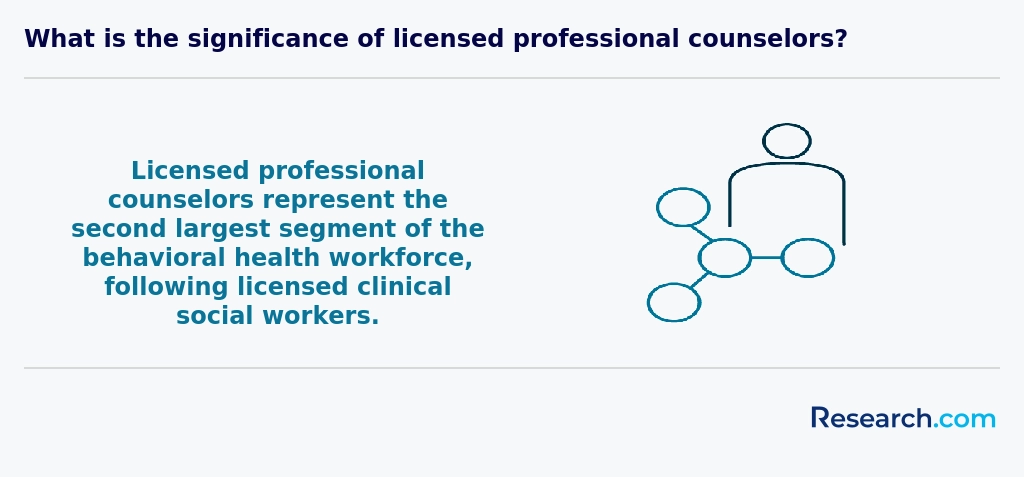
Graduates of an online counseling degree in the Midwest find a wide range of rewarding career paths that meet the growing mental health needs in the region. Many pursue roles as Licensed Professional Counselors, offering individual and group therapy in diverse settings like hospitals and community centers. Others become School Counselors, where they help students in K-12 settings navigate academic and emotional challenges, especially in well-regarded programs at colleges popular in the Midwest.
Some take on specialized roles such as Addiction Counselors or Marriage and Family Therapists, working directly with clients in need of targeted support. Midwest counseling degree job opportunities also include Mental Health Counselors in private practices and Career Counselors guiding individuals through employment transitions. Graduates often share that their real-world experience gained through supervised clinical hours, a requirement in states like Illinois and Ohio, strengthens their confidence and effectiveness.
For those weighing options, researching the most valuable college majors linked to counseling can provide additional insight into career stability and growth.
What is the job market for online counseling degree in the Midwest?
The job market for online counseling degree jobs Midwest is promising, with steady demand in states like Illinois, Ohio, and Michigan. Graduates from well-known universities often find opportunities in community health centers, hospitals, or private practices in cities such as Chicago and Cleveland. Many share positive experiences about the practicality of their online programs, which prepare them well for licensure requirements like the Licensed Professional Counselor (LPC) credential, a critical step for employment.
Midwest counseling degree employment outlook is bright due to factors such as population growth and expanded telehealth services increasing remote counseling roles. Graduates highlight that affordability and accessibility of online programs through popular Midwest colleges allow them to balance study with work. The median salaries, typically between $45,000 and $55,000, encourage many to pursue advanced certifications and specializations to enhance earnings.
For prospective students weighing costs and quality, exploring options among best accredited online schools in the Midwest is a strategic move that supports long-term career success.
Frequently Asked Questions About counseling
Online counseling degree students in the Midwest can maximize their learning experience by actively engaging with both virtual coursework and local resources. Many Midwestern universities offer hybrid options, allowing students to gain valuable in-person clinical hours required for licensure. According to the Council for Accreditation of Counseling & Related Educational Programs (CACREP), about 35% of online counseling programs in the region include practicum or internship components, which are crucial for skill development.
Students should also take advantage of regional professional counseling associations, such as the Midwest Association for Counselor Educators and Supervisors (MACES), to network and access continuing education. Utilizing these local connections can enhance practical knowledge and career opportunities in the diverse Midwest communities.
Furthermore, setting a structured study schedule and using campus libraries' digital resources can improve focus and retention. Research shows that online counseling students who maintain routine study habits complete their programs 20% faster, improving both efficacy and satisfaction in this demanding field.
The counseling field is evolving, with several emerging niches gaining importance, especially in the Midwest. One notable area is trauma and crisis counseling, driven by increasing awareness around mental health after events like natural disasters and the COVID-19 pandemic. According to the American Counseling Association, demand for trauma counselors is expected to grow by 25% through 2030.
Another expanding niche is substance abuse and addiction counseling, fueled by the opioid crisis that heavily affects Midwestern states such as Ohio and Indiana. Career opportunities in this specialization are projected to rise as states increase funding for recovery programs.
School counseling remains vital but is increasingly integrating multicultural and diversity training to serve growing diverse populations in Midwestern schools.
Lastly, telehealth counseling is gaining traction as technology adoption rises, offering remote mental health services countrywide, including rural Midwest areas where access has traditionally been limited.
After completing an online counseling degree in the Midwest, it is essential to gain proper licensure to enter the job market. States like Illinois, Michigan, and Ohio require passing the National Counselor Examination for licensure as a Licensed Professional Counselor (LPC). Additionally, accumulating supervised clinical hours, typically 2,000 to 3,000 depending on the state, is vital for eligibility. Networking through local counseling associations such as the Midwest Counselors Association can help connect graduates with employers. Job seekers should also consider specializing in high-demand areas like substance abuse or school counseling, which are growing fields in the region according to the Bureau of Labor Statistics (2023).
Employers in the Midwest seek counseling degree graduates with a strong blend of interpersonal and technical skills. Key abilities include active listening, empathy, and effective communication, which are essential for building trust with diverse clients. According to the National Board for Certified Counselors, these skills rank highest in job readiness.
Additionally, problem-solving and crisis intervention skills are critical, especially given the rising demand for mental health support in the region. Employers also value familiarity with ethical standards and state-specific regulations, as Midwest states have distinct licensing requirements.
Competency in using digital tools for telehealth services is increasingly important due to the growth of online counseling platforms across states like Illinois and Ohio.
Finding counseling internships in the Midwest involves leveraging both educational and professional resources. Many online counseling degree programs require or recommend internships within approved clinical settings. Students should start by contacting their school's career services or academic advisors, as these departments often have partnerships with local mental health clinics, hospitals, or community organizations.
Additionally, platforms like the Association for Counselor Education and Supervision (ACES) provide regional listings of internship opportunities. According to the National Board for Certified Counselors, states such as Illinois, Michigan, and Ohio have seen a 7% increase in internship placements for counseling students between 2020 and 2023.
Networking through professional organizations like the American Counseling Association also aids in locating internships that fulfill state licensure requirements.
Obtaining an online counseling degree in the Midwest can significantly enhance career mobility and advancement. Many states in this region require licensure for counselors, and accredited online programs help meet those educational prerequisites efficiently. According to the National Board for Certified Counselors, nearly 60% of licensed professionals earned degrees through online or hybrid formats over the past five years.
Employers increasingly recognize online counseling degrees, especially those from regionally accredited institutions, valuing their flexibility and rigor. The Midwest also shows steady job growth in counseling roles, projected at 15% between 2022 and 2032 by the U.S. Bureau of Labor Statistics, supporting career advancement opportunities for graduates.
Studying for a counseling degree in the Midwest provides strong preparation for interdisciplinary roles by emphasizing collaboration across healthcare, education, and social services. Many Midwest programs integrate coursework in psychology, social work, and healthcare ethics, equipping students to work effectively in diverse teams.
The region's emphasis on community-oriented care also encourages practical experience in various settings, from schools to hospitals. According to the American Counseling Association, Midwestern universities often include interdisciplinary practicum opportunities, which improve graduates' adaptability in different roles.
Midwestern states report growing demand for counselors skilled in cross-sector collaboration, reinforcing the value of such multidisciplinary training.
Choosing between a thesis and a non-thesis online counseling degree in the Midwest depends on your career goals and learning preferences. Thesis programs often suit students interested in research, academia, or doctoral studies. These require conducting original research and writing a detailed paper, which can take additional months.
Non-thesis programs emphasize practical skills with more coursework and internships. They are designed for students aiming for direct counseling practice or licensure.
Midwestern states typically require a mix of supervised clinical hours and coursework for licensure, regardless of the path. According to the Council for Accreditation of Counseling and Related Educational Programs (CACREP), both options are respected if the program is accredited.
Students based in the Midwest seeking to study counseling abroad have limited direct options, as most accredited counseling programs in the U.S. require in-person components that are difficult to complete overseas. However, several Midwestern universities offer online counseling degrees with international study opportunities through exchange programs or partnerships. For example, programs at institutions like the University of Wisconsin and Ohio State University may provide short-term study abroad experiences while completing most coursework online.
The Council for Accreditation of Counseling & Related Educational Programs (CACREP) reports that 60% of counseling programs in the Midwest offer hybrid or online options, which can complement international travel.
Students interested should also consider licensing requirements; many U.S. states, including those in the Midwest, require clinical hours completed domestically, which limits fully abroad-based practical experiences.
In the Midwest, students pursuing online counseling degrees can benefit from several part-time job opportunities that enhance practical skills. Roles such as mental health technician, peer support specialist, or case manager assistant often align well with counseling education. According to the Bureau of Labor Statistics, the demand for such positions in states like Illinois and Ohio is expected to grow by over 10% through 2030.
These positions provide experience in client interaction, crisis intervention, and administrative tasks related to mental health services. Additionally, working in community centers or nonprofit organizations offers insight into regional mental health challenges and resources.
Such part-time jobs not only build relevant skills but also help networking within the Midwest's counseling community.
Online counseling students in the Midwest have various networking opportunities despite remote learning. Many universities offer virtual student organizations and professional groups tailored to counseling, allowing connections with peers and faculty. For example, the Chi Sigma Iota Counseling Honor Society has active chapters at several Midwestern schools, fostering mentorship and professional growth.
Regional conferences such as those hosted by the Midwest Association for Counselor Educators and Supervisors provide both in-person and online attendance options. According to the American Counseling Association, these events attract hundreds of counseling professionals, offering workshops and networking forums.
Additionally, Midwestern states have active licensing boards that often sponsor workshops and networking events, which students can attend to engage with licensed counselors and supervisors relevant to their state.
Alumni networks provide valuable support to online counseling degree students in the Midwest by connecting them with experienced professionals and peers across the region. These networks often offer mentorship opportunities, helping students navigate licensure requirements that vary by state, such as Iowa, Illinois, and Ohio.
According to the Council for Accreditation of Counseling and Related Educational Programs (CACREP), over 70% of accredited counseling programs in the Midwest maintain active alumni groups. These networks facilitate job placements and internships, which are critical given the high demand for licensed counselors, projected to grow by 22% in the region through 2030.
By leveraging alumni connections, students gain insights into regional counseling practices and employment trends, improving their career outcomes. Additionally, alumni events and online forums foster professional development and lifelong learning important in this evolving field.
Customizing an online counseling degree program in the Midwest involves selecting courses and specializations aligned with your career goals. Many Midwestern schools offer tracks in areas like school counseling, mental health counseling, or marriage and family therapy. Choosing electives tailored to your intended field enhances practical skills and licensure preparation.
Additionally, many programs provide flexible practicum and internship placements, allowing you to gain experience in settings relevant to your career interests. Accreditation by CACREP or the Council for Accreditation of Counseling and Related Educational Programs is crucial, as it affects licensure portability across states.
According to the National Board for Certified Counselors, around 35% of counseling students from Midwestern programs pursue specialized certifications to increase job prospects.
Online counseling students in the Midwest face several common challenges. One primary issue is navigating state licensure requirements, which vary widely across states such as Illinois, Michigan, and Ohio. These differences can complicate clinical placement and post-graduation employment.
Access to reliable, high-speed internet also continues to be a hurdle, especially in rural Midwestern areas where connectivity remains limited. According to Pew Research Center, about 23% of rural residents in the U.S. lack broadband access, affecting their ability to engage in live sessions and coursework efficiently.
Another challenge involves balancing practical training with virtual learning. Counseling programs require hands-on experience, but finding approved local practicum sites remotely can be difficult.
With an online counseling degree, graduates in the Midwest can pursue several professional certifications to advance their careers. The Licensed Professional Counselor (LPC) credential is one of the most common certifications, recognized across many Midwestern states like Illinois, Ohio, and Minnesota. It typically requires a master's degree, supervised clinical hours, and passing a national exam.
Other credentials include Certified Addiction Counselor (CAC) and Licensed Marriage and Family Therapist (LMFT), depending on state-specific requirements. These certifications help increase job opportunities and credibility in community mental health centers, schools, and private practice.
The Midwest's demand for licensed counselors is expected to grow by 12% through 2030, according to the U.S. Bureau of Labor Statistics, making certification a crucial step.
To write a winning application for an online counseling program in the Midwest, start by carefully researching accredited schools recognized by the Council for Accreditation of Counseling and Related Educational Programs (CACREP). Include clear evidence of your academic preparation and relevant experience in mental health or social services.
Personal statements should highlight your motivation for counseling, commitment to client welfare, and understanding of Midwestern community needs. Schools often value demonstrable cultural competence and ethical awareness.
Strong letters of recommendation from academic or professional supervisors enhance credibility. Additionally, verify specific state licensure requirements, as many Midwest states require practicum hours completed locally.
According to the National Board for Certified Counselors, programs that align with state guidelines improve chances of admission.
The counseling profession is valued worldwide for its role in supporting mental health and well-being. In the United States, including the Midwest, counseling careers are seen as essential within healthcare and education sectors. According to the Bureau of Labor Statistics, the demand for mental health counselors is expected to grow 23% from 2021 to 2031, faster than average for all occupations.
Globally, counseling standards and licensure vary, but the importance of ethical practice and cultural competence is universally recognized. In the Midwest, many online counseling degree programs integrate global perspectives to prepare students for diverse client populations.
Professional organizations, such as the American Counseling Association, emphasize ongoing education to meet international best practices. This focus helps Midwestern graduates remain competitive in a globalized workforce.
Gaining practical experience while pursuing an online counseling degree in the Midwest is essential for career readiness. Many accredited programs in this region include supervised fieldwork or internships as part of the curriculum, allowing students to apply theory in real-world settings.
Students often partner with local clinics, schools, or community centers to fulfill practicum hours, which are required by licensing boards. According to the Council for Accreditation of Counseling and Related Educational Programs (CACREP), most Midwestern states mandate 700 to 1,000 hours of supervised clinical experience for licensure.
Additionally, some universities offer virtual simulations and telehealth training to supplement in-person hours.
Choosing the right concentration within an online counseling degree program in the Midwest involves understanding both your career goals and regional demands. Popular concentrations include clinical mental health, school counseling, and marriage and family therapy. According to the Bureau of Labor Statistics, demand for mental health counselors in Midwest states like Illinois and Ohio is expected to grow by over 20% through 2030.
Consider licensure requirements as they vary by state and concentration. For example, school counselors often need certification specific to K-12 education, while clinical mental health counselors require a Licensed Professional Counselor (LPC) credential.
Review program curricula to ensure it aligns with your interests and professional aims. Look for concentrations that offer internships or practicum placements within Midwest communities, which can enhance hands-on experience and networking opportunities.
Top Trending Counseling Rankings
See What Experts Have To Say About Studying Counseling
Read our interview with Counseling experts

Charles Figley
Counseling Expert
Kurzweg Distinguished Chair in Disaster Mental Health
Tulane University

References
- 6 Therapy Niches to Consider for Your Practice - Talkspace https://www.talkspace.com/blog/therapy-niches/
- What Degree Do I Need to Become a Counselor or Therapist? https://paloaltou.edu/resources/blog/what-degree-do-i-need-become-counselor-or-therapist
- Internship Opportunities at Momentum https://momentumcac.com/internship/
- On-Campus vs. Online Master’s in Counseling | University of Bridgeport https://www.bridgeport.edu/news/on-campus-vs-online-counseling-degree/
- Bringing the benefits of career counselling/guidance to youth https://euroguidance.eu/to-bring-the-benefits-of-career-counseling-guidance-to-the-youth
- Interdisciplinary Training: Preparing Counselors for Collaborative Practice https://nexusipe.org/informing/resource-center/interdisciplinary-training-preparing-counselors-collaborative-practice
- Online Degrees https://onlinecounselingprograms.com/online-counseling-degrees/
- Know more about thesis vs non- thesis: what is the difference? https://studyfans.com/en/blogs/816
- How to Write a School Counselor Cover Letter | VocoVision https://www.vocovision.com/resources/uncategorized/how-to-write-a-strong-school-counselor-cover-letter/
- Utilize Your Alumni Networks https://www.keg.com/news/ways-to-use-your-alumni-networks-for-the-better


