2027 Easiest Online Master's in Counseling Degree Programs Ranking in Wisconsin

Co-Founder and Chief Data Scientist
Choosing the right counseling degree program can feel overwhelming, especially when balancing life and work in Wisconsin. That's why the Research.com team of data scientists created the 2027 Easiest Online Master's in Counseling Degree Programs Ranking in Wisconsin. This ranking helps potential students find accessible, quality programs that fit their unique needs.
By exploring this article, you'll discover options that make earning your counseling degree more manageable and rewarding. Take the first step toward a meaningful career helping others, with confidence and clarity.
Key benefits of getting online counseling degree in Wisconsin
- Salary for counseling degree graduates: Graduates with counseling degrees in Wisconsin can earn competitive wages, such as Licensed Professional Counselors making around $52,360 annually and Marriage and Family Therapists earning approximately $68,730 yearly.
- Career paths: A counseling degree from a well-known Wisconsin university opens doors to roles like Licensed Mental Health Counselor, Substance Abuse Counselor, or Clinical Supervisor, offering diverse opportunities to positively impact communities.
- Benefits of online degrees: Earning a counseling degree online from a reputable Wisconsin institution offers flexibility to balance work and study while gaining the same quality education as traditional programs, helping you advance your career with confidence.
- Key benefits of getting online counseling degree in Wisconsin
- What can I expect from online counseling degree in Wisconsin?
- Where can I work with online counseling degree in Wisconsin?
- How much can I make with online counseling degree in Wisconsin?
- 2027 Easiest Online Master's in Counseling Degree Programs Ranking in Wisconsin
- Key Findings
- How long does it take to complete online counseling degree in Wisconsin?
- What's the difference between online and on-campus counseling degree?
- What is the average cost of online counseling degree in Wisconsin?
- What financial aid is available to online counseling degree students in Wisconsin?
- What are the prerequisites for enrolling in online counseling degree program in Wisconsin?
- What courses are typically in online counseling degree programs in Wisconsin?
- What types of specializations are available in online counseling degree programs in Wisconsin?
- How do you choose the best online counseling degree in Wisconsin?
- What career paths are available for online counseling degree students in Wisconsin?
- What is the job market for online counseling degree in Wisconsin?
- Related Counseling Rankings for Nearby States
- Top Trending Counseling Rankings
- See What Experts Have To Say About Studying Counseling
What can I expect from online counseling degree in Wisconsin?
The average cost of an online counseling degree in Wisconsin often surprises prospective students seeking flexibility without sacrificing quality. Graduates from institutions like the University of Wisconsin or Marquette University share that in-state tuition plays a crucial role in making these programs affordable, generally ranging from $10,000 to $20,000 for the entire master's curriculum. This investment reflects a balance between rigorous academic training and practical requirements, such as supervised clinical hours arranged near the student's location, which are vital for meeting licensure standards.
Many students appreciate the financial accessibility combined with extensive financial aid options, including scholarships and federal loans, which soften the upfront burden. One graduate recalls feeling motivated, not overwhelmed, by a program structured to fit their full-time work schedule while advancing toward licensure.
Choosing a Wisconsin-based online counseling degree means embracing a cost that aligns with direct career benefits, especially amid a growing job market fueled by a 12% projected increase in mental health counseling roles statewide. This affordability empowers students to pursue their passion without overwhelming debt, fostering confidence and commitment to their future in the field.
Where can I work with online counseling degree in Wisconsin?
Graduates with an online counseling degree from institutions like the University of Wisconsin-Madison or Concordia University Wisconsin often discover their skills are in high demand across diverse settings. Many step into roles as Licensed Professional Counselors (LPCs), working independently or alongside experienced supervisors in outpatient mental health clinics, helping clients navigate anxiety or substance abuse. Imagine providing vital support to someone overcoming personal struggles or guiding adolescents toward healthier choices-these moments create intense professional fulfillment and deep emotional connection.
Others choose school counseling, working in public or private K-12 schools to empower students academically and socially. Graduates recall the rewarding challenge of becoming trusted mentors amid the bustling classroom environment in Milwaukee or Green Bay schools. The role requires specific certification, but the impact on youth development makes it profoundly worthwhile.
Some boldly enter hospitals, joining multidisciplinary teams where behavioral health merges with physical care. They witness firsthand the transformative power of integrated treatment, feeling inspired daily. Emerging spaces like corporate employee assistance programs further expand career horizons, recognizing mental wellness as essential to workplace culture throughout Wisconsin's growing industries.
How much can I make with online counseling degree in Wisconsin?
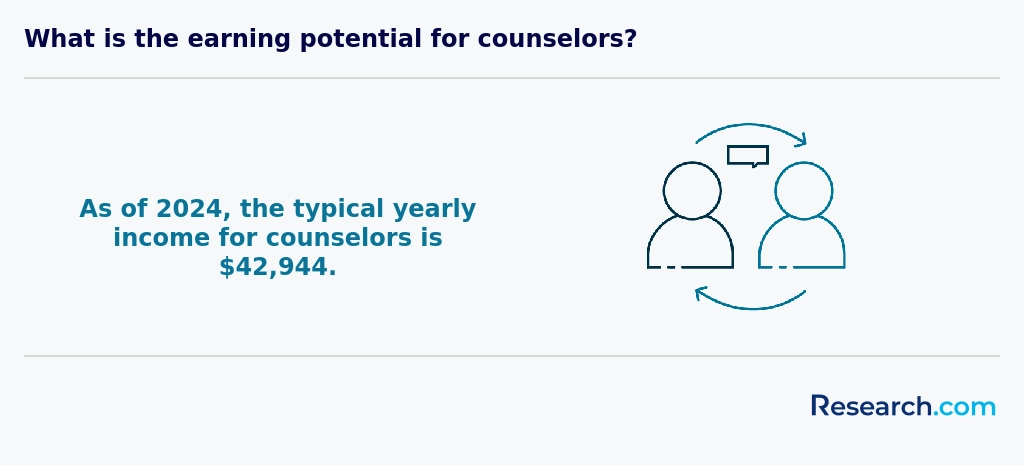
Graduates with an online counseling degree in Wisconsin can expect starting salaries near $40,000, especially those fresh out of programs at institutions like the University of Wisconsin or Cardinal Stritch University. These entry-level figures reflect the early clinical hours that must be completed before full licensure. However, the landscape quickly changes with licensure. Licensed Professional Counselors in Wisconsin earn a mean annual wage of about $52,360, while Licensed Mental Health Counselors and Substance Abuse Counselors earn closer to $60,080 annually according to the latest BLS data.
Graduates often share how earning potential grows as they gain experience and additional certifications. For instance, Marriage and Family Therapists in Wisconsin command approximately $68,730 annually, which can make a tangible difference for those dedicated to specialized fields. Urban centers such as Milwaukee and Madison further amplify these figures due to demand and cost of living. Some graduates find joy in knowing their work, which could start around minimum thresholds, can evolve into rewarding careers with salaries that reflect their passion and expertise.
Meanwhile, clinical supervisors in counseling roles reach an impressive average wage of $134,440, illustrating how continued professional growth can lead to lucrative opportunities within Wisconsin's mental health sector.
2027 Easiest Online Master's in Counseling Degree Programs Ranking in Wisconsin
How do we rank schools?
Investing in your education is a significant decision that can shape your future, and the Research.com team recognizes the importance of making informed choices. To support prospective students in Wisconsin, we have carefully developed the "2027 Easiest Online Master's in Counseling Degree Programs Ranking in Wisconsin." Our dedication to quality, credibility, and accuracy is evident in the thorough research and analysis behind this ranking.
We utilized the following reputable data sources to ensure a comprehensive evaluation of counseling programs:
By exploring this ranking, readers will gain valuable insights into the most accessible online master's programs in counseling within Wisconsin, empowering them to make well-informed decisions about their educational journey. For further information on how this ranking was created, please visit our Research.com methodology page.


Key Findings
- Tuition for online counseling master's degrees in Wisconsin ranges from $10,000 to $30,000, varying by school and residency status.
- Licensure requires a master's degree, about 3,000 supervised clinical hours, and passing a national exam regulated by Wisconsin's licensing board.
- Counselor employment in Wisconsin is projected to grow 15% over the next decade, faster than the national average.
- Starting salaries average around $45,000 annually, with mid-career counselors earning between $55,000 and $65,000 per year.
- Senior counselors, especially in healthcare or wellness, can earn more than $75,000 depending on location and employer.
- Online programs align with state licensure requirements and often help students secure internships for clinical hours.
How long does it take to complete online counseling degree in Wisconsin?
Completing an online counseling degree in Wisconsin often takes about two to three years for full-time students, especially at well-known institutions like the University of Wisconsin or Carroll University. Graduates frequently share how this timeframe feels manageable yet immersive, allowing them to truly absorb the depth of counseling theories and practice.
For those balancing work and family, part-time study extends this journey to three to five years, a reality embraced by many working professionals across the state. One graduate from Edgewood College described the flexibility as a crucial lifeline, enabling progress without sacrificing job security or personal well-being.
Practical experience is non-negotiable: completing 600 to 700 hours of supervised internship and practicum drives much of this timeframe. Graduates recall the rewarding challenge of integrating online coursework with real-world client interactions, deepening their confidence and readiness for licensure.
Occasionally, accelerated programs trim completion time under two years for highly committed students, igniting a sense of accomplishment and momentum though demanding rigorous time management.
What's the difference between online and on-campus counseling degree?
Choosing between online and on-campus counseling degrees in Wisconsin often feels like deciding between two distinct worlds. Graduates from UW-Madison who pursued on-campus programs frequently recall the energy of face-to-face discussions and spontaneous study groups in the library, which fostered a deep sense of community and immediate feedback from professors. This immersion can be invaluable for those craving structured schedules and direct networking opportunities.
Meanwhile, graduates from online programs at institutions like Concordia University Wisconsin often emphasize the freedom to integrate coursework with demanding work or family responsibilities. They describe how asynchronous classes allowed them to absorb materials at their own rhythm, turning late-night study sessions into moments of quiet focus rather than stress. Yet, they also note the challenge of self-motivation without in-person cues.
In both routes, students complete in-person clinical hours, anchoring their learning in real-world counseling practice-a vital step regardless of how coursework is delivered. This blend of flexibility and hands-on experience shapes Wisconsin counseling students uniquely, urging a reflective choice rather than a simple preference.
What is the average cost of online counseling degree in Wisconsin?
The average cost of an online counseling degree in Wisconsin often revolves around $21,456, reflecting a balance that many students find manageable in pursuit of their career goals. Graduates from well-known universities in the state frequently share how affordable tuition at public institutions helped ease financial pressure, allowing them to focus on mastering counseling skills rather than worrying about crippling debt.
In reality, the online master's in counseling tuition Wisconsin students face can vary, but it usually stays within a reasonable spectrum when compared to private schools that tend to charge significantly more. For many students, this affordability becomes a crucial factor in their decision-making process, especially when paired with the value of CACREP accreditation that these programs often maintain. The practical benefits of such accreditation extend beyond pricing, aligning with licensure requirements that students must meet in Wisconsin.
The story doesn't end with tuition; additional costs such as books, technology fees, and state licensing exams can add up. However, students often view these expenses as investments towards a promising future. One graduate recounted how budgeting carefully for supplies and fees allowed them to complete their degree without financial stress. Those exploring alternatives might also consider shorter pathways, with options like 6 month certificate programs high paying jobs providing a different route to enter the field faster.
What financial aid is available to online counseling degree students in Wisconsin?
When pursuing an online counseling degree in Wisconsin, financial aid often becomes the linchpin between aspiration and achievement. Many graduates from universities like the University of Wisconsin-Madison recall relying heavily on federal financial aid options such as Direct Unsubsidized Loans and Grad PLUS Loans, which cover significant portions of tuition-sometimes the entire cost after accounting for other aid. Completing the FAFSA is the essential first step that opens these doors.
Wisconsin's own programs shine uniquely for counseling students. For example, graduates from the University of Wisconsin-Milwaukee have reported valuable support through the Wisconsin Higher Educational Aids Board (HEAB), especially the Wisconsin Health Care Provider Loan Assistance Program (HPLAP). This program rewards counselors willing to serve underserved state areas, turning debt into opportunity and fostering a rewarding career path deeply connected to community impact.
Institutional scholarships and assistantships at places like Carroll University also create personal relief, offering tuition waivers and stipends that make graduate life more manageable. Many students share stories of receiving help through the American Counseling Association scholarships, which combine encouragement with financial backing, reinforcing that this journey is not walked alone.
What are the prerequisites for enrolling in online counseling degree program in Wisconsin?
Enrolling in an online counseling degree program in Wisconsin demands more than just a completed bachelor's degree; it requires a foundation that speaks to your readiness for the emotional and intellectual challenges ahead. Graduates from well-known Wisconsin institutions like the University of Wisconsin-Stevens Point often reflect on how their bachelor's degrees in psychology or social work laid the groundwork, but what truly prepared them was meeting the GPA expectations-typically around 3.0-and gathering meaningful letters of recommendation.
These recommendations tend to come from mentors who witnessed firsthand an applicant's dedication, whether during internships or community volunteer work. Imagine a student at Marquette University who, through their volunteer experience in local human services, not only strengthened their application but also found clarity in their counseling career goals.
Many programs also expect a personal statement that is more than a formality-it's where your passion and understanding of the counseling field must resonate. The practical aspects, such as documented experience, don't just improve applications; they create emotional connections that fuel the perseverance demanded by rigorous online curricula aligned with Wisconsin's licensure standards.
What courses are typically in online counseling degree programs in Wisconsin?
Online counseling degrees in Wisconsin dive deep into foundational courses like Introduction to Counseling Theories, where graduates recall their "aha" moments in understanding diverse therapeutic approaches. At universities like the University of Wisconsin, students find themselves applying concepts from Human Development Across the Lifespan to real clients, empathizing with unique psychological growth arcs. Group Counseling Techniques challenge learners to manage dynamics in virtual group therapy settings, a skill many alumni praise for boosting their confidence.
Multicultural Counseling is another core class that sharpens cultural competence-graduates often reflect on how this course transformed their perspective on diversity in Wisconsin's varied communities. Specialized courses such as Career Counseling and Assessment and Testing prepare students to guide others through pivotal life decisions, making the knowledge gained feel immediately applicable.
Legal and Ethical Issues in Counseling courses are especially meaningful in Wisconsin, where understanding state-specific regulations is crucial. Graduates who studied at popular online programs frequently share their appreciation for practicum internships, which offer hands-on, supervised practice that turns theory into empowering real-world skills.
What types of specializations are available in online counseling degree programs in Wisconsin?
Online counseling degree programs in Wisconsin commonly offer specializations that challenge students to rethink traditional counseling roles. Graduates from popular universities often choose School Counseling, a track deeply embedded in K-12 settings, where they guide students through academic and emotional growth. This specialization, rooted in Wisconsin regulations, empowers counselors to make real impacts in educational institutions.
Others pursue Mental Health Counseling, confronting issues like anxiety and trauma with empathy and clinical skill. Graduates report a profound sense of fulfillment as they support individuals navigating complex emotional landscapes, a process that aligns closely with licensure for Licensed Professional Counselors in Wisconsin. This specialization often draws students who appreciate the balance of science and human connection inherent in therapy.
Beyond these, Wisconsin online master's in counseling options include areas such as Marriage and Family Therapy, Addiction Counseling, and Rehabilitation Counseling, each addressing distinct, real-world challenges. Students describe their learning journeys as transformative, especially when applying theory to practice. For those seeking flexibility without sacrificing quality, programs offer competitive tuition and supervised clinical hours that fit diverse lifestyles. Exploring best 6-month online associate degree programs can also be a stepping stone in this field.
How do you choose the best online counseling degree in Wisconsin?
Choosing the best online counseling degree in Wisconsin means zeroing in on accreditation and local licensure requirements, rather than just ranking or convenience. Graduates from popular Wisconsin universities often emphasize how CACREP accreditation directly impacted their ease in meeting the state's 3,000-hour supervised experience rule, a hurdle too many programs overlook. This alignment with Wisconsin's Department of Safety and Professional Services standards is non-negotiable if you want a smooth path to becoming a licensed professional counselor.
Affordability is another often underestimated factor. Many students report feeling empowered by selecting affordable online master's counseling Wisconsin programs through public institutions, which balance quality and cost without sacrificing crucial practicum opportunities. For those juggling life commitments, flexible delivery and asynchronous coursework-common in Wisconsin's top programs-offer vital breathing room to absorb complex counseling theories and ethics without burnout.
Beyond curriculum and cost, career support is a game changer. Recent graduates from Wisconsin-based colleges highlight how strong licensure exam preparation combined with internship placements tailored to Wisconsin's job market sparks optimism and momentum as they launch their counseling careers. For those looking to diversify or accelerate their credentials, exploring options like an accelerated associate degree can also be a strategic move within a broader educational plan.

What career paths are available for online counseling degree students in Wisconsin?
Graduates of online counseling careers in Wisconsin often find themselves at a crossroads filled with meaningful opportunities. Many choose the path of becoming a Licensed Professional Counselor (LPC), a role that allows them to work directly with individuals and groups in private practices or hospitals. Those who studied at well-known institutions like the University of Wisconsin or Marquette University often share the rewarding experience of applying theory in real-life community settings, finding deep fulfillment in guiding clients through life's challenges.
Others pursue school counseling certification, helping students navigate academic and emotional stress. The demand in Wisconsin schools continues to grow, driven by state initiatives to support youth wellness, a fact that many counseling graduates discover creates lasting job security. Experiential learning methods at schools such as Viterbo University equip future counselors with skills to thrive in these educational environments, making the career both stable and impactful.
More specialized careers include clinical mental health counseling, working with addiction and trauma-areas where graduates from online programs appreciate the competitive tuition rates Wisconsin offers. These roles often demand further certification but open doors to careers that truly transform lives. Graduates frequently explore certifications that pay well, which add value to their career trajectories. The vast opportunities in Wisconsin-from government agencies to nonprofits-challenge the narrow view of counseling careers, revealing a vibrant field full of promise.
What is the job market for online counseling degree in Wisconsin?
The job market for individuals holding an online counseling degree in Wisconsin is more promising than many expect. Graduates from institutions like the University of Wisconsin-Madison often share how their training opened doors in diverse settings-from bustling Milwaukee clinics to rural community centers. Wisconsin's demand for licensed counselors grows as mental health awareness rises and access expands in underserved areas. This means that online counseling jobs in Wisconsin align not only with traditional roles but also with innovative telehealth positions, allowing graduates to serve clients statewide without geographic limits.
Many counseling graduates find satisfaction working in schools or healthcare systems where their LPC licensure enhances both employability and earning potential. With median salaries varying between $43,000 and $60,000, success stories reflect positive outcomes tied to flexibility and license attainment. Aspiring counselors who carefully consider tuition and program options at well-regarded Wisconsin universities or colleges appreciate the practical balance of cost and career opportunity. Those who explore college majors report that online counseling degrees in Wisconsin uniquely meet both professional aspirations and evolving community needs.
Frequently Asked Questions About counseling
Online counseling degree students in Wisconsin can maximize their learning by actively engaging with their coursework and peers. Participating in virtual discussions and study groups helps build essential communication skills needed for counseling careers. Utilizing the resources offered by accredited institutions, such as the Council for Accreditation of Counseling and Related Educational Programs (CACREP), ensures a quality education recognized statewide. Wisconsin requires aspiring counselors to complete supervised clinical experiences; therefore, seeking local practicum sites early is critical for meeting licensure requirements.
Students should also leverage technology to attend webinars and counseling workshops offered by Wisconsin's professional organizations, such as the Wisconsin Counseling Association (WCA). According to the Wisconsin Department of Safety and Professional Services, staying informed about licensing updates and exam requirements can improve preparation and outcomes. Balancing self-discipline with these strategies leads to a more effective online learning experience in counseling.
The counseling field is evolving with several emerging niches gaining importance, especially for those pursuing online counseling degrees in Wisconsin. One notable area is telehealth counseling, which has expanded rapidly due to increased demand for remote mental health services. This niche allows counselors to reach clients beyond geographical boundaries, a benefit particularly relevant in large rural areas of Wisconsin.
Another growing specialty is addiction counseling, responding to Wisconsin's opioid crisis. According to the Wisconsin Department of Health Services, overdose deaths have risen, increasing the need for trained addiction counselors.
Additionally, school counseling focusing on social-emotional learning and trauma-informed care is expanding, influenced by statewide educational initiatives.
After completing an online counseling degree in Wisconsin, preparing for the job market involves several key steps. Start by obtaining licensure, as the Wisconsin Department of Safety and Professional Services requires passing a national exam and completing at least 3,000 hours of supervised experience for Licensed Professional Counselors (LPC).
Networking is important; consider joining professional organizations such as the Wisconsin Counseling Association. They provide job leads and continuing education opportunities.
Additionally, gaining practical experience through internships or volunteer roles can improve employability. According to the U.S. Bureau of Labor Statistics, Wisconsin's mental health counselor jobs are expected to grow 16% from 2021 to 2031, indicating strong demand.
Stay updated on state-specific counseling laws and pursue additional certifications to stand out in the competitive field.
Employers in Wisconsin prioritize several key skills when hiring graduates with counseling degrees. Strong communication abilities are essential, enabling counselors to listen actively and convey empathy effectively. According to the Wisconsin Department of Workforce Development, interpersonal skills are crucial for successful client relationships and teamwork.
Problem-solving and critical thinking are also highly valued, allowing counselors to assess client needs and develop appropriate treatment plans. Familiarity with ethical standards and cultural competence is important, reflecting Wisconsin's diverse population.
Additionally, employers expect proficiency in using counseling technologies and electronic health records, increasingly common in Wisconsin's mental health services.
Finding internships in Wisconsin for counseling degree students involves several strategic steps. Start by exploring partnerships between your online program and local agencies, as many universities maintain connections with mental health clinics and community centers. The Wisconsin Department of Health Services offers resources and listings of approved counseling practicum sites statewide. Additionally, professional organizations like the Wisconsin Counseling Association provide networking opportunities and internship postings.
Students should also contact licensed counselors and clinics directly to inquire about openings. Internships must usually meet the state's requirements for supervised hours, crucial for licensure. According to the Wisconsin Educational Approval Board, candidates need 3,000 supervised hours total, making local placements vital for experience.
Obtaining an online counseling degree in Wisconsin significantly enhances career mobility and advancement opportunities. The state requires a master's degree in counseling or a related field for licensure as a professional counselor, which opens doors to diverse roles in mental health agencies, schools, and private practice.
Online programs accredited by the Council for Accreditation of Counseling and Related Educational Programs (CACREP) ensure graduates meet Wisconsin's licensing standards. According to the Wisconsin Department of Safety and Professional Services, licensed counselors see steady demand due to rising mental health awareness.
Graduates with an online counseling degree can pursue advanced credentials, augmenting job prospects and potential salary growth, which the U.S. Bureau of Labor Statistics reports at a median of $52,000 annually for counselors in Wisconsin.
Studying for an online counseling degree in Wisconsin equips students with skills vital for interdisciplinary collaboration. Wisconsin's programs often emphasize integration with healthcare, education, and social services, reflecting the state's holistic approach to mental health. Graduates learn to work alongside professionals like social workers, educators, and medical providers, which is essential in community-based settings.
The curriculum typically includes courses on ethics, multicultural competence, and crisis intervention, preparing students for diverse environments. According to the Wisconsin Department of Public Instruction, counselors frequently engage in school and community partnerships, highlighting the need for interdisciplinary teamwork.
Additionally, accreditation standards from the Council for Accreditation of Counseling and Related Educational Programs (CACREP) ensure that graduates meet national competencies, further supporting interdisciplinary readiness.
When choosing between a thesis and a non-thesis counseling degree program in Wisconsin, consider your career goals and learning preferences. Thesis programs often require original research, ideal for students aiming for doctoral studies or research positions. Non-thesis options focus more on practical skills, benefiting those seeking immediate clinical work or licensure.
In Wisconsin, the Department of Public Instruction estimates a growing demand for licensed counselors, with jobs expected to increase by 12% through 2028. This makes practical experience valuable. Accreditation by the Council for Accreditation of Counseling and Related Educational Programs (CACREP) is essential regardless of the format.
Additionally, thesis routes may extend program length and require more time commitment. Evaluate your capacity for academic research versus hands-on practice when deciding.
Students based in Wisconsin seeking to study counseling abroad through online programs face unique challenges and opportunities. While fully international online counseling degrees are limited, many U.S. institutions offer accredited programs with global access, allowing Wisconsin residents to study without relocating. The Council for Accreditation of Counseling & Related Educational Programs (CACREP) accredits most quality counseling degrees, which is important for licensure in Wisconsin.
Students should verify that foreign programs meet Wisconsin's licensing board requirements. As of 2023, Wisconsin requires a master's degree from an accredited program and supervised clinical hours. Few international universities align with these standards, so pursuing U.S.-based online programs with international elements is more common.
Additionally, some U.S. schools partner with overseas institutions, offering hybrid exchange opportunities, but these are relatively rare. Prospective students are encouraged to consult the Wisconsin Credentialing Board and CACREP resources for up-to-date program recognition and licensure guidance.
Part-time job opportunities in Wisconsin that complement counseling degree education often involve direct client interaction or support roles in mental health settings. Positions such as behavioral health technician, peer support specialist, or case manager assistant are common. These roles provide valuable practical experience aligned with counseling theories and ethics. According to the Wisconsin Department of Workforce Development, behavioral health technician roles are expected to grow by 12% through 2030, reflecting increased demand for mental health services.
Additionally, school-based paraprofessional positions offer experience working with children and adolescents, which benefits counseling students focused on educational settings.
Many of these jobs offer flexible hours and part-time schedules, making them compatible with online degree programs.
Online counseling students in Wisconsin benefit from diverse networking opportunities despite remote learning. Many accredited programs partner with local agencies and clinics, allowing students to gain field experience and connect with professionals in real-world settings. Professional organizations such as the Wisconsin Counseling Association (WCA) offer memberships, virtual events, and conferences that encourage interaction with licensed counselors statewide.
Wisconsin students also have access to national events hosted by groups like the American Counseling Association (ACA), which frequently include virtual networking sessions tailored to online learners.
Furthermore, universities often facilitate alumni networks and peer discussion groups that promote relationship building among online cohorts.
Alumni networks provide valuable support for students pursuing online counseling degrees in Wisconsin. These connections give access to experienced professionals who understand the state's specific counseling requirements and licensing procedures. Wisconsin's counseling licensure process is overseen by the Department of Safety and Professional Services, which alumni are often familiar with, offering practical guidance to current students.
Many alumni participate in mentorship programs, sharing insights about career paths, job market trends, and continuing education opportunities. According to the Wisconsin Counseling Association, strong professional networks improve employment rates post-graduation. These networks also help students connect with local employers and internship sites, which are essential for gaining the required supervised experience.
Overall, leveraging an alumni network enhances career development and professional readiness for Wisconsin-based online counseling students.
In Wisconsin, customizing an online counseling degree program allows students to align education with specific career goals. Many universities offer specializations like school counseling, mental health counseling, or marriage and family therapy.
Students can select electives and internship placements that focus on populations or settings they wish to work with-such as children, veterans, or substance abuse treatment centers. Accredited programs often provide flexibility in practicum hours and course sequences to accommodate working professionals.
The Wisconsin Department of Safety and Professional Services outlines licensure requirements, which influence curriculum choices. Tailoring your degree to meet these criteria ensures eligibility for roles like Licensed Professional Counselor (LPC), which requires 3,000 supervised hours post-degree.
Online counseling students in Wisconsin commonly face several challenges related to the nature of remote learning and state-specific requirements. One major hurdle is meeting the 700 to 1,000 hours of supervised practicum and internship mandated by Wisconsin's counseling licensure board, which can be difficult to arrange remotely. According to the Wisconsin Department of Safety and Professional Services, gaining in-person clinical experiences remains vital despite the convenience of online coursework.
Connectivity and technology access also present obstacles, as some students in rural areas struggle with reliable internet service. Wisconsin's broad geographic diversity means remote learners must be proactive in managing time and balancing personal, work, and academic commitments. Additionally, navigating the state's distinct counseling laws and ethical standards requires focused study, which can be challenging without direct faculty mentorship.
With an online counseling degree from Wisconsin, graduates can pursue several professional certifications to boost their careers. The most common certification is the Licensed Professional Counselor (LPC), regulated by the Wisconsin Department of Safety and Professional Services. This credential requires passing a national exam and completing supervised clinical hours.
Other certifications include the Licensed Marriage and Family Therapist (LMFT) and Licensed Alcohol and Other Drug Abuse Counselor (LADC), both relevant in Wisconsin's counseling field. These certifications expand job opportunities in mental health and substance abuse treatment.
Each certification demands specific education, exam success, and supervised experience as outlined by Wisconsin licensing boards.
Applying for an online counseling program in Wisconsin requires careful preparation to stand out. Admissions committees often look for candidates who demonstrate a clear understanding of the counseling profession's demands and a commitment to ethical practice. Highlight your relevant education, work experience, and any volunteer roles involving counseling or mental health support.
Wisconsin's licensing board emphasizes the importance of supervised clinical experience. Therefore, clearly state your goals for gaining practical skills and mention any previous supervised hours if applicable. Strong letters of recommendation, preferably from professionals in education or mental health fields, add significant weight.
Many programs require a personal statement-use this chance to share your motivation and how the online format fits your lifestyle. According to the Wisconsin Department of Safety and Professional Services, programs accredited by CACREP are favored since they align well with state licensure requirements.
The global perspective on a counseling career increasingly highlights the growing demand for mental health professionals across various cultures and countries. In the United States, including Wisconsin, counseling is recognized as a vital service to address rising mental health needs. According to the Wisconsin Department of Safety and Professional Services, employment in counseling-related fields is projected to grow by 14% through 2030, reflecting national trends reported by the U.S. Bureau of Labor Statistics.
Internationally, counseling practices vary widely based on cultural norms, but the core goal of supporting mental wellness remains universal. For Wisconsin students pursuing online counseling degrees, understanding this global outlook can enhance their cultural competence and prepare them for diverse client populations. Additionally, licensure requirements in Wisconsin emphasize ethical standards and evidence-based practices consistent with global counseling organizations, offering graduates a strong professional foundation.
Gaining practical experience is essential when pursuing an online counseling degree in Wisconsin. Most programs require students to complete supervised internships or practicum placements as part of their curriculum. These opportunities allow students to work directly with clients under licensed professionals' guidance.
Students often arrange placements in local mental health clinics, schools, or social service agencies. The Wisconsin Department of Safety and Professional Services mandates at least 600 hours of supervised experience for licensure as a professional counselor.
Many universities offer support in connecting students with approved sites to meet these requirements. Completing this hands-on training helps build counseling skills and meets state licensure standards.
Choosing the right concentration within an online counseling degree program in Wisconsin begins with understanding your career goals and the state's licensure requirements. Wisconsin Board of Behavioral Health Professionals offers licenses in categories such as Licensed Professional Counselor (LPC) and Licensed Marriage and Family Therapist (LMFT), each requiring specific coursework and supervised hours.
Popular concentrations include clinical mental health, school counseling, and marriage and family therapy. According to the Wisconsin Department of Workforce Development, demand for mental health counselors is projected to grow by 20% through 2030, reflecting expanding opportunities in various settings.
Review program curriculum carefully to align with your intended license and consider whether the concentration prepares you for Wisconsin's standards. Also, verify that practicum or internship placements meet local requirements, as hands-on experience is essential for licensure.
Related Counseling Rankings for Nearby States
- 2027 Easiest Online Master's in Counseling Degree Programs Ranking in Indiana
- 2027 Easiest Online Master's in Counseling Degree Programs Ranking in Virginia
- 2027 Easiest Online Master's in Counseling Degree Programs Ranking in Alabama
- 2027 Easiest Online Master's in Counseling Degree Programs Ranking in Florida
- 2027 Easiest Online Master's in Counseling Degree Programs Ranking in New York
- 2027 Easiest Online Master's in Counseling Degree Programs Ranking in Texas
- 2027 Easiest Online Master's in Counseling Degree Programs Ranking in California
Top Trending Counseling Rankings
See What Experts Have To Say About Studying Counseling
Read our interview with Counseling experts

Meredith A. Rausch
Counseling Expert
Associate Professor
University of Alabama

References
- Know more about thesis vs non- thesis: what is the difference? https://studyfans.com/en/blogs/816
- Explore 27 Wisconsin Schools With Counseling Degree Programs https://www.counselingdegreeguide.org/schools/wisconsin/
- For Students - CACREP https://www.cacrep.org/for-students/
- Becoming An International School Counselor https://iscainfo.com/becoming-an-international-school-counselor/
- metrics https://ojed.org/jis/article/view/3444/1955
- How to Find Therapist Jobs https://agentsofchangeprep.com/blog/how-to-find-therapist-jobs/
- Professional Networking For Psychologists | Psychology.org https://www.psychology.org/resources/professional-networking/
- Mental Health Counseling MS Salary Guide | University of Bridgeport https://www.bridgeport.edu/news/masters-in-counseling-salary-guide/
- Bringing the benefits of career counselling/guidance to youth https://euroguidance.eu/to-bring-the-benefits-of-career-counseling-guidance-to-the-youth
- Mental Health, Counseling & Therapy Internships https://www.counselingschools.com/blog/preparing-for-a-mental-health-internship