2027 Easiest Online Master's in Counseling Degree Programs Ranking in Alabama

Co-Founder and Chief Data Scientist
Choosing the right online master's in counseling program can be overwhelming, especially for students in Alabama seeking flexible and supportive options. This article introduces the 2027 Easiest Online Master's in Counseling Degree Programs Ranking in Alabama, carefully developed by the Research.com team of data scientists to guide you toward programs that fit your needs.
Exploring this ranking helps you discover accessible paths to advance your career while balancing life's demands. Earning a counseling degree opens doors to meaningful work that truly makes a difference in others' lives. Let this guide inspire your next step.
Key benefits of getting online counseling degree in Alabama
- The average annual wage for Licensed Mental Health Counselors in Alabama is about $60,080, while Marriage and Family Therapists earn around $68,730, highlighting strong earning potential with a counseling degree.
- Graduates from the University of Alabama often find diverse career options, from Licensed Professional Counselor roles to Clinical Supervisor positions, allowing for growth and fulfilling work helping others.
- Online counseling degrees from Auburn University offer flexible schedules and reduced commuting stress, enabling students to balance work and study efficiently while gaining the same respected credentials as traditional programs.
- Key benefits of getting online counseling degree in Alabama
- What can I expect from online counseling degree in Alabama?
- Where can I work with online counseling degree in Alabama?
- How much can I make with online counseling degree in Alabama?
- 2027 Easiest Online Master's in Counseling Degree Programs Ranking in Alabama
- Key Findings
- How long does it take to complete online counseling degree in Alabama?
- What's the difference between online and on-campus counseling degree?
- What is the average cost of online counseling degree in Alabama?
- What financial aid is available to online counseling degree students in Alabama?
- What are the prerequisites for enrolling in online counseling degree program in Alabama?
- What courses are typically in online counseling degree programs in Alabama?
- What types of specializations are available in online counseling degree programs in Alabama?
- How do you choose the best online counseling degree in Alabama?
- What career paths are available for online counseling degree students in Alabama?
- What is the job market for online counseling degree in Alabama?
- Related Counseling Rankings for Nearby States
- Top Trending Counseling Rankings
- See What Experts Have To Say About Studying Counseling
What can I expect from online counseling degree in Alabama?
The average cost of an online counseling degree in Alabama typically ranges between $300 and $500 per credit hour, especially at well-known public universities. Many graduates recall balancing their budgets carefully, appreciating how these competitive rates helped make their education manageable while they juggled work and family obligations. For example, universities like the University of Alabama and Auburn University offer strong, regionally accredited programs that blend affordability with quality.
Several students have shared how scholarships and financial aid opportunities eased their tuition expenses, making the pursuit of licensure as a Licensed Professional Counselor or Licensed Marriage and Family Therapist feel within reach. That mix of financial support and flexible learning formats often transforms stress into hope, empowering students to focus on meaningful clinical experiences that bring their career goals to life.
When planning your path, keep in mind that these programs require in-state supervised practicum hours, which means hands-on experience near home alongside your online coursework. This blend ensures you not only learn the theory but also grow confident in real counseling settings, ready to serve Alabama's communities.
Where can I work with online counseling degree in Alabama?
Graduates from online counseling programs at Alabama colleges often find themselves thriving in community mental health centers, where they provide vital support to individuals battling substance abuse or mental illnesses. Imagine working hands-on in a warm, supportive environment helping someone reclaim their life-this is a common rewarding experience shared by many alumni from Alabama State University's counseling programs.
Others have found fulfilling roles as school counselors in both public and private schools across Alabama. These professionals play a crucial role in guiding students through academic and emotional challenges, shaping futures daily. Licensed through state-recognized exams, they give back to their communities with compassion and expertise.
Hospitals and clinics, such as those affiliated with UAB, employ counselors to address behavioral health needs, offering a unique chance to work in a dynamic healthcare team. For some, private practice becomes the dream path-a chance to build personal connections and specialize in therapy services after obtaining licensure through Alabama's Board of Examiners.
Whether it's nonprofits, rehabilitation centers, or schools, Alabama's growing demand for mental health professionals means your degree opens doors to meaningful, impactful careers.
How much can I make with online counseling degree in Alabama?
Graduates of online counseling programs in Alabama often find rewarding career paths with competitive salaries that grow as they gain experience and licensure. For instance, those who become Licensed Professional Counselors (LPCs) can expect average annual earnings around $52,360, which aligns with the career outcomes for alumni from places like the University of Alabama's online counseling program. These graduates often share how the practical skills they gained helped them transition smoothly into roles with meaningful impact.
Licensed Mental Health Counselors and Substance Abuse Counselors in Alabama typically earn about $60,080 per year, reflecting the growing demand in metro areas such as Birmingham and Huntsville. Marriage and Family Therapists, a popular specialization among online students at Auburn University, see even higher pay-averaging $68,730 annually. These roles allow graduates to support individuals and families facing life's challenges while enjoying rewarding financial stability.
For those aspiring to leadership, becoming a Clinical Supervisor can lead to impressive pay boosts, with mean salaries around $134,440. Many find that pursuing advanced certifications after finishing their online degree significantly expands their opportunities and deepens their impact in Alabama's counseling community.
2027 Easiest Online Master's in Counseling Degree Programs Ranking in Alabama
How do we rank schools?
Investing in your education is a significant decision that can shape your future, and the Research.com team understands the importance of making informed choices. To assist prospective students in Alabama, we have meticulously crafted the "2027 Easiest Online Master's in Counseling Degree Programs Ranking in Alabama." Our commitment to quality, credibility, and accuracy is reflected in the extensive research and analysis conducted to compile this ranking.
We utilized the following reputable data sources to ensure a comprehensive evaluation of counseling programs:
By exploring this ranking, readers will gain valuable insights into the most accessible online master's counseling programs in Alabama, helping them make informed decisions about their educational paths. For more details on our methodology, please visit our Research.com methodology page.


# 3 position
Amridge University
Master of Professional Counseling

Key Findings
- Alabama offers fully online or hybrid counseling master's programs that meet state licensing requirements.
- Tuition at public institutions typically ranges from $300 to $500 per credit hour, with total costs around $18,000 to $30,000 for a 60-credit program.
- The job market for mental health counselors in Alabama is expected to grow by 15% through 2031, faster than the national average.
- Entry-level counselors earn about $40,000 to $45,000 annually, with median salaries rising to around $55,000 after gaining experience and licensure.
- Licensure requires a master's degree, supervised clinical hours, and passing a state exam; most online programs align with these standards.
How long does it take to complete online counseling degree in Alabama?
Completing an online counseling degree in Alabama usually takes about two to three years for full-time students pursuing a Master's in Counseling. Graduates from universities like the University of Alabama or Auburn University often share how this timeframe allowed them to balance demanding coursework with real-life responsibilities, creating a rewarding yet manageable journey.
Part-time students, many juggling jobs or family, typically stretch their programs to three to five years. This path requires patience and dedication, but the flexibility of online learning helps students keep moving forward without sacrificing quality. These graduates express pride in progressing at their own pace while preparing comprehensively for licensure.
Keep in mind, Alabama requires supervised clinical hours-often 3,000 post-degree-which means your learning continues beyond classes. Graduates often describe this hands-on experience as transformative, cementing their skills and confidence before stepping fully into practice.
Understanding these timelines helps you set realistic goals, ensuring your education and licensure journey in Alabama feels both achievable and inspiring.
What's the difference between online and on-campus counseling degree?
Choosing between online and on-campus counseling degrees in Alabama comes down to your lifestyle and learning preferences. Graduates from programs at universities like the University of Alabama often reflect on the flexibility online formats provided, enabling them to balance jobs or family life while earning their degree. They appreciated being able to attend lectures virtually and manage their schedule without the stress of daily commuting.
Conversely, those who studied on-campus at institutions such as Auburn University highlight the value of face-to-face interaction. They found that engaging directly with professors and peers fostered deeper connections and immediate feedback, creating a supportive learning environment.
Both pathways meet CACREP accreditation and require 60 graduate credit hours along with hands-on practicum experience, which online students arrange locally in Alabama. Costs may be similar in tuition, but online students save on housing and transportation, making education more accessible. This blend of convenience and rigor means you can confidently pursue your passion as a counselor, tailored to your unique circumstances.
What is the average cost of online counseling degree in Alabama?
The average cost of an online counseling degree in Alabama typically centers around $16,050, making it a reasonably affordable option compared to national levels. Many students pursuing affordable online master's counseling programs Alabama find that public universities offer tuition rates that are quite manageable-especially for those qualifying for in-state tuition. Graduates from institutions like the University of Alabama often recall how these costs aligned well with their budgets, allowing them to focus more deeply on their studies and clinical experiences.
Tuition usually ranges between $8,000 and $15,000 per year for public universities within the state, while private schools may charge significantly more. However, even with additional fees such as technology or practicum expenses, the overall investment remains practical for many. One graduate, for example, appreciated how Troy University's competitive tuition eased financial stress, opening the door for a rewarding career in counseling.
Remember that when budgeting for your degree, it's essential to include potential costs linked to supervised internships that require in-person attendance. These real-world experiences are invaluable but might involve travel or housing expenses. Exploring financial aid opportunities and employer tuition assistance can make these programs even more accessible.
If you're still considering which path to take, check out the best college degrees to get as a guide to options that align with your goals and financial plans.

What financial aid is available to online counseling degree students in Alabama?
Students pursuing an online counseling degree in Alabama often tap into federal financial aid as their starting point. For many graduates from programs at institutions like the University of Alabama or Auburn University, submitting the FAFSA unlocks access to Pell Grants, subsidized loans, and work-study opportunities that help ease tuition pressure. These federal options are crucial, especially since about 85% of graduate students nationwide rely on them.
State support through the Alabama Student Assistance Program (ASAP) can also be a game changer. Many who attend Troy University or the University of South Alabama have credited ASAP's need-based grants for significantly reducing their out-of-pocket expenses.
On-campus scholarships and assistantships remain valuable. Graduates often share stories of assistantships at Alabama State University, where teaching or research roles brought in stipends that not only offset costs but also enriched their professional skills.
Beyond this, employer tuition reimbursement is a practical path. Several healthcare workers balancing jobs and studies in Birmingham have described how their employers invest in their growth, making online counseling degrees achievable without financial strain.
What are the prerequisites for enrolling in online counseling degree program in Alabama?
To enroll in an online counseling degree in Alabama, you'll typically need a bachelor's degree from a regionally accredited school-this is the foundation many universities like Auburn or the University of Alabama emphasize. While your degree doesn't have to be strictly in psychology or counseling, having some experience or coursework in social sciences can really strengthen your application and boost your confidence for this journey.
Graduates often share how submitting detailed transcripts, along with heartfelt letters of recommendation and personal statements, made their motivation come alive for admissions committees. Some even include resumes highlighting volunteer work or jobs in mental health settings, showing their genuine passion for helping others.
Many students find that preparing for or submitting GRE scores can be less daunting as more Alabama programs are making them optional. Others appreciated programs accredited by CACREP because these require foundational classes that truly build essential skills for future counseling careers.
Some universities also ask for background checks to ensure readiness for hands-on internships, which are exciting real-world experiences that graduates often describe as transformational.
What courses are typically in online counseling degree programs in Alabama?
Online counseling degree programs in Alabama equip students with a robust set of courses designed to build both knowledge and confidence. Graduates from institutions like the University of Alabama and Auburn University often reflect on how core classes such as Human Growth and Development helped them understand the lifelong journey of their future clients, making the theoretical tangible.
Counseling Theories and Practice introduces various approaches-from cognitive-behavioral to humanistic methods-that graduates say transformed their perspectives on helping others. Group Counseling courses simulate real-life therapy sessions, empowering students to handle complex group dynamics with empathy and skill.
Career Counseling and Multicultural Counseling prepare students to guide diverse populations through vocational and cultural challenges. Many share stories of applying these lessons to support clients from different backgrounds, which feels especially rewarding in Alabama's rich cultural landscape.
Additionally, Research and Program Evaluation courses sharpen critical thinking and evidence-based practices, essential for professional success in this field.
What types of specializations are available in online counseling degree programs in Alabama?
When exploring online counseling specializations Alabama offers, you'll find a range designed to match your passion and career goals. Many graduates from prominent universities like the University of Alabama and Auburn University recall how choosing clinical mental health counseling prepared them to confidently support individuals facing mental health struggles, adhering to ABEC regulations. Meanwhile, others focused on school counseling, gaining skills to nurture K-12 students' growth and earning important Alabama certification for public schools.
For those drawn to family dynamics, marriage, couple, and family counseling programs provide valuable insights to help families and couples navigate emotional challenges. Some students also find addiction counseling extremely rewarding, especially given Alabama's commitment to addressing opioid addiction, a real issue facing communities here.
Additional areas such as career counseling and trauma counseling offer unique paths that graduates have praised for their practical impact. If affordability is on your mind, know that many Alabama programs balance cost and quality exceptionally well. For those interested in speeding up their educational journey, consider exploring programs offering a fastest bachelors degree. Overall, Alabama's online counseling degrees equip students to thrive professionally and personally.
How do you choose the best online counseling degree in Alabama?
To choose the best online counseling degree in Alabama, start by focusing on programs accredited by CACREP, as this ensures your education meets state licensure standards. Graduates from well-regarded universities in Alabama often praise how these accredited programs prepare them for meeting the Alabama Board of Examiners in Counseling requirements, including supervised clinical hours and relevant coursework.
Affordability plays a big role too. Many find that affordable online master's counseling Alabama programs at public universities offer a balanced mix of quality and cost-efficiency. These programs often provide financial aid or scholarships, making your investment manageable while supporting your career goals.
Flexibility is essential, especially for those balancing life and work. Graduates frequently mention that asynchronous classes gave them the freedom to study on their own schedules without sacrificing quality or access to student support services like career counseling and academic advising. If you want to explore other options, check out accelerated associate degrees that can help you build a foundation quickly.
Finally, look for programs with strong graduation and job placement rates within Alabama, as this signals real success in helping students transition into the counseling profession smoothly.
What career paths are available for online counseling degree students in Alabama?
Graduates with an online counseling degree in Alabama have access to rewarding career paths that truly make a difference in people's lives. Many begin as Licensed Professional Counselors or Licensed Marriage and Family Therapists, helping individuals and families navigate life's challenges in community centers or private practices. Those who studied at popular institutions like the University of Alabama or Auburn University often share how fulfilling it is to see clients thrive after counseling sessions tailored to their unique needs, highlighting the state's robust support for mental health professionals.
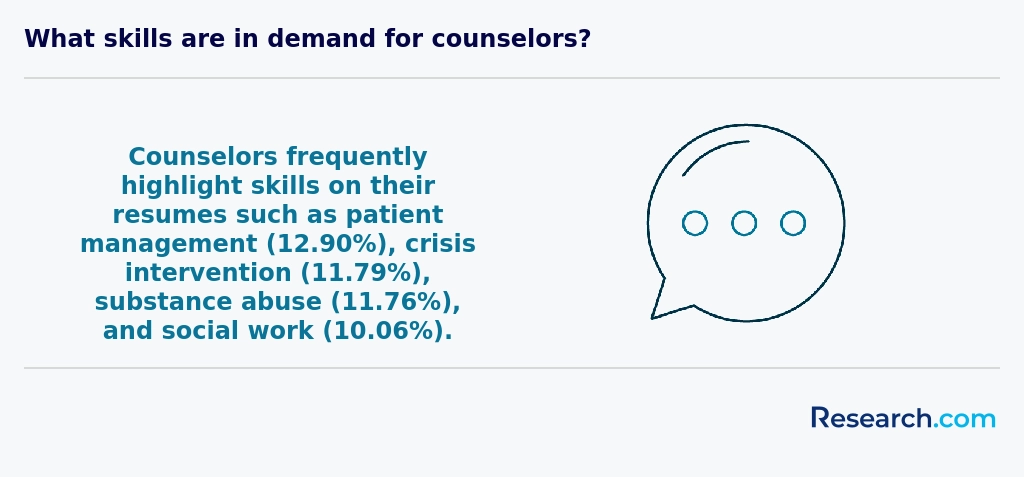
Other graduates find meaningful employment as school counselors, fostering student growth in Alabama's public schools, or as rehabilitation counselors aiding individuals with disabilities. The diversity of Alabama counseling degree job opportunities means you can tailor your career to your passion, whether it's behavioral therapy, substance abuse counseling, or crisis intervention. Many students benefit from financial flexibility, sometimes pursuing a fast online bachelor's degree for working adults to complement their counseling expertise while working.
What is the job market for online counseling degree in Alabama?
Graduates with an online counseling degree in Alabama are stepping into a job market full of promise, fueled by increasing demand for mental health services statewide. Across campuses like the University of Alabama and Auburn University, students often share how the connection between their studies and real-world practice has opened doors to roles in community mental health centers and school counseling. The practical experience gained aligns well with Alabama's need for qualified professionals in rehabilitation centers and nonprofit agencies.
For those weighing the Alabama counseling degree employment outlook, the state's focus on expanding behavioral health resources means steady job opportunities. Many graduates find their licensure journey supported by programs tailored to meet state requirements, giving them confidence as they transition to jobs paying median salaries around $44,000, which can grow substantially with experience and specialization.
Exploring affordable options among Alabama's universities helps keep education costs manageable. For students interested in pursuing pathways that balance quality and price, reviewing the easiest master degrees can be a strategic step to launching a fulfilling counseling career.
Frequently Asked Questions About counseling
Online counseling degree students in Alabama can maximize their learning by actively engaging with their coursework and instructors through available virtual platforms. Consistent communication with faculty helps clarify complex topics and enhances understanding. Participating in discussion boards and virtual study groups can deepen knowledge by allowing students to exchange ideas and real-world experiences.
It is crucial to seek out Alabama-specific practicum opportunities. The Alabama Board of Examiners in Counseling requires 300 hours of supervised experience, which students should plan early to meet licensure standards. Utilizing local counseling centers or community organizations as internship sites strengthens practical skills.
Students should also leverage resources like the Alabama Counseling Association, which offers networking and professional development strategies tailored for state licensure and employment. Staying informed about state regulations enables learners to align their education with career goals effectively.
The counseling field is expanding with several emerging niches that reflect evolving societal needs. In Alabama, online counseling degrees increasingly focus on specialties such as telehealth counseling, which has grown due to broader access to technology and the COVID-19 pandemic's impact. Mental health counselors trained for teletherapy help address rural and underserved populations.
Another growing area is trauma counseling, responding to increasing awareness of trauma's long-term effects. Additionally, substance abuse and addiction counseling remain critical, as Alabama faces opioid and alcohol-related challenges, reflected in regional public health reports. School counseling also evolves to address diverse student needs in inclusive educational settings.
These niches offer promising paths for graduates seeking impactful careers in Alabama's counseling landscape.
Graduates with an online counseling degree in Alabama should focus on licensure preparation to enter the job market effectively. Alabama requires counselors to obtain a Licensed Professional Counselor (LPC) credential, which includes completing supervised clinical hours and passing the National Counselor Examination.
Networking is also essential; joining state organizations like the Alabama Counseling Association can help graduates connect with professionals and find job openings.
Additionally, gaining experience through internships or part-time roles during or after the degree program can improve employment prospects. According to the U.S. Bureau of Labor Statistics, Alabama's demand for mental health counselors is expected to grow by 15% between 2022 and 2032.
Staying informed about job trends and continuing education opportunities ensures readiness for a competitive counseling job market.
Employers in Alabama highly value counseling graduates who demonstrate strong communication skills. The ability to listen actively and express empathy is critical, as reported by the Alabama Counseling Association. Graduates must also show cultural competence to work effectively with the state's diverse populations.
Problem-solving and critical thinking rank as essential skills, enabling counselors to develop tailored treatment plans. According to the Alabama Board of Examiners in Counseling, proficiency in ethical decision-making and knowledge of state and federal mental health laws is increasingly important.
Finally, technological literacy, especially in telehealth, is becoming a key asset in Alabama's evolving counseling jobs market.
Finding internships in Alabama relevant to counseling degrees typically involves leveraging partnerships between universities and local healthcare, education, and social service agencies. Many online counseling programs in Alabama, such as those accredited by the Council for Accreditation of Counseling and Related Educational Programs (CACREP), offer structured internship opportunities as part of the curriculum.
Students should contact their program advisors early to identify approved sites. Additionally, state resources like the Alabama Counseling Association provide listings and networking events that can connect students with internship openings. According to the Alabama Department of Labor, fields related to mental health and counseling are growing faster than average, increasing internship availability in public health departments and community centers.
To secure placements, students often need to complete background checks and meet specific hour requirements mandated for licensure as a Licensed Professional Counselor (LPC) in Alabama, typically around 2,000 supervised hours. Exploring hospitals, school systems, and nonprofit organizations within Alabama's larger cities like Birmingham and Montgomery can also yield valuable internship options.
Obtaining an online counseling degree in Alabama significantly enhances career mobility and advancement opportunities. The Alabama Board of Examiners in Counseling recognizes many accredited online programs, allowing graduates to qualify for licensure as Licensed Professional Counselors (LPCs).
Alabama's counseling job market is expected to grow by about 17% from 2020 to 2030, faster than average according to the U.S. Bureau of Labor Statistics. This growth increases demand for professionals with master's-level counseling credentials.
Completing an online degree offers flexibility for current professionals seeking to shift into counseling roles or for individuals balancing work and study. This can lead to quicker transitions into clinical, school, or community counseling positions.
Advanced credentials and licensure often lead to leadership roles or specialized fields like clinical supervision, enhancing earning potential in Alabama's competitive health services sector.
Studying for a counseling degree in Alabama equips students with skills essential for interdisciplinary collaboration. Programs often include coursework in psychology, social work, and healthcare, fostering a broad understanding of client needs. This approach prepares graduates to work effectively with professionals from diverse fields such as education, healthcare, and criminal justice.
Alabama universities are guided by standards from the Council for Accreditation of Counseling and Related Educational Programs (CACREP), ensuring comprehensive training. According to the Alabama Board of Social Work Examiners, over 60% of counseling roles require such interdisciplinary coordination, especially in community mental health settings.
Online programs also emphasize practical experience via internships with varied agencies, further enhancing teamwork skills.
Choosing between a thesis and a non-thesis online counseling degree program in Alabama depends on your career goals. A thesis option involves conducting original research, which is ideal if you plan to pursue a PhD or a research-oriented career. Non-thesis programs often focus more on practical skills and coursework, preparing students for immediate clinical work or licensure.
In Alabama, the Board of Mental Health and Mental Retardation sets licensure requirements that typically include supervised experience and passing exams, rather than a thesis. According to the Alabama Board, most Licensed Professional Counselors (LPCs) come from non-thesis programs due to their applied training.
Thesis programs may take longer and require strong research skills, while non-thesis paths can be faster and more flexible for working professionals. Consider your learning preferences and future plans carefully.
Students based in Alabama interested in studying counseling abroad face limited options due to the specialized nature of counseling licensure and education in the United States. Most international programs do not align directly with Alabama's licensure requirements set by the Alabama State Board of Examiners in Counseling (ASBEC). This means students must ensure any foreign degree meets ASBEC's criteria, including supervised practicum hours and specific coursework.
Many Alabama learners opt for accredited online counseling degrees within the US that offer international study components or exchange opportunities rather than fully abroad programs. Currently, no widely recognized online counseling degrees abroad directly cater to Alabama licensing standards.
For accurate guidance, students should consult ASBEC and detailed program accreditation listings by CACREP or the Council for Accreditation of Counseling and Related Educational Programs. These sources help maintain eligibility for licensure after international study.
In Alabama, part-time job opportunities that complement counseling degree education often involve roles in social service agencies, mental health clinics, and educational settings. Positions such as behavioral health aides, mental health technician assistants, and school support staff provide practical experience relevant to counseling principles.
According to the Alabama Department of Labor, healthcare support roles in counseling-related fields are projected to grow by 12% through 2030, reflecting increasing demand for mental health services statewide. Such positions help students develop crucial skills in communication and client support.
Additionally, part-time jobs in crisis hotlines or nonprofit organizations allow for direct client interaction, enhancing understanding of community mental health needs. These roles align well with online counseling degree schedules, offering flexibility and valuable hands-on experience during studies.
Online counseling students in Alabama have access to several valuable networking opportunities that enhance their academic and professional growth. Many Alabama universities offering online counseling degrees encourage participation in local chapters of professional organizations such as the Alabama Counseling Association (ALCA). ALCA hosts conferences, workshops, and networking events, offering students a platform to connect with licensed counselors and potential employers.
Additionally, students often engage in virtual study groups and internships arranged through university partnerships with Alabama-based counseling centers. This practical experience is crucial for building connections within the local mental health community.
The Alabama Board of Examiners in Counseling also provides resources, webinars, and licensing information that help students stay informed and connected throughout their education.
Alumni networks offer significant advantages to students enrolled in online counseling degree programs in Alabama. They provide access to a community of graduates who have practical experience and knowledge about the local counseling field. This can help current students with job placement and internship opportunities in Alabama's mental health sector, which is growing due to increased demand for licensed counselors.
According to the Alabama Board of Examiners in Counseling, professional connections are crucial for licensure and employment. Alumni often share insights about licensing requirements, such as supervised hours and examination tips specific to the state. Additionally, these networks can facilitate mentorship relationships, enhancing students' professional development beyond academic training.
Engaging with alumni also expands a student's professional circle, which is essential in a field relying heavily on trust and referrals. For online students who might miss on-campus networking, alumni associations serve as a vital platform for collaboration and career advancement within Alabama's counseling community.
Customizing an online counseling degree program in Alabama allows students to align their education with specific career goals. Many universities offer specializations such as school counseling, mental health counseling, or marriage and family therapy. Selecting a focus helps tailor coursework and practicum experiences to the desired career path.
Alabama's licensing boards, like the Alabama Board of Examiners in Counseling, require certain curriculum elements and supervised hours. Choosing a program accredited by CACREP ensures that the degree meets state standards and supports licensure.
Online learners can also select electives, participate in research opportunities, and engage in internships within Alabama's diverse communities to gain relevant experience.
Online counseling students in Alabama often face challenges related to the state's licensure requirements. Alabama mandates a certain number of supervised clinical hours, which can be difficult to complete remotely. Finding approved local supervisors can delay progress. Additionally, reliable internet access remains an issue in rural areas of Alabama, affecting participation in live classes and teletherapy practicums.
Another common difficulty is balancing coursework with personal and professional responsibilities, especially since many students choose online programs due to existing jobs or family commitments. A reported 40% of counseling students in the Southeastern US highlight time management as a significant obstacle (American Counseling Association, 2023).
Lastly, limited in-person networking opportunities may impact professional growth, as face-to-face interaction is valuable for building connections and gaining mentorships in the counseling field.
With an online counseling degree in Alabama, graduates can pursue several professional certifications to advance their careers. One common certification is the Licensed Professional Counselor (LPC), which allows individuals to provide counseling services independently after completing required supervised hours and passing the National Counselor Examination.
Another option is the Certified Clinical Mental Health Counselor (CCMHC) credential, offered by the National Board for Certified Counselors (NBCC), which signifies advanced expertise in clinical mental health counseling.
Alabama also offers the Licensed Marriage and Family Therapist (LMFT) certification for those focusing on family counseling. These certifications require meeting state-specific education and supervision criteria.
According to the Alabama Board of Examiners in Counseling, LPC licenses increased by 12% between 2018 and 2023, reflecting growing demand for qualified counselors.
Writing a winning application for an online counseling program in Alabama requires clear focus on academic achievement and relevant experience. Most Alabama programs expect applicants to hold a bachelor's degree with a strong GPA, often above 3.0. Highlighting coursework or volunteer work related to psychology or counseling strengthens your application.
Letters of recommendation should come from professors or professionals familiar with your potential in counseling. Many Alabama universities look for candidates who demonstrate strong communication skills and commitment to mental health careers.
Some programs require a personal statement. Use this to explain your motivation for counseling, connect your background with Alabama's community needs, and show understanding of ethical standards in the field. According to the Alabama Board of Examiners in Counseling, programs also emphasize readiness for licensure requirements after graduation.
Global perspectives on a counseling career emphasize the growing importance of mental health across diverse cultures and societies. In the United States, including Alabama, counseling is recognized as a vital profession addressing emotional, social, and psychological challenges. According to the Bureau of Labor Statistics, counseling careers are projected to grow 23% nationally between 2021 and 2031, reflecting increasing demand.
Alabama follows national trends, with more institutions offering online counseling degrees to meet workforce needs. Internationally, the standards and licensing requirements may vary, but the core focus on client-centered support is consistent. Understanding these global similarities helps students appreciate the universal value of counseling as a career path.
Gaining practical experience while pursuing an online counseling degree in Alabama is essential for licensure and career readiness. Most programs require students to complete supervised internships or practicum hours, often totaling 600 to 1,000 hours, depending on state licensing boards. Alabama's Board of Examiners in Counseling mandates these supervised hours for Licensed Professional Counselors (LPC) certification.
Many Alabama universities with online programs partner with local mental health agencies, schools, or clinics to facilitate placements close to the student's home. This allows students to earn valuable experience in diverse counseling settings while studying remotely.
Additionally, students can benefit from Alabama's network of state-funded counseling centers and nonprofit organizations that often provide internship opportunities.
Choosing the right concentration within an online counseling degree program in Alabama requires understanding your career goals and the licensure requirements in the state. Alabama offers concentrations such as clinical mental health counseling, school counseling, and marriage and family therapy, each leading to different professional paths.
Licensure in Alabama is overseen by the Alabama Board of Examiners in Counseling, which requires specific supervised hours and coursework depending on the focus area. For example, school counselors must meet the Alabama State Department of Education's requirements.
Research current workforce trends; according to the Alabama Department of Labor, employment for mental health counselors is projected to grow by 15% through 2030.
Prioritize programs accredited by CACREP to ensure quality education and smoother licensure processes.
Related Counseling Rankings for Nearby States
- 2027 Easiest Online Master's in Counseling Degree Programs Ranking in Indiana
- 2027 Easiest Online Master's in Counseling Degree Programs Ranking in Texas
- 2027 Easiest Online Master's in Counseling Degree Programs Ranking in Virginia
- 2027 Easiest Online Master's in Counseling Degree Programs Ranking in Wisconsin
- 2027 Easiest Online Master's in Counseling Degree Programs Ranking in Florida
- 2027 Easiest Online Master's in Counseling Degree Programs Ranking in New York
- 2027 Easiest Online Master's in Counseling Degree Programs Ranking in California
Top Trending Counseling Rankings
See What Experts Have To Say About Studying Counseling
Read our interview with Counseling experts

Charles Figley
Counseling Expert
Kurzweg Distinguished Chair in Disaster Mental Health
Tulane University

References
- Mental Health, Counseling & Therapy Internships https://www.counselingschools.com/blog/preparing-for-a-mental-health-internship
- 25+ Affordable Online Masters in School Counseling Programs https://schoolcounselingmasters.org/cheapest-school-counseling-programs/
- Fastest Online Master's In Counseling Programs https://www.psychology.org/counseling/fastest-online-degrees/
- Counselling Degree - Options? https://internationalschoolsreview.com/v-web/bulletin/bb/viewtopic.php
- ABEC Reduction of Supervised Experience Request (FAQ) https://abec.alabama.gov/faqs/abec-reduction-of-supervised-experience-request-faq/
- Paid Clinical Internship https://www.pathwaysmhs.org/internship-program.html
- 11 Challenges That Counselors & Therapists Face - Talkspace https://www.talkspace.com/blog/counselor-challenges/
- Utilize Your Alumni Networks https://www.keg.com/news/ways-to-use-your-alumni-networks-for-the-better
- How Can a Graduate Degree Advance Your Career in Counseling? https://paloaltou.edu/resources/blog/how-can-graduate-degree-advance-your-career-counseling
- Study Counseling Abroad - Top Universities for Masters, MBA, PhD Degree Programs https://studee.com/degree/abroad/counseling