
2027 Best Online Doctorate in Counseling Degree Programs Ranking in the Midwest

Co-Founder and Chief Data Scientist
Choosing the right online doctorate in counseling program is a big step, especially for students in the Midwest aiming to advance their careers. This article introduces the 2027 Best Online Doctorate in Counseling Degree Programs Ranking in the Midwest, carefully developed by the Research.com team of data scientists. It aims to guide you toward programs that truly stand out.
By exploring this ranking, you'll gain valuable insights to make an informed decision about your education. Earning a counseling degree opens doors to meaningful work, personal growth, and professional success.
Key benefits of getting online counseling degree in the Midwest
- Counseling degree graduates in the Midwest can expect solid salaries, such as $60,080 annually for Certified Addiction Drug and Alcohol Counselors and Mental Health Therapists, or higher roles like Clinical Managers earning about $134,440 per year.
- A graduate from a popular Midwest university often explores diverse career paths, including counseling, clinical management, or executive roles in non-profit organizations, offering a variety of rewarding and impactful opportunities.
- Completing a counseling degree online provides flexibility and convenience, allowing students from the Midwest to balance work and study, just like graduates from well-known regional online programs who enjoy faster progress without sacrificing quality.
- Key benefits of getting online counseling degree in the Midwest
- What can I expect from online counseling degree in the Midwest?
- Where can I work with online counseling degree in the Midwest?
- How much can I make with online counseling degree in the Midwest?
- 2027 Best Online Doctorate in Counseling Degree Programs Ranking in the Midwest
- Key Findings
- How long does it take to complete online counseling degree in the Midwest?
- What's the difference between online and on-campus counseling degree?
- What is the average cost of online counseling degree in the Midwest?
- What financial aid is available to online counseling degree students in the Midwest?
- What are the prerequisites for enrolling in online counseling degree program in the Midwest?
- What courses are typically in online counseling degree programs in the Midwest?
- What types of specializations are available in online counseling degree programs in the Midwest?
- How do you choose the best online counseling degree in the Midwest?
- What career paths are available for online counseling degree students in the Midwest?
- What is the job market for online counseling degree in the Midwest?
- Top Trending Counseling Rankings
- See What Experts Have To Say About Studying Counseling
What can I expect from online counseling degree in the Midwest?
If you're wondering about the cost of earning an online counseling degree in the Midwest, you'll find it's pretty reasonable compared to other regions. Many Midwestern universities, like those in Illinois or Ohio, offer online graduate courses priced around $400 to $600 per credit hour. Graduates often share how this helped them balance quality education without breaking the bank, especially when juggling work or family.
One graduate from a well-known Midwestern college mentioned how paying in-state rates made the whole experience feel more accessible, even while studying online. Unlike coastal schools with higher tuition, these universities keep prices steady and fair, which was a relief for many working adults.
Plus, since most programs let you take courses at your own pace, you can spread out costs and finish without stress. It's comforting knowing you're investing in a program that's both credible and wallet-friendly, right in your own region.
Where can I work with online counseling degree in the Midwest?
With an online counseling degree in the Midwest, you've got a lot of doors open for you. Graduates from places like the University of Illinois or Ohio State often find themselves working in mental health clinics or hospitals, providing real, impactful support to people in their communities. It's pretty common to see them helping out in schools too-public and private-where counselors play a huge role in supporting students' mental health and future goals, especially in states like Missouri and Indiana.
Many grads start off building experience through supervised clinical hours, sometimes from the comfort of home thanks to telehealth options available in Minnesota and Wisconsin. That's a game-changer, letting you help clients remotely while still building your career.
Others get recruited by nonprofits focused on substance abuse recovery or family services, which can be super rewarding if you love community work. Plus, if you're aiming high, government and university roles are there too-think rehab programs or teaching counseling at colleges, especially if you've gone for that doctorate.
How much can I make with online counseling degree in the Midwest?
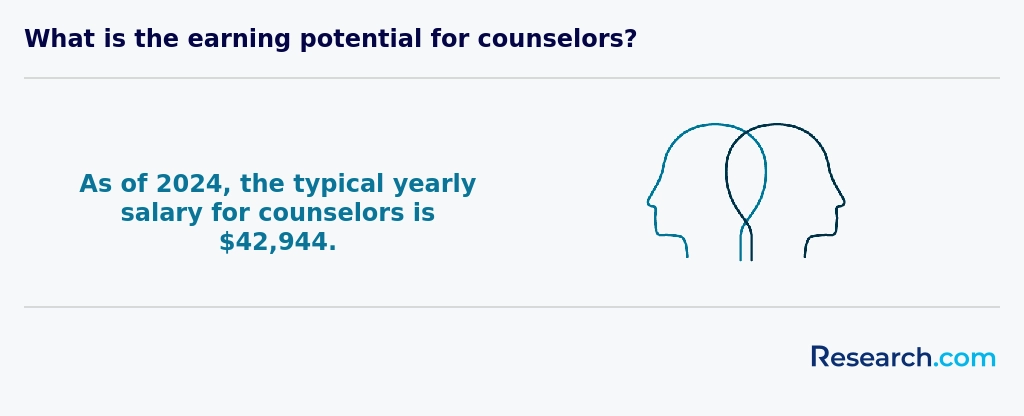
If you're finishing an online counseling degree in the Midwest, you're probably wondering what kind of paycheck to expect. On average, mental health therapists and certified addiction counselors around here pull in about $60,000 a year. That's based on solid data from the Bureau of Labor Statistics, which shows these roles earning around $60,080 annually with hourly wages near $29. For those who hustle up the ladder into management, like becoming a clinical manager, the pay jumps big time-think about $134,440 a year or $65 an hour.
Graduates from popular programs at Midwest universities often share how starting as a counselor in places like Chicago or Minneapolis can feel rewarding both personally and financially, even if your initial salary starts closer to the $40,000-$50,000 range. As you gain experience and snag certifications like LPC or NCC, it's common to see boosts of $5,000 to $15,000 added to your paycheck.
And if you aim for leadership roles like clinical director or executive director at a nonprofit, you're looking at salaries around $129,000 annually, which is a solid goal for anyone passionate about making a difference in the community while enjoying financial stability.
2027 Best Online Doctorate in Counseling Degree Programs Ranking in the Midwest
How do we rank schools?
Investing in your education is a significant decision that can shape your future, and the Research.com team understands the importance of making informed choices. To assist prospective students in the Midwest, we have carefully developed the "2027 Best Online Doctorate in Counseling Degree Programs Ranking in the Midwest." Our dedication to quality, credibility, and accuracy is demonstrated through thorough research and analysis behind this ranking.
We utilized the following reputable data sources to ensure a comprehensive evaluation of online doctorate counseling programs:
By consulting this ranking, readers will gain crucial insights into the top online doctorate counseling programs in the Midwest, empowering them to make well-informed educational decisions. For more information about how this ranking was created, please visit our Research.com methodology page.


# 3 position
Walden University
Doctor of Counselor Education and Supervision

Key Findings
- Online counseling degrees in the Midwest are offered by many regionally accredited schools, with tuition typically ranging from $15,000 to $30,000.
- Programs often meet licensing requirements such as the Licensed Professional Counselor (LPC) credential and usually have CACREP accreditation.
- Job growth for counseling professionals in the Midwest is projected at around 10% over the next decade, matching or exceeding the national average.
- Entry-level salaries for graduates average between $45,000 and $50,000 per year, with experienced counselors earning $60,000 to $70,000 annually.
- Urban areas like Chicago, Minneapolis, and St. Louis offer higher pay compared to rural locations.
- Many programs include practicum and internship options near students' homes to fulfill hands-on experience requirements.
How long does it take to complete online counseling degree in the Midwest?
If you're thinking about an online counseling degree in the Midwest, most folks finish their master's in about two to three years. Many graduates from well-known universities like those in Illinois or Ohio share how manageable the pace feels when balancing work and family, especially with the hybrid options they offer. The programs typically ask for around 48 to 60 credit hours, mixing classes with hands-on internships that build confidence for real-world counseling.
For those aiming higher with a doctorate, expect a longer ride-usually three to five years. Graduates often mention enjoying the deep dive into research and clinical practice, even if it means stretching the journey a bit. Plus, some schools offer part-time schedules, so you can go at your own steady pace.
One important thing to remember is the required supervised clinical hours. In states like Illinois and Ohio, you'll need about 3,000 hours post-master's before full licensure, which many people start accumulating during their studies, helping keep everything on track and less stressful.
What's the difference between online and on-campus counseling degree?
When you're juggling work or family and thinking about a counseling degree in the Midwest, online programs from schools like the University of Illinois or Michigan State can feel like a lifesaver. You set your own pace and study whenever it fits your schedule, which many graduates say helped them stay motivated without the stress of rushing to early morning classes.
On the flip side, traditional on-campus programs at places like Ohio State offer that classic college vibe-face-to-face chats with professors and classmates, group projects, and easy access to campus counseling centers. Graduates often talk about how this hands-on environment made networking and getting real-time support super smooth.
Both online and on-campus students tackle the same clinical hours, but online learners usually hunt for local internship spots themselves. It's a bit of extra work but also a chance to get involved in your own community. Cost-wise, online might be a bit cheaper, but watch for extra tech fees.
What is the average cost of online counseling degree in the Midwest?
The average cost of an online counseling degree in the Midwest tends to hover around $47,745 for in-state students, which many find pretty reasonable compared to other regions. Graduates from well-known Midwestern colleges often share how their programs balanced quality and affordability, making it a smart choice for those aiming to stay local and keep costs low. Public universities usually offer lower tuition, around that $47,745 mark, while out-of-state students might pay a bit more, closer to $51,678. This difference is something to keep in mind when budgeting your education expenses.
Many students pursuing a master's in counseling at popular Midwestern schools appreciate that the tuition is often supplemented by scholarships or financial aid which helps ease the financial burden. For example, some find that careful planning and researching the most affordable associate programs online or related pathways can cut costs further before moving into the advanced degrees.
Doctorate seekers will notice that Midwest online doctorate counseling program fees can vary more widely and are typically higher due to additional costs like dissertation support and licensing fees. Still, many students value the flexibility and quality of these programs, especially when the accreditation aligns perfectly with state licensing rules for Illinois, Michigan, and Ohio.

What financial aid is available to online counseling degree students in the Midwest?
When you're going for an online counseling degree in the Midwest, financial aid can make a huge difference. Many students at popular schools like the University of Illinois or Michigan State tap into federal aid first by submitting the FAFSA. This opens doors to grants, loans, and work-study gigs that help waive costs. For instance, some grads share how the Direct Unsubsidized Loans and Grad PLUS Loans covered a big chunk of their tuition, making the whole experience way less stressful.
State programs are a real game-changer, too. Illinois students might get extra help through ISAC grants, while those in Michigan often benefit from the Tuition Grant Program, especially if they're attending private colleges with online counseling options. Plus, lots of universities have scholarships or assistantships that reward your dedication with tuition discounts or stipends for teaching or research.
You'll also hear from grads who appreciated employer tuition reimbursement, especially those working in healthcare or social services-this perk really takes some weight off your wallet while you study online from home.
What are the prerequisites for enrolling in online counseling degree program in the Midwest?
If you're looking to enroll in an online counseling degree in the Midwest, you'll usually need a bachelor's degree from an accredited school to get started. For master's programs at places like the University of Iowa or Illinois State University, having around a 3.0 GPA is often expected, so it's good to keep your grades steady. Graduates from these programs often mention how having some intro courses in psychology or social sciences beforehand really helped them hit the ground running.
Some schools ask for letters of recommendation from professors or supervisors who can speak to your dedication and potential, which can feel a bit nerve-wracking but it's just a chance to show your passion. You'll likely write a personal statement too-sharing yourWhy counseling matters to you kind of story, which many past students say gave them the chance to reflect and feel even more motivated.
While a few programs still want GRE scores, lots of Midwestern schools are dropping that requirement to make things easier, especially for folks juggling jobs. And if you're curious about hands-on experience, many programs, like those at Ohio University, require supervised clinical hours, which recent grads say were really rewarding and made their studies feel real and practical.
What courses are typically in online counseling degree programs in the Midwest?
If you're looking into online counseling degrees in the Midwest, expect a mix of courses that really get you ready for real-world practice. Most programs, like those at popular schools in Illinois or Ohio, include classes on human growth and development, so you understand how people change over their lives. Graduates often say this helped them connect better with clients of all ages.
You'll also dive into counseling theories and techniques-think cognitive-behavioral methods or person-centered approaches-that give you hands-on tools for sessions. Another must-have is ethics and professional issues, which makes sure you're prepared for tough decisions and legal stuff.
Group counseling classes teach you how to handle group dynamics, which is a lifesaver for those running therapy groups at community centers or schools in Michigan. Plus, research and assessment courses sharpen your skills to analyze data and pick the best treatment plans. Many grads appreciate the supervised practicum and internships too-it's that real experience that truly builds confidence.
What types of specializations are available in online counseling degree programs in the Midwest?
When you dive into online counseling degree specializations Midwest programs, you'll notice some popular tracks like Clinical Mental Health Counseling. Graduates from schools like University of Iowa or Michigan State rave about how it prepared them to confidently support clients in hospitals or community centers. Others lean toward School Counseling, especially in states like Ohio and Illinois where licensing aligns neatly with state requirements. Imagine helping students navigate tough social or academic challenges-many grads find this rewarding and impactful.
Marriage and Family Therapy is another hot specialization, focusing on relationship dynamics that students find super meaningful. Some programs even offer niche paths like Addiction Counseling or Rehabilitation Counseling, which grads say feel fulfilling because they work hands-on with people overcoming tough obstacles. For those aiming higher, Midwest doctorate programs in counseling specialties provide even more tailored expertise.
For budget-conscious students considering options, checking out lists of the cheapest online doctoral programs can be a smart move to balance quality and cost.
How do you choose the best online counseling degree in the Midwest?
When picking the best online counseling programs in the Midwest, start by checking if they have CACREP accreditation-graduates from well-known Midwestern universities often say it made their licensing process smooth and hassle-free. Next, think about what specialization fits your goals, like clinical mental health or school counseling, because different programs cater to different career paths. For example, students from popular colleges in the region appreciate programs that blend flexible online classes with required in-person internships, making it easier to juggle work and family.
Cost matters too. Many grads share how finding affordable online counseling degrees Midwest helped them avoid crushing debt while still getting quality education. It's smart to look into scholarships and financial aid because tuition can vary-a helpful resource for finding the cheapest online masters can save you money. Plus, research what past students say about faculty support and job placement rates to score a program that really sets you up for success.

What career paths are available for online counseling degree students in the Midwest?
If you're exploring careers with online counseling degree Midwest options, you'll find a great mix of opportunities. Graduates from popular universities in Illinois or Ohio often land roles as licensed professional counselors or school counselors, helping students deal with everything from stress to social issues. Many enjoy the fulfilling work that comes with supporting young people in local schools, especially as mental health funding grows in the region.
Others dive into community mental health agencies, where they assist folks battling addiction or trauma. Midwest colleges with strong online programs prepare students well for these paths, emphasizing hands-on skills even from a distance. Some graduates even start their own private practices, focusing on trauma counseling or family therapy - the kind of work that feels meaningful every day.
Job seekers eyeing Midwest online counseling degree job opportunities will appreciate the variety and growth in the field. Plus, if you're considering advancing your study, check out this helpful resource on phd without dissertation to speed up your journey.
What is the job market for online counseling degree in the Midwest?
The job market for online counseling jobs in the Midwest is looking pretty bright right now. Graduates from popular schools like the University of Illinois and Michigan State often share how they found plenty of chances to start their careers in places like Chicago or Columbus, where mental health counseling is in high demand. What's cool is that many programs are designed to meet local licensure requirements, which means you can complete your master's and supervised hours all through online classes without worrying about extra hoops.
People finishing these degrees often find jobs in schools, hospitals, or community centers, especially since states like Ohio and Indiana really value qualified counselors. Even if you're in a rural area, telehealth is opening new doors for those with Midwest counseling degrees. Plus, with costs per credit hour usually lower in Midwestern universities, it's easier to manage student debt and focus on job hunting.
If you're curious about online degrees that pay well, this path can certainly lead to rewarding roles with solid salaries and plenty of growth, making it a smart choice for those wanting to help others while staying local.
Frequently Asked Questions About counseling
Online counseling degree students in the Midwest can maximize their learning experience by engaging actively with virtual class discussions and peer collaborations. Research indicates that students who participate regularly in online forums tend to retain information better (National Center for Education Statistics, 2023).
Utilizing local internship opportunities is also crucial. Many counseling programs require hands-on practice, and partnering with Midwestern community health centers can provide practical experience aligned with regional mental health needs.
Additionally, students should take advantage of faculty office hours and tutoring services offered by accredited universities in the region. This helps personalize education despite the distance format.
The counseling profession is evolving rapidly, with several emerging niches gaining traction, especially in the Midwest. One growing area is trauma-informed counseling, which focuses on treating individuals affected by adverse experiences. This approach is increasingly recognized in states like Michigan and Ohio, where recent studies show heightened demand for trauma specialists.
Another notable niche is telehealth counseling. The expansion of online platforms has made remote mental health services more accessible, with Midwestern institutions adapting curricula to meet this trend. According to the National Board for Certified Counselors, telehealth-related certifications grew by over 25% in the region between 2020 and 2023.
Additionally, gerontological counseling, addressing mental health in aging populations, is becoming vital due to demographic shifts in states like Illinois and Wisconsin. These emerging specialties reflect how counseling degrees in the Midwest are aligning with workforce needs and community health trends.
After completing an online counseling degree in the Midwest, preparing for the job market involves several key steps. Graduates should prioritize obtaining state licensure, as each Midwestern state requires counselors to meet specific supervised experience hours and pass relevant exams, such as the National Counselor Examination (NCE) approved by the NBCC.
Networking with local counseling associations like the American Counseling Association - Midwest Division can improve job prospects and professional development. Additionally, Midwest job growth for counselors is expected to rise by 15% through 2030, according to the Bureau of Labor Statistics, signaling healthy opportunities.
Gaining practical experience through internships or post-degree residencies helps build essential skills and employer connections. Finally, creating a strong resume reflecting specialized training and certifications-such as addiction or school counseling-can distinguish candidates in a competitive Midwestern market.
Employers in the Midwest seek counseling graduates with strong communication and interpersonal skills. According to the National Board for Certified Counselors (NBCC), effective listening and empathy are critical for successful client interactions.
Analytical skills are also essential, as counselors must assess client needs and develop appropriate treatment plans. The U.S. Bureau of Labor Statistics highlights that nearly 20% of counseling jobs in the Midwest require proficiency in diagnosis and evaluation.
Additionally, cultural competence is increasingly valued due to the growing diversity in Midwest communities. Understanding varied backgrounds helps counselors provide inclusive support.
Finally, employers prefer graduates who demonstrate proficiency in using technology for telehealth services, a sector that expanded by over 35% in recent years regionally.
Finding internships relevant to a counseling degree in the Midwest involves several strategic steps. Start by exploring university-affiliated internship programs, as many online counseling degrees partner with local clinics, hospitals, and social service agencies for student placements. The National Board for Certified Counselors (NBCC) tracks approved sites suitable for supervised counseling experience in states like Illinois, Ohio, and Michigan. Additionally, professional organizations such as the Midwest Academy of Counseling provide resources and networking opportunities that can lead to internships.
Contacting state licensing boards can also offer guidance on approved internship sites, which is crucial because most states require a set number of supervised hours for licensure.
Job platforms focused on healthcare and counseling, like CounselingJobs.com, often list Midwest internships, with some offering stipends or academic credit. According to the Bureau of Labor Statistics, counseling internships in this region can lead to higher employment rates post-graduation. Starting early and leveraging regional professional networks markedly improves the internship search process.
Obtaining an online counseling degree in the Midwest can significantly increase career mobility and advancement opportunities. Many states in the region have growing demand for licensed counselors, driven by increased mental health awareness and statewide initiatives expanding access to services.
Online programs accredited by recognized bodies like CACREP prepare students for licensure exams required in states such as Illinois, Ohio, and Michigan. Graduates often find their credentials accepted widely, enabling them to seek roles across multiple Midwest states.
According to the Bureau of Labor Statistics, employment of mental health counselors in the Midwest is projected to grow by 19% through 2031, faster than the national average. Holding a doctorate or specialized counseling degree boosts eligibility for higher-paying roles and supervisory positions in healthcare systems, schools, and private practice.
Studying for a counseling degree online in the Midwest equips students with a broad skill set necessary for interdisciplinary roles. Many Midwestern programs emphasize collaboration across healthcare, education, and social services, reflecting regional workforce demands reported by the National Center for Education Statistics.
Curricula often include courses in psychology, social work, and community resources, encouraging integration of knowledge from multiple disciplines. According to the American Counseling Association, Midwestern universities tailor training to address rural and urban populations, which requires counselors to work alongside professionals from various fields.
This interdisciplinary approach prepares graduates to effectively navigate complex client needs in diverse settings.
When choosing between a thesis and a non-thesis counseling degree program in the Midwest, consider your career goals and learning preferences. Thesis programs often emphasize research skills and are ideal for students considering academic or clinical research careers. They require a formal research project, which can take additional time but strengthens critical analysis abilities.
Non-thesis programs focus more on practical skills and applied knowledge, preparing students directly for counseling practice. According to the Council for Accreditation of Counseling and Related Educational Programs (CACREP), many Midwest programs offer both options, allowing flexibility.
Review each program's curriculum, faculty expertise, and graduation requirements to ensure alignment with your professional goals.
Students in the Midwest interested in studying counseling abroad have limited direct options through fully online international programs. Most online counseling degrees offered by Midwest universities are accredited within the United States, focusing on state-specific licensure requirements. However, some institutions collaborate with global partners to provide exchange opportunities or hybrid formats, allowing students to gain international perspectives while completing American-credited degrees.
The Council for Accreditation of Counseling and Related Educational Programs (CACREP) notes that accreditation ensures eligibility for licensure across states, including midwestern ones like Illinois and Ohio, which host many counseling programs. Students should consider programs with international components or study abroad semesters integrated into their curricula.
Part-time job opportunities in the Midwest that complement a counseling degree education include roles such as behavioral health technician, peer support specialist, and mental health case manager. These positions provide valuable hands-on experience working with clients facing mental health challenges while accommodating students' academic schedules.
According to the Bureau of Labor Statistics, the Midwest region has seen a steady growth in behavioral health jobs, with some states like Illinois and Ohio projecting a 10% increase in counseling-related roles through 2028. Engaging in part-time work within local social service agencies or nonprofit organizations can enhance students' practical skills and networking opportunities.
Additionally, universities in the Midwest often partner with community clinics that hire counseling students for internships or paid roles, allowing students to apply theoretical knowledge in real-life settings. These positions support licensure requirements by offering supervised clinical hours, essential for completing online counseling degrees.
Online counseling students in the Midwest benefit from a range of networking opportunities designed to complement their virtual studies. Many accredited programs partner with local mental health organizations, allowing students to attend workshops, conferences, and internships regionally. According to the Council for Accreditation of Counseling and Related Educational Programs (CACREP), 65% of Midwest online counseling programs facilitate connections with nearby professional bodies.
Students can also join state counseling associations such as the Illinois Counseling Association or the Michigan Counseling Association, which host networking events and continuing education sessions. These interactions help students build professional relationships critical for career advancement.
Additionally, virtual student groups and alumni networks provide platforms for exchanging knowledge and job leads specifically tailored to Midwest counseling markets.
Alumni networks play a crucial role for online counseling degree students in the Midwest by providing valuable professional connections. Many Midwestern universities maintain active alumni groups that help graduates access job opportunities in a region with strong demand for licensed counselors. According to the National Board for Certified Counselors, states like Illinois and Ohio have seen a steady increase in counseling positions due to expanding mental health services.
These networks offer mentorship, career advice, and collaboration options that enhance students' learning beyond their academic programs. Alumni can share insights on state licensing requirements, which vary across the Midwest, helping new professionals navigate this complex process effectively.
Moreover, engagement with fellow alumni often leads to long-term relationships, supporting career growth and continuing education. Online students especially benefit, as these networks reduce the isolation sometimes experienced without traditional campus interaction.
Customizing an online counseling degree program in the Midwest involves selecting specializations aligned with your career goals. Many Midwestern universities offer concentrations such as clinical mental health, school counseling, or marriage and family therapy. This allows students to tailor their studies according to desired licensure or employment settings.
Additionally, online programs typically provide electives and practicum placements that fit regional counseling needs. According to the National Board for Certified Counselors, states in the Midwest report growing demand for licensed counselors in community mental health and schools, influencing program focus.
Flexible scheduling and part-time options also help students balance work, study, and field experience effectively while targeting their professional ambitions.
Online counseling students in the Midwest often face unique challenges related to state licensure requirements. Each state has specific regulations for supervised clinical hours and exam criteria, which can complicate the licensing process after graduation. Additionally, limited access to local clinical placements can hinder hands-on experience, essential in counseling training.
Students may also encounter technology barriers and varying levels of digital literacy, impacting their ability to engage fully in online coursework. Internet connectivity issues remain a concern in some rural Midwestern areas, affecting consistent participation.
Furthermore, maintaining work-life balance during rigorous doctoral studies proves difficult for many adult learners juggling family and employment.
With an online counseling degree, students in the Midwest can pursue several professional certifications that enhance career opportunities. Common certifications include Licensed Professional Counselor (LPC) and Licensed Clinical Social Worker (LCSW), each required for clinical practice in many states.
The LPC credential is especially popular in Midwestern states such as Illinois, Michigan, and Ohio, requiring a master's or doctoral degree, supervised hours, and passing a state exam. The National Board for Certified Counselors (NBCC) also offers the National Certified Counselor (NCC) certification, which is nationally recognized and can complement state licenses.
Other certifications include Certified Alcohol and Drug Counselor (CADC) and Board Certified Behavior Analyst (BCBA), depending on specialization.
To write a winning application for an online counseling program in the Midwest, start by clearly demonstrating your passion for counseling and your professional goals. Admissions committees appreciate applicants who articulate how the program supports their career path.
Highlight any relevant experience, such as volunteer work, internships, or prior education in psychology or social work. The Council for Accreditation of Counseling & Related Educational Programs (CACREP) reports that many successful Midwestern programs expect candidates to have a background in human services.
Strong recommendation letters from professionals familiar with your work can significantly boost your application. Also, write a concise personal statement that reflects your understanding of counseling ethics and cultural competence, which are critical in Midwestern communities.
Finally, pay strict attention to deadlines and supplemental materials, such as transcripts and test scores, to ensure your application is complete and competitive.
The counseling profession is increasingly recognized worldwide for its critical role in mental health and well-being. In the United States, including the Midwest, counseling careers are supported by strong accreditation bodies like the CACREP, which align training with global best practices. According to the Bureau of Labor Statistics, employment of mental health counselors is projected to grow by 22% through 2032, reflecting rising demand.
Globally, mental health challenges are a growing concern, making counseling a valued and expanding field. However, licensure and certification requirements vary significantly between countries. In the Midwest, online counseling degrees often emphasize ethical standards and culturally competent care, aligning with international counseling frameworks.
This global alignment helps graduates integrate diverse perspectives and prepares them for impactful careers, whether locally or abroad.
Gaining practical experience while studying for an online counseling degree in the Midwest is essential for developing clinical skills and meeting licensure requirements. Many accredited programs include practicum and internship components that allow students to work under supervision in local mental health agencies, schools, or hospitals near their residence.
Students can often arrange placements in community organizations or clinics that serve diverse populations, helping them gain exposure to various counseling settings. The Midwest Consortium for Counseling and Clinical Training emphasizes supervised practice hours, typically ranging from 600 to 1000 hours, depending on state licensing boards.
Online programs also provide virtual simulation tools to enhance real-world skills between placements. Connecting with regional counseling associations can further support networking and fieldwork opportunities.
Choosing the right concentration within an online counseling degree program in the Midwest requires understanding your career goals and regional demand. Common concentrations include clinical mental health, school counseling, and marriage and family therapy. According to the Bureau of Labor Statistics, the Midwest shows a steady need for mental health counselors, especially in rural areas.
Consider licensure requirements specific to your state, as these often dictate the concentration needed to practice locally. Research program accreditation by recognized bodies such as CACREP, which ensures standards aligned with state licensure boards.
Reflect on your interests and the client populations you want to serve to select a concentration that fits both your passion and the job market.
Top Trending Counseling Rankings
See What Experts Have To Say About Studying Counseling
Read our interview with Counseling experts

Charles Figley
Counseling Expert
Kurzweg Distinguished Chair in Disaster Mental Health
Tulane University

References
- Networking: Are You Connected? https://www.apaservices.org/practice/business/marketing/building/networking
- Therapy Niches: Exploring Specialized Fields and Profitable Opportunities in Mental Health https://neurolaunch.com/therapy-niches/
- Canadian Graduate Programs - Canadian Counselling and Psychotherapy Association https://www.ccpa-accp.ca/membership/students/graduate-programs/canadian-graduate-programs/
- What Can You Do With a School Counseling Degree? (2026) https://www.counselingpsychology.org/articles/what-can-i-do-with-a-school-counseling-degree/
- Fastest Online Master's In Counseling Programs https://www.psychology.org/counseling/fastest-online-degrees/
- Counseling Program Statement of Purpose: How to Showcase Your Passion for Helping Others - CompleteEra https://completeera.com/counseling-program-statement-of-purpose-how-to-showcase-your-passion-for-helping-others/
- 11 Challenges That Counselors & Therapists Face - Talkspace https://www.talkspace.com/blog/counselor-challenges/
- Online vs Campus Counseling Degrees: Full Comparison https://bestonlinecollege.org/programs/counseling/online-vs-campus
- FAFSA Approved Medical Programs | Midwest Institute MO https://www.midwestinstitute.edu/financial-aid/
- What Opportunities Exist in the Counseling Field? [2024 Guide] https://apexknowledge.blog/counseling-field-career-opportunities


