2027 Best Business Degree Programs Ranking in Jersey City

Co-Founder and Chief Data Scientist
Choosing the right business degree program in Jersey City can shape your future career and open exciting opportunities. Our article introduces the 2027 Best Business Degree Programs Ranking in Jersey City, developed by the Research.com team of data scientists to guide you through your options.
By exploring this ranking, you'll discover which programs stand out for quality and value, making it easier to find the perfect fit for your goals. Whether you're starting your journey or advancing your career, a business degree offers valuable skills and confidence.
Let this guide inspire your success and help you make an informed decision.
Key benefits of getting business degree in Jersey City
- Business degree graduates in Jersey City can expect strong earning potential, with Business Analysts earning a mean annual wage of $112,950 and Business Development Executives earning around $83,190, offering a rewarding financial future.
- Graduates from local schools often pursue diverse career paths, including roles in analysis, development, and account management, benefiting from Jersey City's vibrant business environment and network opportunities.
- Online business degrees provide flexible learning schedules, making it easier to balance work and study; many online graduates from Jersey City institutions report feeling well-prepared and confident entering the job market.
- 2027 Best Business Degree Programs Ranking in Jersey City
- What can I expect from business degree in Jersey City?
- Where can I work with business degree in Jersey City?
What can I expect from business degree in Jersey City?
The average cost of earning a business degree in Jersey City typically ranges from $10,000 to $25,000 per year, depending on whether you attend a public or private institution. For instance, graduates from Hudson County Community College often highlight its affordability while still gaining strong foundational business skills. Meanwhile, business students attending private universities like Saint Peter's University usually encounter higher tuition but benefit from smaller class sizes and personalized attention.
Many students find that managing these costs is easier with part-time jobs or internships downtown, leveraging Jersey City's proximity to Manhattan's business centers. These real-world experiences not only bolster resumes but also help offset expenses. Graduates often share how their internships with local banks or startups gave them confidence and practical expertise that justified their investment.
Financial aid, scholarships, and flexible course options are commonly available, allowing students to tailor their education pace and budget. Selecting programs with specialized tracks, like digital marketing or corporate finance, can enhance job prospects, making the tuition spent a strategic investment rather than just an expense.
Where can I work with business degree in Jersey City?
With a business degree from schools like Saint Peter's University or New Jersey City University, graduates in Jersey City find themselves in a unique position to tap into one of the largest business hubs in the New York metro area. Many peers secure roles in financial firms such as Goldman Sachs or J.P. Morgan, gaining hands-on experience in investment banking or risk management-typical first steps that build lasting career momentum.
Others leverage Jersey City's growing tech and consulting scene by joining startups or satellite offices of Manhattan companies. Roles like project manager or business analyst here offer dynamic challenges, ideal for those who enjoy diverse problem-solving and strategic work. Graduates often describe how being close to but outside Manhattan's hustle creates a balanced lifestyle.
Entrepreneurial grads benefit hugely from local resources like coworking spaces and the Jersey City Innovation District, where they can launch new ventures with community support. Meanwhile, some find meaningful careers in government and nonprofits, actively shaping local economic growth. Practical networking events and internships at these institutions, often arranged through local colleges, jumpstart these rewarding paths.
Graduates from business programs in Jersey City can realistically expect to start their careers earning competitive salaries aligned with the vibrant local market. For example, a business development executive in this area earns a mean annual wage of about $83,190, reflecting opportunities accessible to graduates from institutions like Saint Peter's University or New Jersey City University.
Those stepping into roles as business analysts can anticipate even higher earnings, with an average salary nearing $112,950 per year. This aligns well with the financial strength of Jersey City's business districts, where practical experience and internships often bridge the gap between education and these higher-paying roles.
Graduates frequently share that leveraging local internships in Jersey City's fintech startups and corporate offices helps build connections and provides a competitive edge. Through strategic networking and accumulating relevant experience, business degree holders steadily move from entry-level positions to more lucrative roles, enjoying rising incomes in one of the Northeast's key economic centers.
- Annual tuition for business degrees in Jersey City ranges from $7,000 to $12,000 for public colleges and $15,000 to $30,000 for private institutions.
- Additional costs include fees, textbooks, and living expenses, which should be factored into the budget.
- Entry-level salaries for business graduates typically range from $50,000 to $65,000 annually, depending on the field and employer.
- Mid-career salaries average between $85,000 and $110,000, especially in finance, consulting, and management sectors.
- The job market is strong, with many opportunities in finance, insurance, real estate, professional services, entrepreneurship, and tech businesses.
- Business programs emphasize internships and networking, helping students gain real-world experience with local firms and industry professionals.
Most students aiming for a business degree in Jersey City complete their Bachelor of Business Administration (BBA) in about four years when attending full-time. This is the case at popular local schools like Saint Peter's University and New Jersey City University, where graduates describe a well-structured journey that blends core business courses with general education. This four-year timeline fits the typical 120 to 130 credit requirement for these programs.
For students balancing work or other commitments, part-time enrollment can extend the process to five or six years. Some graduates recall stretching their studies this way, appreciating the flexibility even as they take longer to finish.
If you're eager to finish faster, consider accelerated programs available at a few institutions in Jersey City that shorten the timeline to about three years. Others opt for dual degrees to add value without wasting extra semesters.
Graduate programs like MBAs in Jersey City generally take one to two years full-time, though part-time options let working professionals spread coursework to three or four years. These flexible approaches help many stay motivated and on track.
Choosing between online and on-campus business degrees in Jersey City comes down to how you want to balance flexibility and direct interaction. On-campus programs at institutions like New Jersey City University offer a structured environment with scheduled classes, face-to-face discussions, and immediate access to campus resources such as libraries and career centers. Graduates often mention how these in-person experiences helped them build strong networks through internships in the nearby New York business hubs.
Conversely, online degrees provide more control over your schedule, ideal for working professionals or those managing family commitments. Jersey City students pursuing online business courses appreciate being able to study asynchronously, using digital tools like video calls and discussion boards to stay connected. Many report feeling empowered by this convenience, while still benefiting from accredited programs and cost savings.
Ultimately, the choice depends on your daily routine, learning style, and how much you value in-person engagement versus flexible learning. Both paths have proven successful for Jersey City business students aiming to launch or advance their careers.
When considering a business program in Jersey City, NJ, one of the critical factors to evaluate is affordability. Prospective students often find themselves weighing the costs of tuition against the potential benefits of their degree. To help navigate this decision, it's essential to research and compare the costs of different programs. For those looking for affordable business programs in New Jersey, there are several options available. Many institutions, such as community colleges and public universities, offer competitive pricing without compromising on the quality of education. Additionally, exploring financial aid options, scholarships, and grants can significantly reduce the financial burden, making a business degree more accessible to a wider range of students. By prioritizing affordability and financial planning, students can focus on their studies and career aspirations, rather than financial stress, ultimately setting themselves up for success in the dynamic business landscape of Jersey City.
The average cost of a business degree in Jersey City varies noticeably by institution type, but a practical planner should expect a median total cost around $42,756, with in-state students paying closer to $28,506. For graduates from public universities in Jersey City, like those who attended New Jersey-based four-year schools, tuition and fees typically fall near $14,500 annually, matching the trend for business degree tuition and fees Jersey City-wide. These students often balance cost with program quality, finding value in accessible yet respected education.
Those who opt for private schools such as Saint Peter's University face higher sticker prices, roughly $41,000 a year. Yet, graduates often share that scholarships and financial aid can soften these expenses considerably. Meanwhile, students starting at local community colleges, like Hudson County Community College, benefit from a more affordable pathway, paying about $5,000 to $7,000 per year before transferring credits to four-year universities. This choice is a strategic step many take to reduce the overall financial burden while earning a business degree.
Beyond tuition, additional expenses covering books, housing, and supplies in Jersey City add an estimated $12,000 to $15,000 annually. Planning for these costs is crucial, especially given the area's proximity to New York City and its higher living expenses. Practical students look into financial aid and explore options to manage these costs effectively. For a deeper dive into affordable options, check available affordable business programs in New Jersey.
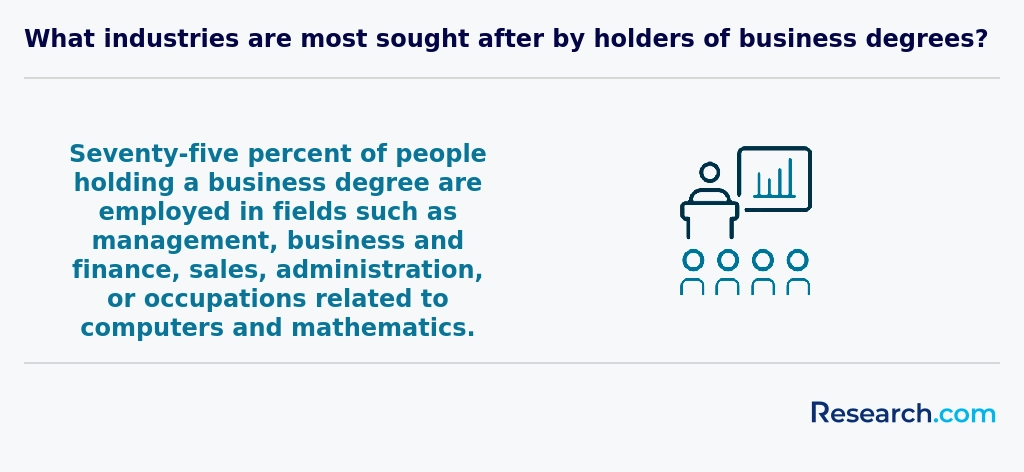
Business students in Jersey City can access several practical financial aid options to manage costs. Federal aid remains the foundation, with Pell Grants offering up to $7,395 annually to eligible undergraduates, easing tuition burdens at schools like New Jersey City University. Direct Student Loans provide fixed interest rates and flexible repayment, a relief for many facing private college fees exceeding $40,000, such as at Saint Peter's University.
State-specific grants like the New Jersey Tuition Aid Grant (TAG) can reduce costs by $1,000 to $6,000, especially helpful for full-time students demonstrating need. Graduates often recall TAG as a key factor in affording their business degree locally.
Additionally, local scholarships targeting business majors reward academic achievement or leadership, with merit scholarships at Saint Peter's starting at $5,000 annually. Work-study programs offer paid, part-time roles that build business skills alongside income, making college life more manageable and connected to career goals.
Employer tuition assistance is another route; many students juggle jobs while receiving employer support for continuing education.
Starting with early FAFSA submission and consulting Jersey City college financial aid offices unlocks these opportunities and sets a clear path to afford your business degree.
Beyond the classroom, a robust student life and comprehensive campus resources play a crucial role in shaping a well-rounded educational experience. In Jersey City, NJ, many institutions offer vibrant extracurricular activities, dedicated career services, tutoring centers, and modern campus facilities that foster both personal growth and professional development. Students have opportunities to join business clubs, attend networking events, and participate in leadership workshops that equip them with real-world skills and lifelong connections. Moreover, on-campus career centers provide personalized counseling and facilitate internship placements, ensuring that graduates can smoothly transition into the job market. A supportive community environment not only enhances academic success but also builds critical soft skills such as teamwork, communication, and adaptability. By engaging in student organizations and campus events, you can create lasting relationships and develop a strong professional network that may prove invaluable throughout your career. Interested students can learn more about how pursuing a Business Administration Degree in Jersey City can combine academic rigor with enriching extracurricular experiences to deliver a competitive edge in today’s dynamic business landscape.
To enroll in a business degree program in Jersey City, you'll first need a high school diploma or GED. Many local graduates recall how meeting this basic requirement opened the door to opportunities at institutions like New Jersey City University. A minimum GPA around 2.5 to 3.0 is typically expected, reflecting steady academic effort rather than perfection-something many working students find encouraging.
Standardized tests like the SAT or ACT may no longer be mandatory due to widespread test-optional policies, but some schools still ask for scores when considering scholarships or honors programs. It's wise to confirm these details early to avoid surprises.
Preparatory coursework in algebra, statistics, and English plays a crucial role. Business students often share stories of how mastering these basics before college made the transition to complex business concepts smoother.
Local options such as Hudson County Community College offer flexible entry routes, allowing students to start with fewer prerequisites and transfer later. This pathway has helped many balance studies with jobs or family commitments while steadily advancing toward their degrees.
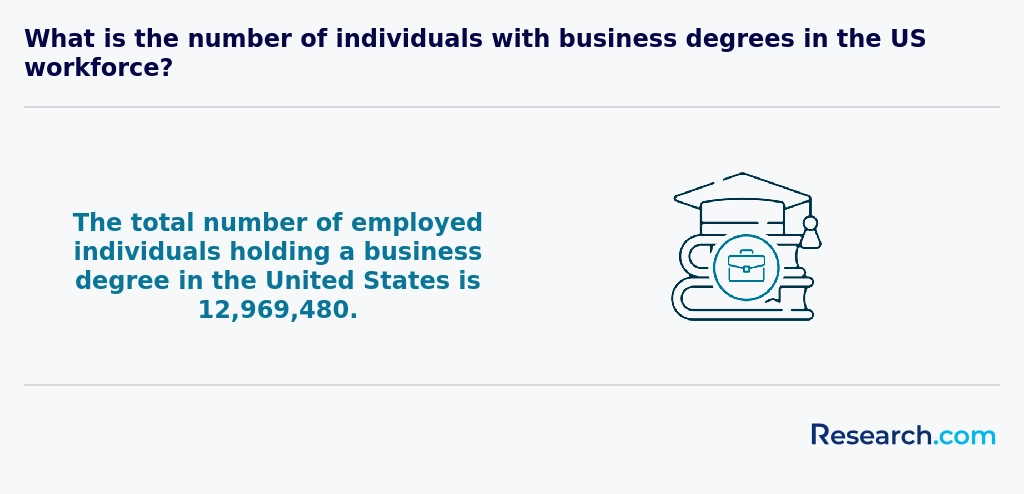
Business degree programs in Jersey City typically include essential courses like principles of management, accounting, and economics. Graduates from local schools often remark how mastering financial statements through accounting classes directly helped them manage budgets during internships at Wall Street firms nearby.
Students also take business statistics and analytics, gaining hands-on experience with data tools widely used across the New York metro area. For example, a common assignment involves analyzing real market trends, which builds confidence in making data-driven decisions - an invaluable skill in today's competitive job market.
Marketing courses focus on consumer behavior and digital strategies, preparing students to create campaigns that actually resonate with Jersey City's diverse communities. Entrepreneurship and business law classes provide practical knowledge for those aiming to launch startups in the city's booming entrepreneur ecosystem.
- Principles of Management
- Financial and Managerial Accounting
- Microeconomics and Macroeconomics
- Business Statistics and Analytics
- Corporate Finance and Investment
- Marketing and Consumer Behavior
- Entrepreneurship and Business Law
- Organizational Behavior and Leadership
Leadership courses develop teamwork skills that graduates find essential for managing projects at Jersey City's multinational companies. Overall, the curriculum is designed to mix theory with practical skills, uniquely preparing students for business challenges right in their home city.
Business degree specializations in Jersey City typically cover areas like finance, marketing, management, and entrepreneurship, each tailored to reflect the city's status as a commercial and financial hub near New York City. Graduates from local colleges often share how finance programs helped them secure internships at nearby banks, while marketing concentrations focused on digital strategies that are in high demand nationwide. For those looking to blend technology with business skills, concentrations in business analytics and information systems offer practical training in data-driven decision-making.
When considering Jersey City business management concentration options, it's important to note the growing emphasis on international business, which prepares students for careers in global trade by leveraging the city's port and logistics environment. Working professionals enjoy flexible scheduling to pursue specializations such as human resources or project management, making it easier to balance work and study. Many students say that programs incorporating internships deeply enhanced their understanding and helped build vital industry connections.
Those interested in applying should explore the Business Administration Degree offered by several institutions in Jersey City, which includes these relevant specializations and aligns well with local economic trends.
Start by verifying that the business program you're considering holds strong accreditation, like AACSB, which graduates from Jersey City schools often praise for boosting their job prospects in competitive markets such as New York City. Many students find reassurance in knowing their degree is recognized by top employers.
Next, explore the specializations offered to align your studies with career goals-fields like finance or marketing are popular. Graduates from Jersey City universities frequently mention the advantage of internships in nearby economic hubs, gaining hands-on experience that truly prepares them for the workforce. Programs with project-based learning or cooperative education can make all the difference.
Cost is crucial, so weigh tuition against your budget and look for affordable business degrees Jersey City offers, especially public options. Experienced students often recommend checking flexible scheduling or online course availability to accommodate work or personal commitments.
Finally, consider local industry connections and alumni networks to improve job placement chances. Many find the best accelerated bachelor's degree online options helpful for speeding degree completion while balancing these factors.

Graduates pursuing a business degree in Jersey City find diverse career options waiting for them thanks to the city's role as a financial and commercial hub near New York City. Many step into finance roles like investment banking or financial analysis, leveraging Jersey City's "Wall Street West" nickname to tap into strong market connections. For instance, graduates from local colleges often mention how internships at banks helped them secure analyst positions with salaries exceeding $90,000 annually.
Others choose management consulting, helping companies improve operations or strategy. Marketing, especially digital marketing, attracts business grads drawn to Jersey City's vibrant tech startup scene. Exploring career options with business degree Jersey City also means considering roles in human resources, sales management, and supply chain logistics, which thrive here due to the city's proximity to major ports.
Many graduates decide to launch startups, supported by local business incubators. For students balancing costs and ambitions, attending a mix of public institutions or open admission universities in Jersey City can offer practical, affordable pathways into these fields.
The job market for business degree graduates in Jersey City is promising, offering numerous opportunities across finance, marketing, and management sectors. Graduates from local institutions like Saint Peter's University often find work in leading financial firms such as JPMorgan Chase, benefitting from the city's close ties to New York City's financial district. Employers actively seek candidates with practical experience, making internships and networking crucial steps during your studies.
Those exploring business degree job opportunities in Jersey City should leverage connections between universities and local companies, which help tailor curricula to market demands. Entry-level salaries typically range from $55,000 to $70,000, which is competitive given the cost of living. Graduates report feeling optimistic about their prospects thanks to steady job growth and access to diverse sectors like technology and healthcare administration.
Considering tuition costs, students often seek scholarship options or faster tracks. Enrolling in fast masters programs available nearby can speed up time to employment, enhancing financial returns and career momentum.
2027 Best Business Degree Programs Ranking in Jersey City
Investing in your education is a significant decision that can profoundly influence your career, and the Research.com team is committed to helping you make well-informed choices. To support students seeking top business degree programs in Jersey City, we have carefully developed the "2027 Best Business Degree Programs Ranking in Jersey City." Our dedication to quality, credibility, and accuracy is demonstrated through thorough research and careful analysis.
We utilized the following reputable data sources to create this ranking:
By reviewing this ranking, readers can access reliable information that highlights the best business degree programs in Jersey City, aiding them in making choices aligned with their professional goals. For a deeper understanding of our process, please visit our Research.com methodology page.


Frequently Asked Questions About business
Business degree students in Jersey City can maximize their learning by engaging with the city's dynamic economic landscape. Jersey City hosts a thriving financial district, offering internship opportunities with major firms such as JPMorgan Chase and Goldman Sachs, which can provide valuable real-world experience. According to the U.S. Bureau of Labor Statistics, internships significantly improve employment prospects after graduation.
Students should also take advantage of networking events and local business workshops often held in Jersey City, enhancing professional connections. Enrolling in courses covering fintech and urban business trends is helpful, as these areas represent growing sectors in the region.
Finally, utilizing resources at nearby institutions like New Jersey City University can bolster academic success through tutoring and career counseling services.
The business field is evolving quickly, and several emerging niches are gaining attention among students in Jersey City. One notable area is data analytics, where companies increasingly rely on data to make strategic decisions. According to the U.S. Bureau of Labor Statistics, jobs in business analytics are expected to grow by 25% through 2031.
Another growing niche is sustainable business practices, driven by the global push for environmental responsibility. NJ-based firms are actively seeking professionals who understand green supply chains and corporate social responsibility.
Additionally, healthcare management is expanding in Jersey City due to its proximity to major hospitals and growing medical industries. This sector values leaders who can combine business skills with healthcare knowledge.
Finally, fintech continues to rise as Jersey City benefits from its closeness to New York's financial district, fueling demand for expertise in digital payments and blockchain technologies.
Preparing for the job market after completing a business degree in Jersey City involves strategic planning and effective use of local resources. Graduates should begin by building a strong professional network through internships and events hosted by institutions like New Jersey City University, which collaborates with area employers.
Jersey City's proximity to Manhattan offers access to a wide range of industries like finance, logistics, and technology, where business graduates are in demand. According to the U.S. Bureau of Labor Statistics, the New York metropolitan area expects business-related job growth of 8% through 2030.
Active engagement with the Jersey City Chamber of Commerce and platforms such as LinkedIn can boost job prospects. Additionally, developing skills in data analytics, digital marketing, or supply chain management aligns with current employer needs, enhancing graduate marketability in the region's competitive business environment.
Employers in Jersey City value business degree graduates who demonstrate strong analytical and communication skills. According to the Jersey City Economic Development Corporation, these skills are essential for success in local industries including finance, logistics, and technology.
Critical thinking and problem-solving abilities rank highly, as companies seek graduates who can navigate complex business challenges. A 2023 report from the National Association of Colleges and Employers (NACE) highlights that 85% of employers look for these skills nationwide, which closely reflects employer expectations in Jersey City's competitive market.
Additionally, proficiency in digital tools like Excel, data analytics software, and CRM platforms is increasingly required to drive informed decision-making. Teamwork and adaptability also remain key, given the dynamic business environment in the region.
Finding internships in Jersey City related to a business degree involves leveraging local resources and networks. Jersey City's proximity to New York City creates numerous internship opportunities in finance, marketing, and management fields. The Jersey City Economic Development Corporation highlights over 10,000 businesses in sectors including financial services and technology, often seeking interns.
Students should connect with local universities offering business programs, such as Saint Peter's University, which often provides internship placement assistance. Additionally, platforms like Handshake and Indeed list local internships tailored to business students.
Networking events hosted by the Jersey City Chamber of Commerce and business meetups can also be valuable. Internships in Jersey City frequently provide tangible work experience that aligns with business curricula and future career goals.
A business degree significantly enhances career mobility and advancement prospects for professionals in Jersey City. The city's strategic location near New York City, combined with its growing financial, logistics, and tech sectors, creates numerous opportunities for business graduates. According to the U.S. Bureau of Labor Statistics, occupations in business and financial operations are projected to grow by 8% nationally from 2022 to 2032, reflecting strong demand for skilled professionals. In Jersey City, employers often prioritize candidates holding bachelor's or master's degrees in business, valuing the relevant analytical and managerial skills they bring.
Employers like financial services firms and multinational corporations operating in Jersey City seek graduates who understand market dynamics and can contribute to business growth. Furthermore, graduates with advanced business education tend to access higher salaries and faster promotions. Data from the National Association of Colleges and Employers (NACE) shows business majors earn competitive starting salaries, averaging over $60,000 annually, which supports upward mobility in local industries. Hence, a business degree serves as a vital credential in this competitive urban job market.
Studying for a business degree in Jersey City equips students with skills applicable across multiple disciplines. Many programs emphasize collaboration between business, technology, and communication fields, fostering a broad understanding of market dynamics. The city's proximity to New York City offers access to diverse industries, from finance to healthcare, supporting real-world interdisciplinary experiences.
Students often engage in internships and projects that require integrating knowledge from economics, data analytics, and management. According to the New Jersey Business & Industry Association, over 65% of businesses in Jersey City seek employees with versatile skill sets. This practical exposure prepares graduates for roles that cross traditional boundaries.
Additionally, local universities offer coursework combining business with IT, law, and social sciences, promoting a well-rounded education suitable for interdisciplinary careers.
When choosing between a thesis and a non-thesis business degree program in Jersey City, consider your career goals and learning preferences. A thesis option typically involves rigorous research and writing, ideal for students aiming for academic, research, or specialized professional roles. It can enhance critical thinking and analytical skills, valued in sectors such as finance and consulting, which are prominent in Jersey City's growing business district.
Non-thesis programs usually focus on practical coursework and internships, appealing to those seeking immediate entry into Jersey City's dynamic job market. According to the National Center for Education Statistics, non-thesis options support faster degree completion, a factor for working professionals in this urban hub.
Research local institutions' offerings to align with industry demands, balancing depth of study and practical experience.
Students in Jersey City interested in studying business abroad have several pathways through U.S. higher education institutions offering global programs. Many universities in the New York metropolitan area provide exchange programs, internships, and dual-degree options with partner schools worldwide. For example, Stevens Institute of Technology in Hoboken, close to Jersey City, facilitates study abroad in Europe and Asia, focusing on international business practices.
Additionally, students can pursue online or hybrid business degrees from accredited U.S. schools with global modules, expanding their international exposure without relocating. According to NAFSA (Association of International Educators), nearly 40% of U.S. study abroad students enroll in business programs, highlighting strong interest.
These options allow Jersey City students to gain critical, real-world cross-cultural business experience while earning a recognized U.S. degree.
Jersey City offers diverse part-time job opportunities that complement business degree education effectively. Positions in financial services, including roles at local banks and investment firms, provide hands-on experience in portfolio management and client relations. According to the New Jersey Department of Labor, the finance sector employs over 15,000 people in Jersey City, highlighting its prominence.
Retail management and customer service roles at large shopping centers like Newport Centre help develop leadership and communication skills. Additionally, internships or assistant positions in marketing agencies present chances to apply digital marketing and analytics knowledge.
Nonprofits and small businesses in downtown Jersey City frequently seek business interns, allowing exposure to real-world budgeting and business planning.
Business students in Jersey City benefit from numerous networking opportunities due to the city's proximity to New York City and its own growing commercial landscape. Local universities often host events, such as career fairs and industry panels, where students meet business leaders and alumni. According to the Jersey City Economic Development Corporation, over 18,000 businesses operate in the area, providing ample chances for internships and professional connections. Additionally, organizations like the Jersey City Chamber of Commerce facilitate networking mixers and workshops specifically aimed at students and young professionals pursuing business careers.
Professional groups such as the Hudson County Business Leadership Network provide platforms for business students to engage with executives from finance, technology, and healthcare sectors. Engaging in these networks can enhance job prospects, as Hudson County's unemployment rate dropped to 3.2% in early 2024, indicating a competitive market where personal connections are valuable. Furthermore, Jersey City's positioning as a logistics and financial hub means students can build relationships within industries crucial to regional economic growth.
Alumni networks play a crucial role for business degree students in Jersey City by offering valuable connections in a competitive job market. Graduates from local programs often benefit from access to professionals working in New Jersey's growing financial and tech sectors, which employ over 15,000 people according to the Jersey City Economic Development Corporation (2023).
These networks provide mentorship opportunities, internships, and job leads, which can be especially helpful given Jersey City's proximity to New York City's robust business environment. Strong alumni ties also facilitate professional development events and workshops that enhance students' skills and employability.
Research from the National Association of Colleges and Employers (2023) shows 85% of jobs are filled through networking, underscoring the importance of alumni connections for career advancement.
Customizing a business degree program in Jersey City allows students to align their education with specific career goals in areas such as finance, marketing, or entrepreneurship. Many local institutions offer elective courses and concentrations that reflect Jersey City's growing status as a financial hub next to New York City.
Students can select internships through partnerships with companies in the Jersey City area, gaining practical experience in industries like banking or technology. This hands-on work complements academic learning and builds valuable professional networks.
Additionally, some programs provide opportunities to engage in real-world consulting projects with local businesses, enhancing skills in problem-solving and teamwork. Choosing evening or hybrid classes can also help working professionals tailor their schedules while advancing their credentials.
Business students in Jersey City face several common challenges linked to both academic and local economic factors. Many struggle with balancing coursework and internships, as Jersey City offers competitive opportunities in finance and commerce, demanding significant time commitments. According to the National Center for Education Statistics, about 45% of business undergraduates nationwide work while studying, which can impact academic performance.
Additionally, students often encounter high living costs in the region, with Jersey City's median rent reaching over $2,700 per month per Zumper (2024). This financial pressure can affect focus and access to resources.
Networking is another key challenge; despite proximity to New York City, students must be proactive to tap into industry connections. Lastly, adapting to evolving business technologies and regulatory environments requires ongoing effort for success.
A business degree from a Jersey City institution can open doors to several valued professional certifications. Popular options include the Certified Public Accountant (CPA) for those interested in accounting and finance, recognized nationwide and requiring state-specific exams.
Additionally, the Certified Management Accountant (CMA) focuses on financial management skills, highly relevant for business professionals in the thriving Jersey City financial sector.
The Project Management Professional (PMP) certification is ideal for graduates aiming to lead projects across industries, including local firms in Jersey City's growing corporate market.
These certifications improve career prospects and salary potential, aligning well with Jersey City's expanding business landscape reported by the New Jersey Business & Industry Association.
Writing a winning application for a business program in Jersey City starts with understanding the competitive landscape. Jersey City is a growing business hub, with a 2023 U.S. Census Bureau report showing a 3.5% increase in local business establishments. Admissions committees look for applicants who demonstrate both academic ability and practical interest in business.
Begin by highlighting your academic achievements, including GPA and relevant coursework. Many programs require a minimum GPA around 3.0 for business majors, so emphasize strong performances in economics, math, or finance.
Next, showcase professional experience or internships related to business. Jersey City's proximity to New York's financial district offers valuable internship opportunities, which admissions appreciate.
Finally, write a clear personal statement explaining your career goals and why studying business in Jersey City aligns with them. Tailor your application to reflect knowledge of local business trends and the city's economic growth.
The global perspective on a business career is increasingly shaped by the interconnectedness of markets and cultures. For students in Jersey City, this means understanding both local and international business dynamics is key. According to the U.S. Bureau of Labor Statistics, jobs in business management are expected to grow 7% from 2022 to 2032, reflecting steady demand. Jersey City's proximity to New York City offers unique access to global financial hubs, enhancing learning opportunities about international trade and finance.
Many U.S. business programs now emphasize global case studies and cross-cultural communication skills. This prepares graduates to compete in diverse markets and work effectively with global partners. Industry reports highlight that companies increasingly seek professionals with knowledge in global supply chains and international regulatory environments. These trends suggest that a business degree with a global perspective can significantly boost career prospects.
Students pursuing a business degree in Jersey City can gain practical experience through several local opportunities. Many colleges offer internships with nearby companies in finance, technology, and logistics-key industries in Jersey City's economy, which contributed over $17 billion in economic activity in 2022, according to the Jersey City Economic Development Corporation. Internships enable students to apply classroom knowledge in real-world settings, enhancing both resume appeal and professional networks.
Additionally, business programs often include cooperative education (co-op) options, allowing students to alternate semesters of study with work experience. Networking events, career fairs, and partnerships with local businesses also foster connections. Volunteering for entrepreneurial projects or joining student-run business clubs further develops practical skills vital for future careers.
Choosing the right concentration within a business degree program in Jersey City begins with assessing your career interests and goals. Popular options include finance, marketing, management, and entrepreneurship, each aligned with specific industry demands. Jersey City's proximity to New York's financial district makes finance and accounting concentrations particularly advantageous, supported by the local job market's 8% growth in finance roles from 2020 to 2023, according to the Bureau of Labor Statistics.
Evaluate program curricula to ensure courses cover skills needed in your desired field. Consider internships and connections offered by schools with strong ties to Jersey City's businesses. Researching alumni outcomes provides insight into which concentrations lead to successful employment. Ultimately, aligning your concentration with both market trends and personal strengths promotes a more focused educational path.
- 2027 Best Business Degree Programs Ranking in New Haven
- 2027 Best Business Degree Programs Ranking in Springfield
- 2027 Best Business Degree Programs Ranking in Baltimore
- 2027 Best Business Degree Programs Ranking in Cambridge
- 2027 Best Business Degree Programs Ranking in Washington
- 2027 Best Business Degree Programs Ranking in Arlington
- 2027 Best Business Degree Programs Ranking in Virginia Beach
- 2027 Best Business Degree Programs Ranking in Lynchburg
- 2027 Best Online Business Degree Programs Ranking in New York, NY
- 2027 Best Online Business Degree Programs Ranking in Newark, NJ
See What Experts Have To Say About Studying Business
Read our interview with Business experts


David W. Stewart
Business Expert
Emeritus President's Professor of Marketing
Loyola Marymount University

Ingrid S. Greene
Business Expert
Clinical Assistant Professor of Management
Loyola Marymount University

- Networking Tips for Business Students: Building a Foundation for Success https://londonsba.org.uk/blog/networking-tips-for-business-students-building-a-foundation-for-success/
- Interdisciplinary Business https://www.okwu.edu/academics/undergraduate/bachelor-interdisciplinary-business/
- Top 10 Emerging Business Niches of 2026 & How to Plan for Them https://prometai.app/blog/emerging-niches-business-planning
- Part-Time Students: 9 Things You Need to Know – EU Business School https://www.euruni.edu/blog/part-time-students-9-things-you-need-to-know/
- Undergraduate Programs https://www.njcu.edu/academics/schools-colleges/school-business/departments/management/undergraduate-programs
- Niche Business Ideas: A Guide to Profitable Niche Business Selection - Inar Learn https://inarlearn.com/niche-business-ideas-a-guide-to-profitable-niche-business-selection/
- Graduate Business https://www.saintpeters.edu/academics/graduate-programs/business/master-of-business-administration/accelerated-bsba-to-mba-program/
- Funding for Jersey City Businesses | JCEDC https://www.jcedc.org/business-funding-jersey-city
- 55 Trending Business Ideas for 2025 and Beyond https://www.uschamber.com/co/start/business-ideas/top-trending-business-ideas
- The Seven Biggest Challenges Faced by Student Entrepreneurs https://venturewell.org/blog/five-biggest-challenges/