2027 Online Environmental Science Degrees With Graduate School Prep Alignment

Co-Founder and Chief Data Scientist
Environmental science professionals seeking graduate school often face the challenge of balancing workforce demands with rigorous academic preparation. With over 40% of U.S. graduate students now enrolling in online programs according to the National Center for Education Statistics, the pressure to select flexible yet academically credible degrees intensifies, especially for adult learners juggling careers and family. Online environmental science degrees must align with graduate prerequisites to avoid costly delays or repeated coursework.
This landscape calls for strategic evaluation of program design, graduate school compatibility, and practical outcomes. This article identifies top online environmental science degrees designed to streamline graduate school readiness and career progression.
Key Things You Should Know
- Online environmental science degrees with graduate prep alignment average $18,500 total cost but extend program length by 25% on average, increasing opportunity costs for career pivoters according to National Center for Education Statistics 2024 data.
- Employers increasingly prioritize integrated practical competencies and research experience-National Science Foundation reports 62% of hiring managers seek candidates from programs emphasizing grad-level methodology and data analysis.
- The mismatch between asynchronous online pacing and synchronous graduate prerequisites creates scheduling frictions, delaying program completion by up to 6 months, as tracked in recent Council of Graduate Schools enrollment surveys.
What are online environmental science degrees?
Choosing an online environmental science degree program involves weighing tangible outcomes against steep cost disparities and practical constraints. Tuition can range widely-from under $14,000 to beyond $66,000-affecting value significantly. Lower-priced programs might meet basic credentialing needs or provide an entry point into the field but often fall short in delivering specialized research opportunities or faculty mentorship crucial for graduate school readiness and competitive employment.
A professional aiming to transition into roles like environmental impact assessment will benefit from programs emphasizing quantitative coursework and scientific methodologies. These skills align with employer demands for analytical rigor and regulatory knowledge. Successful programs typically incorporate rigorous training in GIS mapping and environmental data modeling-competencies vital across government agencies, nonprofits, and consultancy sectors.
Students navigating the demands of an online environmental science degree with graduate school preparation must balance time management, self-directed study, and often synchronous lab or internship requirements. Programs with part-time options and articulated graduate pathways offer meaningful support for nontraditional students balancing professional obligations.
Those seeking to compare curriculum depth and degree focus within related fields might also consider geology degrees online as complementary or alternative pathways that intersect with environmental science disciplines.
How do you choose an accredited online program?
Choosing accredited online environmental science degrees in the United States requires more than confirming a program's legitimacy-it demands scrutiny of accreditation type and how it aligns with career goals. Regional accreditation or specialized recognition from bodies like ABET impacts eligibility for federal aid, licensure, and employer acceptance. For instance, a working professional targeting environmental consulting roles must weigh programs offering robust virtual labs or hybrid fieldwork to meet practical training needs; neglecting this often results in gaps that hinder graduate school entry or certification.
When targeting advanced degrees, prioritizing the best regional online environmental science programs for graduate prep ensures core science prerequisites and research competencies are met online without sacrificing quality. The choice between structured asynchronous courses with milestone deadlines versus fully self-paced formats significantly affects completion rates and skill retention, especially for full-time workers balancing professional obligations.
Career outcomes reflect these distinctions: OnlineU data notes master's graduates in this field report median salaries around $73,320, with top earners exceeding $129,000, indicating program reputation and alumni support materially influence workforce positioning. Prospective students should evaluate career services and networks facilitating placement in government, consulting, or sustainability sectors to avoid post-graduation unemployment risks.
Logistical elements-technology requirements, faculty experience with online delivery, and clear transfer policies-should also inform decisions to prevent delays or expenses from remedial coursework. Understanding these factors is essential, especially for learners considering pathways to licensure or certifications recognized by credentialing bodies. Those interested in data-intensive environmental analytics might explore options like an online doctorate data science to complement their expertise.
Are online environmental science degrees respected by employers?
Employers prioritize online environmental science degrees that demonstrate concrete practical skills and accredited rigor, particularly when observable proficiency in quantitative analysis, GIS mapping, and policy evaluation is clear. In practice, hiring managers in both government and private sectors often assess candidates based on specific applied experiences-internships, research projects, or capstone work-over the program's mode of delivery.
The U.S. Bureau of Labor Statistics projects employment growth for environmental scientists and specialists at 6% from 2024 to 2034, creating approximately 5,000 new roles. This demand stems largely from climate mitigation efforts and increased regulatory oversight, underscoring the need for graduates who can competently interpret environmental data and policy frameworks. However, graduates without field or lab experience-common in purely online programs-may encounter barriers for technically demanding positions; supplementing education with paid internships or volunteer work is often necessary to bridge this gap.
Private environmental consulting firms especially value demonstrated problem-solving capabilities and software proficiency, which online environmental science degrees employer recognition increasingly hinges upon. Compared to traditional programs, online credentials require greater self-discipline and proactive networking to offset reduced face-to-face interaction, adding complexity for some students.
Ultimately, the value of online environmental science degrees in the job market depends on how well candidates acquire and exhibit relevant, applied competencies aligned with employer expectations. Those evaluating educational options can benefit from examining program structures and supplementing coursework through practical experiences or reputable resources like the online computer science degree pathways as models for balancing accelerated learning and skill validation.
What admissions requirements do these programs usually have?
Admission to online environmental science degree programs often balances academic basics with real-world skills, influenced heavily by an applicant's fit with workforce demands. Typical online environmental science degree admissions criteria include a bachelor's degree in environmental science or a related STEM field and a minimum GPA near 3.0. Programs expect candidates to demonstrate core competencies in chemistry, biology, and statistics, essential for graduate-level rigor.
Graduate school prerequisites for environmental science programs increasingly weigh applicable work experience, reflecting employer preferences for technical proficiency combined with practical impact. For instance, a biologist transitioning to environmental consulting should spotlight relevant project management or field experience to meet both academic and professional standards. Recommendations generally come from academic or supervisory sources able to validate technical and research abilities.
Statements of purpose play a pivotal role, revealing how applicants plan to leverage the degree for specific professional objectives rather than vague ambitions. International students face additional hurdles, needing TOEFL or IELTS scores to confirm they can communicate effectively in specialized, technical contexts.
Cost is a significant factor: LSU Online's MS in environmental sciences charges a flat rate of $573 per credit hour with no out-of-state fees, totaling $20,628-a notable reduction compared to national averages. This pricing dynamic can be crucial for candidates balancing educational investment with career shifts.
Evaluating these components pragmatically benefits from consulting trusted resources, including comparisons of affordability and curriculum, such as those outlined for the library science masters field, which also shares parallels in balancing cost, admission requirements, and career outcomes.
How long does an online environmental science degree take?
Completing a master's degree in environmental science online typically spans two to three years full-time, yet this can extend beyond four years for part-time students juggling professional and personal commitments. Accelerated programs reduce duration to 18-24 months but impose heavy course loads, which may risk compromising work-life balance and limit valuable work experience during study.
For example, a full-time environmental consultant might accept longer program completion times to maintain billable hours and steady income, balancing progress with financial stability. However, many government and nonprofit employers require graduate credentials within a 2-3 year timeframe to qualify for specialized roles or promotions, making extended timelines less compatible with career advancement opportunities.
Cost disparities are substantial. According to PublicServiceDegrees, online master's tuition at public universities ranges from approximately $24,160 up to over $70,000, reflecting over a 190% total tuition difference. This spread interacts with program length because prolonged enrollment can amplify indirect costs such as lost earnings and tuition inflation.
Key considerations for prospective students include:
- Choosing a program length aligned with employer expectations and career objectives
- Anticipating tradeoffs between accelerated study intensity and sustained professional engagement
- Evaluating financial capacity against tuition ranges and the impact of part-time study on income
- Prioritizing accredited programs offering clear pathways to certification and workforce relevance
Balancing these factors improves the likelihood that your environmental science master's degree contributes effectively to meaningful employment outcomes.
What courses are in an environmental science curriculum?
Programs centered on environmental science that omit rigorous quantitative training risk producing graduates ill-equipped for data-driven roles increasingly demanded by both public agencies and private firms. Mastery of statistical analysis, GIS, and environmental modeling is often a baseline requirement rather than an advantage, influencing employability and salary potential substantially.
For example, environmental professionals proficient in data analytics command a median salary near $104,350, exceeding general field averages. This wage gap signals the tangible value of integrating advanced computational tools like R or Python into curricula rather than focusing solely on traditional natural sciences.
Core coursework spans ecology, chemistry, biology, and geology, but practical application through environmental toxicology, law, and field research is essential to navigate compliance and remediation responsibilities. Importantly, students should assess programs for substantive lab and real-world dataset experience to avoid gaps in applied skills.
Students targeting policy or research paths must complement environmental science with communication and economics to operate effectively in interdisciplinary teams and regulatory frameworks. Tradeoffs emerge where programs emphasize foundational theory but underdeliver on technical competencies required by employers prioritizing data literacy and actionable insights.
Employment outcomes hinge on the balance between scientific breadth and technical depth; those neglecting computational components face narrower career prospects and limited salary growth despite obtaining advanced degrees.
How do online and campus programs compare for labs and fieldwork?
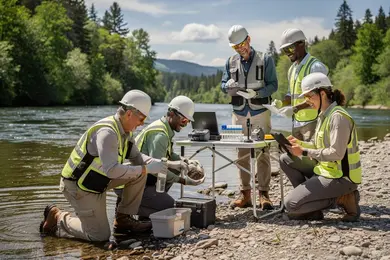
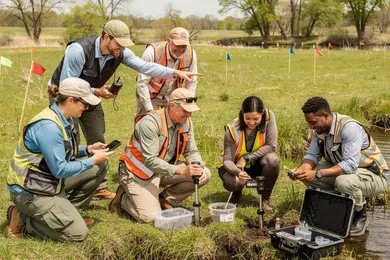
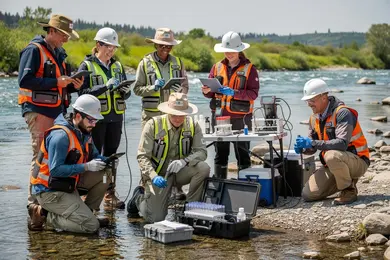
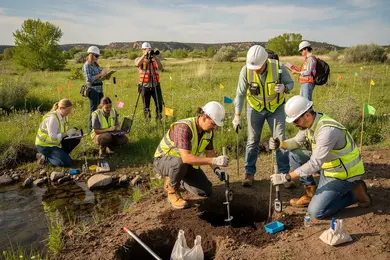
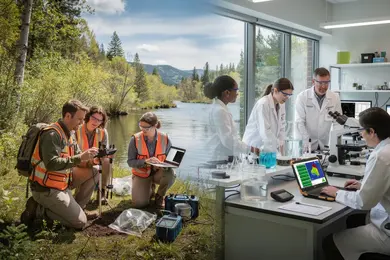
Online environmental science programs deliver theoretical knowledge but inherently limit access to essential hands-on labs and field experiences crucial for professional readiness. For instance, soil sampling or water testing requires direct, tactile practice beyond what virtual simulations or remote lab kits can replicate. Campus programs, benefiting from dedicated facilities and local ecosystems, provide repeated, supervised exposure to diverse environmental techniques valued by employers in consulting, regulatory, and research sectors.
The primary tradeoff lies between affordability and experiential depth. Oregon State University's Ecampus charges about $409 per credit without nonresident fees, making a full 120-credit degree around $49,080-midrange nationally. However, online students face logistical challenges, often needing to secure independent lab partnerships or complete intensive residencies, complicating schedules and potentially increasing costs.
Environmental monitoring and remediation fields especially demand verifiable hands-on portfolios; campus routes naturally facilitate this through structured lab access and mentorship. Online pathways require deliberate planning, such as coordinating internships or fieldwork, to satisfy graduate programs and employers prioritizing practical competencies.
- Campus offerings provide immersive lab and fieldwork environments not fully duplicable online.
- Online programs offer cost and geographic flexibility yet impose additional effort to meet experiential requirements.
- Employer scrutiny often favors credentials demonstrating authentic, hands-on skill application.
What careers can you pursue with this degree?
Graduate training in environmental science is a practical differentiator, especially for roles demanding nuanced interpretation of environmental regulations. For example, government positions like compliance officers require detailed knowledge of policies such as the Clean Air Act, where candidates with advanced understanding stand out. Private-sector employers increasingly value skills in geographic information systems (GIS) and data modeling for roles focused on environmental impact assessment and mitigation strategies.
Professionals moving into leadership roles within environmental engineering firms often face the tradeoff of acquiring additional credentials, such as PMP certification, alongside their degrees to meet project management standards. Those pivoting from technical backgrounds in manufacturing or energy sectors find this degree facilitates entry into sustainability coordination or corporate social responsibility roles, where integrating business operations with environmental compliance is essential.
The U.S. Bureau of Labor Statistics projects about 8% growth in environmental science-related occupations through 2032, though regional demand varies with state priorities on conservation and renewable energy. Meanwhile, financial considerations heavily influence educational choices: 2026 data shows median tuition for affordable online master's programs hovers near $7,500, significantly below traditional non-ranked program costs. This cost differential enables working professionals to upgrade qualifications without disrupting income.
- GIS and data modeling proficiency have become near prerequisites for many environmental analysis roles.
- Supplementary certifications remain critical for project management career advancement.
- Program affordability and flexibility strongly impact feasibility for career pivoters balancing work and education.
What salaries do environmental science graduates earn?
Environmental science graduates in the U.S. face a salary spectrum influenced heavily by geographic location, employer type, and role specificity. Starting salaries generally fall between $50,000 and $65,000 annually, with private environmental consulting positions in metropolitan areas often surpassing this range. For example, EPA regulatory roles tend to offer $55,000 to $60,000 starting pay, reflecting a tradeoff between public-sector stability and private-sector earning potential.
The University of Arizona Online's BS in Environmental Science charges $525 per credit, totaling an estimated $63,000 in tuition. This figure sits above many public online program costs but below private on-campus degrees, making it critical for students to weigh these costs against expected salary outcomes and potential employer tuition support. Working professionals should consider this balance in relation to career goals and time-to-credential completion.
Practical career mobility hinges on factors beyond initial salary: states with stringent environmental regulations reward professionals with 10-15% higher wages compared to rural regions, which often offer limited salary growth and fewer advancement opportunities. Obtaining certifications like the Certified Environmental Professional (CEP) can boost progression into supervisory roles. Conversely, those targeting academic or research careers will face slower salary escalation but may align this with graduate education pathways.
- Salary ranges vary by sector and urban vs. rural settings
- Tuition cost must be evaluated alongside potential employer reimbursement
- Certification and geographic mobility significantly impact long-term earnings
Which certifications or graduate paths strengthen career prospects?
Environmental science employers prioritize validated expertise with certifications like Certified Environmental Professional (CEP), Certified Environmental Auditor (CEA), and Registered Environmental Manager (REM), which demonstrate practical ability to navigate complex federal and state regulations. For example, consulting firms assign higher project responsibility and shorter timelines to staff who hold Phase I and II environmental site assessment credentials, directly impacting operational efficiency and cost management.
Advanced degrees, particularly master's programs targeting environmental law or conservation biology, offer specialized knowledge aligned with regulatory negotiation or habitat restoration initiatives often funded by government or NGO sources. However, graduate degrees demand greater time and financial commitments and primarily serve candidates aiming for senior roles or leadership positions requiring policy or technical expertise.
Employment projections from EnvironmentalScience.org based on BLS data indicate a 4-6% growth rate through 2034 in roles emphasizing assessment and compliance skills, favoring professionals with certifications that validate applied competencies and regulatory fluency.
Choosing between certifications and graduate education depends on career objectives and immediate versus long-term returns: certifications enable quicker market entry and practical role access, while degrees open pathways to consulting leadership, academia, or policy-making. Candidates in competitive markets may pursue both but must weigh cost, time investment, and the likelihood of commensurate salary advancements.
Other Things You Should Know About Environmental Science
Students should complete at least one upper-division research methods course and one statistics course before applying to graduate school. For 2027 alignment, programs often expect 3 to 6 credits in field methods, data analysis, and scientific writing, plus a capstone or thesis experience with faculty supervision.
Employers often scrutinize whether online graduates possess hands-on skills like GIS mapping, lab techniques, and field data collection. Graduates from programs that incorporate virtual labs and offer optional in-person sessions tend to face fewer doubts regarding their practical readiness. When selecting a program, prioritize those with explicit skill-building components aligned with industry standards to avoid potential employer skepticism.
Part-time programs provide the flexibility needed to balance work and study, but they extend the time before degree completion and can dilute momentum, impacting graduate school readiness or career pivots. Full-time study accelerates progress and can better sustain focus but may require significant personal and professional sacrifices. Working professionals should evaluate their capacity to manage workload intensity and set clear priorities based on immediate versus long-term career goals.
References
- Online Degree vs. Traditional: Choosing the Right Path https://beal.edu/online-degree-vs-traditional/
- Most Popular Online Environmental Science Degrees 2025 https://www.onlineu.com/degrees/environmental-science
- 11 Brilliant Careers You Can Pursue With Almost Any Degree https://www.oxford-royale.com/articles/careers-any-degree
- Environmental Studies and Environmental Science Curriculum https://www.dickinson.edu/homepage/418/environmental_studies_and_environmental_science_curriculum
- Online College Courses https://www.elearningcollege.com/online-college-courses
- Best Accredited Online Universities in 2025 https://www.study.eu/article/best-accredited-online-universities
- Guide to Your Med School Application https://www.princetonreview.com/med-school-advice/medical-school-applications
- Online Environmental Science Degree | BS Environmental Science | University of Phoenix https://www.phoenix.edu/online-liberal-arts-degrees/environmental-science-bachelors-degree.html
- Bachelor of Science in Environmental Science | Royal Roads University https://www.royalroads.ca/programs/bachelor-science-environmental-science
- How to Choose an Online College in 10 Easy Steps https://www.straighterline.com/blog/choose-accredited-online-college-10-easy-steps