2027 First Environmental Science Roles for Mission-Driven Science Professionals

Co-Founder and Chief Data Scientist
Facing urgent environmental challenges, many aspiring professionals struggle to identify entry points that align with both their mission and the shifting job market. Approximately 40% of environmental science program enrollees are adult learners balancing work and study, a trend detailed by the National Center for Education Statistics, revealing a crucial need for flexible, accessible pathways.
Employers increasingly demand interdisciplinary skills coupled with real-world experience, yet many traditional programs lack adaptivity, forcing candidates to choose between lengthy, rigid degrees and immediate workforce entry. This article examines accessible education routes and roles that match evolving employer needs to help mission-driven individuals launch their environmental science careers strategically.
Key Things You Should Know
- Environmental science bachelor's graduates face a 12% employment growth by 2030, yet early-career wages average 15% below STEM peers, requiring candidates to weigh salary opportunity costs against sector impact.
- Employers emphasize expertise in geospatial analysis and regulatory compliance, with 68% prioritizing practical skills over broad academic credentials, pressuring programs to balance depth versus interdisciplinary breadth.
- Certificate and associate credentials reduce education time by 40%, but yield 30% lower median entry salaries per the 2024 National Center for Education Statistics, influencing career pivot timing and earning trajectories.
What are the first environmental science jobs?
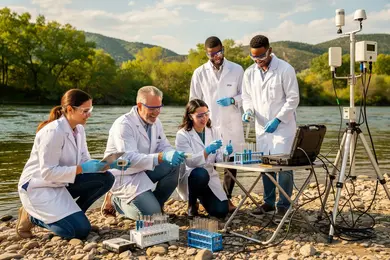
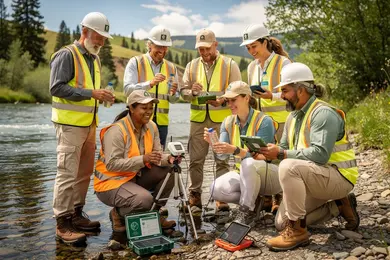
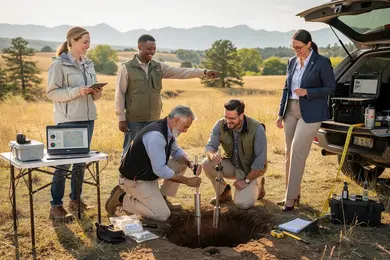
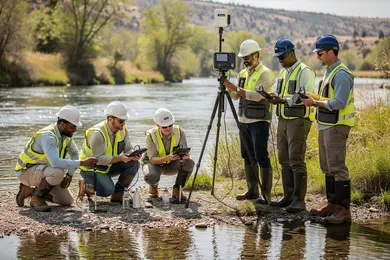
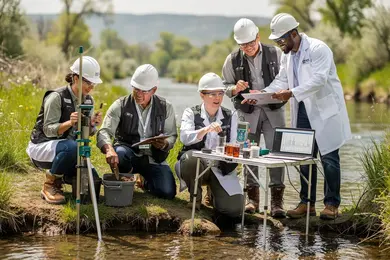
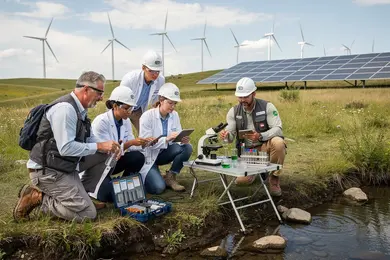
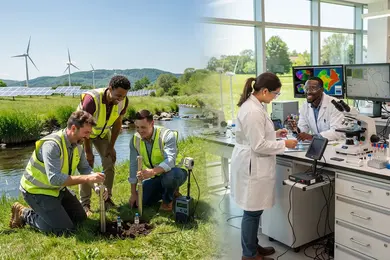
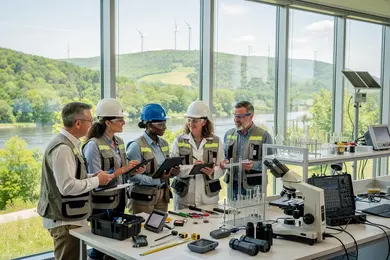
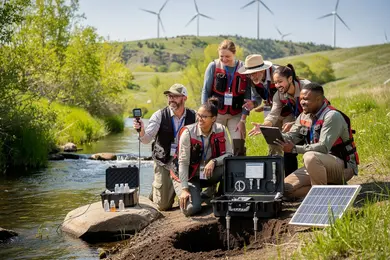
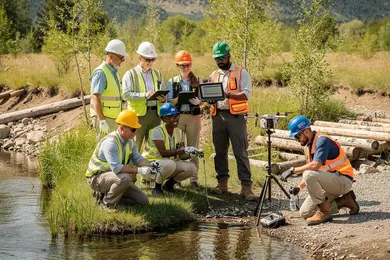
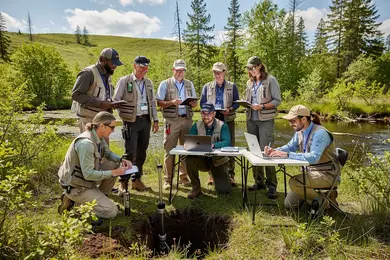
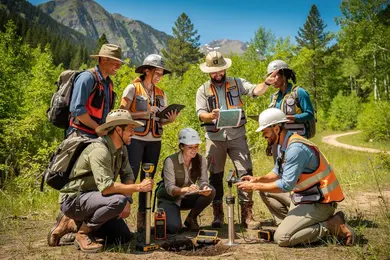
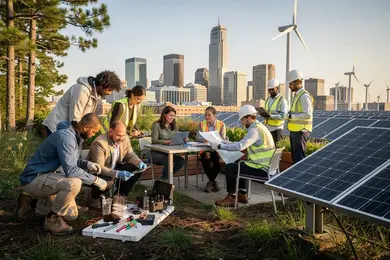
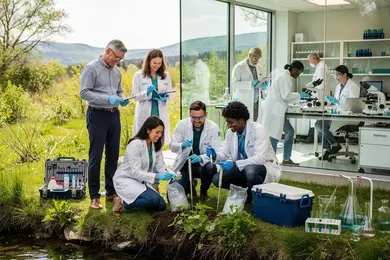
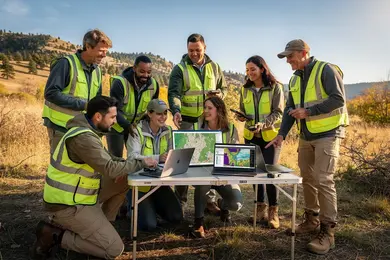
Entry level environmental science jobs in the US typically revolve around roles such as environmental technician, field technician, and environmental analyst, each requiring a pragmatic grasp of data collection, compliance, and reporting. For example, an environmental technician at a consulting firm conducting soil and water tests on industrial sites must demonstrate hands-on proficiency rather than advanced analytical research. These positions are foundational but demand attention to detail and familiarity with regulations like the Clean Water Act.
Common first environmental science roles for new graduates often require balancing laboratory or field skills with report generation that non-technical stakeholders can understand. Environmental analyst or junior consultant positions typically need a bachelor's degree and emphasize data interpretation over fieldwork, highlighting an important tradeoff between technical knowledge and communication abilities.
A notable barrier in this sector is the frequent necessity for certifications or training in geographic information systems (GIS), environmental health and safety (EHS), or hazardous materials handling. These requirements, which may exceed undergraduate curricula, compel candidates to pursue additional qualifications, slowing entry or adding cost.
According to the U.S. Bureau of Labor Statistics, environmental scientists and specialists earned a median wage of $80,060 as of May 2024, with employment expected to grow 4% over the next decade. This growth translates to roughly 8,500 annual job openings, underscoring steady but competitive demand.
Prospective candidates should evaluate educational options carefully; for instance, an online environmental engineering degree can offer flexibility but may require strategic alignment with certification pathways and practical experience to optimize employability.
What degree do environmental science employers prefer?
Employers focused on environmental science degree requirements in the United States increasingly prioritize specialized qualifications over broad credentials. Job postings demanding "climate resilience" or "climate adaptation" skills rose by 20% from 2023 to 2024, reflecting a shift toward concrete, applied expertise. Candidates with interdisciplinary training in climate risk assessment, sustainable resource management, and environmental policy hold a practical edge, especially in roles involving urban climate adaptation where understanding local climate models and infrastructure vulnerabilities is critical.
Preferred academic qualifications for environmental science employers now emphasize technical skills like GIS mapping, data analysis, and environmental modeling combined with real-world climate-focused experience. Graduates who acquire such integrated competencies, whether through combined bachelor's or master's degrees, better navigate sectors such as consulting, government, and non-profits targeting climate resilience.
For mid-career shifts, supplementing an existing STEM bachelor's with targeted master's or certificate programs stressing climate adaptation strategies is often more efficient than earning a second degree. Employers prioritize proven ability to manage climate risks over generic environmental knowledge in these transitions.
Prospective students should critically assess program offerings for theoretical grounding paired with applicable climate resilience skills to align with market demands. Those seeking flexible study options might explore an accredited online animal science degree as a model of how specific programs balance accessibility with focused skill development.
Which environmental science programs are accredited?
Degrees in environmental science accredited in the United States by ABET's applied and natural science commission provide tangible advantages in workforce alignment, especially amid intensified regulatory demands. Between 2020 and 2024, over 100 new or revised federal and state regulations in air, water, and climate governance have increased demand for professionals skilled in compliance, policy analysis, and environmental impact assessment.
Employers hiring mission-driven professionals in environmental science prioritize graduates from ABET-accredited programs or curricula that emphasize environmental law, risk assessment, and data management tailored to regulatory frameworks. Programs lacking ABET accreditation typically depend on broader institutional regional accreditation, which does not guarantee the specialized rigor that employers expect for critical roles in compliance and certification.
For example, state environmental agencies often require certifications that are most efficiently obtained through accredited educational pathways. Non-accredited programs may offer theoretical depth but risk prolonging time-to-employment due to gaps in practical and compliance-focused training.
Prospective students aiming for strategic roles in environmental policy or regulatory fields should focus on top accredited environmental science universities for mission-driven professionals, ensuring direct curriculum relevance to evolving legal standards.
Those interested in flexible options might consider programs like an exercise science degree online for parallel skill development, but should carefully evaluate accreditation and workforce applicability.
How do online and campus environmental science programs compare?
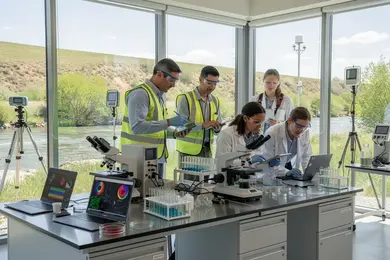
Choosing between online vs campus environmental science programs often comes down to balancing practical skill acquisition against flexibility. Campus-based degrees remain favored for roles demanding direct experience with laboratory techniques, field research, or technical equipment-elements that many employers prioritize, especially within environmental consulting or monitoring agencies. For example, a sustainability analyst position typically requires hands-on data collection skills best developed through campus programs.
Online programs streamline theoretical content and use digital simulations but frequently lack built-in opportunities for internships or intensive fieldwork essential to many environmental careers. Students in traditional environmental science degrees benefit from easier access to on-site projects and local environmental organizations, helping build networks that accelerate employment after graduation. Conversely, online learners must arrange relevant internships independently, increasing uncertainty around job readiness.
Labor market dynamics reflect these differences. By 2024, nearly all major corporations published sustainability reports, with more than 70% incorporating ESG frameworks, raising employer expectations for measurable, applied expertise rather than purely academic knowledge. Students who prioritize practical experience typically find campus programs better aligned with these workforce demands.
Prospective students should realistically assess their current employment, availability to participate in field placements, and capacity to secure internships autonomously. While some hybrid programs provide partial solutions, they remain rare. For those weighing alternatives, reviewing resources like the library science masters rankings may offer insights into flexible degree options across fields.
What courses are in environmental science degree programs?
Environmental science degree programs blend natural sciences, quantitative methods, and regulatory studies to prepare graduates for diverse roles, particularly in consulting and compliance. Employers consistently seek candidates proficient in ecological and geochemical principles alongside statistical analysis and geographic information systems (GIS) skills. This combination supports data-centric responsibilities, such as climate risk modeling and spatial assessment critical in sectors facing escalating environmental scrutiny.
Students gain expertise in environmental law and policy frameworks, essential for navigating complex EPA standards and state regulations. These skills are vital for professionals conducting environmental impact assessments within infrastructure or resource extraction industries, where projects frequently involve tens of billions in global expenditures. Training in environmental sampling and risk assessment enables graduates to perform technical evaluations required by consulting firms managing high-value contracts.
Elective options often include renewable energy technology, waste management, and climate adaptation, reflecting the shifting priorities of both private and public employers. Practical experience through internships or capstone projects is common, helping students translate theory into applied environmental problem-solving. However, selecting programs with targeted industry connections and regionally relevant curricula is necessary to align education with specific labor market needs and emerging environmental advisory roles.
- Core natural sciences integrated with quantitative analysis form the degree backbone.
- Policy and legal training supports compliance and ESG-related careers.
- Technical skills in sampling and risk assessment address consulting market demands.
- Practical internships facilitate workforce-readiness beyond coursework.
What admission requirements do environmental science programs have?
Admission to environmental science programs requires more than baseline academic credentials; successful applicants align their preparation with the discipline's applied rigor and employer expectations. A high school diploma paired with strong coursework in biology, chemistry, physics, and advanced math sets a minimum threshold. Competitive bachelor's programs generally expect a GPA between 2.5 and 3.0, but stronger academic performance improves admission chances given the technical demands.
Test scores like the SAT or ACT remain relevant at some institutions, though test-optional policies are increasingly common. Recommendation letters must underscore analytical aptitude and laboratory experience, critical for navigating the hands-on nature of the field. For working professionals considering a pivot, relevant experience or prerequisite college courses in environmental biology or geosciences can offset academic gaps.
Graduate programs typically require a bachelor's degree with a GPA above 3.0 and sometimes GRE scores, though professional experience often compensates for lower test results. Employer needs shape these standards: recent data from the U.S. Bureau of Labor Statistics report median annual wages of $69,060 for conservation scientists and $72,860 for wildlife biologists, alongside steady job growth of 4-5%. Given this landscape, practical skills such as applied research, data analysis, and regulatory compliance weigh heavily in admissions and subsequent employability.
Applicants should strategically select prerequisite classes to maximize workforce readiness and salary potential after graduation, recognizing that program rigor and real-world applicability significantly impact long-term career outcomes.
How long does an environmental science degree take?
Completing a bachelor's degree in environmental science generally demands four full-time years, setting the baseline for entry-level positions. Condensing this to three years through accelerated programs risks sacrificing critical hands-on experience like internships or research, which many employers prioritize. Conversely, part-time study or working simultaneously often extends time-to-degree beyond five years, delaying income and increasing education costs.
Positions requiring advanced expertise-such as environmental engineers or policy analysts-typically expect a master's degree, adding roughly two years beyond the bachelor's. For example, environmental engineers earned a median annual wage of $104,170 in May 2024, with a projected job growth of 7% through 2033 according to the U.S. Bureau of Labor Statistics via Arizona State University. This suggests that while graduate education delays initial earnings, it can open doors to higher-paying roles with stronger long-term demand.
The practical tradeoffs for students include:
- Four years for the bachelor's, plus two for a master's if targeting specialized engineering or consulting roles
- Longer completion periods for those balancing jobs or family responsibilities
- Accelerated paths that may limit field experience crucial for employment competitiveness
Choosing the right timeline requires assessing immediate financial needs against longer-term job market positioning and the realities of environmental science career trajectories in the U.S.
How much does an environmental science degree cost?
Choosing an environmental science degree requires weighing significant financial and professional tradeoffs that directly impact career viability. Public universities offer in-state tuition ranging roughly from $10,000 to $30,000 annually, while private institutions can surpass $40,000 per year, amplifying debt risk for mid-career students seeking a pivot. Beyond tuition, yearly expenses-including textbooks, lab fees, and living costs-typically add $5,000 to $15,000, affecting total cost of attendance and influencing decisions toward online programs or community college transfer options, which may be more affordable but demand careful scrutiny of accreditation and market recognition.
Employers predominantly value candidates with bachelor's degrees complemented by applied research or internship experience, reflecting a preference for practical skills over purely academic credentials. For example, hydrologists earn a median annual wage of $92,060 with steady job growth projected at 3%, underscoring stable demand for specialized expertise.
Students must critically assess the balance of program costs against realistic employment outcomes, prioritizing degree paths offering hands-on training, robust data analysis capabilities, and regulatory knowledge. Financial aid and employer tuition reimbursement can mitigate upfront costs but require early eligibility planning.
- Public institutions offer lower tuition but may have less integrated internship pipelines compared to private schools with industry connections.
- Online or transfer routes reduce expenses but can complicate job placement without recognized accreditation.
- Graduates with demonstrated fieldwork and analytic skills typically gain faster employment in consultancy or public sector roles.
What salaries do environmental science careers offer?
Environmental science roles paying above $90,000 increasingly demand proficiency in data analysis and Geographic Information Systems (GIS), creating a significant wage gap compared to traditional technician positions earning near $55,000. Employers now prioritize candidates who can interpret complex environmental data, often in urban planning or climate risk settings, where advanced GIS skills translate into $10,000-$20,000 higher salaries.
This shift pressures workers to acquire additional technical competencies, such as statistical software and remote sensing, frequently requiring post-degree certifications or targeted training. Mid-career transitions to these specialized roles involve not just learning new tools but managing income fluctuations during upskilling periods.
Conversely, environmental technician roles-focused on field sampling or compliance monitoring-offer more immediate job opportunities without extensive data expertise but come with slower salary progression. Prospective professionals must weigh:
- Investment in technical credentials leads to faster income growth but demands time, cost, and potential career interruptions.
- Entry-level positions allow quicker employment but may limit long-term earnings and advancement.
Data from the U.S. Bureau of Labor Statistics and the Environmental Defense Fund's Green Jobs Hub confirm these trends, emphasizing workforce polarization driven by skill specialization in environmental science. Navigating this landscape requires clear prioritization of skill development aligned with targeted sectors rather than generalized credentials.
What certifications help environmental science graduates?
Professional certifications influence employability in environmental science by signaling immediate workforce readiness and reducing employer training costs. Credentials like the Certified Environmental Scientist (CES) verify expertise in regulatory compliance and site assessment, valued heavily by government and consulting firms. In contrast, the Registered Environmental Manager (REM) appeals to sustainability-focused industries where leadership in corporate environmental responsibility is critical.
Specific certifications align tightly with job functions: HAZWOPER certification, required for hazardous waste operations, opens doors in remediation jobs backed by OSHA regulations and often yields salary premiums. For roles in water resource management or environmental policy, credentials such as Certified Wetland Scientist (CWS) or LEED Accredited Professional (LEED AP) demonstrate niche expertise that meets specialized project demands.
The U.S. workforce includes roughly 90,300 environmental scientists, with 4,000 new jobs projected over a decade and about 8,500 annual openings from attrition. Candidates who hold recognized credentials gain a competitive edge by matching employer expectations and reducing onboarding friction.
Certification choices involve evaluating upfront costs and renewal burdens against career objectives. CES requires documented work experience and continuing education, posing a steeper entry barrier but long-term payoffs, while HAZWOPER offers quicker returns for field roles. Reviewing target employers' preferences in job listings is essential to prioritize credentials effectively.
Other Things You Should Know About Environmental Science
First-time environmental science professionals often benefit from OSHA 40-hour HAZWOPER, IS-BAO-related field safety training, GIS certification, and CPR/first aid. If the role involves compliance, a state or federal permit may also require training tied to the EPA, USGS, or state environmental agency.
Internships significantly affect employability but are not always mandatory for entry-level environmental science positions. Prioritizing internships that offer direct exposure to data analysis, field techniques, or regulatory processes strengthens practical skills that employers demand. Students lacking internships should compensate by completing hands-on projects or certifications with measurable outcomes to remain competitive.
Early specialization narrows job options but deepens expertise attractive to niche employers, such as those focused on water quality or renewable energy. A broad education enhances adaptability across sectors but may require additional training later to meet specific job requirements. For career pivots, broad exposure combined with targeted skill development is preferable to maintain flexibility amid shifting environmental priorities.
Geographic location heavily influences job availability, funding, and industry focus. Urban areas tend to offer more opportunities in consulting firms and government agencies, while rural locations might prioritize conservation and field research. Relocating to regions with active environmental initiatives or industries aligned with your interests improves early career momentum. Candidates should weigh relocation costs against the likelihood of gaining relevant experience and employer networks.
References
- A Career in Environmental Sciences — Journal of Young Investigators https://www.jyi.org/2016-march/2017/3/13/a-career-in-environmental-sciences
- Accredited courses https://www.eianz.org/resources/accredited-courses/accredited-courses
- Learn About Career Tracks https://www.setac.org/career-development/career-tracks.html
- Explore UM | University of Manitoba - Environmental Science (BEnvSC) https://umanitoba.ca/explore/programs-of-study/environmental-science-benvsc
- Our List of Post-Secondary Accredited Programs | ECO Canada https://eco.ca/educators/program-accreditation/current-programs/
- Bachelor of Science in Environmental Science | Royal Roads University https://www.royalroads.ca/programs/bachelor-science-environmental-science
- Environmental Certifications for entry-level and career changers https://www.theenvironmentalcareercoach.com/certification-links
- Environmental Science jobs in Europe | Nature Careers https://www.nature.com/naturecareers/jobs/environmental-science/europe/
- Online Environmental Science Degrees: Compare Schools https://www.degreesforgood.org/online-degrees/environmental-science/