2027 Best Online Bachelor's in Environmental Science With Environmental Reporting Training

Co-Founder and Chief Data Scientist
Environmental scientists often confront a persistent challenge: translating complex data into clear, actionable reports under tight deadlines to influence policies that mitigate rising climate risks. Compounding this is the exponential growth of online education, with the National Center for Education Statistics noting a 12% increase in adult learners enrolling in remote bachelor's degrees since 2023, reflecting demand for flexible, career-compatible programs.
This shift signals that prospective students prioritize accessibility alongside rigorous training, especially in specialized skills like environmental reporting that directly enhance marketability. This article evaluates the best online bachelor's in environmental science programs that integrate environmental reporting training to support strategic career advancement and practical skill application.
Key Things You Should Know
- Programs emphasizing environmental reporting embed 15-25% additional coursework, extending degree completion by 1-2 semesters on average, creating a timing and cost tradeoff critical for working professionals balancing income and education.
- Employers in government agencies prioritize graduates with combined environmental science and data journalism skills, citing a 40% higher hiring preference founded on an Environmental Protection Agency 2024 workforce survey.
- The scarcity of accredited online bachelor's in environmental science with integrated reporting training (under 8 nationally) limits geographic access, disproportionately affecting rural students seeking climate communication roles in evolving policy sectors.
What is an online bachelor's in environmental science with environmental reporting training?
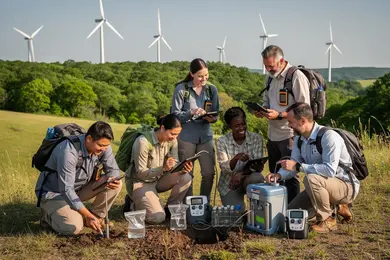
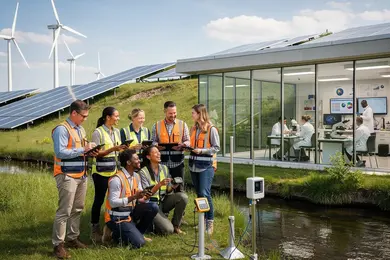
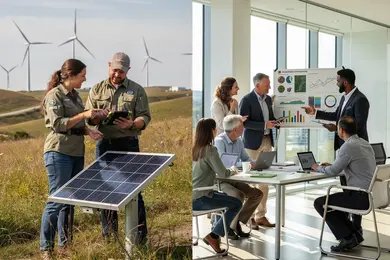
An online bachelor's degree in environmental science with environmental reporting equips students to navigate the dual demands of scientific rigor and clear communication. This blend is essential for roles that require translating complex environmental data into actionable reports for diverse audiences, from regulatory bodies to corporate stakeholders.
Graduates often face a tradeoff: acquiring deep technical expertise while developing the ability to tailor messages to non-expert readers. For instance, state environmental agency analysts rely on precise data collection and regulatory documentation to influence air quality standards, while corporate sustainability professionals craft transparency disclosures to satisfy investor expectations.
These roles highlight the practical need for environmental science degree programs with reporting and communication training that cover GIS mapping, environmental law, scientific writing, and multimedia storytelling. Employment in environmental science is projected to grow 6% from 2023 to 2033, adding roughly 6,600 jobs nationwide according to the U.S. Bureau of Labor Statistics.
Candidates with reporting skills stand to meet increasing demands for transparent environmental impact assessments and sustainability reports. However, individuals must carefully evaluate program offerings for substantive hands-on experience and current regulatory frameworks to effectively align with workforce needs.
Prospective students weighing this degree path may ask what can I do with an environmental science degree. The answer depends heavily on how well the program develops interdisciplinary agility required in today's job market, especially for those seeking strategic career pivots or advancement in environmental science.
How does an online environmental science program compare to a campus-based program?
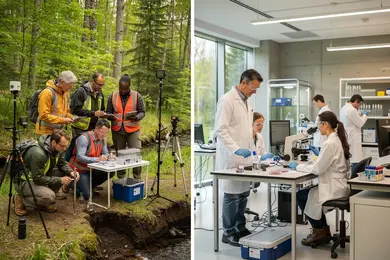
Choosing between an online environmental science degree vs campus program hinges largely on practical training and career-readiness tradeoffs. Online programs deliver comparable theoretical knowledge but demand that students independently secure local internships and fieldwork, crucial for developing applied environmental reporting skills.
Employers often prioritize candidates with hands-on experience, which campus programs more reliably integrate through structured labs, group projects, and access to specialized equipment. Data indicate over 40% growth in climate-focused news coverage since 2016, emphasizing employer demand for reporters skilled both scientifically and in multimedia reporting.
Campus students benefit from embedded interdisciplinary collaboration and peer networks, which foster these competencies more seamlessly. Conversely, online students must proactively engage with local organizations or remote sensing technologies to close these gaps, complicating consistent experience quality.
Prospective learners should weigh the benefits of online environmental science education against these limitations. For example, a working professional pivoting into environmental journalism might value online study flexibility but will need deliberate strategies to acquire mentorship and field-based skills.
High school graduates entering campus programs generally access smoother integration into research projects and early career networks essential for employer connections. Costs and program affordability also influence decisions. Those seeking efficient pathways may explore online data science masters offerings as comparative benchmarks for flexible, niche technical degrees.
Which accredited schools offer online environmental science degrees with reporting training?
Employers frequently emphasize the gap in translating complex environmental data into accessible insights; thus, accredited online environmental science degrees with reporting training directly targeting this skill set offer a competitive edge. Oregon State University's online Bachelor of Science in Environmental Sciences integrates applied reporting modules aimed at policy and community communication, a model mirrored by the University of Florida's Bachelor of Science in Environmental Management, which includes coursework essential for stakeholder engagement.
These programs respond to a critical workforce need where scientific rigor must be balanced with clear communication. This combination addresses a predominant employer pain point: graduates who are unable to effectively convey technical findings to non-expert audiences, limiting their immediate impact in agencies, NGOs, and consulting firms.
Candidates demonstrating polished reporting skills often secure roles on interdisciplinary projects requiring precise translation of environmental data for policy decisions. Program formats vary, offering both synchronous and asynchronous options.
While synchronous interaction often demands a more structured schedule, it provides timely feedback that can improve mastery of professional reporting standards. Meanwhile, asynchronous models enhance flexibility but may limit real-time guidance on reporting assignments.
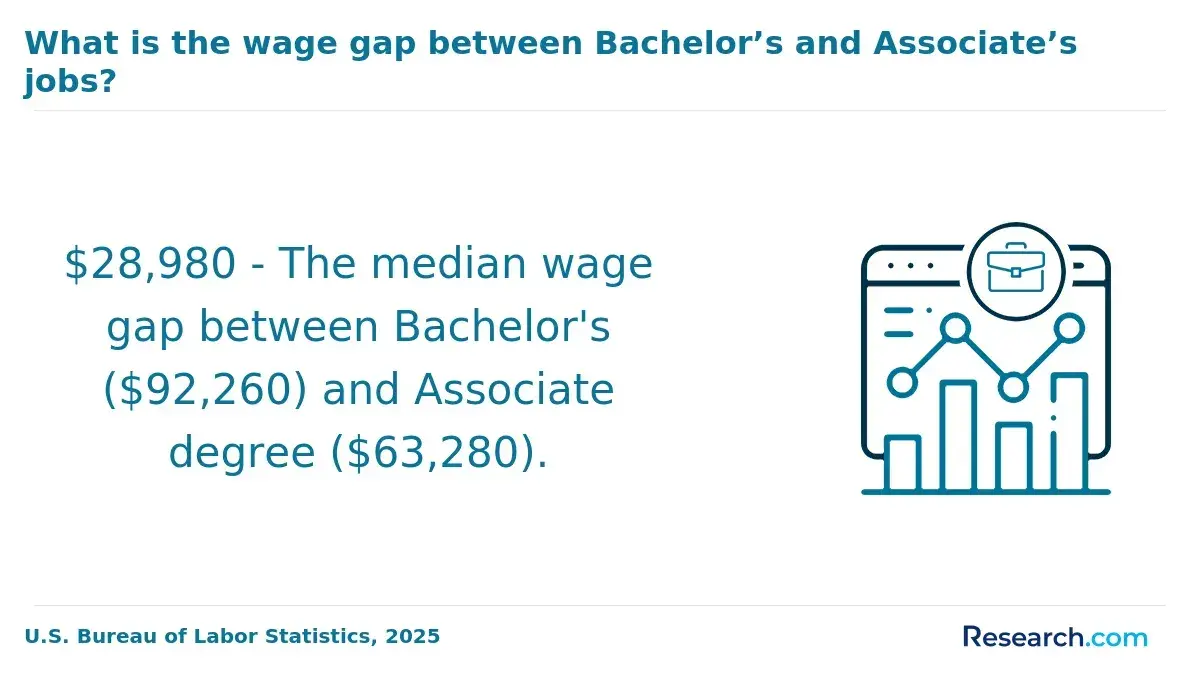
Given environmental scientists earn a median wage of $76,530 and conservation scientists $63,750, according to U.S. Bureau of Labor Statistics data cited by Intelligent.com, completing the best online environmental science programs with environmental reporting training can enhance employability and salary negotiation leverage. Prospective students seeking recognized programs combined with practical reporting skills should also consider exploring the best online registered dietitian programs for comparative insights on online scientific degree structures and employer expectations.
What courses and skills are taught in environmental science and reporting curricula?
Choosing an online bachelor's degree with an environmental reporting focus requires weighing its technical rigor against communication demands within a multidisciplinary framework. Such programs build proficiency in ecosystem dynamics, environmental chemistry, and data analysis, while also developing skills to translate scientific findings for policymakers, corporate sustainability teams, and public audiences.
Graduates emerge prepared not only for data interpretation but also for producing clear, actionable reports that meet real-world regulatory standards, including compliance with the National Environmental Policy Act (NEPA). Training in Geographic Information Systems (GIS) and remote sensing is a distinct asset, enabling students to contribute to land-use planning and disaster response efforts.
Quantitative expertise in statistics and modeling is often required by employers dealing with impact assessment or regulatory compliance. These skills are complemented by instruction in environmental law, ethics, and technical writing-essential for those navigating the nuances of environmental advocacy or corporate transparency.
Practically, students benefit from remote internships and project management experiences using industry-standard software, which balance theoretical knowledge and applied outputs. For working professionals exploring a strategic pivot or advancement, understanding these nuanced skill intersections is vital.
The average tuition for online bachelor's environmental science programs was $25,910 for the 2020-2021 academic year, reflecting an investment weighted by workforce alignment. For prospective students also considering related fields, programs like an MLIS degree online may offer complementary skills in research and information management useful in environmental data contexts.
What admission requirements and prerequisites do these online bachelor's programs have?
Admission to online bachelor's in environmental science programs commonly requires a high school diploma with relevant coursework in biology, chemistry, and mathematics, but more importantly, these prerequisites serve as a baseline filter rather than a guarantee of success. Many programs still ask for SAT or ACT scores, although an increasing number waive them, responding to shifting admissions policies and the diverse profiles of applicants.
A minimum GPA of 2.5 to 3.0 is typical, aligning admission standards with employers' expectations for foundational academic competence. Beyond grades, letters of recommendation or personal statements frequently evaluate applicant motivation and program suitability, revealing a practical layer in candidate assessment.
Prospective students who lack strong science backgrounds face a key decision: complete prerequisite courses before enrollment or pursue conditional admission with built-in bridge classes. This choice has tangible consequences for time-to-degree and early employability, especially for working professionals seeking minimal disruption.
Prerequisites often include introductory natural sciences, statistics, and writing, aiming to hone analytical and communication skills necessary for environmental consultancy or policy-related roles. Additional technical proficiency in quantitative reasoning and geographic information systems (GIS) increasingly mirrors employer demand patterns.
These skills are essential when environmental reporting depends on complex spatial data and regulatory compliance. Notably, some top-ranked public universities offer online environmental science majors for under $10,000 per year, an important consideration for financially cautious students balancing education with work schedules.
How long do online environmental science degrees take and what do they cost?
Online environmental science bachelor's degrees demand a careful balance between completion time, cost, and skillset specificity, especially for those targeting environmental reporting roles. While standard programs generally span four years full-time, accelerated options shorten this to three by capitalizing on transfer credits or intensive scheduling.
Part-time students juggling employment often stretch their studies across five to six years, directly affecting total expenses and delaying workforce entry. Tuition rates vary considerably: public in-state students typically pay between $8,000 and $12,000 per year, whereas private institutions charge $20,000 to $40,000 annually.
Online delivery models can reduce some campus-related fees but may introduce technology or administrative costs, underscoring the importance of scrutinizing full price breakdowns. Hybrid courses offering evening or weekend classes serve working students but can prolong degree completion.
Given that about 95% of S&P 500 companies issued ESG or sustainability reports recently, graduates with integrated environmental reporting and data analysis skills hold a competitive advantage. However, shorter, less costly programs often lack depth in these competencies, potentially limiting access to specialized roles in corporate sustainability or regulatory agencies.
Employer tuition assistance can mitigate expenses when aligned with relevant career impact, but this typically requires strategic program selection and demonstrated value to the employer. Prospective students must weigh immediate employability benefits against tuition premiums and scheduling demands inherent in programs emphasizing communication and analytical training.
What careers can you pursue with environmental science and reporting training?
Graduates trained in environmental science and reporting must navigate a workforce that values precision and the ability to interpret complex regulatory frameworks. Positions often center on analyzing environmental data and communicating findings that influence policy or operational decisions.
For instance, consultants routinely assess industrial processes to identify ecological risks and develop compliance documentation for federal and state agencies, where inaccuracies can result in costly delays or legal repercussions. The public sector remains the largest employer, with about 62% of environmental scientists and specialists housed in state and local government roles.
This sector demands consultants who can translate scientific assessments into actionable recommendations for land use, water management, and air quality initiatives while balancing stakeholder interests and regulatory requirements. Private firms increasingly seek professionals who integrate field data collection, GIS analysis, and reporting to support client projects, requiring a balance between thorough scientific rigor and project deadlines. Emerging roles in environmental journalism and risk communication emphasize clear, timely reporting that informs public discourse without oversimplifying scientific complexities.
What are typical salaries and earnings for environmental science and environmental reporting jobs?
Environmental science graduates equipped with environmental reporting skills position themselves for measurable salary advancements and enhanced employability. Early-career salaries typically range from $50,000 to $65,000, increasing to between $70,000 and $90,000 mid-career as professionals integrate fieldwork, data analysis, and regulatory communication.
Specialized roles, particularly in consulting or government sectors within high-demand areas such as California and the Northeast, can surpass $100,000 annually. Mastering environmental reporting means transforming intricate scientific data into clear, stakeholder-ready insights-a competency that agencies, consulting firms, and media actively seek.
Candidates with combined expertise in GIS software, quantitative analysis, scientific communication, and environmental law report greater job security and salary growth. A practical circumstance involves working professionals who enroll in asynchronous online environmental science programs to maintain employment while upskilling.
This pathway sustains income flow and allows incremental skill acquisition without halting career progress, per findings from Forbes Advisor's 2026 program ranking. Prospective students must weigh programs offering coursework explicitly tied to real-world communication and policy applications, as these correlate with stronger labor market outcomes. Employers consistently favor candidates demonstrating both quantitative rigor and clear communication, which directly impacts compensation trajectories and role advancement.
What is the job outlook and industry demand for environmental science communicators?
Environmental science communicators operate at the intersection of technical expertise and narrative precision, where their ability to translate multifaceted data into clear, actionable information meets escalating regulatory and stakeholder demands. An environmental analyst working within a manufacturing context, for instance, must produce reports that withstand regulatory audits and simultaneously address public concerns-showing that proficiency in scientific content alone is insufficient without strategic messaging skills.
Employment opportunities favor candidates who combine environmental analysis with communication competencies, including fluency in data visualization and digital media. This hybrid skill set is critical across diverse sectors such as government agencies focused on policy implementation and NGOs driving advocacy efforts, each requiring tailored communication for distinct audiences.
The field's growth, fueled by heightened climate risk reporting requirements, is tempered by constrained entry-level roles centered strictly on communication. To address this limitation, prospective communicators should engage in interdisciplinary projects and internships that build applicable portfolios.
Continuous education in emerging sustainability frameworks and digital communication formats further prepares candidates for evolving employer expectations. For prospective students and professionals, navigating this pathway requires a strategic approach that integrates technical depth with communication fluency, acknowledging the tradeoffs between specialized knowledge and market versatility.
How can you evaluate and choose a high-quality, accredited online environmental science program?
Accreditation from recognized agencies like CHEA or the U.S. Department of Education remains a fundamental filter when assessing environmental science programs, as it directly influences employer credibility and certification eligibility. Beyond institutional recognition, graduates stand out by acquiring specialized environmental reporting skills embedded in the curriculum-these competencies matter in roles demanding precise data translation, such as environmental consulting or science communication jobs linked to government agencies.
Analyzing program outcomes through metrics like job placement or alumni career paths reveals real advantages. Programs affiliated with federal or state environmental bodies, for instance, often grant students access to internships or applied projects, which significantly boost employment potential in technical communication roles requiring evidence-based reporting.
Cost considerations must be practical and transparent: with public tuition averaging around $19,000 and private closer to $46,000, candidates should prioritize schools that offer clear financial aid options or scholarships targeted to environmental studies to mitigate debt. This is more than a budget matter-it impacts the long-term viability of pursuing such specialization.
Additional factors include the modality of coursework-programs that accommodate working professionals through asynchronous classes and include hands-on opportunities like virtual labs better prepare students for workforce demands. Faculty expertise also matters, especially when advisory boards feature active environmental policy or science communication practitioners, ensuring curricula keep pace with evolving industry standards.
Other Things You Should Know About Environmental Science
Focusing on environmental reporting narrows your career scope but enhances expertise in science communication roles, which are in demand in NGOs, government, and media sectors. However, it may limit opportunities in purely research-based or technical environmental science jobs that prioritize fieldwork or lab experience. Prioritize programs that offer elective flexibility to maintain options across scientific and communication paths if you want broader career adaptability.
For working students, time management challenges intensify when scientific coursework involves labs or complex data projects alongside reporting assignments. Programs with asynchronous content and practical virtual labs are preferable to accommodate irregular schedules. Additionally, verify the availability of academic advising and peer collaboration tools, as these support successful completion of integrated scientific and reporting tasks under competing demands.
Most programs require college-level writing, basic statistics, and the ability to interpret field data, maps, and regulatory documents. Students often complete assignments using APA style, spreadsheet software, and public datasets from agencies such as the EPA or USGS.
References
- What environmental sciences can tell us about teaching in higher education https://theslowacademic.com/2023/01/24/what-environmental-sciences-can-tell-us-about-teaching-in-higher-education/
- Environmental Education > Training Courses for Teachers https://www.teacheracademy.eu/course/environmental-education/
- 11–12Earth and Environmental Science 11–12 Syllabus (2025) https://curriculum.nsw.edu.au/learning-areas/science/earth-and-environmental-science-11-12-2025/overview
- Online Bachelor's & Certificates Admission Requirements https://www.setonhill.edu/apply-afford/applying-to-seton-hill/online-bachelors-degree-certificate-program/online-bachelors-certificates-admission-requirements.html
- Explore Environmental Career Profiles | ECO Canada https://eco.ca/career-profiles-index/
- Online Environmental Science Degrees: Compare Schools https://www.degreesforgood.org/online-degrees/environmental-science/
- Choosing a bachelor's in environmental science | edX https://www.edx.org/resources/how-to-choose-a-bachelors-in-environmental-science
- 2025 Most Affordable Online Environmental Science Degrees https://www.onlineu.com/most-affordable-colleges/environmental-science-degrees
- Environmental Career Profiles Australia https://environmentaljobs.com.au/resources/environmental-sustainability-careers
- Environmental Scientist | Salary & Perks | ZEIL https://www.zeil.com/careers/environmental-scientist